Top 20 Natural Monuments around Jalhay
Best natural monuments around Jalhay are found within a region characterized by diverse flora, expansive wild moorlands, and picturesque river valleys. This area, nestled in Belgium, offers a rich natural heritage. Geologically, it forms part of the Stavelot massif, featuring unique moor landscapes with thick peat moss layers. The landscape provides varied opportunities for outdoor exploration.
Best natural monuments around Jalhay
- The most popular natural monuments is Trôs Marets Valley, a gorge that features a wild river. This valley…
Last updated: June 26, 2026
Bayehon Waterfall
Highlight • Waterfall
Translated by Google •
Tip by

Boardwalks Through the Hohes Venn Moor
Highlight • Trail
Translated by Google •
Tip by
Sign up now to discover places like this
Get recommendations on the best single tracks, peaks, & plenty of other exciting outdoor places.
Sign up for free
Trôs Marets Valley
Highlight (Segment) • Gorge
Translated by Google •
Tip by

Brackvenn Moor Lakes
Highlight • Lake
The palsen or pingos in the High Fens were formed around 10,000 to 11,000 years ago at …
Translated by Google •
Tip by
Reinhardstein Waterfall
Highlight • Waterfall
Translated by Google •
Tip by
Sign up for free to discover even more natural monuments around Jalhay.
Sign up for free
Already have an account?
Start today with a free account
Your next adventure awaits.
Login or Signup
Popular around Jalhay
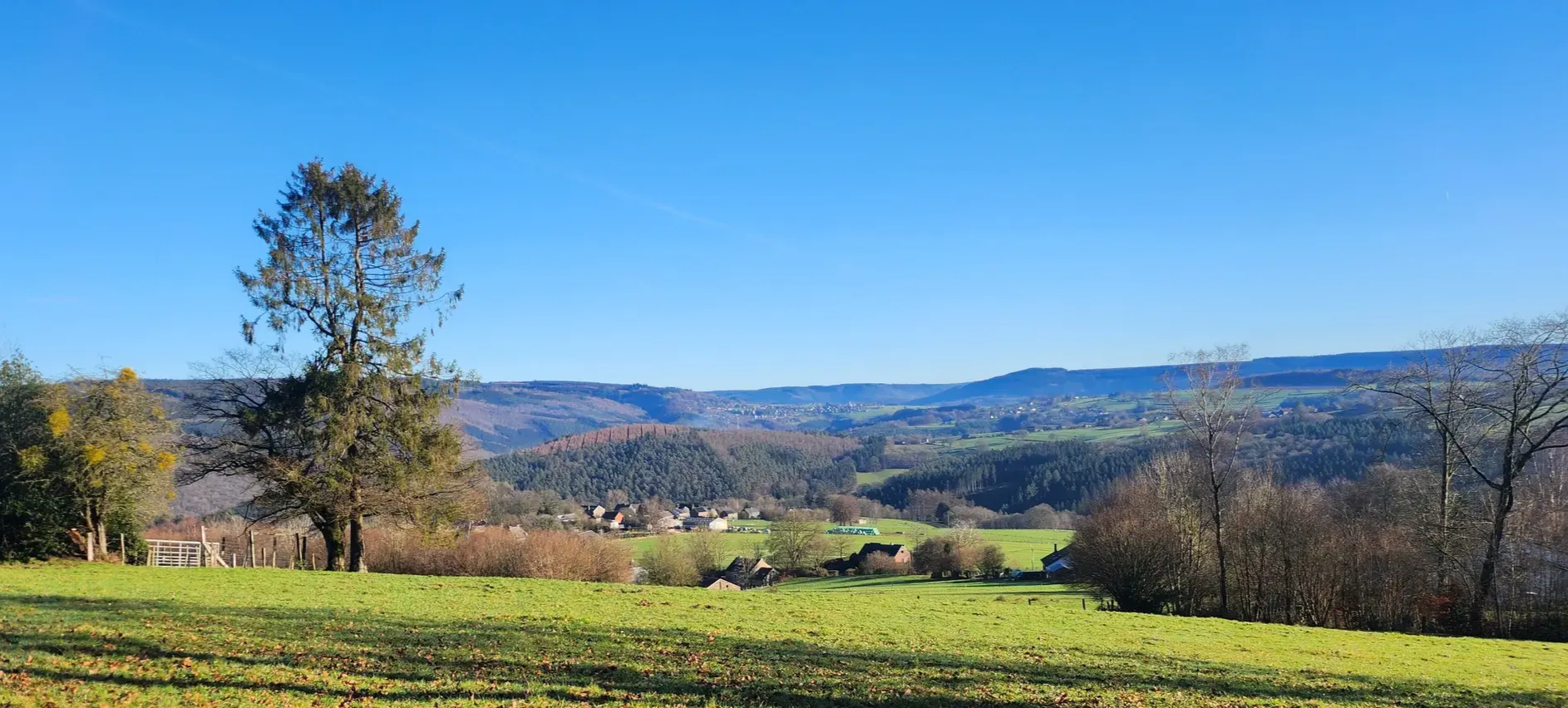
A waymarked trail all year round — Ultra Tour des Sources
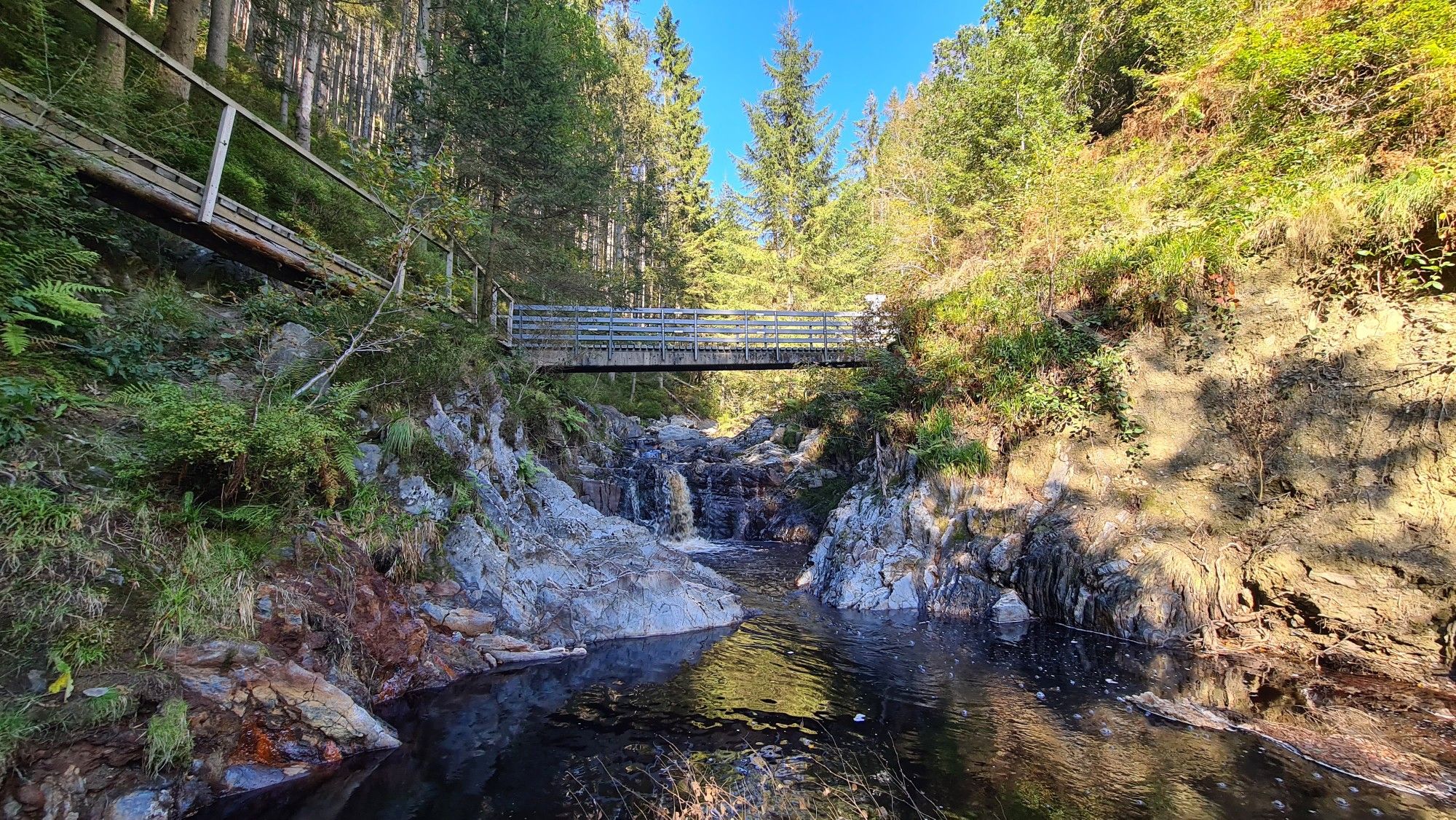
Little adventures — kids on Tour in East Belgium
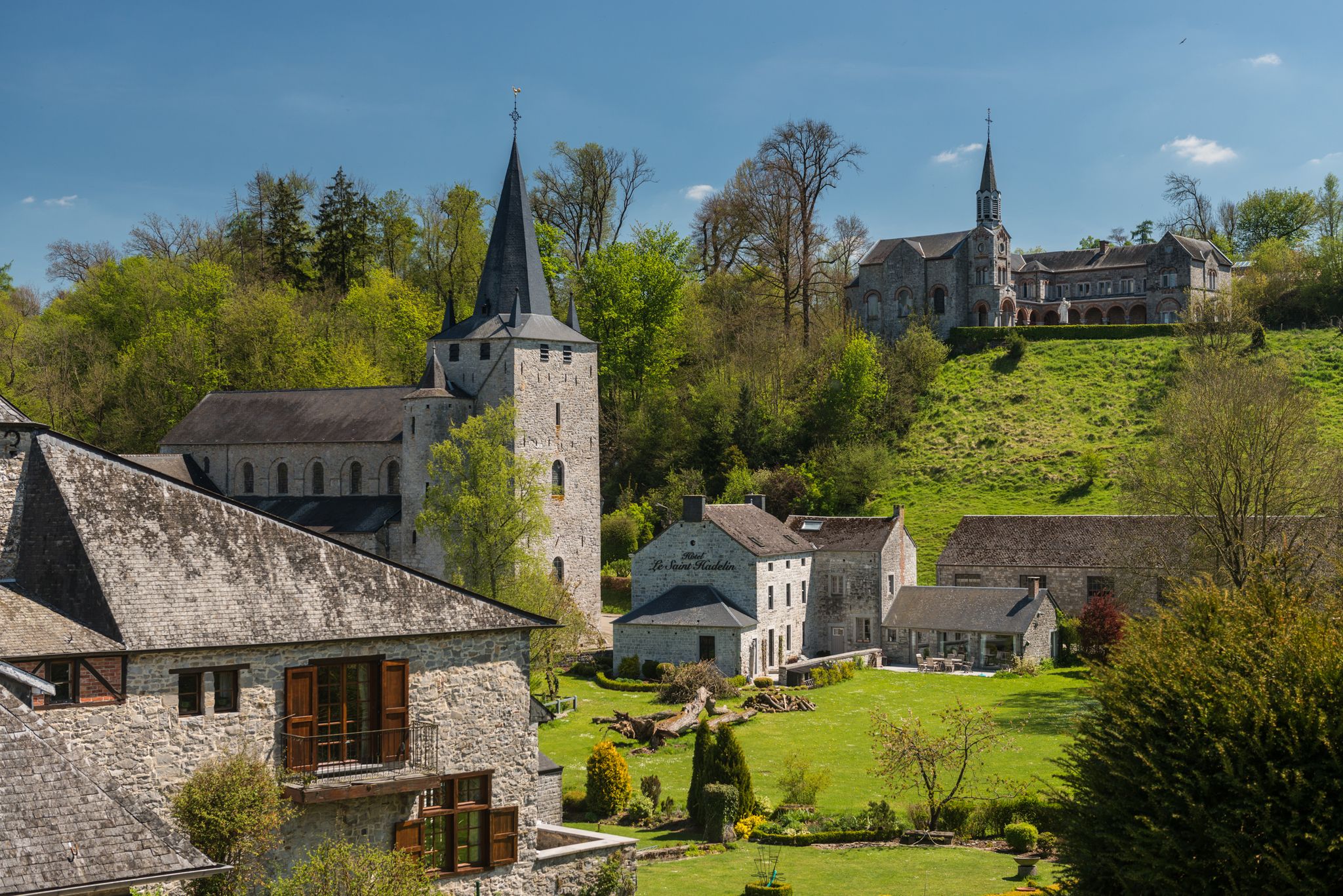
Walks in the Belgian Ardennes — historic walls & magical forests
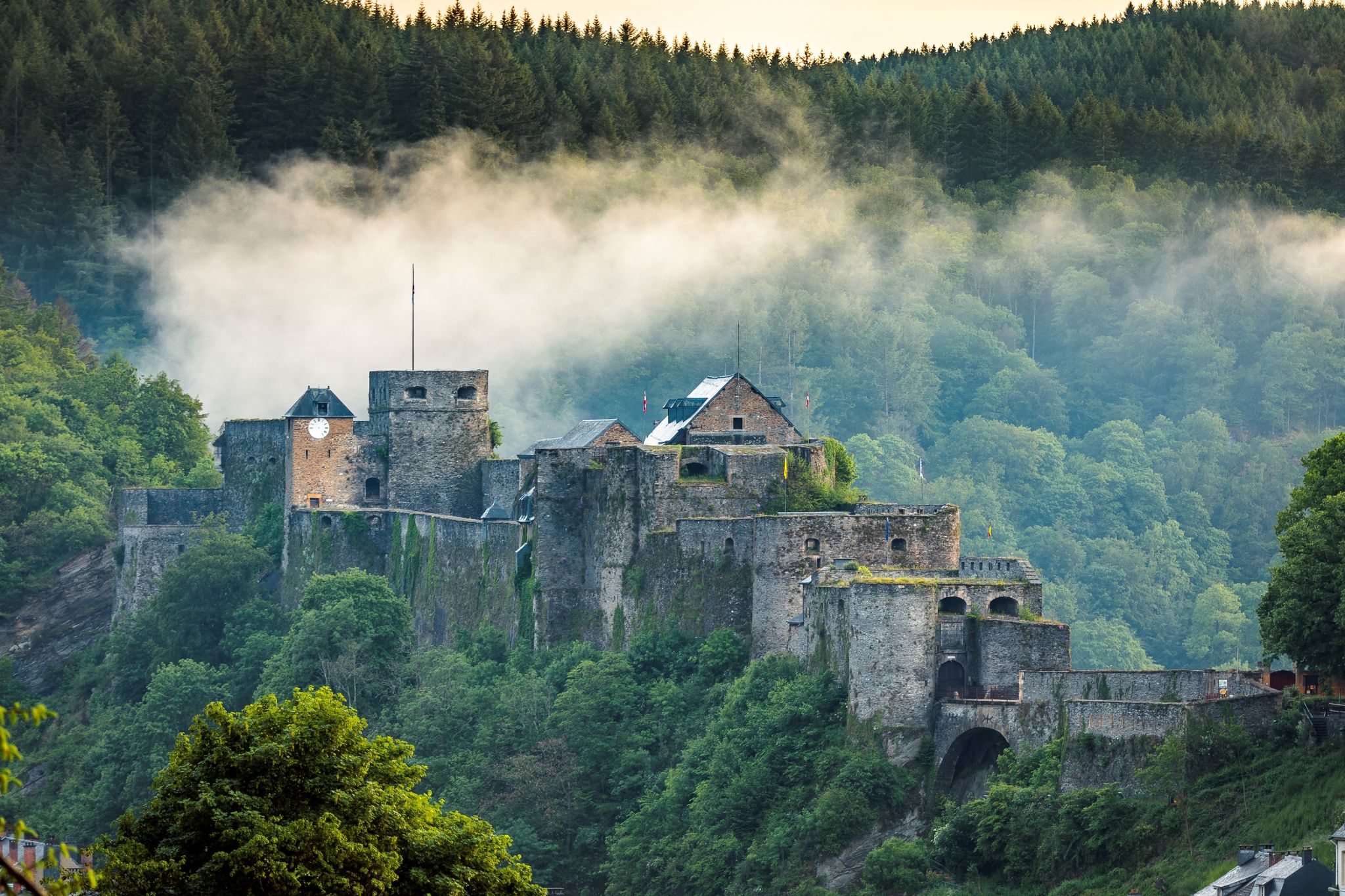
Hiking along majestic castles and nature – Belgian Ardennes
Pure nature on the hiking trails in the Belgian Ardennes
Hiking around Jalhay
Running Trails around Jalhay
Cycling around Jalhay
MTB Trails around Jalhay
Road Cycling Routes around Jalhay
Other adventures around Jalhay


Tips from the Community

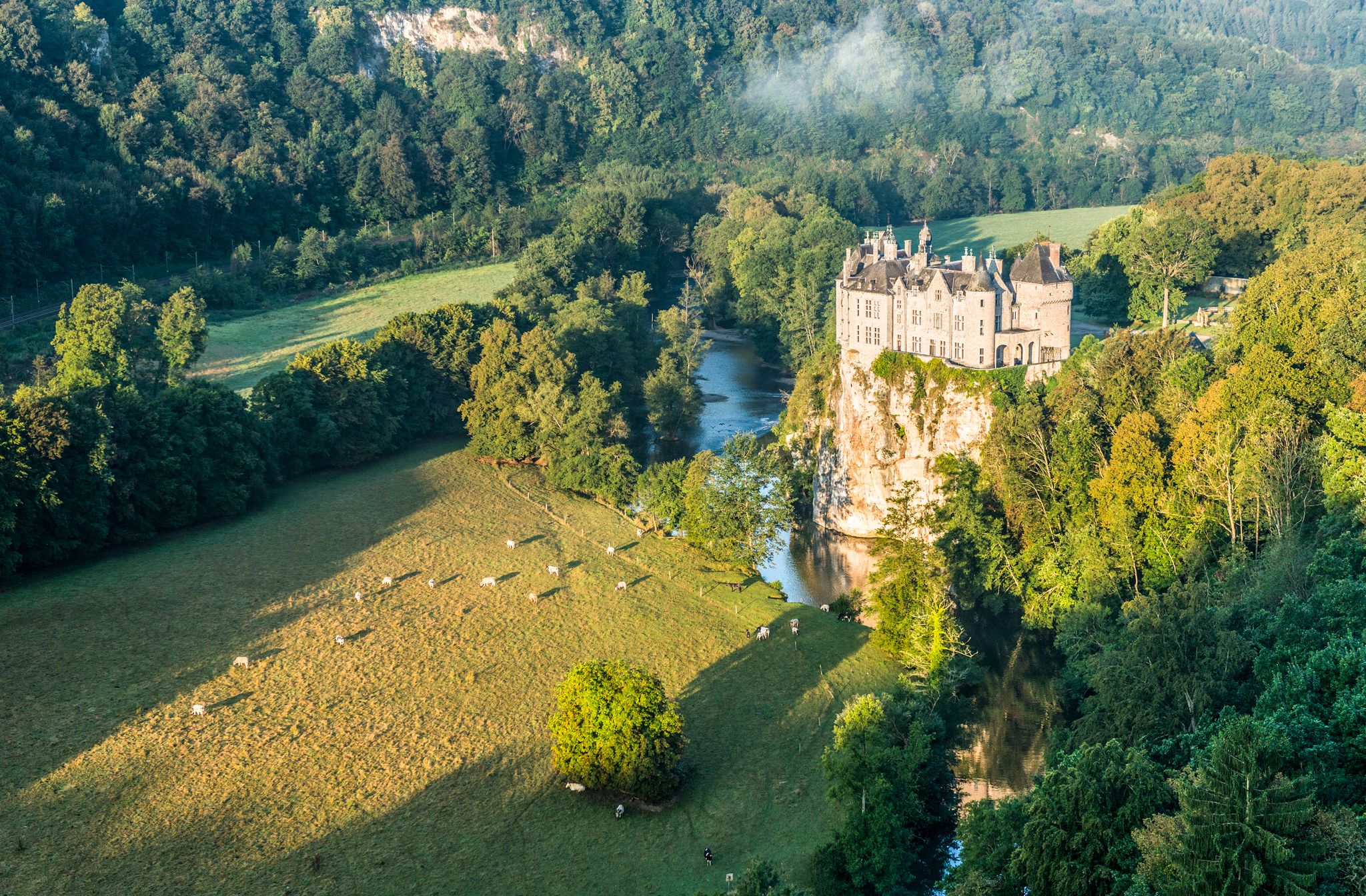
It is said to be the highest waterfall in Belgium (*drop 60m from the castle).
30
2
At this point there is a larger moor lake, which makes a nice photo motif, especially in fog. Above this, this moor lake is regularly visited by waterfowl such as wild ducks. If there are few people on the jetties and you approach the lake(s) quietly, there is a high probability that the animals will not be startled and scared away.
45
1
The peat that can be found everywhere in the bog and fen areas is the result of a process of incomplete decomposition. Usually, dead plants are gradually decomposed by small animals (such as earthworms), bacteria and fungi. This process applies to well-drained soils. On impervious acidic soils that do not contain many bacteria and in humid climates, plants such as peat moss are only partially decomposed. Their superimposition forms the peat layer. This peat layer can be up to 7 m in certain places here in the Brackvenn. 1 mm layer of peat takes 1 year to form. With a peat layer of 7 m, for example, we are talking about a period of 7,000 years.
51
1
Anyone who sees the beauty of the raised and low moors will never be able to let it go. The colors of the landscape, indeed the entire appearance of the High Fens, change dramatically every season. Even in winter - a breathtakingly beautiful landscape.
56
1
What is often called a lake in the Fens is often e.g. Palsas. The palsen or pingos in the High Fens were formed around 10,000 to 11,000 years ago at the end of the last ice age. When the ground froze deep down during the cold winters of the Ice Age, the wet ground expanded and frost mounds developed. Over the years these mounds grew and the soil material that was on top slid down the sides of the mounds and over time formed a ring-shaped wall around the mound of frost. With the end of the ice age, the ice melted, the frost mound sagged and the wall was preserved. The water in the middle is called bog scour or bog eye. Source: euregio-im-bild.de/fotos/palsen-im-brackvenn-bei-m-tzenich.html
65
1

What a unique landscape! Warning: hiking in the High Fens can be addictive :-)
14
0
When the water is low, you can cross the Warche riverbed over brook stones without getting your feet wet. Directly at the waterfall of the castle there are beautiful perspectives. Crampons are embedded in the rock next to the waterfall, but their use is prohibited by signs. Pity!
34
4
Crampons are embedded in the rock at the bottom of the waterfall. However, the use or climbing is prohibited by signs (private property).
33
4
Frequently Asked Questions
What are the most popular natural monuments to visit around Jalhay?
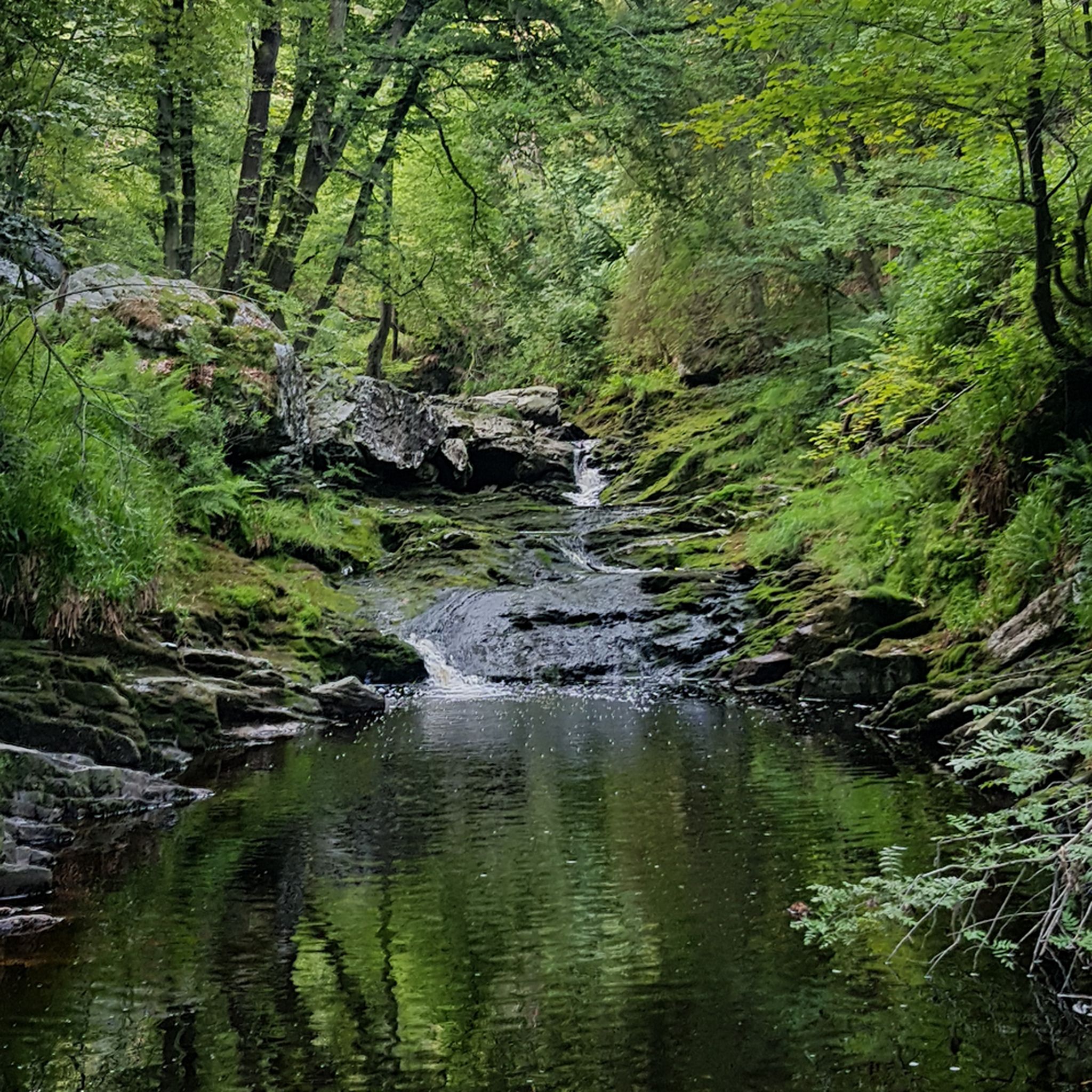
Visitors frequently enjoy the wild beauty of Trôs Marets Valley, known for its idyllic hiking alongside a wild river. Another favorite is Bayehon Waterfall, a picturesque nine-meter-high waterfall easily accessible for stunning photo opportunities. The Hoëgne River valley is also highly regarded for its remarkable botanical interest and primeval stream character.
Are there family-friendly natural monuments near Jalhay?
Yes, several natural monuments are suitable for families. The Bayehon Waterfall is particularly appealing, with parking available at the nearby Moulin de Bayehon. The hike through the Trôs Marets Valley is also considered suitable for families, offering a diverse landscape. Additionally, the Coo Waterfall is a popular tourist attraction with amenities nearby.
What kind of natural features can I expect to see in the Jalhay region?
The Jalhay region boasts a rich natural heritage, characterized by diverse flora, expansive wild moorlands, and picturesque river valleys. You can explore unique moor landscapes with thick peat moss layers in areas like the Hautes Fagnes Nature Park, witness captivating waterfalls such as Bayehon Waterfall and Coo Waterfall, and hike through wild river valleys like the Hoëgne River and Trôs Marets Valley. You'll also find wetland areas and unique bog lakes, such as the Brackvenn Moor Lakes.
What is the best season to visit the natural monuments around Jalhay?
The natural monuments around Jalhay offer breathtaking beauty in all seasons. The Hautes Fagnes, for instance, dramatically change colors throughout the year. While spring brings vibrant flora and autumn showcases stunning foliage, even winter transforms the landscape into a uniquely beautiful scene. However, wet weather can make root-covered paths slippery, so appropriate footwear is always recommended.
Are there hiking trails near these natural monuments, and what are their difficulty levels?
Yes, the region is crisscrossed with attractive hiking trails. The Bayehon Waterfall and Trôs Marets Valley trails are often rated as intermediate to challenging, with some sections requiring sturdy shoes and sure-footedness due to roots and potential slipperiness in wet conditions. The Hoëgne River valley also offers intermediate trails. For more detailed hiking options, you can explore the hiking guides around Jalhay.
Where can I find parking and trailheads for natural monuments like Bayehon Waterfall?
For the Bayehon Waterfall, parking is conveniently available at the nearby Moulin de Bayehon watermill, which also serves as a good starting point for exploring the surrounding trails. For other areas like the Hoëgne River valley, trailheads are typically found near villages such as Solwaster and Jalhay.
What should I bring for a hike to the natural monuments in Jalhay?
Given the varied terrain, sturdy shoes are absolutely necessary, especially as many paths are covered with roots and can be slippery when wet. In areas like the High Fens, expect colder temperatures and winds, so appropriate clothing is essential. Bringing water, snacks, and a camera for the numerous photo opportunities is also recommended.
Are there dog-friendly trails among the natural monuments?
Yes, the hike through the Trôs Marets Valley is specifically mentioned as being suitable for hikers with dogs, offering a varied and engaging experience for both you and your canine companion.
What outdoor activities can I do near the natural monuments around Jalhay?
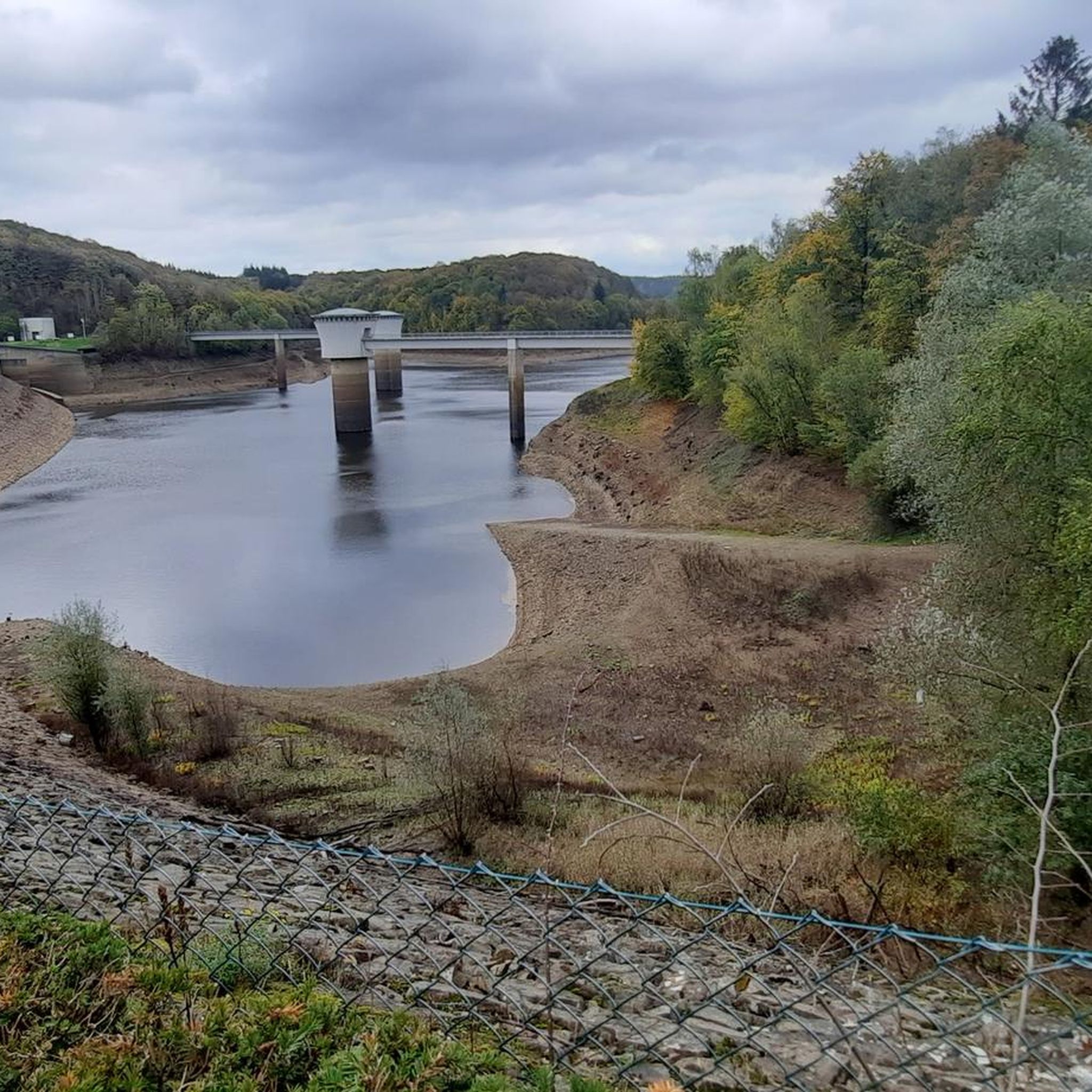
Beyond exploring the natural monuments themselves, the region offers a wide range of outdoor activities. You can find numerous cycling routes, including those around the Gileppe Dam, by checking the cycling guide for Jalhay. For mountain biking enthusiasts, there are dedicated MTB trails around Jalhay, and gravel biking options are also available in the area, detailed in the gravel biking guide.
Are there cafes or pubs near any of the natural monuments?
Yes, near the Coo Waterfall, which is a popular tourist attraction, you will find several cafes. The Moulin de Bayehon, near the Bayehon Waterfall, also offers friendly service, likely including refreshments.
What makes the Hautes Fagnes Nature Park unique?
The Hautes Fagnes Nature Park, or High Fens, is a vast and unique moorland landscape. It's geologically distinct, forming part of the Stavelot massif, and is characterized by thick, soft moss cushions, primarily peat moss, which thrives in wet, nutrient-poor conditions. Over centuries, this forms a dense layer of peat, which can be up to 7 meters deep in some areas like the Brackvenn Moor Lakes. The park features well-laid paths, including numerous wooden boardwalks, allowing visitors to explore its scenic beauty.
What do visitors enjoy most about the natural monuments around Jalhay?
Visitors consistently praise the raw beauty and tranquility of the region. They particularly enjoy the idyllic settings for hiking, the impressive flow of waterfalls, and the diverse landscapes that change dramatically with each season. The sense of being immersed in primeval nature, with wild rivers and unique moorlands, is a common highlight, as evidenced by over 2700 upvotes and 1000 photos shared by the komoot community.
Most popular routes around Jalhay
Most popular attractions around Jalhay

Get inspired with the komoot mobile app


Explore more
Extend your search for the best caves by checking out these guides of the top ones around Jalhay:
