The best walks and hikes around Avelgem
4.4
(188)
1,012
hikers
57
hikes
Hiking around Avelgem offers routes through the flat, riverine landscape of the Scheldt valley in West Flanders. The region is characterized by the Scheldemeersen Nature Reserve, which features wetlands, meadows, and the meandering Old Scheldt river. Trails often follow waterways and pass through agricultural areas, providing open views and a generally low elevation profile. The terrain is predominantly flat, making it accessible for various activity levels.
Best hiking trails around Avelgem
- The most popular hiking route is Coupure Deweer –…
Last updated: August 11, 2026
4.2
(58)
271
hikers
12.7km
03:14
30m
30m
Moderate hike. Good fitness required. Easily-accessible paths. Suitable for all skill levels.
4.8
(8)
44
hikers
Easy hike. Great for any fitness level. Easily-accessible paths. Suitable for all skill levels.

Sign up for free
4.3
(9)
50
hikers
Easy hike. Great for any fitness level. Easily-accessible paths. Suitable for all skill levels.
4.4
(5)
43
hikers
4.81km
01:14
20m
20m
Easy hike. Great for any fitness level. Easily-accessible paths. Suitable for all skill levels.
4.5
(11)
62
hikers
Easy hike. Great for any fitness level. Easily-accessible paths. Suitable for all skill levels.
Get access to more routes and recommendations from other explorers.
Sign up for free
Already have an account?
Our route recommendations are based on thousands of hikes, rides, and runs completed by other people on komoot.
Start today with a free account
Your next adventure awaits.
Login or Signup

Tips from the Community

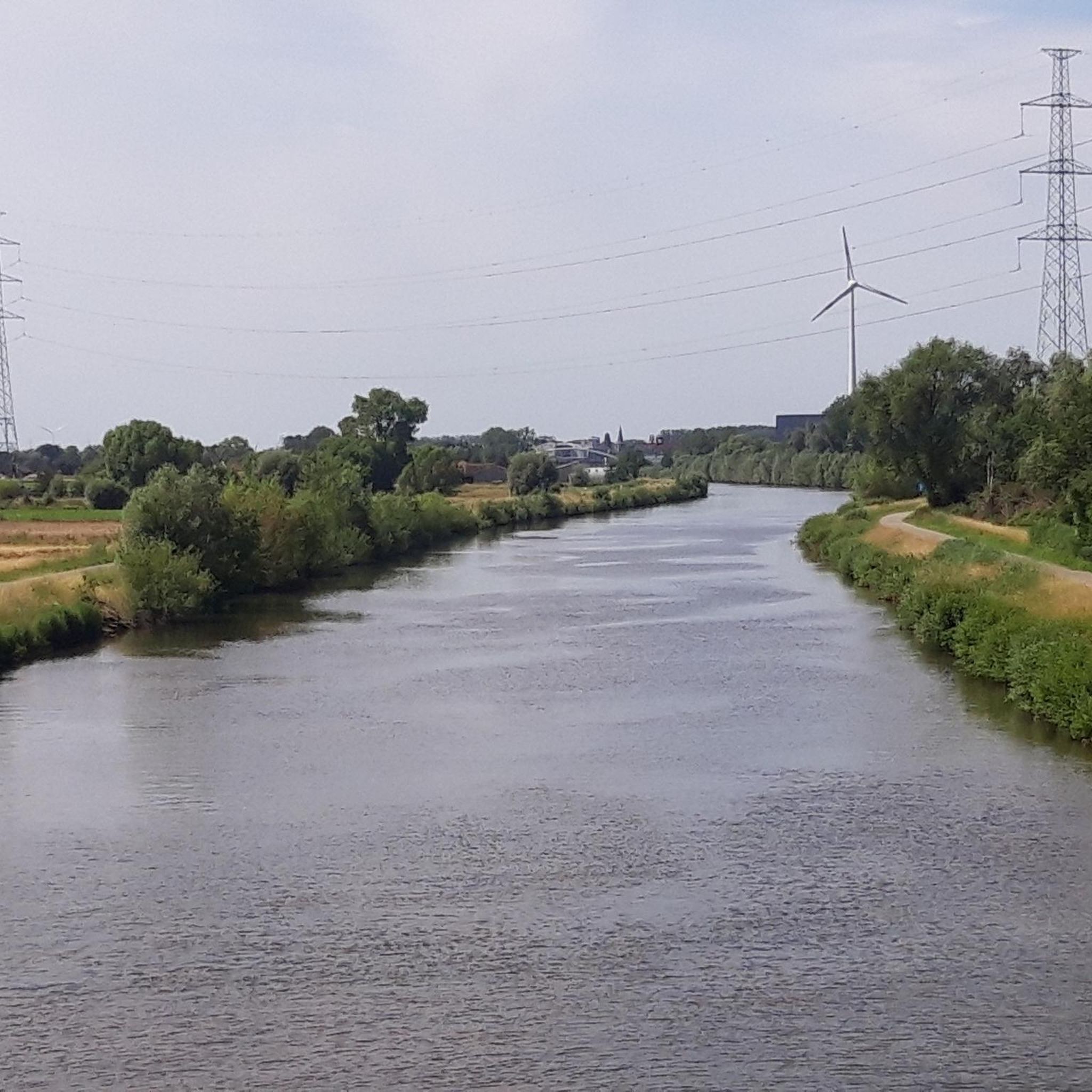
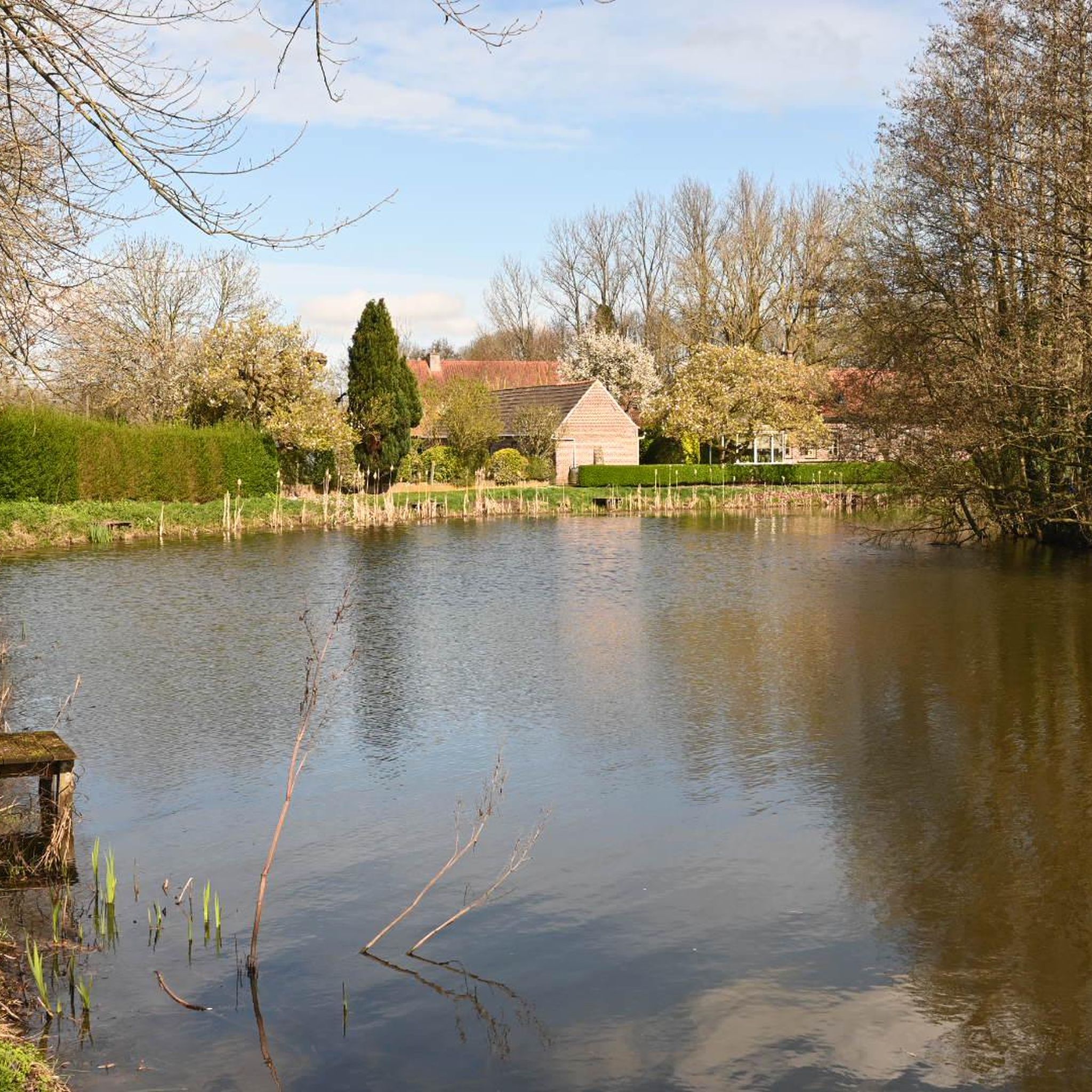
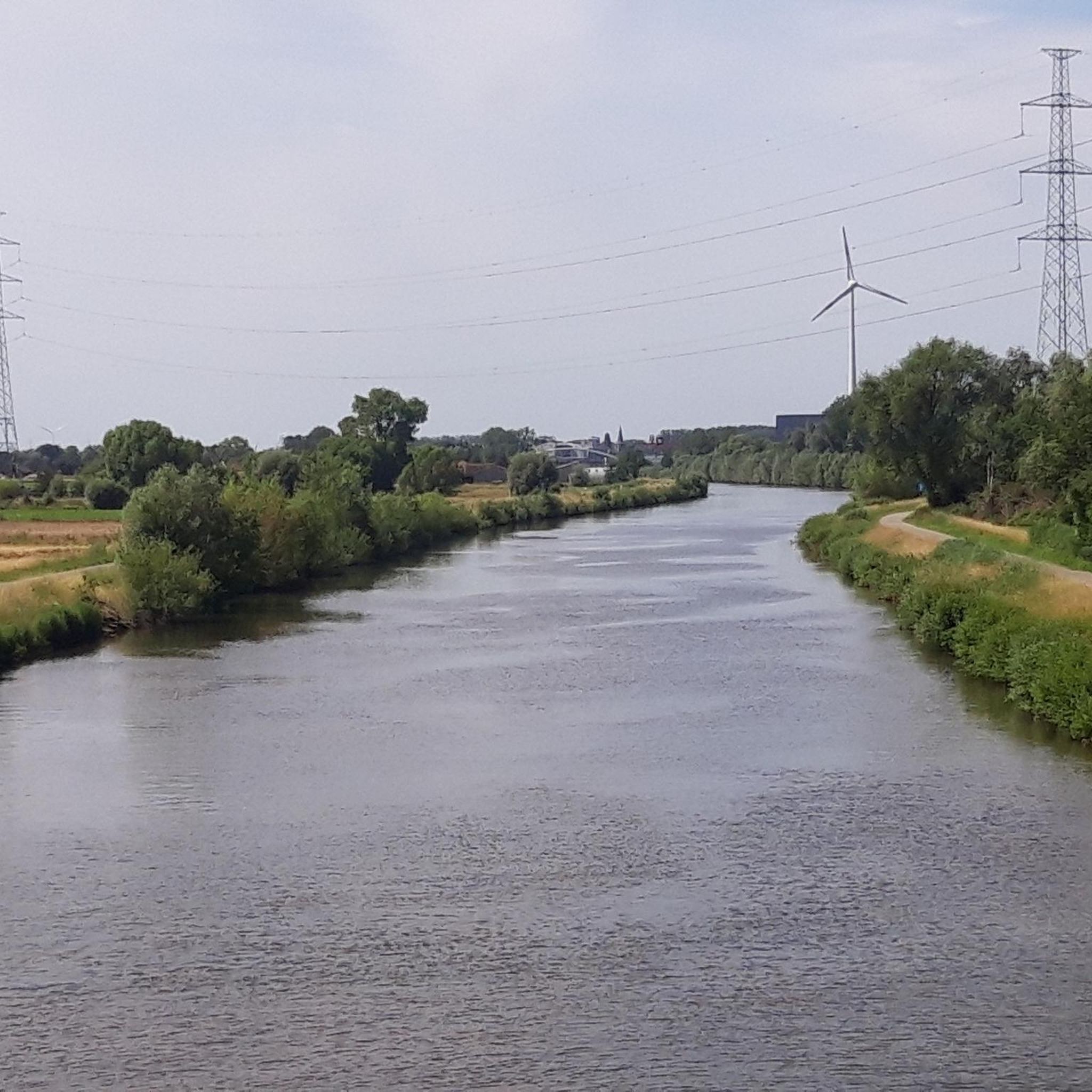
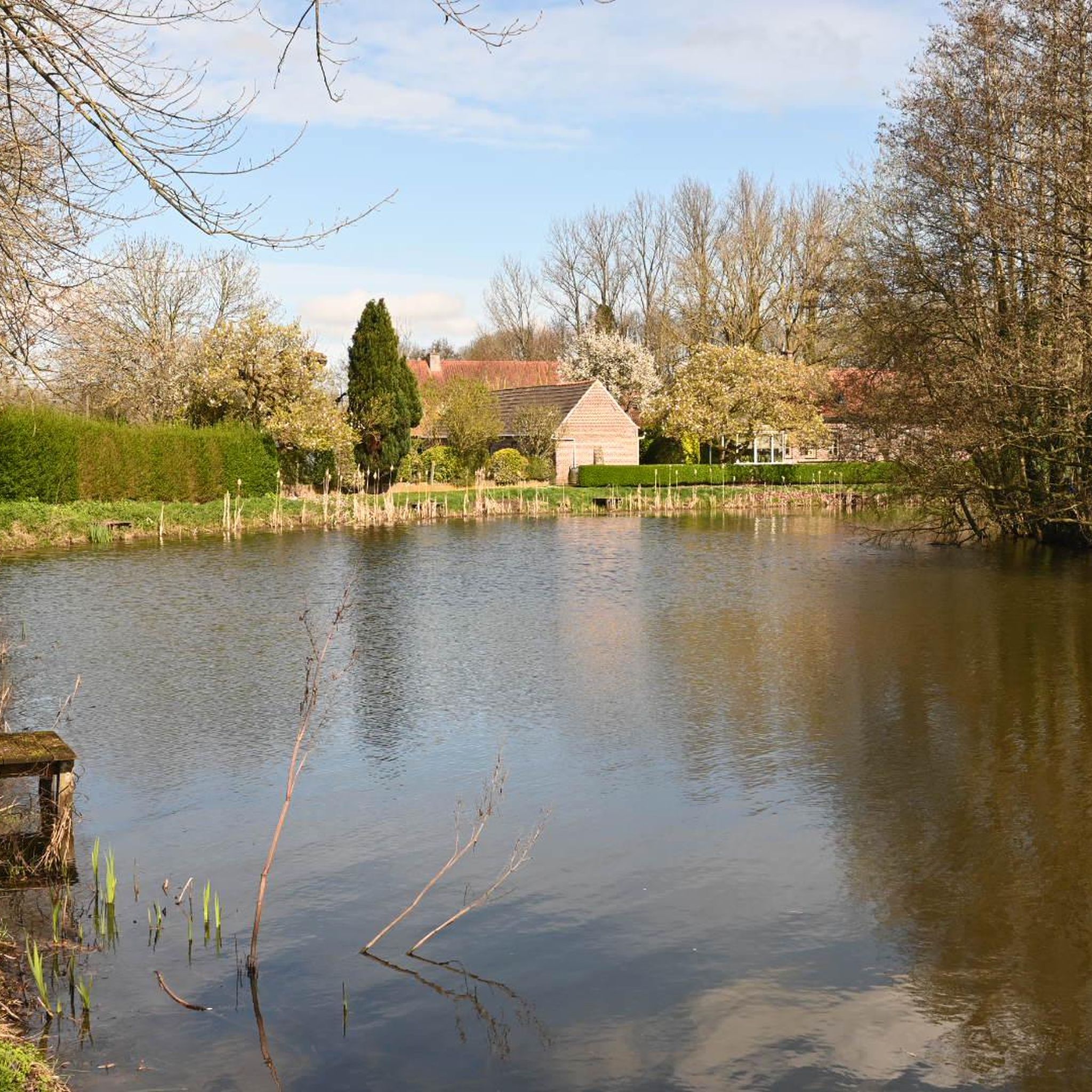
A beautiful picnic spot has been set up on the Oude Scheldearm. From there you can enjoy a beautiful view of the water.
7
0


Old Scheldt arm with its water lilies, yellow water lily, tufted duck and kingfisher,
10
0
The hotel is surrounded by the beautiful nature of Avelgem and is the ideal base during your cycling route. Book an overnight stay and enjoy an extensive breakfast in the morning. The hotel is located at the foot of the Flemish Ardennes, on the triangle of West Flanders, East Flanders and Hainaut and within cycling distance of France. No time for a night? In the bistro you can also enjoy the atmosphere and the delicious food for a few hours with a view of an old Scheldt arm.
12
0
Chalet 't Zakske is a café with a beautiful view of the fishpond on an old Scheldt arm. This nice stop for cyclists has an extensive beer menu.
12
0


There is a diversion, a bridge is being renovated, the diversion is indicated.
1
1
Frequently Asked Questions
How many hiking trails are available around Avelgem?
Avelgem offers a diverse network of over 50 hiking trails. These routes primarily explore the flat, riverine landscape of the Scheldt valley, including the Scheldemeersen Nature Reserve.
Are there easy hiking trails suitable for beginners or families in Avelgem?
Yes, Avelgem is well-suited for easy and family-friendly hikes. More than 30 of the available routes are classified as easy. An excellent option is the Old Scheldt Meander Rugge-Avelgem – Scheldemeersen Nature Reserve loop from Avelgem, an easy 2.9-mile (4.6 km) path that follows the historic river course.
Can I find longer hiking routes in the Avelgem area?
While many routes are shorter, there are moderate options for longer excursions. For example, the Vespabar – Kasteel van Bossuit loop from Bossuit is a moderate 7.3-mile (11.7 km) trail that takes you through varied scenery.
Are dogs allowed on the hiking trails around Avelgem?
Generally, dogs are welcome on trails in the Avelgem area, especially on public paths through agricultural lands and along the Scheldt. However, always keep them on a leash, particularly within nature reserves like the Scheldemeersen, to protect local wildlife and livestock.
What is the best time of year to go hiking in Avelgem?
The spring and autumn months are ideal for hiking in Avelgem, offering pleasant temperatures and beautiful natural scenery. Spring brings blooming wildflowers, while autumn showcases vibrant foliage. Summer can also be enjoyable, but be prepared for warmer weather and potential sun exposure in open areas.
Are most hiking trails in Avelgem circular?
Many of the popular hiking routes in Avelgem are designed as circular walks, allowing you to start and end at the same point without needing to retrace your steps. This is convenient for exploring the diverse landscapes of the Scheldt valley and its nature reserves.
What natural attractions or landmarks can I explore near Avelgem's hiking trails?
The region around Avelgem offers several interesting points. You can explore the Kluisbos Forest, known for its natural beauty. For those interested in cycling history, famous climbs like Oude Kwaremont, Koppenberg, and Paterberg Climb are also nearby, offering a different kind of challenge and scenic views.
What kind of terrain can I expect on Avelgem's hiking trails?
The terrain around Avelgem is predominantly flat, characterized by the riverine landscape of the Scheldt valley. Trails often follow waterways, pass through wetlands, meadows, and agricultural areas. While generally easy, some paths might be unpaved or muddy after rain, especially within the Scheldemeersen Nature Reserve.
Is parking readily available at trailheads in Avelgem?
Parking is generally available in and around Avelgem, particularly near popular starting points for trails or in village centers. It's advisable to check specific route descriptions on komoot for details on parking facilities at individual trailheads.
What do other hikers say about the trails in Avelgem?
The hiking routes in Avelgem are highly rated by the komoot community, with an average score of 4.4 stars from over 160 reviews. Reviewers often praise the peaceful atmosphere, the beauty of the Scheldemeersen Nature Reserve, and the well-maintained paths that offer a pleasant outdoor experience.
Are there any hikes in Avelgem that pass by interesting artworks or local points of interest?
Yes, some routes incorporate local points of interest. For instance, the Artwork "Mustard" – Steenbakkerstraat Gravel Path loop from Avelgem is a 3.4-mile (5.4 km) trail that leads past local paths and the 'Artwork "Mustard"', offering a blend of nature and local culture.
What kind of gear is recommended for hiking in Avelgem?
Given the generally flat and sometimes unpaved terrain, comfortable walking shoes or light hiking boots are recommended. Depending on the season, waterproof outerwear might be useful, especially when hiking near the river or after rain. Always bring water and sun protection for open sections of the trails.
Most popular attractions around Avelgem

Get inspired with the komoot mobile app


Explore more
Browse the best Hikes in other regions.
