The best running trails around Celles
4.3
(3)
991
runners
42
runs
Jogging around Celles offers a mix of rural paths, gentle rolling terrain, and quiet village surroundings in the Hainaut region of Belgium. The landscape is characterized by agricultural fields, small woodlands, and river valleys, providing varied scenery for runners. Paths often follow country roads, farm tracks, and local trails, suitable for different running preferences. The area provides a peaceful setting for outdoor activity, with moderate elevation changes.
Best jogging routes around Celles
- The most popular jogging route is Running loop from Celles, a 5.6 miles (9.0 km) trail that takes about 1 hour to complete. This moderate route offers a pleasant run through the local countryside.
- Another top favourite among local runners is Sint-Antonius Hermit Church loop from Pottes, a moderate 6.5 miles (10.5 km) path. This route features scenic views of the surrounding fields and passes by a notable local landmark.
- Local runners also love the Running loop from Velaines, a 6.0 miles (9.6 km) trail leading through rural landscapes and quiet village outskirts, often completed in about 1 hour.
- Jogging around Celles is defined by its agricultural fields, small forested areas, and gentle river valleys. The network offers options for different ability levels, from leisurely runs to more challenging routes with varied terrain.
- The routes in Celles are highly rated by the komoot community with an average score of 5.0 stars from over 2 reviews. More than 790 runners have used komoot to explore Celles's varied terrain.
Last updated: August 11, 2026
5.0
(1)
117
runners
8.91km
00:56
50m
50m
Moderate run. Good fitness required. Mostly paved surfaces. Suitable for all skill levels.
95
runners
10.7km
01:06
20m
20m
Moderate run. Good fitness required. Mostly paved surfaces. Suitable for all skill levels.

Sign up for free
19
runners
9.64km
01:01
70m
70m
Moderate run. Good fitness required. Mostly paved surfaces. Suitable for all skill levels.
47
runners
10.8km
01:07
50m
50m
Moderate run. Good fitness required. Mostly paved surfaces. Suitable for all skill levels.
3.0
(1)
34
runners
20.5km
02:07
80m
80m
Hard run. Very good fitness required. Mostly paved surfaces. Suitable for all skill levels.
Get access to more routes and recommendations from other explorers.
Sign up for free
Already have an account?
Our route recommendations are based on thousands of hikes, rides, and runs completed by other people on komoot.
Start today with a free account
Your next adventure awaits.
Login or Signup

Tips from the Community


This is the Sint-Martinuskerk. From a Romanesque church building, dating from the 11th and early 12th centuries, one bay of the single-nave nave has been preserved, located between the tower and the rest of the nave. This Romanesque part is built in Tournai stone. At the end of the 16th century, the nave with transept, choir, and side chapels was built in brick and sandstone. In 1775, the pre-built brick tower was erected, flanked by two polygonal stair towers. A few stones from the Romanesque period, decorated with sculptures, can still be found on the exterior of the church. Thus, a building was created that, in addition to a Romanesque part, contains a predominantly Gothic nave, choir, and transept, and a classicist tower. (Wikipedia)
5
0

The Lordship of Guermignies (one of the streets in Pottes still bears that name), of which the castle was once the seat, produced figures who played an important role in the history of our region. For instance, the House of Croÿ was of great importance in the unification of the Netherlands. The current appearance of the building is that of a large farmhouse rather than a castle.
2
0
The Pottes war memorial commemorates 16 military and 23 civilian victims (including 16 deportees) of both world wars.
2
0
The neo-Gothic St. Anthony the Hermit Church (with an integrated Gothic west tower) in Pottes was built in 1912-1913 to a design by P. Clerbaux. It replaced the late 18th-century church that burned down completely on July 17, 1911. That church also had a predecessor, built in 1432 and demolished in 1777. The patron saint, St. Anthony the Hermit or St. Anthony of Egypt (Heracleopolis Magna, Egypt, 251 – Colzimberg, Egypt, 356) was a Christian saint known as the father of monasticism. Source: Wikipedia
2
0

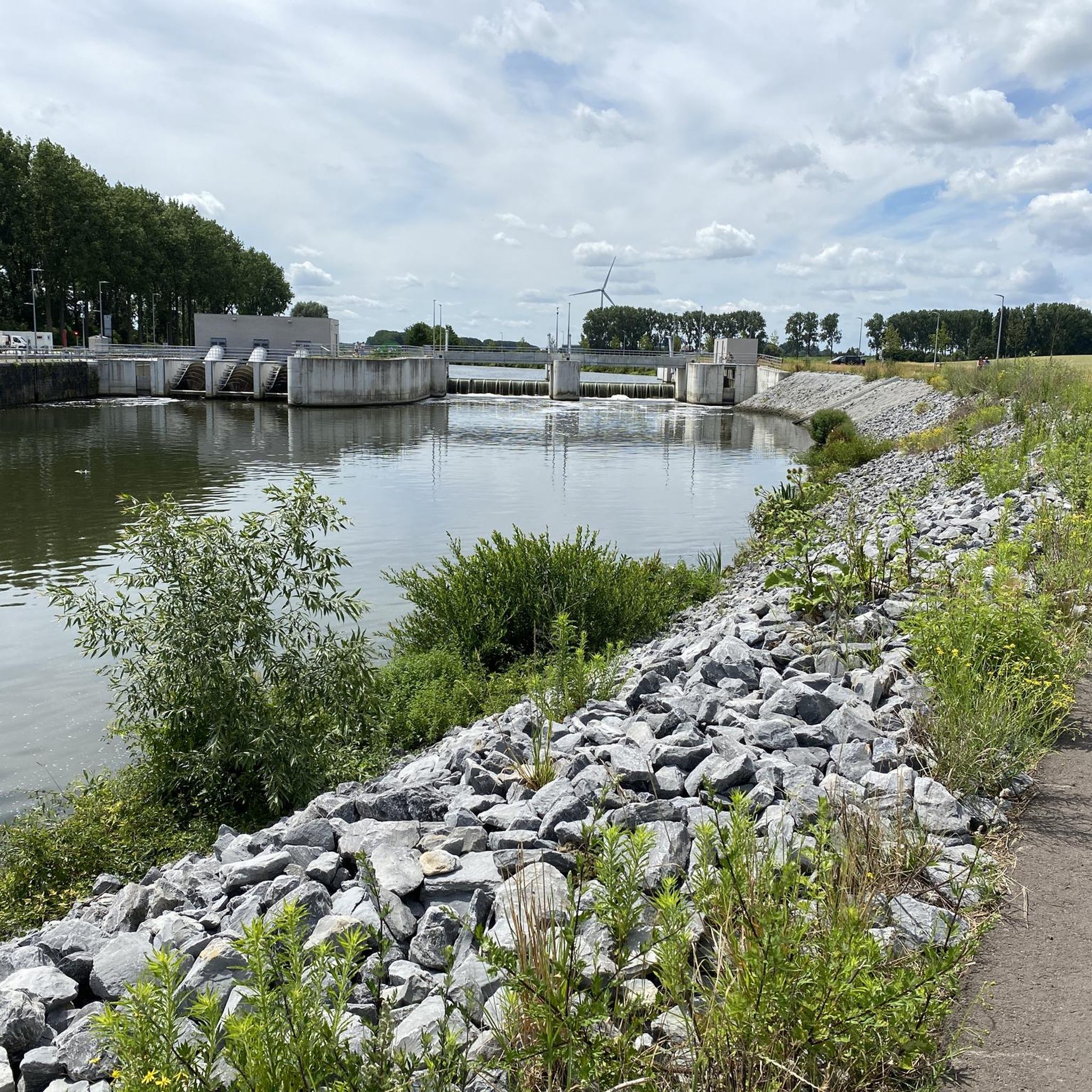
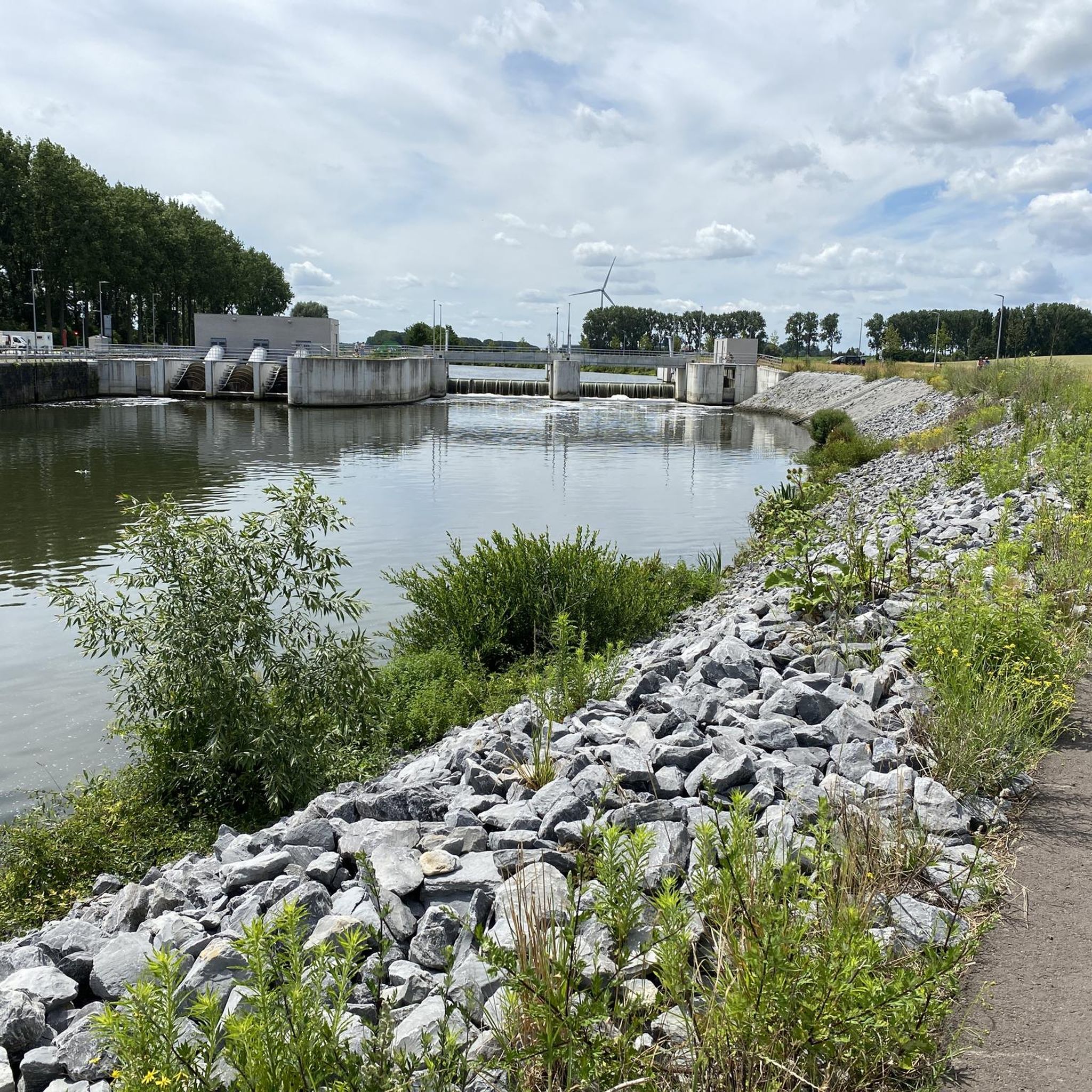
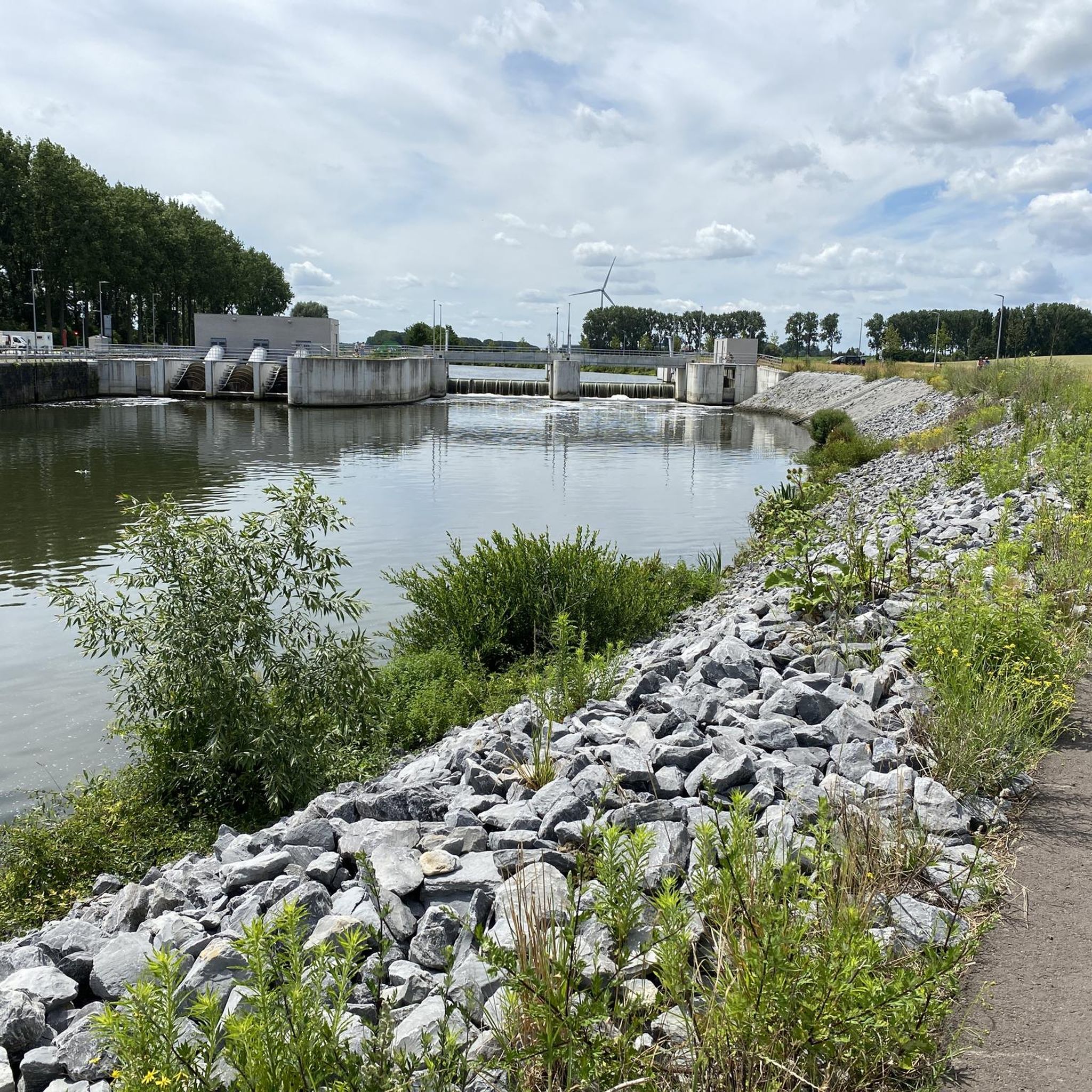
Bridge over the Scheldt, which connects Helkijn in West Flanders and Pottes in Hainaut
6
0
Originally, this was the seat of the Guermignies estate, which was successively owned by the Croÿ, Marnix, Croix, and Beauffort families. It was first mentioned as a manor house in 1388. It was rebuilt in 1624 by Jean de Marnix. The main house, gatehouse, and an outbuilding date from that year.
6
0
The church's Gothic west tower dates from 1432 and is built of Tournai stone. The church building was demolished in 1777, after which a larger church was built. On July 17, 1911, a fire broke out in this church, prompting the construction of a new church in 1912-1913, designed by P. Clerbaux. It is a neo-Gothic brick structure, a basilica cruciform church with an integrated west tower in Gothic style.
4
0
Frequently Asked Questions
How many jogging routes are available around Celles?
There are over 35 running routes around Celles, offering a variety of options for different preferences and fitness levels. These routes are highly rated by the komoot community, with an average score of 5.0 stars.
What kind of terrain can I expect on the running trails in Celles?
The running trails in Celles are characterized by rural paths, agricultural fields, small woodlands, and gentle river valleys. You'll find a mix of surfaces, often following country roads, farm tracks, and local trails, providing varied scenery and moderate elevation changes.
Are there any circular running routes in Celles?
Yes, many of the routes around Celles are circular, allowing you to start and finish in the same location. Examples include the Running loop from Celles, the Sint-Antonius Hermit Church loop from Pottes, and the Running loop from Velaines.
What is the difficulty level of running routes in Celles?
Most running routes in Celles are classified as moderate, making them suitable for a wide range of runners. While there are no easy routes listed, there are a few more challenging options for those seeking a greater workout.
What do other runners enjoy about jogging in Celles?
The komoot community highly rates the running experience in Celles, with an average score of 5.0 stars. Runners often praise the peaceful setting, the varied scenery of agricultural fields and woodlands, and the well-maintained paths that offer a pleasant outdoor activity.
Are there any interesting landmarks or natural sights along the running routes?
Yes, you can discover several interesting sights. For example, the Sint-Antonius Hermit Church loop from Pottes passes by a notable local landmark. Additionally, nearby natural monuments include the Kluisbos Forest and Saint Arnoldus Park, which offer beautiful natural surroundings.
Can I combine my run with a visit to historical sites?
Absolutely! The region around Celles is home to several historical sites. You might consider exploring areas near highlights like the De Ghellinck Estate or the Ruins of la Royère castle, which are part of the 'Castles around Celles' guide.
Are there any longer running routes for endurance training?
Yes, Celles offers several routes over 10 km. For instance, the Sint-Antonius Hermit Church loop from Pottes is 10.5 km, and the Running loop from Molenbaix is 10.7 km, providing good options for longer runs.
What is the average duration for a running route in Celles?
Most moderate running routes in Celles take approximately 1 hour to complete. For example, the Running loop from Celles is about 5.6 miles (9.0 km) and takes around 1 hour.
Are there any routes that offer more elevation gain for a challenging run?
While most routes feature moderate elevation changes, some offer slightly more varied terrain. For a bit more ascent, consider routes that traverse the small forested areas and river valleys, which contribute to the region's gentle rolling landscape.
What kind of natural landscapes will I encounter while running in Celles?
You will experience a blend of agricultural fields, small woodlands, and river valleys. The landscape provides a peaceful backdrop for your run, with opportunities to enjoy the quiet of nature.
Most popular attractions around Celles

Get inspired with the komoot mobile app


Explore more
Browse the best Running Trails & Routes in other regions.
