The 14 Most Amazing Peaks around Heuvelland
Best mountain peaks around Heuvelland offer diverse experiences across a landscape shaped by both nature and history. This region features witness hills and strategic high points, many of which are located near the Belgian-French border. The area is characterized by its varied terrain, including forests and open views, providing opportunities for exploration. Heuvelland's peaks often combine natural beauty with significant historical and cultural landmarks.
Best mountain peaks around Heuvelland
- The most popular mountain peaks is Mont Noir (West), a…
Last updated: May 11, 2026
Mont Noir (West)
Highlight • Summit
Translated by Google •
Tip by

Hill 60 preserved Battlefield (World War I)
Highlight • Historical Site
Translated by Google •
Tip by

Sign up now to discover places like this
Get recommendations on the best single tracks, peaks, & plenty of other exciting outdoor places.
Sign up for free
Mont des Cats Abbey
Highlight • Religious Site
Translated by Google •
Tip by

French Soldiers' Memorial (1914–1918), Kemmelberg
Highlight • Monument
Translated by Google •
Tip by

IGM Kemmelberg Summit Marker
Highlight • Monument
About 2,500 years ago, a Celtic community belonging to the Hallstatt culture settled on the Kemmelberg. The Celts built a fortress and maintained a trading relationship with the …
Translated by Google •
Tip by

Sign up for free to discover even more peaks around Heuvelland.
Sign up for free
Already have an account?
Start today with a free account
Your next adventure awaits.
Login or Signup
Popular around Heuvelland
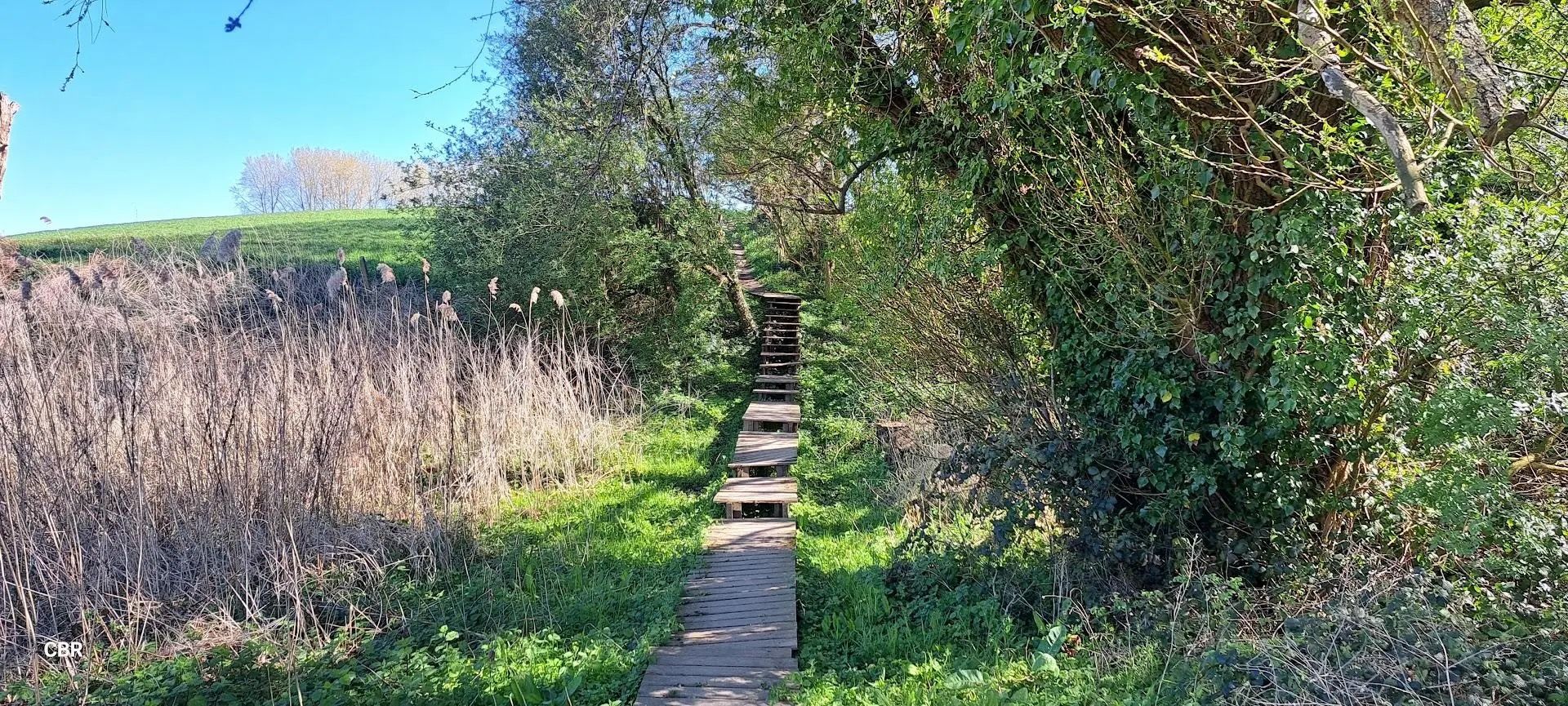
At the pace of the Westhoek - Streek-GR Heuvelland
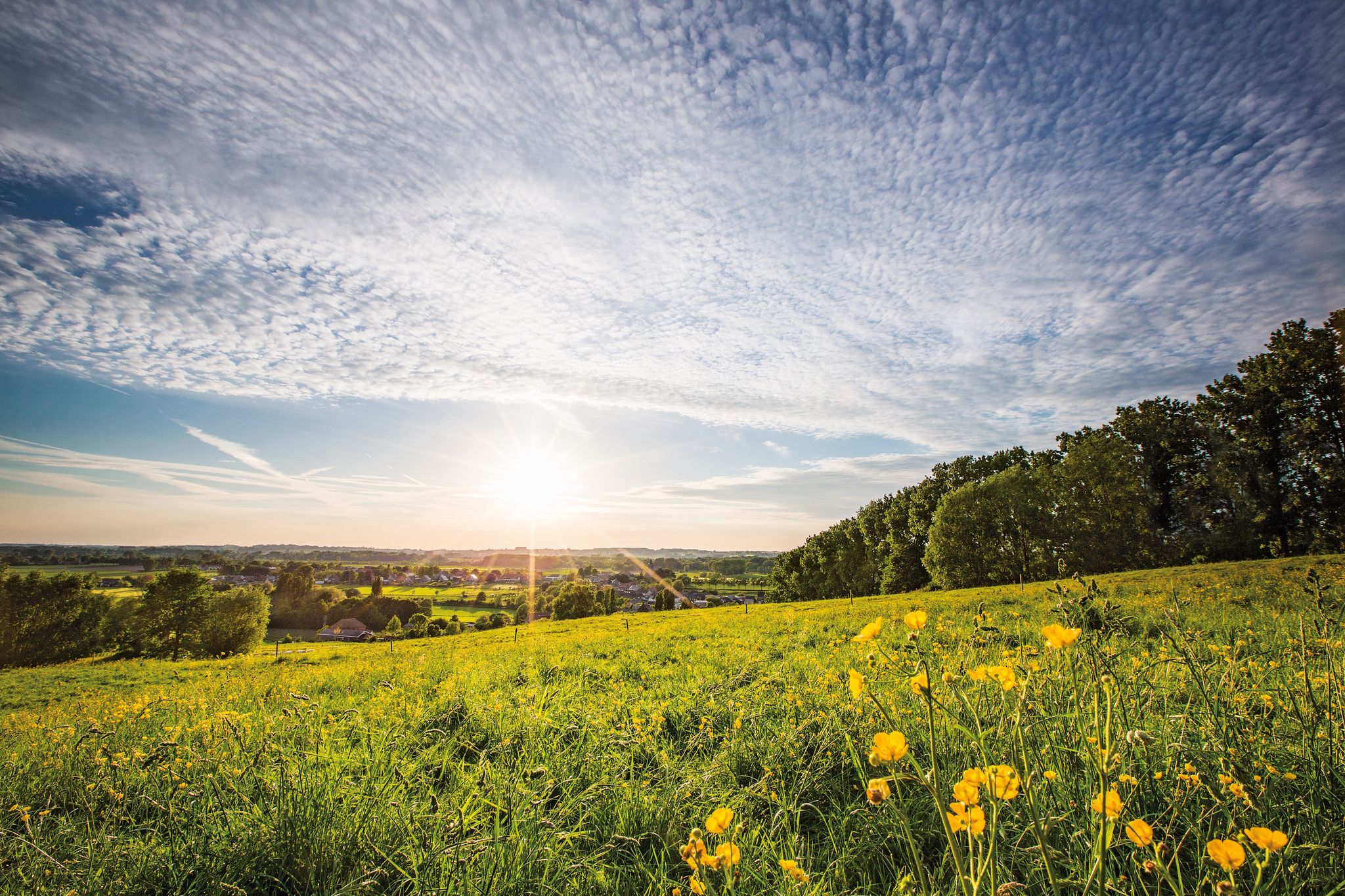
Belgium's best – the most beautiful hiking routes in Flanders
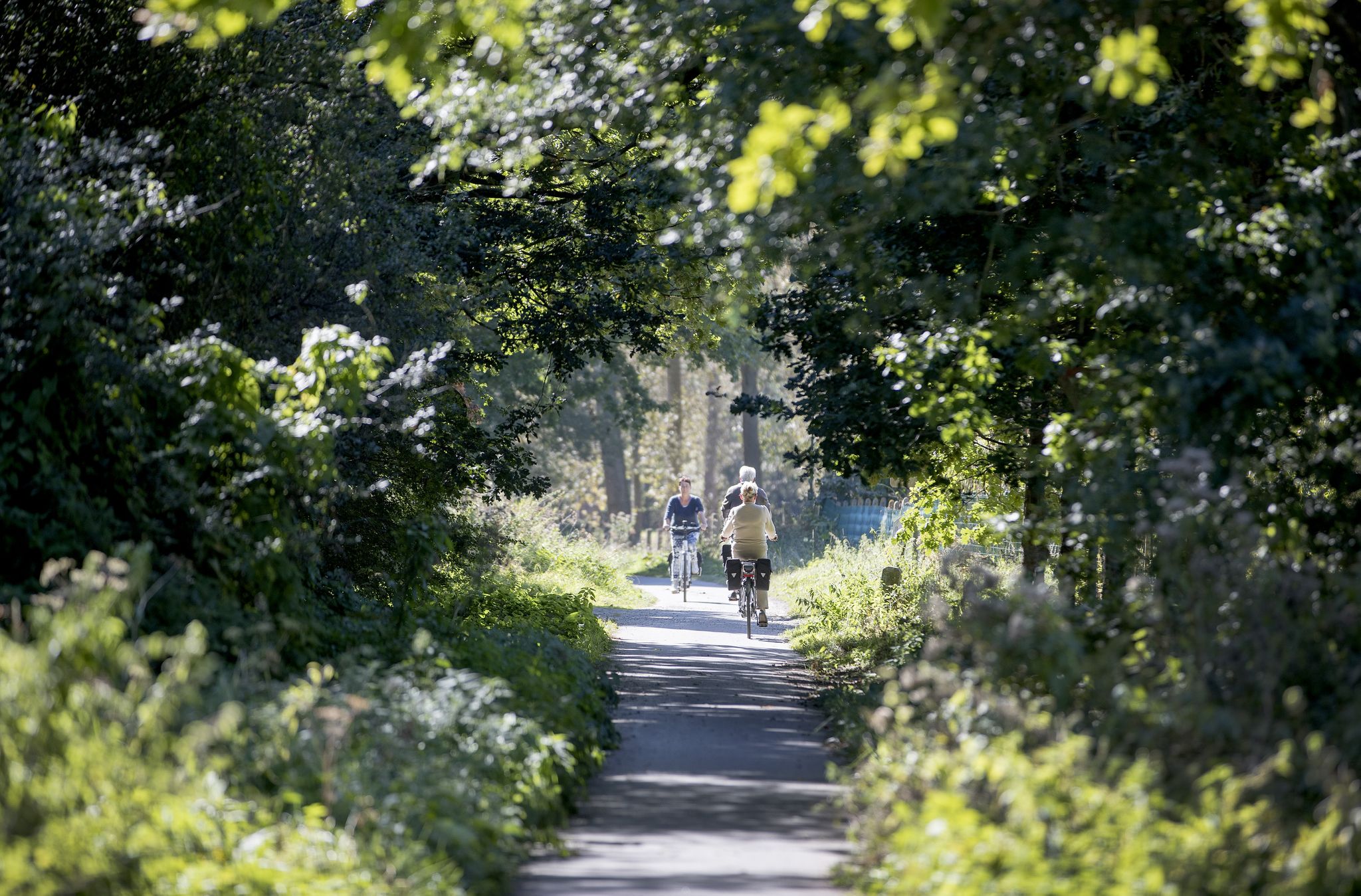
Discover the most beautiful corners of Flanders – Cycle Node Network
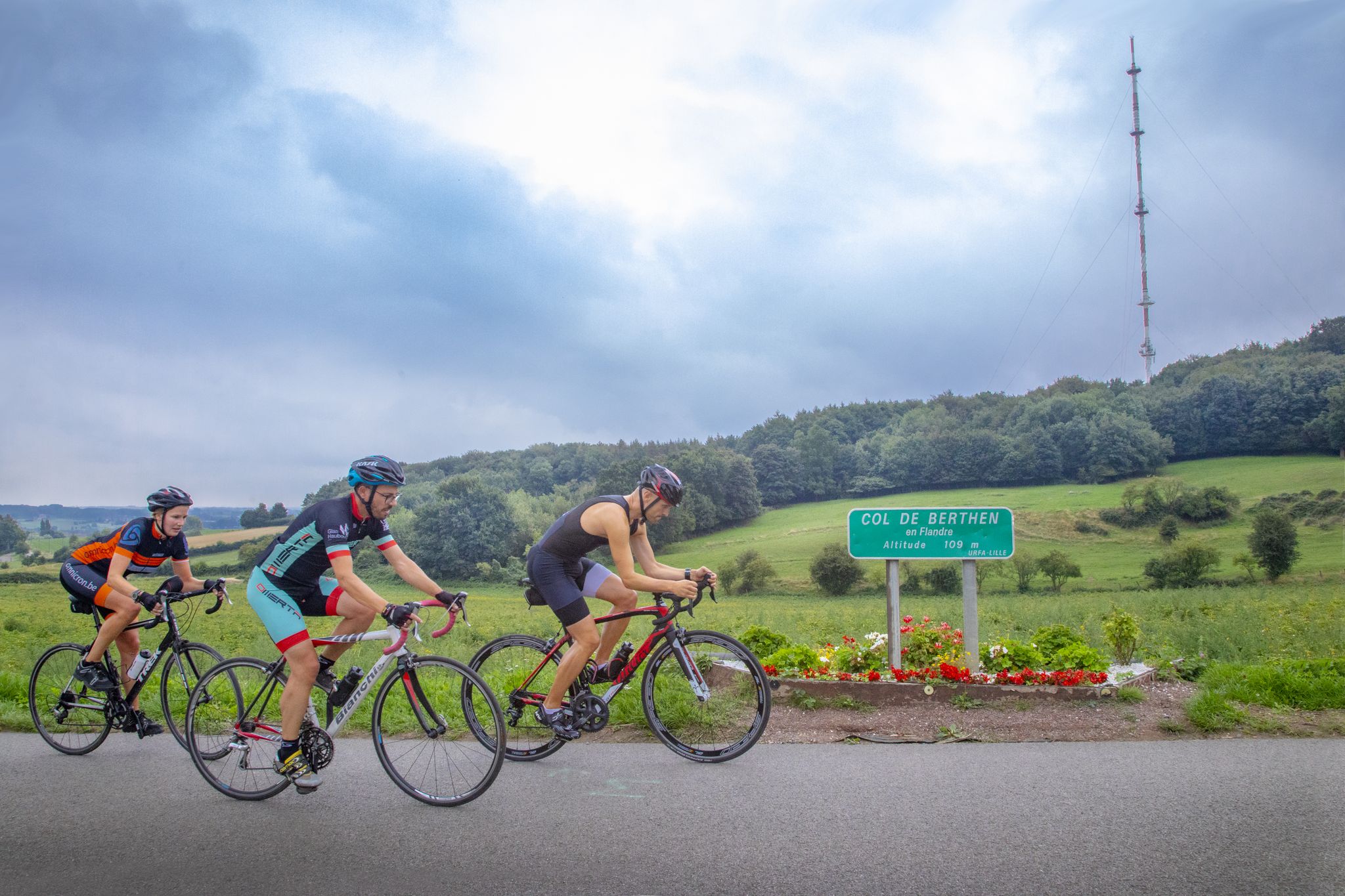
Famous climbs and hills – Flanders, France and Wallonia
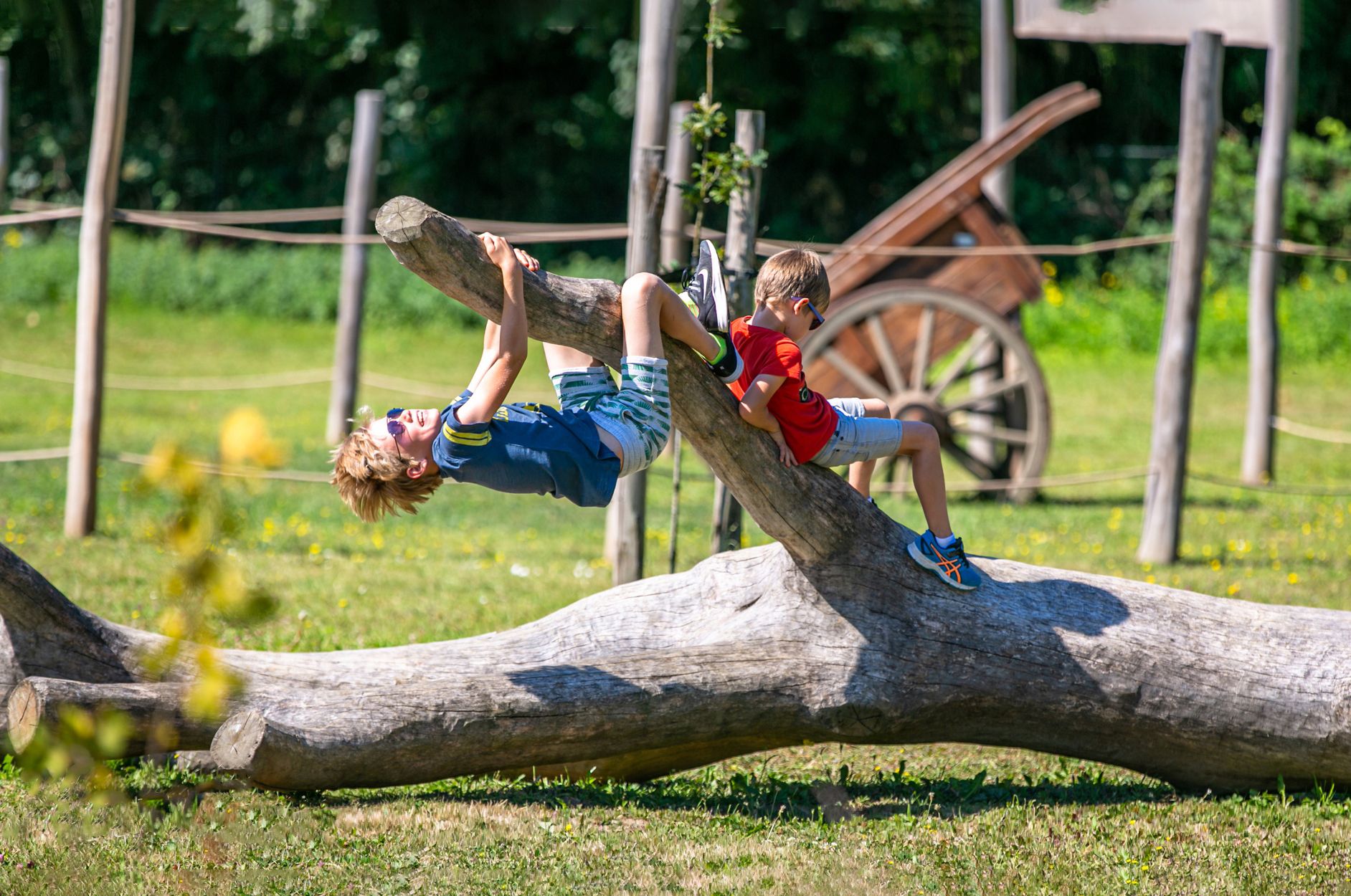
Tours for little adventurers and heroes in Flanders
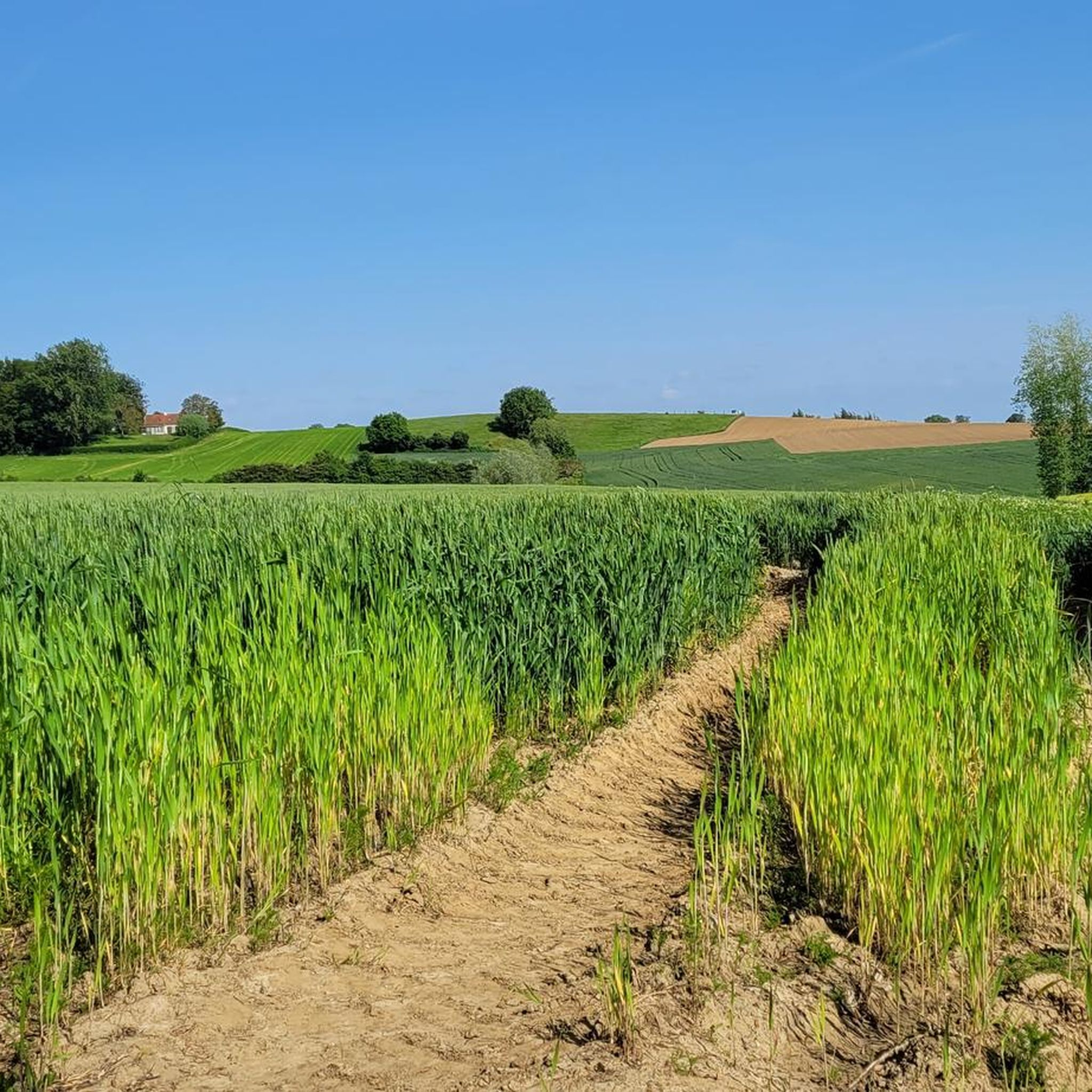
Hiking around Heuvelland
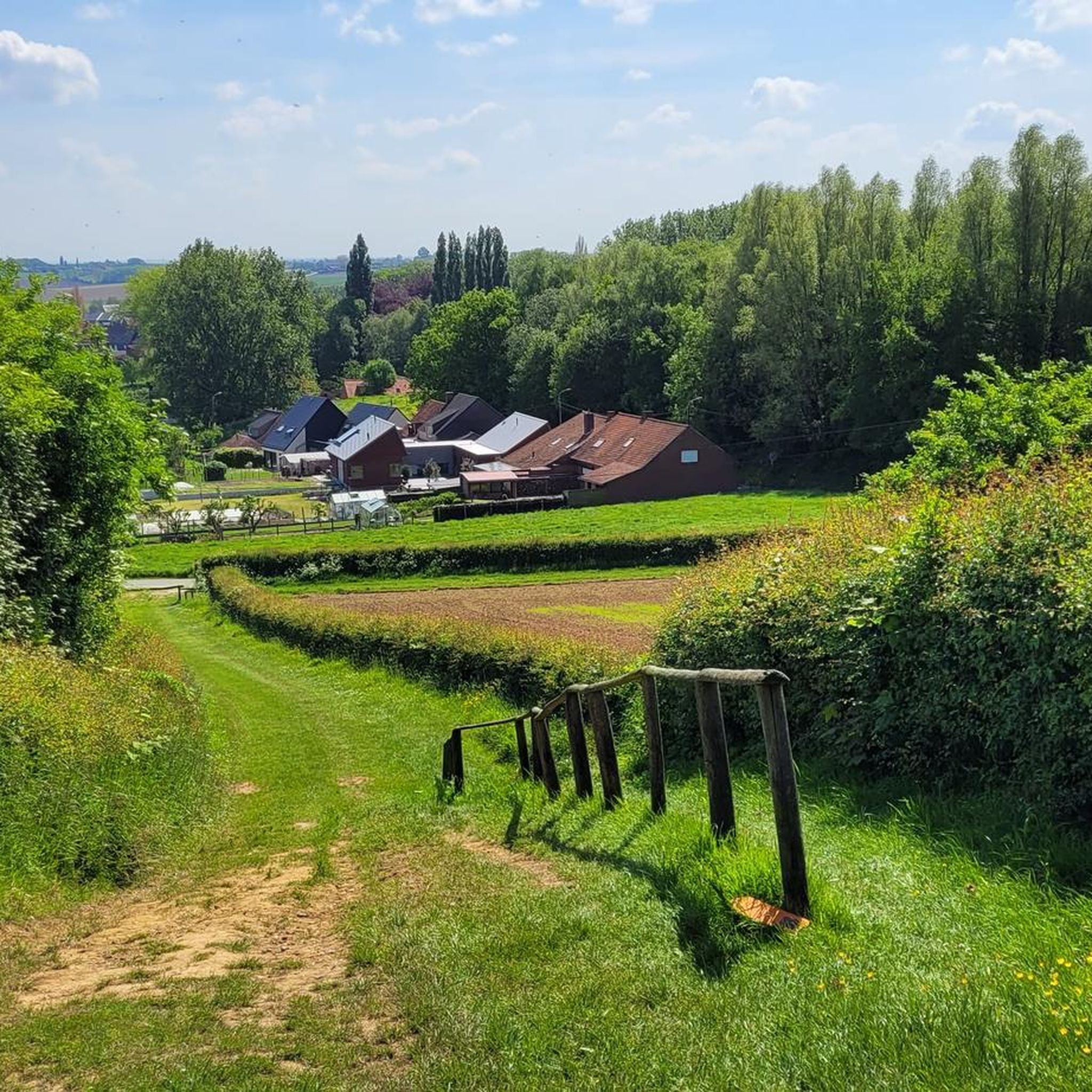
Cycling around Heuvelland
Running Trails around Heuvelland
Road Cycling Routes around Heuvelland
MTB Trails around Heuvelland
Other adventures around Heuvelland


Tips from the Community


At the top of the Belgium mountains. Hard climb up a cobbled street but worth the effort
0
0


Very nice walk with a beautiful view at the finish
0
0


Strategic hill called Hill 60 in the First World War.
1
0
Frequently Asked Questions
Which mountain peaks in Heuvelland offer the best panoramic views?
For stunning panoramic views, consider visiting Mont Noir (West), which provides beautiful vistas of the area. The Mont des Cats Abbey, situated on a witness hill, also offers excellent regional views. Additionally, the French Soldiers' Memorial (1914–1918), Kemmelberg, located on the highest point in the province, features the Belvédère Tower, from which you can enjoy a great panoramic view of the entire region, even seeing the coast on clear days.
Are there historical sites among the mountain peaks in Heuvelland?
Yes, Heuvelland's peaks are rich in history. Hill 60 preserved Battlefield (World War I) is a significant historical site where visitors can explore a preserved World War I battlefield. The French Soldiers' Memorial (1914–1918), Kemmelberg commemorates fallen soldiers and offers insights into the region's past. The Mont des Cats Abbey also has historical connections, with Marshal Ferdinand Foch seeking peace there during WWI.
What is the general difficulty level of hiking trails around Heuvelland's peaks?
The Heuvelland region offers a variety of terrain, from gentle slopes to more challenging ascents. Many of the trails around the peaks are rated as moderate, suitable for hikers with some experience. For example, the Mont des Cats Abbey area is described as 'slightly hilly' and a 'challenging mountain for the region'. You'll find both unpaved paths through forests and meadows, as well as cobbled climbs like those leading up Kemmelberg.
Are there family-friendly mountain hikes in Heuvelland?
While specific 'family-friendly' categories aren't always explicitly listed for every peak, the varied landscape of Heuvelland means there are many accessible paths suitable for families. Shorter, less steep sections around highlights like Mont Noir (West) or the lower parts of Kemmelberg offer pleasant walks. When planning, look for routes described as 'easy' or 'moderate' on komoot's Hiking around Heuvelland guide, which often include shorter distances and less elevation gain.
What outdoor activities can I do near Heuvelland's mountain peaks?
Beyond exploring the peaks themselves, Heuvelland offers a range of outdoor activities. You can find numerous hiking trails, including routes like the 'Wooden Boardwalk Trail – View of Monteberg loop'. For cyclists, there are dedicated MTB trails, such as the 'Mont des Cats Abbey – Hellegatbos Forest Path loop'. Running enthusiasts can also find suitable running trails, including the 'Kemmelberg cobbled climb – Monteberg Vineyard loop'.
What is the best time to hike in the Heuvelland mountains?
The Heuvelland region is enjoyable throughout much of the year. Spring and autumn offer pleasant temperatures and beautiful scenery, with blooming nature or vibrant fall colors. Summer is also popular, though trails can be busier, especially around well-known spots like Mont Noir (West). While winter hiking is possible, be prepared for colder weather and potentially muddy or icy conditions, especially on higher points like Kemmelberg.
Are there cafes or places to eat near the mountain trails in Heuvelland?
Yes, especially around the more popular peaks. For instance, Mont Noir (West) is known for having many shops and catering establishments, which are particularly busy on weekends due to cross-border tourism. The area around Mont des Cats Abbey also provides opportunities for a break and refreshment.
Can I bring my dog on trails around Heuvelland's peaks?
Generally, many outdoor trails in Heuvelland are dog-friendly, allowing you to explore with your canine companion. However, it's always advisable to keep your dog on a leash, especially in nature reserves, agricultural areas, or near historical sites like Hill 60 preserved Battlefield (World War I), to protect wildlife and respect other visitors. Always check local signage for specific restrictions.
What kind of wildlife can be observed around Heuvelland's mountain peaks?
The varied terrain of Heuvelland, including its forests and open landscapes, supports diverse wildlife. While specific species are not detailed for every peak, you can expect to encounter various birds, small mammals, and insects typical of European temperate forests and agricultural areas. Keep an eye out, especially in quieter forest sections, for opportunities to observe local fauna.
Are there any hidden gem hikes or less-known peaks to explore in Heuvelland?
While the guide highlights popular spots, Heuvelland is full of smaller witness hills and less-trafficked paths. To discover hidden gems, explore the extensive network of trails away from the main tourist hubs. The region's character, with its numerous smaller hills like the Vidaigneberg, Rodeberg, and Baneberg, offers many opportunities for quiet exploration and discovering your own favorite spots. Komoot's Hiking around Heuvelland guide can help you find less-traveled routes.
What makes the Kemmelberg a significant peak in Heuvelland?
The Kemmelberg is significant for several reasons. At 156 meters, it is the highest point in the province of West Flanders. It holds immense historical importance, having been a strategic point during World War I, with a French mass grave and the French Soldiers' Memorial (1914–1918), Kemmelberg at its summit. Beyond its history, it offers challenging climbs, including cobbled streets, and provides extensive panoramic views from the Belvédère Tower.
What is the historical significance of Mont Noir (West)?
Mont Noir (West), also known as Zwarteberg or Black Mountain, is a summit located on the Belgian-French border. Its name comes from the black pine forests that surround it. Historically, it has been part of the Gent-Wevelgem cycling route multiple times. The area also has a military cemetery from the First World War on its French south flank, and was once owned by the De Zwarte family in the 13th and 14th centuries.
Most popular routes around Heuvelland
Most popular attractions around Heuvelland

Get inspired with the komoot mobile app


