Attractions and Places To See around Heuvelland - Top 20
Best attractions and places to see around Heuvelland feature a distinctive landscape of rolling hills, often referred to as 'mountains', with Kemmelberg being the highest point at 156 meters. This Belgian region is characterized by its green terrain and significant historical landmarks, particularly from World War I. Visitors can explore a blend of natural beauty and sites reflecting its past.
Best attractions and places to see around Heuvelland
- The most popular attractions is Hellegat Forest, a forest that is…
Last updated: August 30, 2026
Hellegat Forest
Highlight • Forest
Translated by Google •
Tip by

Cloth Hall (Lakenhalle), Ypres
Highlight • Historical Site
Translated by Google •
Tip by

Sign up now to discover places like this
Get recommendations on the best single tracks, peaks, & plenty of other exciting outdoor places.
Sign up for free
Kemmelberg
Highlight • Monument
Translated by Google •
Tip by

Mont Noir (West)
Highlight • Summit
Translated by Google •
Tip by

The Bluff Memorial and Crater
Highlight • Historical Site
Translated by Google •
Tip by
Sign up for free to discover even more attractions around Heuvelland.
Sign up for free
Already have an account?
Start today with a free account
Your next adventure awaits.
Login or Signup
Popular around Heuvelland
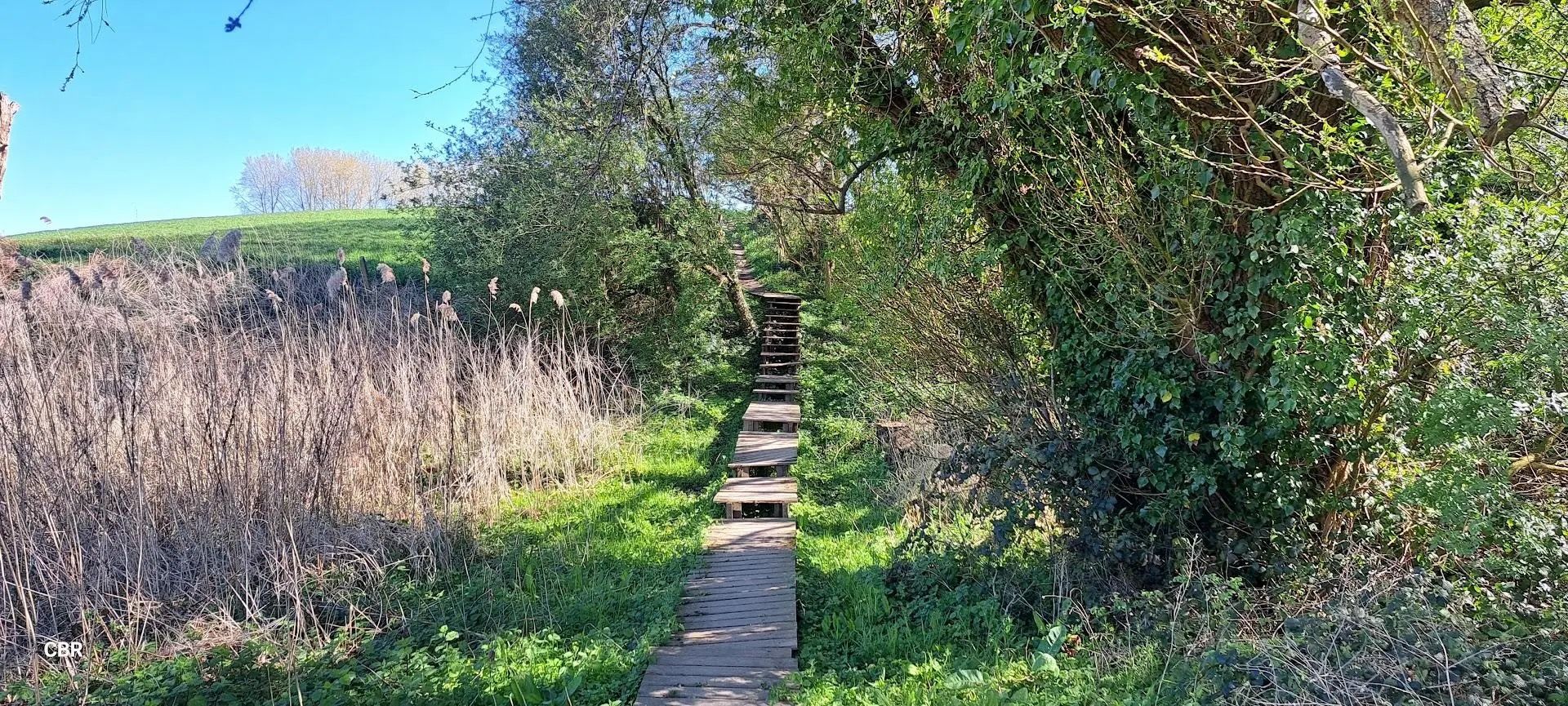
At the pace of the Westhoek - Streek-GR Heuvelland
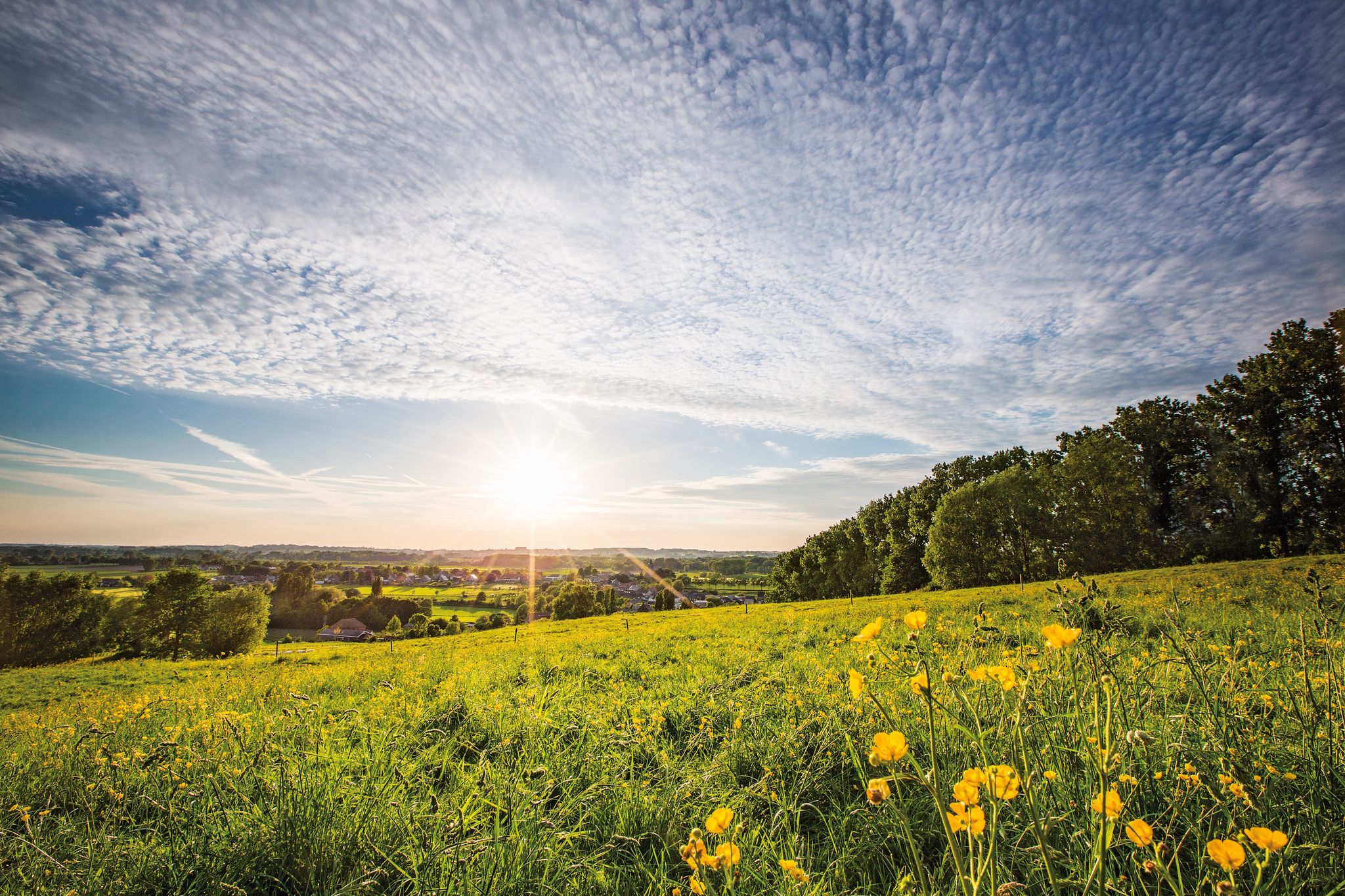
Belgium's best – the most beautiful hiking routes in Flanders
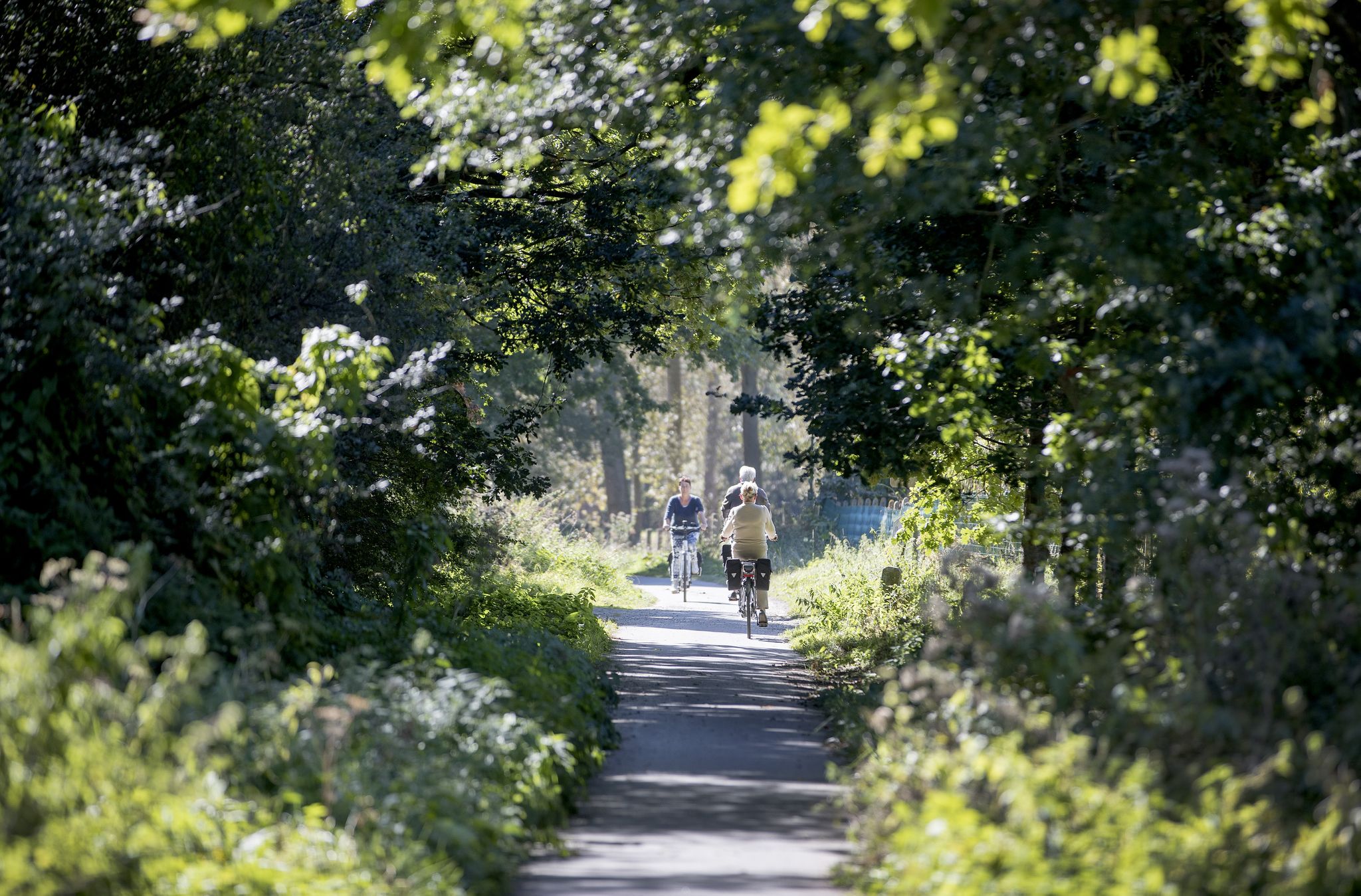
Discover the most beautiful corners of Flanders – Cycle Node Network
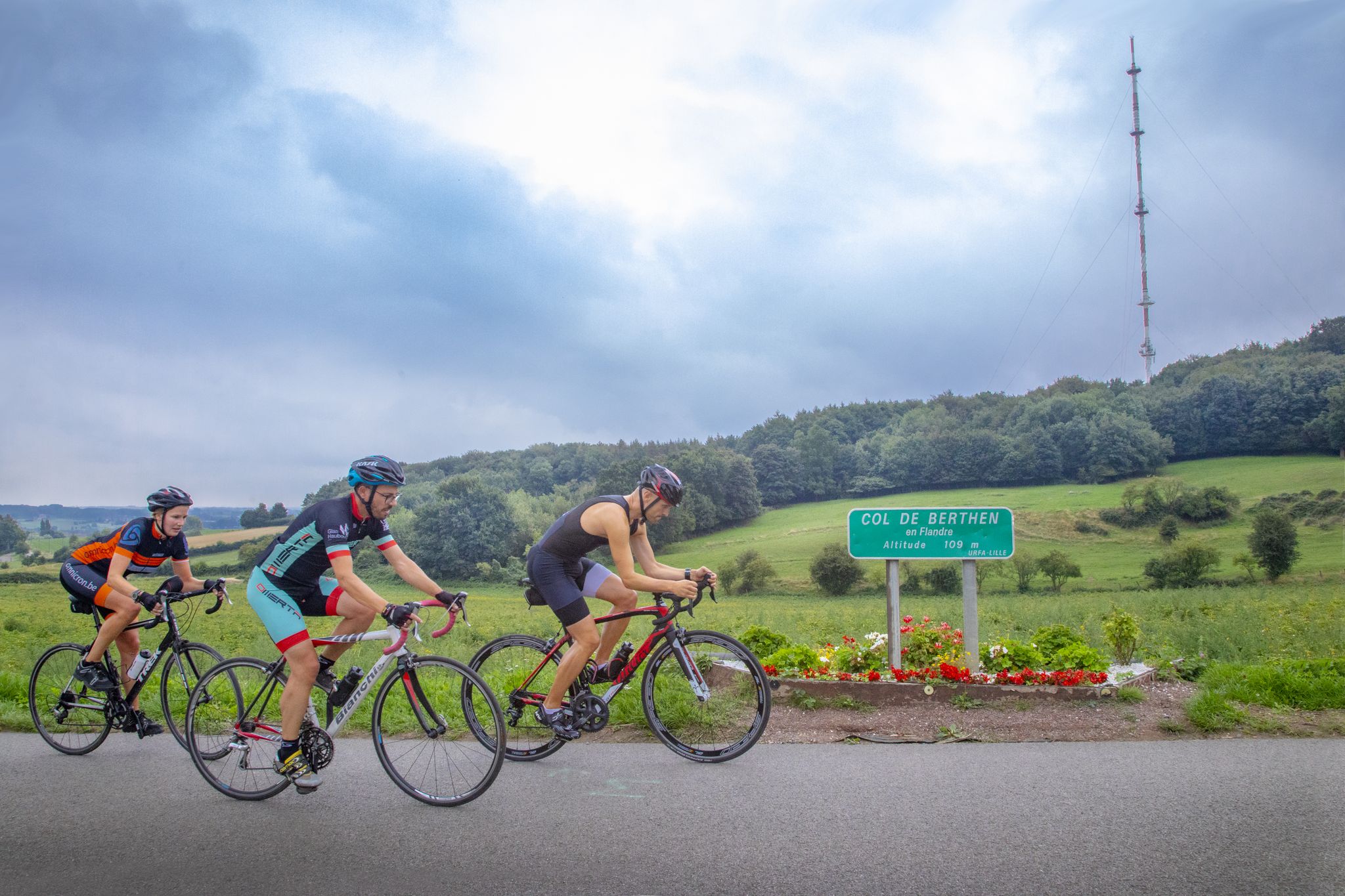
Famous climbs and hills – Flanders, France and Wallonia
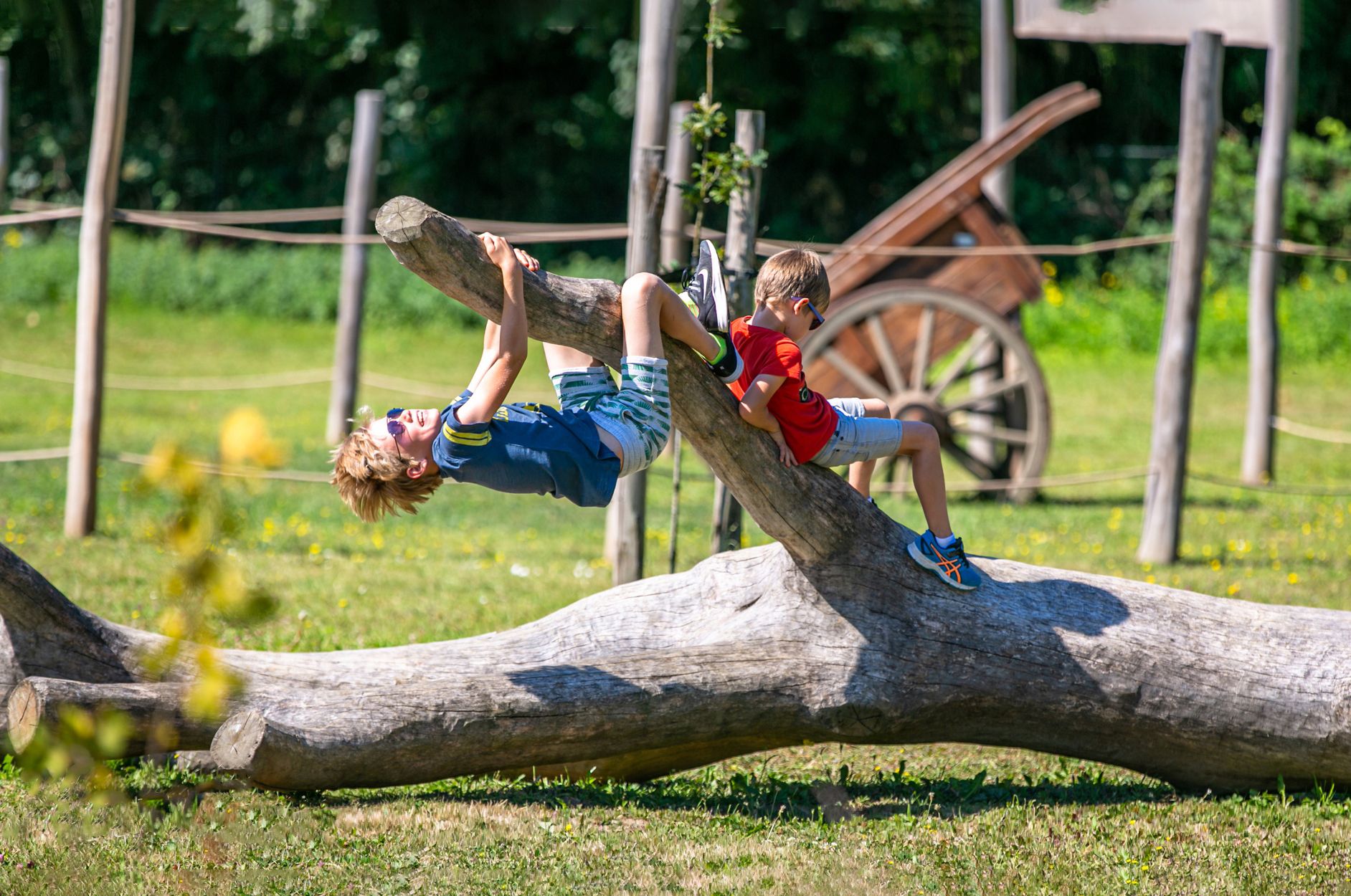
Tours for little adventurers and heroes in Flanders
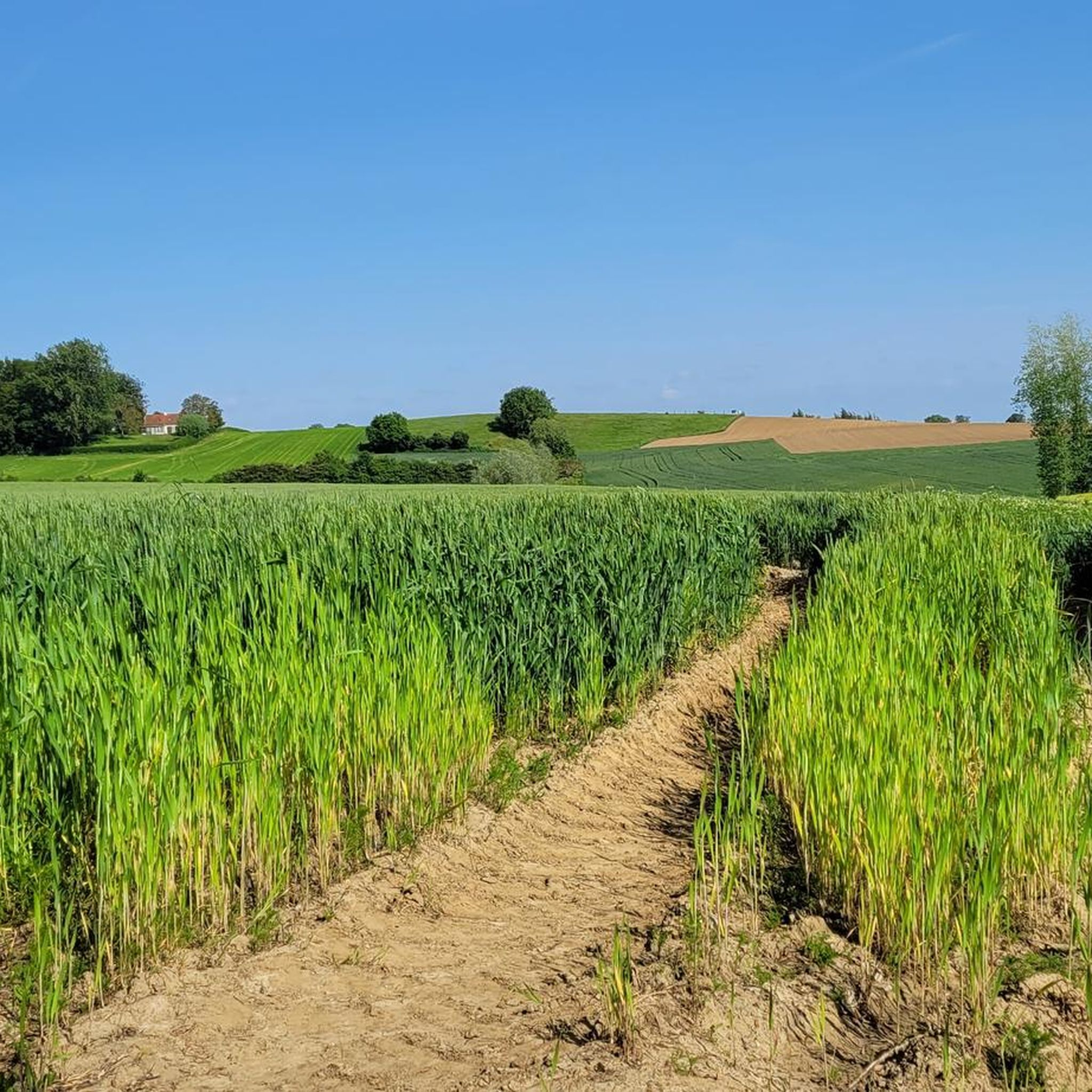
Hiking around Heuvelland
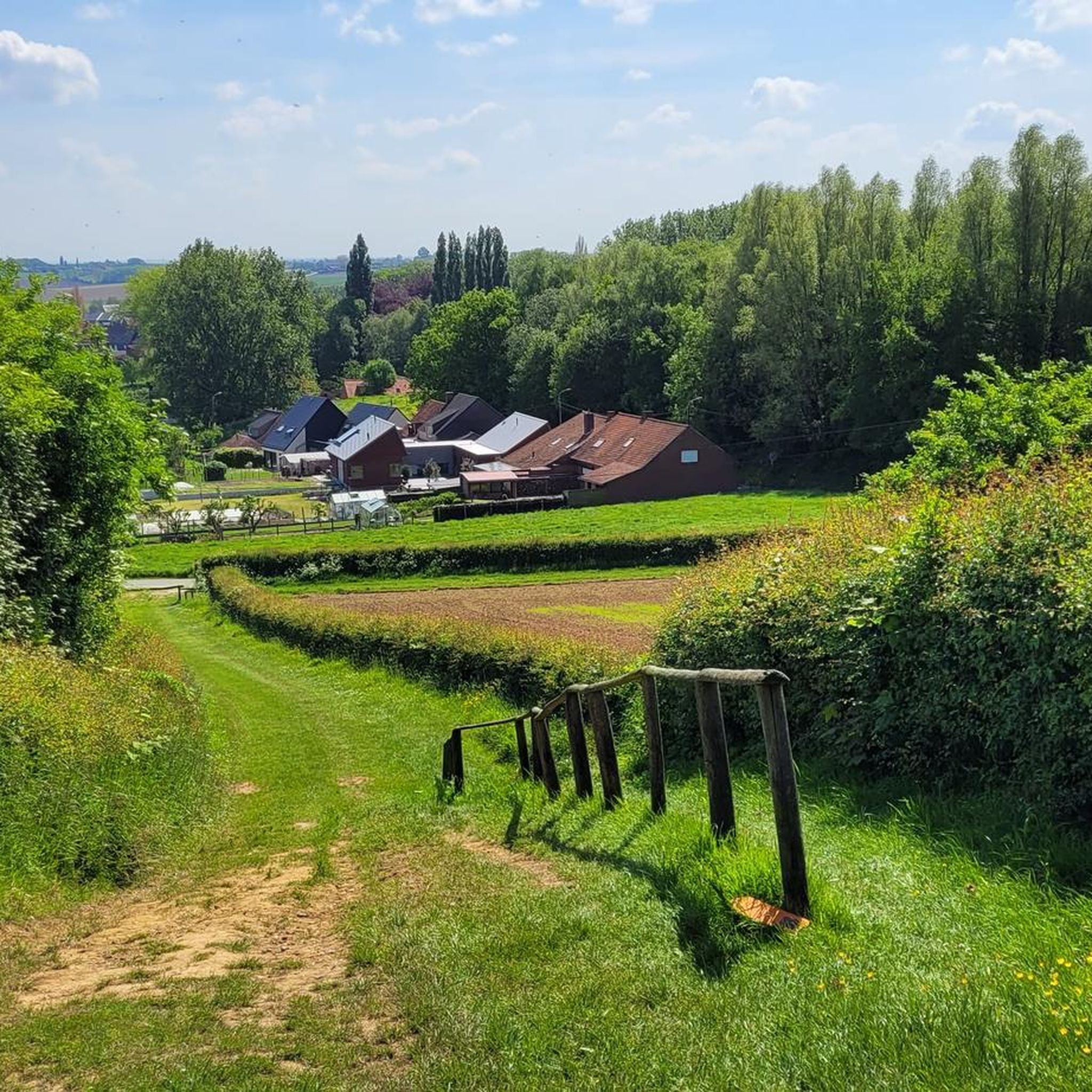
Cycling around Heuvelland
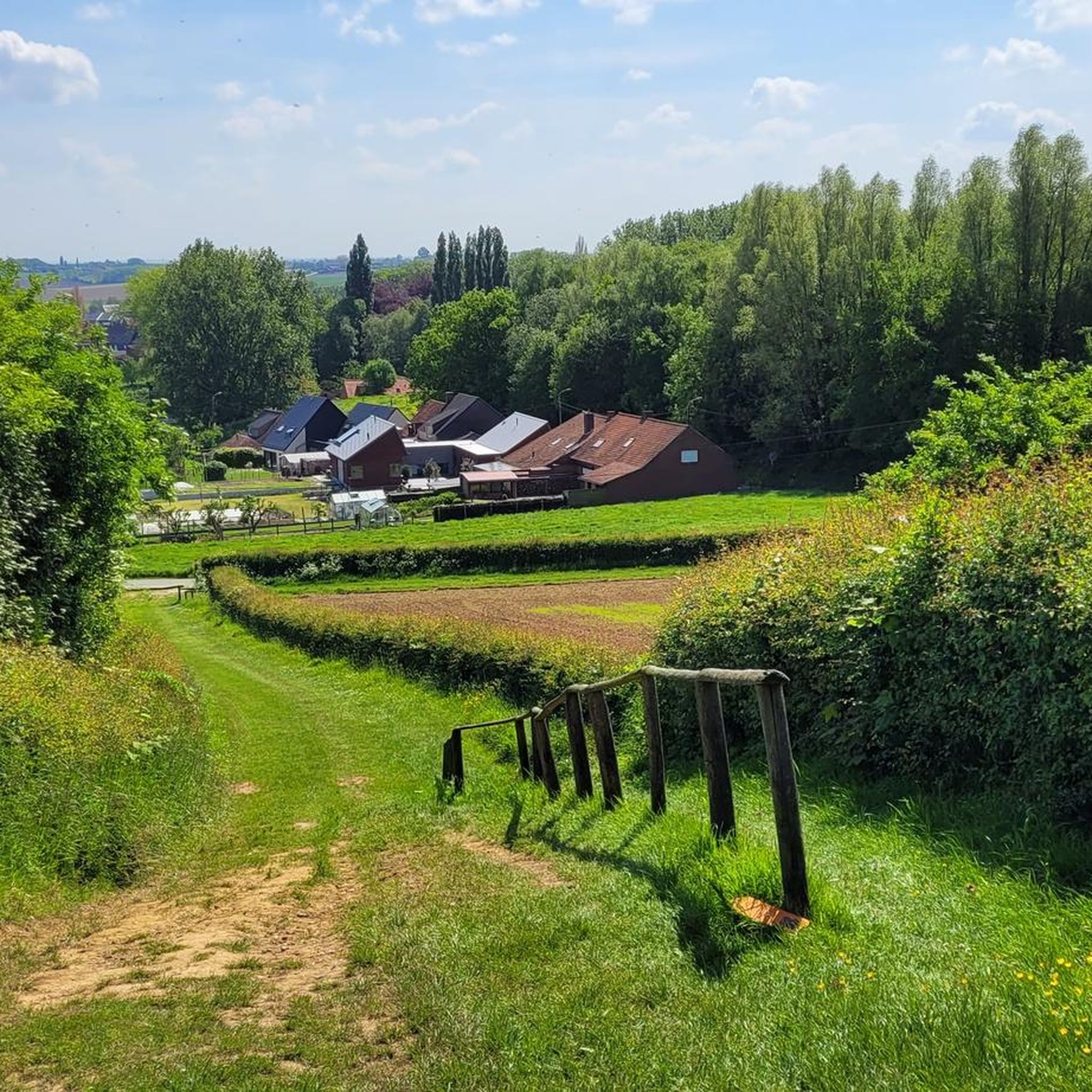
Running Trails around Heuvelland
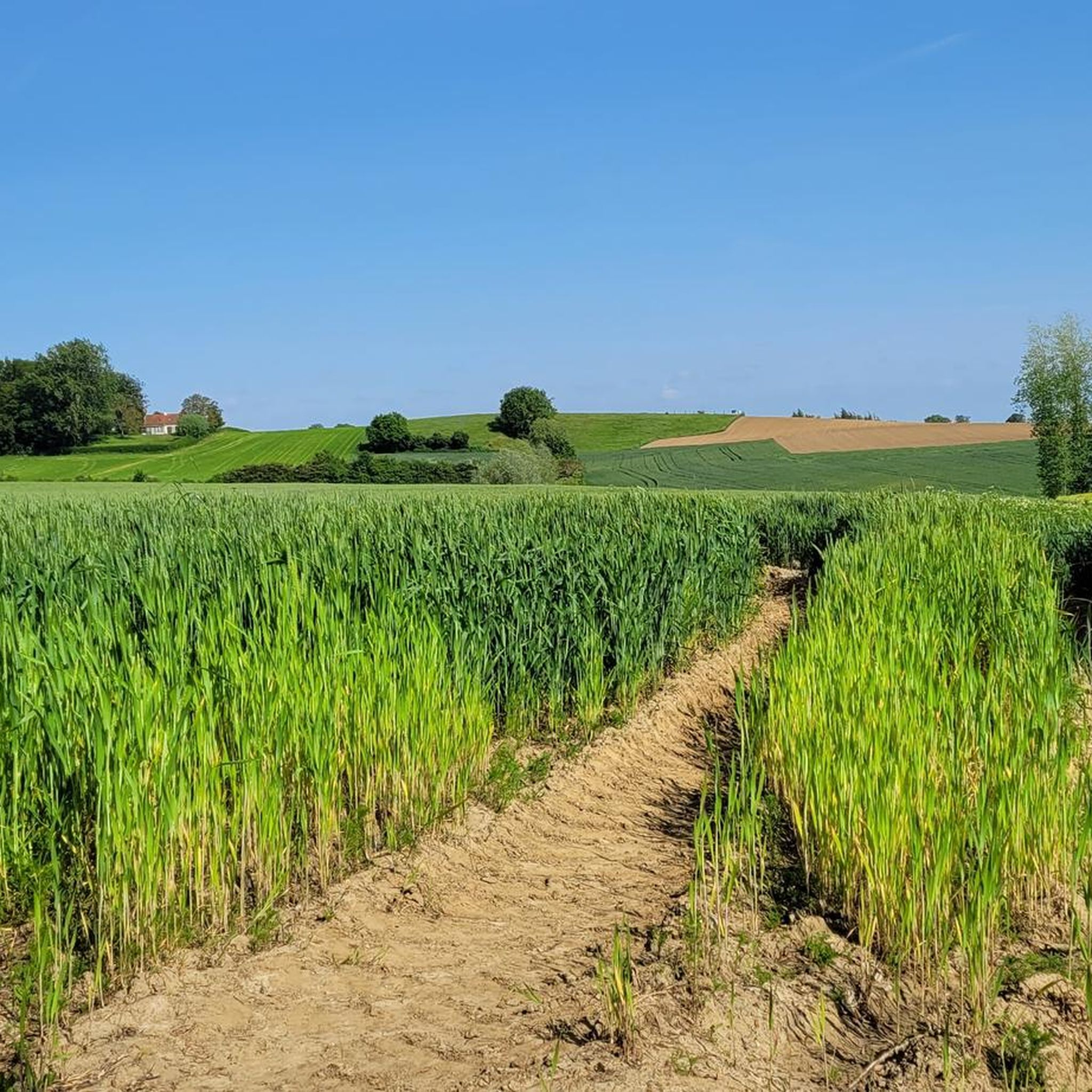
Road Cycling Routes around Heuvelland
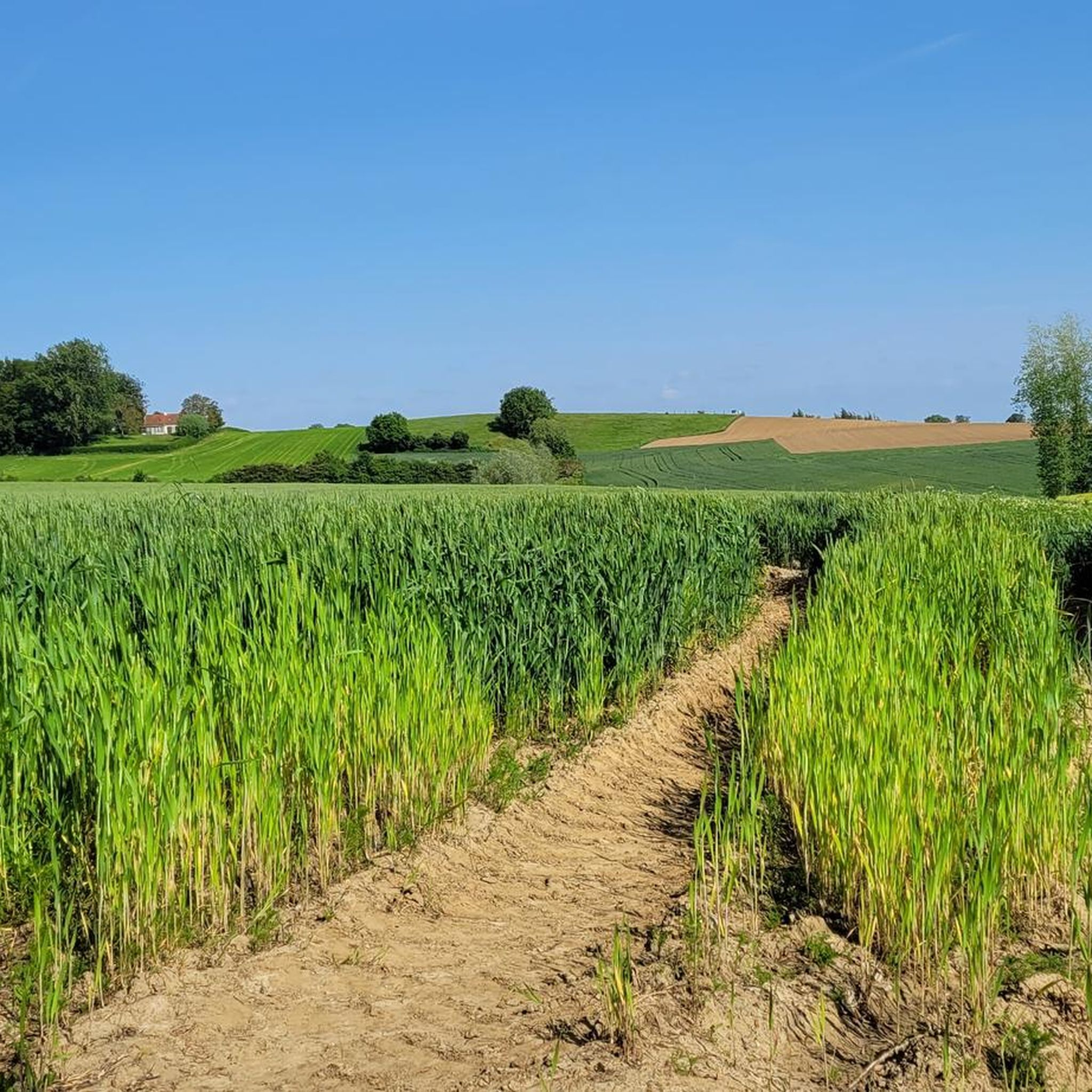
MTB Trails around Heuvelland
Other adventures around Heuvelland


Tips from the Community


some very beautiful works on the route
0
0

Very nice walk with a beautiful view at the finish
0
0


On this path on the edge of the Bos van Hellegat you dive into a beautiful green vegetation tunnel.
10
0
Frequently Asked Questions
What historical sites related to World War I can I visit in Heuvelland?
Heuvelland is rich in World War I history. You can explore sites like the Kemmelberg, which features the French Ossuary and a mass grave for French soldiers. Other significant locations include the preserved German trenches at Bayernwald, the tranquil Spanbroekmolen Crater (also known as Pool of Peace), and the UNESCO World Heritage sites of Spanbroekmolen British Cemetery and Lone Tree Cemetery. The Visitors Centre 'Het Heuvelland' in Kemmel also offers insights into the region's wartime past.
Are there any natural viewpoints or scenic spots in Heuvelland?
Absolutely. Heuvelland is known for its rolling hills, often called 'mountains'. The Kemmelberg, the highest point in West Flanders, offers panoramic views from its Belvédère lookout tower. Another excellent spot is Mont Noir (West), located on the Belgian-French border, which also provides extensive vistas of the surrounding area. The Hellegat Forest on the Rodeberg hillside is also recommended for its natural beauty and diverse biotopes, offering beautiful views.
What kind of outdoor activities can I do in Heuvelland?
Heuvelland offers a variety of outdoor activities, especially hiking, cycling, and mountain biking. The region boasts an extensive hiking network with 270km of sloping roads. For running, you can find routes like the 'Kemmel Village Square – Monteberg Vineyard loop'. Cyclists can enjoy road cycling routes such as the 'Mont Noir (West) – Baneberg Climb loop'. Mountain bikers have options like the 'Scherpenberg Forest Trail – Mont Noir North MTB Trail loop'. You can find more details on these activities and routes on the respective guide pages for running, road cycling, and MTB trails around Heuvelland.
Are there any family-friendly attractions in the Heuvelland area?
Yes, several attractions in and around Heuvelland are suitable for families. The Hellegat Forest is a great spot for walks, offering natural beauty and diverse biotopes that children can explore. The Cloth Hall (Lakenhalle) in Ypres, which houses the Flanders Fields Museum, is also considered family-friendly and provides an engaging historical experience. Additionally, the region's numerous walking and cycling paths offer opportunities for outdoor family adventures.
What cultural or unique points of interest are there in Heuvelland?
Beyond its historical and natural sites, Heuvelland offers unique cultural experiences. You can visit Wijngoed Monteberg to discover winemaking in the Westhoek, situated on the slopes of Monteberg and Kemmelberg. The Museum of Agriculture provides insight into the region's farming heritage, and the St. Laurentius church in Kemmel is a notable architectural site. For something different, the Folk Experience in Dranouter is a modern interactive music museum.
Where can I learn more about the local history and landscape of Heuvelland?
The Visitors Centre 'Het Heuvelland' in Kemmel is an excellent starting point. It offers a permanent exhibition titled 'Landscape and war: Heuvelland 1914-1918', providing comprehensive insights into the region's unique landscape and its significant role during World War I. Additionally, the Cloth Hall (Lakenhalle) in Ypres houses the Flanders Fields Museum, which delves deeper into the history of the Great War.
Are there any specific walking trails recommended in Heuvelland?
Heuvelland is a walker's paradise with an extensive hiking network. The Hellegat Forest is highly recommended for a brisk walk, offering beautiful views and a varied biotope, especially known for its spring wildflowers. Many GR walking routes also traverse the region's nature reserves. For a historical walk, consider exploring the area around The Bluff Memorial and Crater, where you can discover mine craters, shelters, and military cemeteries from WWI.
What is the significance of the Cloth Hall in Ypres?
The Cloth Hall (Lakenhalle) in Ypres is one of Europe's largest civil Gothic buildings and holds immense historical significance. It served as a major trading center for cloth and fabrics during the Middle Ages, reflecting Ypres's wealth and power. Although completely destroyed during World War I, it was faithfully rebuilt and now houses the Flanders Fields Museum, making it a symbol of resilience and a key site for understanding the region's past.
Can I visit a vineyard in Heuvelland?
Yes, you can visit Wijngoed Monteberg. This vineyard began planting its first vines in 1996 on the southern slopes of Monteberg and Kemmelberg, offering a unique opportunity to discover winemaking in the Westhoek region.
What are some of the less crowded attractions or 'hidden gems' in Heuvelland?
While many sites are popular, you might find quieter moments at places like the Kemmel's Top Secret Command Bunker, hidden beneath the countryside, offering a glimpse into Cold War history. The Lettenberg Bunkers and the Site of the Lettenberg, both British shelters from World War I, also provide significant historical context away from the main crowds. Exploring the various smaller cemeteries, such as the French Cemetery on Kemmel Mountain, can also offer a more reflective experience.
Are there any attractions related to the Cold War in Heuvelland?
Yes, Heuvelland is home to Kemmel's Top Secret Command Bunker. This hidden Cold War command center offers a unique historical experience, providing a glimpse into a more recent period of conflict and strategic planning, contrasting with the region's prominent World War I history.
What do visitors enjoy most about the attractions in Heuvelland?
Visitors frequently appreciate the blend of natural beauty and profound historical significance. Many enjoy the panoramic views from spots like Kemmelberg and Mont Noir (West). The well-preserved WWI sites, such as the trenches at Bayernwald and the craters like Spanbroekmolen, offer a poignant and educational experience. The peaceful walks through areas like Hellegat Forest are also highly valued for their tranquility and diverse landscapes.
Most popular routes around Heuvelland
Most popular attractions around Heuvelland

Get inspired with the komoot mobile app


Explore more
Still not found the Highlight you’re looking for? See guides of the top attractions in other regions:
