The best walks and hikes around Hannut
4.2
(280)
1,631
hikers
143
hikes
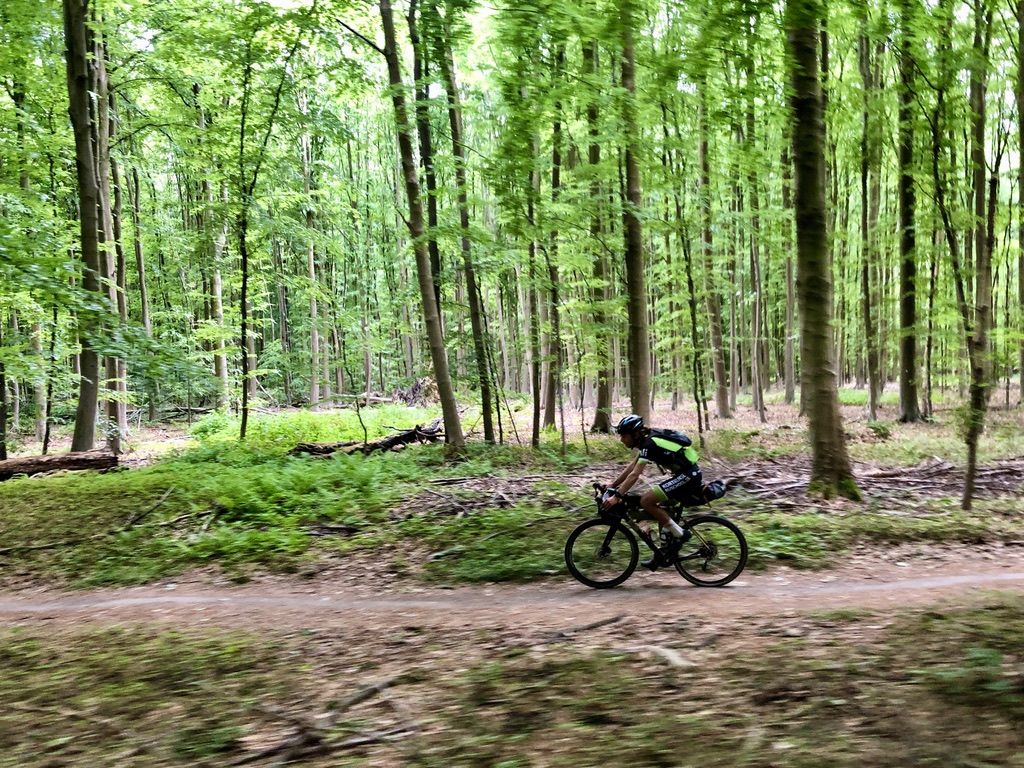
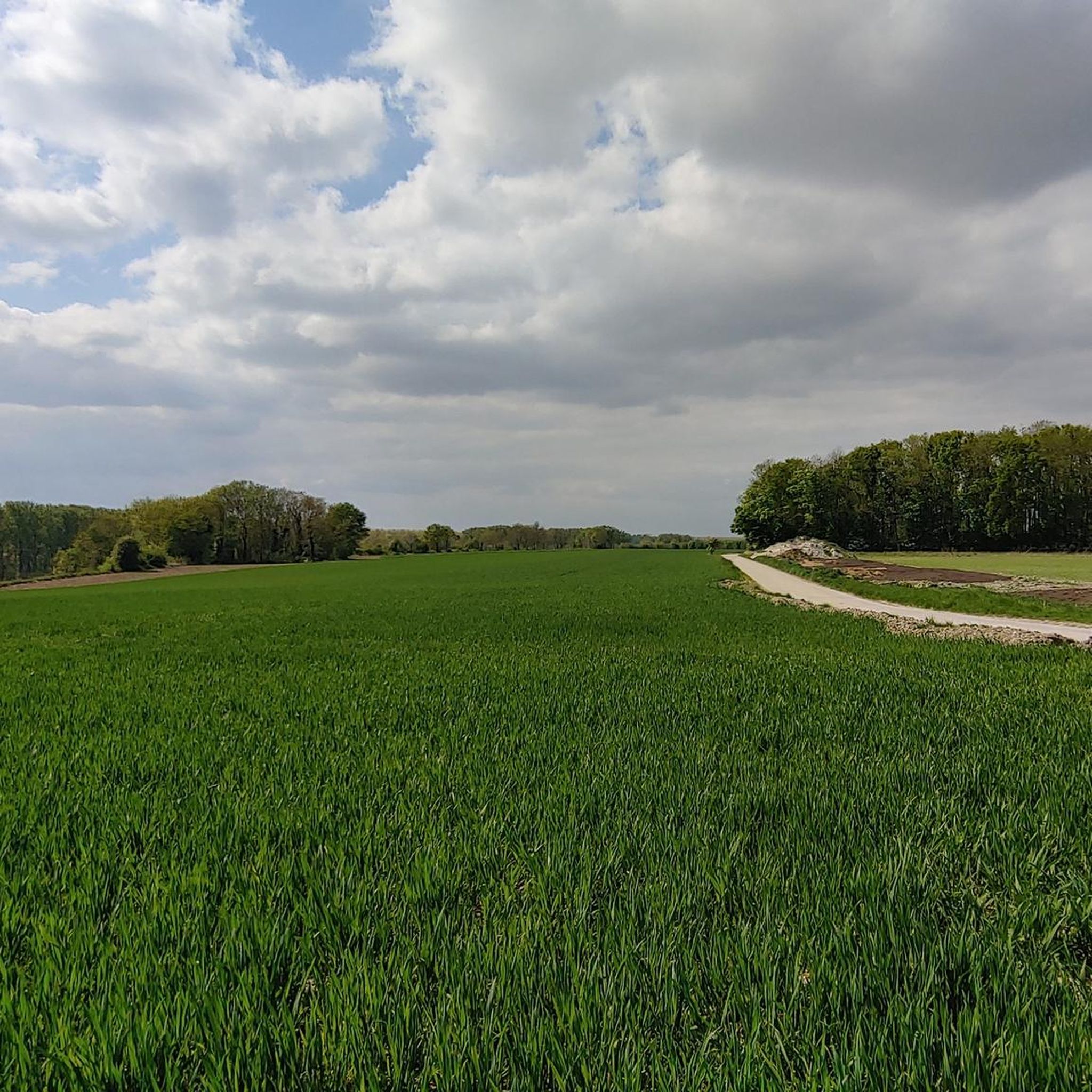
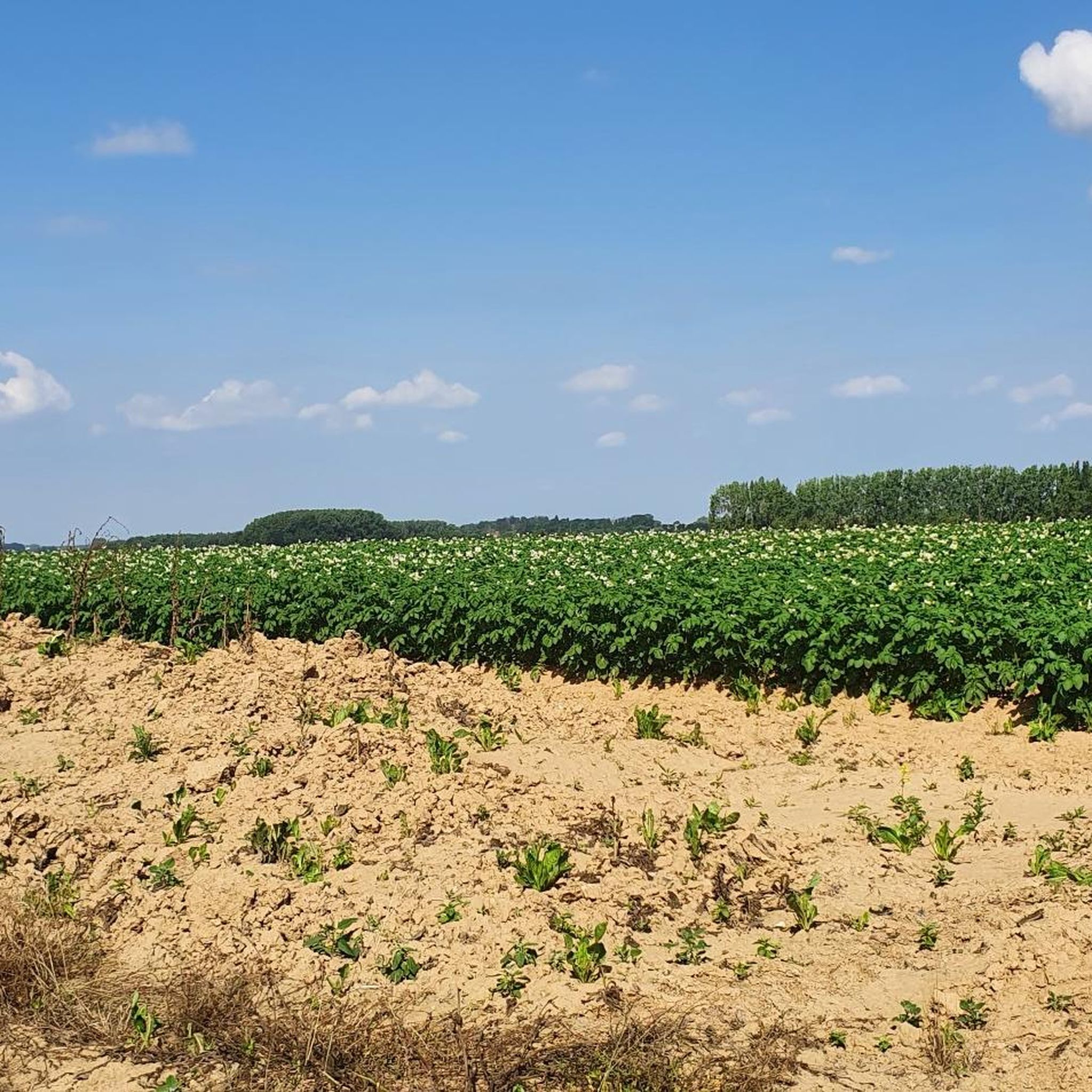
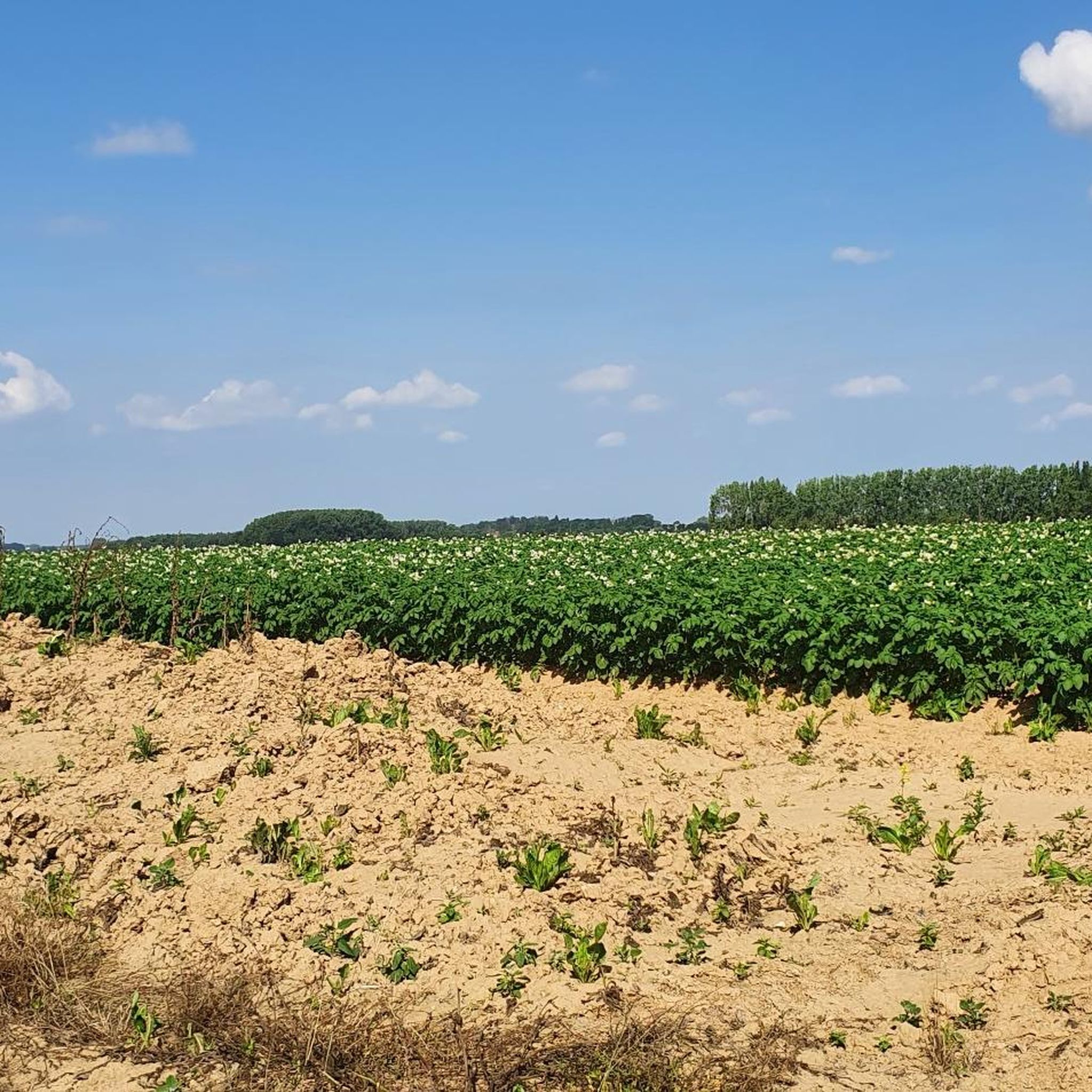
Hiking around Hannut offers varied landscapes characterized by expansive countryside, rolling hills, and lush greenery. The region features well-marked paths through scenic meadows and woodlands, providing options for different skill levels. Notable natural features include the Haut-Geer Nature Reserve with its reed beds and ponds, and the Hélécine Estate, which encompasses a large park and nature reserve. The former Braives Railway Station (RAVeL L127) also provides accessible, flat paths for walks.
Best hiking trails around Hannut
- The most popular hiking route is Beautiful hiking trail – Narrow Country Path loop from Petit-Hallet, a 5.1 miles (8.3 km) trail that takes 2 hours 10 minutes to complete, leading through varied landscapes on narrow country paths.
- Another top favourite among local hikers is Hill path – Beautiful hiking trail loop from Petit-Hallet, a moderate 6.1 miles (9.9 km) path that offers scenic views over rolling hills.
- Local hikers also love the Pont de la Solive – Saint-Sauveur Chapel loop from Moxhe, a 5.0 miles (8.1 km) trail leading through rural paths and past local landmarks, often completed in about 2 hours 6 minutes.
- Hiking around Hannut is defined by expansive countryside, rolling hills, and accessible paths along former railway lines. The network offers options for easy walks through meadows to more moderate routes exploring the region's varied terrain.
- The routes in Hannut are highly rated by the komoot community with an average score of 4.2 stars from over 200 reviews. More than 1200 hikers have used komoot to explore Hannut's varied terrain.
Last updated: July 4, 2026
4.3
(23)
74
hikers
Moderate hike. Good fitness required. Easily-accessible paths. Suitable for all skill levels.
4.4
(19)
76
hikers
9.89km
02:34
60m
60m
Moderate hike. Good fitness required. Easily-accessible paths. Suitable for all skill levels.

Sign up for free
4.5
(12)
42
hikers
7.42km
01:54
30m
30m
Easy hike. Great for any fitness level. Easily-accessible paths. Suitable for all skill levels.
4.1
(21)
118
hikers
Moderate hike. Good fitness required. Easily-accessible paths. Suitable for all skill levels.
4.0
(4)
29
hikers
Moderate hike. Good fitness required. Easily-accessible paths. Suitable for all skill levels.
Get access to more routes and recommendations from other explorers.
Sign up for free
Already have an account?
Our route recommendations are based on thousands of hikes, rides, and runs completed by other people on komoot.
Start today with a free account
Your next adventure awaits.
Login or Signup

Other adventures around Hannut

Tips from the Community

A beautiful area of (only) 34.5 hectares, characterized by reed beds, cattail ponds, and pools fringed by shrubs or with open banks... These diverse habitats offer countless bird species places to forage, nest, hibernate, or rest during their migration. No fewer than 212 species have already been observed! (Source: www.natagora.be)
3
0


The "Castle Farm" is so named because it belonged to the Lefranc family, who held the Lordship of Petit-Hallet in the 18th century. It is a quadrangle of brick, limestone, tufa, and flint, built in the 18th and 19th centuries. The entrance gate, made of painted stone like the neighboring walls, features a semicircular arch; it is believed to date from the first half of the 18th century. The porch is surmounted by a brick dovecote tower. The farm consists of a brick main building with stone surrounds and several outbuildings. The new owner transformed it into a prestigious venue for high-level professional riders: the "Petit-Hallet Stud Farm."
6
0
The Maria Gilles street, named after a resident who died in her garden here due to a German bomb in 1940, offers a beautiful view of the church it leads to. Moreover, you will find a nice resting place here with, in addition to a bench, a water source with steps (non-drinkable), all kinds of birds in the adjacent garden and one of the places that is part of the project 'Petit Hallet: village du jeu'. As the welcome sign indicates, every last Sunday of the month, between April and October, large games are offered here at various locations in the village. Everything starts on the small but cozy village square (where you will find more information and a giant checkerboard).
6
0
Petit-Hallet was owned for a long time by the chapter of Saint-Lambert de Liège. A church was already mentioned on this site in 1139. The current church was rebuilt in 1757/1758 in limestone bricks and flint. It is - almost naturally - dedicated to Saint Lambert. The church was restored in 1829, after a violent earthquake that had damaged it the year before. In 1865, numerous anchors were placed to strengthen the tower. The church is accessible via a portal with a chronogram (1757). There are several gravestones incorporated in the wall around the church, which is located on a rather overgrown height. When I visited, the various grasses sometimes reached above my waist. I also noticed that there are still quite a few pieces of gravestones, many broken or in part. Unfortunately, there were also some plants and grasses among other plants that in my opinion deserve some maintenance, even though the church and its surroundings are not in the best condition. Even though it dates from the 1930s: I would rather not see a grave of a child who was barely two years old among weeds, but that is my opinion of course. Furthermore, it is quite beautiful, situated a bit higher, and especially a nice path to it.
6
0
The church closed its doors at the end of the twentieth century. In 2022, L'Avenir wrote that due to a lack of maintenance, the condition of the building had deteriorated and that it even posed a safety hazard. After all, during maintenance on the roof, one of the walls was no longer stable. The mayor would urgently look into eliminating the dangerous situation. Today, the building is apparently still in poor condition and the chosen safety solution apparently seemed to close off the area around the building with fences, just like the adjacent rectory. At the time, it was said that they wanted to keep the church because of its heritage value, but until further notice, only the area around it is useful for a beautiful horse that comes to say hello from all sides. Article on https://www.lavenir.net/regions/brabantwallon/orp-jauche/2022/06/30/orp-jauche-on-ne-rasera-pas-leglise-notre-dame-dorp-le-petit-TZABF6D5TFEXZNOGPWS7DKDKYQ/
5
0
Opposite the dilapidated church of Orp-le-Petit, which is located next to the equally dilapidated old presbytery, there are modern, seemingly renovated buildings. A bright dark red entrance gate immediately catches the eye, behind which there is a place with an equally red building complex. And in front of that gate is a typical old stone 'born-potale' with an inscription. But is that gate itself old? The thing intrigued me, especially considering the contrast with the rest of the center where there are quite a few old buildings. If you look a little closer, you will soon see that the gate is made of Gobertange stone. If you go under the gate, you will also immediately see the (remains of the) dovecote. In short: a typical feature of an older manor farm. Inspection shows that there was indeed a farm here, the 'ferme Jonet'. The gate was built in the nineteenth century and the farm itself was taken over at a certain point and partly put into use as a foundry (not the main building). It continued to operate until the early sixties. Today the whole has been modernized and everything has been converted into homes. Of course you can ask yourself if it is also beautiful. In any case worth a look, certainly with the small 'borne-potale' of which I still have to look up the origin.
6
0
Statue representing a member of the "Mougneûs d’vète trëpe" brotherhood. Founded in 1981, its aim is to promote the local specialty: green pudding with kale. Since the Middle Ages, each cottage had its own pig, and when it reached "maturity," family, neighbors, and friends were invited to feast. This tradition continued until the 1940 war. Green pudding is colored with the greens of cabbages harvested from the garden. Later, the kale gives a creamier flavor to the dish. In Orp, after tasting the first piece, people say "C'ènn'è!" meaning "this is it," meaning "this is real green pudding, and it's good!" For connoisseurs, this dish can be enjoyed hot or cold, accompanied by a good beer or white wine. Source: https://fredrando.be/index.php?etape=gr579050
5
1
Frequently Asked Questions
How many hiking trails are available around Hannut?
There are over 130 hiking trails around Hannut, offering a wide range of options for all skill levels. You'll find a good mix of easy, moderate, and some more challenging routes to explore the region's diverse landscapes.
What kind of terrain can I expect on hikes near Hannut?
Hikes near Hannut feature varied landscapes, primarily characterized by expansive countryside with rolling hills, lush greenery, and scenic meadows. Many paths traverse woodlands, and you can also find accessible, flat routes along former railway lines like the RAVeL L127. While Hannut itself has gentle slopes, venturing towards the nearby Ardennes can offer more rugged terrain and steeper inclines.
Are there any family-friendly hiking options in Hannut?
Yes, Hannut offers several family-friendly hiking options. The region's gentle slopes and well-marked paths through meadows and woodlands are suitable for all ages. The Hélécine Estate, with its 28-hectare park, nature reserve, and educational pond, is an excellent spot for family outings and relaxed walks.
Can I bring my dog on the hiking trails around Hannut?
Many trails around Hannut are suitable for dog walking, allowing you to enjoy the natural beauty with your canine companion. It's always recommended to keep your dog on a leash, especially in nature reserves or areas with livestock, and to check specific trail regulations if available.
Are there any circular walks available in Hannut?
Yes, many of the hiking routes around Hannut are circular, allowing you to start and end at the same point. For example, the Beautiful hiking trail – Narrow Country Path loop from Petit-Hallet is a popular circular route that takes you through varied landscapes.
What natural attractions can I discover while hiking in Hannut?
Hannut is rich in natural attractions. The Haut-Geer Nature Reserve is a significant site for birdwatching, featuring reed beds and ponds. You can also explore the Horne Forest or enjoy the natural settings of the Hélécine Estate, which includes a nature reserve and ponds.
Are there any historical landmarks or points of interest along the trails?
Yes, beyond natural beauty, you can encounter historical points of interest. The region features several castles, such as Château de Fallais and Château de Fumal. Additionally, you might come across ancient sites like the Twee Tommen Gallo-Roman Burial Mounds or the Seron Tumulus I, offering glimpses into the region's past.
What do other hikers say about the trails in Hannut?
The hiking trails in Hannut are highly regarded by the komoot community, with an average rating of 4.2 stars from over 200 reviews. Hikers often praise the quiet woodlands, well-marked paths, and the scenic views over rolling hills that define the region's routes.
Are there easy hiking trails suitable for beginners?
Absolutely. Hannut offers many easy hiking trails perfect for beginners or those seeking a relaxed experience. These routes often feature gentle slopes and well-maintained paths through scenic meadows. An example is the Pont de la Solive – Ferme Moncheur loop from Moxhe, which is rated as easy.
Can I access hiking trails in Hannut using public transport?
While specific public transport options to every trailhead may vary, Hannut is generally accessible. For detailed information on bus routes or train connections to specific starting points, it's best to consult local public transport schedules. Some trails, like those along the former Braives Railway Station (RAVeL L127), are designed for easy access.
Are there any challenging hikes near Hannut for experienced trekkers?
While Hannut itself is known for its gentle landscapes, more challenging routes with steeper inclines and rugged terrain can be found if you venture towards the nearby Ardennes region. The Ardennes are known for dense forests and significant changes in altitude, offering a more demanding experience for experienced trekkers.
What is the best time of year to go hiking in Hannut?
Hannut's varied landscapes are enjoyable throughout much of the year. Spring brings lush greenery and blooming meadows, while autumn offers beautiful fall colors in the woodlands. Summer is ideal for longer days and warmer weather, though some paths might be muddy after rain. Always check local weather conditions before heading out.
Most popular attractions around Hannut

Get inspired with the komoot mobile app


Explore more
Browse the best Hikes in other regions.
