Attractions and Places To See around Wasseiges - Top 20
Best attractions and places to see around Wasseiges, a rural and agricultural commune in the province of Liège, Belgium, offers a blend of historical landmarks, cultural insights, and natural beauty. The region is known for its many walks and a lively atmosphere with various social and cultural activities. Visitors can explore fortified castles, historical sites, and natural areas.
Best attractions and places to see around Wasseiges
- The most popular attractions is Château de Fallais, a castle that dates from…
Last updated: May 11, 2026
Former Braives railway station (RAVeL L127)
Highlight • Structure
Translated by Google •
Tip by

Château de Fallais
Highlight • Castle
Translated by Google •
Tip by
Sign up now to discover places like this
Get recommendations on the best single tracks, peaks, & plenty of other exciting outdoor places.
Sign up for free
Château de Fumal
Highlight • Castle
To get there, you have to go up a little (quite steep but short slope), on the cycle path which leads …
Translated by Google •
Tip by

Village du Saule
Highlight • Natural
It is a charming and remarkable historical …
Translated by Google •
Tip by

Fousseroûl Castle-Farm
Highlight • Castle
Translated by Google •
Tip by

Sign up for free to discover even more attractions around Wasseiges.
Sign up for free
Already have an account?
Start today with a free account
Your next adventure awaits.
Login or Signup

Tips from the Community

A really nice place to have a drink after your walk (open Wednesday and Sunday)
0
0

The fortified tower, situated on the edge of the Fosseroule stream and defending the valley, is considered a peripheral bastion of Moha Castle, located a mile and a half away. Agricultural and residential buildings form an enclosed complex, built between the 17th and 19th centuries. In the eastern corner stands an imposing tower, built of limestone rubble, with a square plan (16th century) on a wider, sloping base. This tower originates from an earlier structure, the cellars of which have also been preserved. The openings were modified, and in the 17th century, the tower was extended on the south side with a bay of limestone rubble and brick, reaching the limits of the original structure. To the west of the tower stands a two-story house, perpendicular to the tower, built of limestone rubble, probably dating from the 17th century. Source: bibliotheca.wanze.be
3
0

The Château de Fosseroule is actually the Ferme-château de Fosseroule, a historic farmhouse with castle features, located at the confluence of the Mehaigne and Fosseroule rivers, near the famous medieval Château de Moha. It is a former walled farm and residence built in the 17th-19th centuries with an impressive east tower, a beautiful example of local heritage. The Fosseroule, after which the castle is named, flows into the Mehaigne River here. The castle grounds house a rural gîte "La Vieille Brasserie" (separate building) - see https://visitwallonia.be/fr-be/content/gite-rural-huccorgne-la-vieille-brasserie
6
0
A willow village, indeed! Just a stone's throw from the Hosdent estate, a delightful green space has been created: an adventure tower, a water garden, a fish pond for the fish school, a tunnel and a living willow labyrinth, a willow grove, flowerbeds with willow branches, and numerous elements to discover the willow in all its forms! Small, yet large enough to explore (especially for children).
3
0

A farm castle with an imposing fortified tower from the 16th century that served as an outpost for Moha Castle. From the 17th to the 19th century, additional buildings (residential and agricultural) were built around it to form a closed complex.
1
0
Beautiful castle with moat in the limestone of the region from the 13th century. It was long the property of Charles the Bold.
0
0
In the 12th century there was already a castle here. An old keep with walls one meter thick is still a witness, but what it looked like is unknown. Later, various renovations and adjustments to its time took place
0
0

The domain is closed and the castle is partially covered in scaffolding. It is currently only visible from a distance.
4
0
Frequently Asked Questions
What historical landmarks can I visit in Wasseiges?
Wasseiges is rich in history. You can explore the fortified Château de Fallais, a 13th-century castle with a storied past, including occupation by Louis XIV. Another significant site is the Château de Fumal, which showcases over four centuries of architectural modifications, with its oldest part dating back to the 16th century. Don't miss the Former Braives railway station (RAVeL L127), a historical site now transformed into a lively community hub.
What natural attractions are there to explore in Wasseiges?
The region offers beautiful natural settings. The Village du Saule is a charming historical ensemble set in nature, featuring a 'willow course' and various nature activities. You can also discover the ecological importance of the Marais de Wasseiges, protected marshes and ponds ideal for nature observation. The entire countryside around Wasseiges is known for its picturesque rural landscape, perfect for walks.
Are there any unique cultural experiences in Wasseiges?
Yes, Wasseiges offers distinct cultural insights. You can visit the Cotchia Saffron Farm, Belgium's first and largest professional saffron plantation, offering tours and tastings during the October flowering season. The commune also promotes 'Petit Patrimoine' walks, highlighting elements like old farm porches, chapels, and war memorials, connecting visitors with the village's history and traditions.
What outdoor activities are popular around Wasseiges?
Wasseiges is excellent for outdoor enthusiasts. The RAVeL L127, originating from the Former Braives railway station, provides superb opportunities for walking and cycling through the scenic countryside. The area is generally known for its many beautiful walks. For specific routes, you can find various options for gravel biking, running, and cycling.
Are there family-friendly attractions in Wasseiges?
Absolutely! The Village du Saule is an educational green oasis with a 'willow course' and nature activities suitable for all ages. The Former Braives railway station (RAVeL L127) hosts a lively local market every Wednesday afternoon, which can be an enjoyable outing for families. The legend of village women saving Château de Fallais with Liège waffles also adds a fun historical anecdote.
When is the best time of year to visit Wasseiges?
The best time to visit Wasseiges largely depends on your interests. For outdoor activities like walking and cycling, spring and summer offer pleasant weather. If you're interested in the unique Cotchia Saffron Farm, October is the ideal time to visit for tours and tastings during the saffron flowering season.
Where can I go for a walk or bike ride in Wasseiges?
The RAVeL L127 is an excellent choice for both walking and cycling. It's an autonomous network of slow lanes that allows you to explore the picturesque rural landscape. The Former Braives railway station serves as an ideal starting point for these routes. Wasseiges is generally known for its many beautiful walks throughout the commune.
Are there any ancient archaeological sites to see?
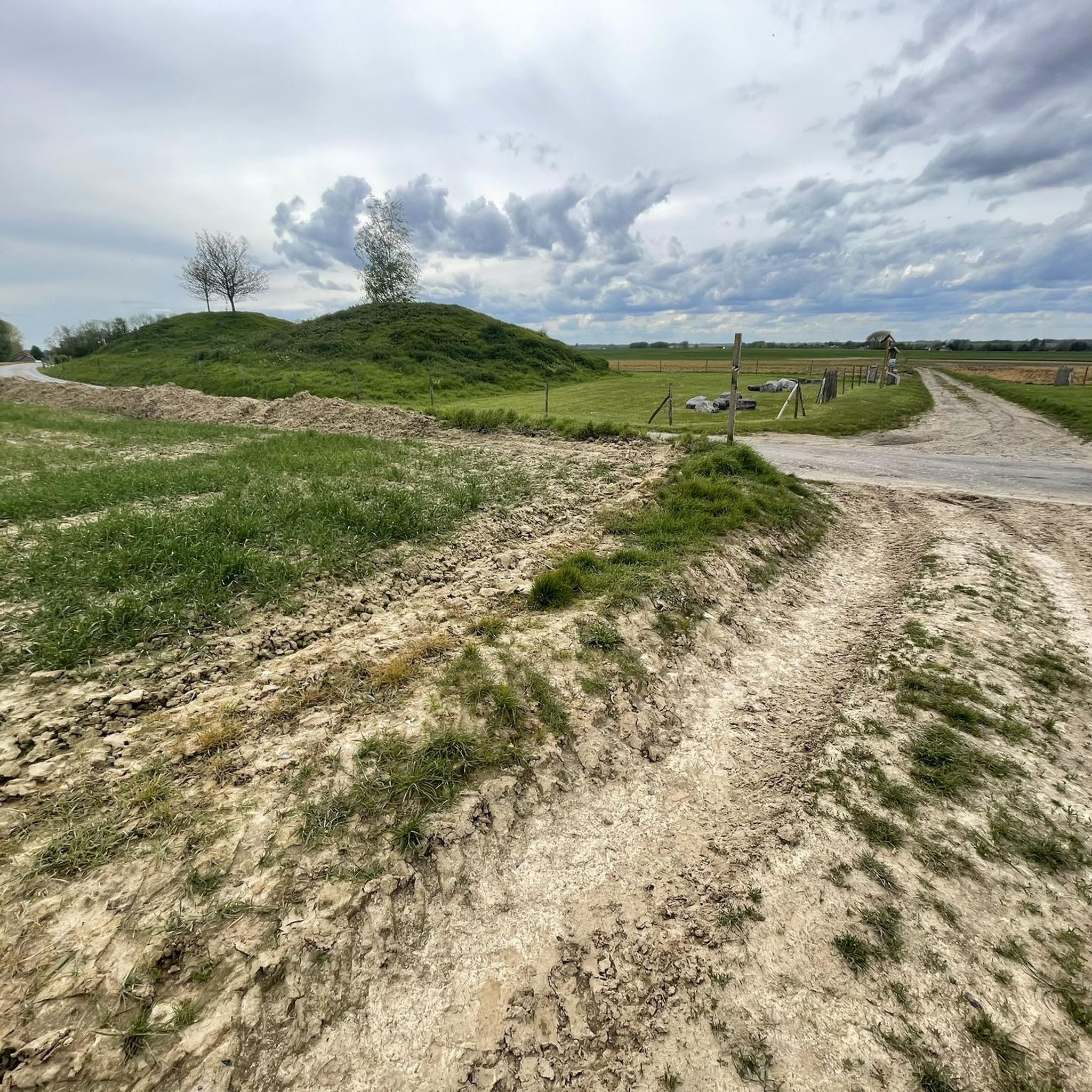
Yes, Wasseiges is home to the Tumuli du Soleil, two significant burial mounds located on a Roman road. These form part of Wasseiges' protected heritage sites and offer a glimpse into the region's ancient past.
What kind of 'small heritage' can I discover on walks in Wasseiges?
The commune of Wasseiges promotes special walks designed to highlight 'small heritage' elements. These include charming old farm porches, quaint chapels, commemorative trees, traditional manual water pumps, and war memorials, offering a unique way to connect with the village's history and traditions.
Where can I find local markets or community events?
The Former Braives railway station is a vibrant community hub. It hosts 'La Guinguette de la Gare' and a lively local market every Wednesday afternoon, reflecting the active social and cultural life of Wasseiges. The commune also offers various cultural activities and community halls.
Are there any castles that offer scenic views?
While the interiors of some castles like Château de Fallais are not always accessible, you can enjoy views of their impressive architecture from the outside. The Château de Fumal is situated in a location that requires a short, steep climb on a cycle path, offering a nice perspective of the castle and its surrounding park. Additionally, the View of Famelette Castle is specifically highlighted for its scenic outlook.
Is Wasseiges accessible for visitors with mobility challenges?
The Former Braives railway station (RAVeL L127) is noted as wheelchair accessible, making it a good starting point for walks or bike rides along the RAVeL path. While specific accessibility details for all attractions may vary, this location offers a good option for visitors with mobility challenges.
Most popular routes around Wasseiges
Most popular attractions around Wasseiges

Get inspired with the komoot mobile app


Explore more
Still not found the Highlight you’re looking for? See guides of the top attractions in other regions:
