Attractions and Places To See around Berlaar - Top 20
Best attractions and places to see around Berlaar, a municipality in the Belgian province of Antwerp, include a mix of historical sites and natural landscapes. The region is characterized by its location in the Kempen area, featuring diverse natural environments such as heathland, forests, and sandy plains. Berlaar offers opportunities for exploring historic landmarks and enjoying outdoor activities along waterways.
Best attractions and places to see around Berlaar
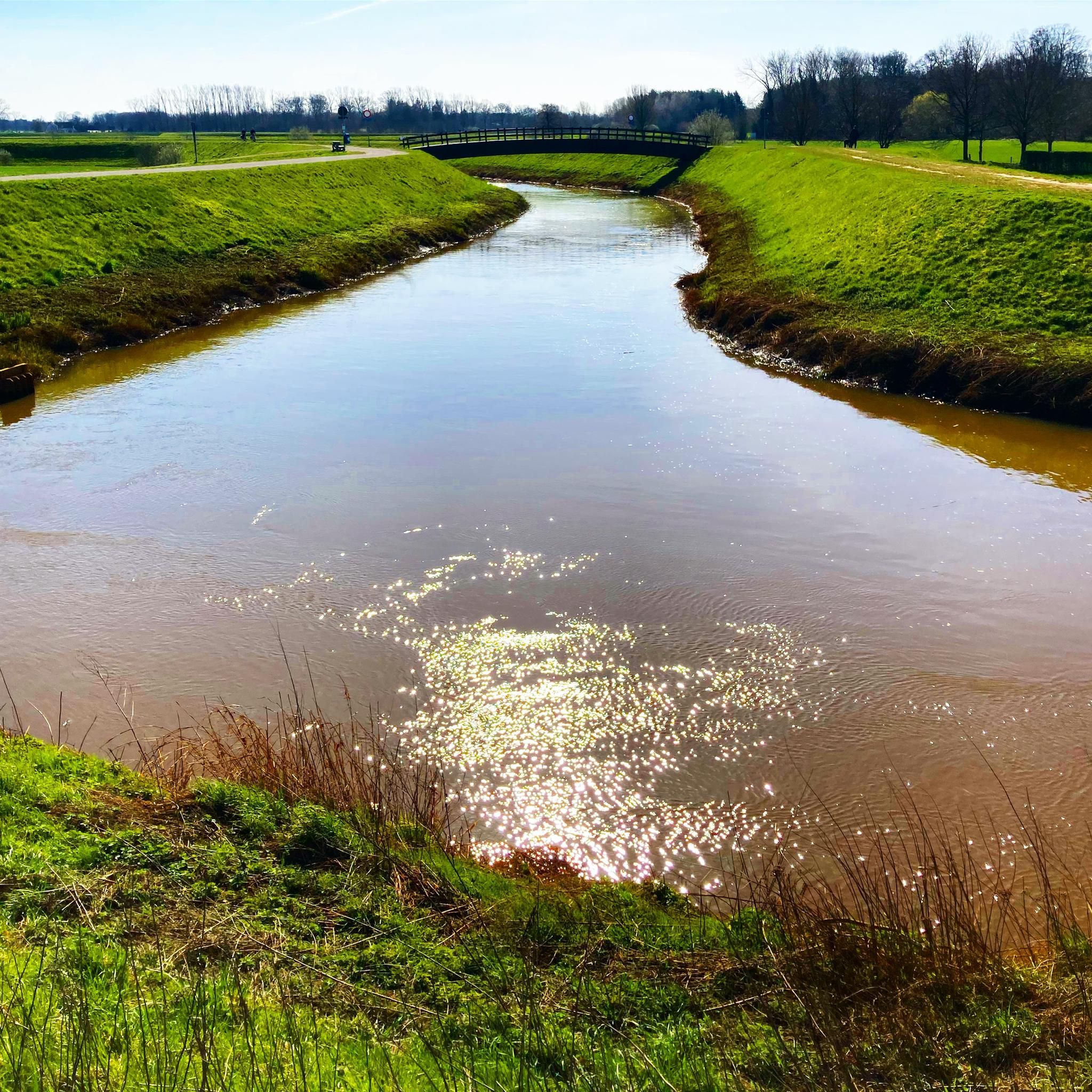
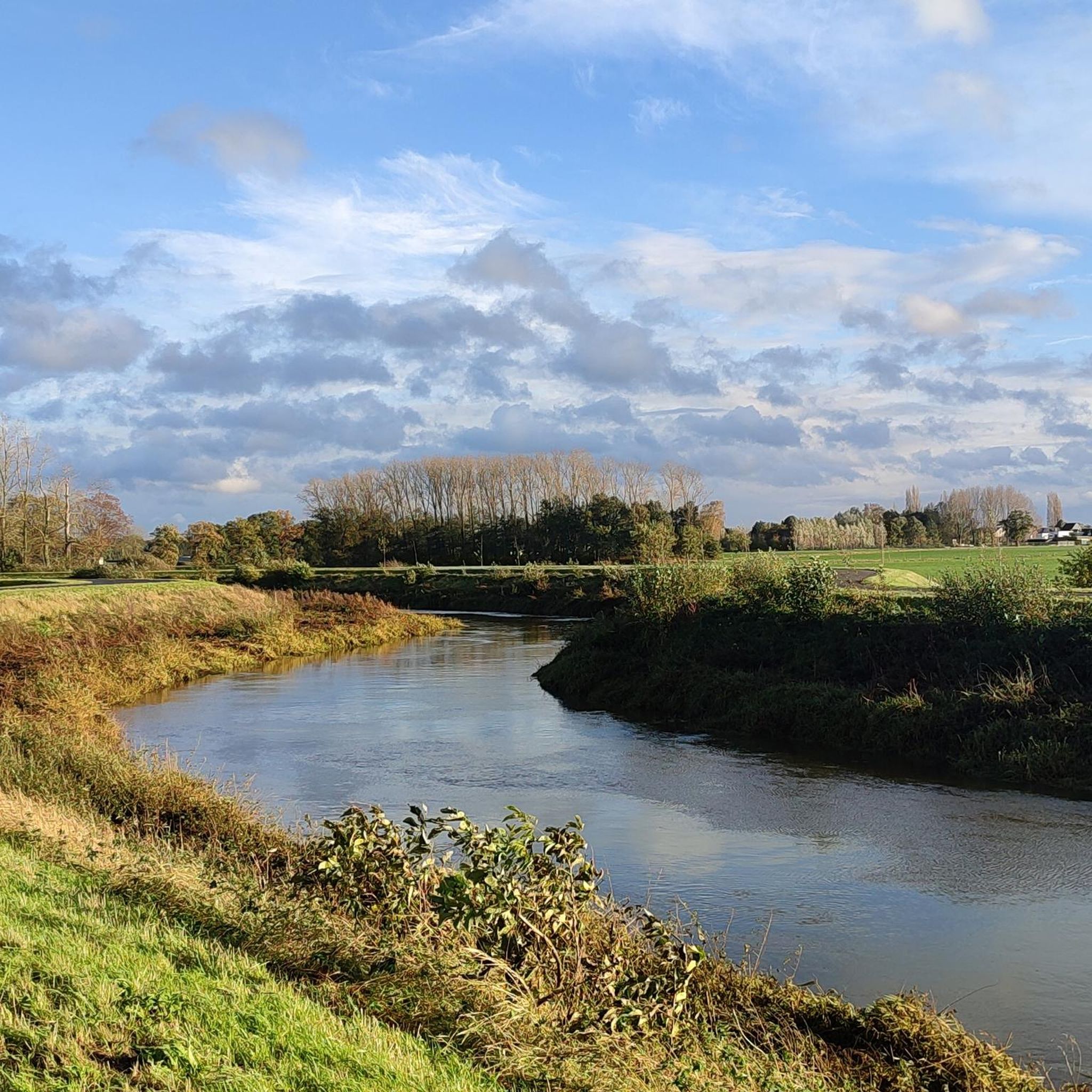
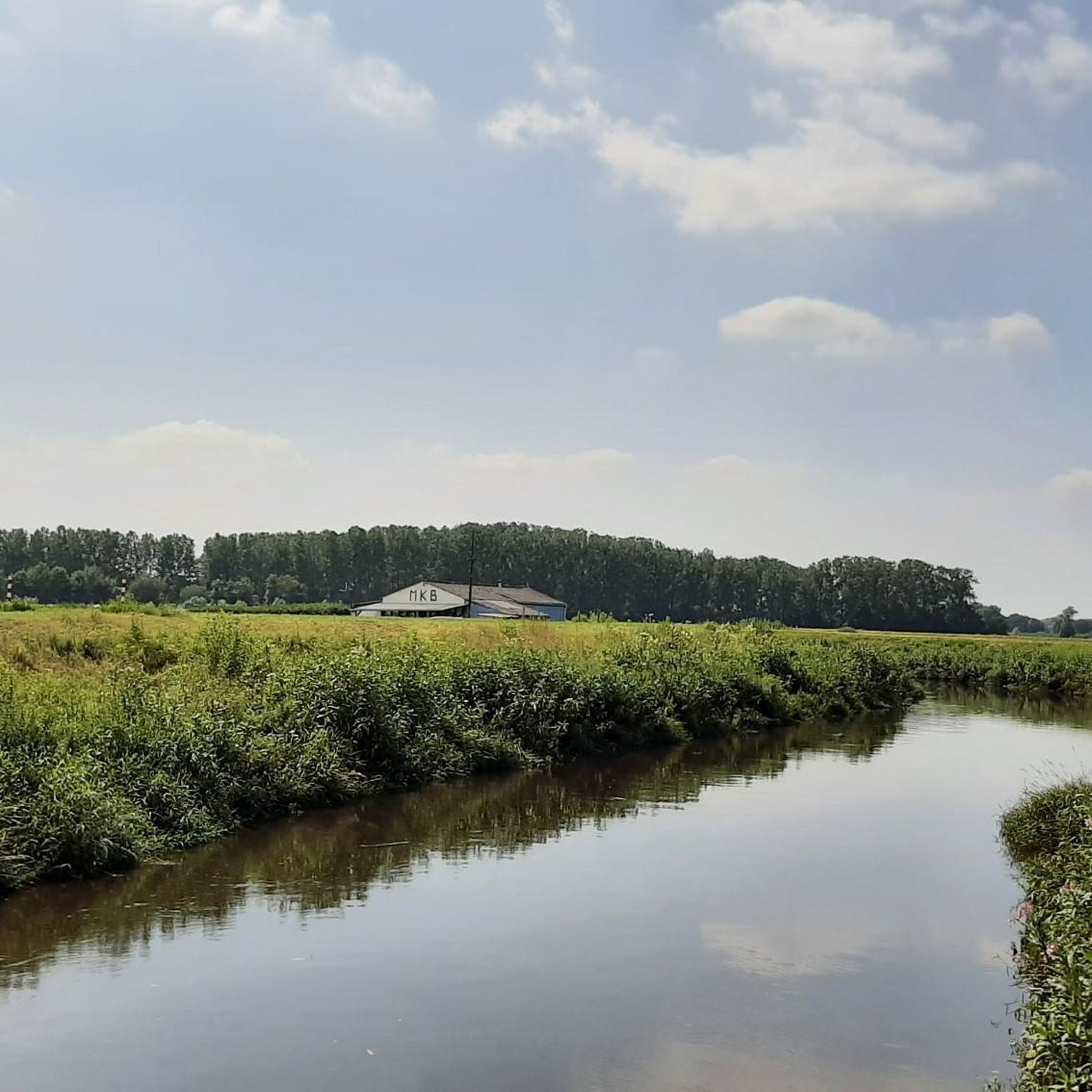
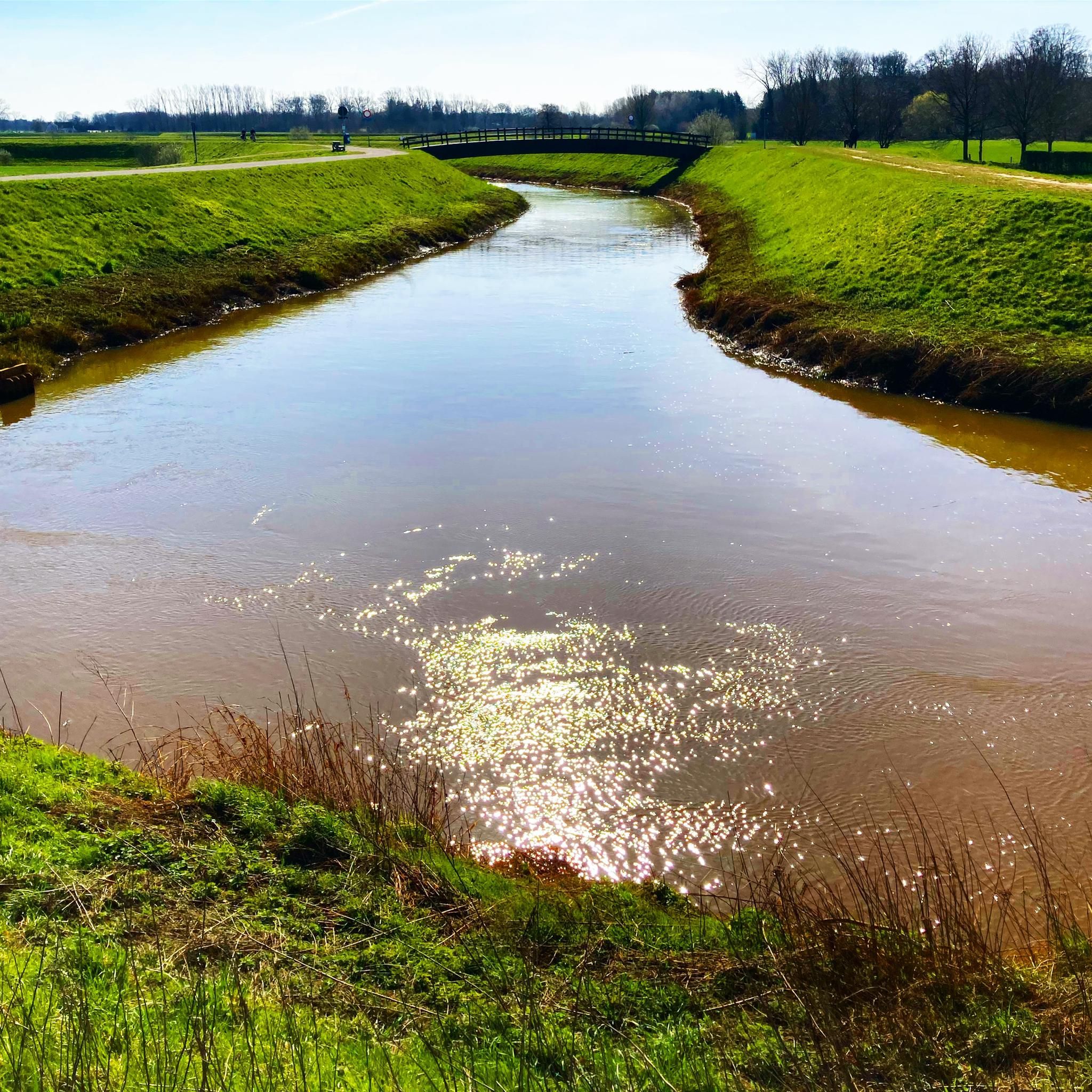
- The most popular attractions is Netekanaal Cycle Path, a cycle way that provides smooth asphalt for cycling next to the canal. This path is known for being a good route for faster cycling, with cars not allowed.
- Another must-see spot is Kesselse Heath, a forest area showcasing the traditional Kempen landscape. Visitors can expect a mix of scrub heather, coniferous and deciduous forests, sandy plains, and fens, with sheep helping to preserve the authentic environment.
- Visitors also love Netekanaal Towpath, a cycle way along the Nete Canal. This path offers a pleasant route for cycling or walking, where the wind can be a factor, and is shared by various outdoor enthusiasts.
- Berlaar is known for its cycling routes, walking paths, and natural attractions. The area provides a variety of attractions to see and explore, from historical sites like Fort van Kessel and Vrieselhof Castle to natural areas such as the Provincial Green Domain of Kesselse Heide.
- The attractions around Berlaar are appreciated by the komoot community, with more than 600 upvotes and over 60 photos shared across various highlights.
Last updated: May 9, 2026
Netekanaal Cycle Path
Highlight (Segment) • Cycleway
Translated by Google •
Tip by

Netekanaal Towpath
Highlight • Cycleway
The wind is your partner or opponent here. Always nice to be able to speed up here, but know that the towpath is there for everyone.
Courtesy is in order here.
Enjoy together.
Translated by Google •
Tip by

Sign up now to discover places like this
Get recommendations on the best single tracks, peaks, & plenty of other exciting outdoor places.
Sign up for free
Netekanaal Cycling Path
Highlight (Segment) • Cycleway
Translated by Google •
Tip by
Kesselse Heath
Highlight • Forest
Translated by Google •
Tip by

Vrieselhof Castle
Highlight • Castle
During the Eighty Years' War (16th -17th century), the inhabitants of Oelegem took shelter in the castle several times. From 1509, members of the van Halmale family owned the domain. The last descendant, Alfons-Ignace van Halmale, died childless in 1788. After that, the castle domain came into the hands of Charles-Ignace d'Oultremont and his wife Anne-Henriette de Neuf. The latter still had ties to the van Halmale family: her grandmother was Barbara Anna Philippa van Halmale (daughter of Alexander Jozef van Halmale, who was also mayor of Antwerp). For the new heirs, the castle was a country residence where they rarely stayed.
Restoration works were carried out on the castle in the 19th century. The nearby coach house with storage dates from 1877. In 1910 Count Louis de Brouckhoven de Berkeyck became the owner of the whole. He had the old castle rebuilt in Neo-Flemish-Renaissance style with stepped gables, brick layers and corner towers, but after the outbreak of the First World War, the Belgian troops burned the castle down for strategic reasons on October 7, 1914. Between 1917 and 1919, the current castle was burned down. rebuilt in the same style as the recently built ruined castle. In 1974 the castle and the accompanying domain were sold to the province of Antwerp by the grandchildren of Louis de Brouckhoven de Berkeyck.
Source : Wikipedia
Translated by Google •
Tip by

Sign up for free to discover even more attractions around Berlaar.
Sign up for free
Already have an account?
Start today with a free account
Your next adventure awaits.
Login or Signup

Tips from the Community

The Kesselse Heide is a provincial green space covering 79 hectares, 61 of which are open to the public. The initial acquisition took place in 1978, and it has been expanded since then. The entrance is located in Nijlen, at Vaerestraat 4. The space is freely accessible daily from sunrise to sunset. There are two ponds in the area. These old wells not only provide a pleasant change of scenery but are also a boon for the many plants and animals. Since 1996, the Kesselse Heide has been a protected landscape. It is one of the few remaining remnants of the once vast Kempen heathlands. The heath is a living community created in our region by humans. Historical agricultural practices created a landscape that has been preserved through human intervention: grazing by sheep, burning the heath, and sod cutting. Sod cutting is the removal of the topsoil and vegetation. A dug-out sod of plants and their roots is a sod. If heathland is left untreated, it will evolve into oak and birch forests, and the typical species associated with a heathland habitat will disappear. In the mid-19th century, the Kesselse Heide—like many other parts of the Kempen region—was afforested with Scots pine, a valuable timber for mining. However, during both World Wars, these sod-covered forests were felled, and from then on, the heathland was able to expand again. Current management consists of removing trees and mechanically cutting sods to give the open heathland every chance to thrive. https://youtu.be/NoPf0HSeFz8
6
0

The Kesselse Heide-Het Goor area consists of a variety of nutrient-poor meadows, pastures, marshes, and ponds, bordered and crisscrossed by enclosed landscape types, and contains numerous landscape elements. The area is characterized by a richly varied and sometimes rare flora. Several historic farm buildings can be found within the area. The Kesselse Heide-Het Goor area, with an area of approximately 2,620 hectares, is located between the villages of Nijlen and Kessel, north of the Lier-Herentals road. The northern border of this area is along Vogelzangstraat, the eastern border along Achterbist, Kannaertsstraat, and Goorstraat. The Grote Steenweg forms the southern border, and the western border is formed by Heidestraat and Vaerestraat. The landscape includes the following topographical areas: "Kannaerdsche Heyde," "Kesselse Heide," "Mol Heide," "Achterbiest," "Het Hoog Bosch," "De Hooge Heide," "Het Armveld," "De Schommers" or "Vissen Eynde," "Het Goor," "Het Goorkasteel," and "Hoge Heyde." Several streams traverse the area, specifically the Goorkantloop, the Elstbeek, the Paddenloop, Blauwe Hoekloop, and the Visbeek. The elevation within the area varies from approximately 5 meters +TAW to approximately 10 meters +TAW. Inventory of Immovable Heritage: Kesselse Heide-Het Goor, https://id.erfgoed.net/erfgoedobjecten/302886
7
0


Very nice walk with a lot of variety in landscapes and terrain.
3
0

Is just a fantastic ride! Small and narrow roads with little traffic (cars). Few cycle paths. Great cycling!
1
0

The name "Vrieselhof" goes back to Jan van Vriesele, a nobleman from Kontich who bought approximately 24 hectares of land in Oelegem around 1300 (approximately 32 hectares). In 1975, a year after the sale to the province of Antwerp, the domain was opened to hikers. From 1977 to 1999 the "Provincial Textile and Costume Museum" was located in the Vrieselhof. Due to a lack of resources, only a limited part of the collection could be exhibited. In 2002, the museum moved to Antwerp and was named Fashion Museum Antwerp. In 2003, the Provincial Library Center settled in the castle, together with administrative services. In 2011, a "library of Flemish classics" was opened within the Provincial Library Center. Works by classical Flemish writers are collected and loaned out here. In 2014, the Antwerp provincial council decided to restructure the culture department. The library center would be merged with the Cultural Dissemination and Arts Service into a new Libraries and Arts Service. In 2015, the Provincial Library Center moved to Antwerp, but the collection of Flemish classics remained in the Vrieselhof.
6
0
In the Kempen region, heathland is a cultural landscape that developed long ago through the frequent grazing of sheep on poor sandy soils. Since then, heathland has become valuable and rare. The Kesselse Heide provincial green space is all that remains of a much larger heathland area. Since 2023, the Kesselse Heide can also be explored as a heritage site. Various information boards provide information on folklore, landscape features, the wartime history, and more. You can find some photos of these new boards in the photo section of this highlight.
8
2

In the valley of the Groot Schijn, where Antwerp ends and the Kempen begin, lies the impressively quiet Vrieselhof castle domain. The silence is almost palpable. Due to a variety of biotopes, it gets a different look every season. More info at https://www.provincieantwerpen.be/aanbod/dvt/vrieselhof.html
6
0
Frequently Asked Questions
What natural features can I explore in Berlaar?
Berlaar offers diverse natural landscapes. You can discover the traditional Kempen landscape at Kesselse Heath, which features a mix of scrub heather, forests, sandy plains, and fens. The area is also known for the Netekanaal Cycle Path and Netekanaal Towpath, which follow the Nete Canal and are ideal for enjoying the waterside scenery.
Are there historical sites to visit in Berlaar?
Yes, Berlaar is rich in history. You can visit the historic Fort van Kessel, built between 1909 and 1912. The municipality also features four historic churches, described as 'treasure troves of art and heritage,' and numerous chapels and castles that have shaped the local landscape over centuries.
What cycling opportunities are available around Berlaar?
Berlaar is well-suited for cycling. The Netekanaal Cycle Path offers smooth asphalt for faster cycling, with no cars allowed. Another popular option is the Netekanaal Towpath, which provides a pleasant route along the Nete Canal for various outdoor enthusiasts. For more adventurous cyclists, there are also gravel biking routes available, such as those found in the Gravel biking around Berlaar guide.
Are there good walking or hiking trails in the Berlaar area?
Absolutely. Berlaar offers various routes for walking and hiking. The Kesselse Heath features the Heidepad, which takes you along its most picturesque spots. You can also find numerous walking paths through open fields and built-up areas around the center of Berlaar. For detailed hiking routes, explore the Hiking around Berlaar guide, which includes trails like the 'Kruiskensberg Pilgrimage Site – Bridge over the Grote Nete loop'.
What activities are suitable for families in Berlaar?
Families will enjoy the expansive sandy plains at Kesselse Heath, which serve as a natural play area for children. The Netekanaal Towpath is also considered family-friendly for leisurely walks or bike rides. Many of the local trails are suitable for family outings, offering a chance to explore nature together.
Where can I experience the traditional Kempen landscape?
The Provincial Green Domain of Kesselse Heath is the perfect place to experience the traditional Kempen landscape. Here, you'll find a mix of scrub heather, coniferous and deciduous forests, sandy plains, and fens, with sheep helping to preserve this authentic environment.
What do other visitors say about the attractions in Berlaar?
Visitors appreciate the smooth asphalt and car-free environment of the Netekanaal Cycle Path, noting it's great for faster cycling. The Kesselse Heath is praised for its beautiful color palette that changes with the seasons and its rare nature. Many enjoy the pleasant routes along the Nete Canal for both cycling and walking.
Are there any notable castles or historic buildings besides Fort van Kessel?
Yes, Berlaar is home to Vrieselhof Castle, which dates back to at least 1450. The current castle was rebuilt in the Neo-Flemish Renaissance style after WWI, and its domain includes forests, heathland, and marshland. Additionally, Berlaar features numerous historic chapels and other notable castles that contribute to the local landscape.
Can I find routes for running around Berlaar?
Yes, Berlaar offers several routes suitable for running. You can find various options, including moderate and difficult trails, in the Running Trails around Berlaar guide. Popular routes include loops from Berlaar that take you along the Grote Nete.
What kind of terrain can I expect on cycling routes in Berlaar?
On routes like the Netekanaal Cycle Path, you can expect smooth asphalt, ideal for road cycling. Other routes, particularly those for gravel biking, might include a mix of paved roads, forest paths, and gravel sections, offering varied terrain for different cycling preferences.
Are there any unique historical markers in Berlaar?
Yes, a notable historical marker is the Pillory in Gestel. This point of interest is often included on walking tours around the center of Berlaar, offering a glimpse into the region's past.
Where can I find peaceful natural areas for a stroll?
For a peaceful stroll, the domain of Vrieselhof Castle offers forests, heathland, and marshland. The Kesselse Heath also provides tranquil paths through its diverse natural environment, perfect for a relaxing walk.
What are the options for gravel biking near Berlaar?
For gravel biking enthusiasts, there are several routes available near Berlaar. You can explore options like the 'Path Along the Netekanaal – Borrekens Castle loop' or the 'Forest Paths – Borrekens Castle loop'. These routes often combine various surfaces and offer longer distances for an engaging ride. More details can be found in the Gravel biking around Berlaar guide.
Most popular routes around Berlaar
Most popular attractions around Berlaar

Get inspired with the komoot mobile app


Explore more
Still not found the Highlight you’re looking for? See guides of the top attractions in other regions:
