Top 20 Castles around Genappe
Best castles around Genappe are situated in Walloon Brabant, a region characterized by its historical significance and natural landscapes. The area features a mix of preserved estates, forests, and lakes, offering diverse settings for historical sites. Genappe and its surroundings provide opportunities to explore centuries of Belgian history through its architectural heritage. The region combines cultural exploration with natural environments.
Best castles around Genappe
- The most popular castles is Château de La Hulpe, a castle built in 1842 on…
Last updated: May 9, 2026
Château de La Hulpe
Highlight • Castle
Translated by Google •
Tip by

Domaine Solvay
Highlight • Castle
Translated by Google •
Tip by

Sign up now to discover places like this
Get recommendations on the best single tracks, peaks, & plenty of other exciting outdoor places.
Sign up for free
Feluy Castle
Highlight • Castle
Translated by Google •
Tip by
The Little Mermaid of the Lake
Highlight • Monument
Last Sunday June 30 (2019), it was the inauguration of the Little Mermaid of Lake Genval. A Little Mermaid, like the one …
Translated by Google •
Tip by
La Rocq Castle
Highlight • Castle
Translated by Google •
Tip by
Sign up for free to discover even more castles around Genappe.
Sign up for free
Already have an account?
Start today with a free account
Your next adventure awaits.
Login or Signup
Popular around Genappe
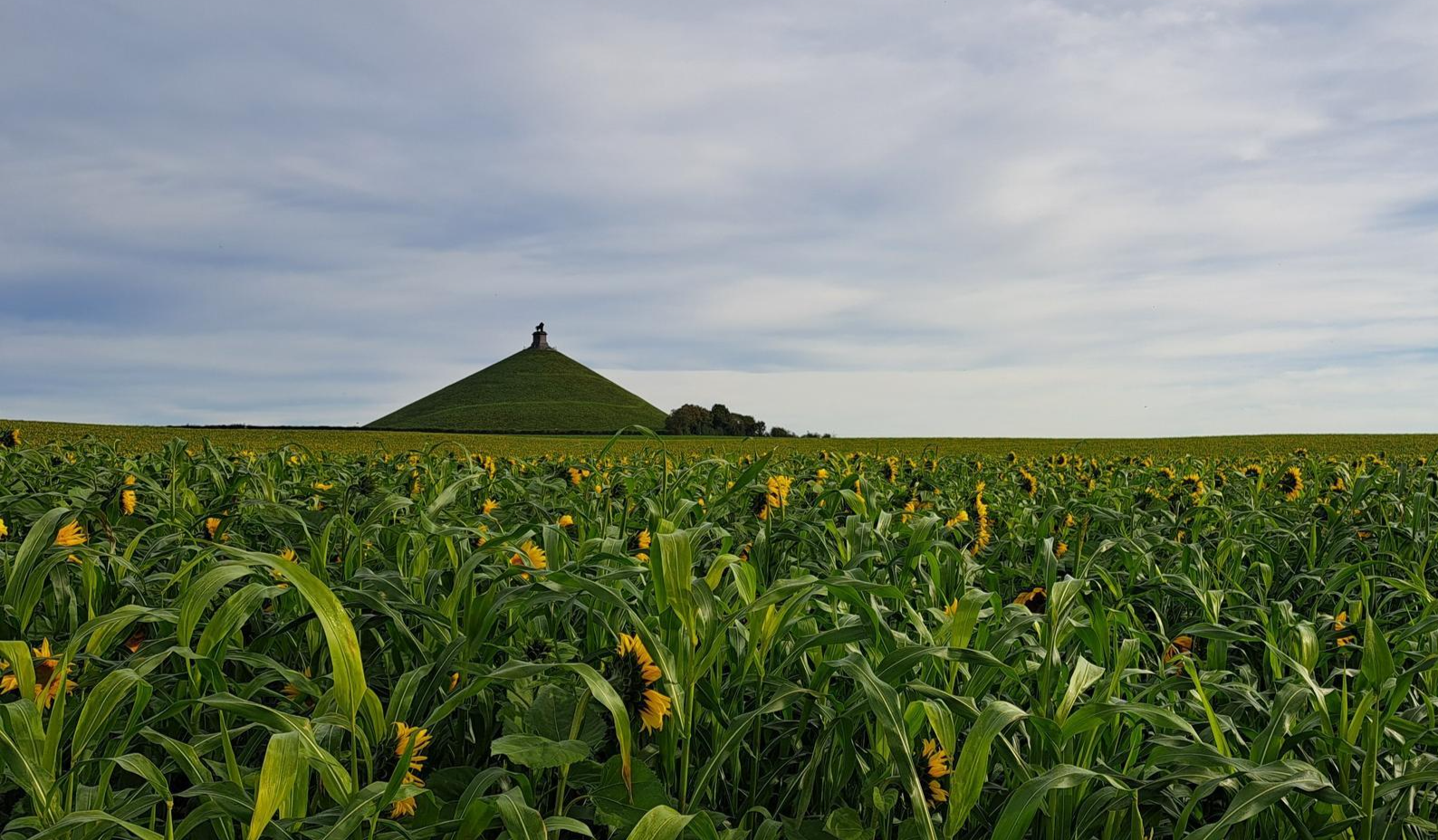
Crossing from east to west — Wallonia by Gravel
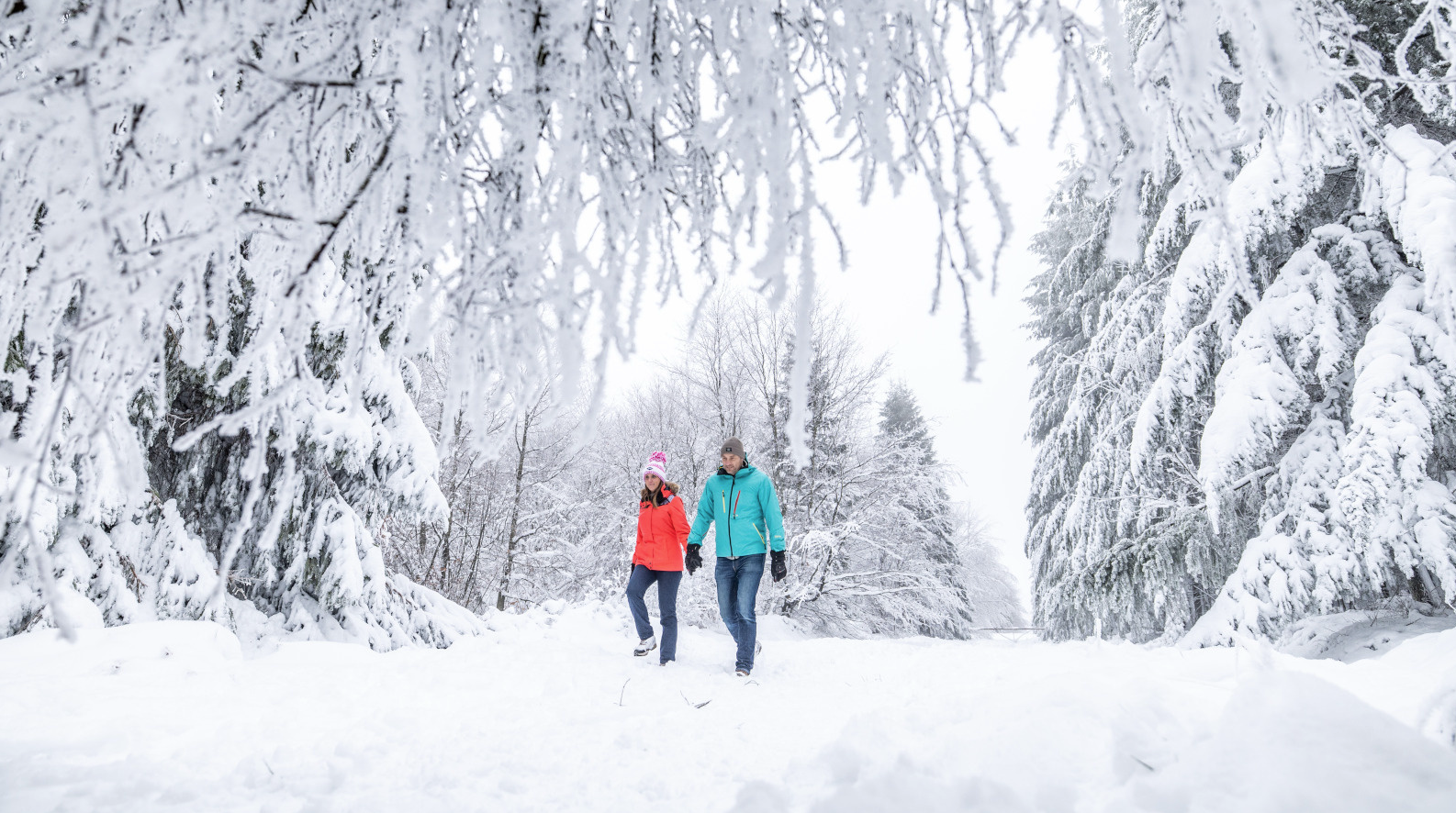
Belgian Ballads – winter hiking in the Belgian Ardennes
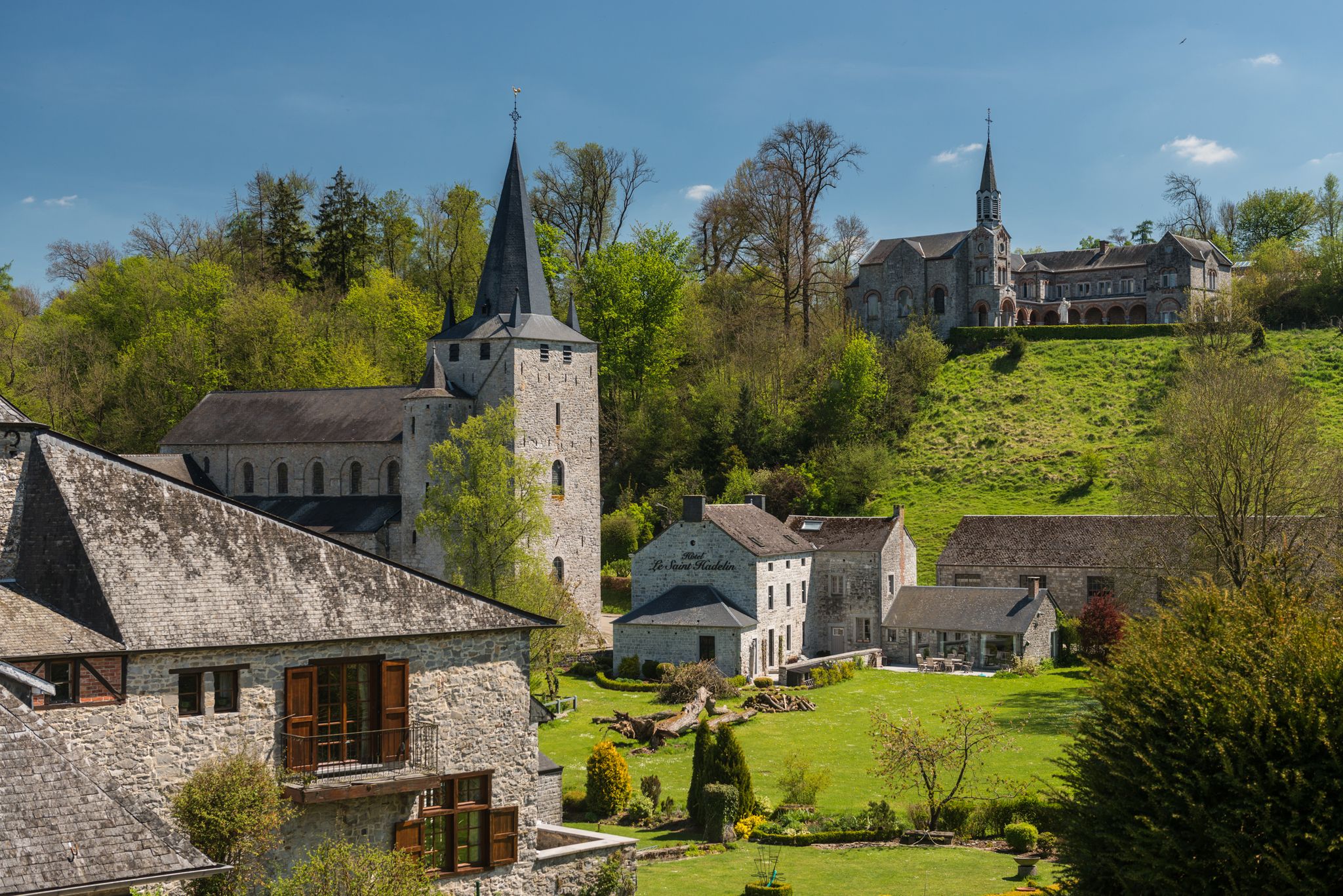
Walks in the Belgian Ardennes — historic walls & magical forests
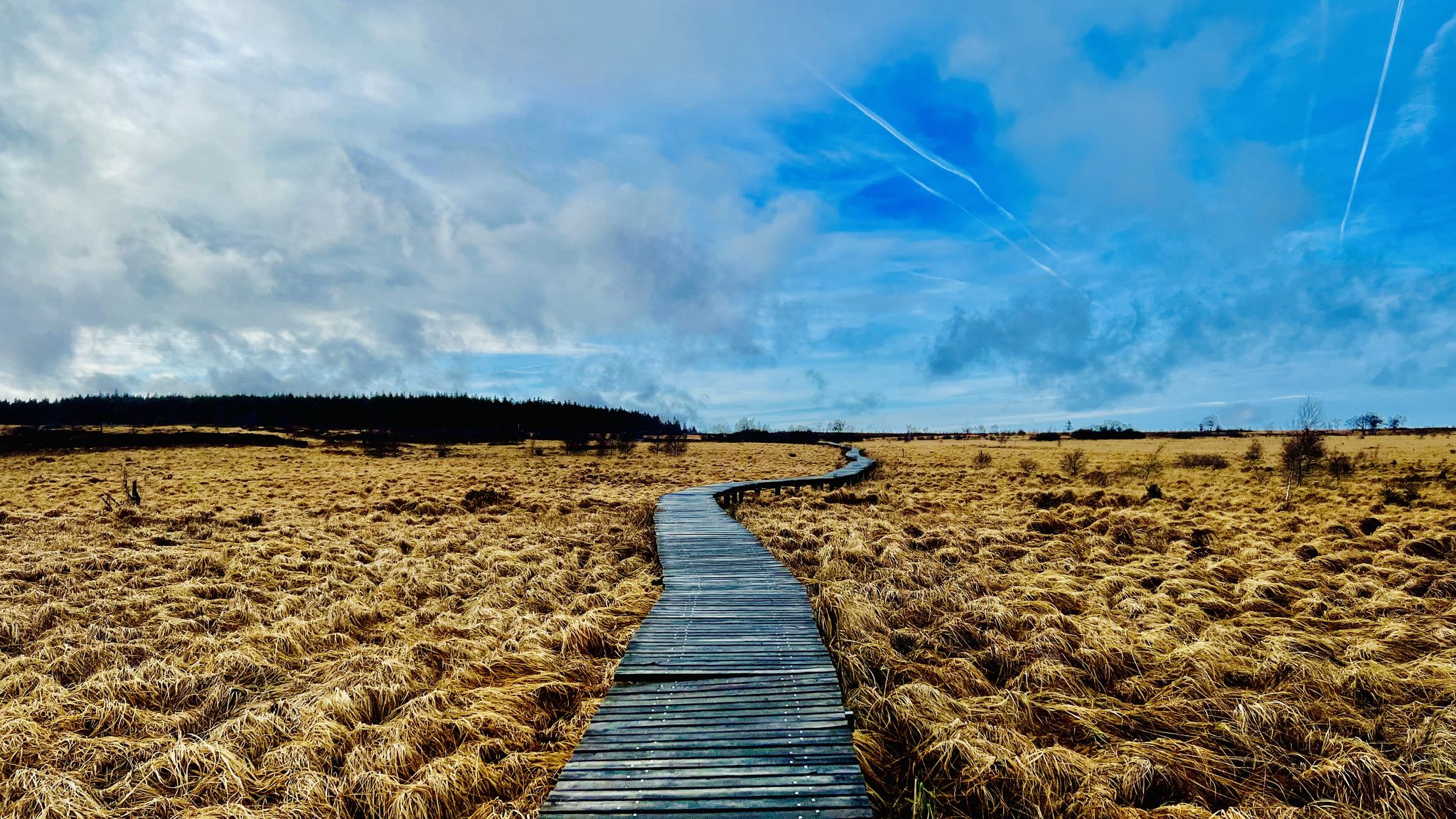
Belgische Balladen - charmante Kurzwanderungen in den belgischen Ardennen
Hiking around Genappe
Running Trails around Genappe
Road Cycling Routes around Genappe
MTB Trails around Genappe
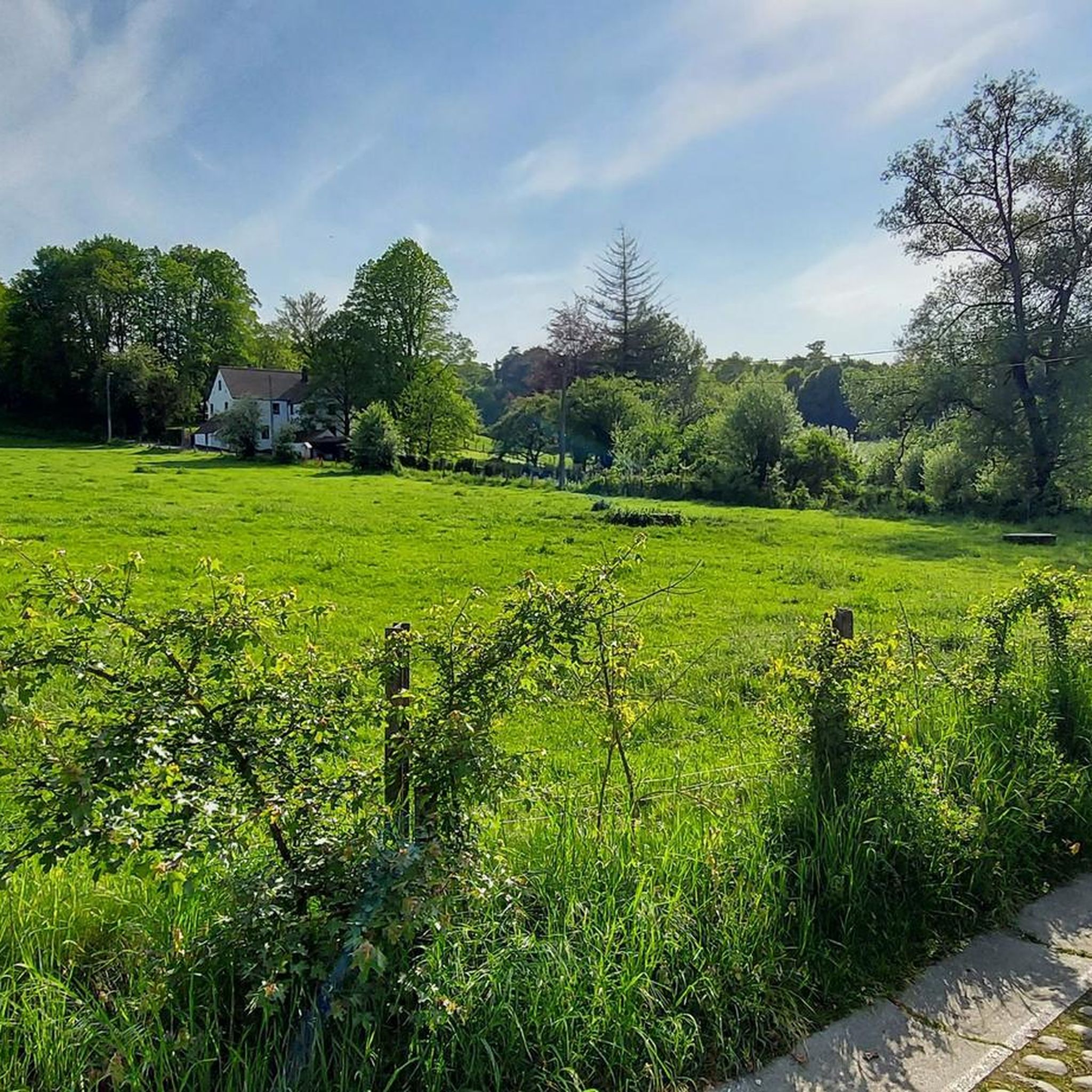
Cycling around Genappe
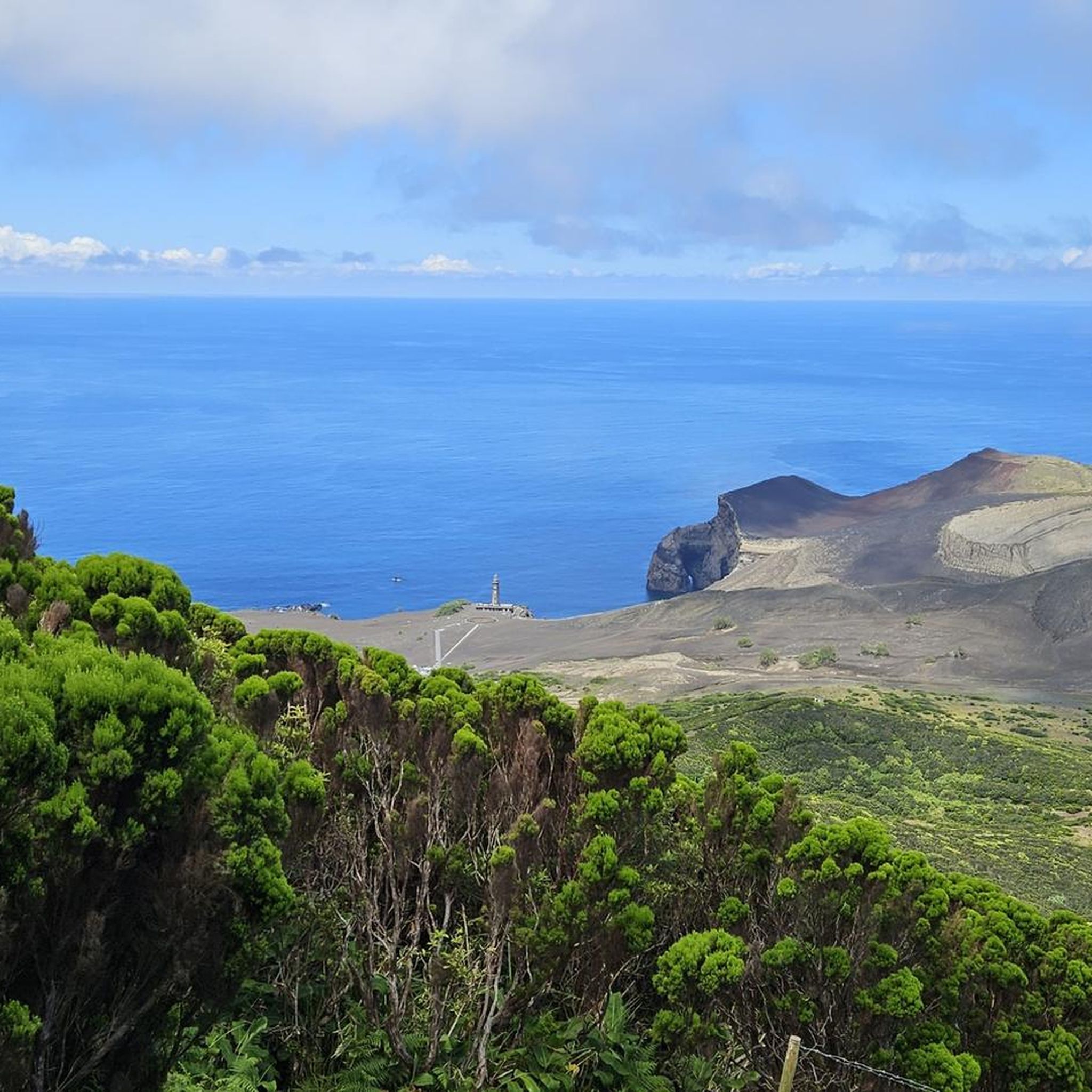
Gravel biking around Genappe
Other adventures around Genappe


Tips from the Community

Excellent quality hotel and restaurant
0
0

Unfortunately, it's not very visible in summer Open for Adeps walks
0
0

To see and don't hesitate to get lost there
1
0

This castle is worth a visit, there are regular cultural events
1
0

Beautiful but very busy. Good to know!
4
0

Early in the morning to avoid the crowds
4
0

Le Château du Lac is best known today as a 5-star hotel. Events are also often organised there and that is why I know it from a professional long-gone past. But the building, whether you call it a castle or rather a glorified villa, it does have a fairly intense past. In the past, the mineral water of Genval was collected and bottled here. Together with the source of Bonne Fontaine, the Château du Lac was the true symbol of Genval-les-Eaux. The Etablissement des Eaux, as it was originally called, was built between 1905 and 1907 by the architect Julien Wendrickx, the future production director of the Compagnie Internationale des Eaux Minérales, to house the collection of sources and the bottling of the mineral water of Genval. After the First World War and the receivership of the companies that managed the Genval site, the castle became the property of an English company before being taken over by the Princes of Merode, who leased the facilities to Schweppes Belgium. The Belgian branch was then managed by John Martin, an English brewer based in Antwerp, who had been importing beers from Great Britain and Ireland to the continent since 1909, including the famous Guinness. He obtained the exclusive production rights for the Schweppes range, which he transferred to Genval in 1952 following the deterioration in the quality of Antwerp's drinking water, which was now pumped into the Albert Canal. Since the divestment of Schweppes in 1988, the John Martin group has further diversified its range, with speciality beers (Timmermans, Gordon, etc.), soft drinks (Orangina) and fruit juices (Looza). After the Schweppes factory moved to Rue du Cerf, the château, now owned by the Martin family, was converted into the five-star Château du Lac Source: https://www.parismatch.be/lifestyle/voyages/2020/08/23/le-lac-de-genval-et-ses-villas-2D3Q25DBTVANBFBV5WXJG3R2NI/
8
0
The Genval lake is located in the Zilverbeek valley. The artificial lake is located for the most part on the territory of Overijse and was constructed by order of lawyer and businessman Gustave Smets - Mondez. The 18 ha lake was constructed in 1904 in an area with a series of spring-rich ponds and marshes through which the Zilverbeek or the Argentine flowed. The Zilverbeek still flows along the lake on the Overijse side. The area attracted many tourists from the very beginning. Around 1900, the urban development plans were also drawn up for the construction of the park on the Walloon side. Several impressive villas were built here that were reminiscent of copies of buildings from Versailles and monuments on the Swiss Lake Lucerne. On the Overijse side, there was less interest in the construction, which is why the slopes are less developed than on the Walloon side, where it was promoted as a spa. After the First World War, the lake was sold to John Martin (1886-1966), an English brewer from Antwerp. He would establish the Schweppes factory here (Belgian license) in the "Château du Lac" (until 1981). The lake is still in the hands of his heirs. On the Meerlaan there are still a few cottage-style villas overlooking the lake. These villas are depicted on various old postcards and are still recognizable today but have been heavily modified. Inventory of Immovable Heritage: Maleizen, https://id.erfgoed.net/themas/14294
8
0
Frequently Asked Questions
What are some of the most popular castles to visit around Genappe?
Among the most appreciated castles by the komoot community are Château de La Hulpe, known for its Loire-style architecture and extensive gardens, and Feluy Castle, a 14th-century water castle that hosts an annual medieval festival. While the castles themselves may not always be open for interior visits, their surrounding parks and historical significance offer rich experiences.
Are there family-friendly castles or estates to explore near Genappe?
Yes, several estates offer family-friendly experiences. Domaine Solvay is a public park spanning over 200 hectares with forests, lawns, and ponds, perfect for family strolls. Although the Château de Béthune within it is not publicly accessible, the vast parkland provides ample space for children to play and explore nature. Feluy Castle also hosts a medieval festival in July, which is highly engaging for all ages.
What kind of natural features can I expect to see around the castles?
The region around Genappe is rich in natural beauty. Château de La Hulpe is surrounded by lush gardens, French-style landscaping, and water features. Domaine Solvay boasts 227 hectares of forest, lawns, and ponds, home to over 450 species of wild plants. Château de Pallandt, while a private gîte, is set within 100 hectares of forest and an English-style park with century-old trees and ponds, bursting with rhododendrons and bluebells in spring.
Are there any castles that offer unique cultural or agricultural experiences?
Absolutely. Château de Bousval, a manor house with a distinctive L-shaped layout, operates as a vineyard. It offers guided visits to explain the winemaking process, wine tastings, and even opportunities to participate in the grape harvest, producing organic Chardonnay, Pinot Gris, and Pinot Noir. Feluy Castle is renowned for its annual medieval festival in July, featuring re-enactments, knightly competitions, and craft workshops.
What outdoor activities can I do near these castles?
The area around Genappe offers various outdoor activities. You can find numerous MTB trails, gravel biking routes, and cycling paths. For example, you can explore the Bois de Thy singletrack trail or the Tangissart Toboggan loop. There are also cycling routes like the Try-au-Chêne Chapel loop. For more details and specific routes, check out the MTB Trails around Genappe, Gravel biking around Genappe, and Cycling around Genappe guides.
Are there hiking or walking routes near the castles?
Yes, many castles are situated within or near extensive parks and forests, offering excellent walking opportunities. Château de La Hulpe and Domaine Solvay both feature vast parklands ideal for leisurely walks. While specific hiking trails directly linked to castles are not always marked, the general area provides numerous paths for exploration. You can find routes like the Bois de Bérinnes Trail or paths along the RAVeL network in the nearby cycling and gravel biking guides.
What is the best time of year to visit the castles around Genappe?
The castles and their surrounding estates are beautiful year-round. Spring (April-May) is ideal for seeing the parks in bloom, especially at Château de Pallandt with its rhododendrons and bluebells. Summer (June-August) is perfect for outdoor events like the medieval festival at Feluy Castle. Autumn (September-October) offers stunning foliage in the forested domains. While specific weather forecasts should always be checked, the mild climate of Walloon Brabant generally allows for pleasant visits throughout these seasons.
Are there any castles that are wheelchair accessible or offer accessible features?
Château de La Hulpe is listed as having wheelchair accessible features, primarily within its expansive park and gardens. While the interior of many historical castles in the region may have limitations due to their age and architecture, the outdoor areas and grounds often provide more accessibility. It's always advisable to check specific accessibility details with individual sites if interior access is desired.
Can I find accommodation or places to eat near the castles?
Yes, the region offers various options. Château de Pallandt operates as a gîte, providing accommodation within its historical estate and extensive park. The area around Lake Genval, home to The Little Mermaid of the Lake and the Château du Lac (a five-star hotel), is very touristy and offers dining options. You can also find local cafes and pubs in Genappe and surrounding villages, especially near popular sites like Villers-la-Ville Abbey.
Are there any lesser-known or 'hidden gem' castles worth discovering?
While many castles are well-known, some offer unique experiences. Château de Houtain-le-Val, located directly in Genappe, is a private residence but its 900-year history and architectural evolution make it a compelling sight from the exterior. La Rocq Castle, a 16th-century castle, is almost hidden by dense vegetation, offering a sense of discovery for those who seek it out, though it's barely visible from the canal.
What do visitors enjoy most about the castles around Genappe?
Visitors particularly enjoy the blend of historical architecture with beautiful natural surroundings. The extensive parks and gardens, like those at Château de La Hulpe and Domaine Solvay, are highly praised for their beauty and tranquility. The unique experiences, such as the medieval festival at Feluy Castle or the vineyard at Château de Bousval, also contribute to memorable visits.
Most popular routes around Genappe
Most popular attractions around Genappe

Get inspired with the komoot mobile app


Explore more
Looking for the best castles somewhere else? Discover other guides around Genappe:
