The best road cycling routes around Herselt
4.4
(540)
31,313
riders
860
rides
Road cycling around Herselt is characterized by its green and varied terrain, situated at the transition between the sandy soils of Kempen and the richer grounds of Hageland. The municipality features extensive forest complexes, such as the 310-hectare Hertberg, and nature reserves like Langdonken, offering diverse scenery for riders. This central location provides access to a broad network of routes across the provinces of Antwerp, Flemish Brabant, and Limburg. The landscape offers a mix of mostly well-paved surfaces with minimal…
Last updated: October 2, 2026
5.0
(1)
115
riders
50.1km
02:16
90m
90m
Moderate road ride. Good fitness required. Mostly well-paved surfaces and easy to ride.
3.5
(2)
110
riders
48.2km
02:12
70m
70m
Moderate road ride. Good fitness required. Mostly well-paved surfaces and easy to ride.

5.0
(4)
110
riders
36.5km
01:56
70m
70m
Moderate road ride. Great for any fitness level. Some segments of this route may be unpaved and difficult to ride.
3.0
(4)
87
riders
Moderate road ride. Good fitness required. Some segments of this route may be unpaved and difficult to ride.
112
riders
67.3km
03:01
140m
140m
Moderate road ride. Good fitness required. Some segments of this route may be unpaved and difficult to ride.
Get access to more routes and recommendations from other explorers.
Already have an account?
Our route recommendations are based on thousands of hikes, rides, and runs completed by other people on komoot.
Start today with a free account
Your next adventure awaits.
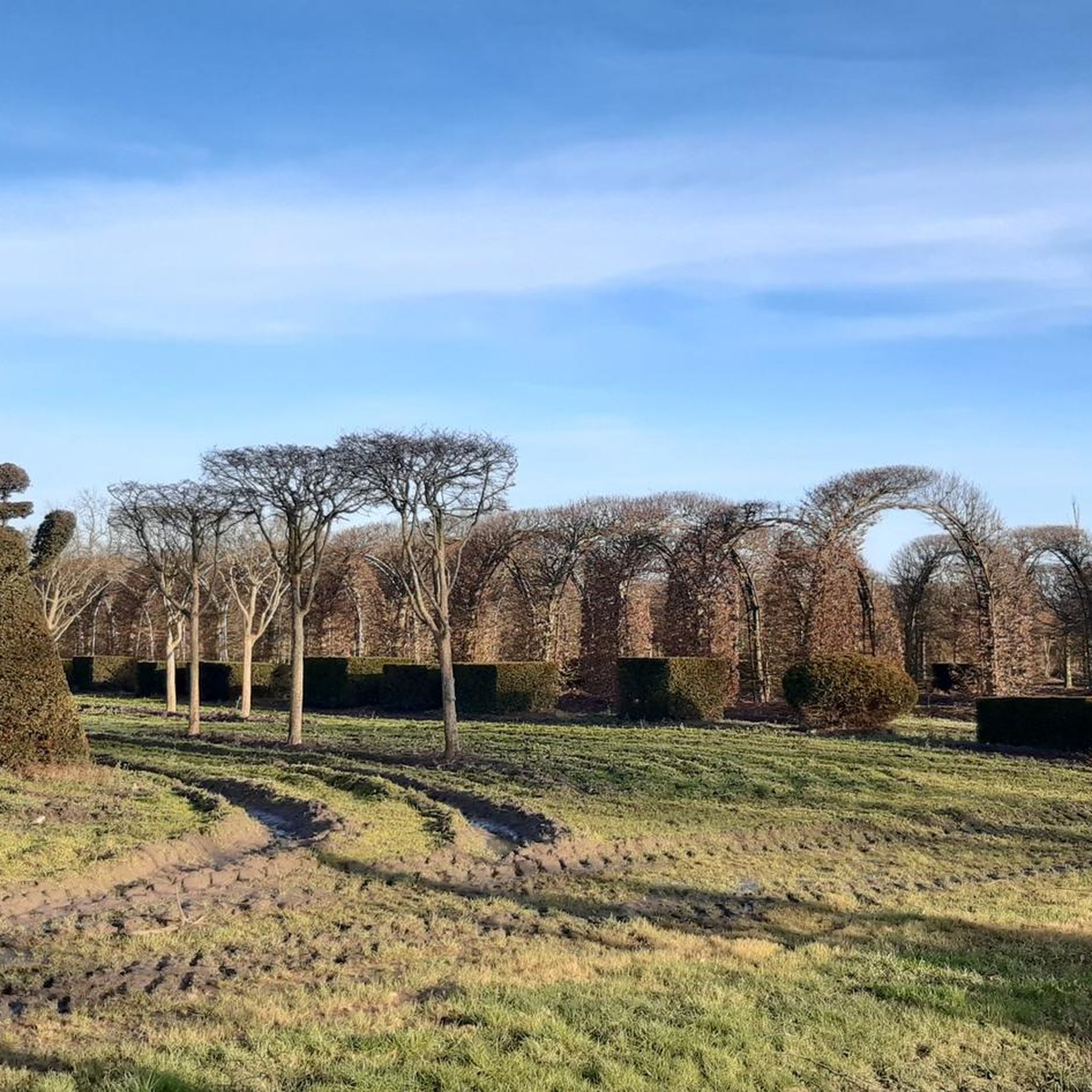
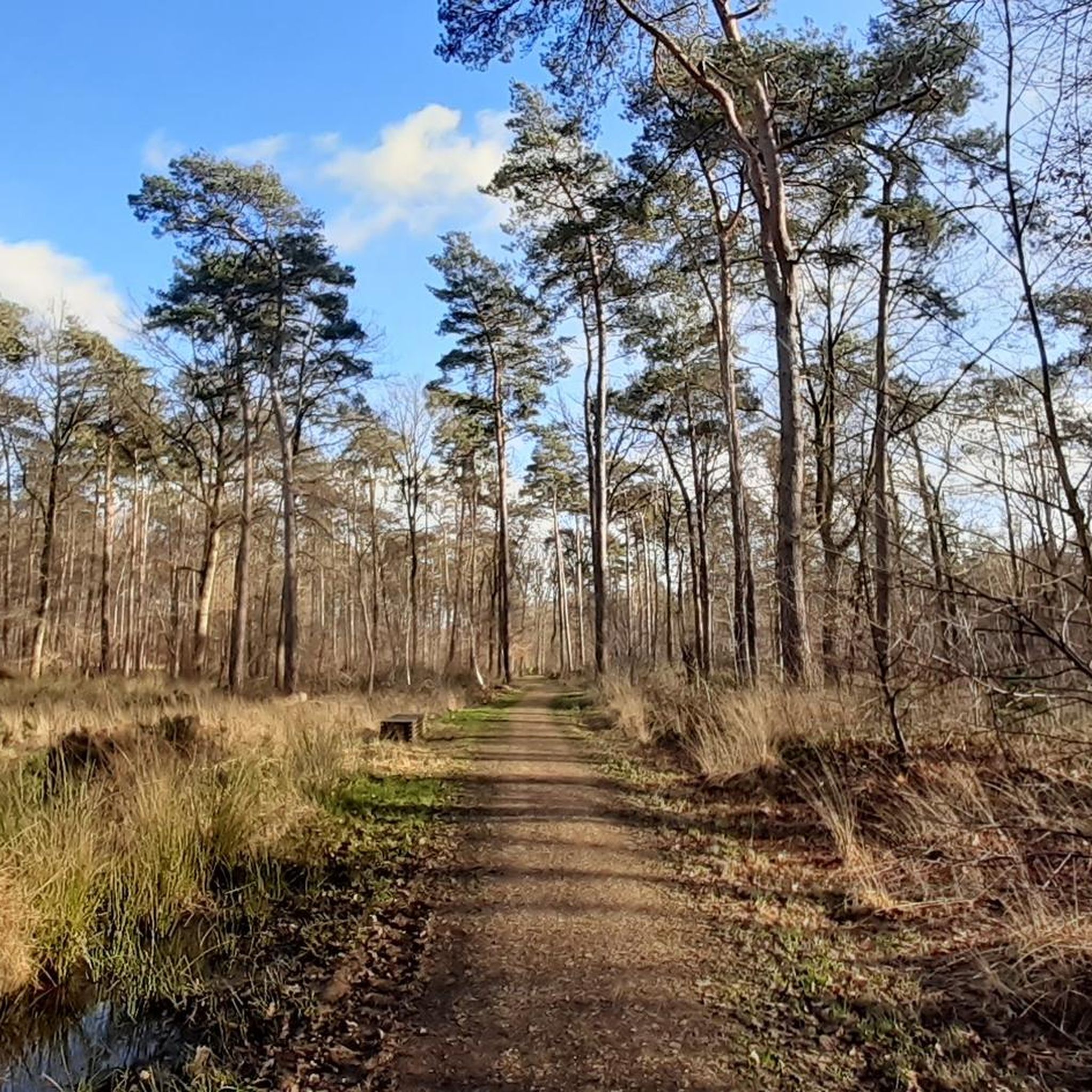
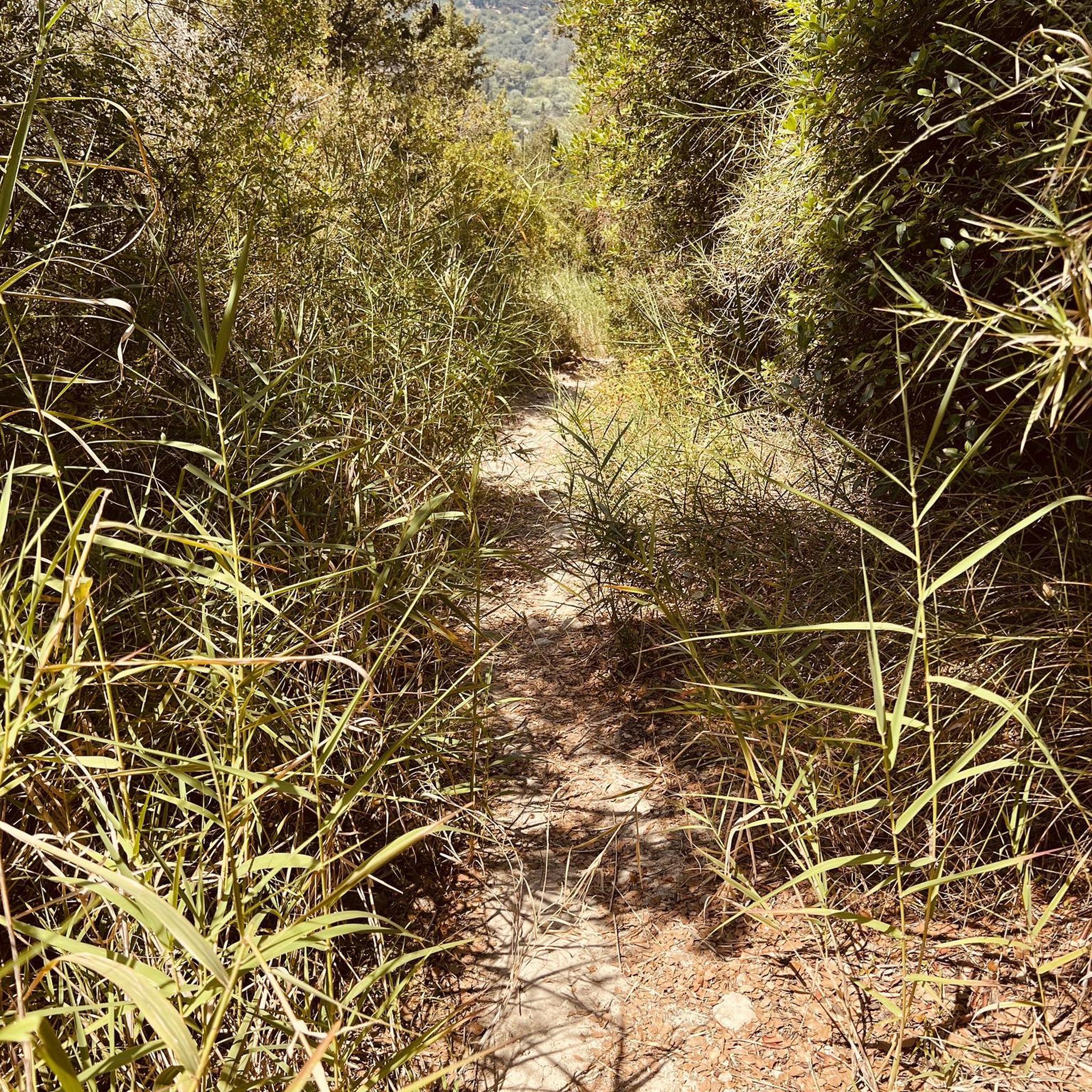
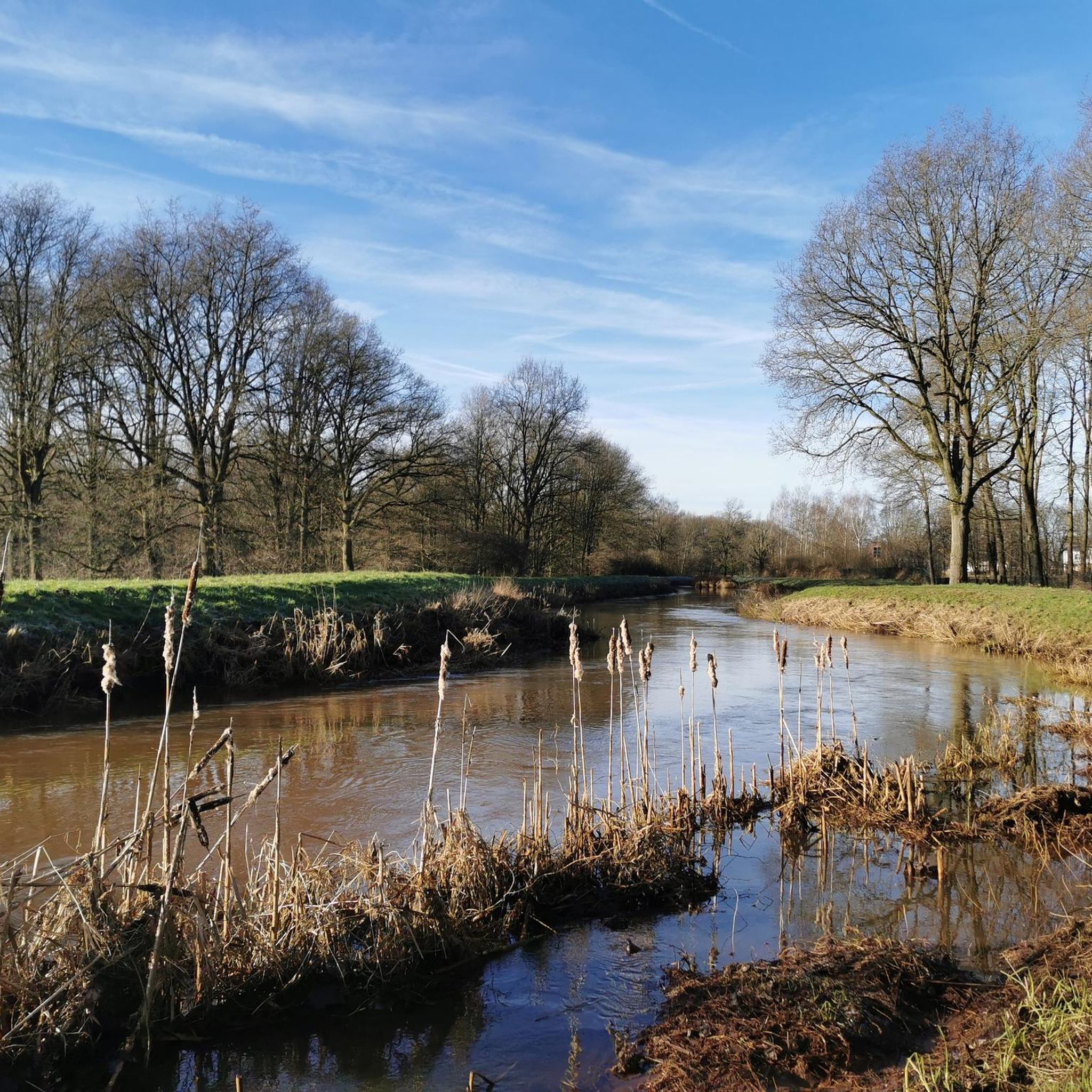
Tips from the Community

Der zijn zo van die rustige fietsplaatsjes...
7
0
With speed along De Vaart...
5
0

Very good cycle path along the canal.
2
0
Magnificent asphalt that leads you to the soldiers' bridge of the Demer...
6
0

The meandering path is a paved cycle path with solar lighting. Also very suitable for walking.
11
0
Where your bike rests between field, meadow and tranquility...
5
0
Frequently Asked Questions
How many road cycling routes are available in Herselt, and what are their difficulty levels?
Herselt offers a good selection of road cycling routes, with a total of 14 routes documented on komoot. These include 4 easy routes and 10 moderate routes, catering to a range of fitness levels. There are no routes currently classified as difficult, making the area accessible for many road cyclists.
Are there easy road cycling routes suitable for beginners in Herselt?
Yes, Herselt has 4 easy road cycling routes that are great for beginners or those looking for a relaxed ride. These routes typically feature minimal elevation gain and mostly well-paved surfaces. An example is the Meandering Grote Nete – Saint Bavo Chapel loop from Herselt, which offers a pleasant ride through the local landscape.
What options are there for more challenging road cycling routes around Herselt?
For cyclists seeking more of a challenge, Herselt offers 10 moderate road cycling routes. These routes can incorporate varied terrain and some notable climbs. For instance, the Slangenberg Climb – Klotteberg (Klottebergstraat) loop from Herselt features the Slangenberg Climb, providing a more strenuous experience.
What interesting landmarks or attractions can I visit while road cycling in Herselt?
Herselt's road cycling routes often pass by significant cultural and natural attractions. You can incorporate a visit to the historic Horst Castle, an idyllic 13th-century moated castle, or the spiritual Averbode Abbey, which has a monastery café and shop. The region also features natural highlights like the Summit of the Balenberg.
Are there family-friendly road cycling options in Herselt?
While road cycling routes are generally geared towards individual cyclists, the easy routes in Herselt, characterized by minimal elevation and well-paved surfaces, can be suitable for families with older children or those comfortable with road cycling. The region's extensive cycling network and quiet roads make it a pleasant environment for a wider range of riders.
Where can I find scenic road cycling loops in Herselt?
Herselt is known for its green and varied terrain, offering many scenic loops. Routes often traverse the transition between the sandy soils of Kempen and the richer grounds of Hageland. The Summit of the Balenberg – Kempen-Hageland Route Cycle Path loop from Herselt is a great example, showcasing the diverse landscapes of the region.
What do other road cyclists enjoy the most about road cycling in Herselt?
The road cycling routes in Herselt are highly rated by the komoot community, with an average score of 4.6 stars from 6 reviews. Cyclists often praise the diverse landscapes, from forest complexes like Hertberg to the tranquil nature reserves, and the well-maintained network of mostly paved roads that offer varied experiences.
What kind of landscapes can I expect to see on a road cycling route in Herselt?
Herselt offers a rich tapestry of landscapes for road cyclists. You'll experience a transition between the sandy soils of Kempen and the fertile grounds of Hageland, leading to varied scenery. Expect to cycle through extensive forest complexes, such as the 310-hectare Hertberg, and alongside nature reserves like Langdonken, providing lush green backdrops and tranquil environments.
Are there any routes that combine natural beauty with cultural stops?
Absolutely. Many routes in Herselt are designed to showcase both the natural beauty and cultural heritage of the region. For instance, the Averbode Abbey – Langdonkenstraat loop from Herselt leads you through tranquil natural areas while also passing by the historic Averbode Abbey, offering a perfect blend of scenery and cultural exploration.
What is the best season for road biking in Herselt?
Herselt's varied landscapes are enjoyable throughout much of the year. Spring and autumn offer pleasant temperatures and beautiful scenery with changing foliage. Summer is also popular, though it can be warmer. Even in winter, many routes remain accessible, especially those on well-paved surfaces, allowing for year-round cycling opportunities, weather permitting.
Are there road cycling routes that explore the broader Kempen and Hageland regions from Herselt?
Yes, Herselt's central location at the intersection of the provinces of Antwerp, Flemish Brabant, and Limburg provides excellent access to the broader Kempen and Hageland regions. Routes like the Summit of the Balenberg – Kempen-Hageland Route Cycle Path loop from Herselt specifically highlight this diverse geographical transition, allowing you to experience the characteristics of both areas.
Most popular attractions around Herselt

Get inspired with the komoot mobile app


Explore more
Browse the best Road cycling routes in other regions.
