The best cycling routes around Pont-À-Celles
4.1
(100)
620
riders
64
rides
Touring cycling routes around Pont-À-Celles traverse a predominantly rural landscape in Hainaut, Belgium. The region is characterized by vast agricultural expanses and quaint villages, offering a tranquil backdrop for cycling. The Charleroi-Brussels Canal provides flat, navigable paths, while natural reserves like Étang du Launoy and Viesville offer diverse natural environments. This setting is ideal for touring cyclists seeking peaceful and scenic experiences.
Best touring cycling routes around Pont-À-Celles
- The most popular touring cycling route is Couillet Lock – Ligne 112A…
Last updated: May 8, 2026
4.1
(30)
147
riders
47.0km
02:49
230m
230m
Moderate bike ride. Good fitness required. Mostly paved surfaces. Suitable for all skill levels.
4.3
(3)
71
riders
Hard bike ride. Good fitness required. You may need to push your bike for some segments of this route.

Sign up for free
4.3
(3)
32
riders
18.5km
01:06
80m
80m
Easy bike ride. Great for any fitness level. Mostly paved surfaces. Suitable for all skill levels.
30
riders
59.7km
04:12
500m
500m
Hard bike ride. Very good fitness required. Mostly paved surfaces. Suitable for all skill levels.
1.0
(1)
17
riders
54.4km
03:22
370m
370m
Moderate bike ride. Good fitness required. Mostly paved surfaces. Suitable for all skill levels.
Get access to more routes and recommendations from other explorers.
Sign up for free
Already have an account?
Our route recommendations are based on thousands of hikes, rides, and runs completed by other people on komoot.
Start today with a free account
Your next adventure awaits.
Login or Signup
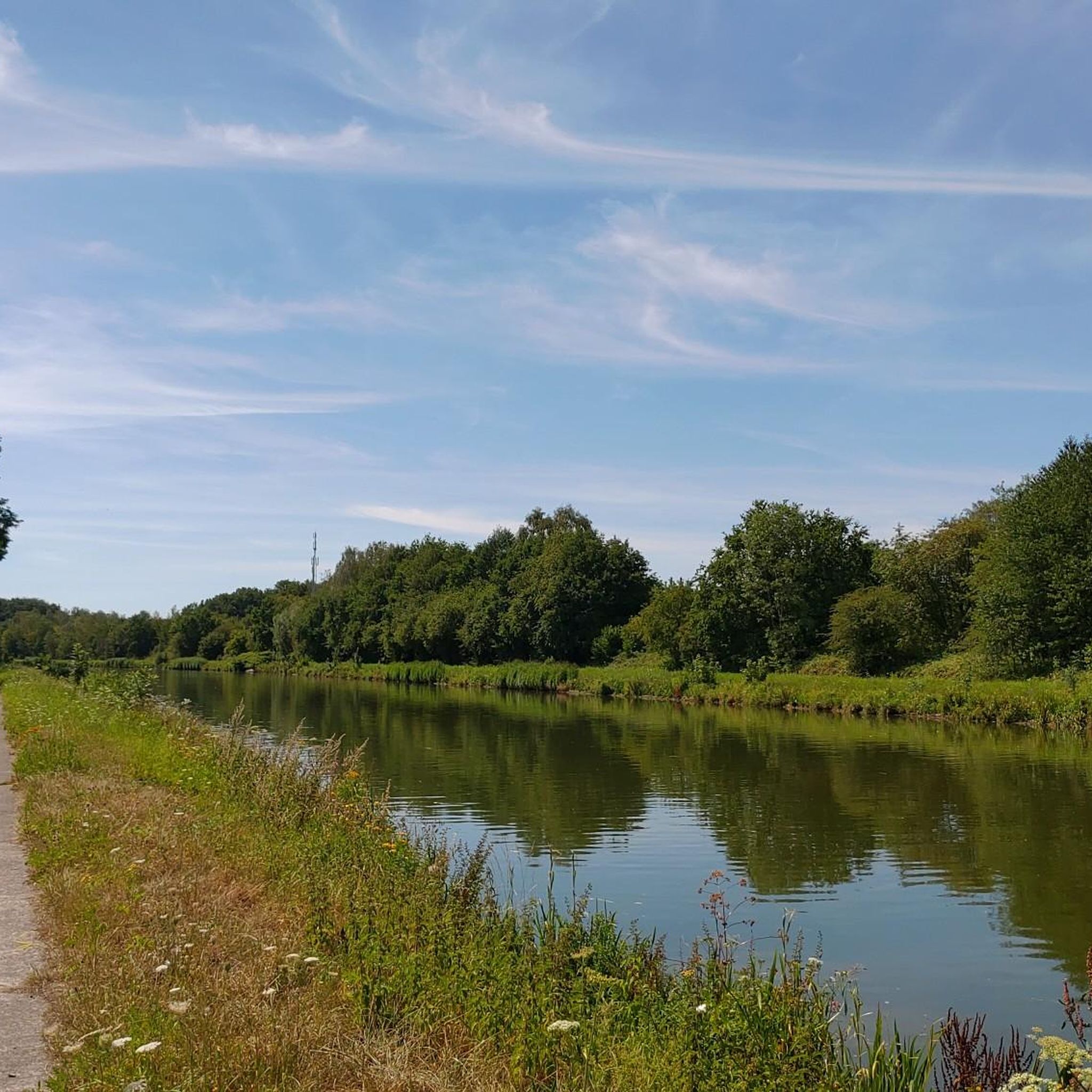
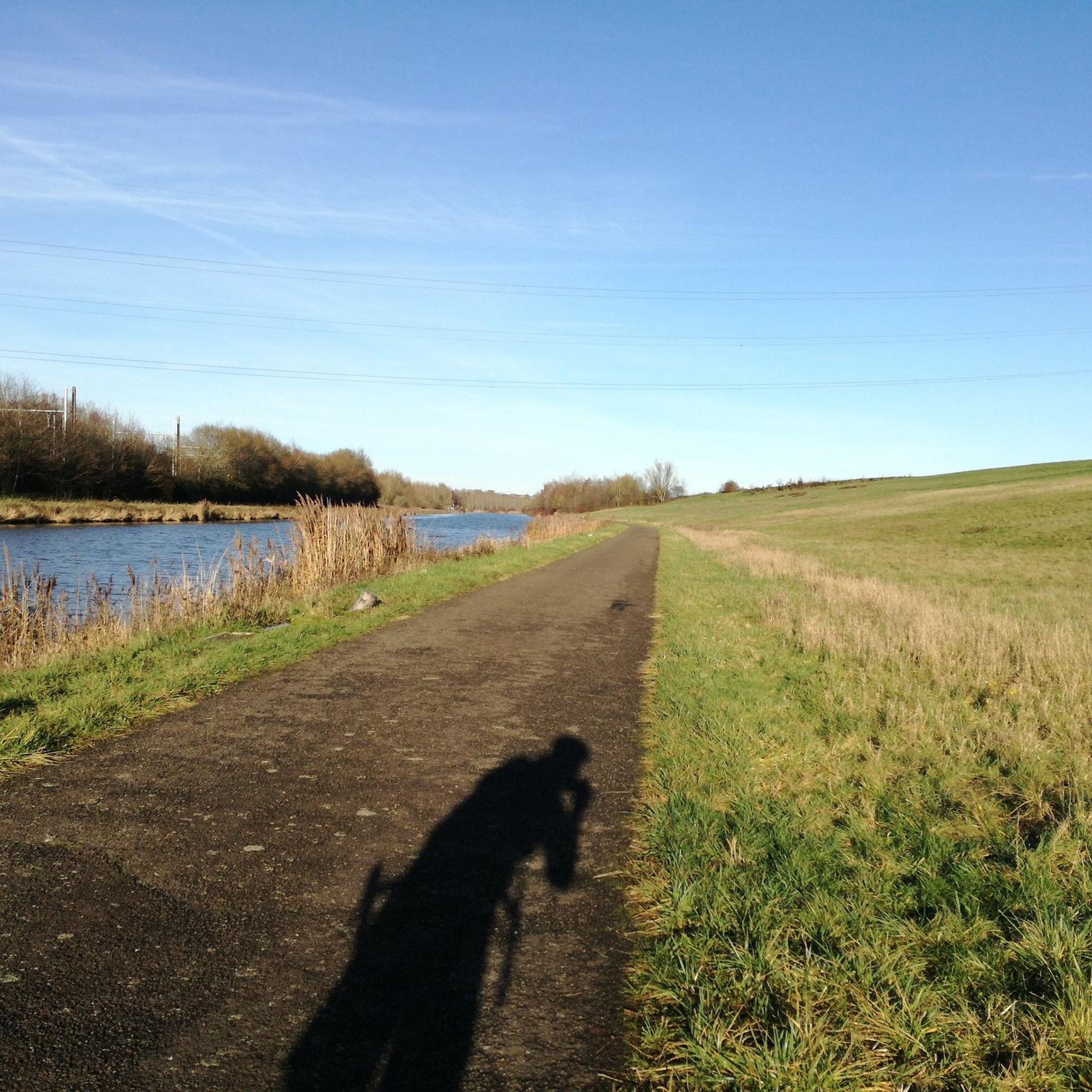
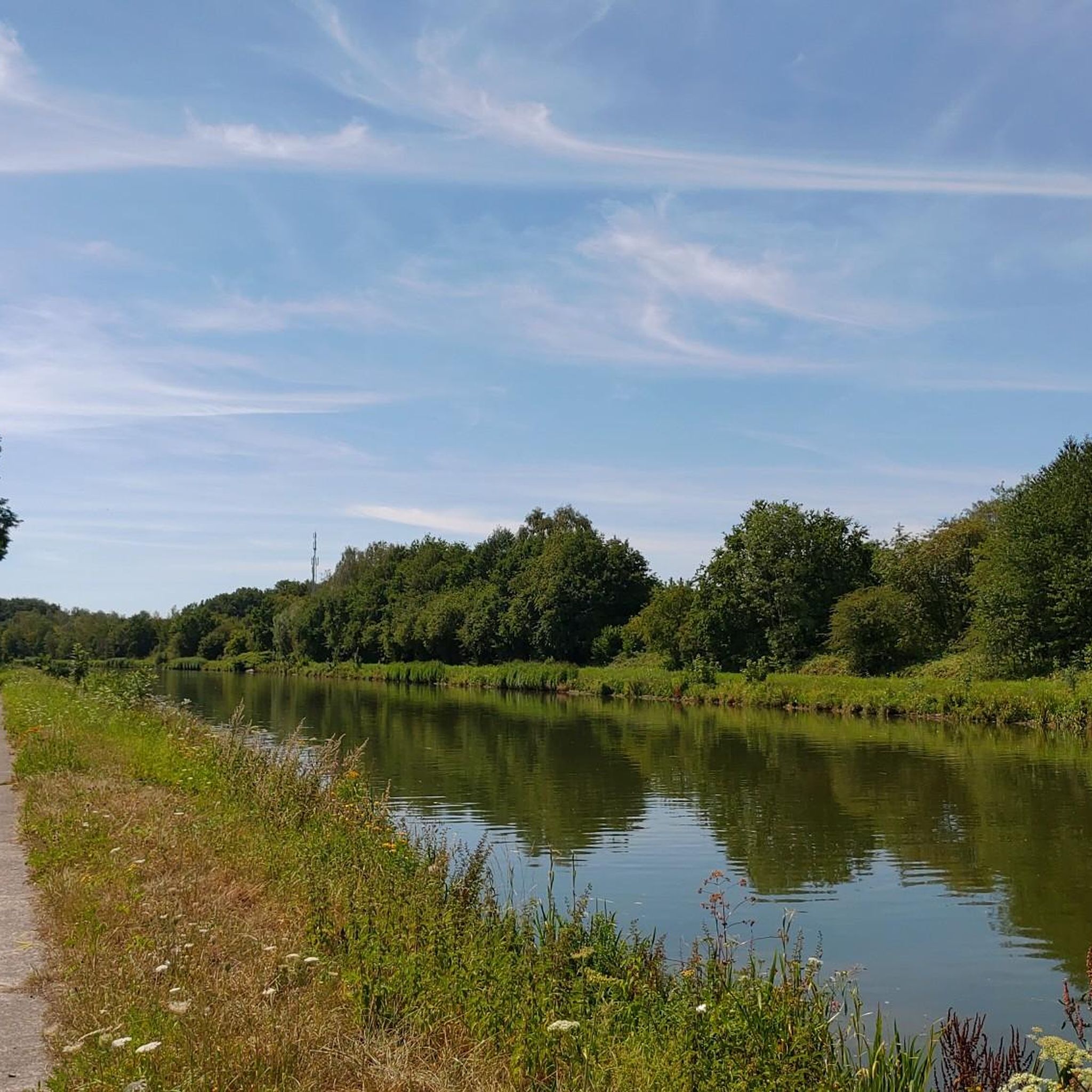
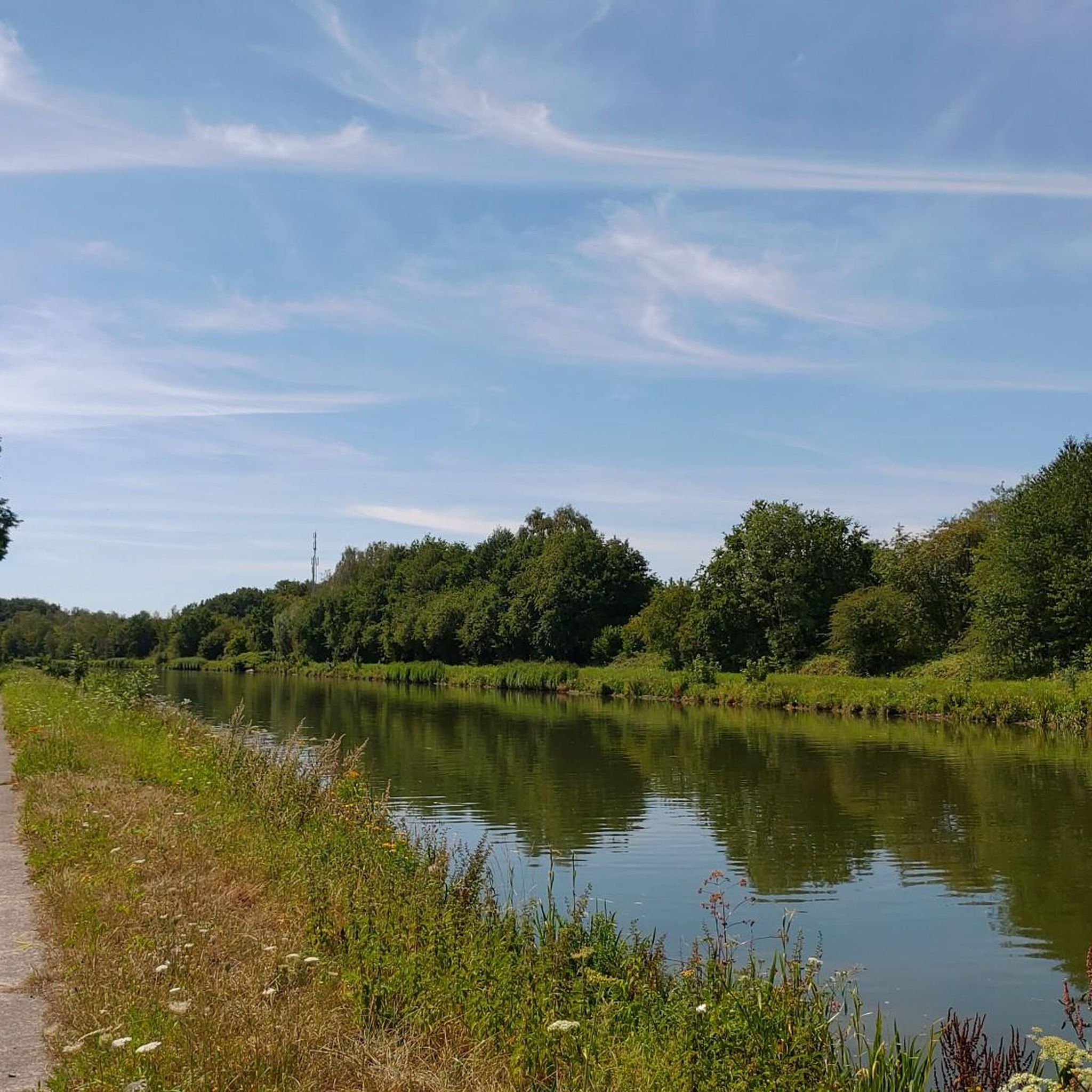
Tips from the Community

Beautiful castle as well as park!
1
0

A lovely place for meditation. A very beautiful little chapel.
0
0

An old bridge dedicated to bicycles and pedestrians. A route for beautiful walks.
0
0
One of the many locks on the canal. From here you can head up to Viesville or head towards Seneffe or Charleroi.
0
0

A quiet and peaceful spot. A place to sit when the sun is shining and enjoy the coolness of the trees and the water.
0
0


A perfect place
0
0

The first castle on this site is said to have been built in 1129 by knight Walter de Holton, the first lord of the lordship, which was given to him as a fief by the then Duke of Brabant. His father, Henri de Loupoigne, already ruled in neighbouring Houtain-le-Mont. Father Henri and son Walter thus obtained absolute power in the area of present-day Houtain-le-Val and Houtain-le-Mont. The castle actually belonged to the Duke of Brabant himself, Jan II the Peaceful. His successor, Jan III, acquired the castle for his eldest daughter, Johanna, who received Houtain from her father in 1345. The castle was passed down from generation to generation by the daughters of the family for many generations. Not much remains of the original castle. It was rebuilt in 1763 in classical style, but has retained a large part of its medieval facade. The oldest parts date from the fifteenth century, with architectural elements from the 12th century. Much has changed since then. For example, two turrets were added during restoration work in 1850. At a certain point, the castle came into the hands of the d'Hanins de Moerkerke family, originally from the Waas region. While most branches of this family made a name for themselves in Flanders, Count Fernand-Auguste-Joseph d'Hanins de Moerkerke married Marie de Waha in the nineteenth century. And so he became heir to the castle. His son Henri d'Hanins de Moerkerke became the next owner and mayor of Houtain-le-Val. And he had three daughters, the last of whom died in 2018. The castle is privately owned but can be viewed from various sides. For those, like me, who visited the village to find and follow the start of the Dijle, that private character is a pity - and also for heritage lovers of course. But at the point where you see a sign with the name of the river on the side of the domain you can see quite a bit, including how the river enters the domain. For those who want more information about the castle itself, visit this website for a virtual tour of the castle with a video report and interview: https://www.tvcom.be/info/focus-sur-genappe-visite-du-chateau-de-houtain-le-val-fonde-en-1126/50810
4
0
Frequently Asked Questions
How many touring cycling routes are available in Pont-À-Celles?
There are over 60 touring cycling routes available around Pont-À-Celles, catering to various skill levels. The komoot community has explored these routes extensively, with over 500 touring cyclists using komoot to discover the area.
What kind of terrain can I expect on touring cycling routes in Pont-À-Celles?
The touring cycling routes in Pont-À-Celles primarily traverse a rural landscape, characterized by vast agricultural expanses and charming villages. You'll find tranquil paths along the Charleroi-Brussels Canal, which are generally flat and easy to navigate. The area also features natural reserves like Étang du Launoy and Viesville, offering diverse natural environments amidst the agricultural land.
Are there easy touring cycling routes suitable for beginners in Pont-À-Celles?
Yes, Pont-À-Celles offers a good selection of easy touring cycling routes perfect for beginners. There are 29 routes classified as easy. An example is the Viesville Lock – Vauhallan Nature Reserve loop from Obaix-Buzet, which is 11.5 miles (18.5 km) long and leads through natural reserves and agricultural land.
Are there more challenging touring cycling routes for experienced cyclists?
For experienced cyclists seeking a challenge, Pont-À-Celles has 10 difficult touring cycling routes. One such route is the Pont de l'Origine Drawbridge – The swing bridge of Arquennes loop from Obaix-Buzet, a 25.5 miles (41.1 km) path featuring varied terrain and notable canal infrastructure.
What natural features can I see along the touring cycling routes?
The routes often pass through the region's natural reserves, such as Étang du Launoy, Biernimont, and Viesville, providing opportunities to experience diverse natural environments. You can also enjoy the tranquil paths alongside the Charleroi-Brussels Canal, which is a prominent natural and man-made feature of the landscape.
Are there any interesting landmarks or attractions to explore near the cycling routes?
Yes, there are several interesting landmarks and attractions. You might encounter the Pont de l'Origine Drawbridge, or the impressive Ronquières Inclined Plane and Ronquières Boat Lift. The Old Brussels–Charleroi Canal itself is a significant historical and scenic feature.
What do other touring cyclists enjoy most about touring cycling in Pont-À-Celles?
The area is highly rated by the komoot community, with an average score of 4.0 stars from over 90 reviews. Reviewers often praise the peaceful, rural setting, the extensive agricultural lands, and the tranquil paths along the Charleroi-Brussels Canal, which offer a scenic and enjoyable cycling experience away from heavy traffic.
Are there any touring cycling routes that offer scenic viewpoints?
While specific viewpoints are not always marked, the predominantly rural landscape with vast agricultural expanses offers extensive open views throughout many routes. You might also find elevated perspectives at locations such as the Observatory at Réserve Naturelle Domaniale des Dicentraires or the Biodiversity Observation Site.
Are there family-friendly touring cycling routes in Pont-À-Celles?
Many of the easy routes, particularly those along the Charleroi-Brussels Canal, are suitable for families due to their flat and navigable paths, often separated from road traffic. The tranquil environment and scenic agricultural landscapes make for a pleasant family outing.
What is the best time of year to go touring cycling in Pont-À-Celles?
The 'green and country' setting of Pont-À-Celles is enjoyable throughout the warmer months, from spring to early autumn. During these seasons, the agricultural lands are lush, and the weather is generally favorable for extended rides. The flat canal paths are accessible year-round, but spring and summer offer the most vibrant scenery.
Are there options for longer touring cycling routes for full-day excursions?
Yes, several routes are suitable for longer excursions. For example, the Pont de l'Origine Drawbridge – Feluy Castle loop from Obaix-Buzet is a difficult 37.1 miles (59.7 km) route, which can take over 4 hours to complete, making it ideal for a full-day adventure.
Can I find circular touring cycling routes in the area?
Many of the touring cycling routes around Pont-À-Celles are designed as loops, allowing you to start and finish at the same point. An example is the Couillet Lock – Ligne 112A Bridge loop from Luttre, a moderate 29.5 miles (47.5 km) trail that offers extensive views of the rural surroundings.
Are there any routes that feature historical or industrial heritage?
Yes, the region's history is often intertwined with its waterways. Routes along the Charleroi-Brussels Canal will expose you to canal infrastructure, including drawbridges and locks. The Seneffe Marina – Remains of a Swing Bridge loop from Luttre is an easy 20.4 miles (32.9 km) route that highlights such features.
Most popular routes around Pont-À-Celles
Most popular attractions around Pont-À-Celles

Get inspired with the komoot mobile app


Explore more
Browse the best Cycling routes in other regions.
