Top 19 Lakes around Chimay
Best lakes around Chimay, a municipality in the Walloon region of Belgium, offer a blend of natural beauty and recreational activities. The area features Lac de Virelles, a protected nature reserve known for its biodiversity and educational experiences. The wider region also includes the Lakes of Eau d'Heure, a significant complex of artificial lakes providing extensive outdoor opportunities. These lakes contribute to the region's appeal for nature enthusiasts and those seeking active recreation.
Best lakes around Chimay
- The most popular lakes include Ry de Rome Dam, a man-made monument that offers exceptional viewpoints over the water and forest. Visitors can explore a loop trail around the reservoir, which holds over 2 million cubic meters of water.
- Another must-see spot is Plate-Taille Dam, a man-made monument and the largest dam in Belgium. It can be visited from the inside, offering views from its 107-meter tower and access to underground galleries.
- Visitors also love Eau d'Heure Dam, a man-made monument located within a site dedicated to sports and leisure activities. This impressive structure is also notable for being visitable from the inside.
- Chimay is known for its natural lakes, such as Lac de Virelles, and significant artificial reservoirs like the Eau d'Heure complex. These areas offer diverse opportunities for nature observation, water sports, and hiking.
- The lakes around Chimay are appreciated by the komoot community, with over 230 upvotes and 70 photos shared across 4 highlights.
Last updated: August 17, 2026
Plate-Taille Dam
Highlight • Monument
Translated by Google •
Tip by

Ry de Rome Dam
Highlight • Monument
Translated by Google •
Tip by

Sign up now to discover places like this
Get recommendations on the best single tracks, peaks, & plenty of other exciting outdoor places.
Sign up for free
View over the Étang de Virelles
Highlight • Viewpoint
You can find more information about the Aquascope at belgien-tourismus-wallonie.de/de/content/das-aquascope-virelles-der-natur-auf-der-spur.
Translated by Google •
Tip by

Eau d'Heure Dam
Highlight • Monument
Translated by Google •
Tip by

Lake Plate Taille
Highlight • Lake
Translated by Google •
Tip by

Sign up for free to discover even more lakes around Chimay.
Sign up for free
Already have an account?
Start today with a free account
Your next adventure awaits.
Login or Signup
Popular around Chimay
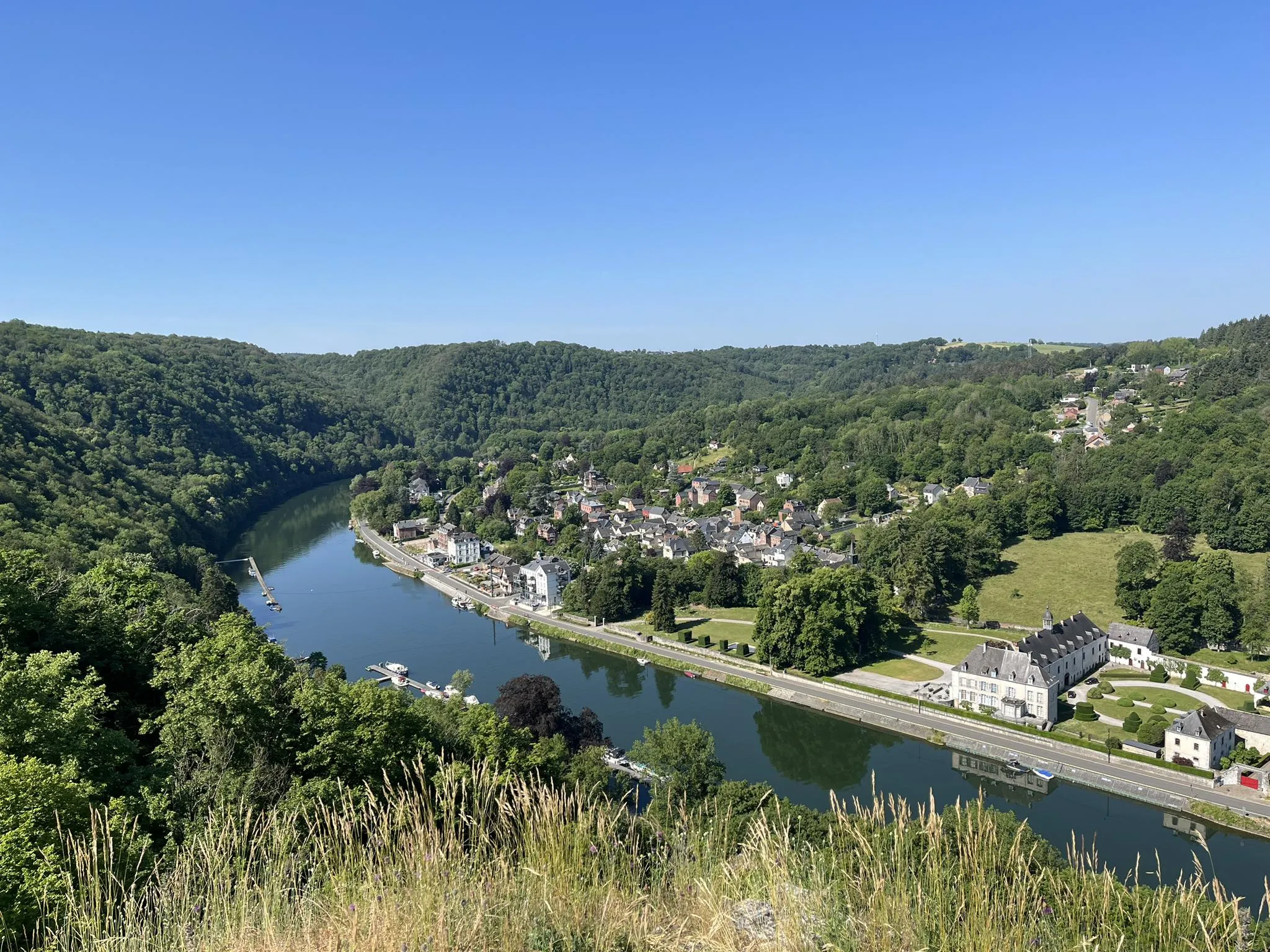
Sentier des abbayes trappistes part 1 – Between nature and gastronomy
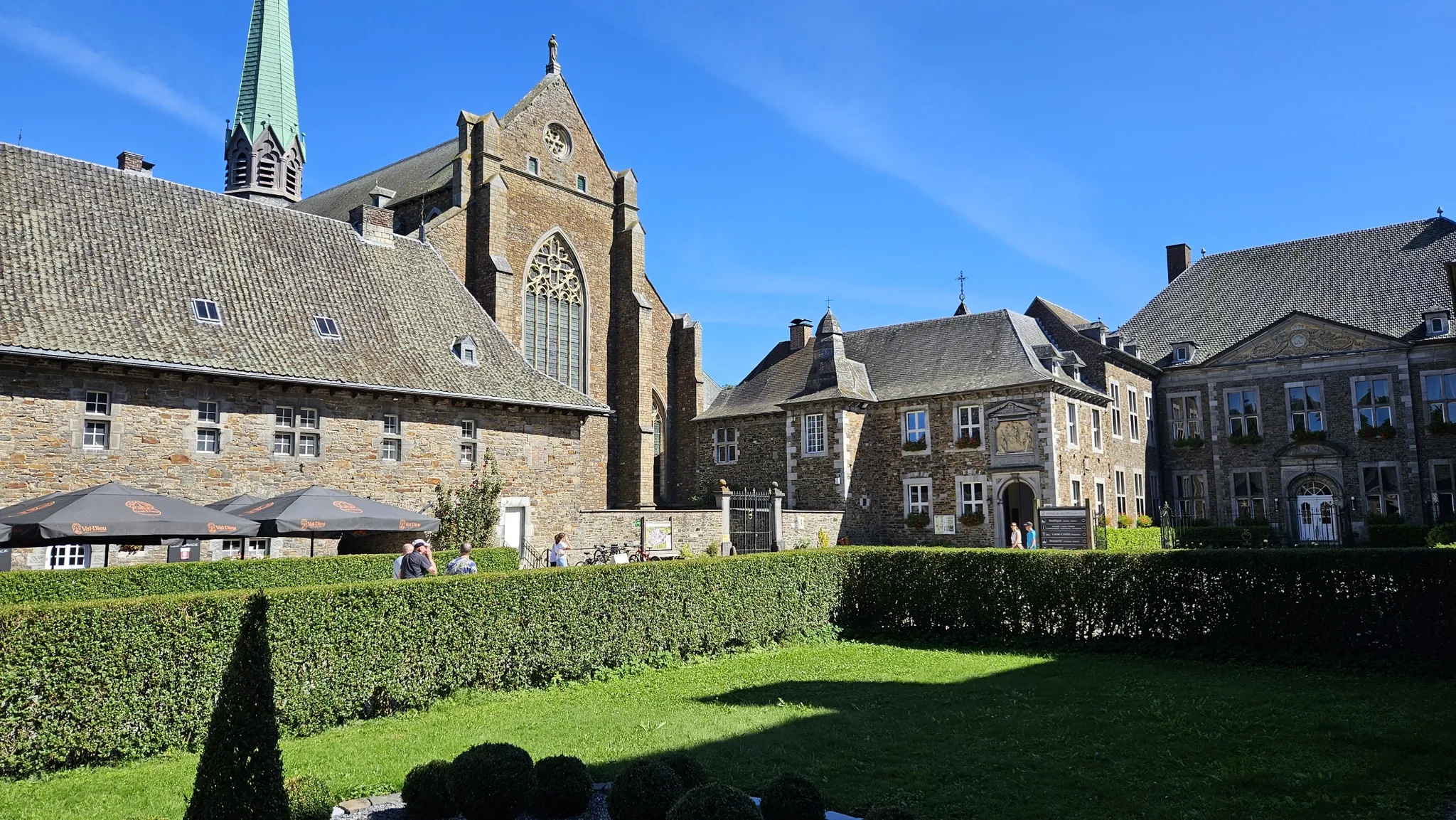
Trappist abbeys cycle route – Between beers and heritage
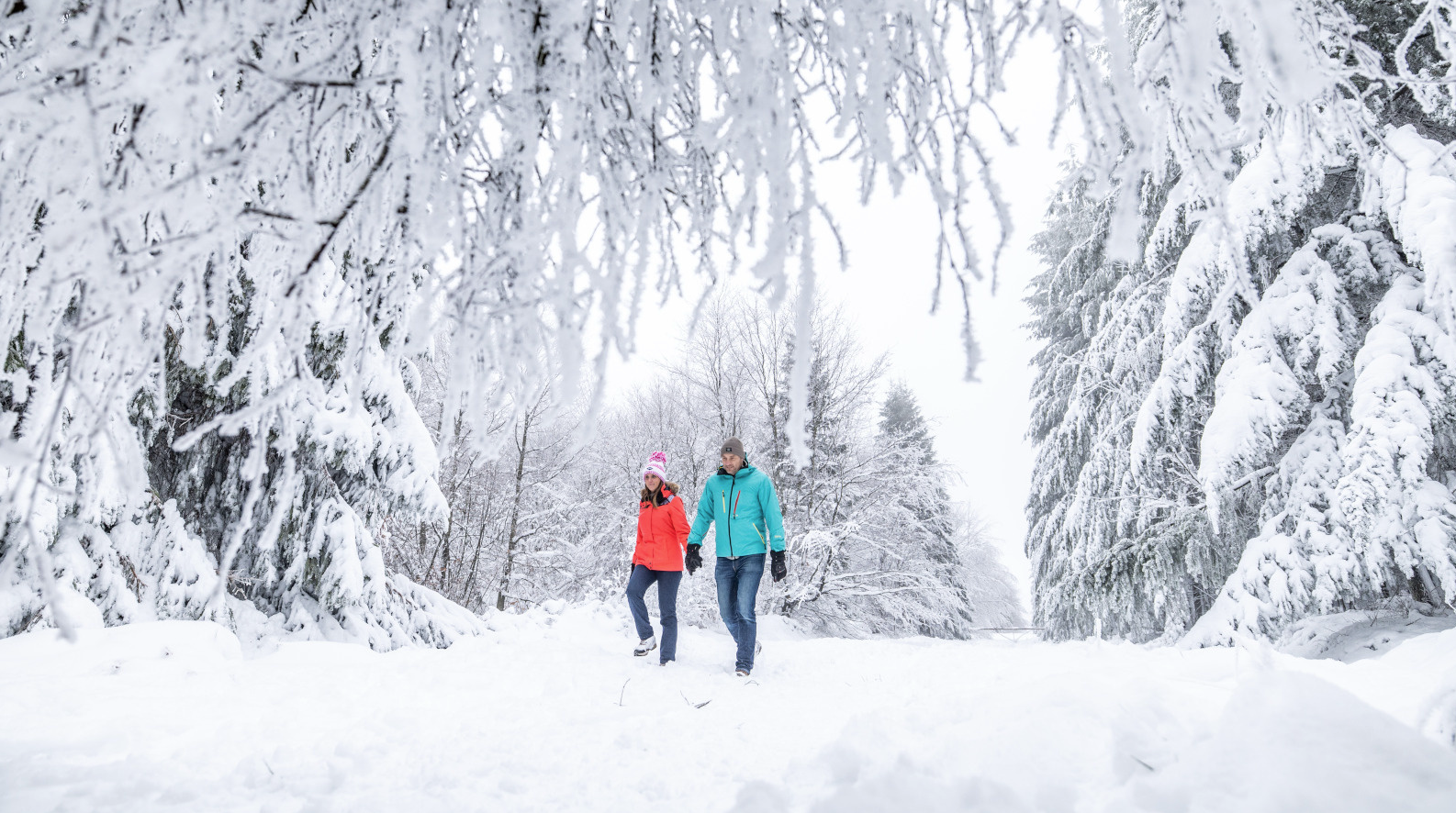
Belgian Ballads – winter hiking in the Belgian Ardennes
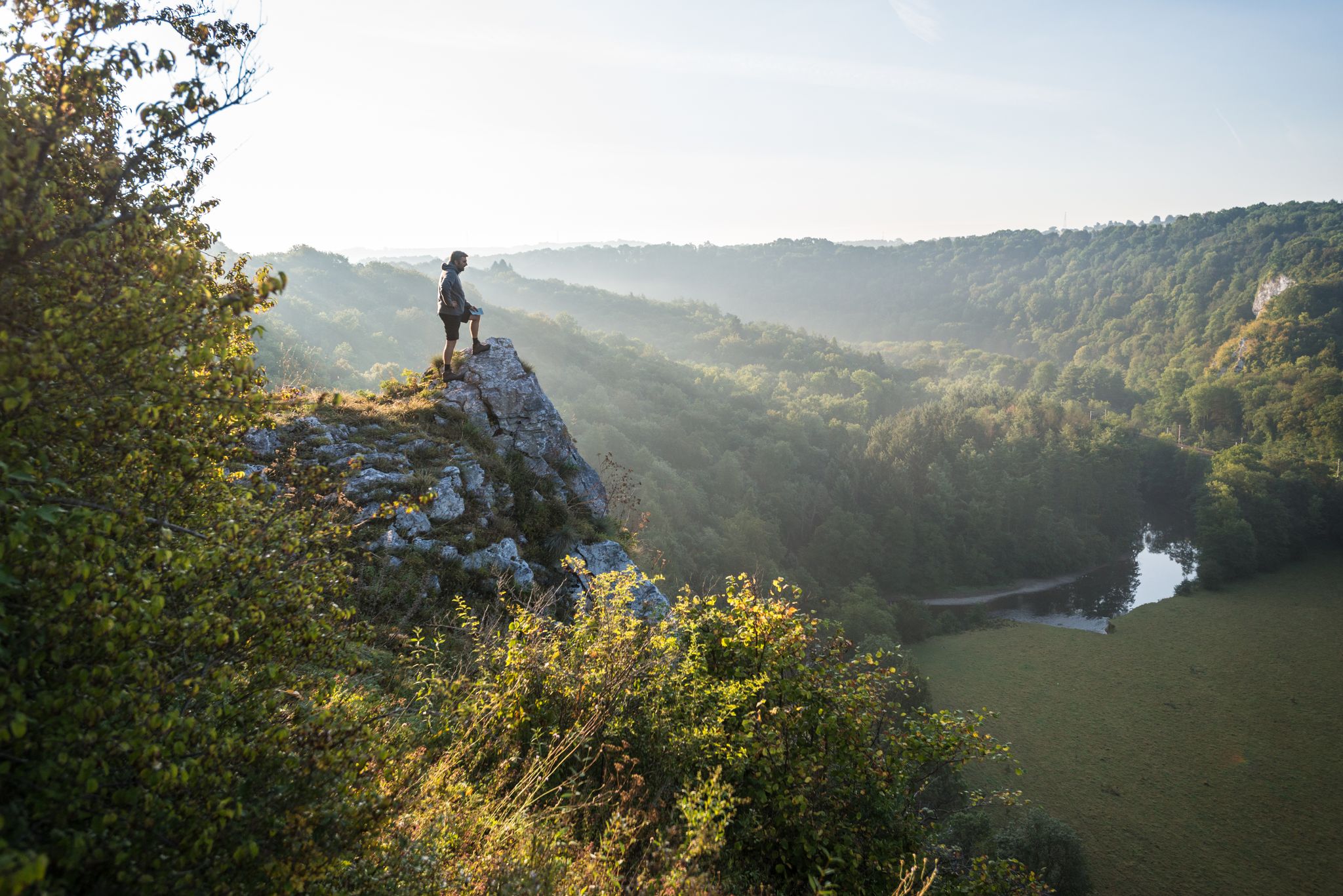
National Park between Sambre and Maas - Long distance hiking in Belgium on the GRP125
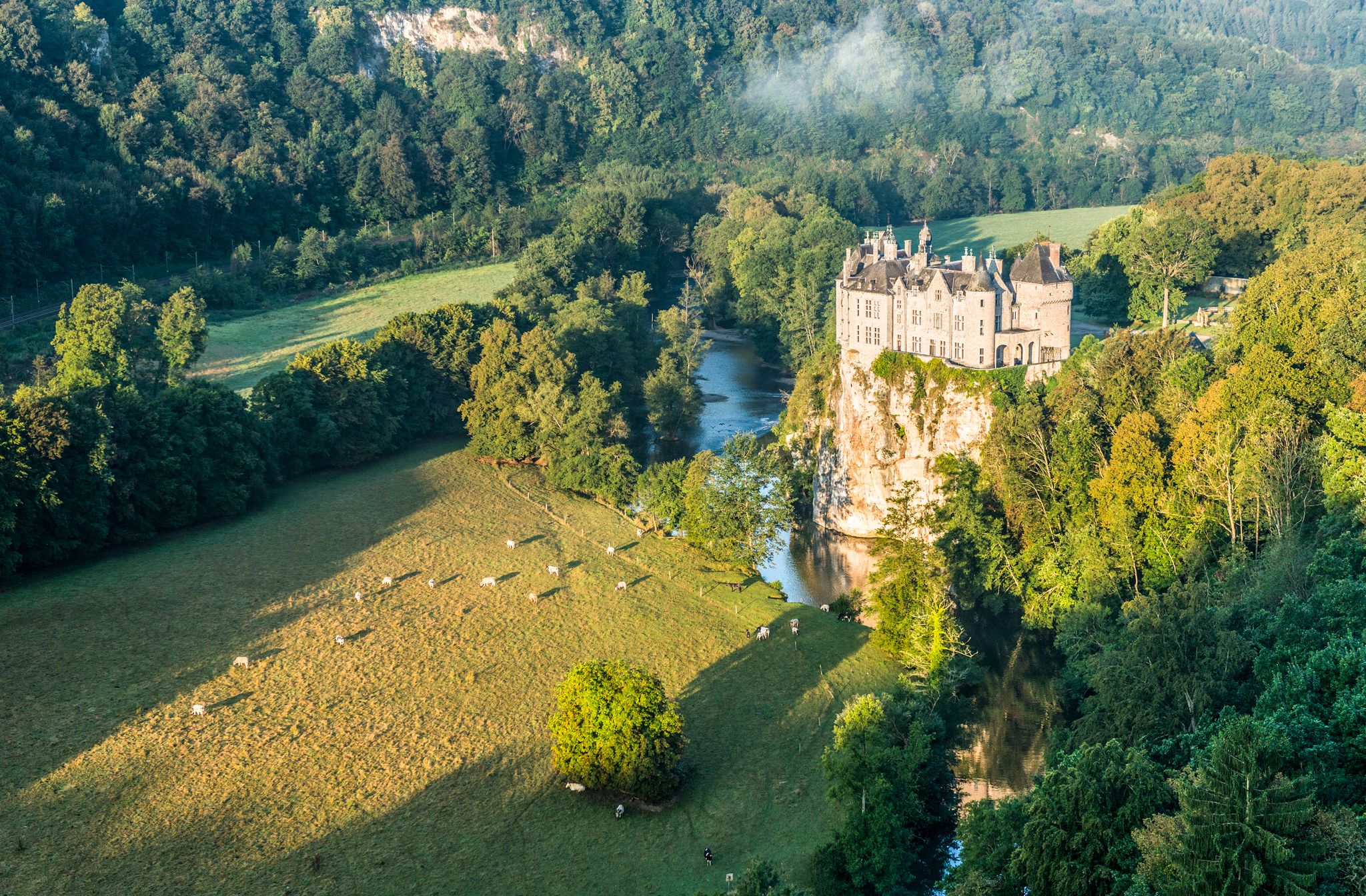
Pure nature on the hiking trails in the Belgian Ardennes
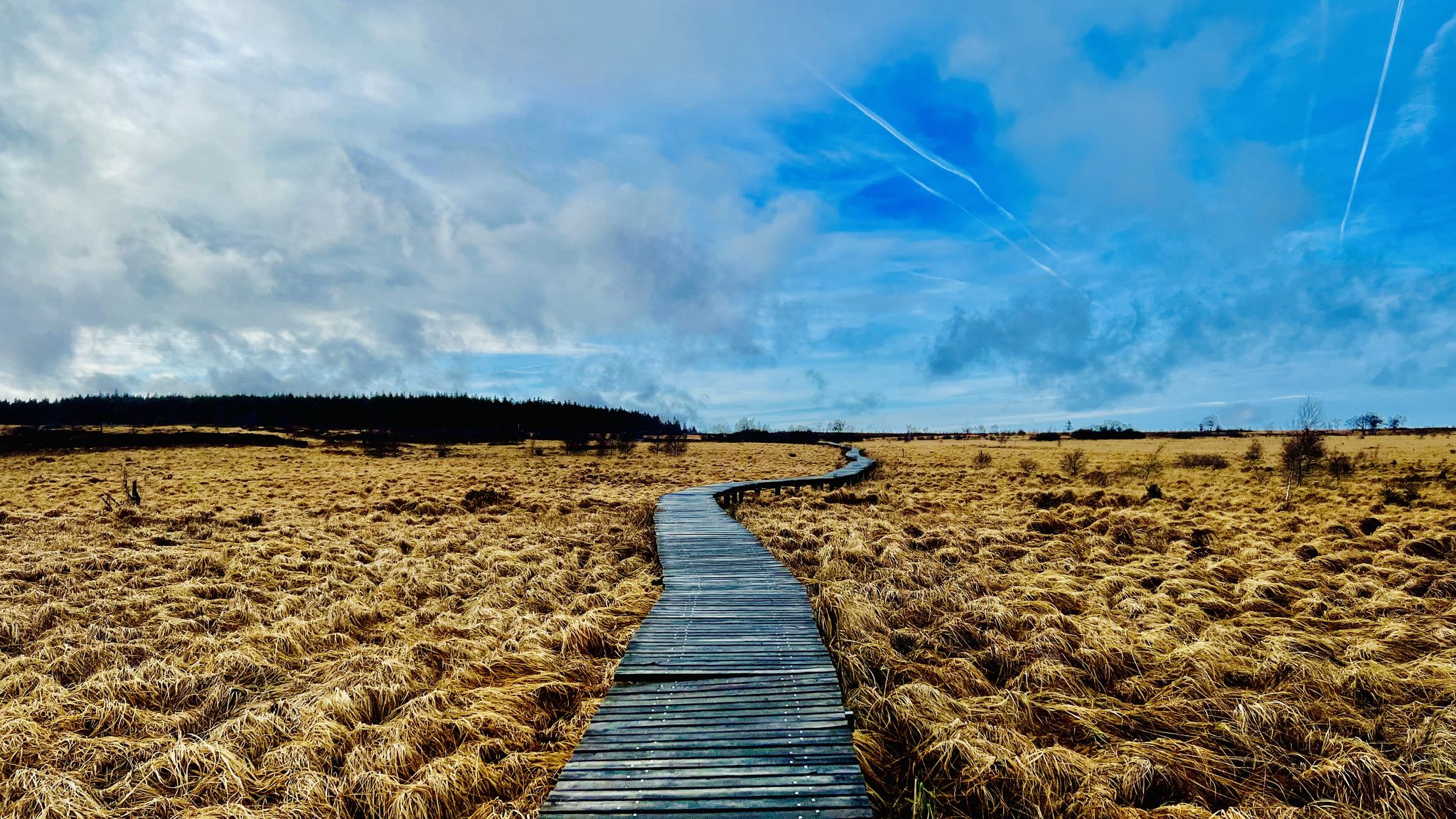
Belgische Balladen - charmante Kurzwanderungen in den belgischen Ardennen
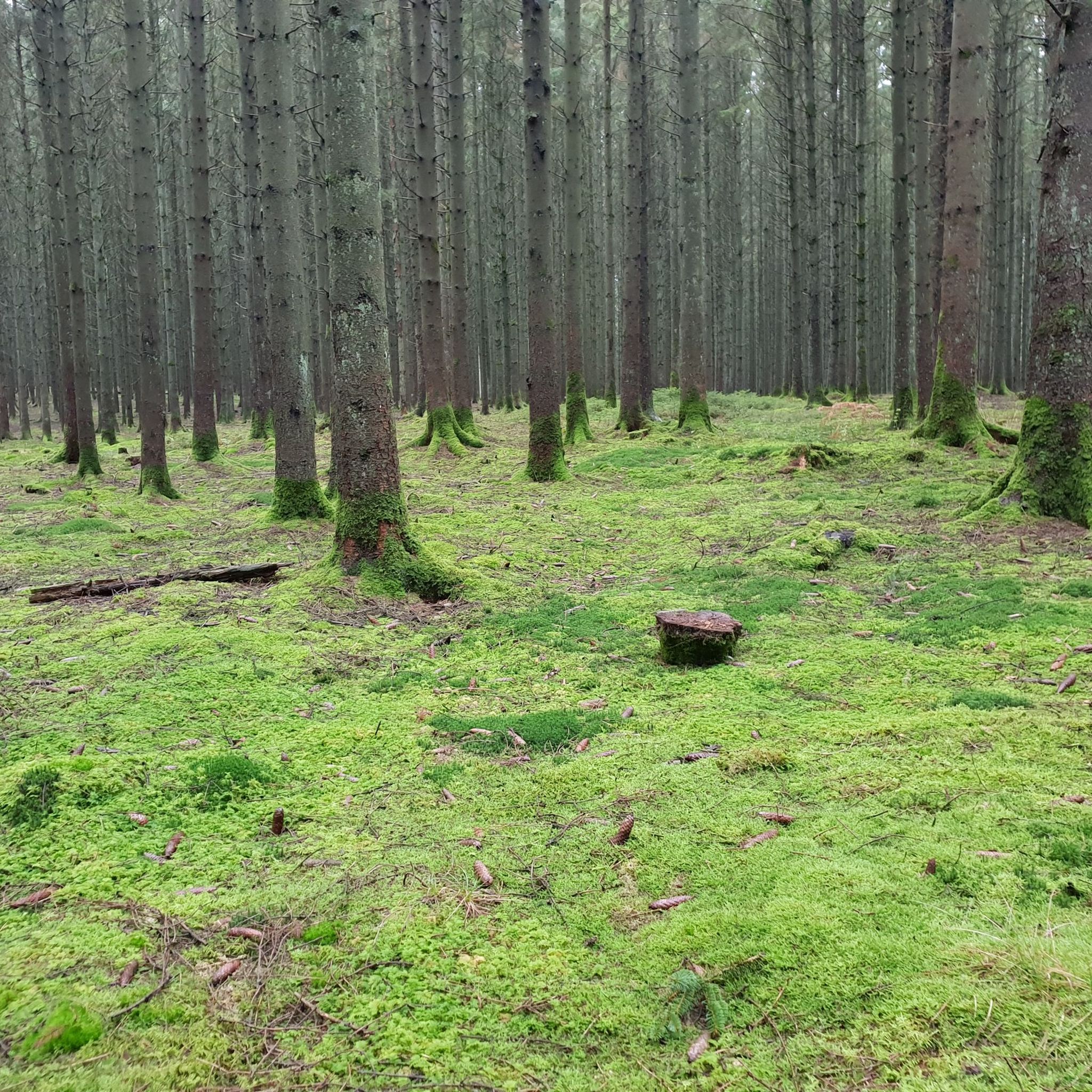
Hiking around Chimay
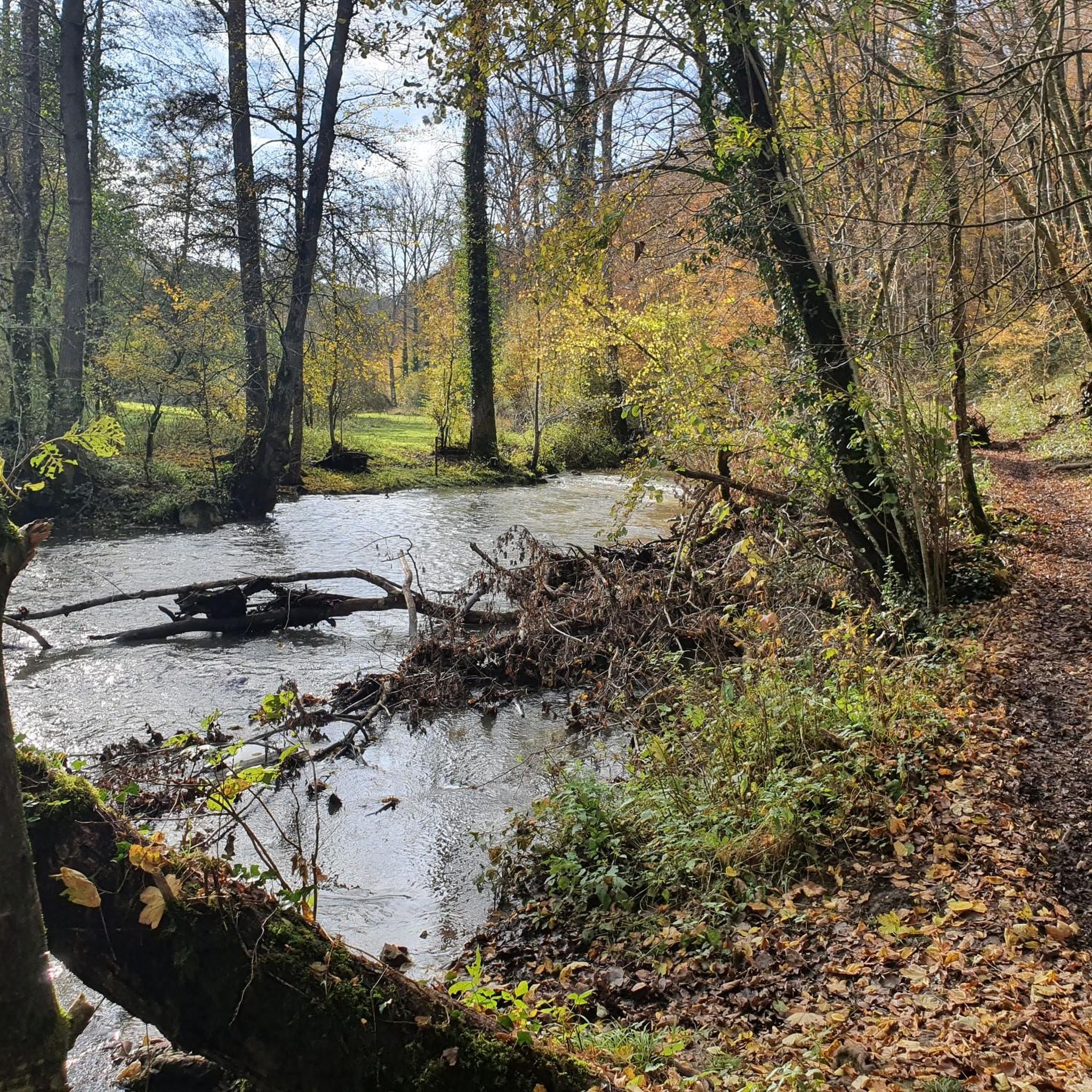
Running Trails around Chimay
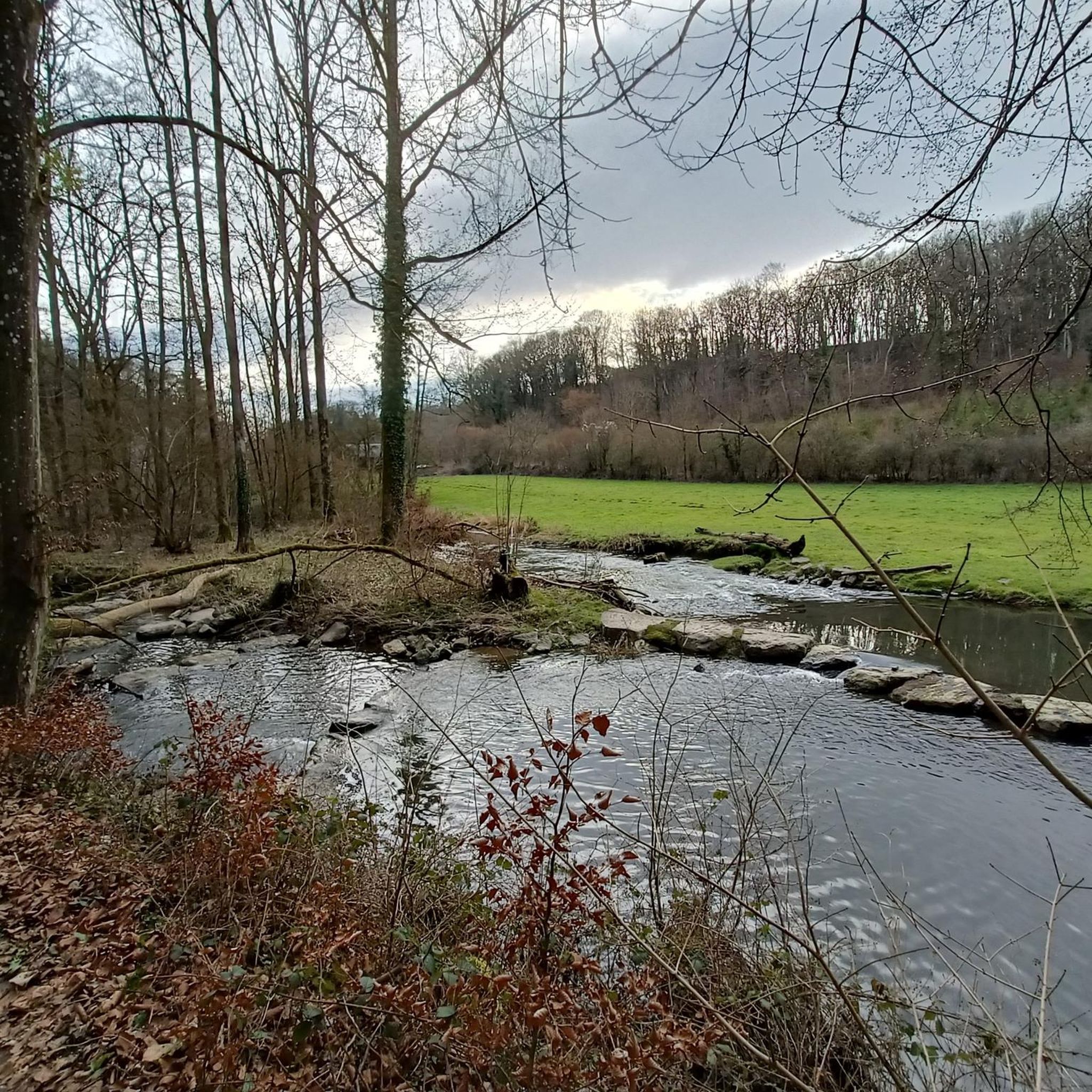
Cycling around Chimay
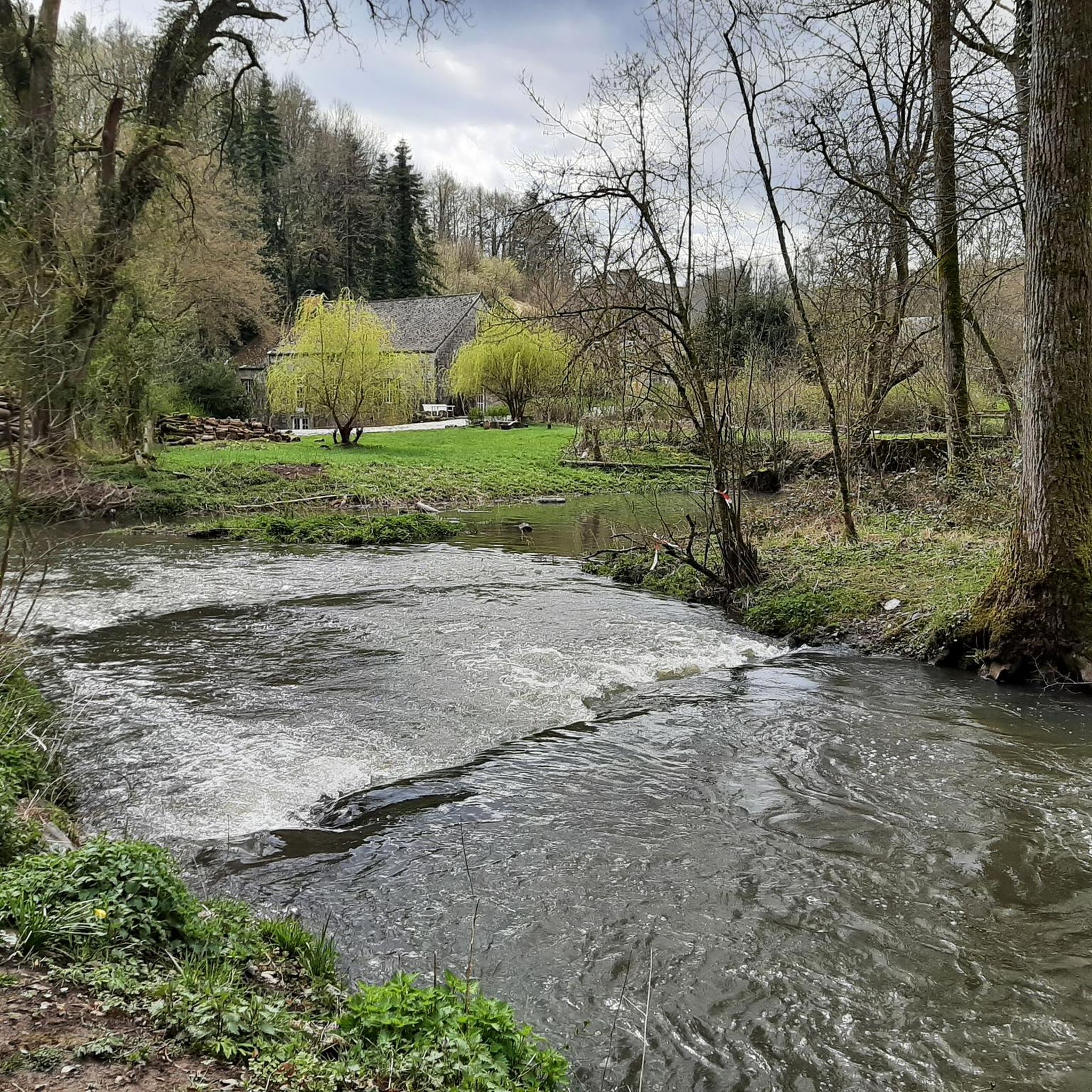
Road Cycling Routes around Chimay
Other adventures around Chimay


Tips from the Community

Super route, along the shoreline of the lake. Almost all the time asphalt, so well suited for cyclists or people with children.
0
0

The Plate-Taille Dam is located in southern Belgium in Wallonia, on the border of the provinces of Namur and Hainaut. The dam is situated near the villages of Froidchapelle and Cerfontaine and forms the central element of the Lacs de l’Eau d’Heure lake district, the largest artificial lake complex in the country. This area covers approximately 1800 hectares and consists of several interconnected lakes that together form a unique landscape of open water, wooded hills, and extensive recreational zones. Due to its location between the Ardennes and the Fagne, the area has a varied and gently rolling terrain. The origin of the dam dates back to the 1970s when Belgium faced water management problems. The Sambre River, an important waterway for industry and shipping, experienced highly fluctuating water levels. During dry periods, the water level dropped too low, which had economic consequences. To solve this problem, an ambitious project was launched, including the construction of a series of dams on the Eau d’Heure River and its tributaries. The construction of the Plate-Taille dam began around 1974 and was completed in 1981. As a result of its construction, five lakes were created: * Plate Taille (the largest and deepest) * Eau d’Heure * Falemprise * Ry Jaune * Féronval The construction brought about a major change for the region. Certain areas were submerged, and residents had to relocate. At the same time, this project laid the foundation for a new economic model based on tourism and recreation. The Plate-Taille dam is the largest dam in Belgium and an impressive example of modern hydraulic engineering. The Plate Taille lake itself has a surface area of approximately 350 hectares and is the largest and deepest lake in Belgium. The dam holds back an enormous mass of water and literally forms the heart of the entire lake district. One of the dam's main functions is energy generation through a pumped-storage power plant. * Capacity: ± 140 megawatts * Number of turbines: 4 (reversible) * Type: pumped-storage power plant System Operation The system operates on a clever principle: * During low energy demand, water is pumped to a higher reservoir. * During high energy demand, the water flows back down through turbines, generating electricity. This makes the plant particularly valuable for stabilizing the electricity grid, especially in combination with renewable energy sources such as wind and solar power. Around the dam lies a surprisingly rich nature reserve. The combination of water, forests, and open plains ensures great biodiversity. The landscape is characterized by: * Dense deciduous and coniferous forests * Open grasslands * Reed beds along the banks * Quiet bays and small islands Animals found here include: * Roe deer * Foxes * Waterfowl such as grebes and cormorants * Birds of prey The creation of the lakes has led to new ecosystems where flora and fauna have adapted to the water-rich environment. For someone who enjoys long and challenging hikes, like myself, this area is ideal, and you can easily create routes of several hours here without much crowds. 🚴♂️ Cycling and Recreation Besides hiking, the area is also popular with: * Road cyclists (hilly terrain) * Mountain bikers * Families (flat cycling paths around the lakes) There are well-maintained cycling routes that connect the entire lake district. 🚤 Water Sports and Activities The Lacs de l’Eau d’Heure are the center for water sports in Belgium. Possibilities: * Sailing * Kayaking * Windsurfing * Diving (in certain zones) * Swimming Motorized water sports are permitted to a limited extent, which contributes to a relatively calm and natural atmosphere. 🧭 Tourist Facilities The area is highly developed for visitors without losing its natural charm. Key attractions: * Skywalk Plate-Taille – a panoramic tower with views over the entire area * Natura Parc L’Eau d’Heure – adventure park with climbing routes and zipline * Marinas and beach areas * Holiday parks and campsites This makes the area suitable for both day trips and longer stays.
0
0

Beautiful hike, I was just expecting to see the lake but that is not the case, we go around it but not close!
1
1

quietness of the pond where we observe birds
1
1

Swimming area where a few brave souls took to the water for the New Year
1
0

Beautiful lake, a trip is worth it.
1
0

Via a short but tiring slope you reach a viewpoint on Lake Virelles, where you also have the Aquascope. Opposite the bench on the blue walking trail you can continue a few meters in the direction of the lake. There you have the best view, which is also marked on the map as a viewpoint.
10
0

Lac de la Plat Taille is one of many reservoir lakes in the region and the largest individual lake in Belgium. On the north shore, there are numerous accommodation and leisure options.
1
0
Frequently Asked Questions
What natural features and viewpoints can I explore around the lakes near Chimay?
The region offers diverse natural beauty and impressive viewpoints. At Lac de Virelles, you can immerse yourself in a protected nature reserve, observing its rich ecosystem and diverse birdlife, including white storks. For panoramic views, visit the Ry de Rome Dam, which provides exceptional vistas over the water and surrounding forest. The Plate-Taille Dam and Eau d'Heure Dam also offer significant viewpoints, with the Plate-Taille Dam featuring a 107-meter tower for breathtaking perspectives.
What outdoor activities are available at the lakes near Chimay?
The lakes around Chimay, particularly the extensive Lakes of Eau d'Heure complex, offer a wide range of outdoor activities. These include walking, swimming, diving, windsurfing, paddleboarding, kayaking, fishing, mountain biking, and sailing. At Lac de Virelles, you can enjoy discovery trails, guided canoe trips at dawn, and explore the nature reserve.
Are there family-friendly activities at the lakes around Chimay?
Yes, the area is very family-friendly. Lac de Virelles is home to the Aquascope Virelles, a nature interpretation center with interactive exhibits, discovery trails, and a large playground for children. The Aquascope also offers educational workshops and an escape game. The Lakes of Eau d'Heure complex features various leisure parks and beaches, making it an ideal destination for families.
Can I go hiking or cycling near the lakes?
Absolutely. There are numerous opportunities for hiking and cycling. Around the Ry de Rome Dam, you can find a loop trail offering views of the water and forest. The wider region around Chimay and the Lakes of Eau d'Heure provides extensive networks for road cycling, gravel biking, and touring. You can find detailed routes and guides for these activities on the Road Cycling Routes around Chimay, Gravel biking around Chimay, and Cycling around Chimay guide pages.
What kind of wildlife can be observed at Lac de Virelles?
Lac de Virelles is a significant nature reserve, making it a paradise for wildlife observation. It's a crucial nesting site and resting place for birds on migration routes. You can frequently spot several pairs of white storks that return each spring to nest. The Aquascope Virelles offers hides and live cameras to observe both birds and underwater life, providing an immersive experience into the lake's rich biodiversity.
Are there any historical or cultural aspects to the lakes?
Yes, the lakes have interesting historical significance. Lac de Virelles, for instance, was formed by a dam created in 1580 to support the local metallurgical industry. The Aquascope Virelles also features a cabinet of curiosities where you can learn about the lake's 500-year history. The large dams, such as the Plate-Taille Dam and Eau d'Heure Dam, are impressive man-made monuments, with the Plate-Taille Dam being the largest in Belgium and visitable from the inside.
How accessible is Lac de Virelles?
Lac de Virelles is easily accessible. There are bus stops conveniently located near the Aquascope entrance, with connections available from Chimay's bus station. The site itself is designed for immersive nature experiences with paths that allow visitors to get close to the pond.
What is the best time to visit the lakes around Chimay?
The lakes are enjoyable throughout the year, but the best time often depends on your preferred activities. Spring and autumn are ideal for birdwatching at Lac de Virelles due to migration. Summer is perfect for water sports and enjoying the beaches at the Lakes of Eau d'Heure. The Aquascope Virelles is open year-round, offering indoor and outdoor activities regardless of the season.
Are there cafes or accommodation options near the lakes?
Yes, you'll find options for both. The Aquascope Virelles has a brasserie with a panoramic terrace, perfect for relaxation. At the Lakes of Eau d'Heure, there's a holiday complex with various villas, hotel rooms, and apartments available for rent, along with restaurants, a spa, and wellness areas. Unique accommodations, including cabins by the water's edge, are also available at Lac de Virelles for romantic overnight stays.
What do visitors particularly enjoy about the lakes around Chimay?
Visitors frequently praise the stunning natural beauty and the wide array of activities. Many appreciate the unique opportunity to visit the interior of the Plate-Taille Dam and its 107-meter tower. The family-friendly nature of the Aquascope Virelles, with its interactive exhibits and playground, is also a highlight. The extensive sports and leisure offerings at the Lakes of Eau d'Heure are highly valued by outdoor enthusiasts.
Is swimming allowed in the lakes near Chimay?
Swimming is generally permitted in designated areas, particularly at the Lakes of Eau d'Heure, which are known for their water sports and recreational activities. It's always advisable to check local regulations and signage at specific lake access points for current swimming conditions and safety guidelines.
Are there accessible lake trails near Chimay for wheelchairs?
Lac de Virelles, with its Aquascope center, is designed with paths that allow visitors to get close to the pond. While specific details on full wheelchair accessibility for all trails are best confirmed directly with the Aquascope, the center aims to be inclusive, and its facilities often cater to a wide range of visitors. The main paths around the Aquascope are generally well-maintained.
Most popular attractions around Chimay

Get inspired with the komoot mobile app


Explore more
Still not found your perfect lake around Chimay? Check out the guides of these regions to see even more beautiful places.
