Top 20 Castles around Drogenbos
Best castles around Drogenbos include the significant Château Calmeyn, also known as Château de Drogenbos. This 19th-century architectural gem features Italian-influenced neo-classical design. The castle is set within expansive grounds, originally part of the Soignes Forest, offering landscaped gardens with mature trees and a lake. It serves as a cultural hub, hosting exhibitions and events.
Best castles around Drogenbos
- The most popular castles is Gaasbeek Castle, a castle that has undergone extensive restoration. It features a Baroque park with…
Last updated: May 20, 2026
Gaasbeek Castle
Highlight • Castle
Translated by Google •
Tip by

Groenenberg Castle
Highlight • Castle
Translated by Google •
Tip by

Sign up now to discover places like this
Get recommendations on the best single tracks, peaks, & plenty of other exciting outdoor places.
Sign up for free
Groenenberg castle and park
Highlight • Castle
Translated by Google •
Tip by

Coloma Estate
Highlight • Castle
Translated by Google •
Tip by

Laeken Castle
Highlight • Castle
Translated by Google •
Tip by

Sign up for free to discover even more castles around Drogenbos.
Sign up for free
Already have an account?
Start today with a free account
Your next adventure awaits.
Login or Signup

Tips from the Community

In the middle of the Pajottenland lies the charming Coloma Estate, with an 18th-century moated castle, winding paths and the largest rose garden in Europe. More than 3,000 rose varieties from 25 countries bloom here in perfectly landscaped garden rooms, with the castle and the old garden pavilion as a romantic backdrop. In every season, the estate offers a fragrant, colourful and relaxing experience.
2
0

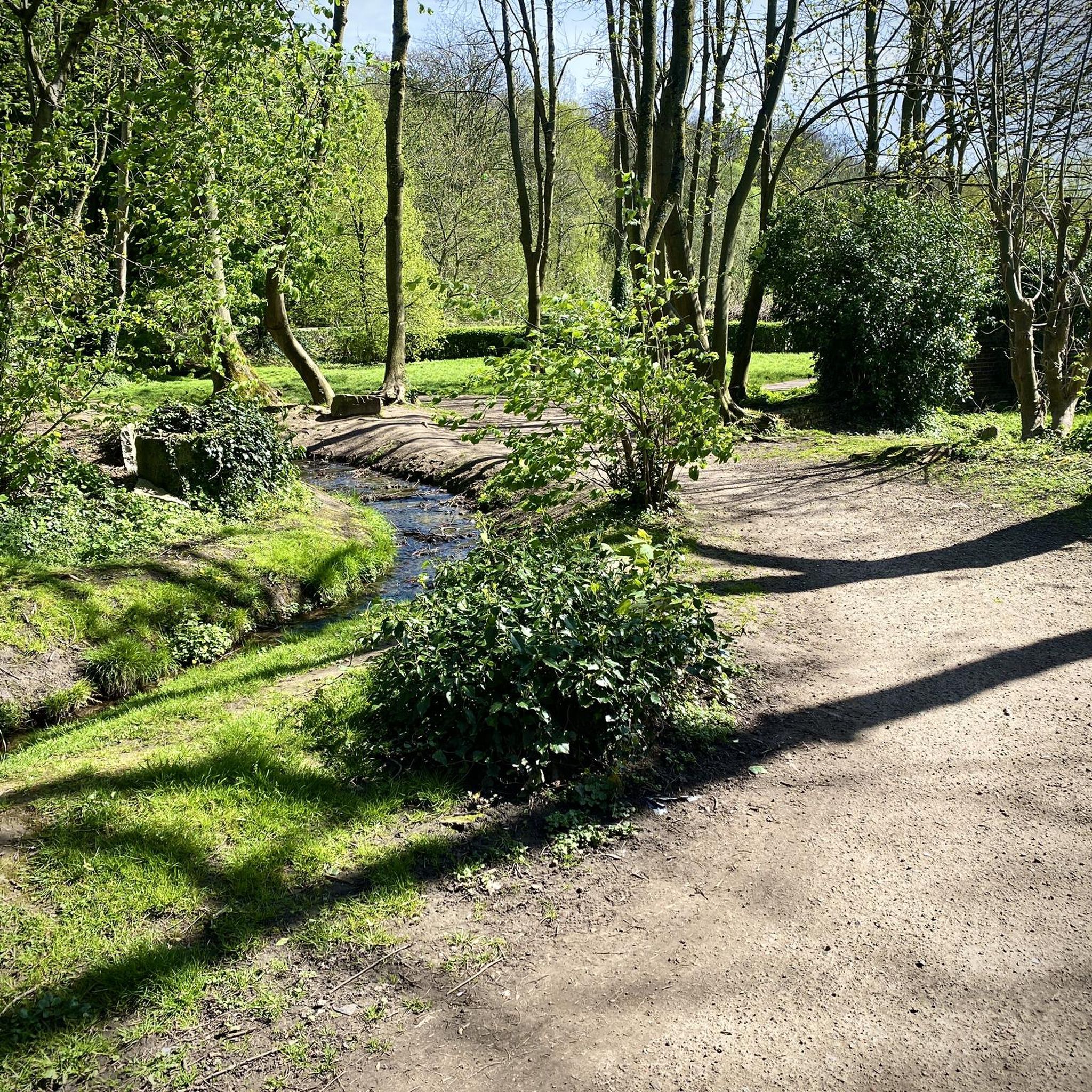
superb, well-maintained and very varied park
0
0

The Castle of Laeken is one of the royal residences in Belgium. It is located in Laeken, part of the city of Brussels since 1921, in the north of the Brussels region. It is surrounded by a 120-hectare park, which also contains the Royal Greenhouses.
5
1

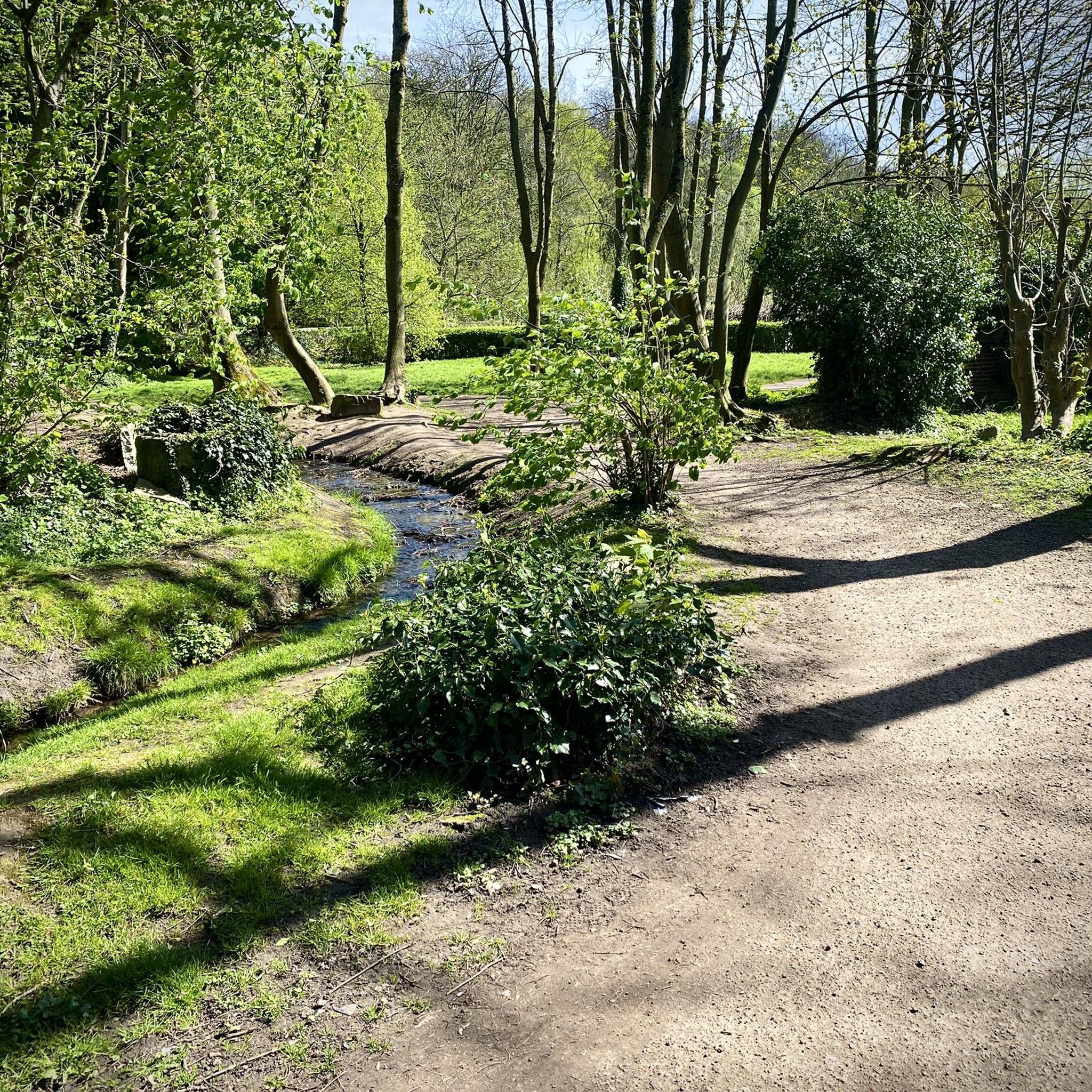
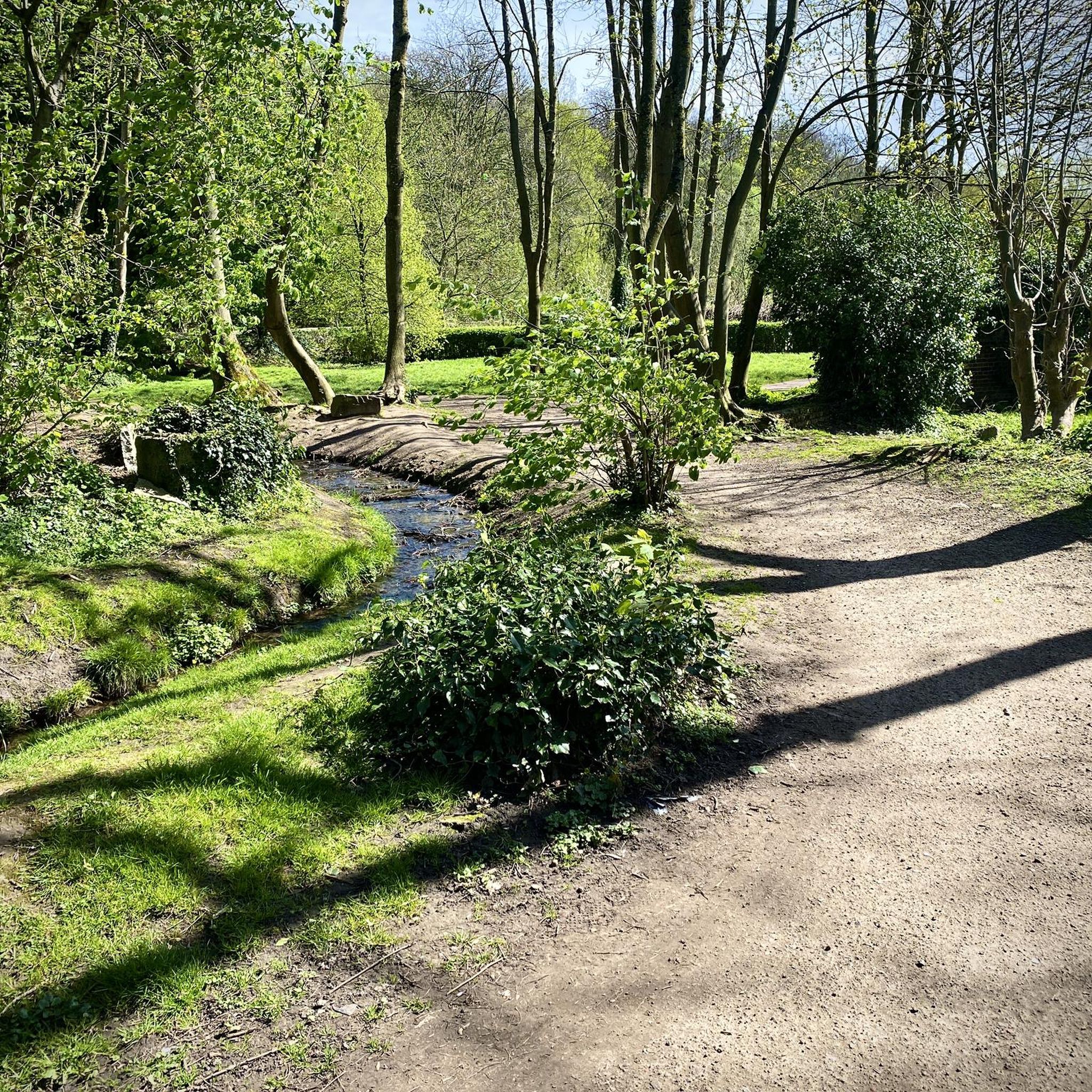
The Groenenberg castle and park grounds, located in Gaasbeek and Vlezenbeek, have been the property of the Flemish Community since 1981, which had it thoroughly restored in 1992. The domain was opened to the public on July 17, 1990. The castle was built around 1890, in an eclectic style. The 45 hectare English landscape park was created by Edmond Galoppin, one of the most famous landscape architects of that time. The park is characterized by winding roads, curved forest edges and extensive lawns, low flower beds, solitary trees and shrubs. Didactic identification plates have been placed on the most remarkable trees. The park is connected to the historic domain and castle of Gaasbeek.
6
0
Gaasbeek Castle is an originally medieval castle, now a national museum, located in Gaasbeek, a sub-municipality of Lennik. Source: Wikipedia
6
0
A beautiful and striking garden pavilion that was built in the years 1620 - 1625 on behalf of the then lord Renaat van Renesse of Warfusée.
6
0
Groenenberg Castle and its park domain, located in Gaasbeek and Vlezenbeek, has been owned by the Flemish Community since 1981, which had it thoroughly restored in 1992. The domain was opened to the public on 17 July 1990. The castle was built around 1890, in an eclectic style. The 45 ha English landscape park was designed by Edmond Galoppin, one of the most famous landscape architects of that time. The park is characterised by winding roads, curved forest edges and extensive lawns, low flower beds, solitary trees and shrubs. Didactic identification plates have been placed on the most remarkable trees. The park is connected to the historic domain and castle of Gaasbeek.
6
0
It is very nice to walk and stay here when the roses are in bloom.
4
3
Frequently Asked Questions
What are the most notable castles to visit around Drogenbos?
The region around Drogenbos features several significant castles. Among them, Gaasbeek Castle stands out with its extensive restoration and Baroque park. Groenenberg Castle is set within a 45-hectare English landscape park, known for its diverse plant collections. The Coloma Estate boasts an 18th-century moated castle and Europe's largest rose garden. Additionally, De Viron Castle, now Dilbeek's town hall, is a Neo-Tudor architectural marvel.
Are there family-friendly castles in the Drogenbos area?
Yes, several castles in the Drogenbos area are considered family-friendly. Gaasbeek Castle, Groenenberg Castle, Groenenberg castle and park, Coloma Estate, and De Viron Castle are all categorized as family-friendly, offering grounds and attractions suitable for all ages.
Can I bring my dog to the castles or their parks?
While specific dog policies can vary, many castle parks in the region are generally welcoming to dogs, often requiring them to be on a leash. For instance, the Groenenberg castle and park is described as a 'very nice animal-friendly walk'. It's always best to check the specific castle's official website for their most current dog policy before your visit.
What kind of natural features can I expect to see at these castles?
The castles around Drogenbos are often set within beautiful natural landscapes. Groenenberg Castle is known for its 45-hectare English landscape park with winding roads, forest edges, and diverse plant collections. The Coloma Estate features an extensive rose garden with over 3,000 varieties. The Gaasbeek Castle includes a Baroque park. The Château Calmeyn (Château de Drogenbos) itself is set within expansive grounds with majestic hundred-year-old trees, shaded paths, and a magnificent lake.
Are there walking or hiking trails near the castles?
Yes, the castle grounds and surrounding areas offer various opportunities for walking and hiking. The Groenenberg Castle park has winding roads and extensive lawns perfect for strolls. The Coloma Estate has winding paths through its famous rose garden. For more extensive outdoor activities, you can explore running trails around Drogenbos, which include routes like the 'Loopomloop Sint Pieters Leeuw'.
What is the best time of year to visit the castles around Drogenbos?
The best time to visit often depends on what you wish to experience. Spring and summer are ideal for enjoying the extensive gardens, such as the rose garden at Coloma Estate when roses are in bloom, or the seasonal floral displays at Château Calmeyn. Autumn offers beautiful foliage in the parks. Some castles, like Gaasbeek Castle, may have specific opening seasons, so checking their websites for current schedules is recommended.
Are there cycling routes near these castles?
Yes, the region offers various cycling opportunities. You can find numerous road cycling routes around Drogenbos, including loops that pass through scenic areas. For off-road adventures, there are also gravel biking routes that explore the natural surroundings of the castles.
What is unique about the architecture of Château Calmeyn (Château de Drogenbos)?
Château Calmeyn, also known as Château de Drogenbos, is a prime example of 19th-century Italian-influenced Belgian neo-classical architecture. Built between 1852 and 1853 by architect Jean-Pierre Cluysenaar, it showcases historical elegance and is set within expansive, beautifully landscaped grounds.
Can I find food or drinks near the castles?
Yes, amenities like cafes and restaurants can often be found near popular castle sites. For example, the Coloma Estate includes a tavern called 'De Koetsier'. For other castles, nearby towns and villages will offer various dining options. It's advisable to check local listings for specific establishments.
Is public transport available to reach the castles?
While specific public transport details for each castle can vary, Drogenbos and its surrounding municipalities are generally accessible by public transport. For instance, the Château de Drogenbos is located within the municipality, and local buses or trams might serve the area. For castles further afield, a combination of train and bus services might be necessary. Planning your route with a public transport app is recommended.
What is the historical significance of Gaasbeek Castle?
Gaasbeek Castle has a rich history, having undergone extensive restoration. In the 17th century, Count René de Renesse transformed its domain into a Baroque park, with elements like a summer salon dating back to around 1620 still preserved today. It has been opened as a museum, showcasing its historical evolution and collections.
What makes the Coloma Estate special?
The Coloma Estate is particularly special for its 18th-century moated castle and its surrounding park, which hosts the largest rose garden in Europe. This garden features more than 3,000 rose varieties from 25 countries, offering a fragrant and colorful experience, especially when the roses are in bloom.
Most popular routes around Drogenbos
Most popular attractions around Drogenbos

Get inspired with the komoot mobile app


Explore more
Looking for the best castles somewhere else? Discover other guides around Drogenbos:
