The best walks and hikes around Ghent
4.2
(3389)
29,347
hikers
877
hikes
Hiking around Ghent offers diverse landscapes, blending urban green spaces with significant natural features. The region is characterized by accessible wetlands, riverine paths along the Lys (Leie) river, and various parks within and on the outskirts of the city. Nearby forests like Drongengoedbos and Lembekse Bossen also contribute to the varied terrain available for outdoor activities.
Best hiking trails around Ghent
- The most popular hiking route is Afsnee Keuze Route, a 5.8 miles (9.3 km) trail that takes 2…
Last updated: October 10, 2026
4.4
(208)
867
hikers
9.28km
02:20
10m
10m
Moderate hike. Good fitness required. Mostly accessible paths. Sure-footedness required.
4.4
(181)
929
hikers
6.24km
01:34
10m
10m
Moderate hike. Great for any fitness level. Mostly accessible paths. Sure-footedness required.

4.5
(108)
452
hikers
6.27km
01:36
20m
30m
Easy hike. Great for any fitness level. Easily-accessible paths. Suitable for all skill levels.
4.4
(36)
174
hikers
8.01km
02:04
40m
40m
Moderate hike. Good fitness required. Easily-accessible paths. Suitable for all skill levels.
4.3
(10)
39
hikers
5.45km
01:23
20m
20m
Easy hike. Great for any fitness level. Easily-accessible paths. Suitable for all skill levels.
Get access to more routes and recommendations from other explorers.
Already have an account?
Our route recommendations are based on thousands of hikes, rides, and runs completed by other people on komoot.
Start today with a free account
Your next adventure awaits.
Popular around Ghent
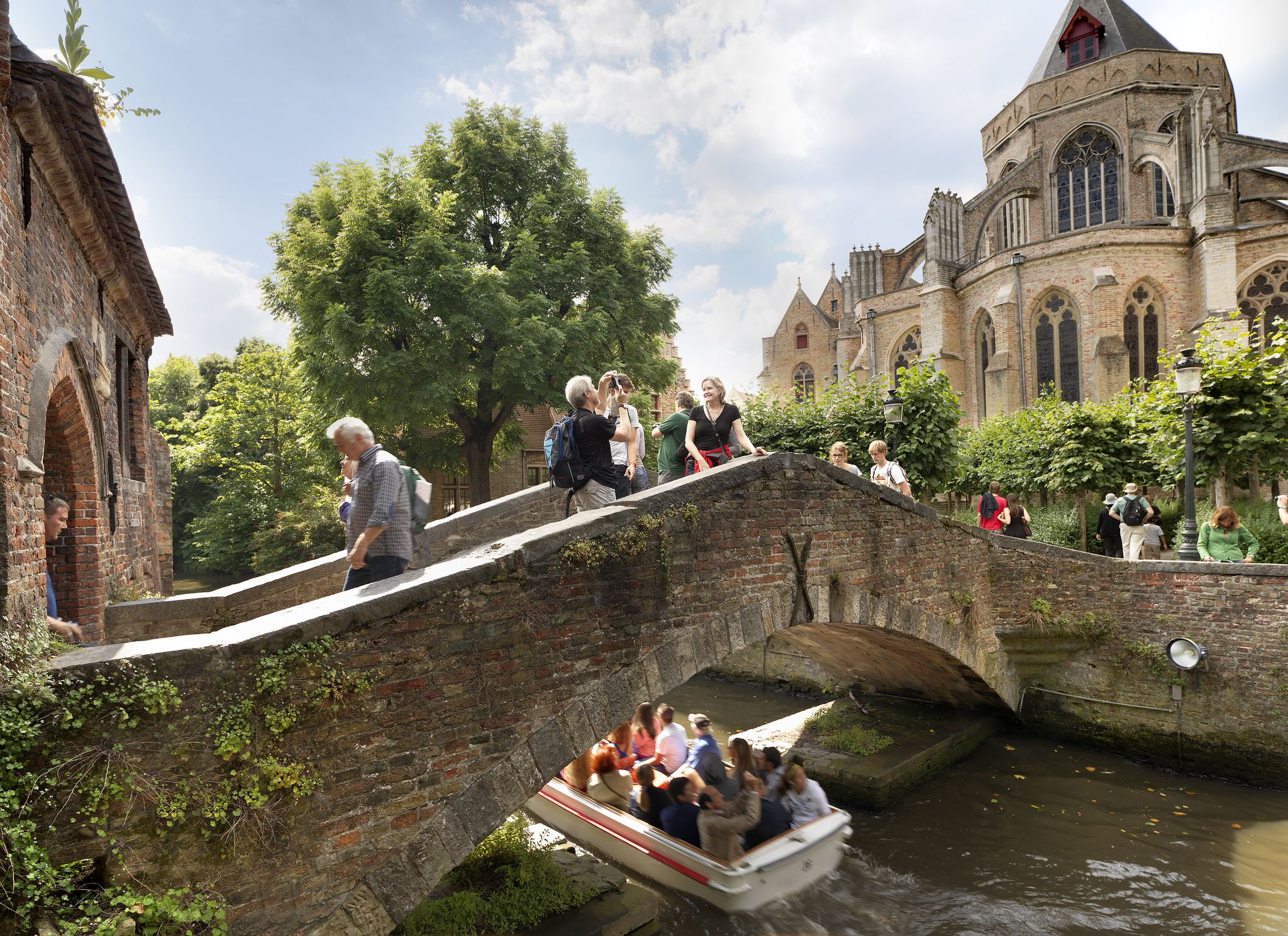
10,000 steps through Flanders' Art Cities
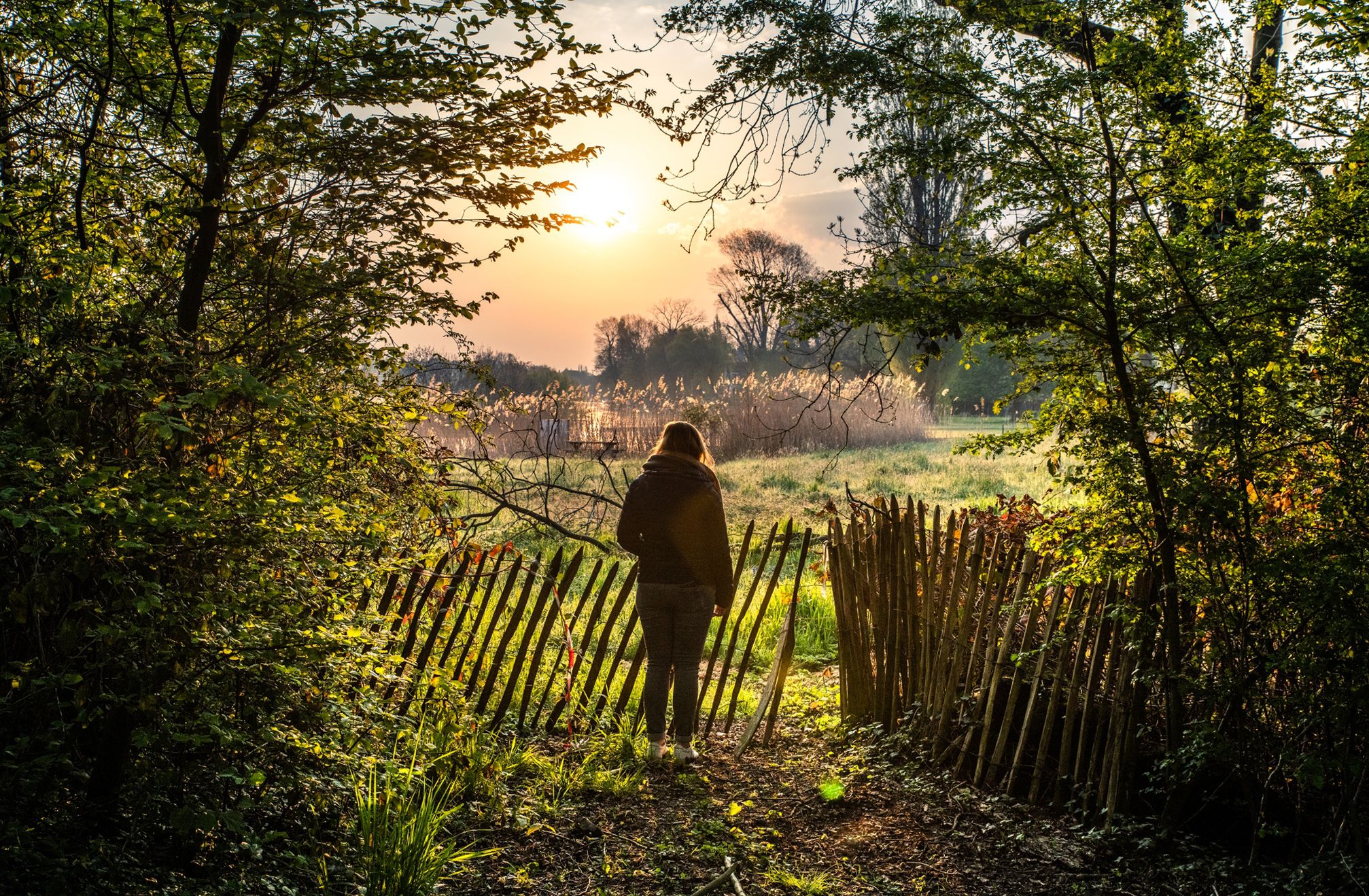
Waterside walks in Flanders
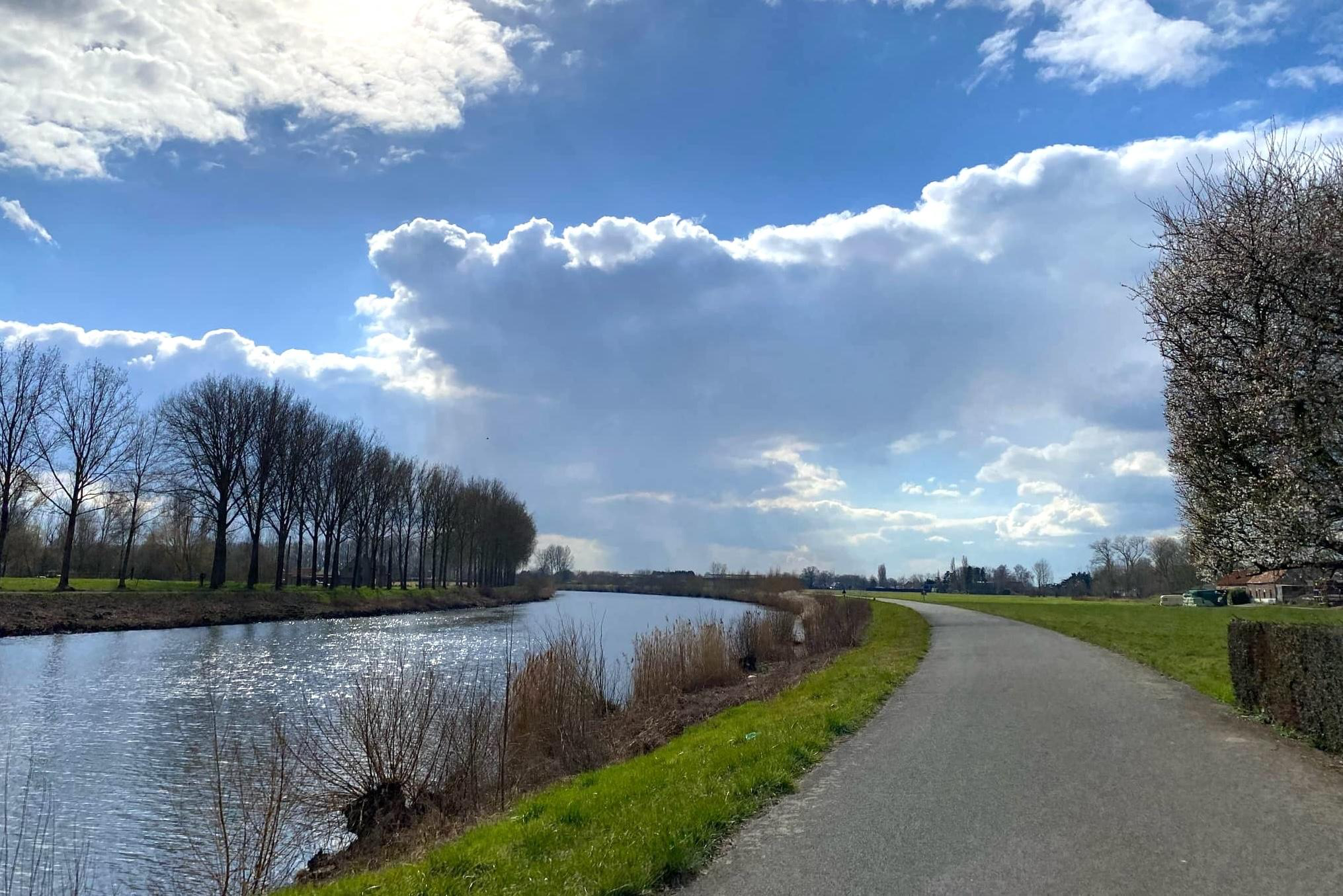
Three days of pure cycling pleasure from Spiere to Zandvliet – Schelderoute
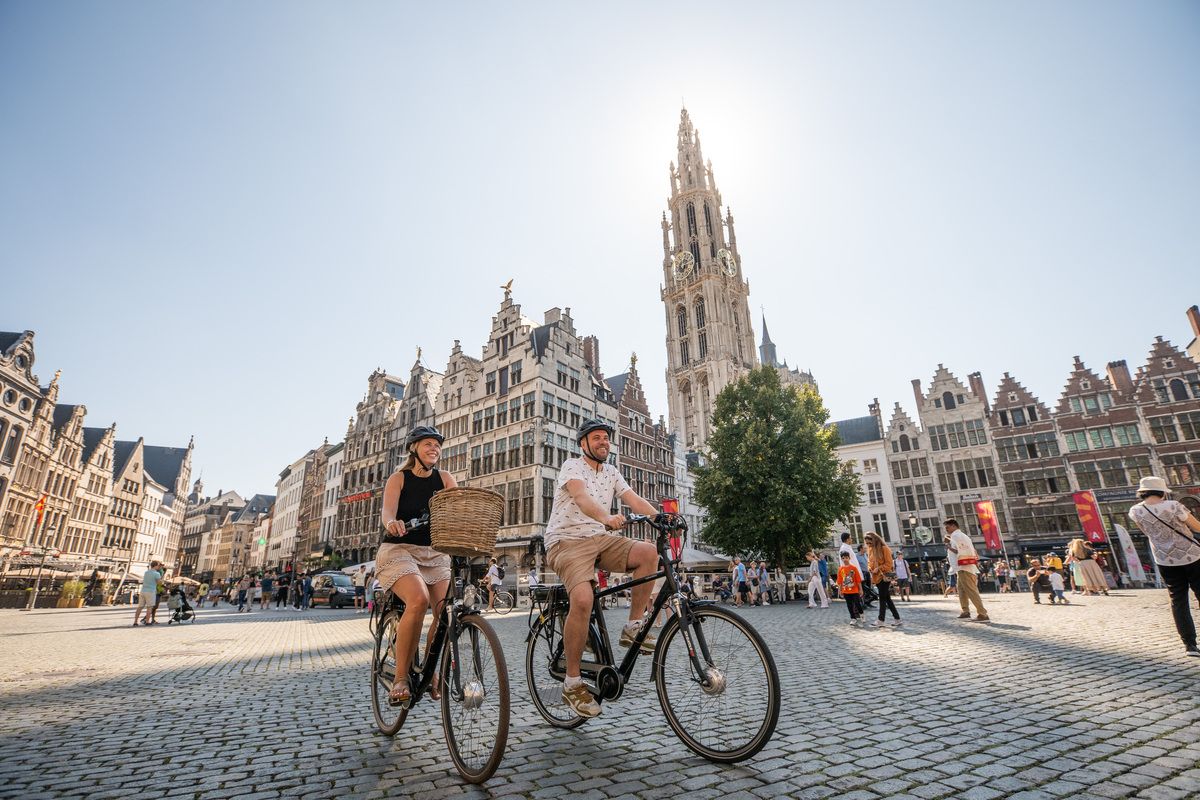
Flanders' Finest Cycle Routes: routes around the Flemish art cities
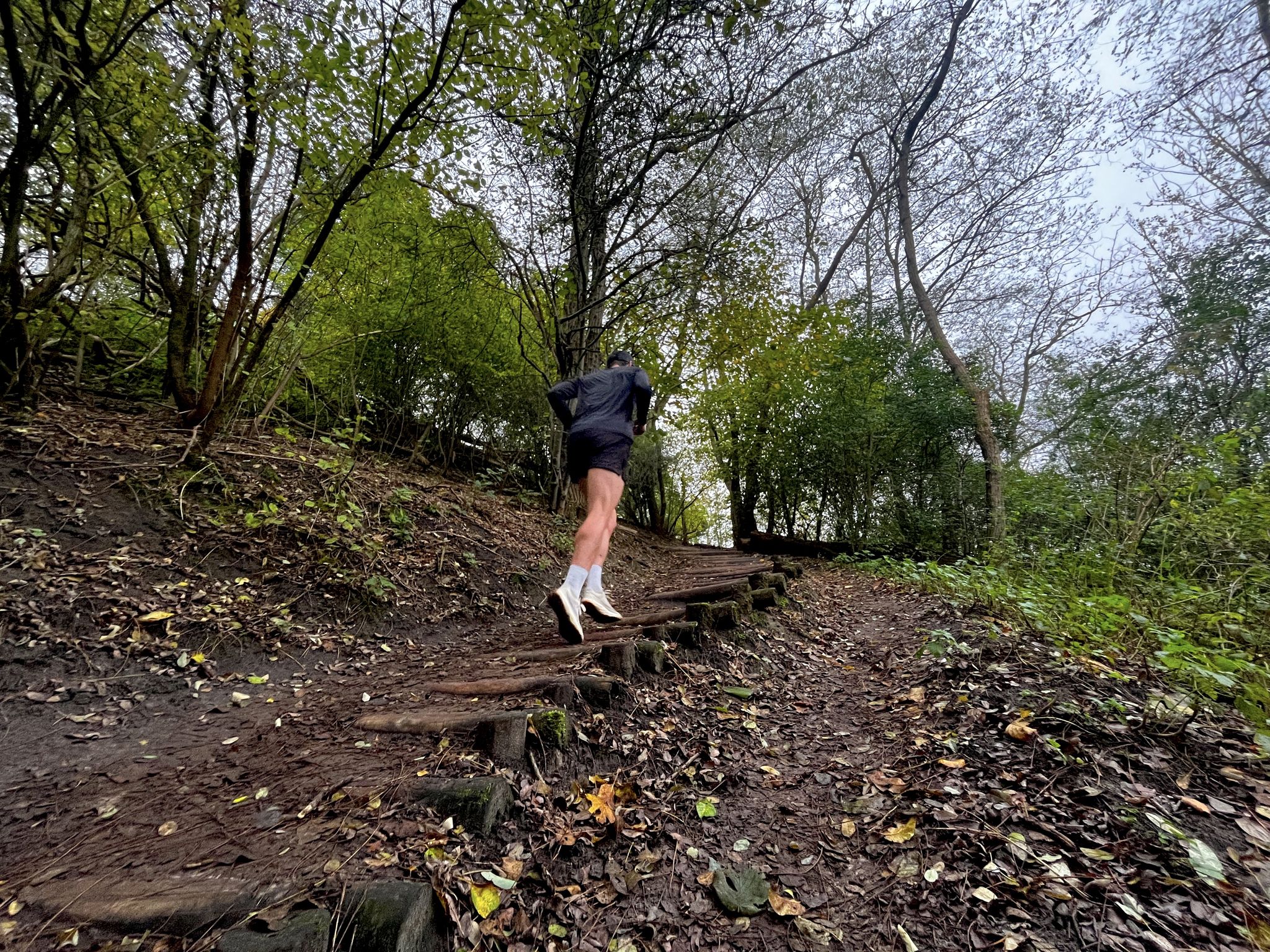
Between city and nature – running on the outskirts of Ghent
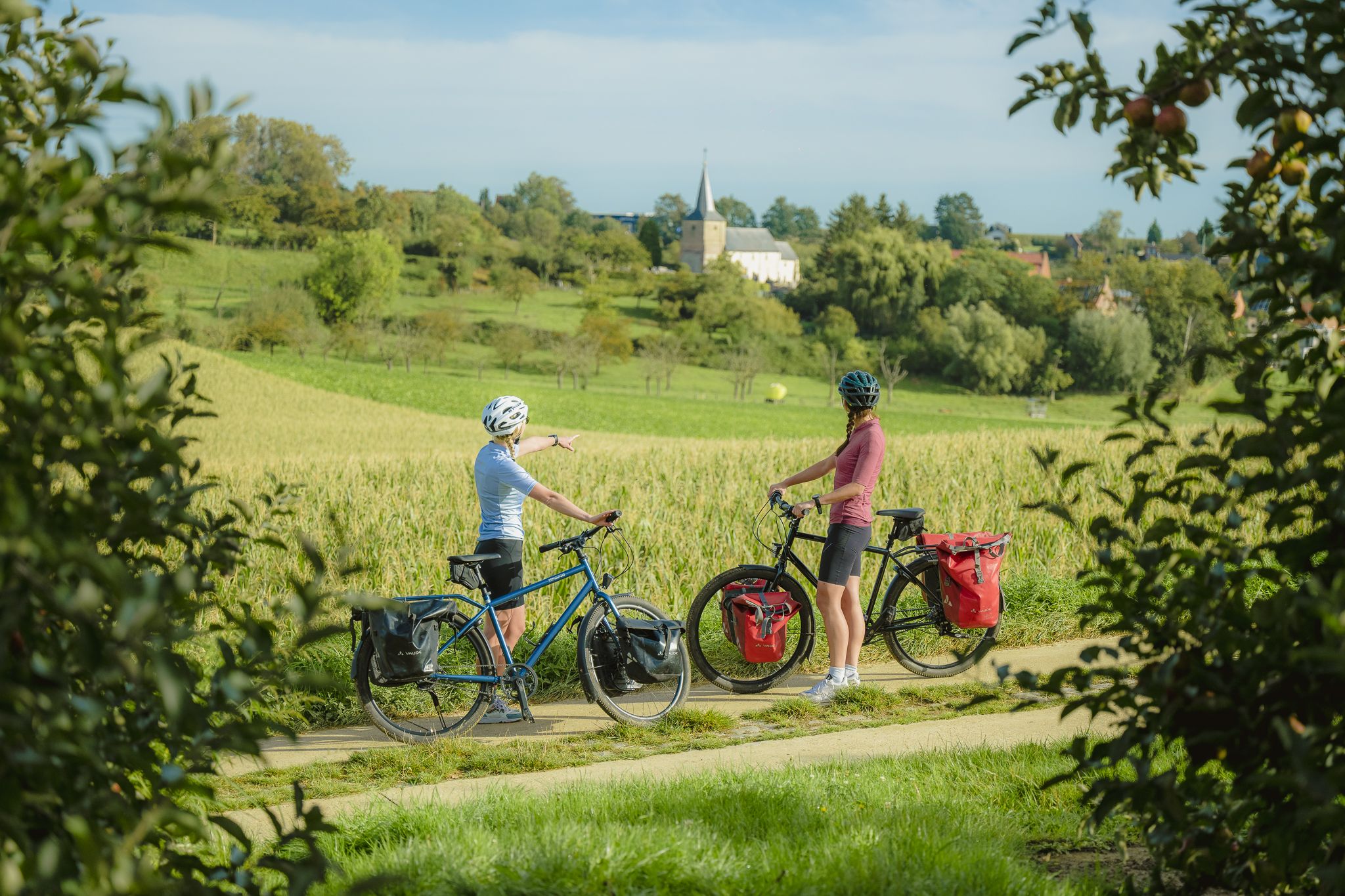
The best of Flanders — the Flanders Route
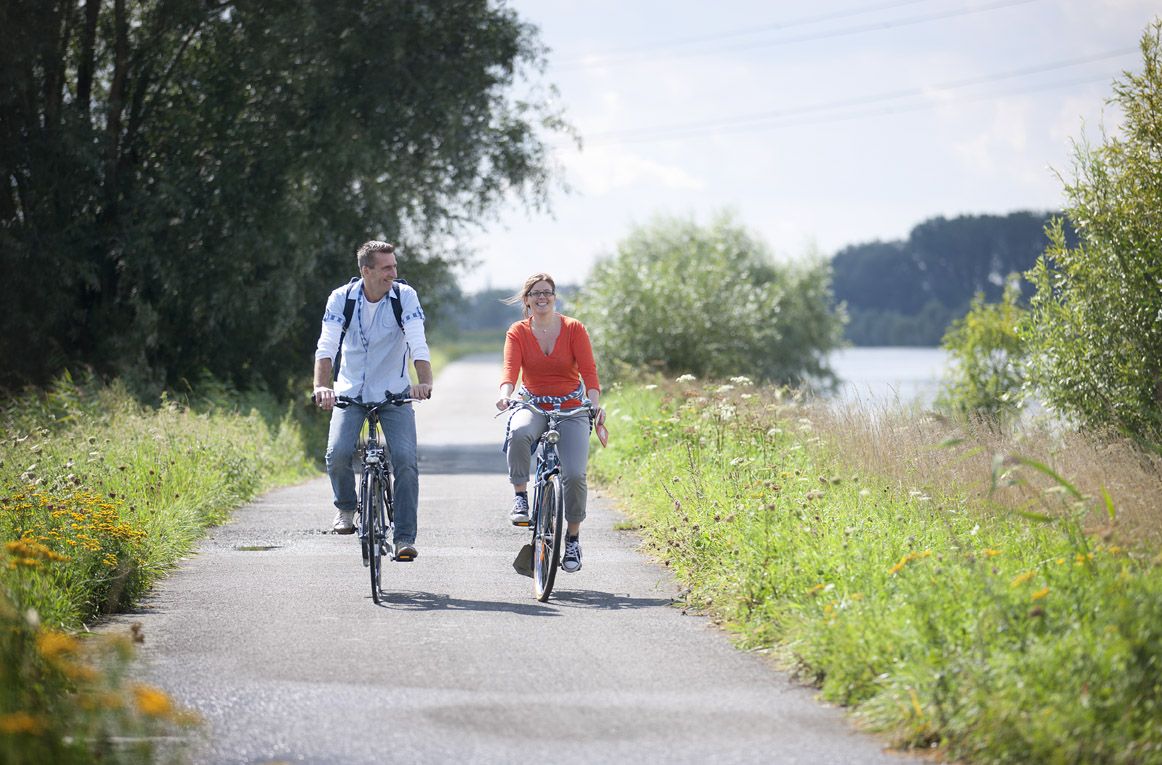
Flanders by bike: cycling along the water
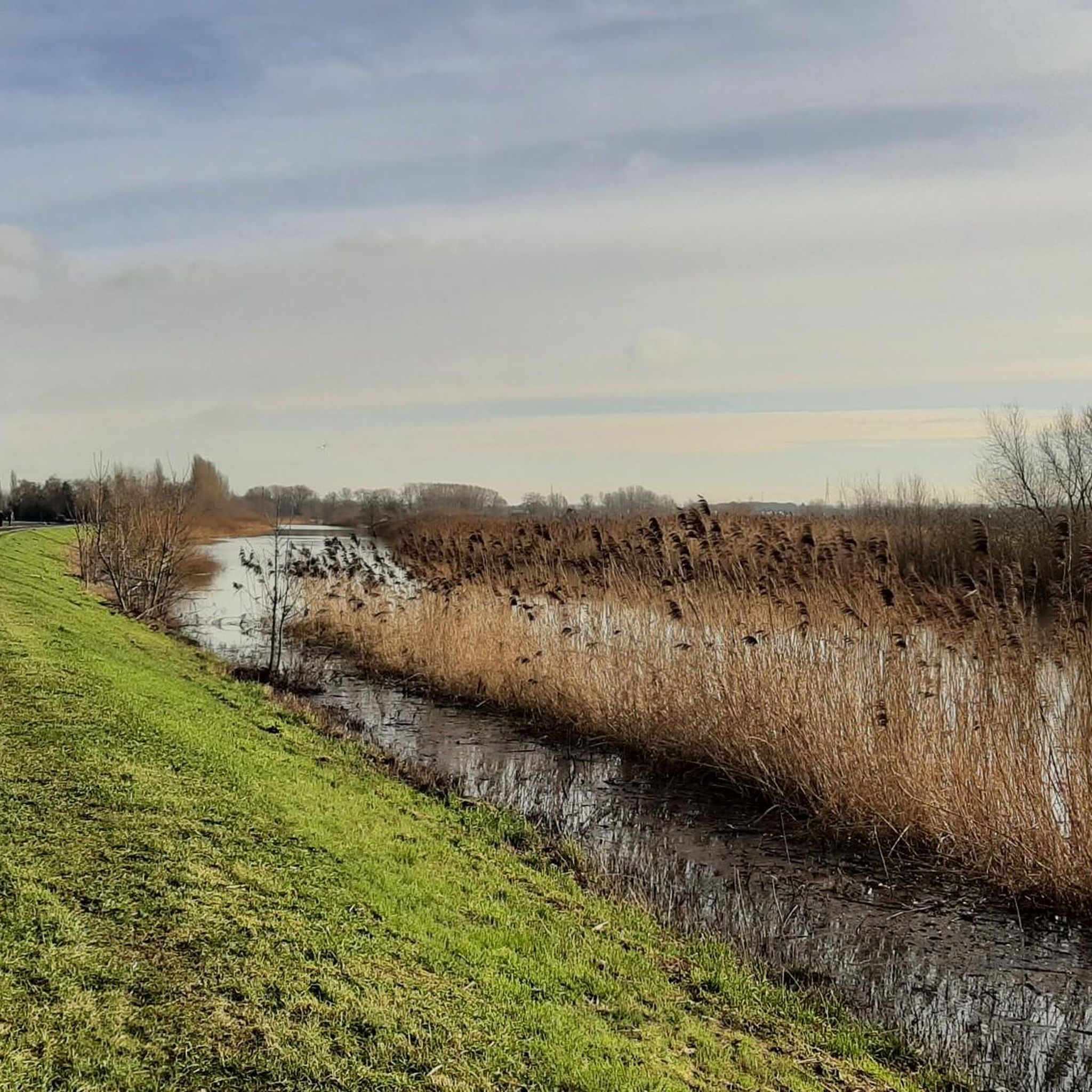
Running Trails around Ghent
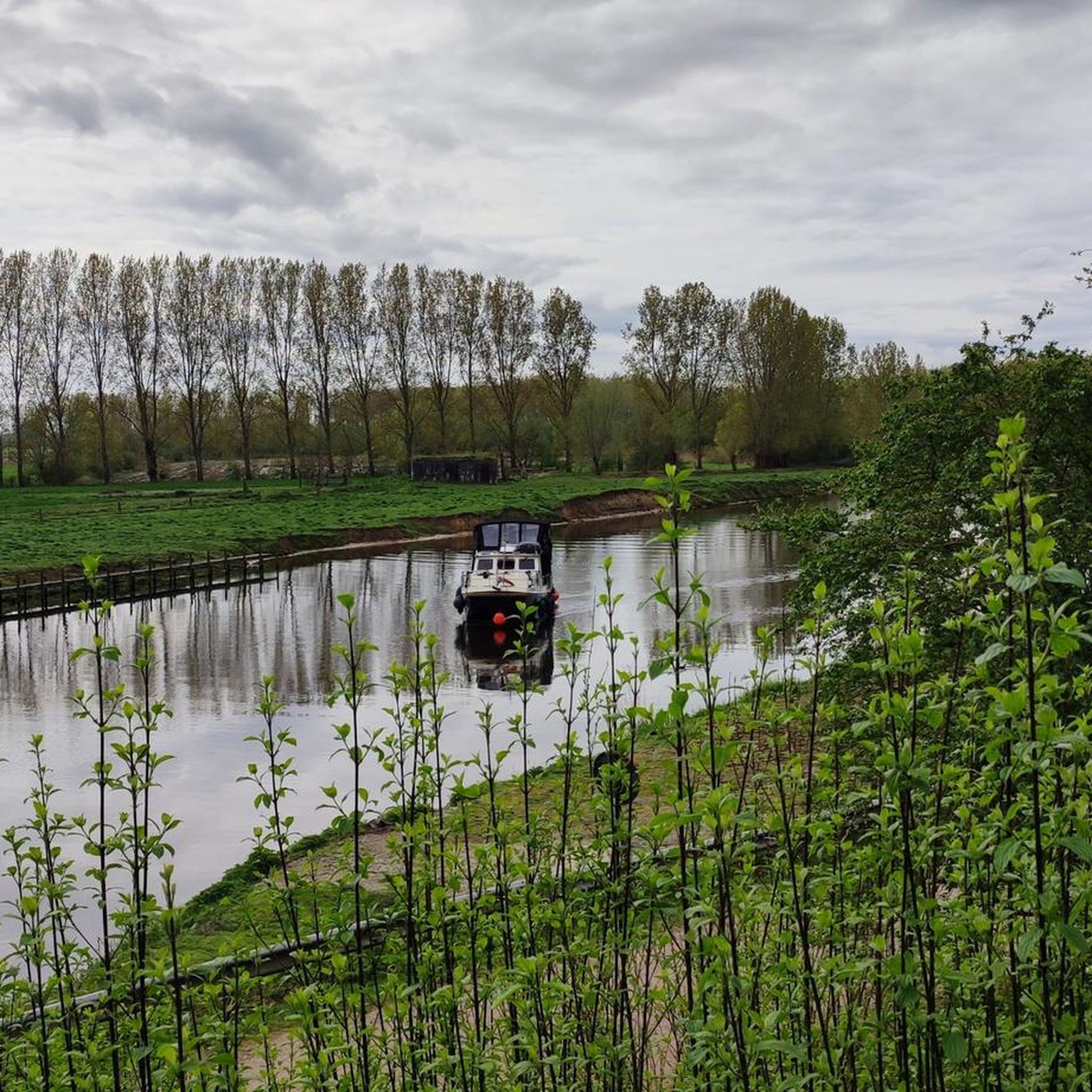
Cycling around Ghent
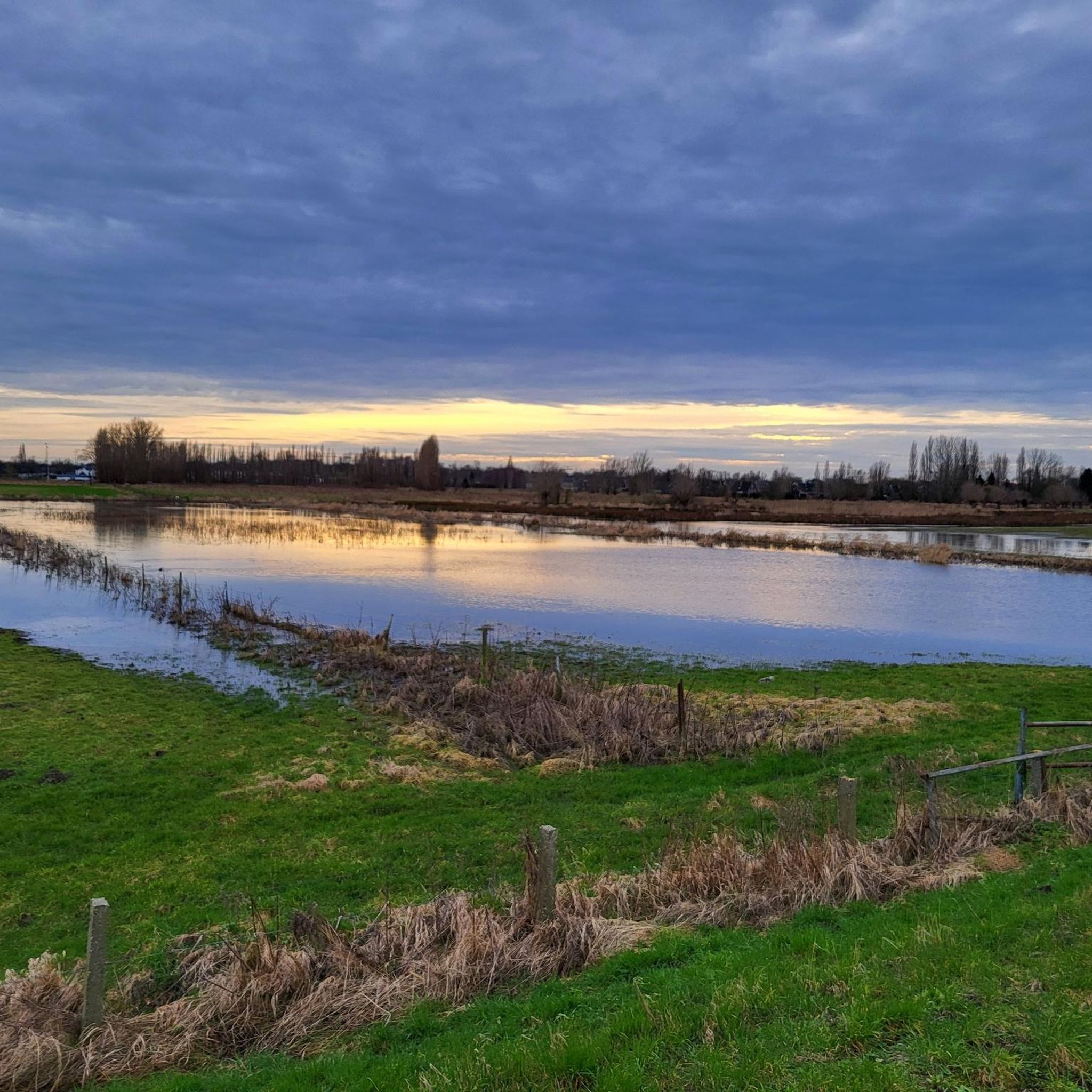
Road Cycling Routes around Ghent
Other adventures around Ghent


Tips from the Community

The Speicherhaus on the Graslei in Ghent dates from the late 12th century, making it one of the oldest examples of bourgeois Romanesque architecture in the Netherlands. It is built of Tournai limestone and was used as a grain staple until the mid-18th century. After falling into disrepair in the 19th century, it was restored in 1901-1902 and now houses a restaurant.
0
0

A hidden spectacle in Ghent's water When you walk or cycle along the atmospheric Portus Ganda marina, you pass the historic Sint-Joris lock. This lock regulates the water level between the Leie and the Schelde rivers and is a lovely spot to rest on a bench and watch boats. Did you know? Although almost the entire Ghent port operates digitally and computer-controlled nowadays, the Sint-Joris lock is one of the few places where you can still see a real, authentic lock keeper at work! The same lock keeper cycles back and forth every day between this lock and the nearby Scaldis lock to open the gates manually. If you time your walk well (around 10:00 AM, 2:00 PM, or 4:00 PM), you'll see how pleasure boats are 'maneuvered' through Ghent by hand!
1
0

This bird hide is located between the Boterput on the left and the Piereput on the right.
3
0

A Romanesque warehouse, also called "Spijker", served as a storage place for grain transported along the Leiehaven until 1734. Presumably initially owned by the Ghent patrician family Utenhove; since the end of the 13th century, it belonged to the Holy Spirit table of St. Nicholas' Church, which rented it out to grain merchants. From the 16th century onwards, it housed offices of the staple lords, who supervised the collection of the Ghent staple duty; from 1750 as a meeting place for the Pijnders or grain unloaders. The ground floor in the 19th century deteriorated into slum dwellings; burned down in 1896, but the facade was preserved. Restored in 1903 according to a design by architect August Van Assche. Currently, the municipal cleaning service continues to use it for storing containers. Slightly forward-leaning facade with seven bays and three storeys, as well as a gable roof (ridges perpendicular to the street, slate tiles), from the fourth quarter of the 12th century. A wide, stepped gable with six bays and an additional bay, topped with two battlements, built entirely of Tournai limestone. Source: https://inventaris.onroerenderfgoed.be/erfgoedobjecten/24758
3
0
The Korenstapelhuis or Spijker is a guild house in the Belgian city of Ghent on the Graslei. It is a building built in the Romanesque style from the late 12th century, making it one of the oldest examples of bourgeois Romanesque architecture in Belgium and the Netherlands. It is built of Tournai limestone. It served as a Spijker (grain storage) until 1734. After that, the building served as a meeting place for the Pijnders (grain unloaders). In the 19th century, the building fell into disrepair until it was restored in 1901–1902. Today it houses a hamburger restaurant. To the right of the Korenstapelhuis is the Mauthaus. The left side wall of the Tolhuisje is actually the outer wall of the Korenstapelhuis.
3
0
Between the Leie and Onderbergen lies the Pand, a former Dominican monastery. It is an impressive complex around a forecourt and the old cemetery. The former hospital (1201) came into the hands of the Dominicans, an order that preached in cities and won souls, hence their nickname 'Preachers'. The people of Ghent, however, did not like being enslaved and were tired of the sermons. This monastery thus became one of the first victims of iconoclasm. In the 16th century, Ghent's first theological university saw the light of day in this monastery. Later, in the 19th century, the building became a "tenement house": Almost every square meter was rented out to students, artists, and Ghent tribes. The nickname 'Flea Palace' also dates from this period. Source: https://visit.gent.be/nl/zien-doen/pand
2
0
The Royal Dutch Theatre Dutch: Koninklijke Nederlandse Schouwburg, is a theatre building in the Belgian city of Ghent. The theatre is located on the north side of Sint-Baafsplein, which was created in 1897 by the demolition of older buildings that blocked the view of St. Bavo's Cathedral. The theatre was built between 1897 and 1899 on the site of the former Regnessestraat. It was designed in an eclectic style with predominantly Renaissance elements by the architect Edmond De Vigne.
3
0
In the second half of the 9th century, Wijdenaard, the most important port on the Scheldt, was located here. "Natur" meant mooring place and "broad" referred to the importance of the place. Although some claim that this place name refers to Wijden or Groten Aard, more specifically to the Sint-Janskerkhof, which was formerly located here on the site of the Bisdomplein. The trade around this port led to considerable growth of the oldest medieval city center. In the following centuries, trade shifted to the Castrum on the Leie, where a second portus developed. Due to this development, Wijdenaard lost its importance and was given the name Wijngaard and the nearby bridge logically Wijngaardbrug. Previously, the wines delivered along the Scheldt were unloaded and sold there. Many wine sellers lived in the area. In 1526, the existing wooden bridge was replaced by a stone one. A second renovation took place in 1734 by master builder David 't Kindt. At that time, this bridge was barely 6 m wide. When the Lower Scheldt was filled in 1885, the Wijngaardbrug was rebuilt in metal across the entire width of the Reep, i.e. 22 m. New buildings in the course of the 19th and the first quarter of the 20th century with the construction of large complexes in various neo-styles. Dominated on the west by the neo-Gothic Bishop's Palace, on the south by monumental neoclassical buildings of the National Bank, and finally by the empire-colored buildings of the Provincial Government. The gas lamps on the bridge disappeared in 1954, when public lighting was introduced. When the Reep was filled in 1960, the bridge was demolished in nine days. The Scaldis lock (Scaldis = Scheldt), completed in 2012 at the Oude Beestenmarkt, allows the Upper Scheldt, coming from the Brabantdam, to flow into the newly excavated Lower Scheldt. Between the Bisdomplein and the Reep, the "Wijdenaardbrug" was built for this purpose, which was completed at the end of March 2007 and was then only accessible to cyclists and pedestrians. Source: https://gentdekuip.com/wijdenaardbrug/
2
0
Frequently Asked Questions
How many hiking trails are available around Ghent?
Ghent offers a wide variety of hiking opportunities, with over 770 routes available on komoot. These range from easy city strolls to more challenging paths through nature reserves and forests.
What is the overall difficulty level of hiking trails near Ghent?
The hiking trails around Ghent cater to various fitness levels. You'll find a significant number of easy routes, with over 560 trails classified as easy. There are also around 190 moderate trails and about 20 more difficult options for those seeking a greater challenge.
What do other hikers say about the trails around Ghent?
The komoot community highly rates the hiking experience around Ghent, with an average score of 4.2 stars from over 2,800 reviews. More than 25,000 hikers have explored the region using komoot, often praising the diverse landscapes, from serene wetlands to picturesque river paths.
Are there family-friendly hiking options in Ghent?
Yes, Ghent offers many family-friendly routes. Trails through urban green spaces like Citadel Park or the GR 128 Flanders Route: Ghent City Section are generally easy and suitable for families. The flat terrain of the Lys river region also provides pleasant walks for all ages.
Can I hike with my dog around Ghent?
Many trails around Ghent are dog-friendly, especially those in natural areas like the Bourgoyen-Ossemeersen Nature Reserve or the Drongengoedbos. Always keep your dog on a leash, especially in nature reserves to protect wildlife, and be mindful of local regulations.
Are there circular hiking routes available?
Yes, many of the hiking routes around Ghent are circular, allowing you to start and end at the same point. For example, the Afsnee Keuze Route is a popular circular trail through the Lys river region.
Where can I find trails with water features or wetlands?
Ghent is rich in water features. The Lys river region, particularly around Drongen and Afsnee, offers picturesque paths along canals and through natural floodplains. The Bourgoyen-Ossemeersen Nature Reserve is an extensive wetland area with trails winding through marshes and meadows, perfect for birdwatching.
Are there any forest hikes near Ghent?
While Flanders isn't known for vast forests, several notable wooded areas are accessible from Ghent. The Drongengoedbos, the largest wooded area in Flanders, offers marked trails. The Lembekse Bossen also provide a romantic setting with a mix of pine and oak trees, ideal for forest walks.
What kind of landmarks or attractions can I see while hiking?
Hiking around Ghent allows you to discover both natural beauty and historical landmarks. Along city sections, you might pass by architectural marvels like St. Michael's Bridge or the historic Graslei and Korenlei. Further afield, you can explore impressive structures such as Gravensteen Castle or Ooidonk Castle, often integrated into scenic routes.
What are some easy, short hikes in Ghent?
For an easy and relatively short hike, consider the GR 128 Flanders Route: Ghent City Section, which is about 6.3 km and takes under 2 hours. Many paths within Citadel Park or Gentbrugse Meersen also offer pleasant, easy strolls.
Is parking available at trailheads?
Parking availability varies by location. For urban trails, public parking garages or street parking may be an option. For nature reserves like Bourgoyen-Ossemeersen or forest areas like Drongengoedbos, dedicated parking lots are usually provided near the main entrances or visitor centers. It's advisable to check specific trail information for details.
How can I reach hiking trails using public transport?
Ghent has a well-developed public transport network. Many urban green spaces and even some nature reserves on the city's outskirts are accessible by bus or tram. For example, the Bourgoyen-Ossemeersen Nature Reserve is easily reachable from the city center. For more remote trails, a combination of public transport and a short walk might be necessary.
Are there places to eat or stay near the hiking trails?
Yes, Ghent's city center offers numerous cafes, restaurants, and accommodations. Near popular nature areas like the Lys river region or Drongengoedbos, you can often find charming local pubs or eateries. Some larger nature reserves may also have visitor centers with small cafes. Planning your route can help you identify suitable stops.
Most popular attractions around Ghent

Get inspired with the komoot mobile app


Explore more
Browse the best Hikes in other regions.
