The best road cycling routes around Kampenhout
4.3
(932)
37,991
riders
10
rides
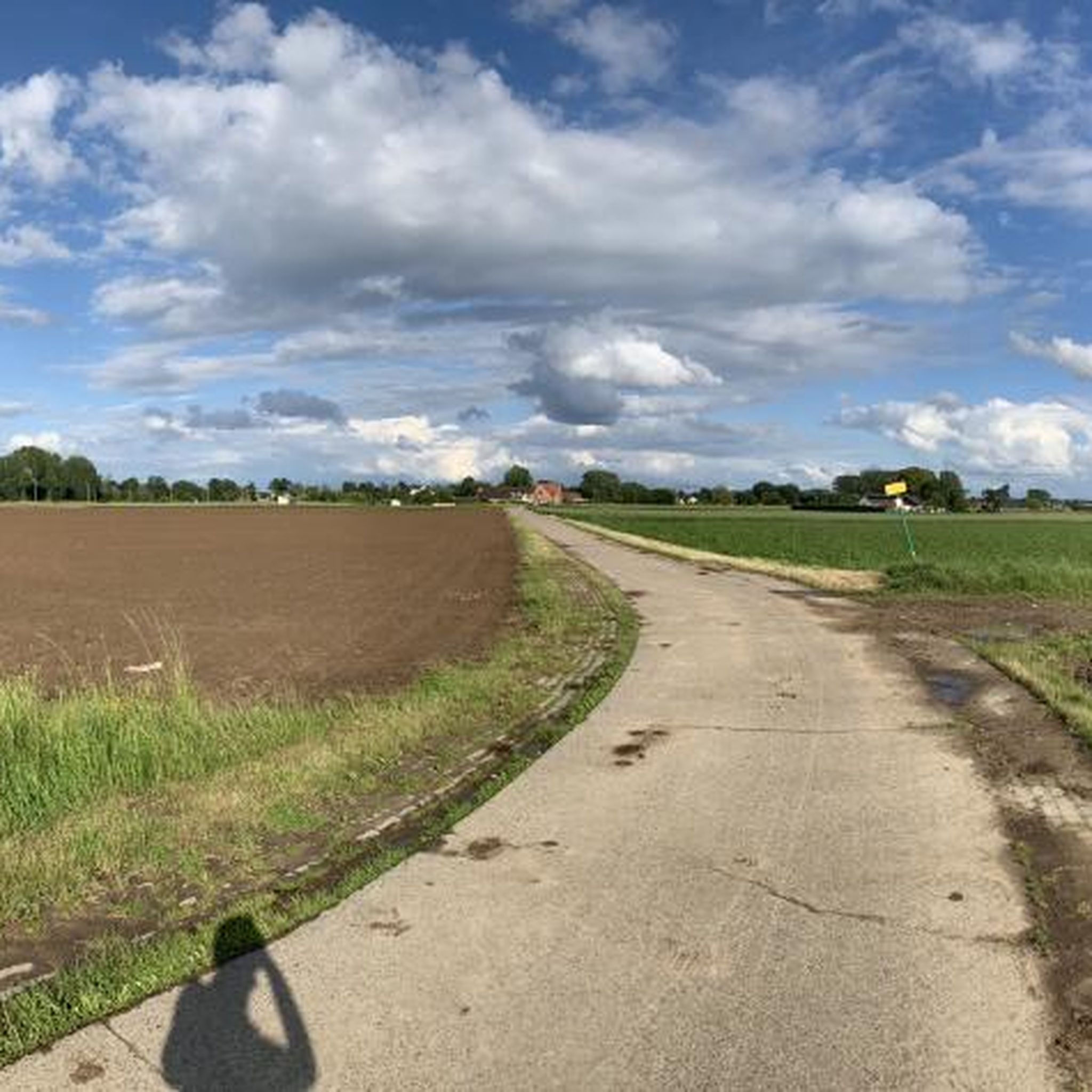
Road cycling around Kampenhout features gentle rolling hills and expansive agricultural fields, providing varied terrain for cyclists. The municipality, located in Flemish Brabant, Belgium, is characterized by its network of cycling routes that often follow the Dijle River and pass through several nature reserves. The landscape offers a mix of open views and green spaces, with minimal elevation changes.
Best road cycling routes around Kampenhout
- The most popular road cycling route is Pater Damiaan Bridge – Kampenhout Lock loop from…
Last updated: October 7, 2026
4.9
(8)
84
riders
38.5km
01:50
40m
40m
Moderate road ride. Great for any fitness level. Some segments of this route may be unpaved and difficult to ride.
64
riders
13.1km
00:35
30m
30m
Easy road ride. Great for any fitness level. Mostly well-paved surfaces and easy to ride.

1.0
(1)
12
riders
Easy road ride. Great for any fitness level. Mostly well-paved surfaces and easy to ride.
13
riders
Easy road ride. Great for any fitness level. Mostly well-paved surfaces and easy to ride.
4.0
(2)
57
riders
23.1km
00:58
20m
20m
Easy road ride. Great for any fitness level. Mostly well-paved surfaces and easy to ride.
Get access to more routes and recommendations from other explorers.
Already have an account?
Our route recommendations are based on thousands of hikes, rides, and runs completed by other people on komoot.
Start today with a free account
Your next adventure awaits.

Other adventures around Kampenhout

Tips from the Community

The fish that swam out of De Vaart...
6
0
Along the canal to Mechelen or Leuven...
6
0
Der zijn zo van die rustige fietsplaatsjes...
7
0
Along the Vaart to Mechelen or Leuven...
5
0
Small pleasure boats are waiting to set sail...
6
0
With speed along De Vaart...
5
0
Frequently Asked Questions
How many road cycling routes are available in Kampenhout?
Kampenhout offers a wide selection of road cycling routes. The komoot community has mapped over 130 routes in the region, with 10 specifically highlighted in this guide, catering to various fitness levels.
What is the typical terrain like for road cycling in Kampenhout?
The terrain in Kampenhout is characterized by gentle rolling hills and expansive agricultural fields, providing varied and scenic backdrops for cycling. Many routes feature well-paved surfaces, though some segments may be unpaved. Elevation changes are generally minimal, making it accessible for many cyclists.
Are there easy road cycling routes suitable for beginners in Kampenhout?
Yes, Kampenhout has several easy road cycling routes perfect for beginners. For example, the Witloof Museum – SOB Farm Green Valley loop from Kampenhout is an easy 8.1-mile (13.1 km) path that passes by the Witloof Museum and through the Green Valley area.
What natural features can I expect to see while cycling in Kampenhout?
You'll encounter diverse natural features, including the scenic Dijle River and its surrounding areas, with paths running alongside like the Leuven-Dijle Canal. The region is also known for its open agricultural fields and several nature reserves such as Torfbroek, Floordambos, and Silsombos, offering rich plant life and wildlife.
Are there any historical landmarks or points of interest along the cycling routes?
Yes, several routes pass by interesting landmarks. The Pater Damiaan Bridge – Kampenhout Lock loop from Berg features the Pater Damiaan Bridge over the Dijle River. You can also explore nearby castles like Ter Heyden Keep or Het Steen or the Rubens Castle, which are accessible from various routes.
When is the best time of year for road cycling in Kampenhout?
The most popular months for cycling in Kampenhout are April and May, when the weather is generally mild and the natural landscapes are vibrant. The region's gentle terrain makes it enjoyable throughout the spring, summer, and early autumn.
Can I find circular road cycling routes in Kampenhout?
Yes, many of the road cycling routes in Kampenhout are designed as loops, allowing you to start and end at the same point. Examples include the F3 Cycle Path Near Kronenberg – Cycling Route Through Open Fields loop from Kampenhout and the Ijsbroers Ice Cream Shop – Kampenhout Lock loop from Kampenhout.
What do other cyclists say about road cycling in Kampenhout?
The road cycling routes in Kampenhout are highly rated by the komoot community, with an average score of 4.3 stars from over 600 reviews. Cyclists often praise the varied terrain, the picturesque agricultural fields, and the peaceful paths alongside the Dijle River.
Where can I park my car when going road cycling in Kampenhout?
Kampenhout offers various parking options, especially near popular starting points for cycling routes. Many routes begin in or near the town center or at specific points like the Witloof Museum, where parking facilities are typically available. It's advisable to check local signage for specific parking regulations.
Is Kampenhout accessible by public transport for cyclists?
Yes, Kampenhout is accessible by public transport. The region has connections that can accommodate cyclists, allowing you to reach starting points for routes without a car. For detailed information on public transport options, including train and bus schedules, you can consult local transport providers.
Are there places to eat or drink along the road cycling routes?
Yes, you'll find cafes and pubs in Kampenhout and surrounding villages, often conveniently located near cycling routes. For instance, Brouwerij Campenhout offers a chance to sample local beers and enjoy food, and there are various other establishments to refuel during your ride.
Are there any specific routes that offer scenic viewpoints?
Many routes in Kampenhout offer scenic views, particularly those that traverse the open agricultural fields or run alongside the Dijle River. The F3 Cycle Path near Kronenberg, for example, provides easy road cycling through expansive open fields, offering wide, picturesque vistas of the Flemish Brabant landscape.
What are some unique local attractions near the cycling routes?
Beyond the natural beauty, Kampenhout is home to the Witloof Museum, celebrating the region's 'white gold' (Belgian endive). Kampenhout-Sas features a small marina with towpaths perfect for cycling. For more local insights, you can visit Visit Vlaams-Brabant.
Most popular routes around Kampenhout
Most popular attractions around Kampenhout

Get inspired with the komoot mobile app


Explore more
Browse the best Road cycling routes in other regions.
