Attractions and Places To See around Roosdaal - Top 20
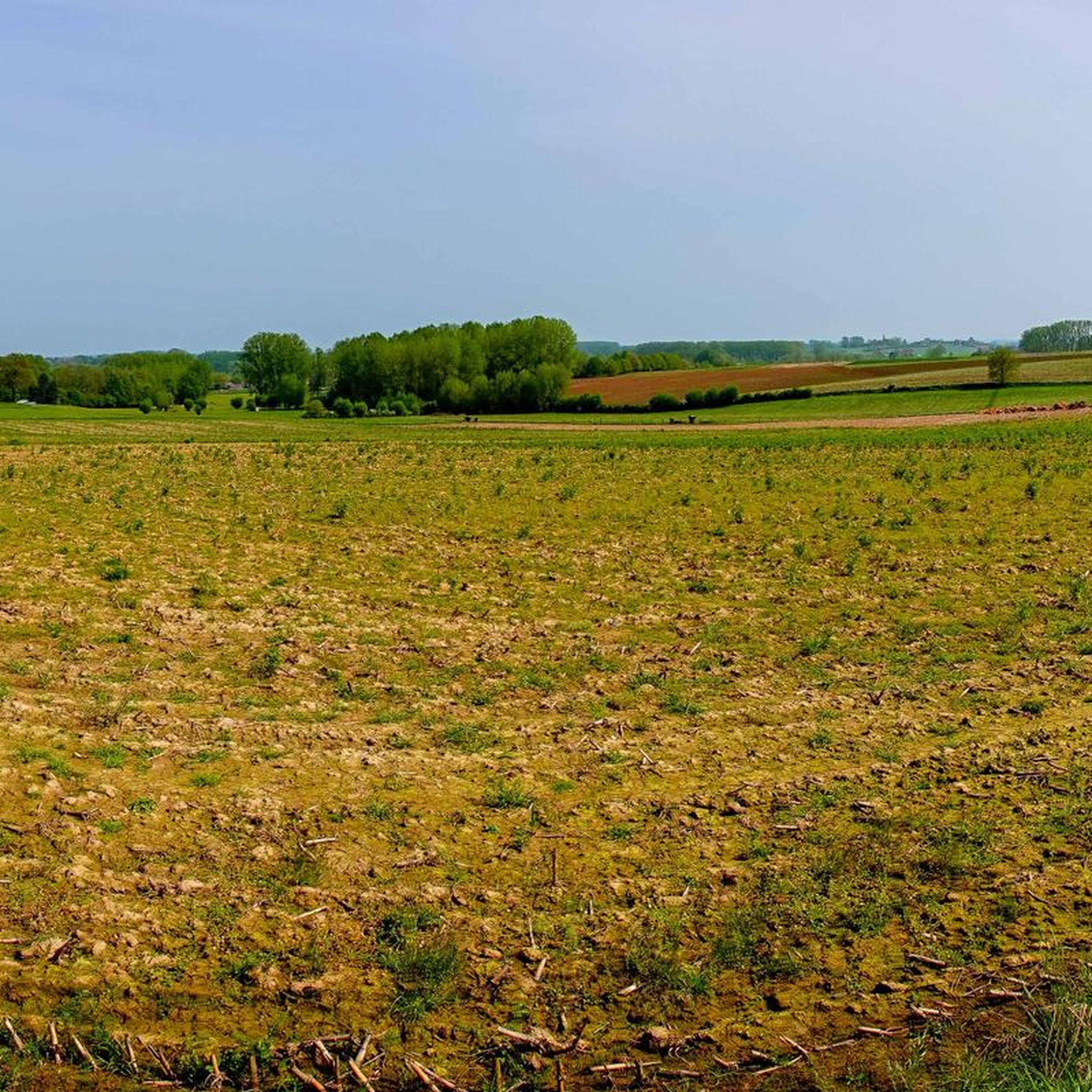
Best attractions and places to see around Roosdaal, a municipality in Flemish Brabant, Belgium, offers a tranquil escape in the Pajottenland region. This area is characterized by gently sloping landscapes, making it suitable for outdoor activities. Visitors can explore a variety of natural features and cultural sites. The region provides opportunities to experience local history and scenic environments.
Best attractions and places to see around Roosdaal
- The most popular attractions is Hollow Way in Neigembos, a trail that features…
Last updated: August 17, 2026
Hollow Way in Neigembos
Highlight • Trail
Translated by Google •
Tip by

Kravaalbos Forest
Highlight • Forest
Translated by Google •
Tip by

Sign up now to discover places like this
Get recommendations on the best single tracks, peaks, & plenty of other exciting outdoor places.
Sign up for free
Highest point of Neigembos
Highlight • Summit
Translated by Google •
Tip by
Raspaille Forest
Highlight • Forest
Translated by Google •
Tip by
Ship Haulers Bridge, Denderleeuw
Highlight • Bridge
Translated by Google •
Tip by

Sign up for free to discover even more attractions around Roosdaal.
Sign up for free
Already have an account?
Start today with a free account
Your next adventure awaits.
Login or Signup
Tips from the Community

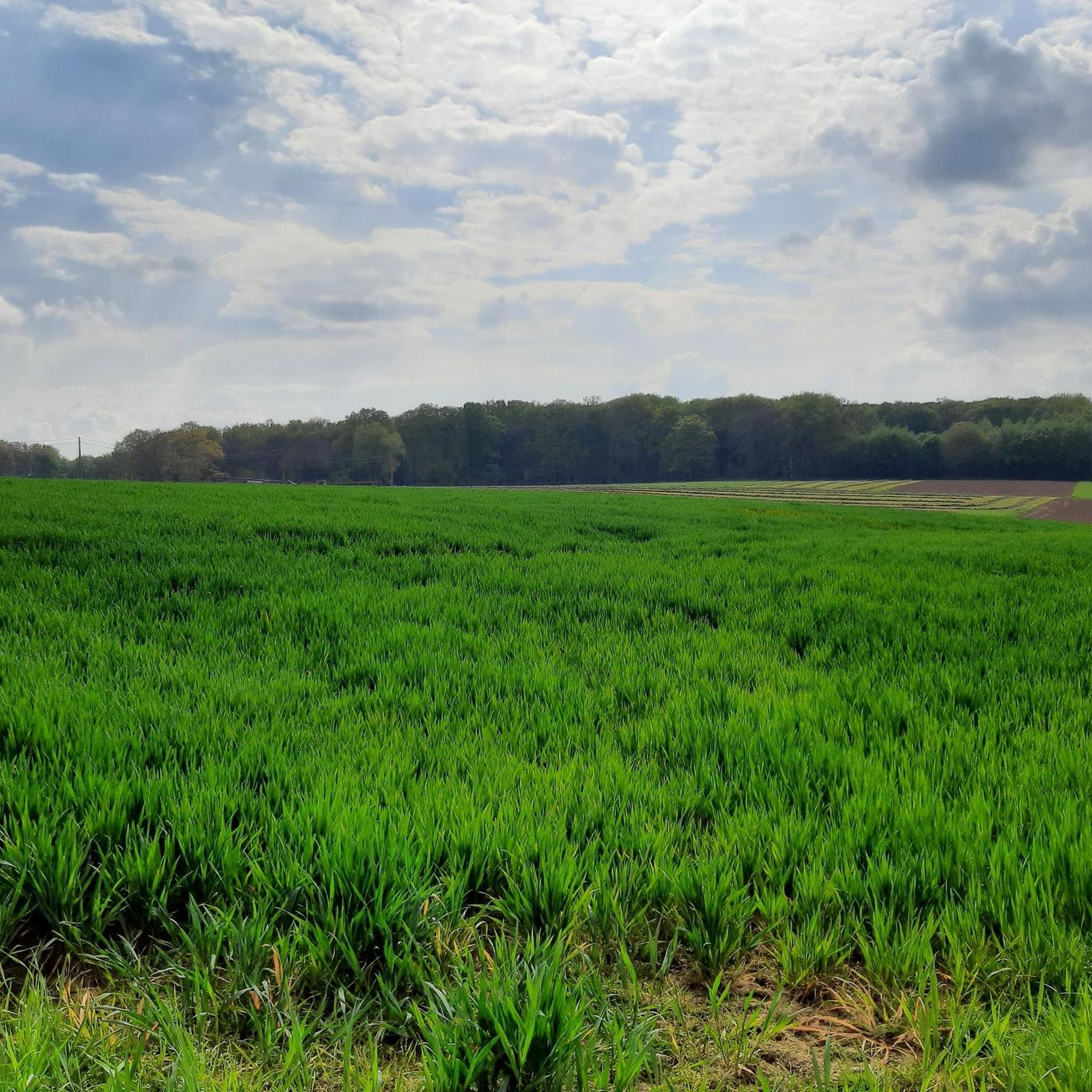
Hollow ways are typical small landscape elements in hilly areas with a loess subsoil. Most hollow ways presumably originated in the Middle Ages. Centuries of use of the same path, on foot or by horse and cart, led to a natural erosion process. Hollow ways therefore carry a piece of history with them and are thus part of our cultural heritage. (Information board on site)
8
0
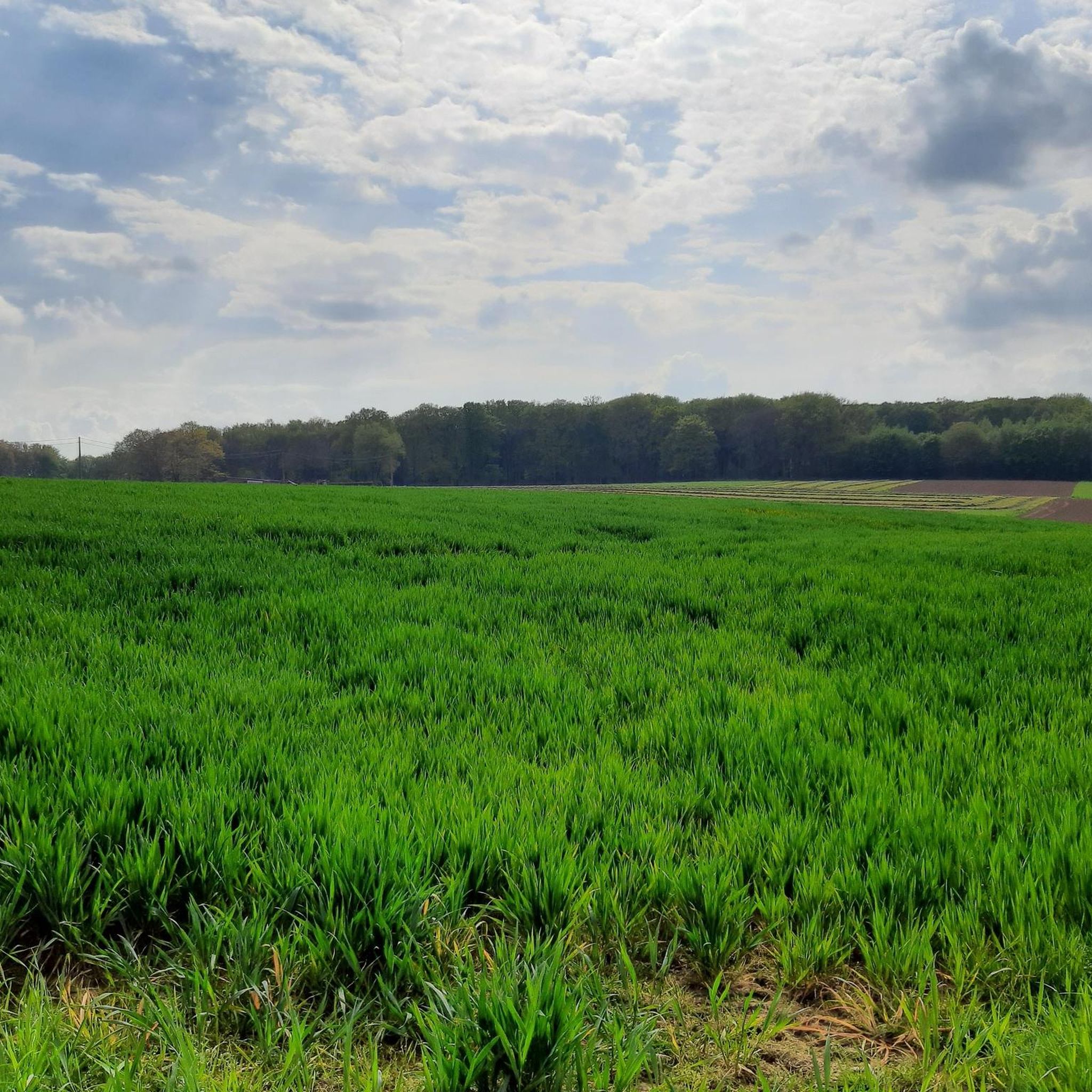
In the Neigembos, nature is allowed to evolve almost spontaneously. The trees can grow old and there is a lot of dead wood. Due to the danger of falling branches, it is important to stay on the paths. There is a rich plant growth: on the more acidic soils you will find mainly bracken, lily of the valley and woodruff. On the more loamy soils, you can enjoy wild hyacinth, wood anemone, wild garlic and yellow dead-nettle in the spring. The western part of the forest reserve, also known as the Vriezenbos, consists of, among other things, a spring forest with typical species such as black alder, common ash, marsh marigold, giant horsetail, bitter cress and the two species of lesser celandine. Enjoy the natural beauty with the help of the three mapped-out walks: the Dikke Beukenwandeling, the Bevingenwandeling and the Groebenwandeling. (Agentschap Natuur en Bos)
9
0
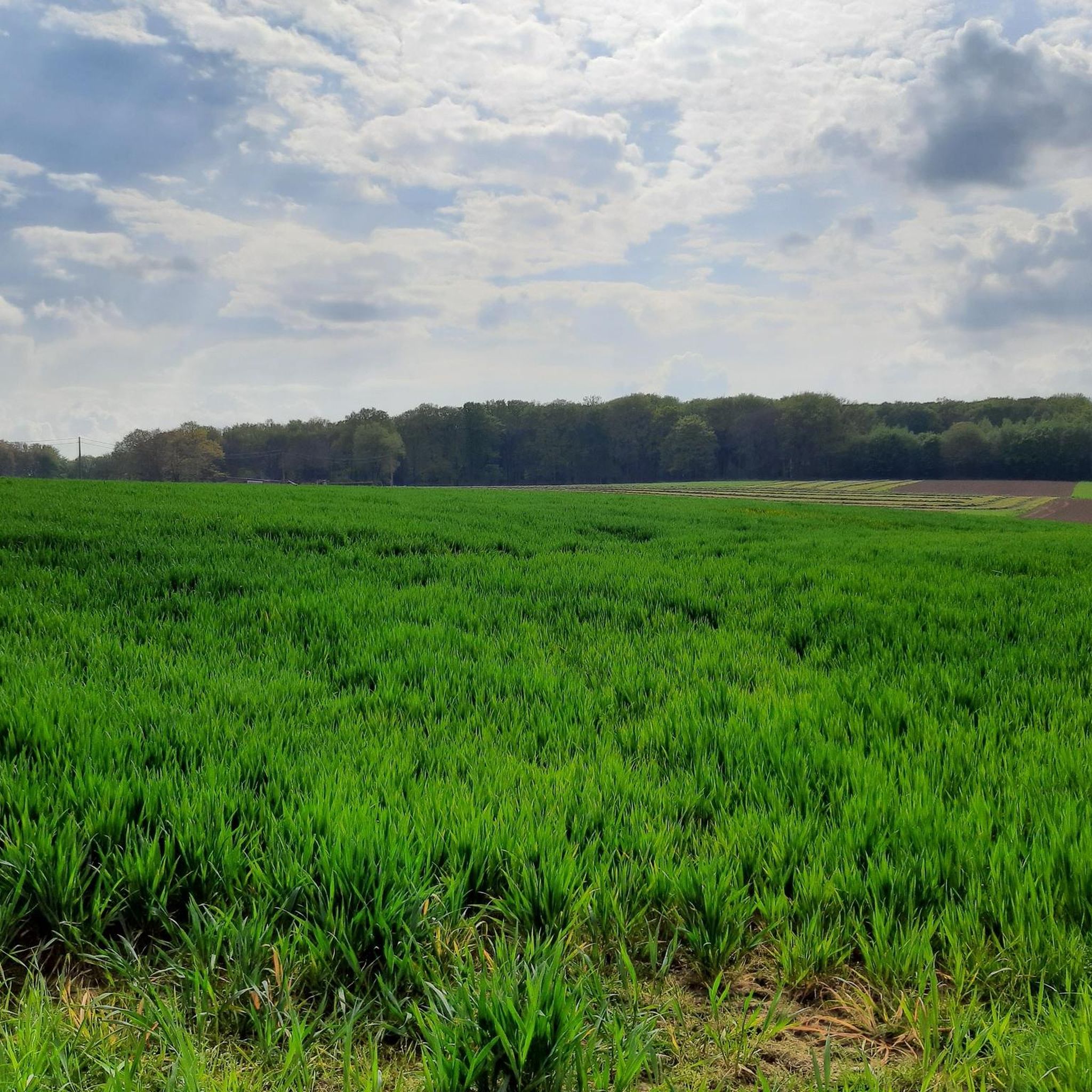
The Raspaillebos has five marked walks: Natural Gas Walk (7.7 km), Farmland Landscape (4 km), Raspaillebos Walk (3.7 km), Window on the Landscape (2.5 km), and Bosberg Walk (2 km). (Agency for Nature & Forests)
8
0

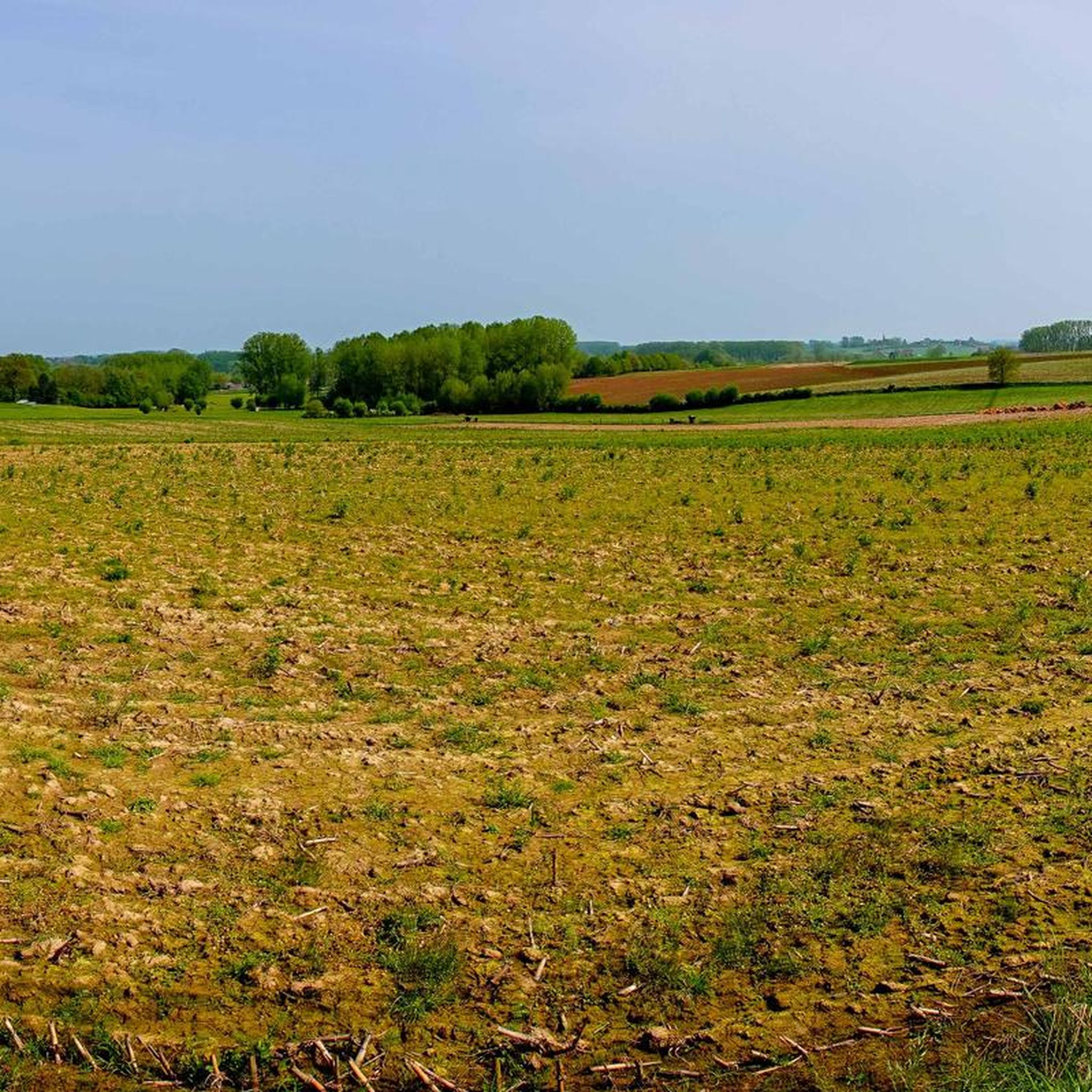
beautiful views, easy country roads, extension possible in the Kravaal forest
3
1
Beautiful, quiet forest. Some very muddy passages due to the persistent rain of the last months.
4
0

Many paths take you through the forest, especially the paths to them are a wonderful experience...
9
1

Varied forest, beautiful paths that can sometimes be muddy. Furthermore, the forest feels rather wild, fallen trees are only removed on narrower paths if the passage is too much hindered. Much attention is also paid to ensuring that the permanent forest inhabitants can do their thing as undisturbed as possible.
6
0
The krasjel pole was placed in March 2022 on the top of the Nellekensberg in the Neigembos. Its creator is Jeroen Van Assche, the designers Joris Bellemans and son Pieter.
16
0
Frequently Asked Questions
What natural attractions can I explore in Roosdaal?
Roosdaal offers several natural highlights. You can visit the Hollow Way in Neigembos, known for its veteran beech trees and unique microclimate. The Kravaalbos Forest is a protected nature reserve, a remnant of the ancient Coal Forest, featuring beautiful paths and seasonal flowers. Additionally, the Berchembos is characterized by spring streams and carpets of wood anemones and hyacinths.
Are there historical sites or cultural landmarks to visit in Roosdaal?
Yes, Roosdaal has several historical and cultural landmarks. The historic Zepposmolen (Hertboom Windmill) in Onze-Lieve-Vrouw-Lombeek has a museum detailing its history. You can also visit the Onze-Lieve-Vrouwkerk, which houses a baroque organ and a Marian altarpiece from the 16th century, or the Sint-Martinuskerk in Strijtem, known for its stained-glass windows and hidden devils. The oldest Lourdes Grotto in Flanders is also located at the edge of the Hulsbroekbos.
What outdoor activities are available around Roosdaal?
The Pajottenland region, where Roosdaal is situated, is ideal for outdoor enthusiasts. You can enjoy hiking, cycling, and mountain biking. There are numerous routes to explore the gently sloping landscapes. For specific routes, you can check out guides like Running Trails around Roosdaal, Cycling around Roosdaal, and MTB Trails around Roosdaal.
Are there any family-friendly attractions in Roosdaal?
The region offers several family-friendly options, especially for outdoor activities. The Raspaille Forest is a great place for walks with children. The statue of "De Dikke van Pamel" is located near a playground and serves as the starting point for an 8.4 km walking route, which can be a fun family outing.
What are some popular hiking trails near Roosdaal?
Popular hiking options include the 8.4 km "Dikke van Pamelwandeling" starting from the statue of De Dikke van Pamel. The Neigembos also offers three mapped walks: the Dikke Beuken Walk, the Bevingen Walk, and the Groeben Walk. For more detailed routes, explore the Running Trails around Roosdaal guide, which includes routes like the "Highest point of Neigembos – Hollow Way in Neigembos loop".
Can I go cycling around Roosdaal?
Absolutely. Roosdaal is part of a renewed cycling network by Toerisme Oost-Vlaanderen, offering 3,400 kilometers of routes. You can explore the area's natural beauty and local producers by bike. The Cycling around Roosdaal guide provides various routes, including the "Ship Haulers Bridge, Denderleeuw – Dender Riverside Trail loop".
Is Roosdaal suitable for mountain biking?
Yes, Roosdaal and the surrounding Pajottenland region offer terrain suitable for mountain biking, with rolling hills and varied landscapes. You can find several routes in the MTB Trails around Roosdaal guide, such as the "Kluisberg Climb (13%) – Panoramic View of Ninove loop".
What is the best time of year to visit Roosdaal for outdoor activities?
The Pajottenland region is beautiful year-round, but spring is particularly enchanting when forests like the Berchembos and Neigembos are carpeted with wood anemones and hyacinths. Autumn also offers vibrant colors and scents in forests like Kravaalbos. Generally, spring and early autumn provide pleasant temperatures for hiking and cycling.
Are there any accessible attractions in Roosdaal?
The Ship Haulers Bridge in Denderleeuw is listed as wheelchair accessible. While many natural trails may have varied terrain, this bridge provides an accessible point of interest over the Dender river.
What is the significance of the "Hollow Way in Neigembos"?
The Hollow Way in Neigembos is a historical natural feature. It's home to over one-hundred-year-old veteran beech trees that survived extensive logging during World War I. These trees grow on the slopes of sunken roads, which are paths deepened over centuries by erosion. Visitors are advised to admire them from a distance to protect the delicate soil.
What is the Kravaalbos Forest known for?
The Kravaalbos Forest is an approximately 80-hectare protected nature reserve, a remnant of the ancient Coal Forest mentioned by Julius Caesar. It was historically known for its quarries and charcoal production. Today, it's appreciated for its natural beauty, especially in autumn for its colors and scents, and in spring for its purple bluebells.
What is the "Dikke van Pamel" and where can I find it?
The "De Dikke van Pamel" is a folk figure commemorated by a statue in Roosdaal. This statue is located near a playground and serves as the starting point for an 8.4 km walking route, making it a notable cultural and recreational spot.
Are there any unique viewpoints in Roosdaal?
Yes, the Highest point of Neigembos, also known as Nellekensberg, offers views within the Neigembos. It's marked by a "krasjel pole" and provides a perspective over the forest's varied terrain, which features height differences from 20 to 90 meters above sea level.
Most popular routes around Roosdaal
Most popular attractions around Roosdaal

Get inspired with the komoot mobile app


Explore more
Still not found the Highlight you’re looking for? See guides of the top attractions in other regions:
