The best road cycling routes around Zandhoven
4.3
(21)
966
riders
38
rides
Road cycling around Zandhoven offers a network of well-maintained routes across varied landscapes. The region is characterized by largely flat terrain, with moderate elevation changes that make it accessible for many cyclists. Waterways like the Albertkanaal and Kleine Nete provide scenic riverside paths, complemented by nature reserves such as Lovenhoek and Het Zwart Water. The cycling paths are generally well-paved, with specialized "racer routes" designed to optimize the cycling experience outside urban areas.
Best road cycling routes around Zandhoven
- The…
Last updated: October 13, 2026
4.4
(5)
273
riders
Moderate road ride. Great for any fitness level. Some segments of this route may be unpaved and difficult to ride.
4.3
(4)
93
riders
42.9km
01:58
60m
60m
Moderate road ride. Great for any fitness level. Some segments of this route may be unpaved and difficult to ride.

38
riders
74.5km
03:29
100m
100m
Moderate road ride. Good fitness required. Some segments of this route may be unpaved and difficult to ride.
4.5
(2)
49
riders
42.4km
02:02
60m
60m
Moderate road ride. Good fitness required. Some segments of this route may be unpaved and difficult to ride.
38
riders
Moderate road ride. Good fitness required. Some segments of this route may be unpaved and difficult to ride.
Get access to more routes and recommendations from other explorers.
Already have an account?
Our route recommendations are based on thousands of hikes, rides, and runs completed by other people on komoot.
Start today with a free account
Your next adventure awaits.

Tips from the Community

History The chapel was erected in 1626. At that time, the region was plagued by a pest epidemic. Legend has it that about 60 inhabitants of Oostmalle fled the village with the disease to the heath at Zalfen. Adriaan Mattheeusen, an inhabitant of Zalfen, who lost some of his children to the epidemic, was obliged to bury them in the heath and erected a chapel in their memory. Soon, the chapel served for funeral services, and the dead were buried in the adjacent cemetery. The chapel soon became an attraction for pilgrims. For this reason, it was enlarged in 1726 to its current appearance (see upper part in the side gable dated by means of sintered stone). The chapel is depicted on Ferraris' cabinet map (1770-1778) on a triangular plot of heath. A loop of tall trees surrounds the chapel. On Vandermaelen's map (1846-1854), the chapel is located south of the Salphen road, amidst a triangular forest plot. Description The Sint-Antonius chapel of Salphen is located south of the Salphen road, an old avenue of predominantly tall English oaks (Quercus robur), and is surrounded by tall trees (mainly Scots pine, Pinus sylvestris). It is an oriented brick chapel with a three-sided closed west facade and a lower rectangular choir under slate gable roofs (ridge parallel to the street) with a bell tower. On the east side, there are two tuit-gables on shoulder pieces with crenellations. On the north side, there are rectangular windows and a basket-arch door and a basket-arch door. The plastered and painted interior has a wooden frame with a tie beam. The furniture includes an altar from the 19th century and a painted wooden statue of Saint Anthony Abbot (late 15th or early 16th century).
0
0

Cozy and bike-friendly local pub! The perfect stop to rest your legs! Café De Molekens in Herentals is an authentic brown pub that is fully geared towards cyclists. As the official base of the local cycling club WTC De Molekens, there is always a cozy atmosphere here. There is a handy bicycle fence so your bike is safe while you enjoy a fresh Stella or a cool drink on the sunny terrace. A hospitable and atmospheric cycling café in the Kempen!
1
0

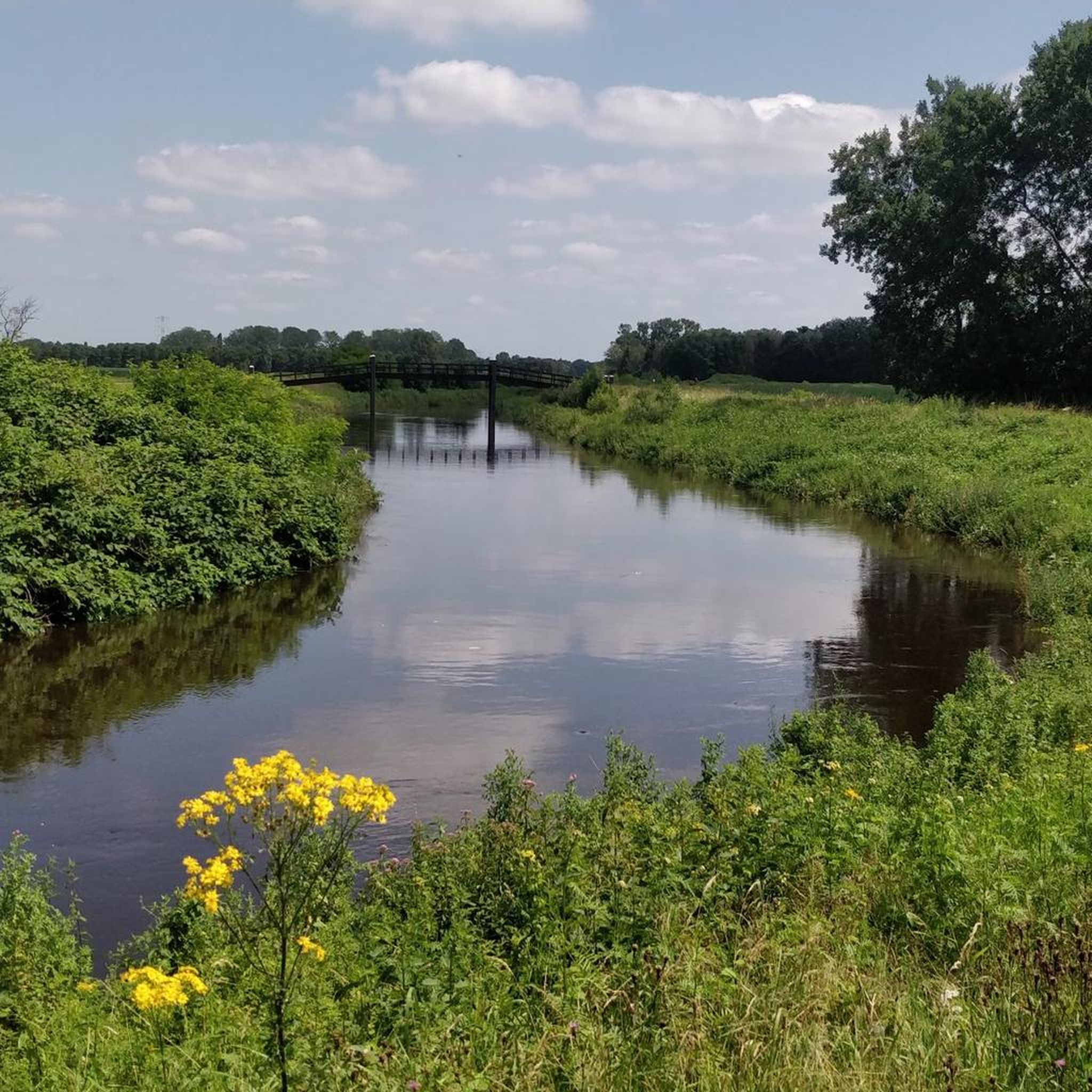
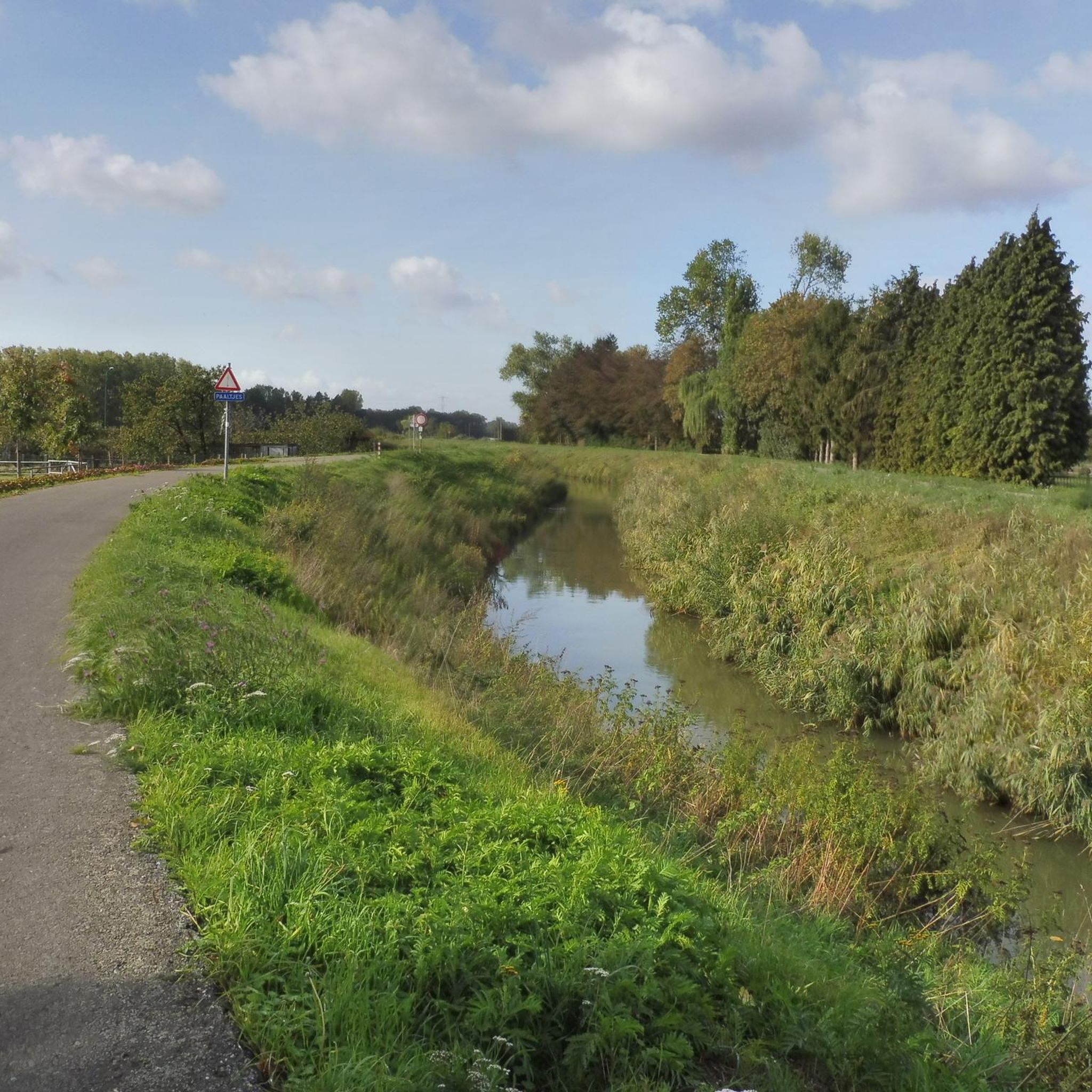
Asphalt through greener nature...
4
0
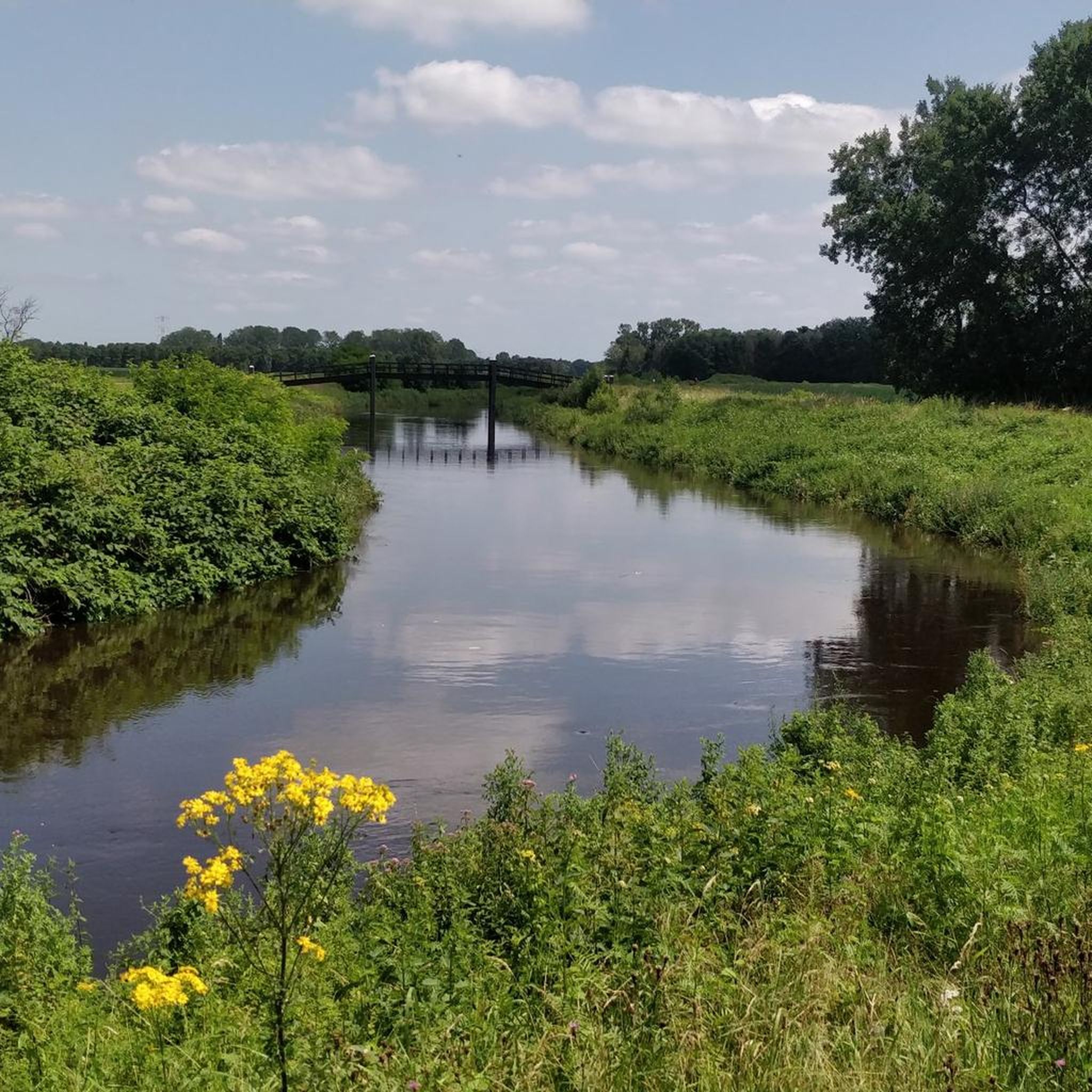
Beautiful view of the wildlife...
3
0

The Hofmolen or Kasteelmolen is a watermill in the village of Viersel, part of the Zandhoven municipality in Antwerp, located at Herentalsebaan 203. As early as 1210, there was a watermill at this location. It was owned by the Abbey of Tongerlo. During the religious wars of the late 16th century, the mill fell into disuse and disrepair. From 1630-1638, work was carried out on a new mill commissioned by the Van de Werve family, residents of Kasteel Hovorst, and in 1662 the mill was rebuilt in stone. In 1882-1886, the mill was rebuilt again and the current buildings are almost entirely from that period. In 1963, the milling operations ceased. In 2013, a fish ladder was built next to the mill.
0
0

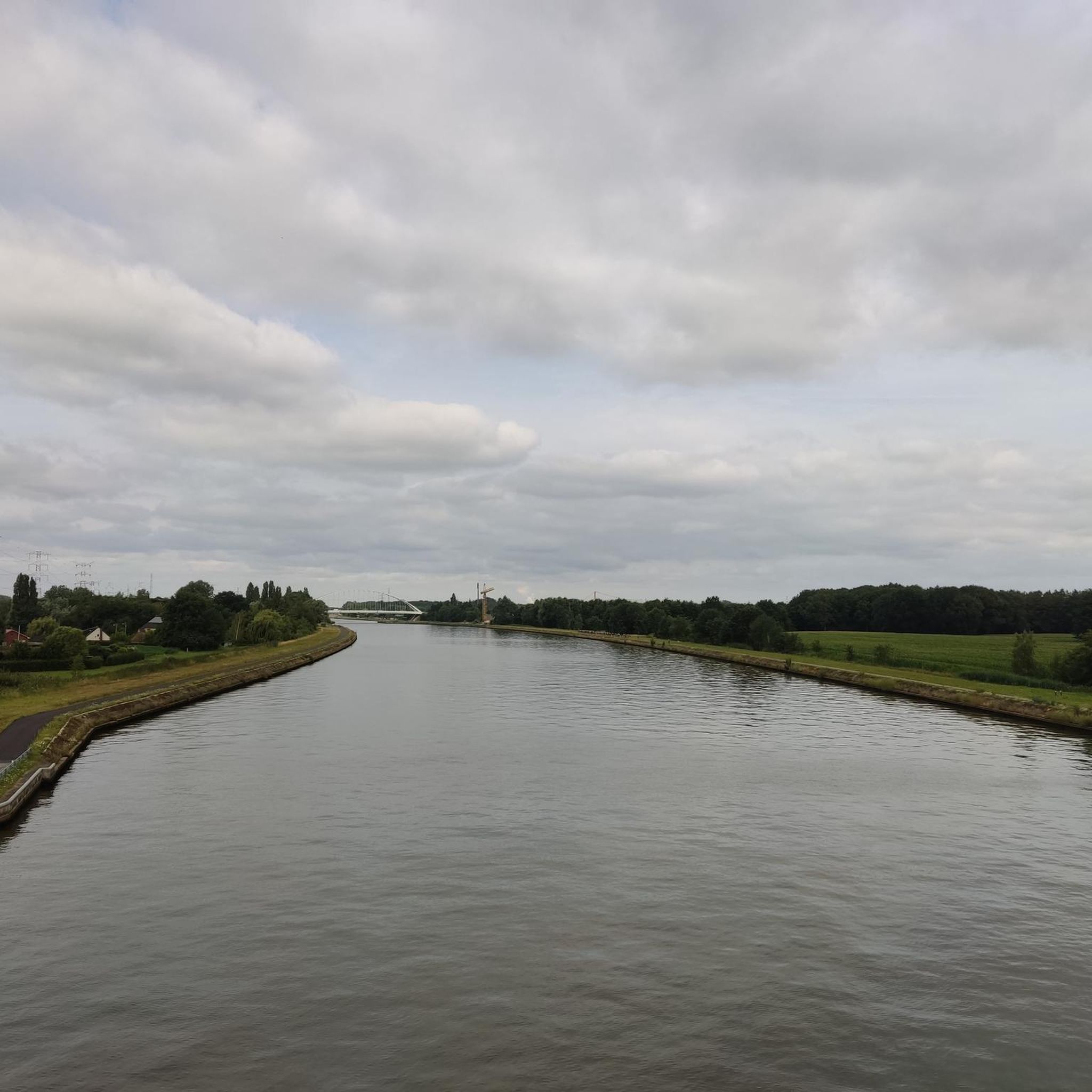
Biked all along the canal in between swarms of swallows... amazing.
0
0
Frequently Asked Questions
What is the terrain like for road cycling in Zandhoven?
The terrain around Zandhoven is largely flat, which is characteristic of the wider Flemish region. You'll encounter moderate elevation changes, making it accessible for many cyclists. The cycling paths are generally well-paved, with specialized 'racer routes' designed to optimize the experience on good asphalt surfaces outside urban areas.
Are there road cycling routes for all skill levels in Zandhoven?
Yes, Zandhoven offers a variety of road cycling routes suitable for different fitness levels. There are over 35 routes in total, including 8 easy routes and 28 moderate routes, ensuring options for both beginners and more experienced cyclists.
What natural attractions can I see while road cycling in Zandhoven?
While cycling, you can explore several natural highlights. The Lovenhoek Nature Reserve offers diverse scenery with forests and former heathlands. You might also encounter The Zwart Water, a unique fen landscape with bog myrtle thickets. The region also features picturesque spots, tree-lined roads, and open fields.
Can I cycle along waterways in Zandhoven?
Absolutely. The presence of the Albertkanaal and Kleine Nete offers scenic cycling along their riverside paths. You can enjoy routes like the Cycle Path Along Engels Kamp – Albertkanaal Riverside Path loop from Pulle or the Hogewegmolen – Kleine Nete Towpath loop from Viersel, which provide classic Flemish cycling experiences with reflections in the water and expansive views.
When is the best time of year for road cycling in Zandhoven?
The months of June and July are particularly popular for cycling in Zandhoven, suggesting pleasant weather conditions for outdoor pursuits. Generally, spring and summer offer the most favorable conditions for road cycling in the region.
Are there family-friendly road cycling routes in Zandhoven?
Yes, Zandhoven has several easy road cycling routes that are suitable for families. These routes typically feature flat terrain and well-maintained paths, making them enjoyable for cyclists of varying ages and abilities.
Are the road cycling routes in Zandhoven typically circular?
Many of the road cycling routes in Zandhoven are designed as loops, offering convenient starting and ending points. Examples include the Cycle Path Along Engels Kamp – Albertkanaal Riverside Path loop from Pulle and the Border Marker 218 loop from Pulderbos.
What are the typical distances of road cycling routes in Zandhoven?
Route distances vary to suit different preferences. You can find shorter rides, such as the Cycle Path Along Engels Kamp – Albertkanaal Riverside Path loop from Pulle at 34.8 km, or longer, more challenging options like the Border Marker 218 loop from Pulderbos, which spans 110 km.
How many road cycling routes are available in Zandhoven?
There are over 35 road cycling routes around Zandhoven available on komoot, offering a wide selection for exploring the region's varied landscapes.
What do other cyclists say about the road cycling routes in Zandhoven?
The road cycling routes in Zandhoven are highly rated by the komoot community, with an average score of 4.0 stars from over 10 reviews. More than 1000 road cyclists have used komoot to explore the area, often praising the well-maintained paths and scenic waterways.
Are there any historical sites along the cycling routes in Zandhoven?
Yes, the region holds historical interest. You can find remnants of the Antitank Canal with its associated bunkers, providing a glimpse into the area's past while you cycle.
Are there any specific 'racer routes' in Zandhoven?
Yes, Zandhoven features specialized 'racer routes' designed to utilize good asphalt surfaces and recreational roads. These routes intentionally avoid narrow or unpaved sections to optimize the road cycling experience outside urban areas.
What kind of landscapes can I expect to see while cycling in Zandhoven?
You can expect a compelling combination of varied landscapes. This includes scenic riverside paths along the Albertkanaal and Kleine Nete, expansive nature reserves like Lovenhoek, and open fields with tree-lined roads, creating a tranquil backdrop for your rides.
Most popular attractions around Zandhoven

Get inspired with the komoot mobile app


Explore more
Browse the best Road cycling routes in other regions.
