Top 20 Lakes around Ravels
Best lakes around Ravels are found within a landscape characterized by heathlands, forests, and natural fens, particularly in the Kempen region of Belgium. This area is known for its ecological significance, including protected Natura 2000 sites. The natural environment provides diverse habitats for flora and fauna, making it a destination for nature observation. Visitors can explore various natural areas that feature bodies of water, often with historical ties to peat extraction.
Best lakes around Ravels
- The most popular lakes is…
Last updated: July 1, 2026
The Flaes Observation Tower on the De Utrecht estate
Highlight • Viewpoint
Translated by Google •
Tip by

Tapsmoer Bird Hide
Highlight • Structure
From this birdwatching hut you can …
Translated by Google •
Tip by

Sign up now to discover places like this
Get recommendations on the best single tracks, peaks, & plenty of other exciting outdoor places.
Sign up for free
Baadster in Broekeling Sculptures
Highlight • Monument
Source manwan
Translated by Google •
Tip by
Landschotse Heide Nature Reserve
Highlight • Natural
Translated by Google •
Tip by

Bootjesven
Highlight • Lake
Translated by Google •
Tip by

Sign up for free to discover even more lakes around Ravels.
Sign up for free
Already have an account?
Start today with a free account
Your next adventure awaits.
Login or Signup

Other adventures around Ravels

Tips from the Community

Landschotse Heide nature reserve a dream for many hikers
1
0

You can see the observations at this birdwatching hut at: https://vogelkijkhut.nl/view/201/
4
0

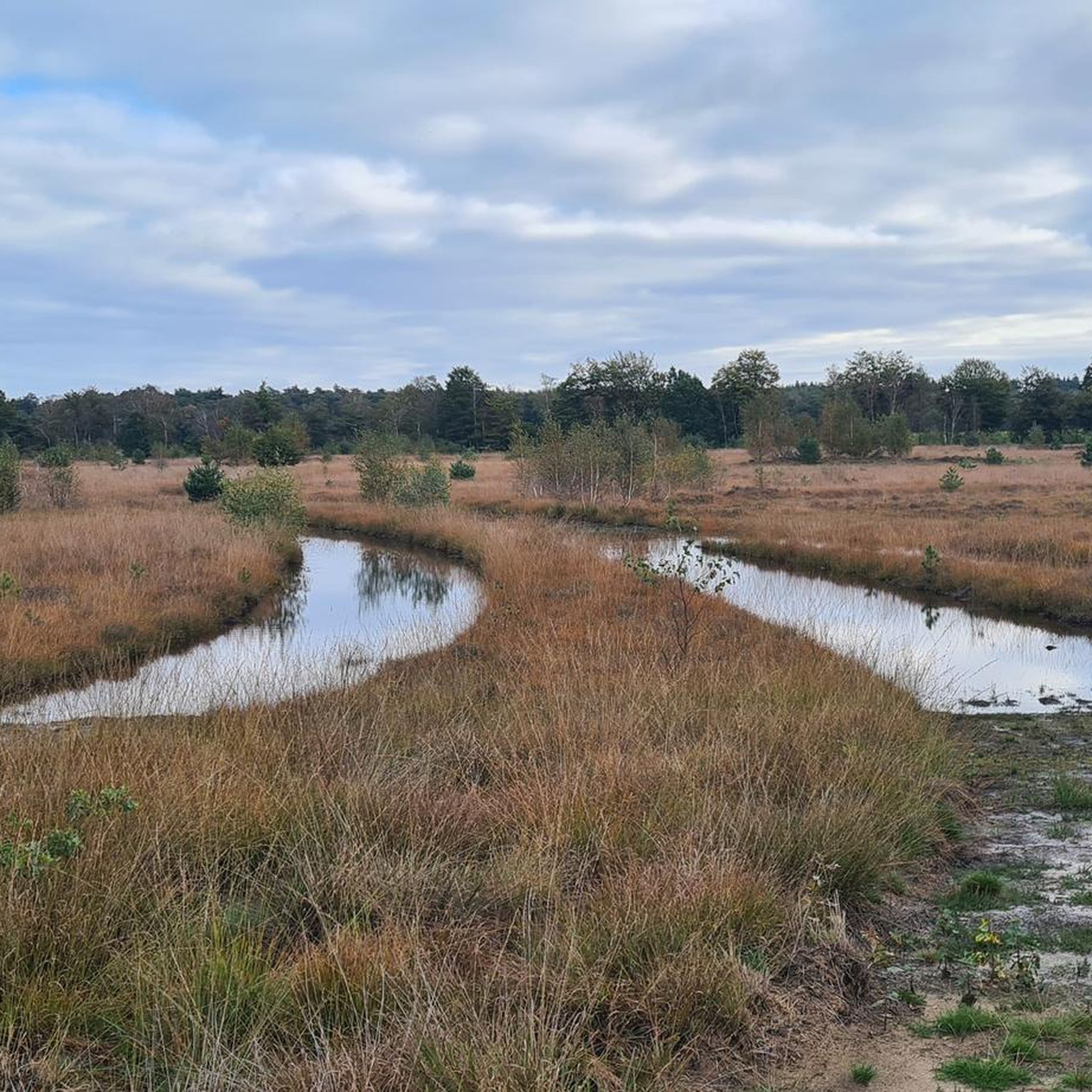
The Bootjesven is one of the most famous and beautiful spots in Wortel-Kolonie 🌿. 📍What is the Bootjesven? • It is a natural fen, surrounded by pine forests and heathland, in the heart of the tranquility of the Colony. • The name refers to the "boats" of peat moss that float on the water, giving the surface a fairytale-like appearance. • The fen is a vulnerable nature reserve: special plants such as cotton grass and sundew grow there, and you often find dragonflies and waterfowl there. • It is part of the Merkske Valley, a European Natura 2000 protected area. 🌿 Experience for hikers and cyclists • The Bootjesven is located along several beautiful hiking trails that start from the De Klapekster Visitor Center. • It is an ideal place to take a break and enjoy the peace and quiet and nature. • Because it is a sensitive area, walking on designated paths and not allowing dogs off the leash is important for the preservation of this unique natural environment.
9
1

Beautiful, but only look, it is fenced, but from the tower you have a nice view
16
0
Andreas Schotel made many etchings of the life and work of the North Brabant farmers and farm workers (wikipedia)
10
0

Fantastic heathland for nice walks. Not too big but very varied
3
0

Very beautiful surroundings, but wear boots, otherwise it is impossible. Definitely go back here in the spring!
3
0

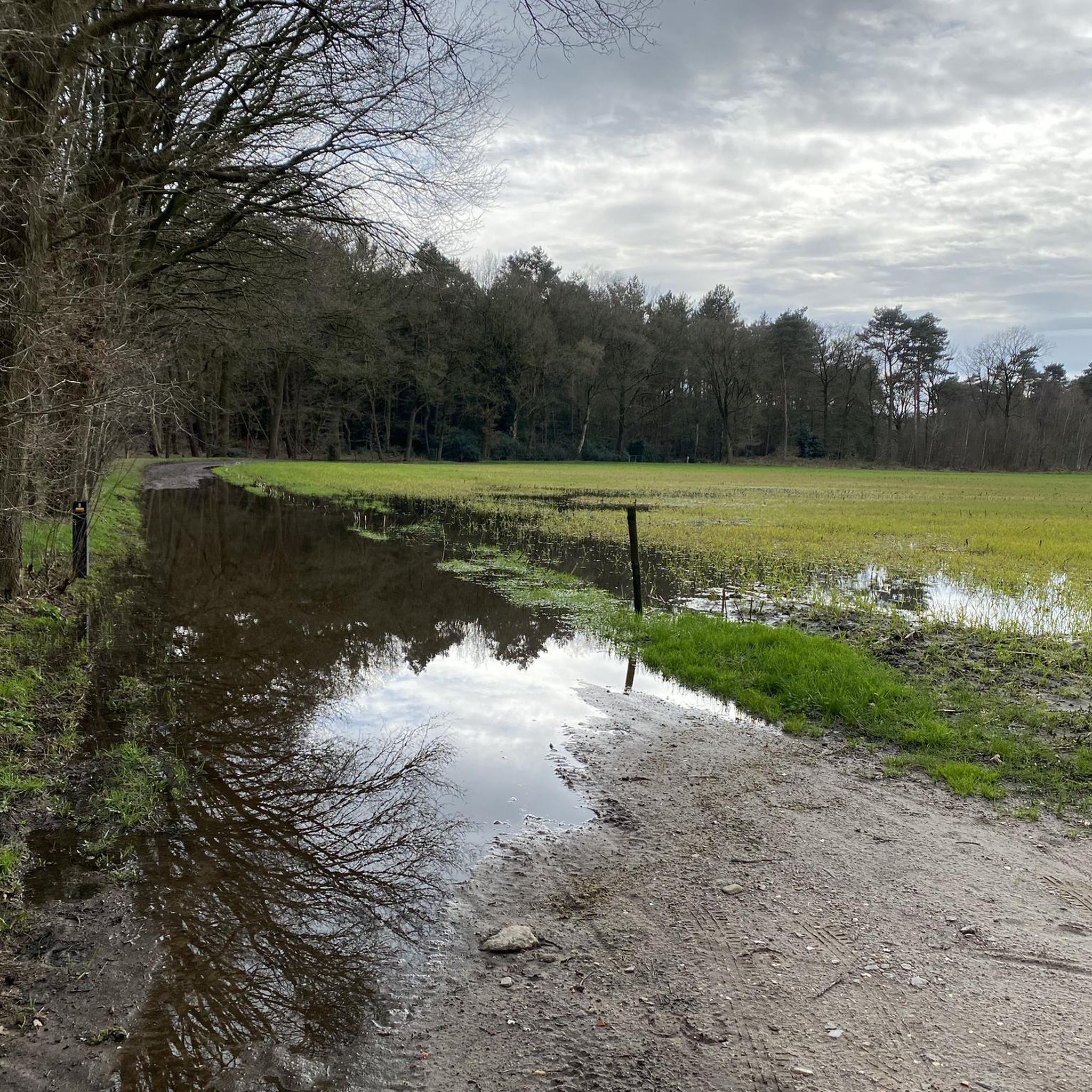
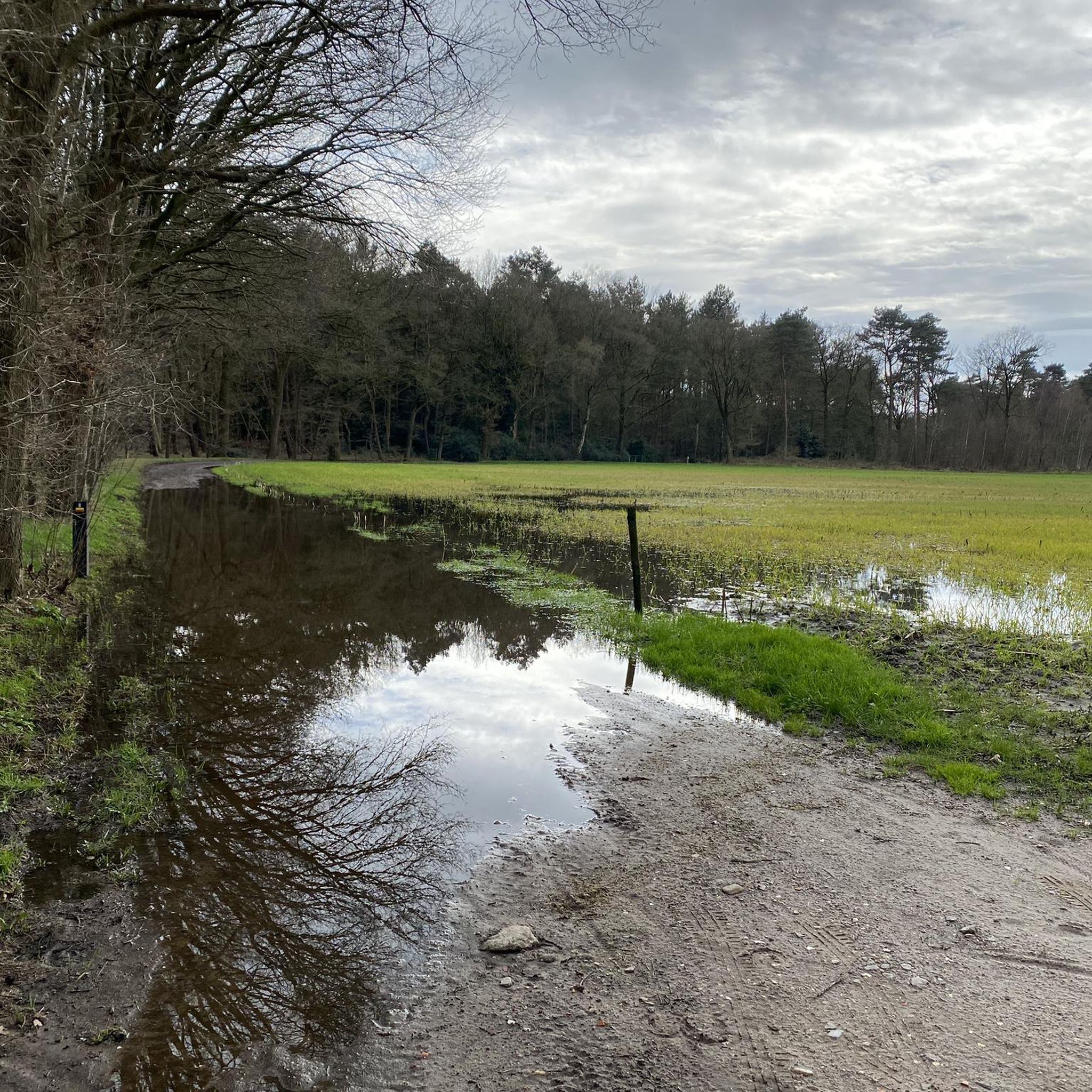
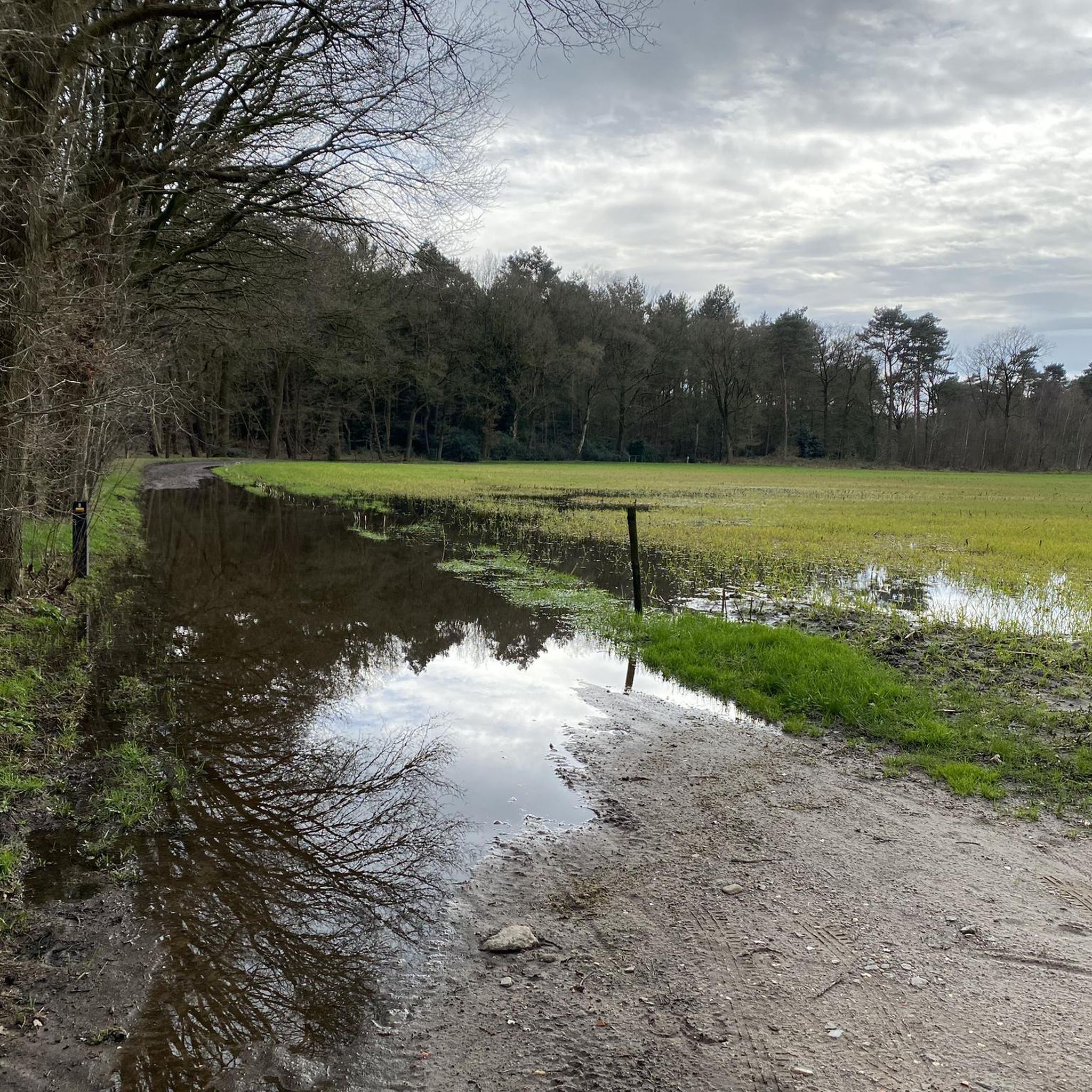
The Landschotse Heide is accessible between sunrise and half an hour before sunset. Currently (Feb.2025) very wet but with good footwear you stay dry.
2
0
Frequently Asked Questions
What makes the lakes around Ravels unique?
The lakes around Ravels are primarily natural fens and peat extraction lakes, often found within heathlands and forests. They are known for their ecological significance, providing habitats for diverse flora and fauna like dragonflies and water beetles. Many have a historical connection to peat extraction, which shaped their current form.
Are there family-friendly lakes or attractions near Ravels?
Yes, several spots are suitable for families. The Bootjesven is a natural fen where families can enjoy a serene environment and a picnic. The Tapsmoer Bird Hide offers a chance to observe birdlife, and The Flaes Observation Tower on the De Utrecht estate provides scenic views over the landscape, both are considered family-friendly.
Can I go swimming in the lakes around Ravels?
Swimming is generally prohibited in sensitive natural areas like the Bootjesven to protect its delicate ecosystem and wildlife. These fens are primarily for nature observation and tranquil walks.
What kind of nature can I observe around the lakes?
You can observe diverse plant and animal life. The Bootjesven is a habitat for dragonflies and water beetles, and features special plant life such as cotton grass and sundew. The Tapsmoer Bird Hide is excellent for birdwatching, offering views of various bird species in a wetland area.
Are there hiking or walking trails near the lakes?
Yes, the region offers various trails. The Landschotse Heide Nature Reserve features beautiful hiking trails, especially when the heather is in bloom. For more options, you can explore running trails around Ravels, which often pass by natural features and ponds.
What is the best time to visit the lakes around Ravels?
The best time to visit depends on your interests. If you wish to see the heather in bloom, late summer (August) is ideal, particularly at locations like the Landschotse Heide Nature Reserve. Spring and early summer are also good for observing water in the fens and enjoying the fresh greenery.
Are there cycling routes that pass by the lakes or natural areas?
Yes, there are several cycling opportunities. You can find various cycling routes around Ravels, including those that traverse heathlands and forests where ponds and fens are located. Additionally, road cycling routes in the area can offer scenic views of the wider landscape.
What historical context is associated with the lakes in Ravels?
Many of the lakes, such as the Bootjesven, are natural bogs that were deepened due to peat extraction between the 13th and 18th centuries. This historical activity shaped the landscape, creating many of the fens and 'nuts' (peat extraction areas) that are now important natural habitats.
What do visitors enjoy most about the lakes around Ravels?
Visitors appreciate the tranquil environment and the opportunity for nature observation. Many enjoy the serene beauty of spots like the Bootjesven, the picturesque hiking trails, and the chance to spot wildlife from places like the Tapsmoer Bird Hide. The natural beauty and ecological significance are highly valued.
Is there parking available near the natural areas with lakes?
While specific parking details for every lake are not provided, natural areas like the Gewestbossen Ravels typically have designated parking areas to facilitate visitor access. It's advisable to check local signage upon arrival.
Are dogs allowed near the lakes and in nature reserves?
Rules regarding dogs can vary by specific nature reserve. While many areas are dog-friendly, it's common for dogs to be required to be on a leash to protect wildlife and maintain the natural environment. Always look for local signage or regulations before visiting with your dog.
Are there any unique art installations or sculptures near the lakes?
Yes, you can find unique art in the area. The Baadster in Broekeling Sculptures are an example of art integrated into the landscape, inspired by feminine beauty and located near natural settings.
Most popular attractions around Ravels

Get inspired with the komoot mobile app


Explore more
Still not found your perfect lake around Ravels? Check out the guides of these regions to see even more beautiful places.
