Top 20 Castles around Oupeye
Best castles around Oupeye, Belgium, offer a glimpse into the region's rich history and architectural heritage. The area is characterized by its proximity to the Meuse River, influencing both its landscape and historical fortifications. Oupeye itself is home to a significant historical site, the Château d'Oupeye, which has medieval origins. The surrounding terrain features a mix of river valleys and gentle hills, providing varied settings for these historical landmarks.
Best castles around Oupeye
- The most popular castles is Château Neercanne…
Last updated: September 26, 2026
Château Neercanne
Highlight • Castle
Translated by Google •
Tip by

Commandery of Sint-Pieters-Voeren
Highlight • Castle
The place is known for its coming. Daniel de Fouron …
Translated by Google •
Tip by

Sign up now to discover places like this
Get recommendations on the best single tracks, peaks, & plenty of other exciting outdoor places.
Mheer Castle
Highlight • Castle
Translated by Google •
Tip by

Fort Eben-Emael
Highlight • Historical Site
Source: landofmemory.eu/de/sites-historiques/fort-eben-emael
Translated by Google •
Tip by

Eijsden Castle
Highlight • Castle
Translated by Google •
Tip by

Sign up for free to discover even more castles around Oupeye.
Already have an account?
Start today with a free account
Your next adventure awaits.

Tips from the Community

The Neercanne castle is built on the original site of Roman fortifications whose caves still exist and are used as a wine cellar. In the hall, the original staircase with a railing on wide columns is still present. Weapon trophies are depicted in relief on the ceiling. Currently, the castle is used as a hotel and restaurant. The restaurant has been awarded one star by the Michelin Guide.
5
0

The Commanderie is a textbook example of the Maasland Renaissance style, recognizable by: brick construction combined with Namur stone; straight, symmetrical volumes; decorative tiers of brick; a closed, almost monastic courtyard.
11
0

Beautiful historic location, worth a stop.
8
0

Commanderie Castle is one of the most historically significant buildings in the region. Its origins date back to the Middle Ages: as early as the 13th century, a settlement of the Teutonic Knights existed here, from which the name "Commanderie" is derived. The castle was not only a stately residence but also an administrative and economic center for the surrounding lands. The complex is surrounded by a moat and has been rebuilt and expanded several times over the centuries. A characteristic feature is the combination of medieval foundations with later Renaissance and Baroque elements. Particularly striking are the picturesque courtyard, the historic farm buildings, and the castle grounds surrounded by avenues and meadows. After the end of the Order's rule, the property passed into private hands and was used for agricultural purposes for a time. Today, Commanderie Castle is privately owned but parts of it are used for cultural and tourist activities. The castle represents the eventful history of the border region between Belgium, the Netherlands, and Germany and reflects the influence of religious orders of knights on the cultural landscape of this region.
14
0

Mheer Castle is a beautiful medieval castle located in the Limburg hills, in the village of Mheer (municipality of Eijsden-Margraten). Originally dating from the 14th century, it was later expanded and converted into a stately country house with a distinctive courtyard. The castle is privately owned and not open to the public, but it can be easily admired from the road. Surrounded by meadows and ancient trees, Mheer Castle is a picturesque part of the South Limburg landscape.
6
0

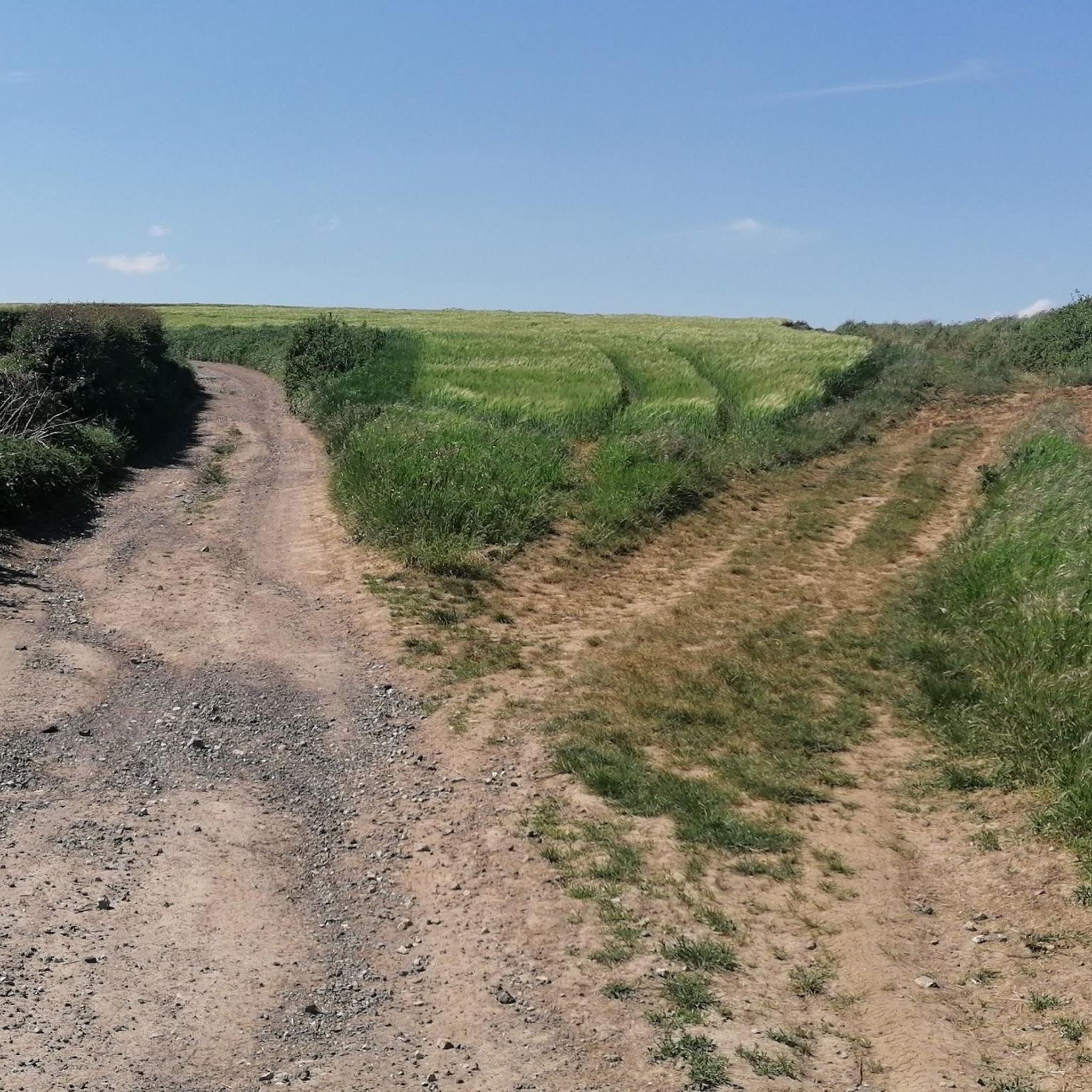
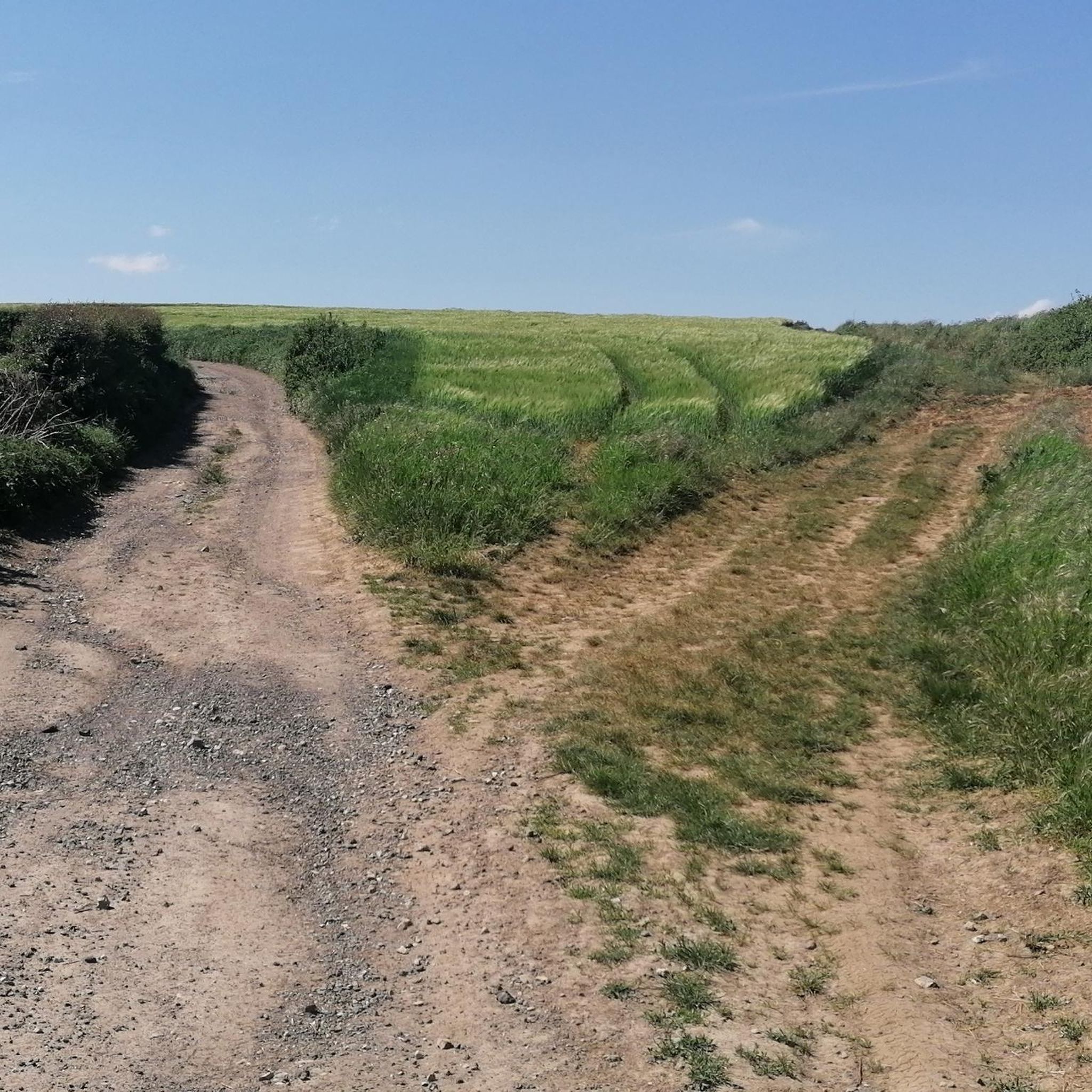
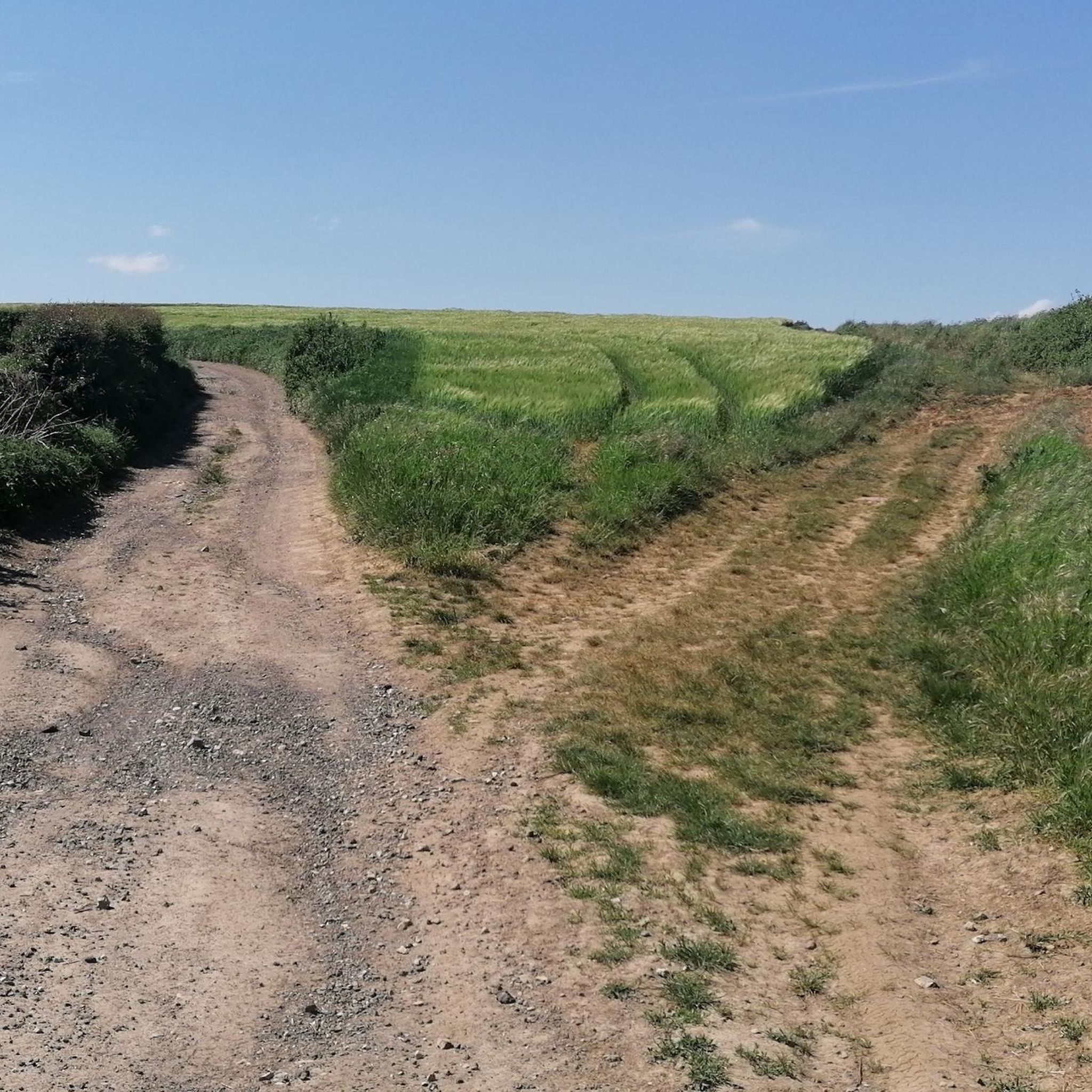
Very nice walking route along the chateau. Beautiful panorama. With a house in the valley below that used to be the border post.
4
0

Neercanne Castle was built on the original site of Roman fortifications, the caves of which still exist and are used as wine cellars. The original staircase with a banister on wide columns is still in the hall. The ceiling features relief depictions of weapon trophies. The castle is currently in use as a hotel and restaurant.
7
0

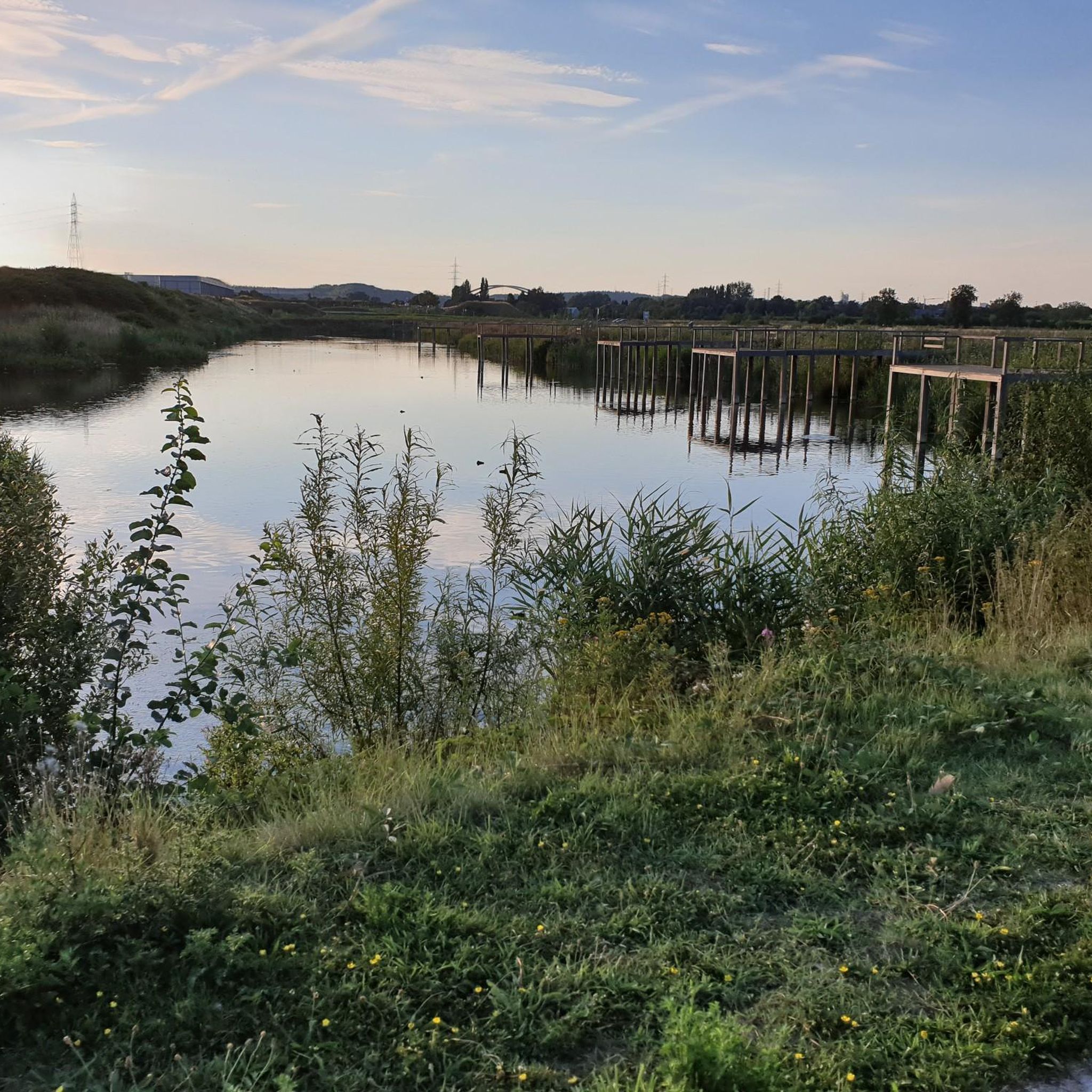
Tip: if you keep walking straight ahead from the main entrance you will reach the Maas. Look left and you will see a small path. Walk a few meters on it and see how the Voer flows into the Maas here. A beautiful view of a surprisingly peaceful spot on the beautiful grounds of the castle where you also walk a beautiful piece of wild garlic path.
9
0
Frequently Asked Questions
What is the historical significance of castles in the Oupeye region?
The castles around Oupeye offer a deep dive into the region's rich history, with origins dating back to medieval times. For instance, the Château d'Oupeye boasts a fortified residential tower from the 12th or 13th century and has been owned by various noble families and even the Prince-Bishop of Liège. Other sites like the Commandery of Sint-Pieters-Voeren were once strongholds of the Teutonic Order, showcasing centuries of architectural evolution and strategic importance.
Are there any family-friendly castles to visit near Oupeye?
Yes, several castles in the region are suitable for family visits. Château Neercanne is considered family-friendly, offering a unique terraced castle experience. Similarly, the Commandery of Sint-Pieters-Voeren and Eijsden Castle are also noted as family-friendly, often with accessible parks or grounds to explore.
What kind of natural features can I expect to see around the castles?
The region around Oupeye is characterized by its proximity to the Meuse River, offering a mix of river valleys and gentle hills. At the Commandery of Sint-Pieters-Voeren, you can find the source of the Voer river and the oldest fish farm in Belgium within its park. Eijsden Castle is situated near the Maas (Meuse) river, and its surrounding park provides a relaxing natural setting.
Can I visit the Château d'Oupeye, and what is its current use?
Yes, the Château d'Oupeye is accessible to the public. Today, it functions as a vibrant cultural center and houses the municipal council, integrating its historical setting into modern community life. The complex includes a medieval donjon and main buildings redeveloped in a neoclassical style.
Are there hiking trails near the castles around Oupeye?
Absolutely. The region offers various hiking opportunities. For example, you can find routes like the 'Gravière Brock Nature Reserve – View of the Gravière Brock loop' or 'The winery of 'Vin de Liège' – Bodson loop from Oupeye'. You can explore more options and detailed routes in the Hiking around Oupeye guide.
What are some unique architectural styles found in the castles of this region?
The castles display a range of architectural styles. The Château d'Oupeye features a medieval donjon and neoclassical elements. Château Neercanne is known as the only terraced castle in the Netherlands, built entirely of marlstone. The Commandery of Sint-Pieters-Voeren and Eijsden Castle are notable examples of the Maasland Renaissance style.
Are there any castles with dining options or cafes nearby?
Yes, Château Neercanne houses a restaurant, offering a culinary experience in a historic setting. The former stables of the castle also host the Auberge de Neercanne. Additionally, at the Commandery of Sint-Pieters-Voeren, you can enjoy fish farm products directly at the castle pond.
What is special about Mheer Castle?
Mheer Castle is a 14th-century castle complex that has remained in the same family since 1668. It's unique for being the only castle in Dutch Limburg with a bluestone mezekouw (or pitchnose) above its entrance gate. The castle's architecture showcases various additions from the 14th to 16th centuries, including a large round tower from the 15th century.
Is Fort Eben-Emael a castle, and what can I see there?
While not a traditional castle, Fort Eben-Emael is a significant historical site and a fortified structure. It's a complex of underground spaces and bunkers, connected by 5 km of underground passages. Visitors can explore the fort's impressive protective structures, casemates, gun turrets, and a museum, learning about its role in 20th-century history. It's recommended to check their website for specific visiting days and guided tours.
Are there cycling routes that pass by these castles?
Yes, the region offers gravel biking opportunities that can take you near some of these historical sites. Routes like the 'Julienne Valley Ponds – Albert Canal Towpath at Kanne loop' or 'ENCI Quarry Viewpoint – Lanaye Lock loop' provide scenic rides. More gravel biking routes can be found in the Gravel biking around Oupeye guide.
What do visitors enjoy most about the castles around Oupeye?
Visitors frequently appreciate the rich history and architectural beauty of the castles. The unique features, such as the terraced design of Château Neercanne or the medieval origins of the Château d'Oupeye, are often highlighted. The integration of historical sites with natural landscapes, like the park at Commandery of Sint-Pieters-Voeren with the source of the Voer river, also receives positive feedback.
What is the best time of year to visit the castles in the Oupeye region?
While specific opening hours vary by castle, the warmer months generally offer the most pleasant conditions for exploring the castle grounds and nearby outdoor activities. Many sites, like Fort Eben-Emael, are open daily during warmer months and on weekends during other times. Visiting in spring or autumn can provide comfortable temperatures and beautiful scenery, especially for walks around the castle parks.
Most popular attractions around Oupeye

Get inspired with the komoot mobile app


Explore more
Looking for the best castles somewhere else? Discover other guides around Oupeye:
