Attractions and Places To See around Tintigny - Top 20
Best attractions and places to see around Tintigny are found in this charming municipality in the Belgian Ardennes. Situated along the Semois River, the area offers a blend of historical significance, natural beauty, and cultural experiences. Visitors can explore ancient ruins, serene lakes, and significant historical sites. The region provides diverse opportunities for outdoor activities and cultural engagement.
Best attractions and places to see around Tintigny
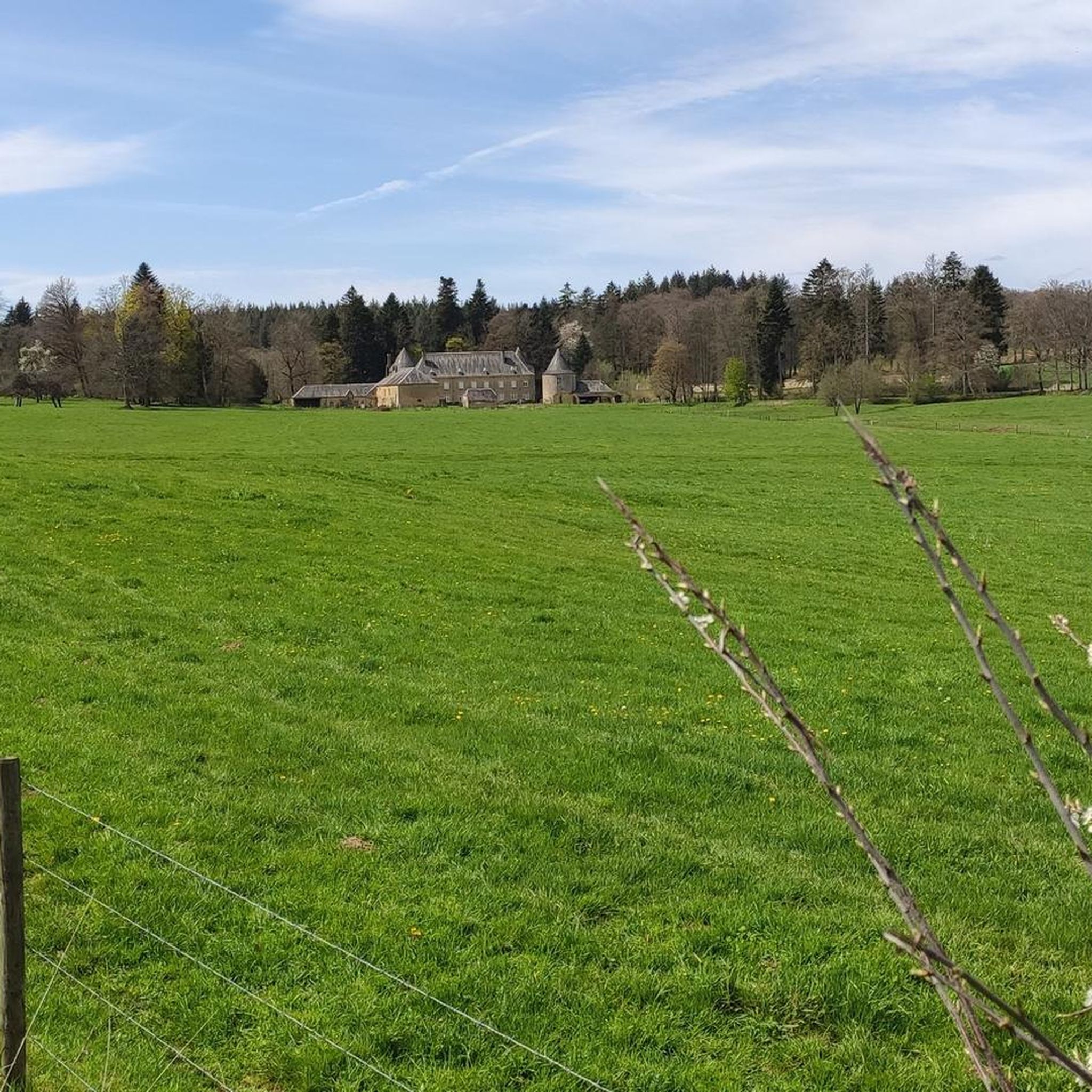
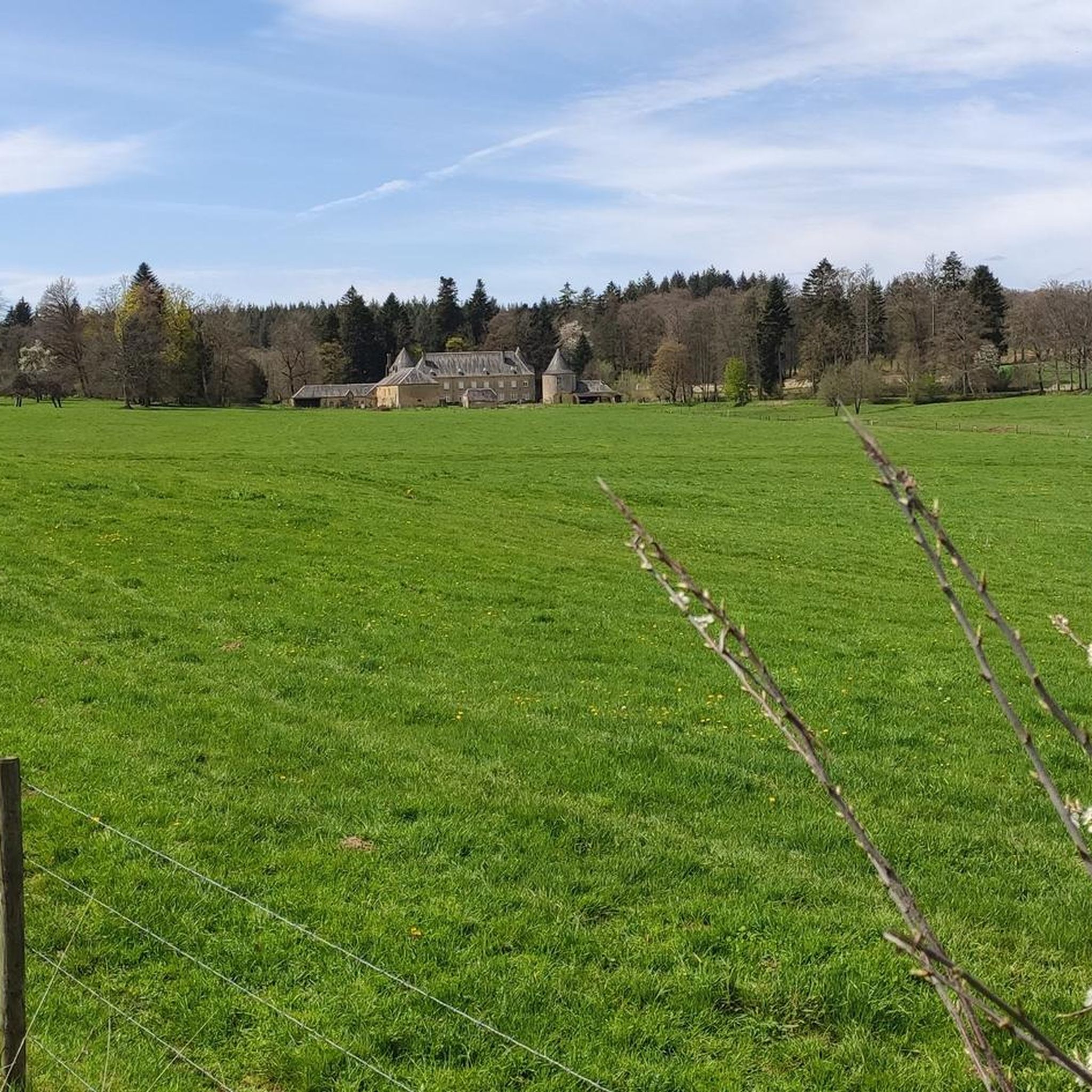
- The most popular attractions is View of the Abbey's castle, a viewpoint that was built on the old foundations of an earlier castle near the Orval Abbey. This castle, though medieval in appearance, was constructed in the 1960s and is reflected in a pond.
- Another must-see spot is Lake Neufchâteau, a large artificial lake. This lake offers various activities including walking, fishing, kayaking, and pedal boating. A path allows visitors to go around the water point, which features a water jet.
- Visitors also love Orval Abbey, a historical and spiritual site known for its Trappist beer. The current abbey complex was built between 1926 and 1948, with its church consecrated in 1939.
- Tintigny is known for its historical sites, natural features like lakes and forests, and cultural centers. The area offers a variety of experiences, from exploring ancient ruins to engaging with local history and outdoor activities.
- The attractions around Tintigny are appreciated by the komoot community, with more than 400 upvotes and 95 photos shared by visitors.
Last updated: June 22, 2026
View of the Abbey's castle
Highlight • Viewpoint
Translated by Google •
Tip by

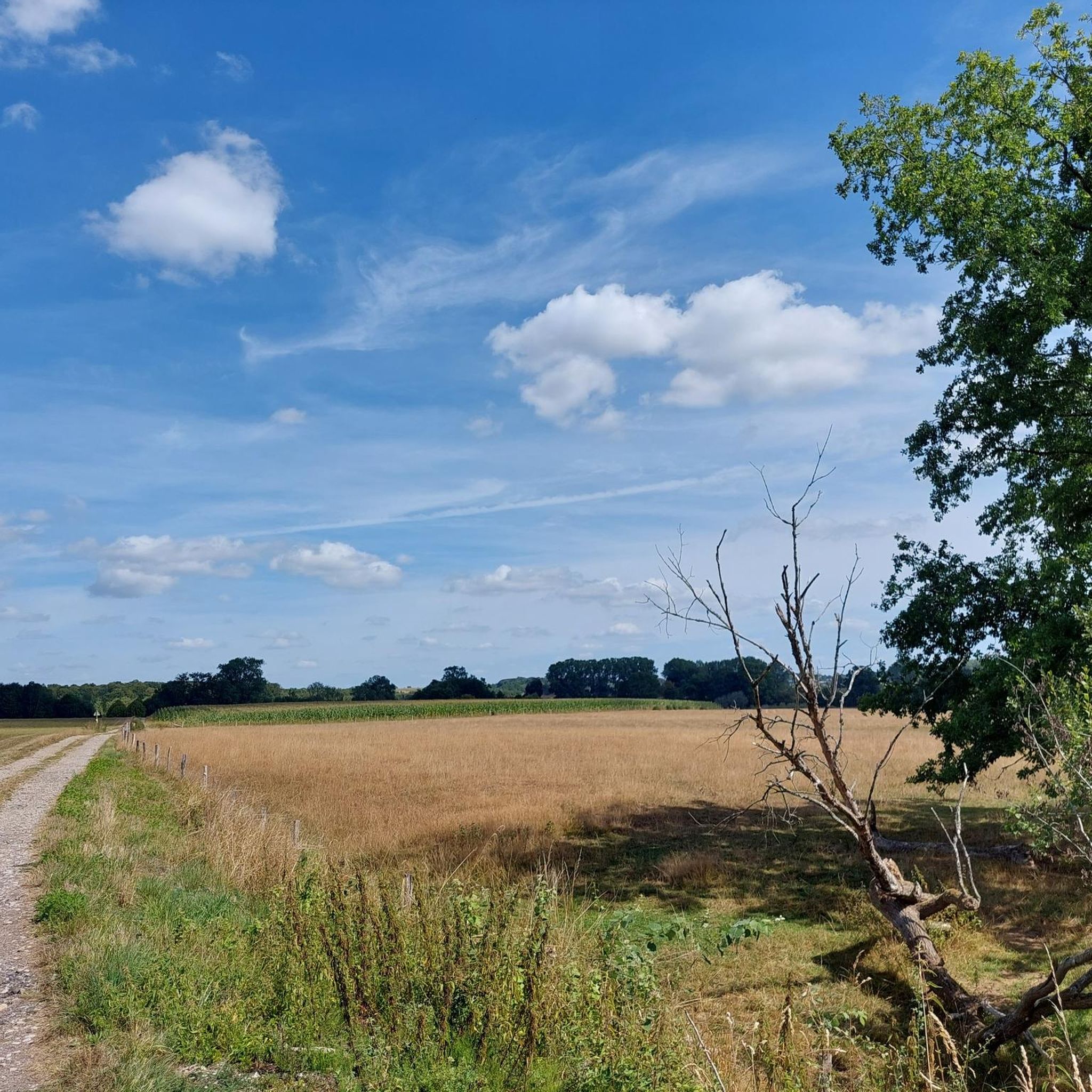
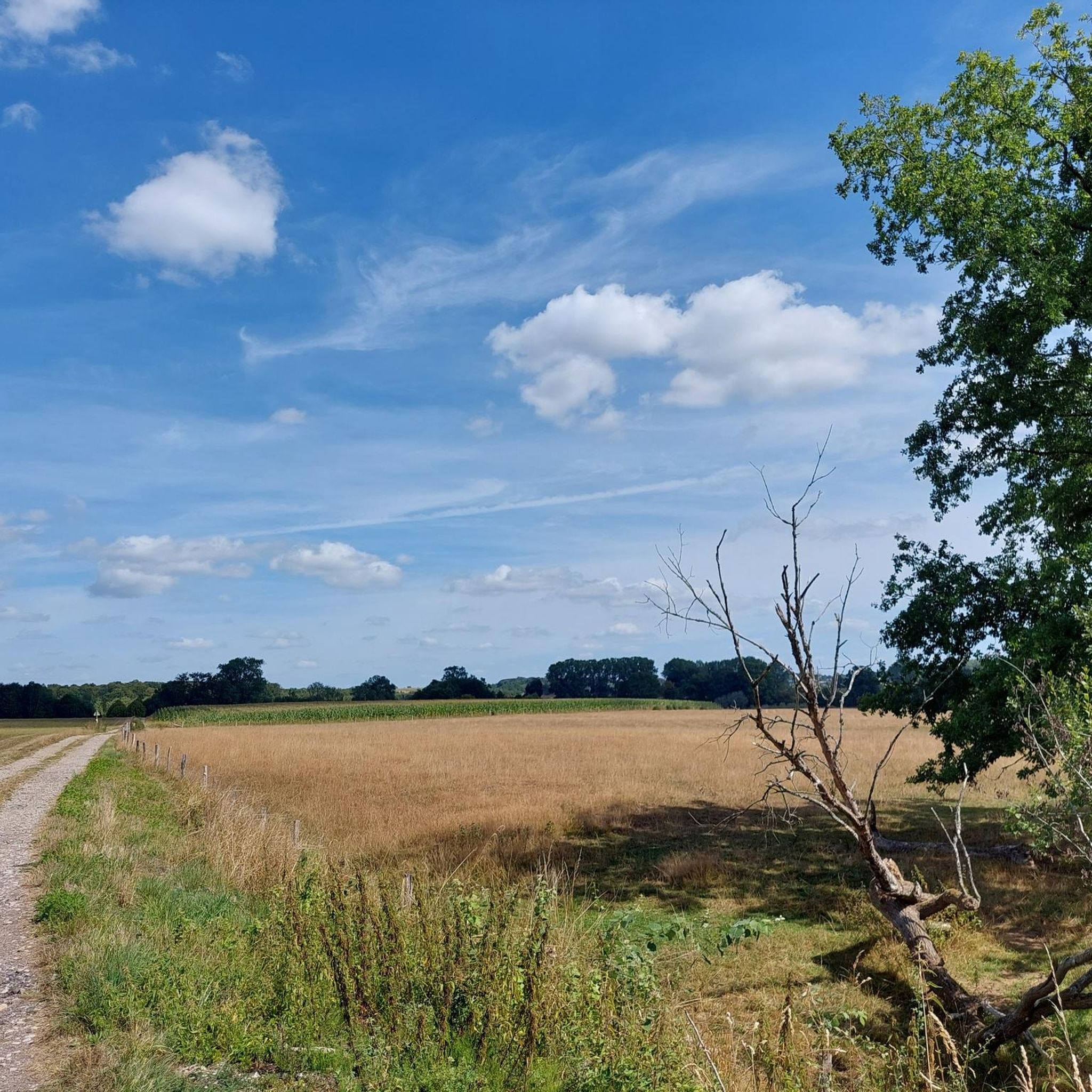
Epioux Ponds
Highlight • Lake
Translated by Google •
Tip by

Sign up now to discover places like this
Get recommendations on the best single tracks, peaks, & plenty of other exciting outdoor places.
Sign up for free
Lake Neufchâteau
Highlight • Lake
Translated by Google •
Tip by

Orval Abbey
Highlight • Religious Site
Translated by Google •
Tip by
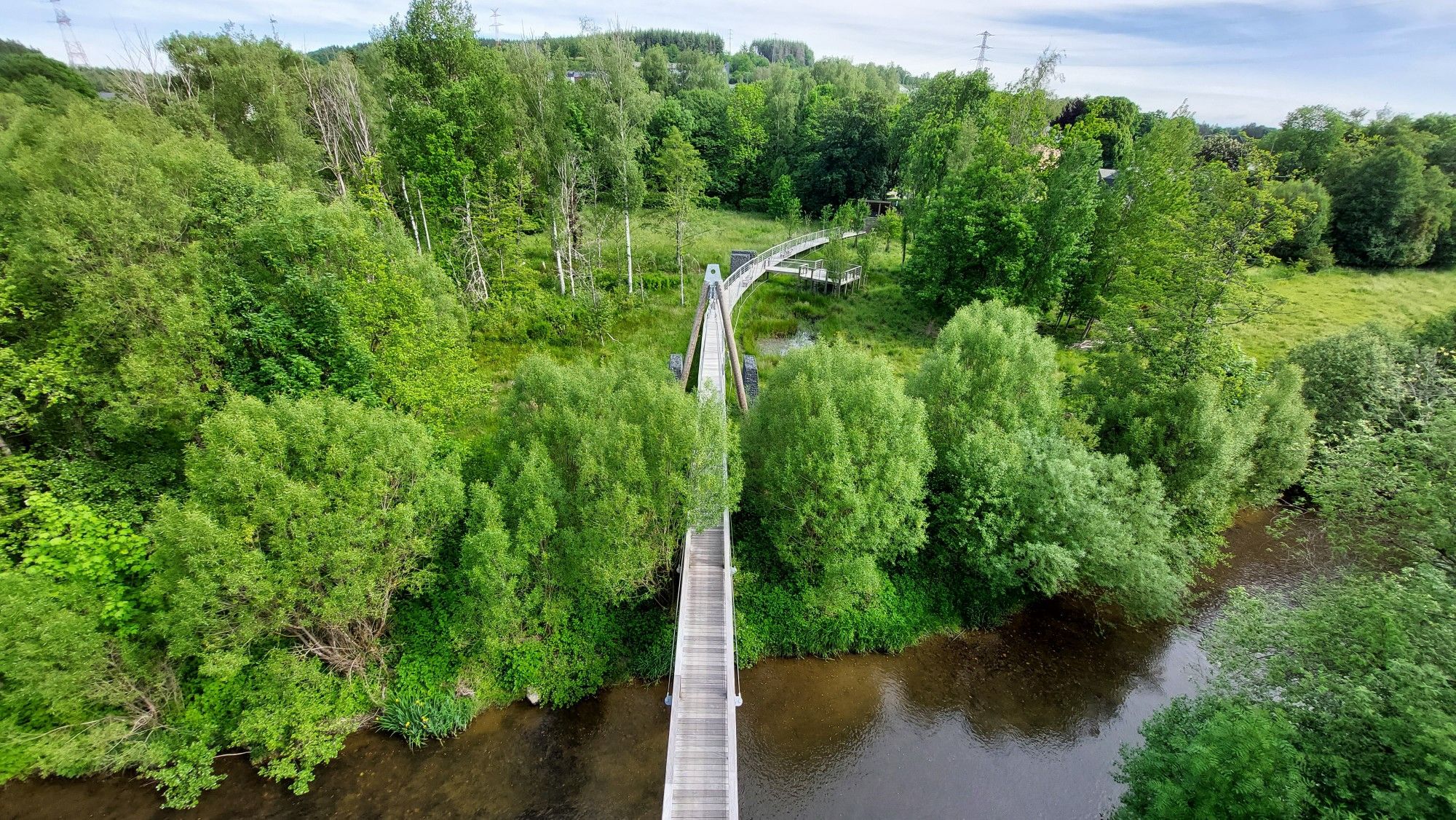
Pedestrian/cyclist bridge
Highlight • Bridge
Translated by Google •
Tip by

Sign up for free to discover even more attractions around Tintigny.
Sign up for free
Already have an account?
Start today with a free account
Your next adventure awaits.
Login or Signup

Other adventures around Tintigny

Tips from the Community

very good route, pleasant, beautiful place
0
0


The current castle is very recent. It was built in 1960 at the request of the owners, the Otreppe de Bouvette family, based on plans by architect Emile Godin. The previous castle was severely damaged in both world wars and fell into disrepair.
10
0
Over a period of 22 years, from 1926 to 1948, a completely new abbey was built based on a design by architect Henri Vaes. This was primarily the work of Ghent native Albert-Marie Van der Cruyssen, who became the first abbot in 1936. On August 20, 1929, the foundation stone was laid in the presence of Prince Leopold and Cardinal Van Roey. The new abbey was completed in 1948. On June 5, 1939, the abbey church was consecrated and elevated to Basilica Minor by Pope Pius XII. On September 8, 1948, the abbey church and the completed cloister were solemnly consecrated by Cardinal Micara, who served as Apostolic Nuncio to Belgium from 1923 to 1946 and subsequently became Prefect of the Congregation for Rites. To finance the major construction projects, which by then had already cost tens of millions of Belgian francs, various fundraising activities were initiated. For example, special postage stamps with a surcharge were issued by the Belgian government. The cheese factory (1931) and the brewery (1932) were established to generate the necessary funds, and laypeople were employed from the outset. After the construction work was completed, these proceeds were used for social and charitable purposes. (Wikipedia)
12
0

Beautiful nature reserve, enjoyed the beautiful surroundings here.
0
0
Beautiful place! In the summer months you can rent a donut-shaped boat with a parasol. In the middle of the boat you can bbq on the water 🤩
0
0

Magnificent estate of 1721 hectares Located north of Lacuisine and west of Chiny, it belongs to the CPAS of the city of Mons, which inherited it in 1887. This sublime estate includes 1,500 hectares of forests and four artificial ponds fed by several streams, including the Tamij-Austria, a tributary of the Semois. The ponds of the Epioux are the last witnesses of the important metallurgical past of our region. Indeed, for more than three centuries, the estate experienced intense metallurgical activity. Since the end of this industrial activity, the only profitable economic activity has been that of forest production. Today, the large forest of the Epioux is a magnificent forest. Several beautiful walks cross the estate.
0
0
Magnificent estate of 1721 hectares Located north of Lacuisine and west of Chiny, it belongs to the CPAS of the city of Mons, which inherited it in 1887. This sublime estate includes 1,500 hectares of forests and four artificial ponds fed by several streams, including the Tamij-Austria, a tributary of the Semois. The ponds of the Epioux are the last witnesses of the important metallurgical past of our region. Indeed, for more than three centuries, the estate experienced intense metallurgical activity. Since the end of this industrial activity, the only profitable economic activity has been that of forest production. Today, the large forest of the Epioux is a magnificent forest. Several beautiful walks cross the estate.
2
0
Frequently Asked Questions
What natural attractions can I explore around Tintigny?
The region offers several beautiful natural spots. You can visit Lake Neufchâteau, a large artificial lake perfect for walking, fishing, kayaking, and pedal boating. Another highlight is the Epioux Ponds, a scenic area ideal for starting a walk. Don't miss the Fairies' Cave between Etalle and Virton, natural sandstone caves steeped in local folklore. Tintigny also features an arboretum and a designated nature reserve.
Are there good hiking and cycling opportunities near Tintigny?
Yes, the area around Tintigny is excellent for outdoor activities. You'll find numerous routes for hiking, cycling, mountain biking, running, and gravel biking. For cycling, consider routes like the 'La Rulles Riverside – La Trapperie loop' or the 'Orval Abbey – View of the Abbey's castle loop'. Runners might enjoy the 'Bench in the woods at the parents fountain loop'. For gravel biking, there's the 'Gravel Gaume & More (80 km) - Semois Valley National Park' route. You can find more details on these activities in the dedicated guides for Cycling around Tintigny, Running Trails around Tintigny, and Gravel biking around Tintigny.
What historical sites can I visit near Tintigny?
Tintigny and its surroundings are rich in history. A prominent site is Orval Abbey, a legendary place known for its Trappist beer and spiritual significance. You can also visit the View of the Abbey's castle, a picturesque castle built on earlier foundations. Other notable historical sites include the poignant Caveau des Fusillés monument in Tintigny, the recently added 18th-century Church, and the Chenois Chapel, which commemorates a 16th-century plague epidemic. Further afield, explore the archaeological Site Classé de Montauban near Buzenol or the Villa Gallo-Romaine de Mageroy in Habay.
Are there any family-friendly attractions around Tintigny?
Absolutely! Many attractions are suitable for families. Lake Neufchâteau offers various activities like pedal boating and beach volleyball, with a scenic path around the water. The Fairies' Cave provides an adventurous exploration for children. Orval Abbey, with its rich history and legends, can also be an engaging visit for older children. The View of the Abbey's castle, reflected in a pond with swans, offers a charming photo opportunity.
What cultural experiences does Tintigny offer?
Tintigny provides several cultural insights. You can follow 'The Druids' Path', a unique themed journey in Tintigny that explores druidic traditions and the community's history. The Centre Mémoriel de Rossignol and the Cercle d'Histoire Locale contribute to preserving the region's past. The Centre Culturel de Rossignol-Tintigny actively organizes various activities, exhibitions, and workshops. Additionally, the 'Sur les traces de 14 - 18' Trail in Rossignol offers a permanent marked route tracing World War I events.
What is the best time of year to visit Tintigny for outdoor activities?
The spring and autumn months generally offer the most pleasant weather for outdoor activities like hiking and cycling around Tintigny. Temperatures are mild, and the natural landscapes are particularly beautiful with blooming flowers or vibrant fall foliage. Summer is also popular, though it can be warmer, while winter offers a different, often quieter, experience, especially for walks.
Can I visit a castle in the Tintigny area?
Yes, there are a few notable castles. Within Tintigny itself, you can find the Château de Villemont. Near Orval Abbey, there's the View of the Abbey's castle, which, despite its medieval appearance, was built in the 1960s on older foundations and is reflected in a pond. While privately owned and not open to the public, it offers a picturesque view. The original Château d'Orval, near the abbey, also has historical significance.
Are there any archaeological sites to explore?
Yes, the region boasts significant archaeological sites. The Site Classé de Montauban, located near Buzenol, is a prominent archaeological site nestled in the forest, where ancient remnants, history, heritage, and contemporary art converge. Additionally, in Habay, you can visit the Villa Gallo-Romaine de Mageroy, an archaeological site along the Roman road between Trier and Reims, featuring ruins from the Gallo-Roman era.
What do visitors enjoy most about the attractions around Tintigny?
Visitors particularly appreciate the blend of historical significance and natural beauty. The serene atmosphere of places like Lake Neufchâteau and the historical depth of Orval Abbey are frequently highlighted. The picturesque View of the Abbey's castle, with its reflection in the pond, is also a favorite for its charm. Many enjoy the diverse outdoor activities available, from walking around lakes to exploring forest trails.
Where can I learn about druidic traditions in Tintigny?
You can explore 'The Druids' Path' in Tintigny, a unique themed journey designed to educate visitors about druidic traditions, their connection to nature, and the history of the Tintigny community. This path offers a fascinating insight into an ancient aspect of the region's heritage. More information can be found on visitgaume.be.
Are there any specific natural features related to water in the area?
Beyond Lake Neufchâteau, which is a hub for water activities, you can also visit the Étangs des Epioux (Epioux Ponds), another natural highlight. The Semois River also flows through the area, contributing to the region's natural beauty. For those interested in fishing and environmental education, La Maison de la Pêche en Luxembourg in Habay-La-Neuve is a dedicated natural site.
Most popular routes around Tintigny
Most popular attractions around Tintigny

Get inspired with the komoot mobile app


Explore more
Still not found the Highlight you’re looking for? See guides of the top attractions in other regions:
