Attractions and Places To See around Soumagne - Top 20
Best attractions and places to see around Soumagne, a municipality in the Walloon region of Belgium, blend historical significance with natural beauty. The area is characterized by picturesque landscapes, including rolling hills and lush forests. Visitors can explore notable landmarks, cultural sites, and enjoy the scenic surroundings. Soumagne offers a variety of experiences, from historical fortifications to tranquil abbeys and expansive natural parks.
Best attractions and places to see around Soumagne
- The most popular attractions is Val-Dieu Abbey, a…
Last updated: July 6, 2026
Val-Dieu Abbey
Highlight • Religious Site
Translated by Google •
Tip by

Observation Bunker MN18 and Knuppelstock Orientation Table
Highlight • Historical Site
Translated by Google •
Tip by
Sign up now to discover places like this
Get recommendations on the best single tracks, peaks, & plenty of other exciting outdoor places.
Sign up for free
Bueren Mountain
Highlight (Segment) • Monument
I advise you to …
Translated by Google •
Tip by
Val-Dieu Countryside
Highlight • Viewpoint
Translated by Google •
Tip by

Ruins of Franchimont Castle
Highlight • Castle
Translated by Google •
Tip by
Sign up for free to discover even more attractions around Soumagne.
Sign up for free
Already have an account?
Start today with a free account
Your next adventure awaits.
Login or Signup
Tips from the Community

The MN18 Observation Bunker is part of the first line of defense of the Position Fortifiée de Liège (PFL), a network of bunkers built in the 1930s to defend Belgium against a German invasion. MN18 was the 18th bunker in the Margarins-Neufchâteau sector and equipped with an FM turret, recognizable by its tapered shape. During the German attack in May 1940, the bunker was destroyed by a 50 kg shaped charge placed on top of the turret, just where the periscope was located. The damage is still visible, making MN18 a tangible reminder of World War II. Right next to the bunker is the Knuppelstock orientation table, an impressive work of blue limestone with a diameter of 1.5 meters and weighing approximately one ton. The relief of the surrounding landscape is engraved on it based on data from the National Geographic Institute, with bronze details indicating the visible points. The table is also accessible for the visually impaired thanks to its tactile elements. The project, carried out by local organizations such as Qualité-Village-Wallonie and the municipality of Aubel, is unique in Belgium.
10
0
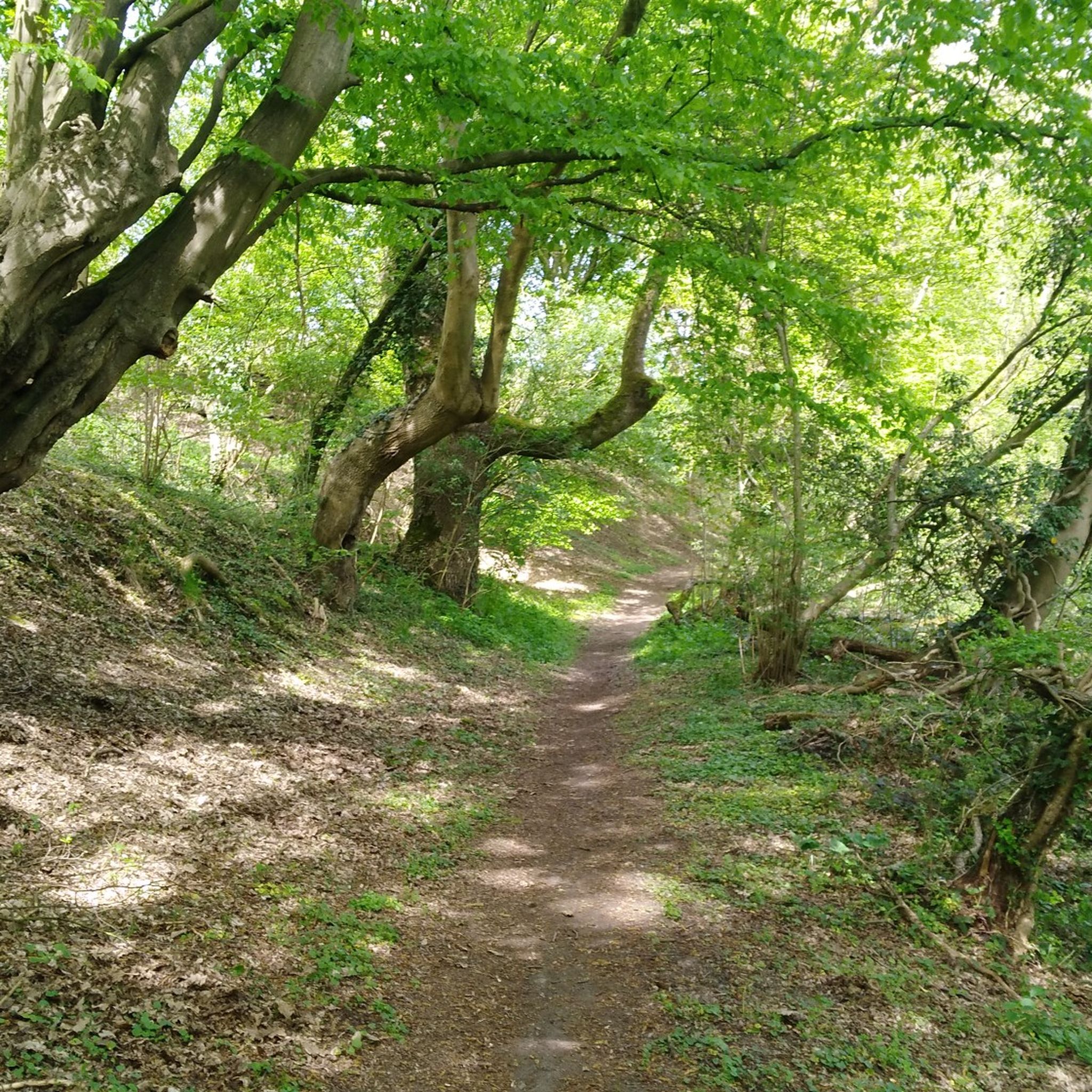
The cross, also known as the Croix sur le chemin de Fort-Pays, is attached to a chestnut tree at the entrance to a path leading through the meadows to Lammerschot and then on to Saint-Jean-Sart. This type of wayside cross belongs to the so-called petit patrimoine sacré—small religious heritage—typical of the Pays de Herve and Wallonia. Such crosses traditionally served as spiritual beacons for travelers, pilgrims, and local residents, and are often placed at crossroads, paths, or village entrances.
2
0

At this point, history and landscape converge. The MN18 observation bunker, a silent witness to the Second World War, still stands as a reminder of a turbulent period. From the bunker, you also have a unique view of the surrounding hilly landscape. Next to the bunker is the Knuppelstock orientation table, a platform that indicates the names and directions of villages, hills, and landmarks in the area. It's an ideal spot to get to know the region better and to enjoy a panoramic view of the border area between the Netherlands and Belgium.
3
0
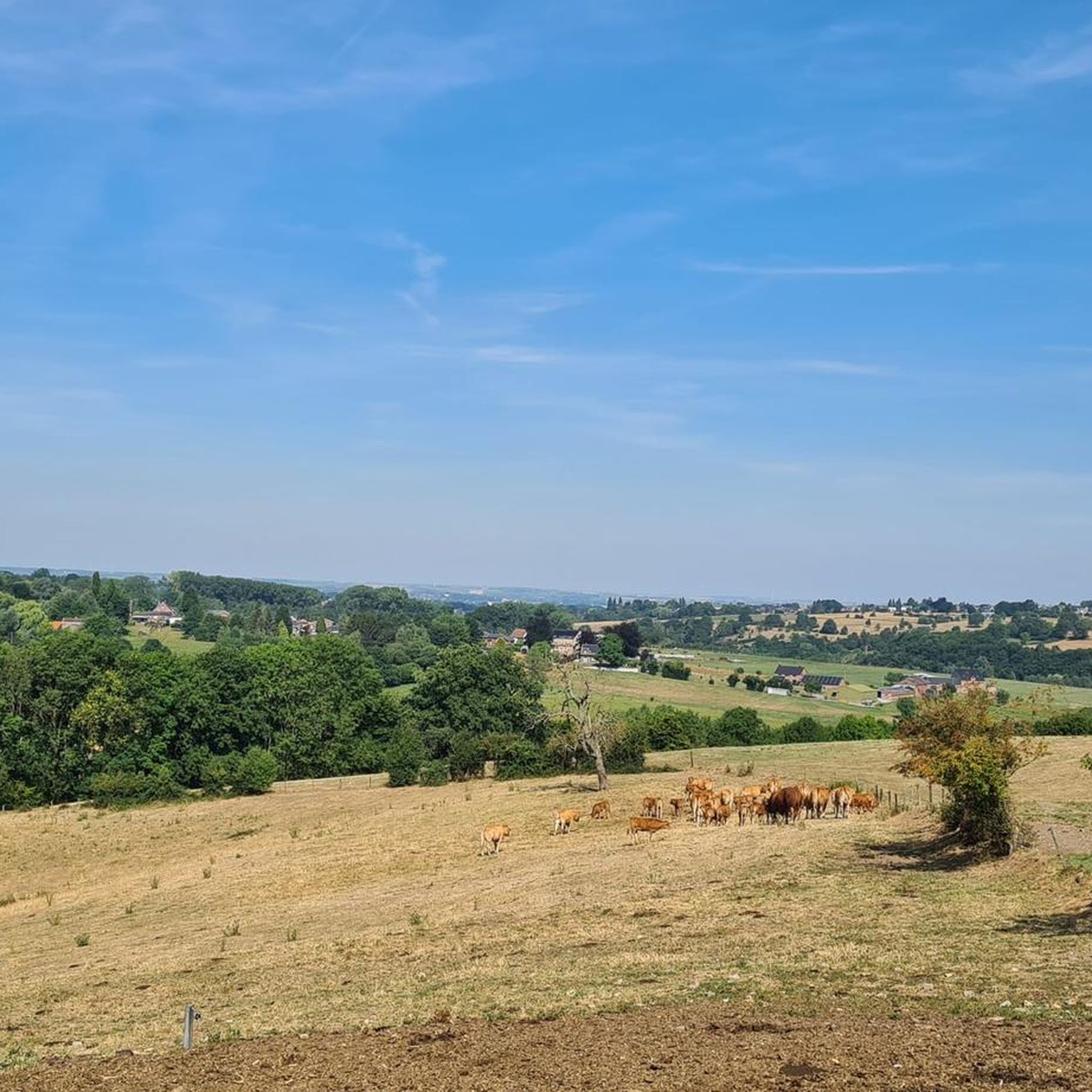
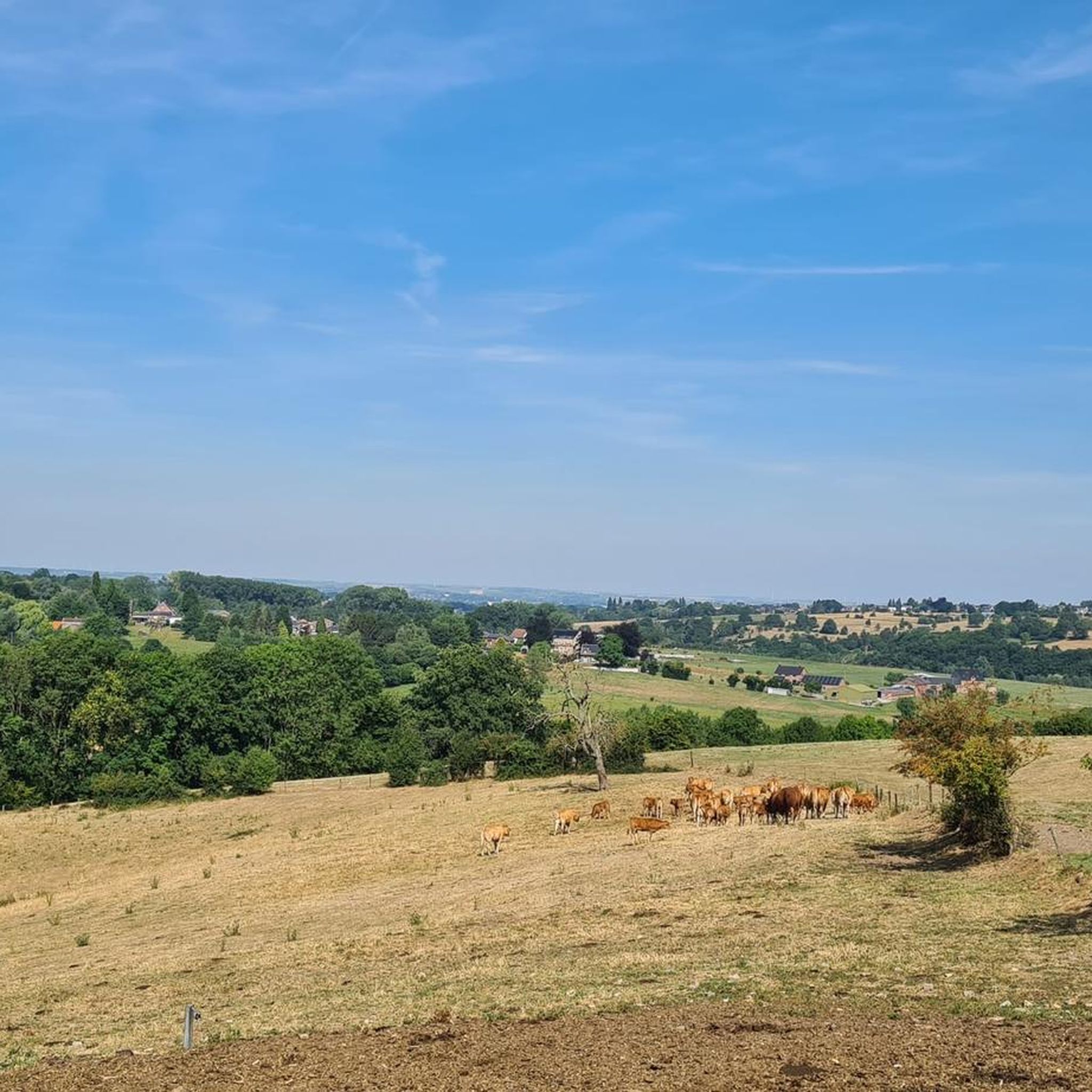
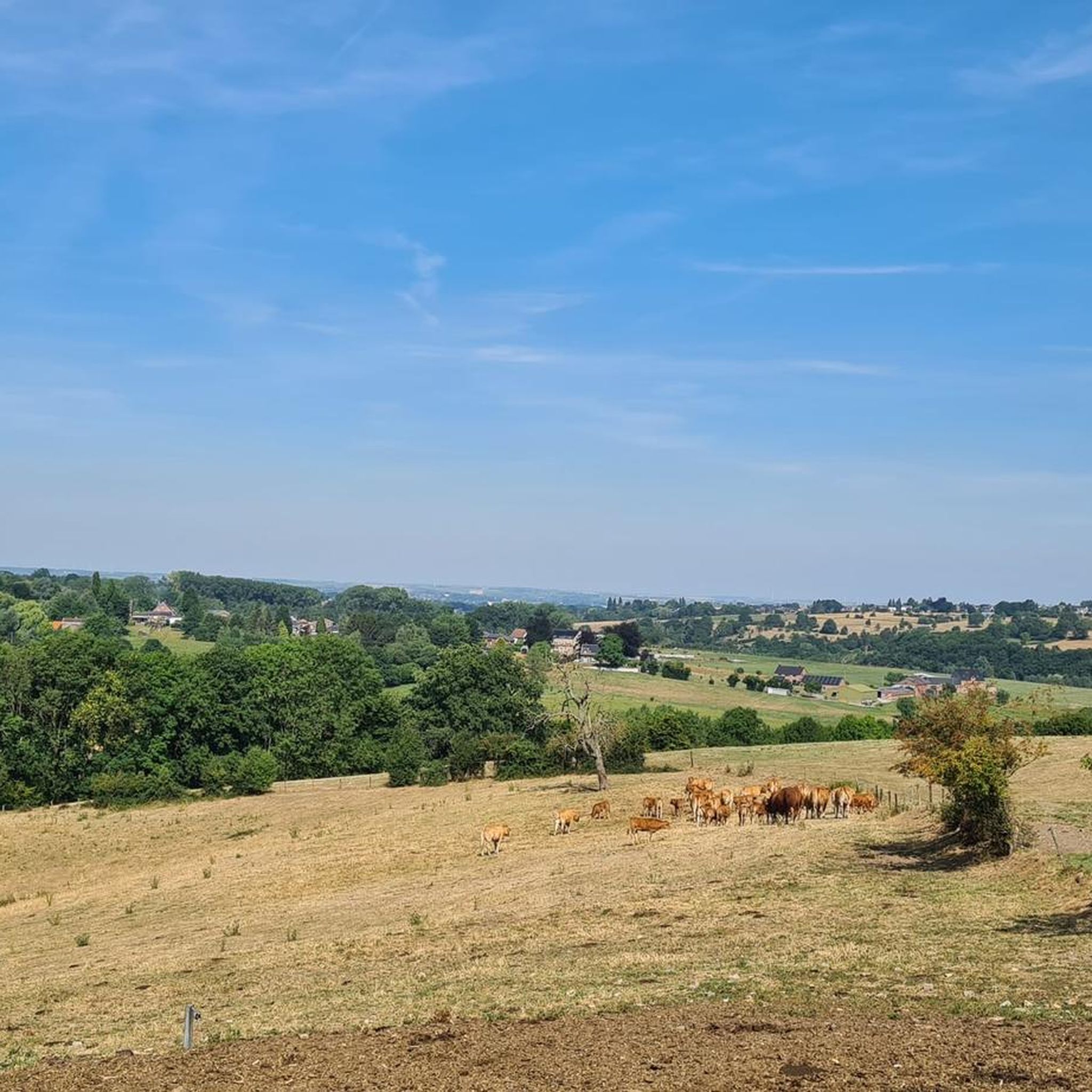
The countryside surrounding Val-Dieu offers vast fields, green meadows, and rolling hills—the perfect setting for a peaceful walk or bike ride. The landscape exudes the charm and tranquility of the Belgian hills.
0
0
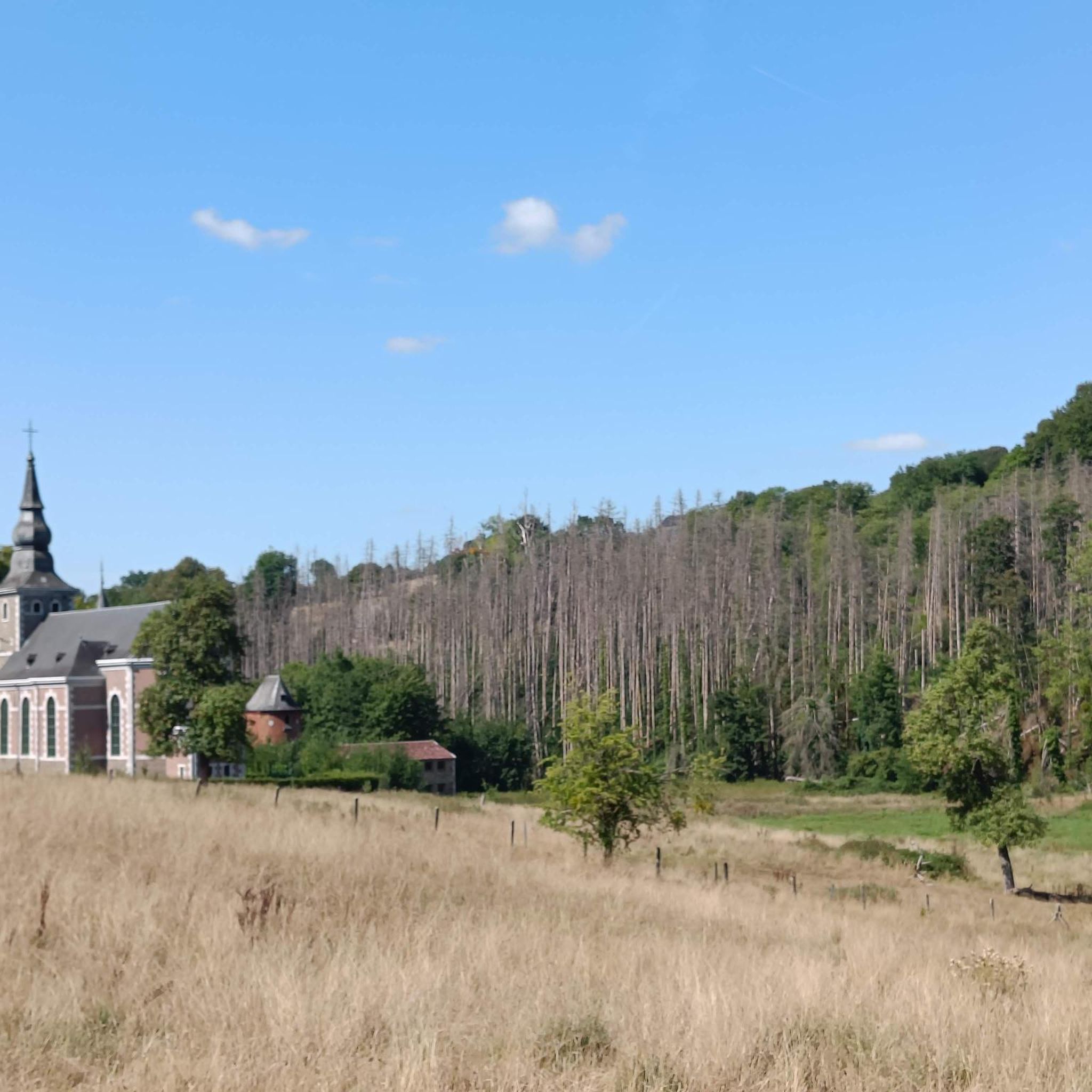
Take a seat on this bench and enjoy a beautiful view over the valley and the Abbey of Val-Dieu.
1
0

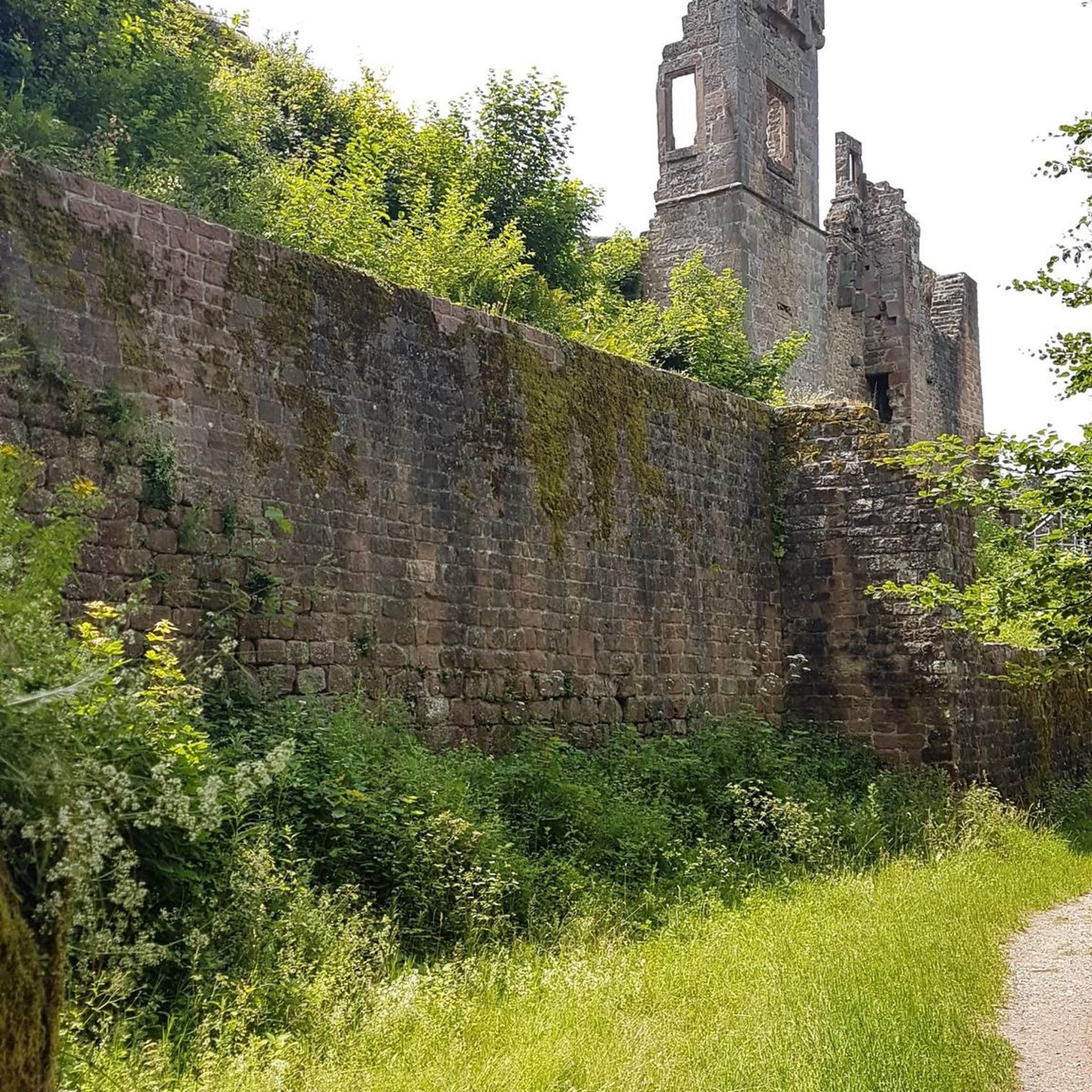
The castle's origins date back to the 11th century. It was first documented in 1155, but the first buildings probably date back to the time of Bishops Henry of Verdun (1075–1091) and Otbert (1091–1119). As one of twelve residences of the Prince-Bishop of Liège, it served to defend the eastern border of the principality.
35
0

Here you can read some history about these famous stairs in different languages before you climb them.
9
0

Superb walk. Beautiful region and tasting of Val Dieu Trappist, a treat
3
1
Frequently Asked Questions
What historical sites can I visit in and around Soumagne?
Soumagne is rich in history. You can explore the medieval Ruins of Franchimont Castle, an 11th-century fortress that hosts a medieval fair in odd-numbered years. Another significant site is the Observation Bunker MN18 and Knuppelstock Orientation Table, part of the Fortified Position of Liège, which shows damage from a 1940 attack and offers panoramic views. The area also features several historic churches, including the protected Church of Saint-Lambert in Soumagne, and the former coal mine headframe "Belle-Fleur" from Bas-Bois.
Are there any natural attractions or scenic viewpoints in the Soumagne area?
Yes, Soumagne is known for its picturesque landscapes with rolling hills and lush forests. The Knuppelstock Orientation Table offers a magnificent panorama over the Herve region. The countryside around Val-Dieu, known as Campagne de Val-Dieu, provides expansive fields and green meadows, ideal for walks with beautiful views over the valley and the Val-Dieu Abbey. Additionally, the Domaine provincial de Wégimont is a 22-hectare park with trees, flowers, and an arboretum.
What cultural sites are there to explore in Soumagne?
Soumagne offers several cultural points of interest. The Centre culturel de Soumagne hosts various events, exhibitions, concerts, and workshops throughout the year. You can also visit the Musée de la vie populaire (Museum of Popular Life) to gain insights into local heritage and traditions. The Val-Dieu Abbey, while a religious site, also offers a cultural experience with its history and local products like beers and liqueurs.
What outdoor activities, like hiking or cycling, can I do near Soumagne's attractions?
The region around Soumagne is excellent for outdoor activities. For hiking, you can find trails like the 'Wild Garlic Forest – Saint Hadelin's Church loop' or the 'Biscuit Tree – Melen Village Walk'. Cyclists can explore routes such as the 'Viewpoint – Former Retinne railway station loop' for an easy ride, or more challenging options like the 'Bacsay Housse Stone Bridge – Forest Descent Trail loop'. Mountain biking enthusiasts have trails like the 'Wild Garlic Trail Descent' or the 'Dalhem Old Railway Tunnel – Wixhou Chapel loop'. You can find more details on these and other routes on the hiking guide, cycling guide, and MTB trails guide for Soumagne.
Are there family-friendly attractions in Soumagne?
Yes, several attractions in the Soumagne area are suitable for families. The Val-Dieu Abbey is a tranquil place where families can enjoy the grounds and taste local products. The Observation Bunker MN18 and Knuppelstock Orientation Table offers an interesting historical lesson and panoramic views. The Domaine provincial de Wégimont is a leisure park with a large green space, perfect for children to play and explore. The Visé Marina is also a pleasant spot for a family walk.
Are any attractions in Soumagne wheelchair accessible?
The Knuppelstock Orientation Table, located next to the MN18 bunker, is designed to be accessible for the visually impaired with tactile elements, and the area around it is generally accessible. For other attractions, it's advisable to check specific accessibility details beforehand, as historical sites like castles or natural landscapes may have varying terrain.
What is the best time of year to visit attractions in Soumagne?
The best time to visit Soumagne attractions largely depends on your interests. Spring and summer (April to September) offer pleasant weather for exploring outdoor sites, hiking, and cycling, with lush green landscapes. The medieval fair at Franchimont Castle takes place in August during odd-numbered years. Autumn brings beautiful foliage, while winter can be charming for cultural visits, though some outdoor activities might be less comfortable.
Where can I find food or drinks near the attractions?
You'll find options for food and drinks near several attractions. At Val-Dieu Abbey, you can dine in the old barn, which has been transformed into a brewery, and sample local products like beers and liqueurs. The Visé Marina also features a restaurant in the former harbor master's office. Additionally, local towns and villages will have cafes and restaurants.
How much time should I allocate to visit the main attractions in Soumagne?
To fully experience the main attractions, consider allocating at least a full day, or even a weekend. For example, visiting Val-Dieu Abbey and its brewery could take a few hours. Exploring the Ruins of Franchimont Castle and its surroundings might take 2-3 hours. The Observation Bunker MN18 and its panoramic views can be enjoyed in about an hour. If you plan to include hiking or cycling, you'll need to add more time accordingly.
What do visitors particularly enjoy about the attractions in Soumagne?
Visitors frequently praise the tranquility and historical depth of sites like Val-Dieu Abbey, often highlighting the opportunity to taste local products. The panoramic views from the Knuppelstock Orientation Table are a popular highlight, especially its unique design for the visually impaired. The imposing nature of the Ruins of Franchimont Castle and its medieval fair are also highly appreciated for their historical charm and festive atmosphere. Overall, the blend of history, natural beauty, and local culture makes the area appealing.
Are there any unique or lesser-known attractions in the Soumagne area?
Beyond the main highlights, the region offers some unique spots. The Knuppelstock Orientation Table itself is a hand-carved, one-ton blue stone, unique in Belgium for its tactile elements for the visually impaired. The former coal mine headframe "Belle-Fleur" from Bas-Bois is a classified monument offering a glimpse into the region's industrial past. The various historic churches, such as the Church of Saint-Job in Melen, also offer quiet, culturally rich visits.
Are there easy walking trails suitable for all abilities around Soumagne?
Yes, there are several easy walking options. The Domaine provincial de Wégimont offers paved paths through its park and arboretum, suitable for a leisurely stroll. The countryside around Val-Dieu Abbey also provides gentle paths through fields and meadows. For specific routes, you can check the hiking guide for Soumagne, which includes trails like 'Through The Meadow loop from Micheroux' that are generally moderate but can be adapted for easier sections.
Are there specific events or festivals held at these attractions?
Yes, the Ruins of Franchimont Castle host a medieval fair called La Franchefoire every third weekend of August in odd-numbered years, featuring entertainment, crafts, and folklore. The Centre culturel de Soumagne also regularly organizes various events, exhibitions, concerts, and workshops throughout the year, offering a dynamic cultural calendar.
Most popular routes around Soumagne
Most popular attractions around Soumagne

Get inspired with the komoot mobile app


Explore more
Still not found the Highlight you’re looking for? See guides of the top attractions in other regions:
