Top 13 Caves around Bütgenbach
Best caves around Bütgenbach are found in the wider East Belgium and Wallonia regions, offering diverse subterranean experiences. Bütgenbach itself is known for its outdoor activities around Lake Bütgenbach, including hiking and cycling. The surrounding area features historical sites and natural landmarks, providing context for regional cave exploration. This part of Belgium is characterized by its forested landscapes and historical significance.
Best caves around Bütgenbach
- The most popular caves is Schöpfungspfad Alpine Section and Bat Cave, a trail that…
Last updated: May 3, 2026
Schöpfungspfad Alpine Section and Bat Cave
Highlight • Trail
Translated by Google •
Tip by

Lourdes Grotto Rohren
Highlight • Religious Site
By …
Translated by Google •
Tip by

Sign up now to discover places like this
Get recommendations on the best single tracks, peaks, & plenty of other exciting outdoor places.
Sign up for free
Manhole of the Reinhardstein conduit
Highlight • Cave
Translated by Google •
Tip by

Ölberg Grotto Widdau
Highlight • Religious Site
Translated by Google •
Tip by

Place of refuge during World War II
Highlight • Historical Site
Christmas 1944 - Bombing December 23, 24 and 25
In this shelter 300 Malmedians, victims of the tragic events in our city, found shelter for several weeks in miserable conditions.
Translated by Google •
Tip by
Sign up for free to discover even more caves around Bütgenbach.
Sign up for free
Already have an account?
Start today with a free account
Your next adventure awaits.
Login or Signup
Popular around Bütgenbach
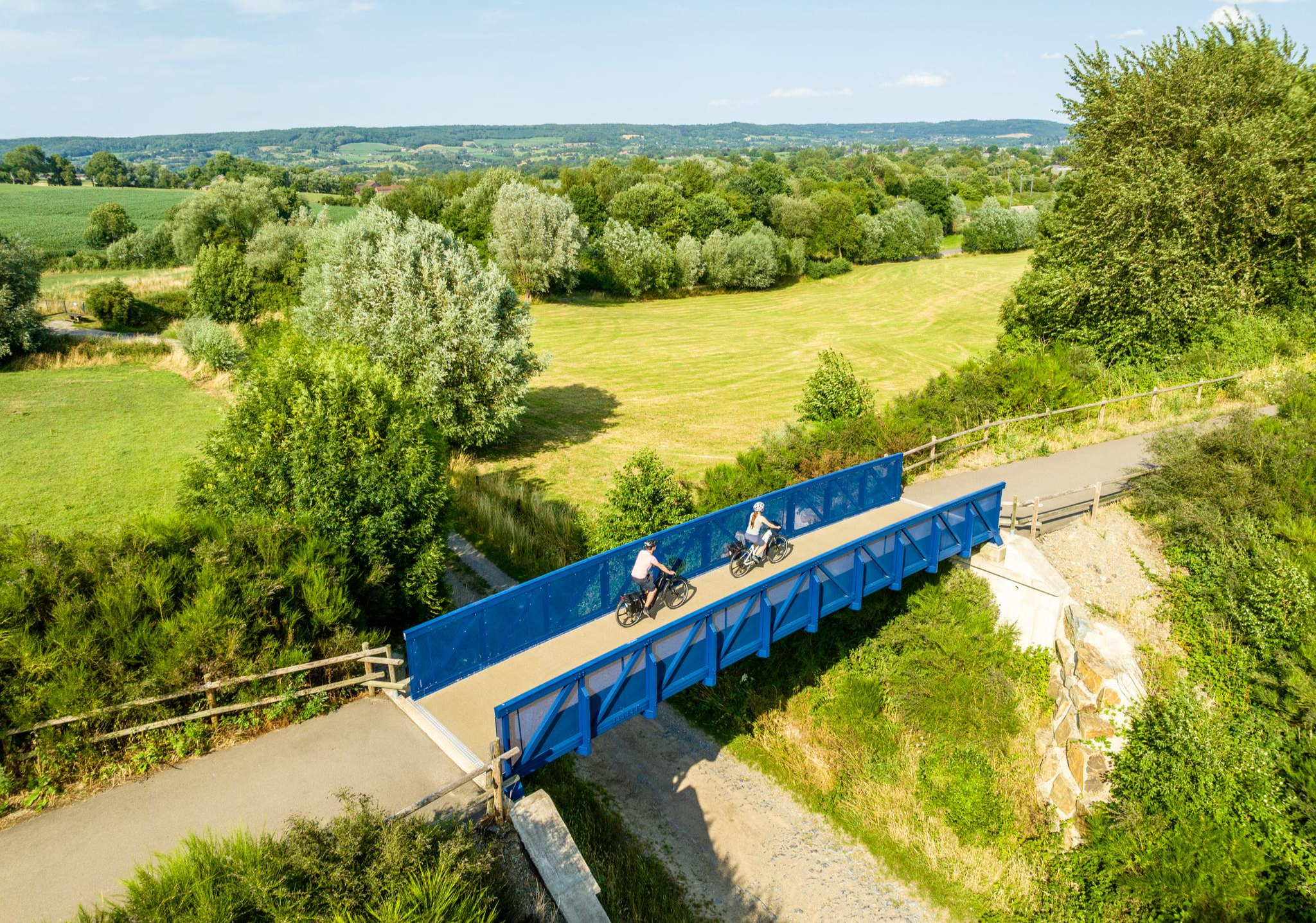
Three countries, one experience – borderless cycling in the Aachen region
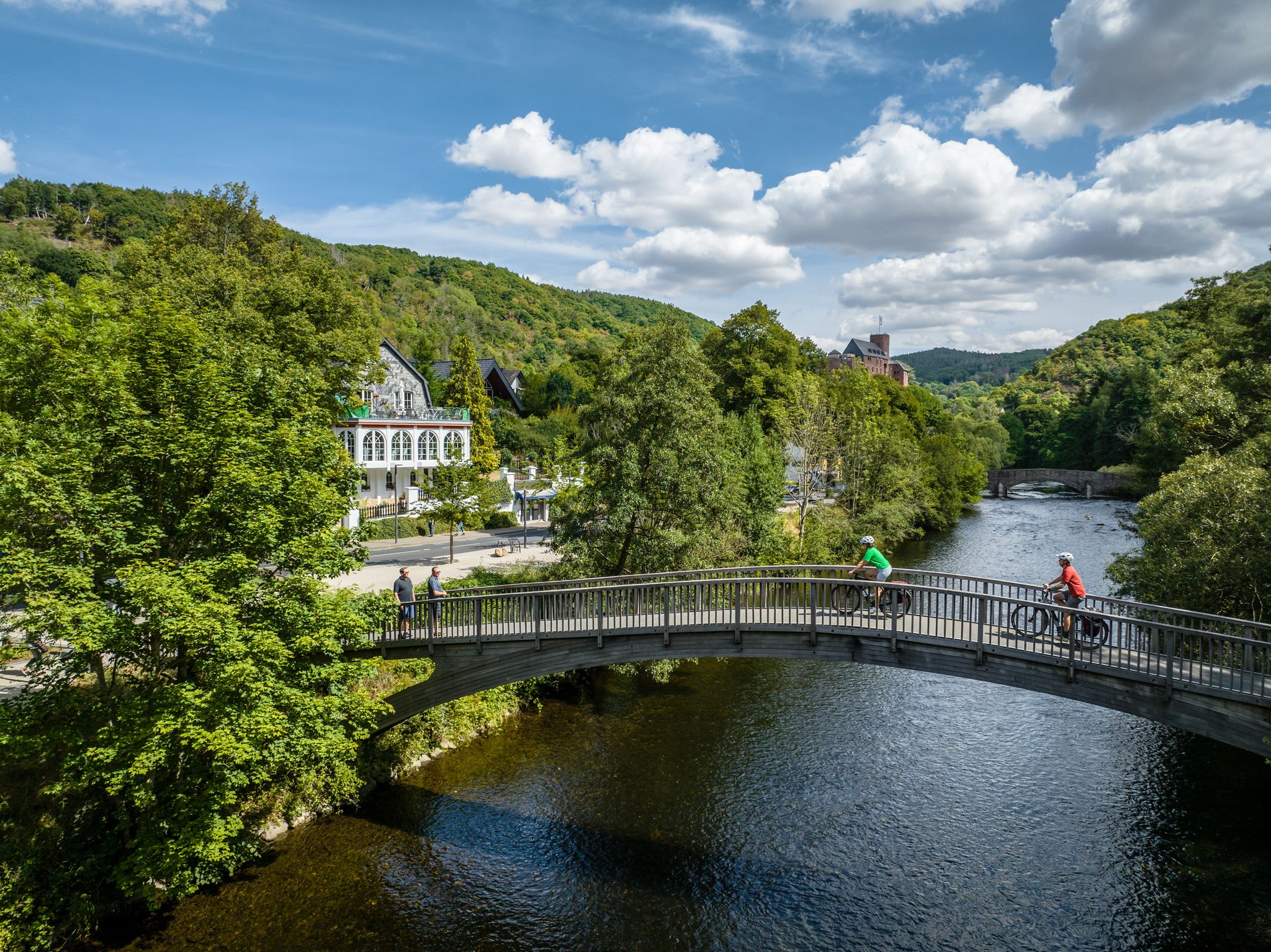
Heights, castles, moors – RURschleifen by bike
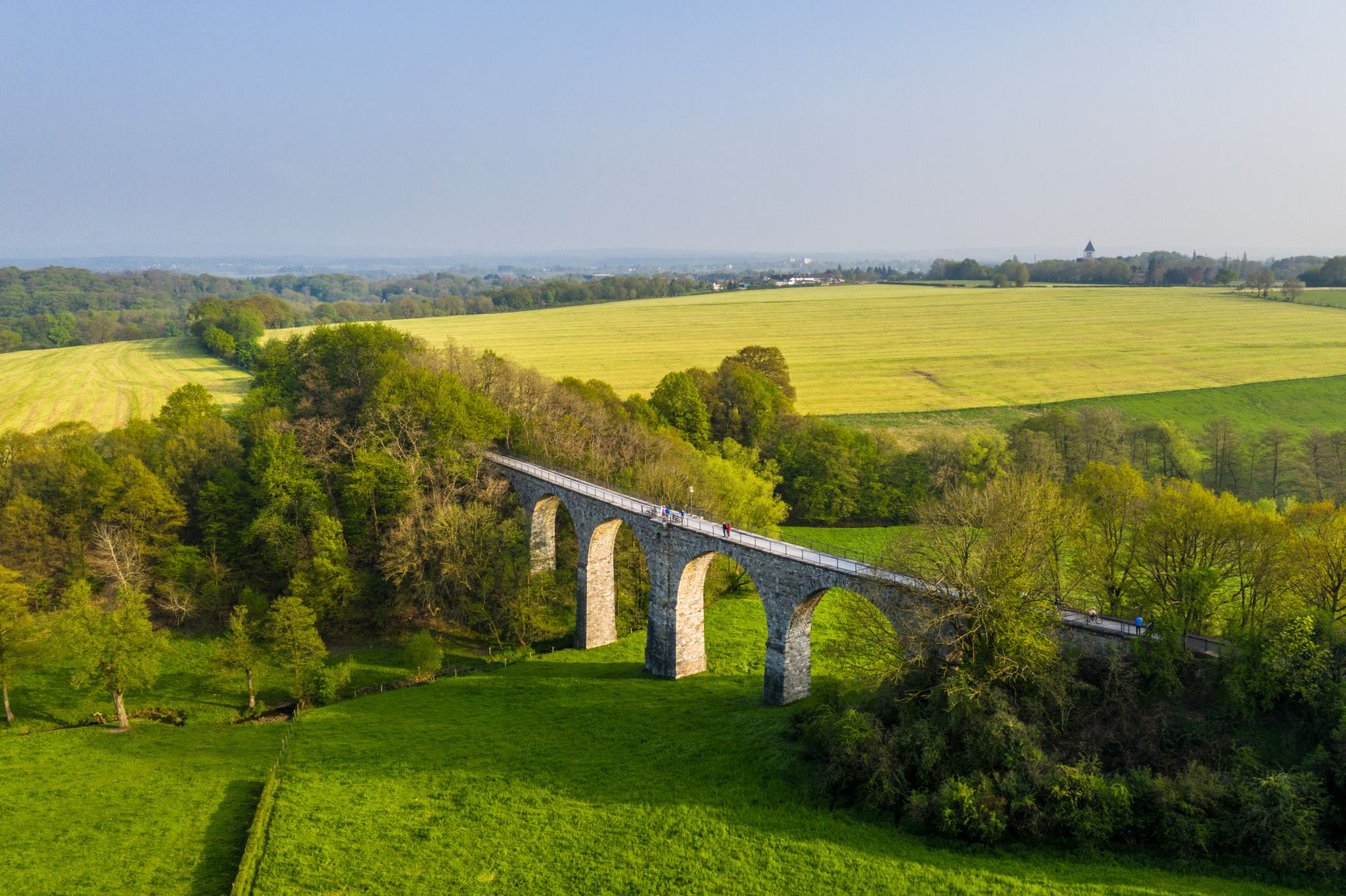
Cycling the tracks of the Vennbahn – the Vennbahnschleifen
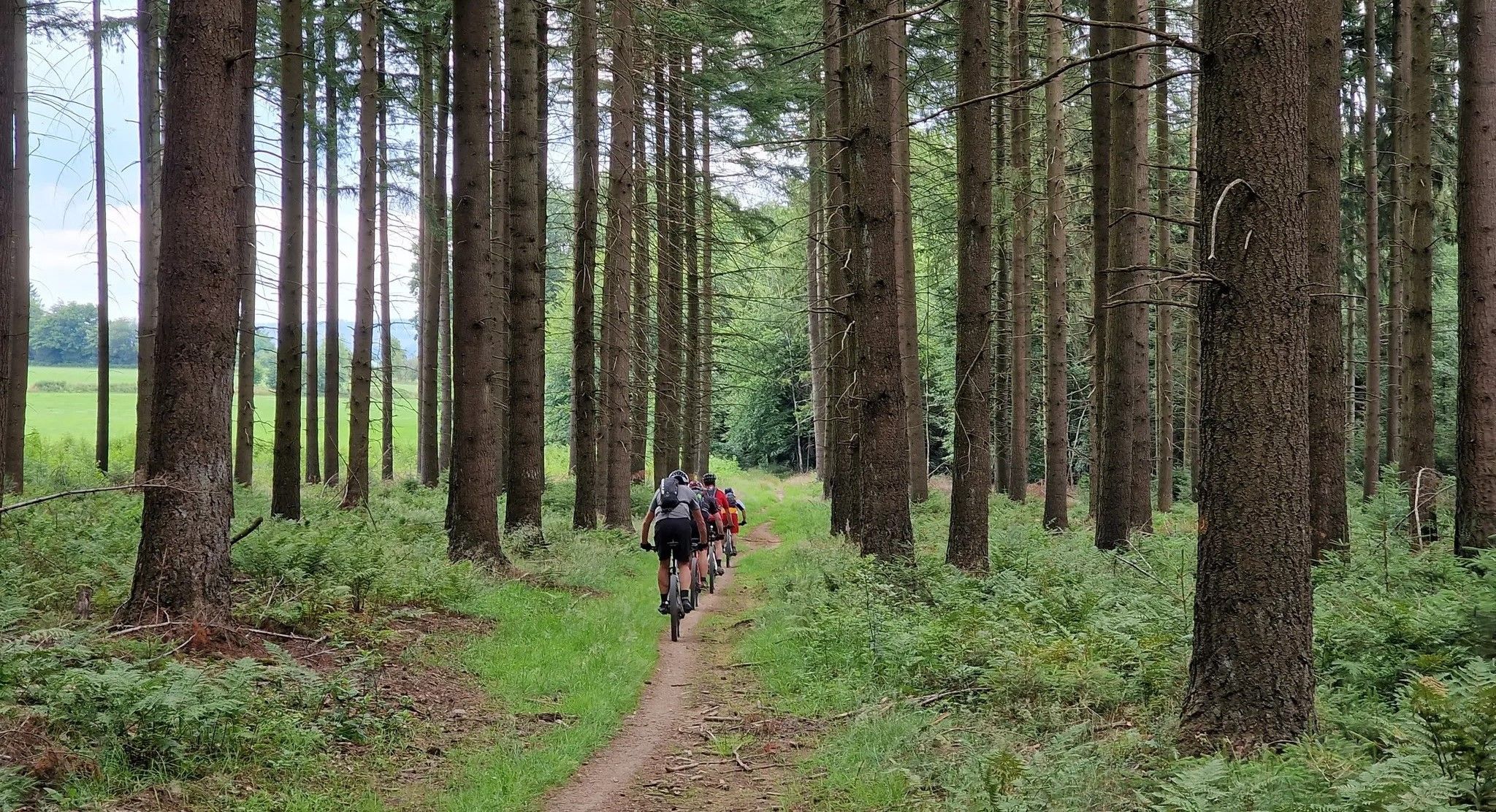
Trail rush through the East Belgian Ardennes
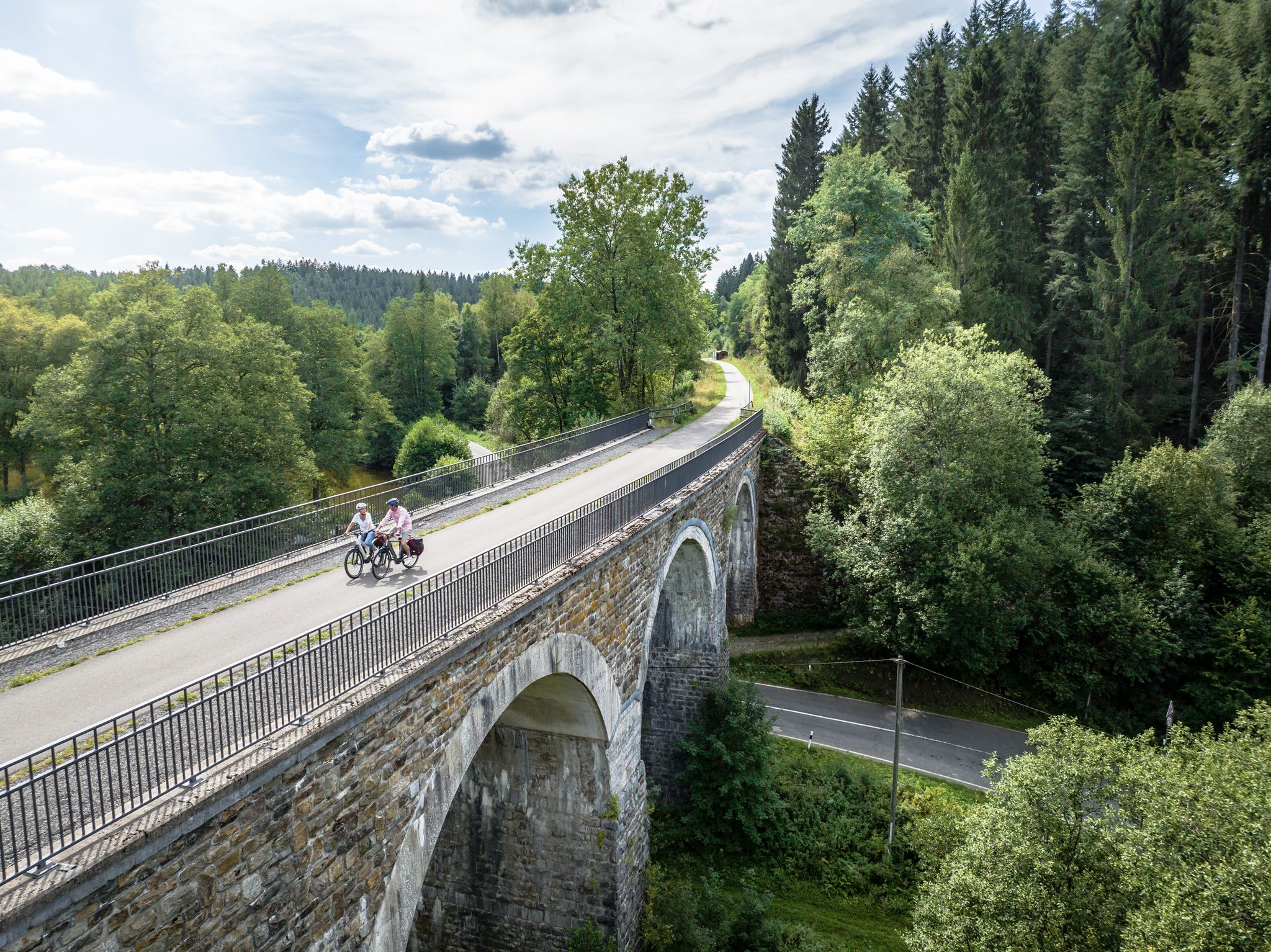
Fens, forests and water – cycling Tours in the Rur Eifel Region
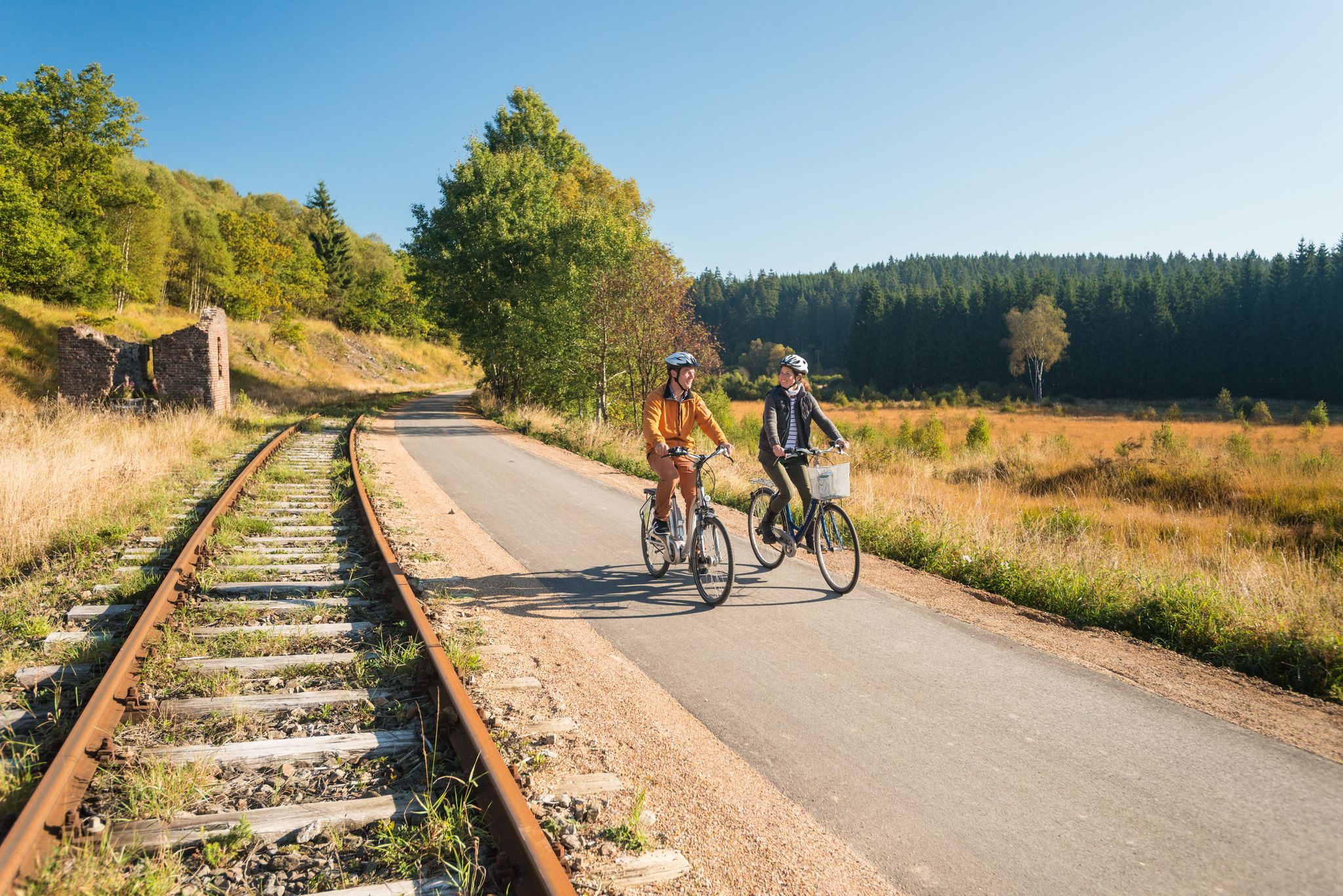
Boundless cycling pleasure on Belgium’s Vennbahn Cycle Route
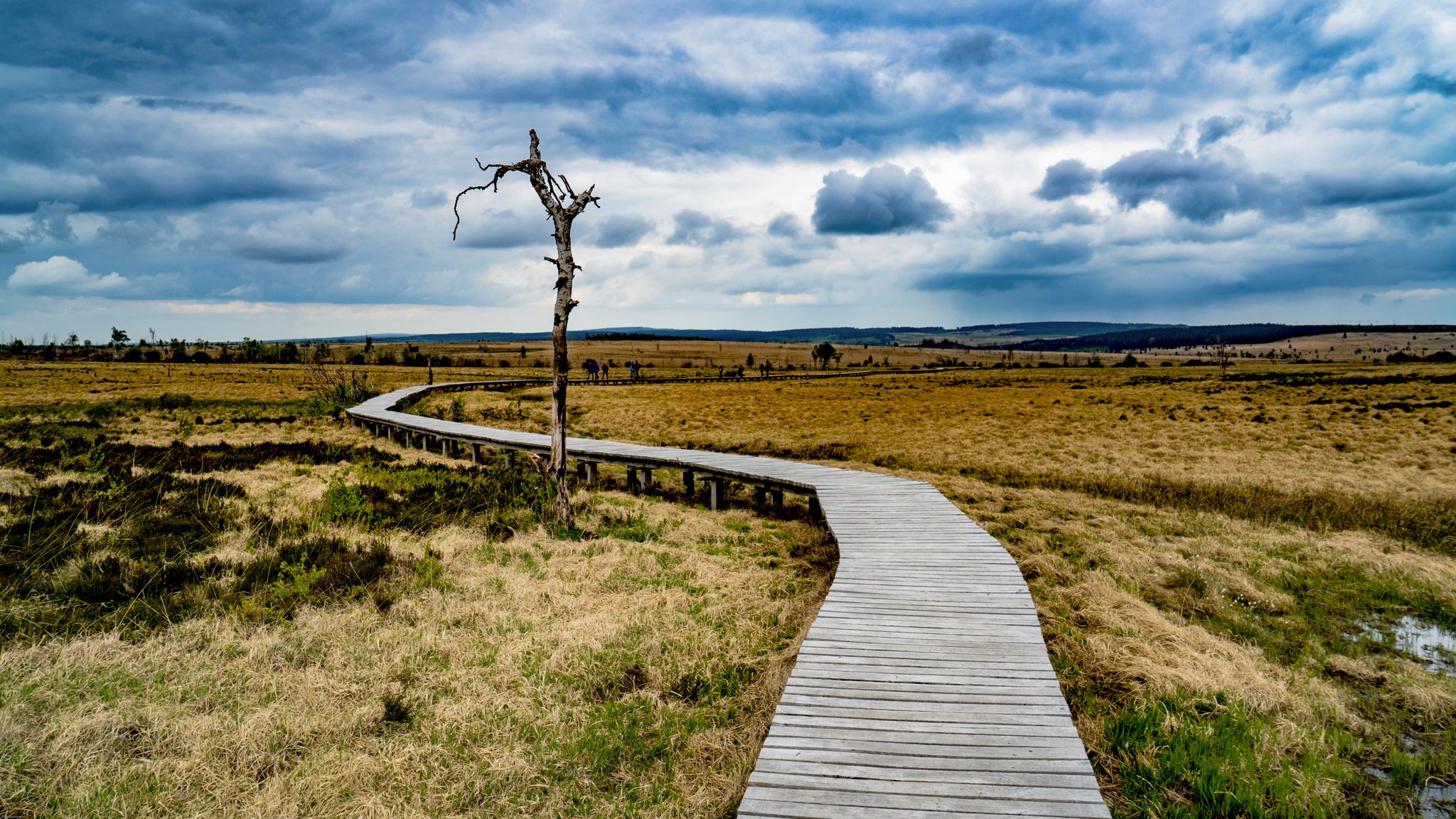
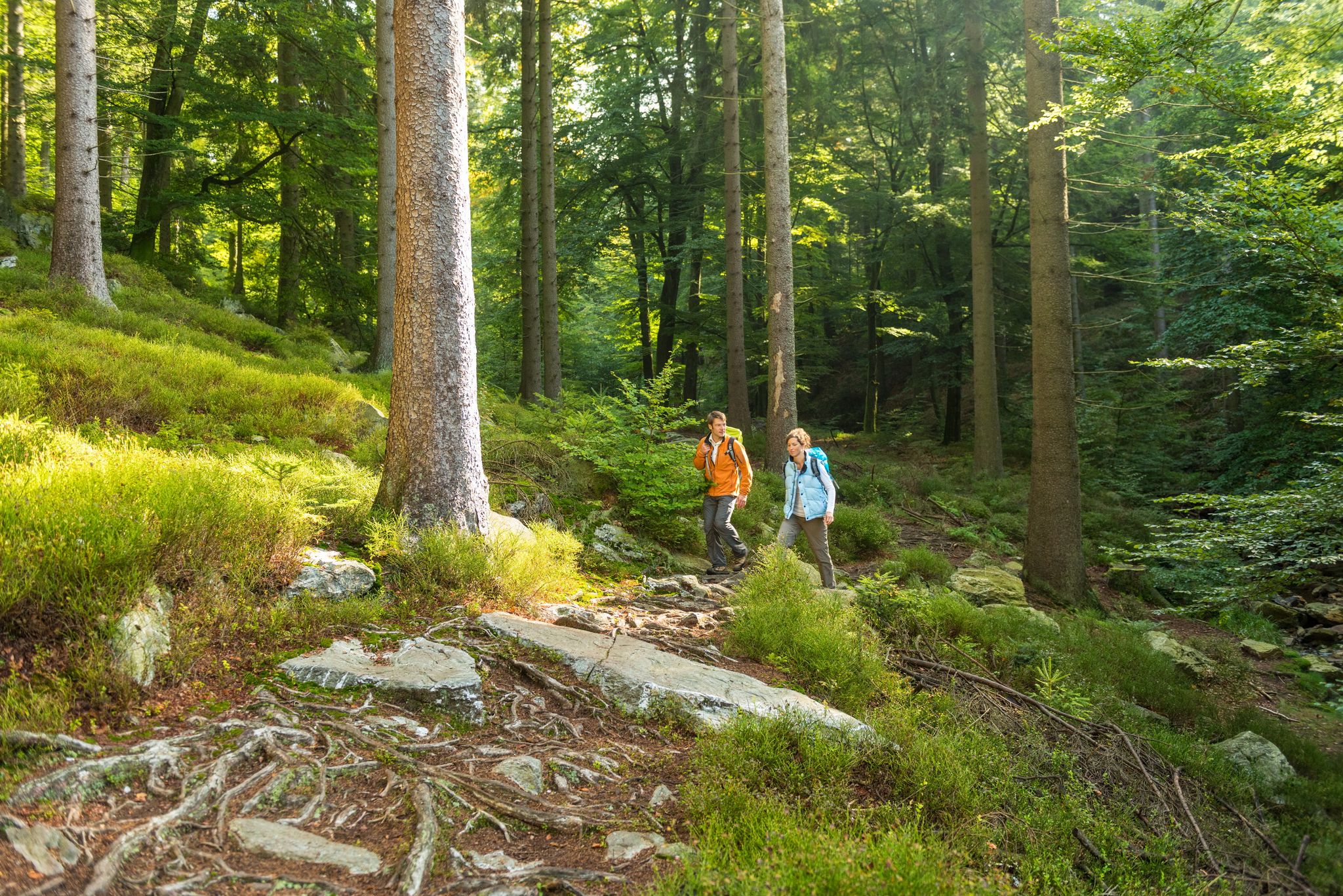
Leisure Tours on enchanted paths – hiking in East Belgium
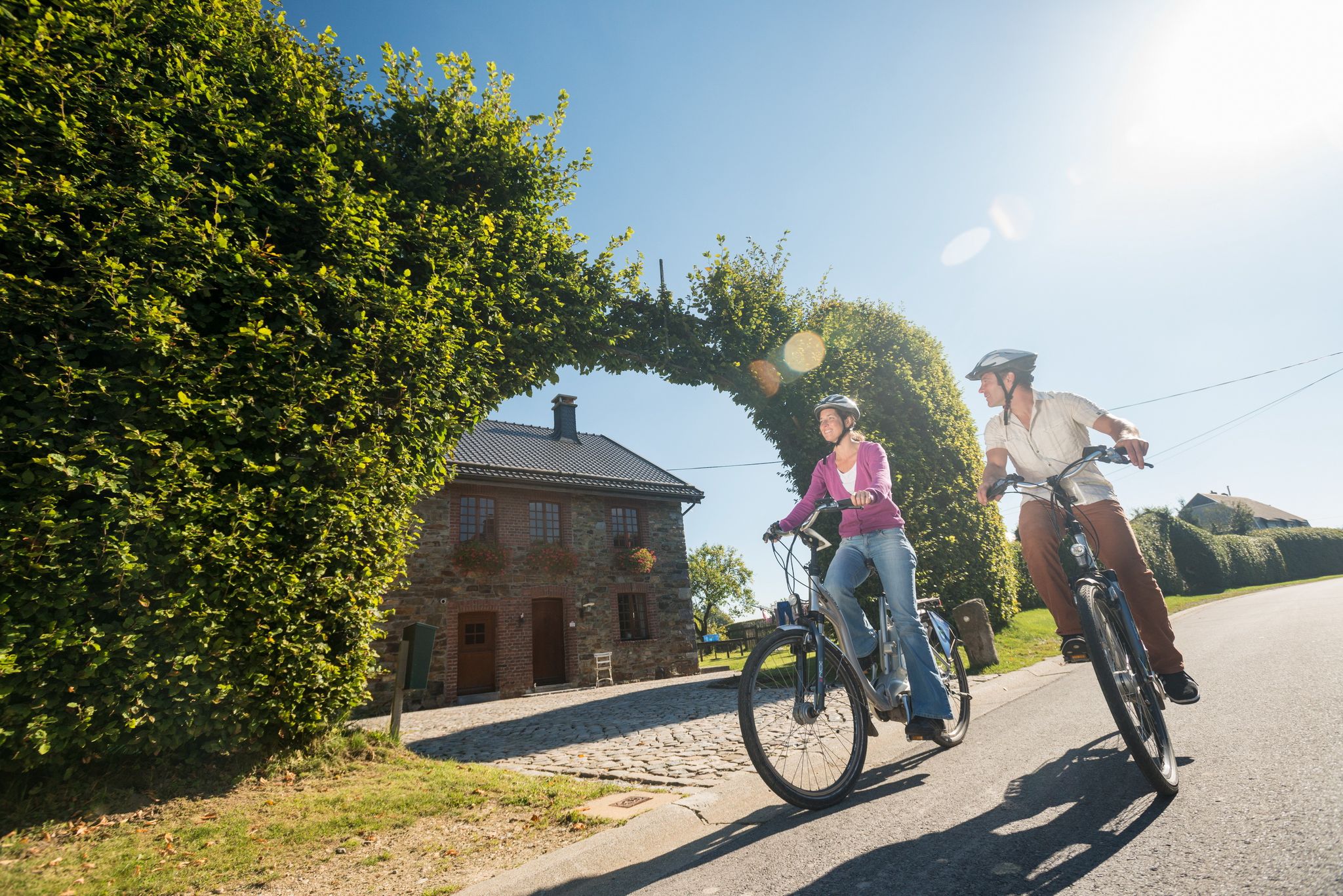
Ovelo cycle Tours in East Belgium – railway paths and natural beauty
Fantastic regional footpaths — GR hiking paths in East Belgium
Little adventures — kids on Tour in East Belgium
Other adventures around Bütgenbach


Tips from the Community

The Lourdes Grotto was built in 1903 on the initiative of Father Hesseler, the parish priest of Rohren. It is an expression of the deep piety and trust in God of the people. Even today, the grotto is a destination for pilgrims who implore the Virgin Mary for help in times of need.
2
0

Nowadays, a sign hangs on the (closed) gate: "Trou d'homme de la conduite Reinhardstein". So it is about a tunnel to/escape route from the nearby castle.
0
0

The Olberg Grotto was built by Pastor Hesseler in 1904. The plans were drawn up by Father Rademanns of Steyl. Wagoners from Widdau and Rohren brought approximately 80 loads of rubble and approximately 30 loads of sand from the Rur. The grotto was built by the local community using manual labor, thus saving the elderly and infirm from Widdau the strenuous walk to the church in Rohren. Source: Display board.
4
0
Good thing it's locked so the bats have peace and quiet.
6
0

This grotto contains an interesting little shrine: the Widdau Mount of Olives Grotto. According to the New Testament accounts of the Passion of Jesus, the Mount of Olives in Jerusalem was the scene of two events: Jesus' prayer to God the Father, during which the overtired disciples fell asleep; and Jesus' arrest.
1
0

On a hot summer day you can cool off here - the refrigerator effect near the tunnel is impressive!
0
0


Why go to Spain, you can also pray here
2
1
Frequently Asked Questions
What types of cave experiences can I find around Bütgenbach?
The region around Bütgenbach offers a diverse range of cave experiences, from natural cave sections integrated into hiking trails to historical sites and artificial grottoes with religious significance. You can explore natural formations, discover places used as shelters during historical events, or visit intricately built grottoes.
Are there any natural caves with unique features near Bütgenbach?
Yes, the wider Wallonia region, within a reasonable distance from Bütgenbach, features the notable Schöpfungspfad Alpine Section and Bat Cave, which includes a natural bat cave along a varied hiking path. Further afield, the Caves of Remouchamps are known for Europe's only navigable underground river, offering a unique subterranean boat journey.
What historical caves or grottoes can I visit in the area?
You can visit several historical sites. The Place of refuge during World War II served as a shelter for hundreds of people during the bombing of Malmedy in December 1944. Additionally, the Lourdes Grotto Rohren, built in 1903, is an artificial cave with religious significance, featuring formations of boulders and artificial stalactites.
Are there family-friendly cave attractions or grottoes?
Yes, the Lourdes Grotto Rohren is considered family-friendly and offers a peaceful historical site to visit. Its artificial construction and interesting 'stalactites' can be an engaging experience for all ages.
Can I explore the Knochenhöhle (Cave of Bones) near Bütgenbach?
The Knochenhöhle (Cave of Bones) near Bütgenbach is no longer an active cave for exploration. However, the area is now a walking destination that offers a hike to the woods and a pond where the cave once existed, providing a glimpse into its past as a leisure spot.
What should I wear when visiting caves or grottoes in the Bütgenbach region?
When visiting caves or grottoes, it's advisable to wear sturdy, comfortable walking shoes, as paths can be uneven or damp. Even in summer, cave interiors can be cool, so bringing a light jacket or sweater is recommended. For natural cave sections on hiking trails, dress appropriately for outdoor activity and varying terrain.
What outdoor activities can I combine with a visit to the caves?
The Bütgenbach region is excellent for outdoor activities. You can find numerous hiking trails, including those that pass by cave highlights like the Schöpfungspfad Alpine Section and Bat Cave. There are also extensive road cycling and gravel biking routes throughout the area, allowing you to explore the diverse landscapes.
Are there any challenging cave sites for experienced explorers?
For those seeking a more challenging experience, the Manhole of the Reinhardstein conduit is a historical cave highlight categorized as challenging. While the entrance may be locked or partially submerged, it offers a glimpse into a more rugged, less developed cave environment.
What is the best time of year to visit caves around Bütgenbach?
The best time to visit caves and grottoes around Bütgenbach depends on the specific site. Many outdoor grottoes and cave sections on hiking trails are accessible year-round, though spring offers vibrant greenery, and autumn provides beautiful foliage. For natural caves, conditions can vary, so checking local information is always a good idea.
What do visitors enjoy most about the caves and grottoes in this region?
Visitors particularly appreciate the variety of experiences, from the constantly changing surroundings on trails featuring natural cave sections to the peaceful atmosphere of historical grottoes. The blend of natural beauty and historical significance, often found along scenic hiking paths, is a common highlight.
Is there another religious grotto besides Lourdes Grotto Rohren?
Yes, the Ölberg Grotto Widdau is another significant religious grotto in the area. Built in 1904, it contains an interesting shrine and was constructed by the local community to provide a place of worship closer to home for the elderly and infirm.
Are there any caves near the village of Thirimont?
Yes, the Grot van Grosbois is mentioned as a cave located near the picturesque village of Thirimont (Waimes), which is suggested as a place to visit near Bütgenbach. While specific details about its accessibility are limited, it indicates another cave presence in the broader vicinity.
Most popular routes around Bütgenbach
Most popular attractions around Bütgenbach

Get inspired with the komoot mobile app


Explore more
Extend your search for the best caves by checking out these guides of the top ones around Bütgenbach:
