The best MTB trails around Olne
4.2
(790)
5,804
riders
15
rides
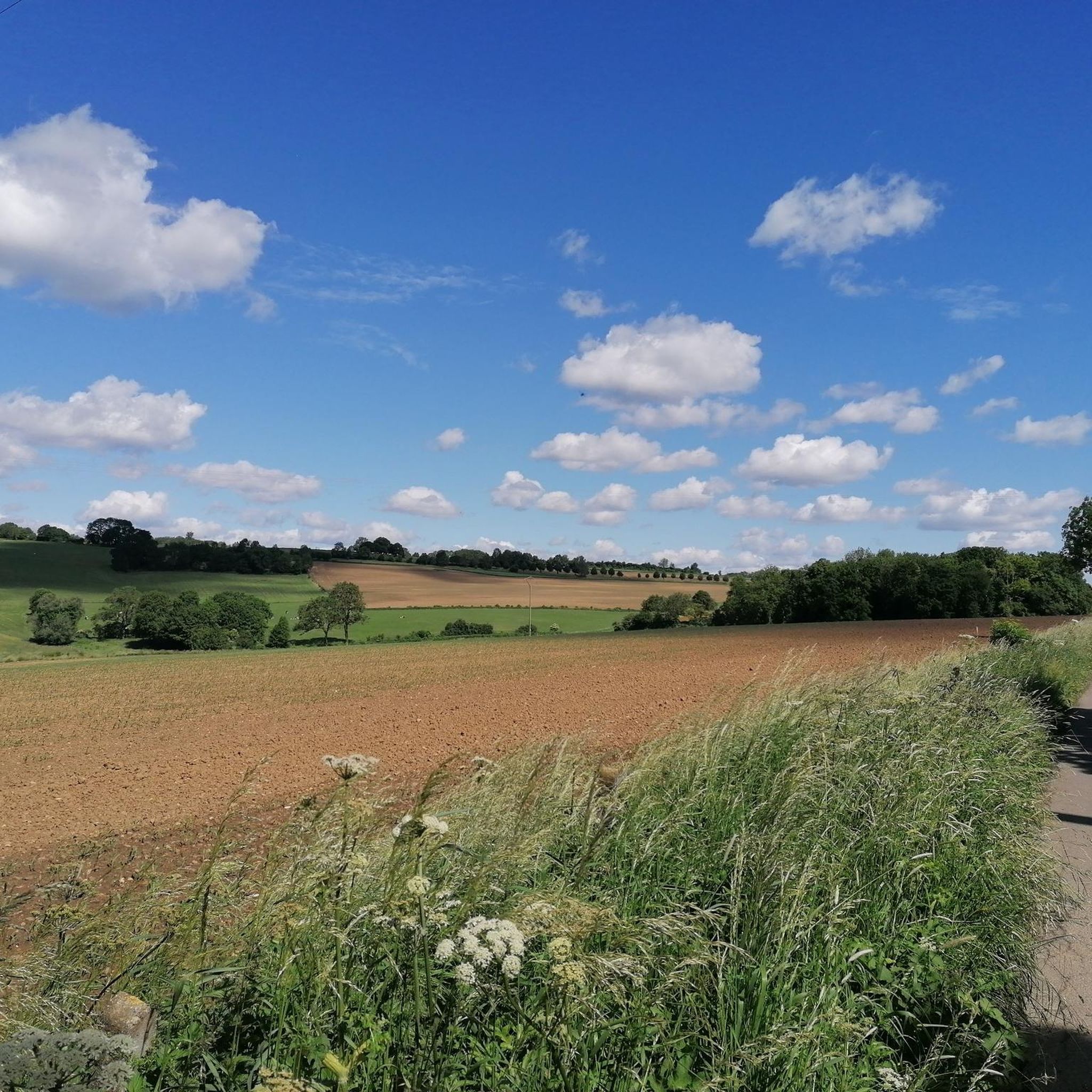
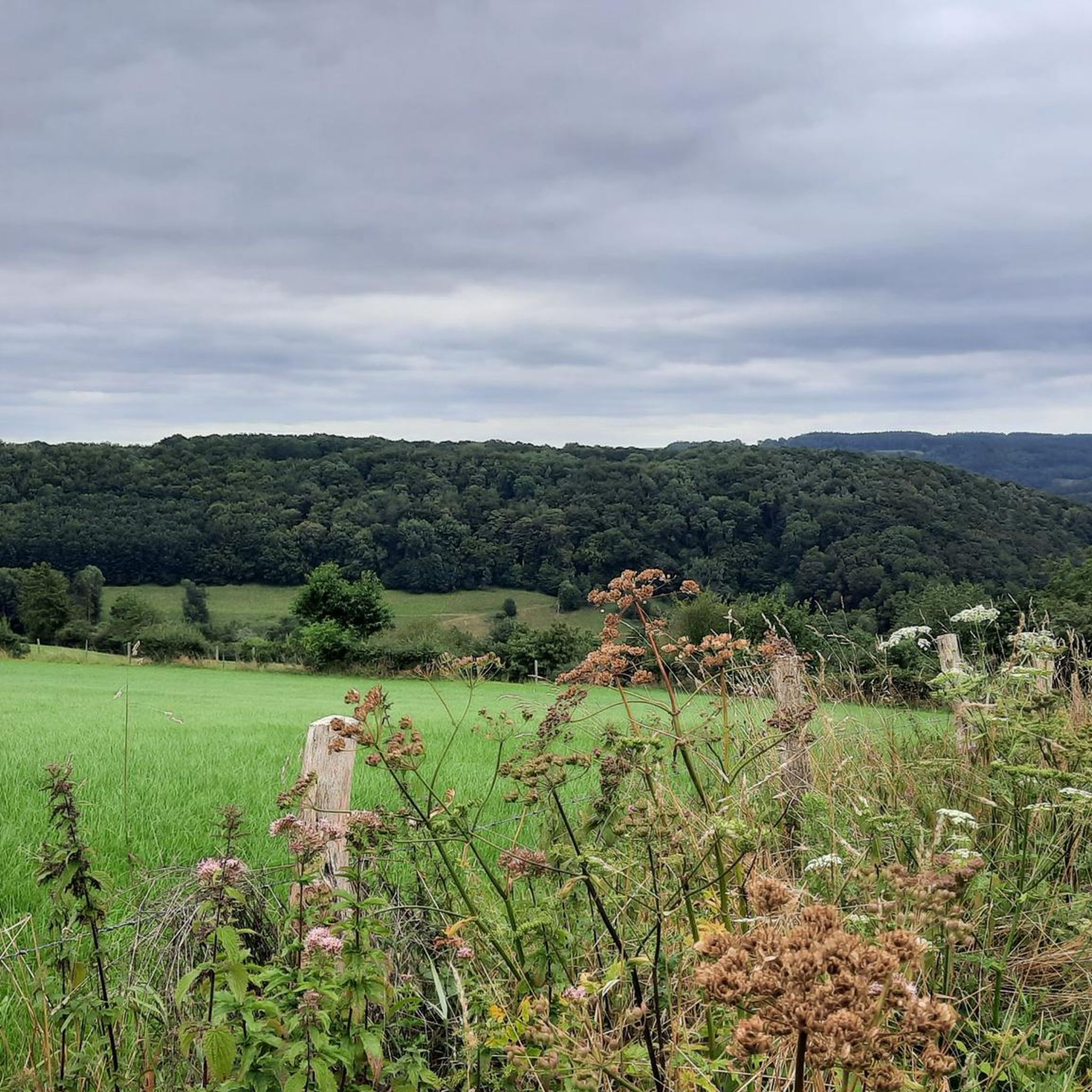
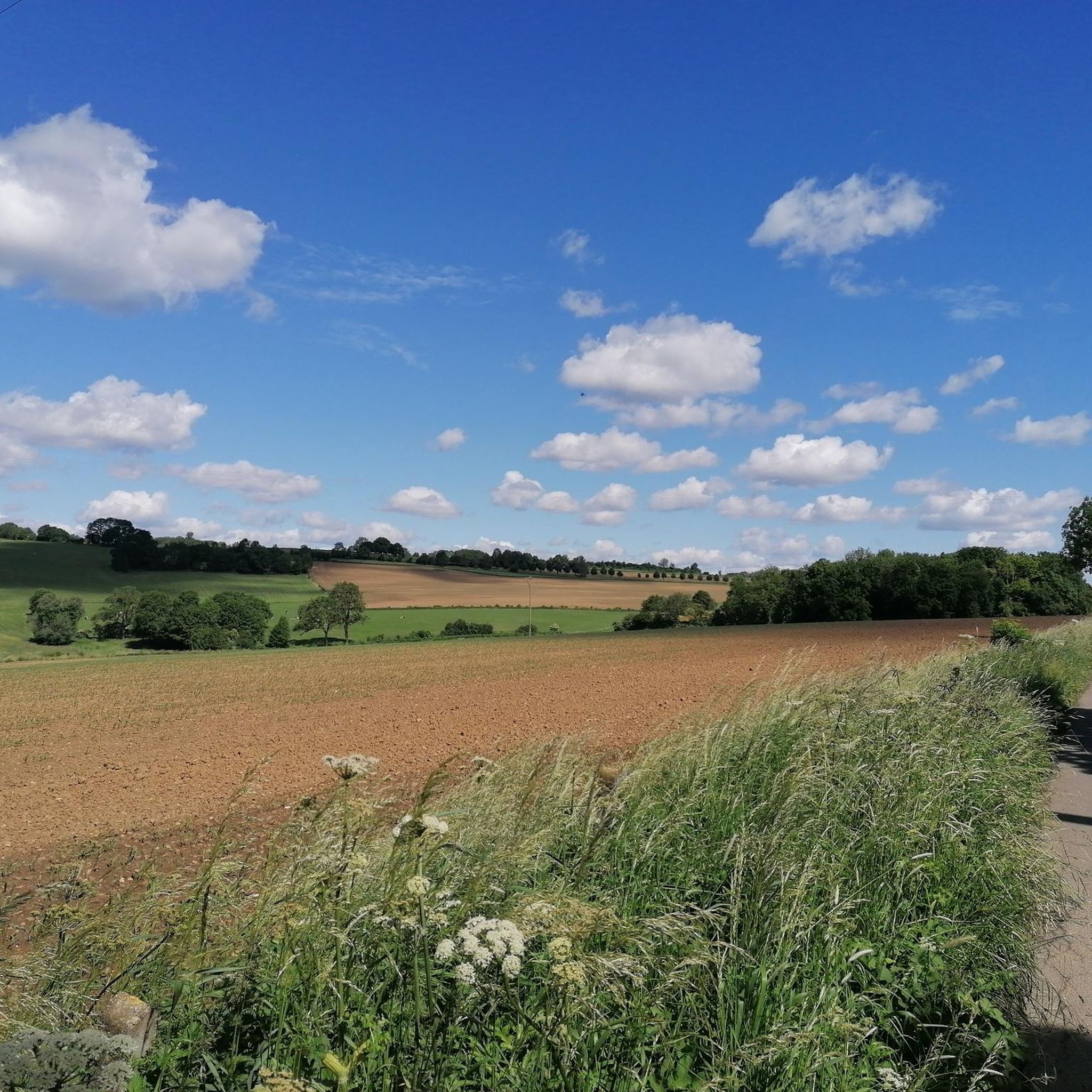
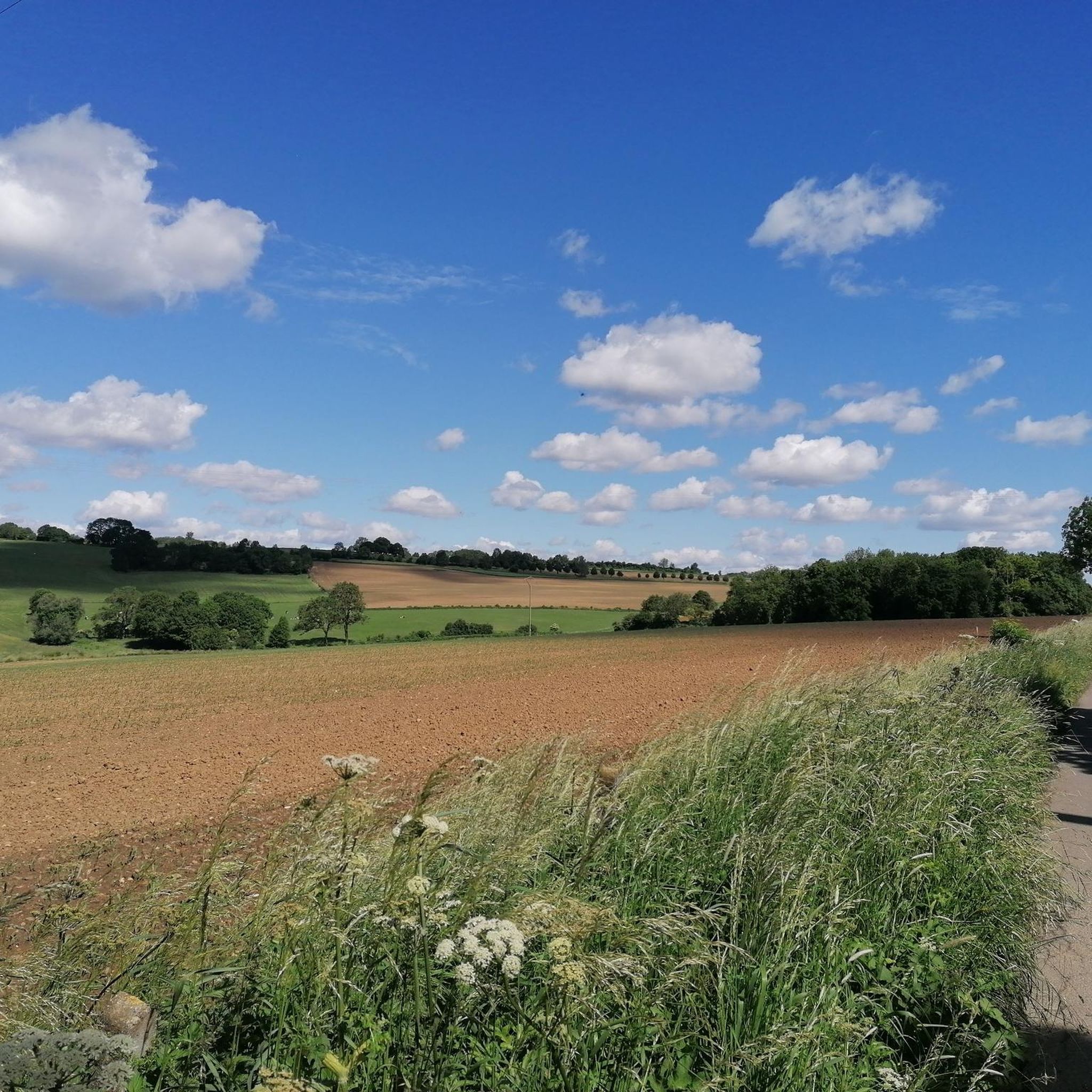
Mountain biking around Olne offers a diverse landscape characterized by its unique bocage countryside, featuring hedgerows, meadows, and orchards. The region's undulating terrain includes river valleys like the Magne and Vesdre, providing varied routes and scenic backdrops. Elevated points, such as the Bois d'Olne ridge, offer panoramic views, while numerous singletracks traverse the diverse terrain. This blend of natural features makes Olne a compelling destination for mountain biking.
Best mountain bike trails around Olne
- The most popular mountain bike trail…
Last updated: August 14, 2026
4.8
(5)
8
riders
37.2km
03:00
690m
690m
Moderate mountain bike ride. Good fitness required. Advanced riding skills necessary.
5.0
(3)
6
riders
12.3km
01:04
250m
250m
Hard mountain bike ride. Great for any fitness level. Advanced riding skills necessary. Some portions of the route may require you to push your bike.

Sign up for free
4.0
(1)
5
riders
29.6km
02:23
640m
640m
Hard mountain bike ride. Good fitness required. Advanced riding skills necessary. Some portions of the route may require you to push your bike.
3.7
(3)
6
riders
19.5km
01:38
360m
370m
Moderate mountain bike ride. Good fitness required. Suitable for all skill levels.
7
riders
Hard mountain bike ride. Good fitness required. Advanced riding skills necessary. Some portions of the route may require you to push your bike.
Get access to more routes and recommendations from other explorers.
Sign up for free
Already have an account?
Our route recommendations are based on thousands of hikes, rides, and runs completed by other people on komoot.
Start today with a free account
Your next adventure awaits.
Login or Signup


Tips from the Community

Nice wooden and Corten cabin with a view over the Saint Hadelin countryside 🚜🌻🌳
0
0

An old lime tree already mentioned on the Ferraris maps of 1776. It was apparently a landmark at a crossroads. It's completely hollow but still in full bloom. A lovely resting spot with views of Olne and the Vesdre Valley.
0
1
This region is home to numerous sinkholes, where flowing surface water from streams disappears into cracks in the chalky subsoil, emerging much lower down in the landscape. The most famous is the Chantoir in Olne. The Ry de Vaux stream disappears into the subsoil here, flowing through an underground cave system and reservoir. It is fed by other surrounding water and re-emerges in several karst springs in Vaux-sous-Olne, 760 meters further and 60 meters lower!
0
0
Also called Château Chrouet, after Dr. Warnier Chrouet, who had it built around 1700. Its facade was kept simple. At the rear, large windows overlooked the green Vesdre valley from the hill. A striking feature of the facade is the 17th-century entrance portal in carved limestone with a canopy (canopy) above it. This was typical of many buildings of that period in Olne and was locally called a "teutê." We also see some on the cemetery portal and the municipal garden, but most have been lost over time. The castle's teutë was embellished with a charming turret.
0
0
The Olne sinkhole, where the Ry de Vaux stream plunges into the subsurface, emerging 60 meters lower in Vaux, at various points, and then reemerging nine days later. It flows through an underground cave system, flowing through other water bodies and a reservoir.
0
0
Beautiful climb (or descent depending on the direction) with roots and stones from Trooz to the Château de Forêt
0
0

Super fun flowy singletrack descent. With a beautiful natural banked turn of natural stone.
0
0

is currently dry, unfortunately
1
0
Frequently Asked Questions
How many mountain bike trails are available in Olne?
Olne offers a vast network of over 500 mountain bike trails. These routes cater to various skill levels, from moderate to difficult, ensuring a diverse riding experience.
What kind of terrain can I expect on mountain bike trails around Olne?
The terrain around Olne is highly varied. You'll encounter the distinctive bocage landscape with hedged farmlands, meadows, and orchards, alongside dense forests and deep river valleys like the Magne and Vesdre. Expect a mix of fast sections, technical challenges, and exhilarating descents, including narrow bends, short climbs, and rough, sometimes mossy, rock surfaces.
What are the difficulty levels of mountain bike trails in Olne?
Olne offers a range of difficulty levels. There are over 80 easy routes, more than 340 moderate routes, and nearly 100 difficult trails. This variety ensures options for beginners looking for relaxing rides as well as experienced riders seeking tough climbs and technical sections.
What is the best time of year for mountain biking in Olne?
The region is beautiful year-round, but autumn is particularly vibrant as the beech and pine forests transform into spectacles of color. Spring and summer also offer excellent conditions. Be aware that some technical sections, like the Le Vallon Downhill Trail, can be slippery when wet, so check weather conditions before you go.
Are there any scenic viewpoints or landmarks along the mountain bike trails in Olne?
Yes, many routes offer panoramic views from elevated points overlooking picturesque valleys such as the Hazienne and Vesdre. You might also encounter natural monuments like the Chawion Pond or the historic Devil's Bridge (Pont du Diable). The Chaudière Waterfall – Côte de la Redoute loop from Nessonvaux specifically leads past notable landmarks.
Are there family-friendly mountain bike trails in Olne?
While many routes in Olne are moderate to difficult, the extensive network includes over 80 easy trails. These can be suitable for families, offering less challenging terrain through woods and fields. Always check the specific route details for distance and elevation to ensure it matches your family's skill level.
Are dogs allowed on the mountain bike trails in Olne?
Generally, dogs are welcome on trails in the Olne region, especially in forested and rural areas. However, it's always best to keep them on a leash, especially near livestock or in protected natural areas. Check local signage for any specific restrictions on individual trails.
Is parking available near the mountain bike trailheads in Olne?
Yes, parking is typically available in or near the starting points of many mountain bike routes in Olne and surrounding villages like Nessonvaux and Fraipont. Look for designated parking areas or public parking spaces in these communities.
How can I access mountain bike trails in Olne using public transport?
Olne and its surrounding villages are connected by public transport, primarily buses, which can get you close to many trailheads. For specific routes, check local bus schedules and stops in towns like Nessonvaux or Fraipont, which are common starting points for tours such as the Deigné Village – Singletrack between fields loop.
Are there circular mountain bike routes in Olne?
Yes, many mountain bike routes in Olne are designed as circular loops, allowing you to start and end at the same point. Examples include the challenging The Hornbeam Avenue of Haut-Maret – Singletrack between fields loop from Fraipont and the moderate Bois du Val Fiérain – Roman Ford on the Vesdre loop from Nessonvaux.
What do other mountain bikers say about the trails in Olne?
The mountain bike trails around Olne are highly rated by the komoot community, with an average score of 4.3 stars from over 1,000 reviews. Riders often praise the diverse landscapes, extensive singletracks, and the challenging yet rewarding terrain that characterizes the region.
Are there any challenging downhill sections for experienced riders?
Yes, experienced riders will find challenging downhill sections. The region is known for its technical terrain, including the notable Le Vallon Downhill Trail, which features random, mossy rock surfaces that require careful braking and agility. Other technical trails include Rooty Forest Trail Along the Stream and Switchback heaven Berofosse.
Most popular attractions around Olne

Get inspired with the komoot mobile app


Explore more
Browse the best MTB trails in other regions.
