Top 20 Caves around Bassenge
Best caves around Bassenge are found in a region characterized by its unique subsoil, featuring extensive man-made marl and flint quarries. This area in Belgium offers a blend of historical, agricultural, and cultural underground sites. Many of these formations, originally quarries, have evolved into cave-like structures used for various purposes over time. The landscape provides diverse opportunities for exploration, from historical sites to active mushroom farms.
Best caves around Bassenge
- The most popular caves is Château Neercanne, a castle…
Last updated: August 11, 2026
Château Neercanne
Highlight • Castle
Translated by Google •
Tip by

Strooberg Quarry
Highlight • Cave
The green, sloping Bemelerberg has a marl wall on one side like on a postcard. Here the yellow limestone rises high into the air and …
Translated by Google •
Tip by

Sign up now to discover places like this
Get recommendations on the best single tracks, peaks, & plenty of other exciting outdoor places.
Sign up for free
Geulhemmerberg Climb and Cave Dwellings
Highlight (Segment) • Climb
Translated by Google •
Tip by

Thier des Vignes Flint Caves
Highlight • Cave
Source: mini-ardenne.be/poi.card.php?id=6036&language=fr
Translated by Google •
Tip by

Bemelerberg Cave
Highlight • Cave
In the Middle Ages, not everyone was allowed to plant hedges. That is why small farmers made fences by means of a construction of posts, stuck planks in wickerwork …
Translated by Google •
Tip by

Sign up for free to discover even more caves around Bassenge.
Sign up for free
Already have an account?
Start today with a free account
Your next adventure awaits.
Login or Signup
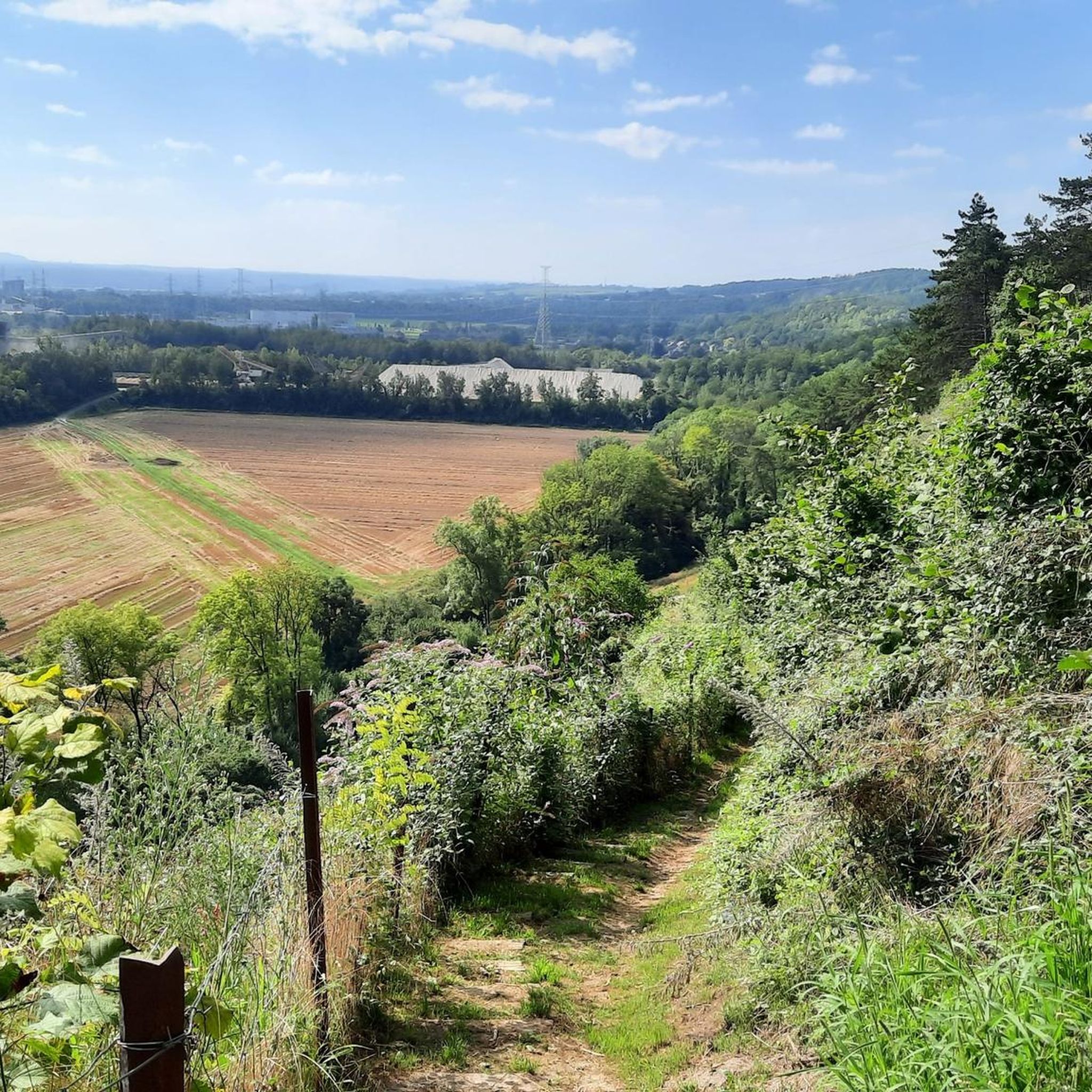
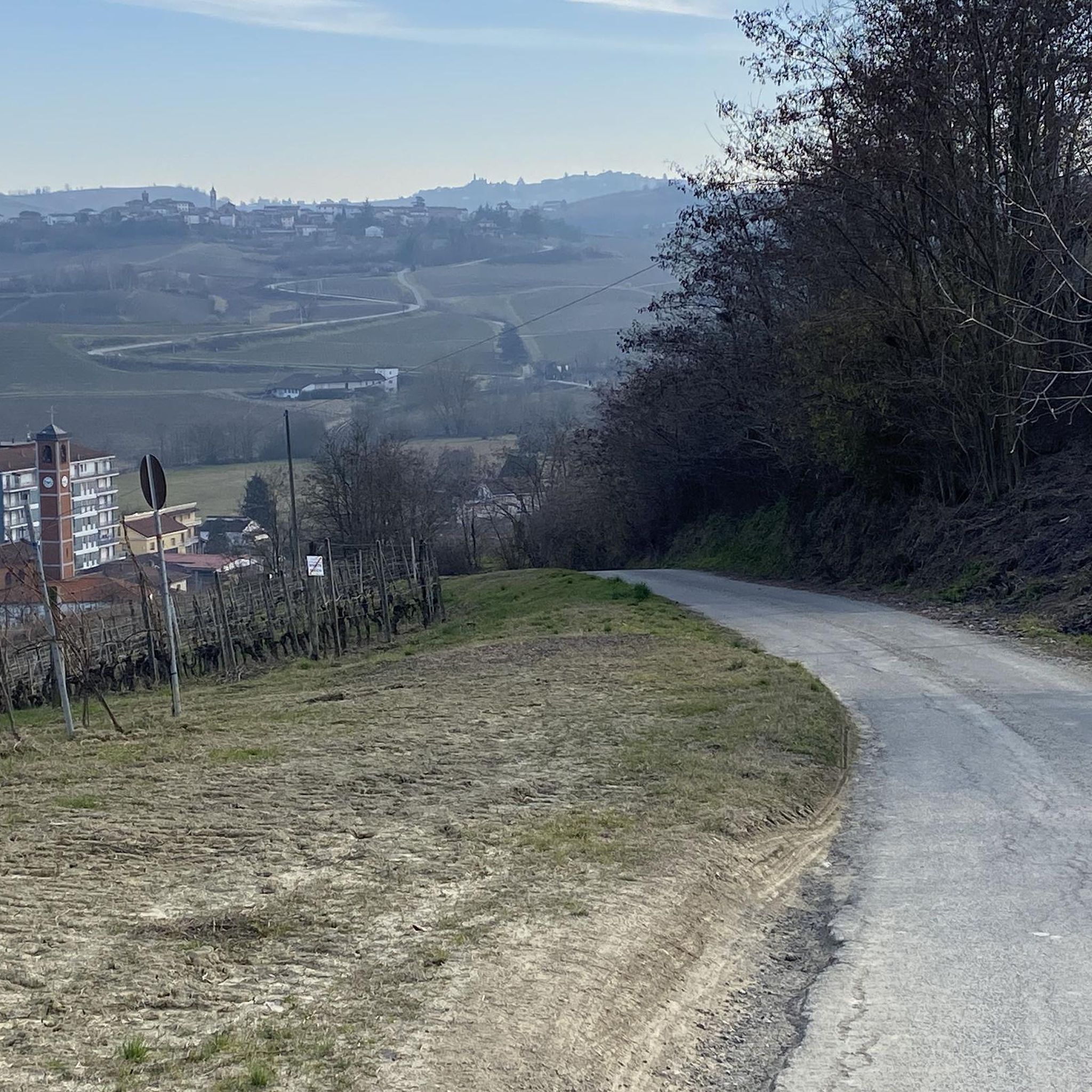
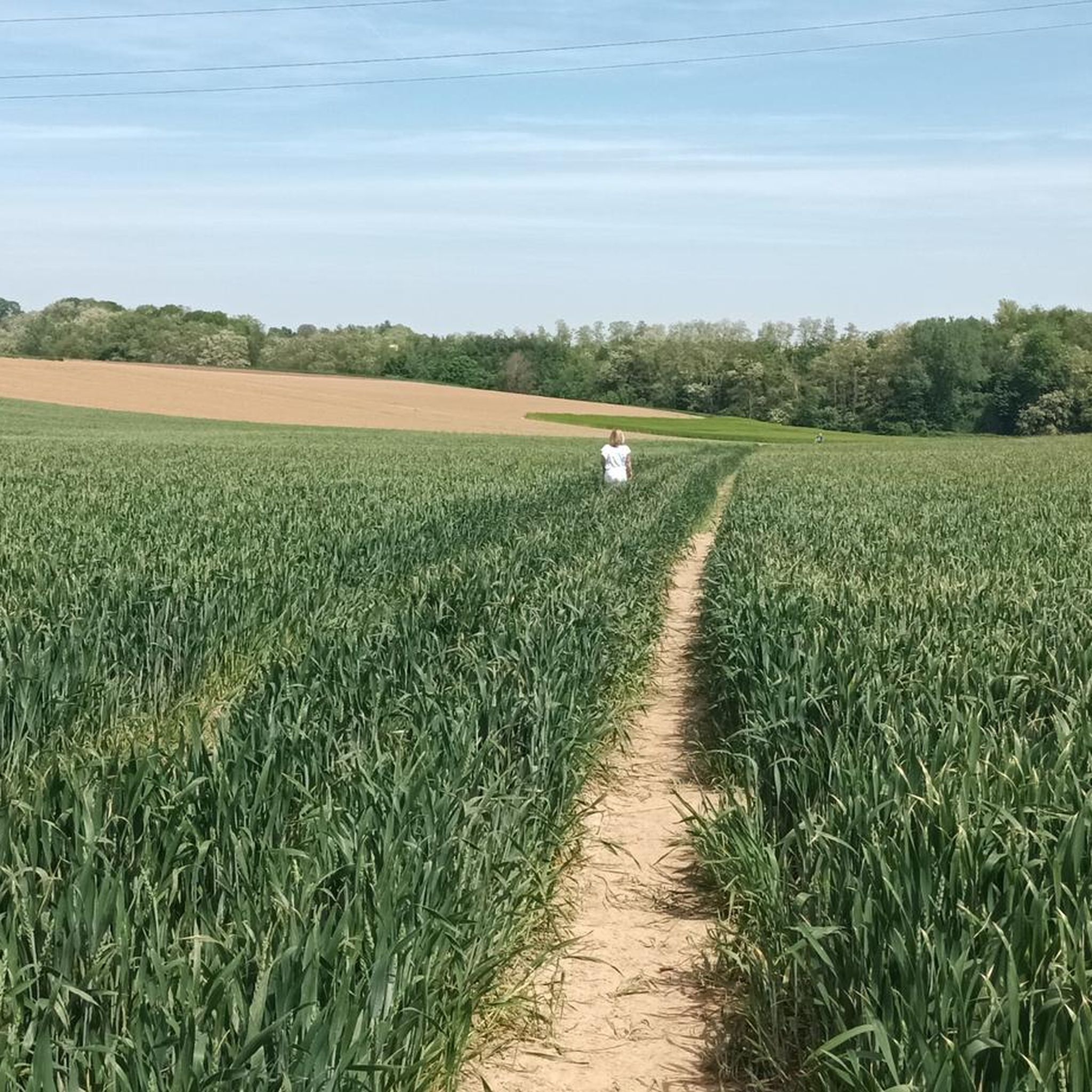

Other adventures around Bassenge

Tips from the Community

The Neercanne castle is built on the original site of Roman fortifications whose caves still exist and are used as a wine cellar. In the hall, the original staircase with a railing on wide columns is still present. Weapon trophies are depicted in relief on the ceiling. Currently, the castle is used as a hotel and restaurant. The restaurant has been awarded one star by the Michelin Guide.
5
0


we tried to return to Maastricht using the Arriva bus. However, it was a small bus and only 3 seats were available. My friends walked.
0
0

There are old flint quarries in this area: the “Carrières de silex du Thier des Vignes”.
1
0

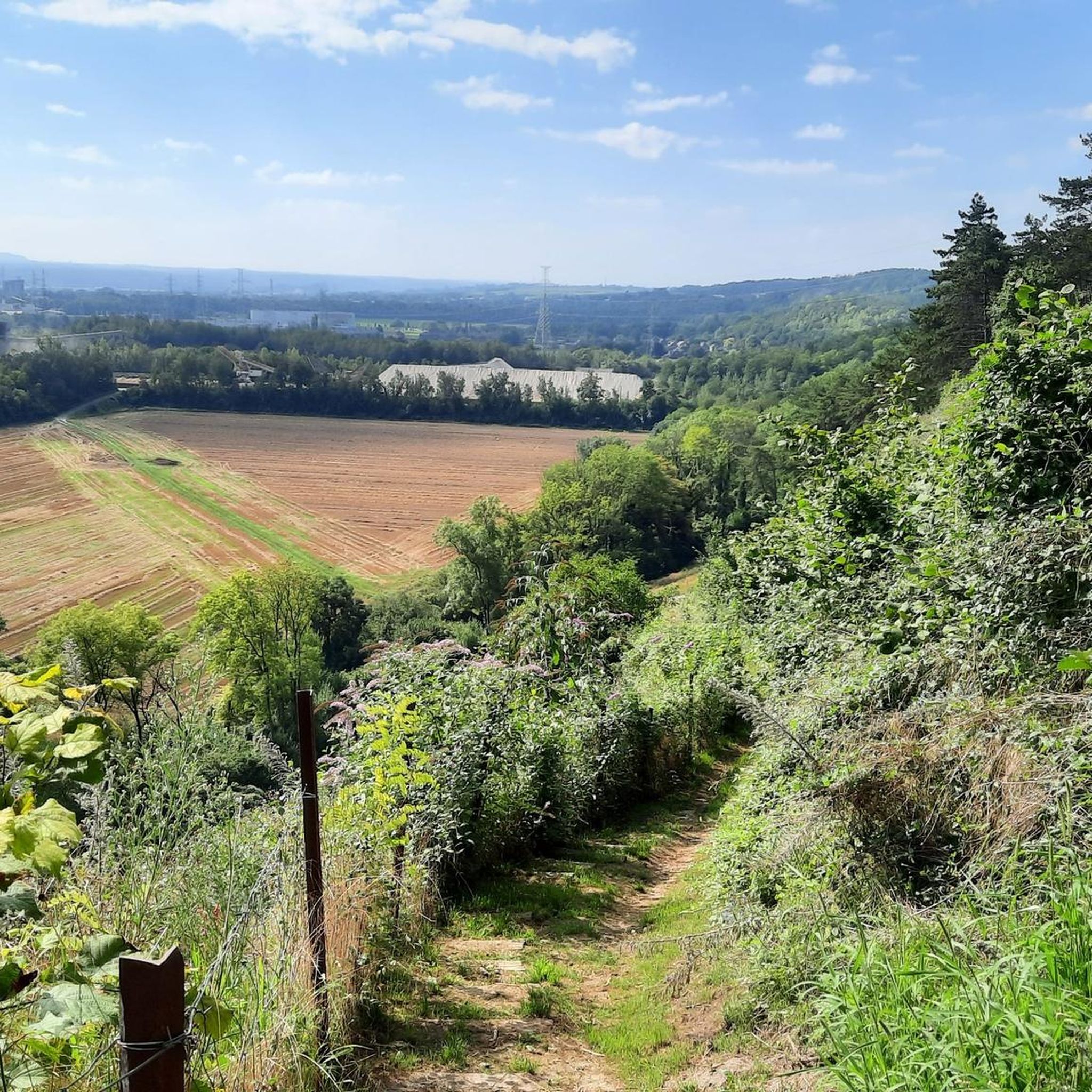
Here you have a view of old marl quarries. You can see a marl wall with meadows, cows, or sheep.
1
0

A mysterious flint cave on the edge of the Albert Canal, near the locks at Klein Ternaaien. You reach the entrance via a steep path through the woods. The caves are dark, cool, and full of atmosphere—perfect for those who love hidden natural spaces. Bring a flashlight and good walking shoes!
2
0

The Strooberggroeve is a Limburg marl quarry in the Dutch municipality of Eijsden-Margraten. The underground quarry is located north of Bemelen under the Bemelerberg on the north side of the mouth of the dry valley Koelbosgrub in the Meuse valley. The quarry is located on the western edge of the Plateau of Margraten in the transition to the Meuse valley. At this point, the plateau drops steeply for a few meters. https://nl.wikipedia.org/wiki/Strooberggroeve
2
0

Very nice walking route along the chateau. Beautiful panorama. With a house in the valley below that used to be the border post.
4
0
Frequently Asked Questions
What types of underground sites can I explore in the Bassenge region?
The Bassenge region is known for a variety of underground sites, primarily extensive man-made marl and flint quarries that have taken on cave-like characteristics. You can find historical quarries, sites used for mushroom cultivation, and even unique religious grottoes like Petit-Lourdes. Some, like the Strooberg Quarry, are part of nature reserves.
Are there any unique historical cave sites near Bassenge?
Yes, several sites offer a rich historical perspective. Château Neercanne, for example, features old limestone quarries used as a wine cellar and dining room. The Geulhemmerberg Climb and Cave Dwellings showcase historical rock dwellings and cave houses. The Wonck Caves also served as shelters during World War II.
Can I find caves that offer more than just exploration, like dining or events?
Absolutely. The Mergelgrotten Kanne are famous for their luxurious underground banquet hall and unique regional products like cave beer and cheese. Château Neercanne uses its old limestone quarries as a dining room, offering a unique culinary experience. The Wonck Caves also function as an event location, hosting events like the Christmas Craft Market.
Are there family-friendly caves or activities suitable for all ages?
Many of the sites are suitable for families. The Mergelgrotten Kanne, with their mushroom farms, paintings, sculptures, and marl workshops, are an excellent destination for all ages. The Trichterberggroeve Limestone Quarry is also noted as family-friendly, offering a glimpse into geological history.
What kind of natural features or geological formations can I see?
The region is characterized by its distinctive subsoil, primarily marl and flint. You can observe extensive marl caves, such as those in the Strooberg Quarry, which are part of a nature reserve with barren chalk grasslands. The Trichterberggroeve Limestone Quarry features steep limestone walls and geological 'organ pipes' formed by rainwater.
What is the best time of year to visit the caves around Bassenge?
Many underground sites maintain a relatively constant cool temperature year-round, making them a good option regardless of the season. However, visiting during spring or autumn allows for comfortable exploration of both the caves and the surrounding natural areas, which are particularly scenic during these times. Summer can offer a refreshing escape from the heat inside the caves.
Are there any specific caves known for their unique agricultural uses?
Yes, the Mergelgrotten Kanne are internationally recognized for their active underground mushroom farms, where mushrooms are still cultivated today. The Wonck Caves also actively use their underground spaces for mushroom cultivation, showcasing a unique blend of history and agriculture.
Can I find hiking or running trails near these cave sites?
Yes, the area around Bassenge offers various outdoor activities. For hiking, you can explore routes like the 'Moulin du Broukay – Broukay Mill loop from Bassenge'. If you're interested in running, the 'Thier des Vignes Flint Caves – View of the Lanaye Locks loop from Eben-Emael' is a popular option. You can find more routes in the Mountain Hikes around Bassenge and Running Trails around Bassenge guides.
What are the Thier des Vignes Flint Caves known for?
The Thier des Vignes Flint Caves are a protected Natagora site featuring very old flint caves. There are no fewer than 13 cave entrances along the path, which are not very deep and run along the slope. Chalk was also mined here historically, and the site offers a cool, refreshing experience on a hot day.
Are there any spiritual or religious sites with cave-like features in the area?
Yes, Petit-Lourdes in Bassenge is a faithful recreation of the Massabielle Cave in Lourdes, built in 1888. This site attracts numerous pilgrims annually for open-air masses and a torchlight procession every August 14th, offering a spiritual experience in a cave-like setting.
What do visitors enjoy most about the caves around Bassenge?
Visitors appreciate the unique blend of history, nature, and culture. Many enjoy the historical insights offered by sites like Geulhemmerberg Climb and Cave Dwellings and the natural beauty of places like Strooberg Quarry. The distinctive experiences, such as dining in a cave at Château Neercanne or exploring mushroom farms, are also highly valued.
Are there cycling routes available near the cave attractions?
Yes, the Bassenge area is also great for cycling. You can find routes like the 'Fort Eben-Emael – Kanne Bridge loop from Eben-Emael' or the 'Albert Canal – Albert Canal Towpath at Kanne loop from Glons'. For more options, refer to the Cycling around Bassenge guide.
Most popular routes around Bassenge
Most popular attractions around Bassenge

Get inspired with the komoot mobile app


Explore more
Extend your search for the best caves by checking out these guides of the top ones around Bassenge:
