Top 20 Castles around Lontzen
Castles around Lontzen offer a glimpse into centuries of history and architectural evolution. The region is characterized by its unique hedgerow landscapes, 18th-century farmsteads, and numerous hiking trails. Lontzen itself is home to the Castle of Lontzen, a square stone castle with a moat and drawbridge, rebuilt after a 1970 fire. The area provides a blend of historical sites and natural beauty for exploration.
Best castles around Lontzen
- The most popular castles is Beusdael Castle, a moated castle consisting…
Last updated: August 16, 2026
Eyneburg Castle
Highlight • Castle
Translated by Google •
Tip by

Frankenberg Castle
Highlight • Castle
More information at frankenberger-viertel.de.
Translated by Google •
Tip by

Sign up now to discover places like this
Get recommendations on the best single tracks, peaks, & plenty of other exciting outdoor places.
Sign up for free
Mining ruins and stone bridge on the Göhl between Hergenrath and Kelmis
Highlight • Monument
Translated by Google •
Tip by

Beusdael Castle
Highlight • Castle
Translated by Google •
Tip by

Historic Center of Seffent
Highlight • Historical Site
Translated by Google •
Tip by

Sign up for free to discover even more castles around Lontzen.
Sign up for free
Already have an account?
Start today with a free account
Your next adventure awaits.
Login or Signup
Popular around Lontzen



Tips from the Community

Mysterious remains of Eyneburg. What once stood here?
4
0

Beusdael Castle is a medieval castle located in the village of Sippenaeken, just across the Belgian border from the Dutch province of Limburg. The castle dates back to the 13th century and features a characteristic round keep (defense tower). It has been renovated several times over the centuries, but still retains much of its historic charm. The castle is privately owned and not open to the public.
6
0

Break at the restaurant 'Siebenquellen*
0
0

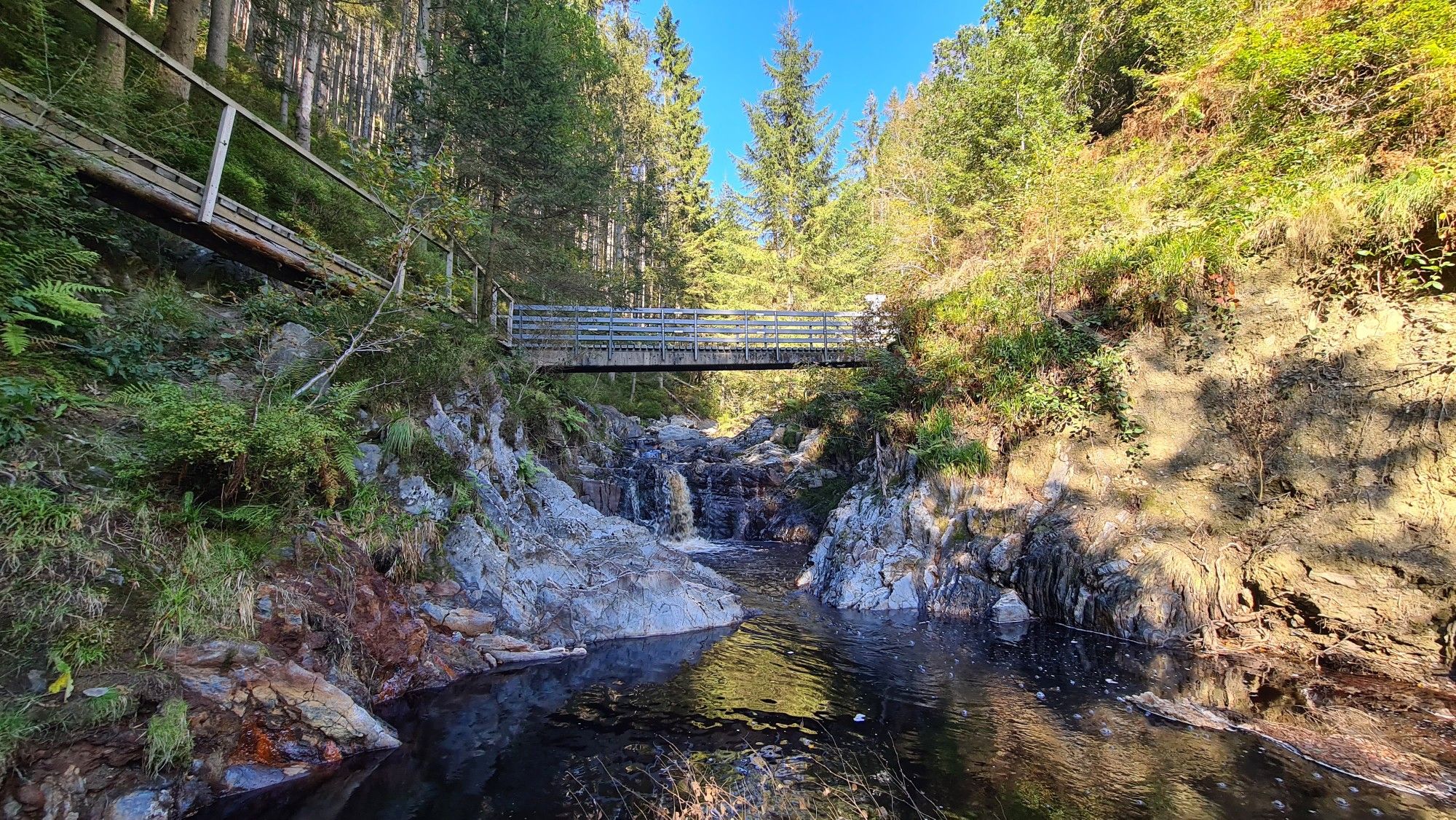
Beautiful hiking trails along the Göhl. In spring, with fresh green flanks 🌱
7
0

The portal probably once belonged to the Eyneburg castle wall.
5
0

Please note: 34 of the 44 photos posted here are not about this highlight, but were taken in the very spacious area (sometimes up to kilometers away from this place).
6
0

The town of Seffent is characterized by the castle of the same name and the surrounding magnificent square courtyards. Seffent was once a royal court that looks back on 1,100 years of history.
3
0

Beusdael Castle, also known as Kasteel Beusdael, is located west of the village of Sippenaeken in the province of Liège in the Belgian region of Wallonia. The first lords of Beusdael are mentioned in the 14th century. This Van Beusdaal family seems to have been influential lords as they could fief estates as they did the Dutch castles of Geusselt and Goedenraad. Through several marriages and inheritances, ownership of the château passed from the Van Beusdaal family to the Van Eys, De Colyn, De Hoensbroeck, De Méan and De Copis families until the 19th century. Then it became the property of Count Florent d'Oultremont. From 1882 he ordered extensive modifications to the castle: the construction of a chapel, a small round tower in the inner courtyard and a gate building with a new bridge. This work will be carried out by the Brussels architect Janlet. When the Count dies, the castle is sold to a Wilhelm Huyzer in 1921. He does something macabre: He has his deceased young wife embalmed and laid out in a coffin with a glass lid in a cellar under a passage next to the chapel. The coffin stayed there until 1934. The castle had several other owners until it was bought by the Antoine family in 1976.
8
1
Frequently Asked Questions
What are the most popular castles to see around Lontzen?
Among the most appreciated castles in the region are Beusdael Castle, known for its 13th-century sandstone tower and moated setting, and Eyneburg Castle, a historical building from 1260 situated on a picturesque wooded hill. Visitors also frequently enjoy Frankenberg Castle, a well-preserved moated castle offering a museum and park.
Can I visit the interior of the castles around Lontzen?
Many castles in the Lontzen area are privately owned and not open to the public for interior visits. For example, Beusdael Castle can only be viewed from the exterior. The historic Eyneburg Castle is also generally not accessible for interior tours, though its exterior and surrounding landscape are still worth seeing. Frankenberg Castle, however, does offer a museum and park for visitors.
Are there family-friendly castles or activities near Lontzen?
Yes, several castles and nearby areas are suitable for families. Frankenberg Castle is listed as family-friendly and offers a museum and park. The Historic Center of Seffent, which includes Seffent Castle, is also considered family-friendly. While the Castle of Lontzen itself is privately owned, its impressive exterior and moat can be an interesting sight for children, and the surrounding hedgerow landscapes offer pleasant walks.
What kind of historical significance do the castles in Lontzen hold?
The castles around Lontzen boast a rich and often turbulent history. The **Castle of Lontzen**, for instance, dates back to the 13th century, having been destroyed and rebuilt multiple times, reflecting centuries of conflicts like the War of the Limburg Succession and the War of Spanish Succession. Eyneburg Castle was first mentioned in 1260, likely built to protect local mines, while Frankenberg Castle, first documented in 1352, was once conquered by robber knights. These sites offer a fascinating glimpse into medieval life and regional power struggles.
Are there hiking or cycling routes that pass by castles near Lontzen?
Absolutely! The region around Lontzen is known for its unique hedgerow landscapes and numerous trails. You can find various cycling routes, such as those in the Cycling around Lontzen guide, which might pass by castles or offer views of them. For example, Beusdael Castle is located right next to a cycle path. The area also offers many hiking trails, often providing viewpoints of these historic structures.
What natural features can I expect to see around the castles in Lontzen?
The Lontzen region is characterized by its unique hedgerow landscapes, which provide a scenic backdrop to the castles. Many castles, like the **Castle of Lontzen** and Beusdael Castle, are moated, adding to their picturesque setting. Eyneburg Castle is nestled on a wooded hill, offering beautiful natural surroundings. The area also features numerous hiking trails that lead to viewpoints overlooking these historical sites and the surrounding countryside.
What is the best time of year to visit the castles around Lontzen?
The castles around Lontzen can be visited year-round, but each season offers a different experience. Spring and summer provide lush green landscapes, ideal for combining castle visits with hiking or cycling. Autumn brings beautiful foliage, enhancing the historic charm of the sites. While some castles are privately owned and viewed from the exterior, their impressive architecture and surrounding natural beauty can be appreciated in any season, even in winter when a dusting of snow can add a magical touch.
Are there any less crowded castles in the Lontzen region?
While the main castles like Beusdael Castle, Eyneburg Castle, and Frankenberg Castle are popular, the **Castle of Lontzen** itself, being privately owned and viewed from the exterior, often offers a more tranquil experience. Exploring the village of Lontzen and its surrounding hedgerow landscapes can also lead to quieter viewpoints of this impressive structure without the crowds associated with more accessible sites.
What kind of outdoor activities can I do near the castles in Lontzen?
The Lontzen region is excellent for various outdoor activities. You can enjoy road cycling with routes like the 'Gileppe Hill – Route de Borgoumont Climb loop' from the Road Cycling Routes around Lontzen guide. Gravel biking is also popular, with options such as the 'Moresnet Viaduct – RAVeL 39 Moresnet Railway Path loop' found in the Gravel biking around Lontzen guide. Additionally, there are numerous hiking trails through the unique hedgerow landscapes, often offering views of the castles.
Are there any castles near Lontzen that are part of a village or town center?
Yes, the Historic Center of Seffent includes Seffent Castle, which is integrated into the town's character with magnificent square courtyards. Similarly, the Clermont-sur-Berwinne Village Center, recognized as one of Wallonia's most beautiful villages, once housed a castle of the Lords of Clermont, of which only a wall with an archway remains, adding to the village's historical ambiance.
What do visitors enjoy most about the castles around Lontzen?
Visitors often appreciate the blend of rich history and natural beauty. The impressive architecture of castles like the **Castle of Lontzen** with its moat and drawbridge, or the mighty keep of Eyneburg Castle, are frequently highlighted. The picturesque landscapes, including hedgerows and wooded hills, that surround these historical sites also receive high praise, making them ideal for scenic walks and photography.
Can I find cafes or restaurants near the castles in Lontzen?
While specific cafes directly adjacent to every castle might be limited, the villages and towns in the Lontzen region, such as Lontzen itself or nearby Hergenrath and Welkenraedt, offer options for dining and refreshments. For example, the village of Lontzen provides opportunities to see 18th-century farmsteads and likely has local establishments. For a wider selection, exploring the larger towns in the vicinity is recommended.
Most popular routes around Lontzen
Most popular attractions around Lontzen

Get inspired with the komoot mobile app


Explore more
Looking for the best castles somewhere else? Discover other guides around Lontzen:
