Top 20 Natural Monuments around Lontzen
Best natural monuments around Lontzen showcase a distinctive natural landscape characterized by extensive hedgerow systems and unique ecological sites. The region, known as "Butterländchen," features rural scenery with numerous hiking trails and hollow ways. Visitors can explore areas shaped by historical land use, including former mining sites that now host rare plant species. These natural attractions offer opportunities for outdoor exploration and appreciation of Lontzen's unique environment.
Best natural monuments around Lontzen
- The most popular natural monuments is Vaalserberg Three-Country…
Last updated: June 26, 2026
Vaalserberg Three-Country Point
Highlight • Monument
Translated by Google •
Tip by

Hohnbach Valley
Highlight (Segment) • River
Translated by Google •
Tip by

Sign up now to discover places like this
Get recommendations on the best single tracks, peaks, & plenty of other exciting outdoor places.
Sign up for free
Confluence of Eschbach and Weser
Highlight • River
Translated by Google •
Tip by

Meanders of the Geul
Highlight (Segment) • River
Translated by Google •
Tip by

Weser Trail in Hautes Fagnes – Eifel Nature Park
Highlight (Segment) • Trail
Translated by Google •
Tip by

Sign up for free to discover even more natural monuments around Lontzen.
Sign up for free
Already have an account?
Start today with a free account
Your next adventure awaits.
Login or Signup
Popular around Lontzen
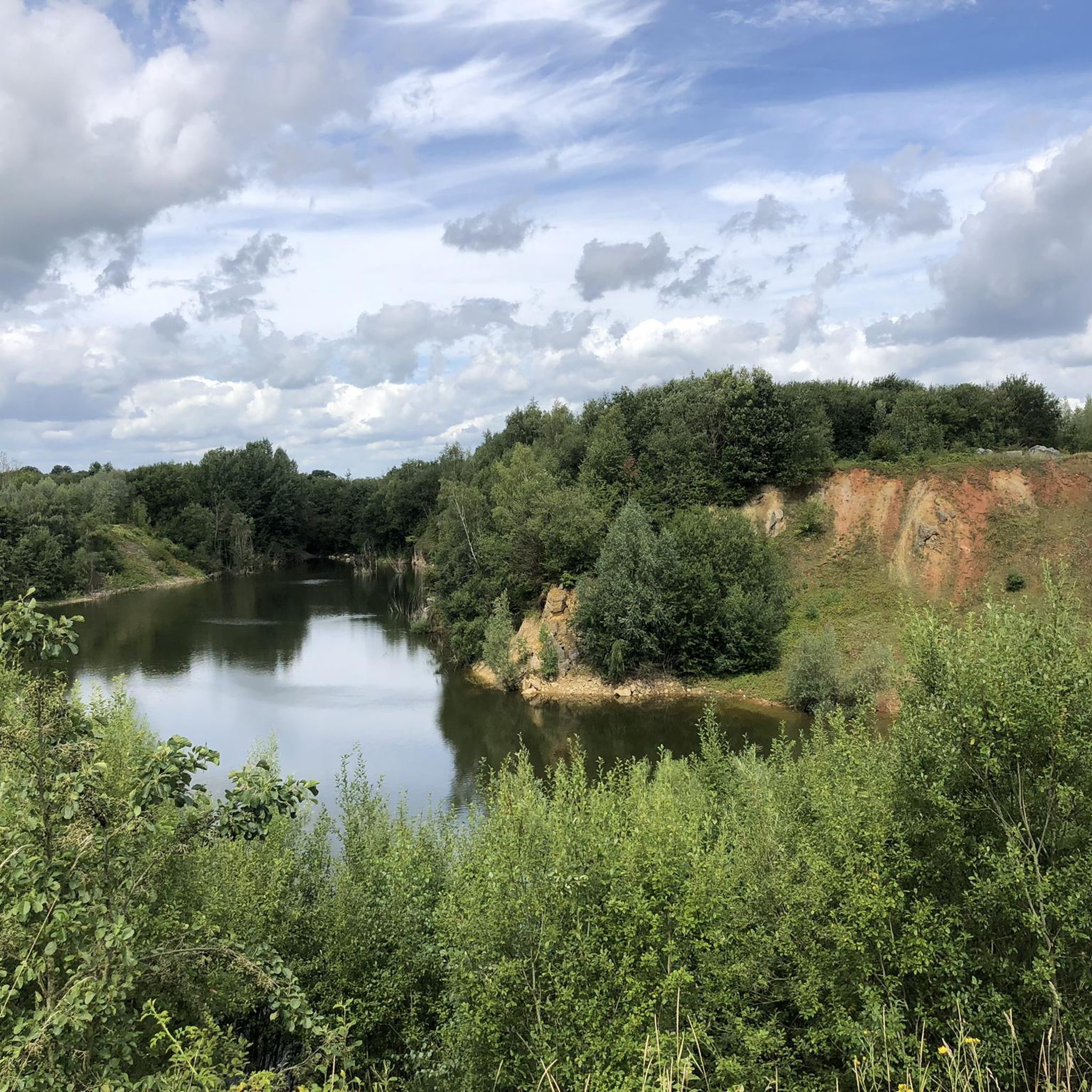
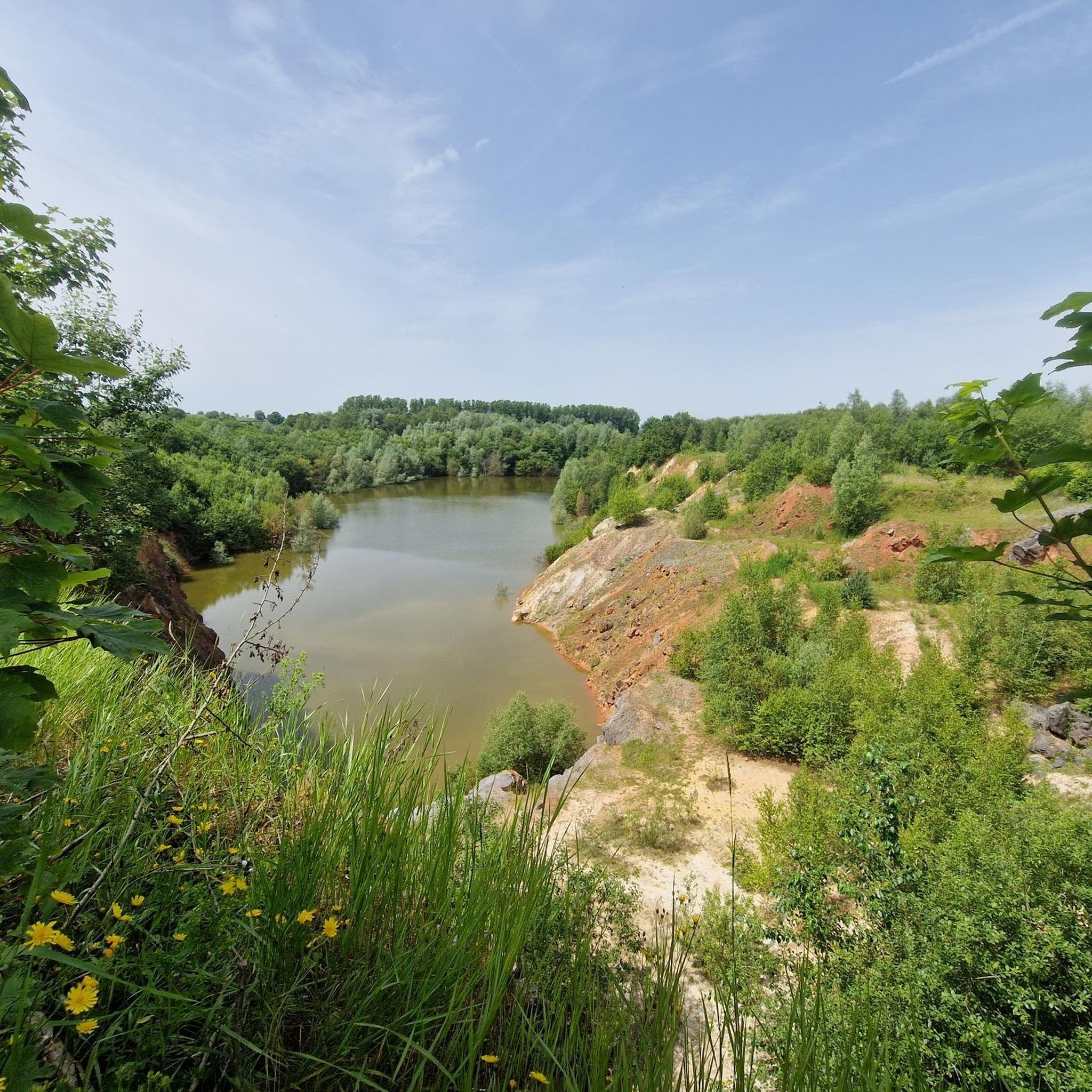
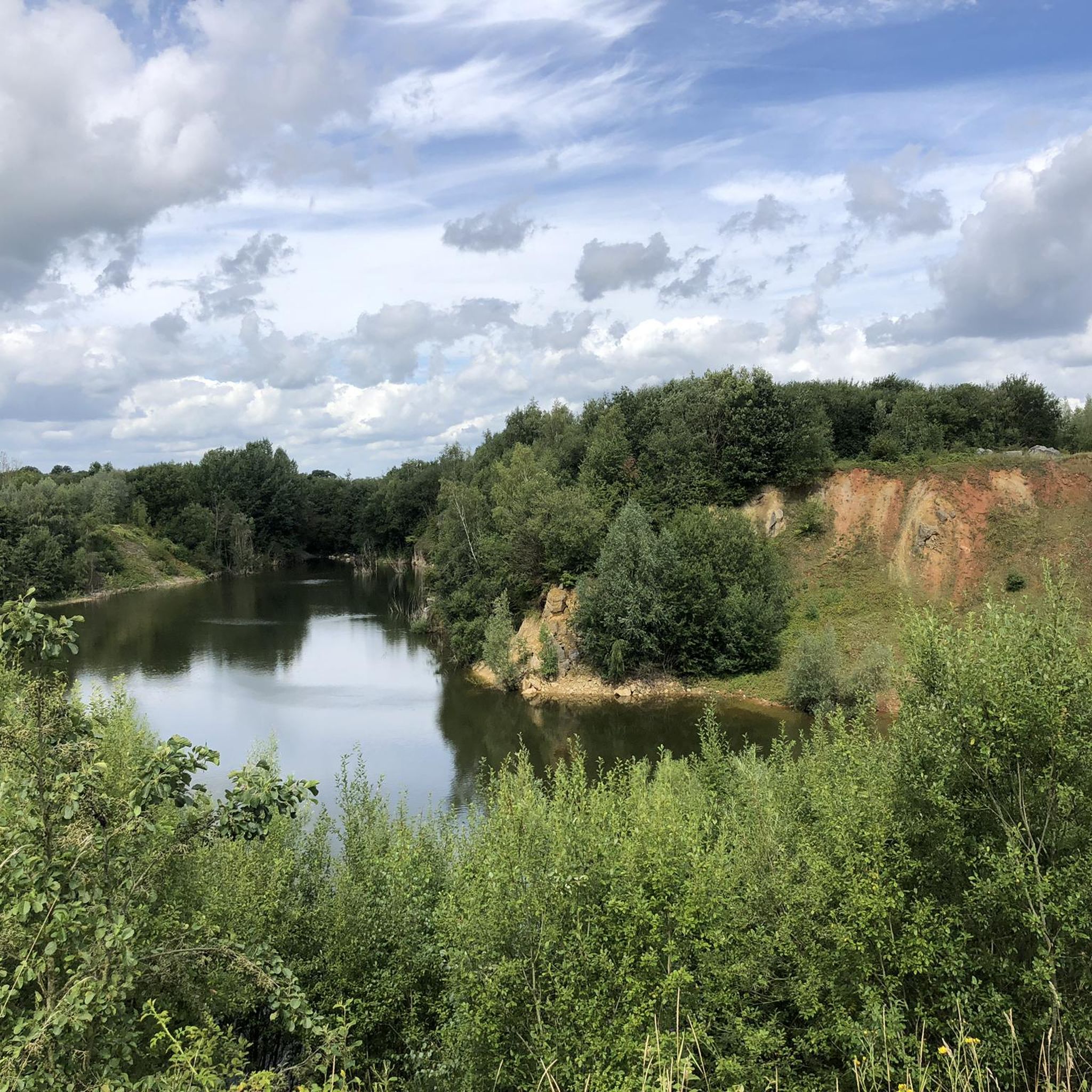



Tips from the Community

The Geul is an idyllic stream that meanders considerably, or winds through the landscape. Because the Geul flows fast on this part, the water erodes the bank in the outer bends. In the inner bends, the water flows less fast and the sand and mud that has been carried along remains there. In the outer bends, there is a steep bank and in the inner bends a flat bank.
4
0

The highest point in the Netherlands coincides with the three-country point and is an important tourist attraction.
21
0

As early as the late Middle Ages, the border of the former Aachen Empire, fortified with the Aachen Moat, ran from south to north across the ridge of the Vaalserberg. From 1839 to 1919, the Vaalserberg, with the disputed area of Neutral Moresnet as the fourth country, was even a four-country corner (Vierlandenpunt), which is still remembered in the name of the access road on the Dutch side - Viergrenzenweg. During the First World War, from 1915 to 1918, the high-voltage border barrier stretched along the Belgian-Dutch border for a length of 300 kilometers from the then four-country corner on the Vaalserberg to the Belgian North Sea coast near Knokke. The German invasion of Belgium in 1914 via Gemmenich to Diksmuide, which brought much suffering to the Belgian population, is commemorated by a memorial made of compressed war material at the southern tip of the Vaalserberg, called Via Dolorosa.
23
0

With a height of no less than 322.4 meters above NAP, the Vaalserberg is the highest mountain in the Netherlands (with the exception of the mountains in the Caribbean). So you are standing on the roof of the Low Countries! The mountain is not only known for its height, but also for the three country point you will find here; here the borders of the Netherlands, Belgium and Germany meet. In addition, there are plenty of activities for young and old on and around the top, so hang out here for a while.
14
1

The Dreiländerpunkt is probably the most frequented area at the Dreiländereck for "selfies" or the like. If you don't like tourist hype of this kind, but still want to take a photo here without umpteen other people being on it, you should come here as early as possible in the morning and not at the weekend or during the holidays...
21
0

The Dreiländerpunkt consists of a stone on which the country abbreviations are written. Lines on the ground indicate the angle at which each country extends.
24
0
The Vaalserberg is marketed accordingly and many people follow the call. Highest point in the Netherlands, steep climbs, monuments, observation tower, gastronomy and much more.
20
0

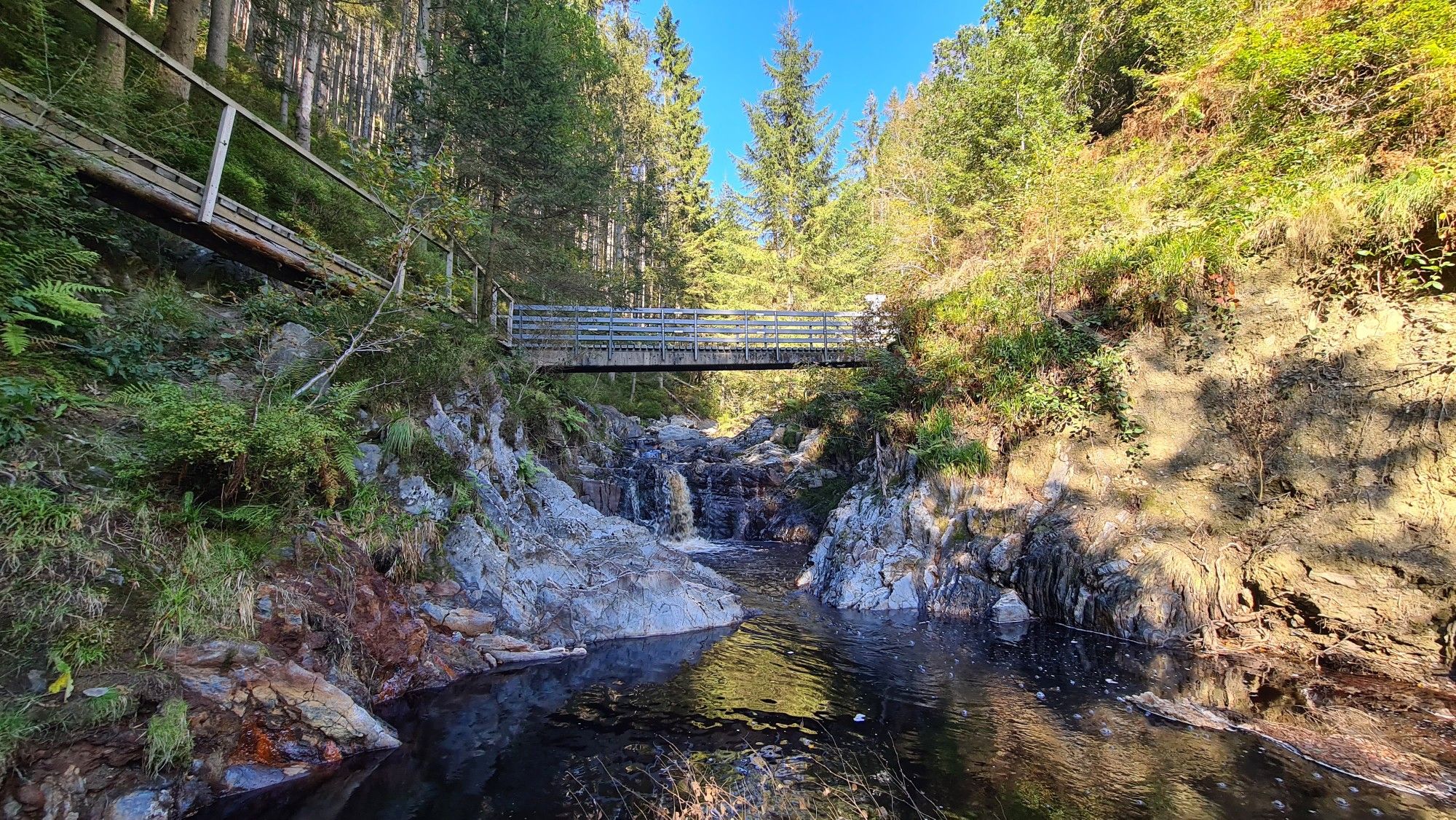
This partly natural path always leads just past the Weser and is therefore a small premium path in the region. Here you should wear sturdy shoes because you sometimes stand in the mud.
8
0
Frequently Asked Questions
What unique natural features can I explore around Lontzen?
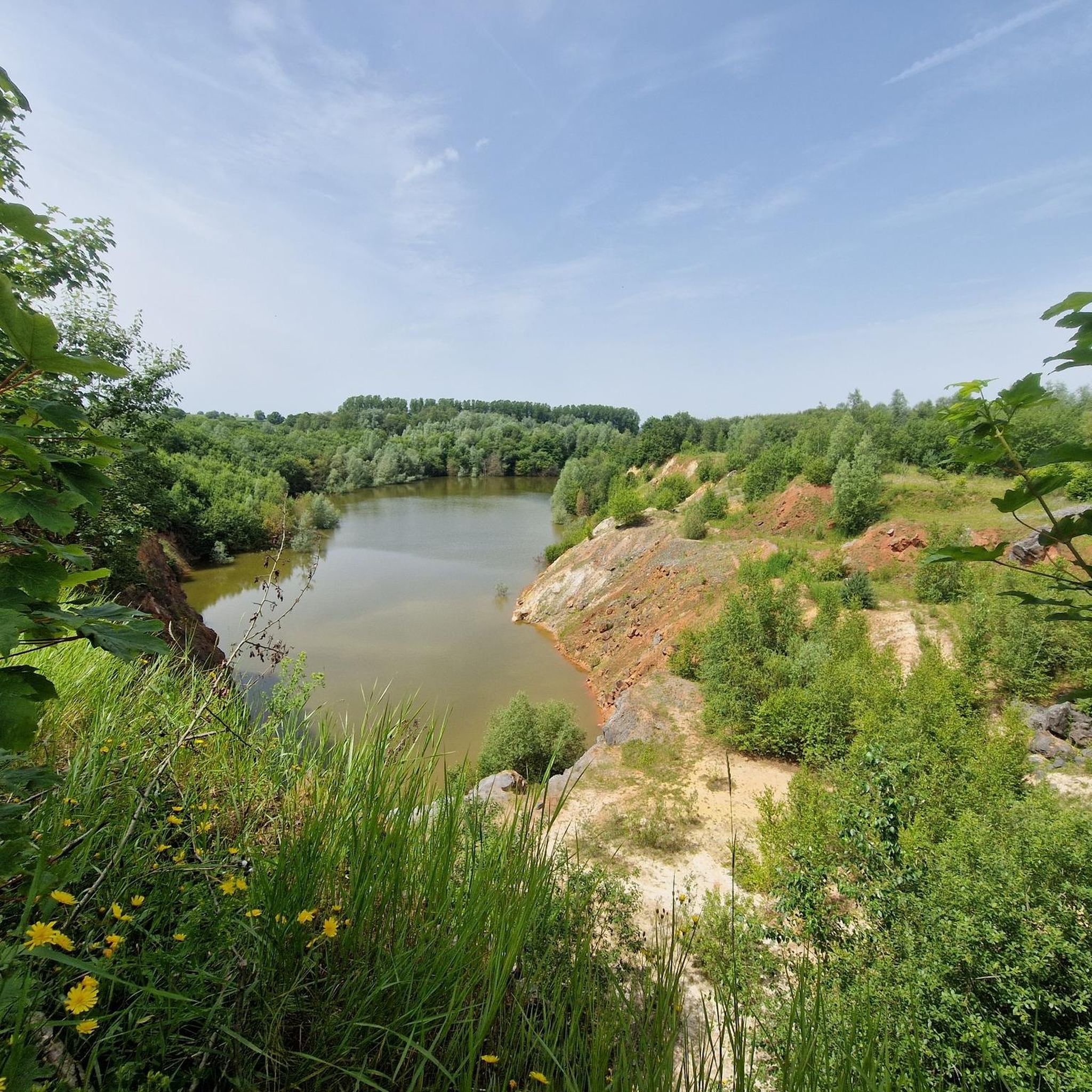
Lontzen is known for its distinctive natural landscapes. You can explore the extensive hedgerow landscapes, which are crisscrossed by numerous hiking trails and hollow ways. Another unique area is the Extraordinary Nature Landscape of Rabotrath, a former mining site where a special ecosystem with rare plants has developed. Additionally, there's a Nature Trail with Indigenous Trees and Shrubs starting from Lindenplatz, offering a pleasant walk through local arboreal diversity.
Where can I find unique plant species near Lontzen?
The Extraordinary Nature Landscape of Rabotrath is particularly remarkable for its metallophytes, plants that thrive in heavy metal-containing soils. During May and June, you can witness the blossoming of calamine plants, such as the yellow zinc violet, in these meadows. Another spot to find the yellow calamine violet is the Hohnbach Valley, known for its unique flora adapted to heavy metal-containing soils.
Are there good viewpoints to appreciate Lontzen's landscape?
Yes, the Lontzen Viewpoint Indicator, located north-west of the village in the district of Busch, offers splendid panoramic views over the surrounding hedgerow landscapes and meadows. On clear days, you can even see the distant moorland of the "High Fens." Another excellent viewpoint is the Vaalserberg Three-Country Point, which offers expansive views from an observation tower.
What are some family-friendly natural attractions in Lontzen?
The Vaalserberg Three-Country Point is a great family destination, offering not just a unique geographical marker but also activities around the observation tower. The Hohnbach Valley is also considered family-friendly with its beautiful and versatile paths. The Nature Trail with Indigenous Trees and Shrubs from Lindenplatz provides an educational and leisurely walk suitable for families.
Are there historical sites connected to the natural monuments in Lontzen?
The Extraordinary Nature Landscape of Rabotrath has a fascinating history tied to mining, as calamine ores were extracted there from the 15th to the 19th century. This industrial past shaped the unique ecosystem you see today. The Vaalserberg Three-Country Point is also a significant historical site, marking the meeting point of three European countries and having a past connection to the neutral Moresnet area.
What kind of hiking trails are available near Lontzen's natural monuments?
Lontzen is crisscrossed by numerous hiking trails, especially through its unique hedgerow landscapes. You can also find trails in the Extraordinary Nature Landscape of Rabotrath, including a notable calamine meadow next to an information panel of the "Via Gulia" hiking trail. The Weser Trail in Hautes Fagnes – Eifel Nature Park offers beautiful nature paths along the creek bed, ideal for those who enjoy root paths and rushing water. For a more structured walk, there's a 3-kilometer Nature Trail with Indigenous Trees and Shrubs starting from Lindenplatz.
Can I go cycling near the natural monuments in Lontzen?
Yes, Lontzen offers various cycling opportunities. You can find routes for different types of cycling, including touring, gravel biking, and road cycling. For example, there are cycling routes like the "St. Nicholas' Church, Eupen – Rabotrath Chapel and Pond loop from Lontzen" which takes you near natural areas. You can explore more options on the Cycling around Lontzen, Gravel biking around Lontzen, and Road Cycling Routes around Lontzen guide pages.
What is the best time of year to visit Lontzen's natural monuments?
The spring months, particularly May and June, are ideal for visiting the Extraordinary Nature Landscape of Rabotrath to witness the unique calamine plants, like the yellow zinc violet, in full bloom. Spring is also when the daffodil meadows in areas like the Hohnbach Valley are an absolute must-see. Generally, spring and summer offer pleasant weather for exploring the hedgerow landscapes and viewpoints, while early March can also be beautiful for trails along rivers like the Weser.
Are there any natural monuments that are easy to visit for beginners or those seeking a relaxed experience?
Absolutely. The Nature Trail with Indigenous Trees and Shrubs starting from Lindenplatz is a leisurely 3-kilometer walk, perfect for beginners or those looking for a relaxed experience. The Lontzen Viewpoint Indicator also offers easy access to stunning panoramic views with a nearby bench for resting. Many sections of the hedgerow landscapes also feature easy walking paths.
What wildlife can I expect to see around Lontzen's natural monuments?
The diverse landscapes around Lontzen, including the hedgerows, meadows, and forest areas, support various local flora and fauna. While specific large wildlife sightings are not guaranteed, you can observe local bird species, insects, and small mammals. The unique ecosystems, such as the calamine meadows in Rabotrath, are particularly interesting for their specialized plant life.
Are there places to eat or stay near Lontzen's natural attractions?
Lontzen, as a municipality, offers various amenities. While specific cafes or accommodations directly adjacent to every natural monument might be limited, the village of Lontzen and nearby towns provide options for cafes, pubs, and accommodation. After exploring, you can find places to relax and refuel in the local area.
What makes the hedgerow landscapes around Lontzen unique?
The hedgerow landscapes around Lontzen are unique due to their extensive nature and historical significance. They are not merely decorative but served an ecological purpose, historically separating pastures for dairy cows, which earned the region the nickname "Butterländchen." These hedgerows contribute significantly to the area's charm, providing excellent opportunities for walking and experiencing the rural Belgian landscape.
Most popular routes around Lontzen
Most popular attractions around Lontzen

Get inspired with the komoot mobile app


Explore more
Extend your search for the best caves by checking out these guides of the top ones around Lontzen:
