The best cycling routes around Donceel
4.4
(552)
4,521
riders
464
rides
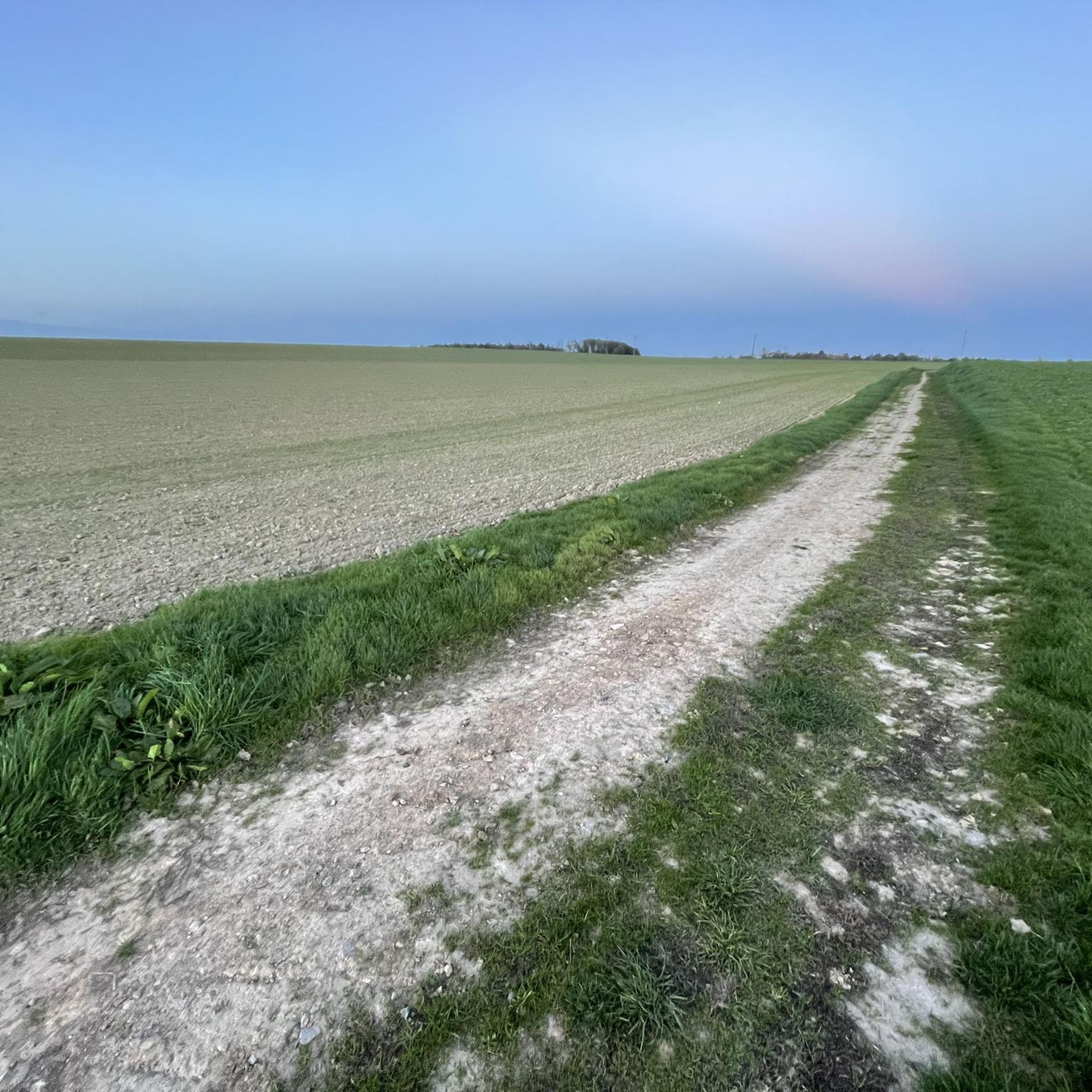
Touring cycling routes around Donceel traverse the picturesque countryside of the Wallonia region in Belgium, characterized by rolling agricultural landscapes, farms, and pastures. The area features varied terrain with gentle ascents and descents, providing a diverse cycling experience. This network of routes is well-suited for exploring the rural charm and historical sites of the Liège province.
Best touring cycling routes around Donceel
- The most popular touring cycling route is Sint-Pieterskerk Lauw – The Tomb of Ernest loop from Remicourt,…
Last updated: July 4, 2026
4.2
(6)
31
riders
68.2km
04:02
350m
350m
Moderate bike ride. Good fitness required. Mostly paved surfaces. Suitable for all skill levels.
3.0
(1)
39
riders
42.4km
03:03
400m
400m
Hard bike ride. Good fitness required. You may need to push your bike for some segments of this route.

Sign up for free
12
riders
41.9km
02:33
180m
180m
Moderate bike ride. Good fitness required. Mostly paved surfaces. Suitable for all skill levels.
5.0
(2)
12
riders
26.7km
01:36
140m
140m
Easy bike ride. Great for any fitness level. Mostly paved surfaces. Suitable for all skill levels.
4.5
(2)
8
riders
40.7km
02:24
210m
210m
Moderate bike ride. Good fitness required. Mostly paved surfaces. Suitable for all skill levels.
Get access to more routes and recommendations from other explorers.
Sign up for free
Already have an account?
Our route recommendations are based on thousands of hikes, rides, and runs completed by other people on komoot.
Start today with a free account
Your next adventure awaits.
Login or Signup

Tips from the Community

Former Cistercian abbey dating back to 1244. A beautiful circular courtyard with lodgings, a farmhouse, a watermill, and a lovely chapel. Now state-owned, it serves a variety of purposes. It houses the Cultural Heritage Department and the Hesbaye-Meuse Tourist Office. There are also reception rooms, a restaurant, and a museum dedicated to Cistercian life.
0
0
A complex of abbey buildings, a chapel, a dovecote, a mill, and gardens. It was a Cistercian abbey whose origins date back to 1244. Currently owned by the Labeye family, it has a lease agreement with the Walloon Heritage Institute. It now serves as a multifunctional training center, meeting rooms, restaurant, and museum of Cistercian life.
0
0
One of Liège's most beautiful castles, originating in the 11th century, completely surrounded by a moat. Striking are the checkerboard facades in limestone and brown sandstone and the pepper-pot-like turrets. Various owners succeeded one another over the centuries. For two centuries (16th-17th century), it was owned by the powerful de Merode family, who gave the castle its current appearance. They sold it to the Van den Steen family in 1720. The last descendant of the family, Count Guy vanden Steen, bequeathed it to the province in 1999. He was a sculptor, among other things, and many of his bronze statues still adorn the gardens. He did, however, incorporate a distinctive symbolism, depicting nude female figures mating with beetles. The 22-hectare estate also features an Italian ornamental garden with water features and bronze statues, a 19th-century vegetable garden with orangeries, a 19th-century icehouse, and many listed trees. The castle also has its own church within the moat on a peninsula. Over the centuries, the owners have amassed numerous curiosities that can be seen in the castle, which is now a provincial property and open to visitors.
0
0

The Grande Place with the former town hall from 1874 in neoclassical style, old linden trees along the Jeker (French: Le Geer), a war memorial (currently 8/25 construction site), a fountain with water from the Jeker and a bandstand.
12
0

It is a building dating from 1719 to the end of the 18th century, with a core dating back to the 16th century. The tower of the old church is integrated into the castle. Nature and
3
0

monument in memory of the fallen soldiers 1914-1918
0
0

Memorial of the 1st and 2nd World War Photo by Philippe HAMOIR and Jean-Marc THIRYON
0
0
Signed on June 18, 1316, the Peace of Fexhe introduced a democratic spirit into the administration of the City and the Principality of Liège. It is the formal and legal recognition of the sharing of government between the prince and the country.
0
0
Frequently Asked Questions
How many touring cycling routes are available around Donceel?
There are over 400 touring cycling routes around Donceel, offering a wide variety of options for different preferences and skill levels. The komoot community has explored nearly 450 routes in the area.
What kind of landscape can I expect when touring cycling around Donceel?
Touring cycling around Donceel takes you through the picturesque countryside of the Wallonia region in Belgium. You'll experience rolling agricultural landscapes, charming farms, and vast pastures. The terrain features varied gentle ascents and descents, providing a diverse and engaging cycling experience.
Are there easy touring cycling routes suitable for beginners in Donceel?
Yes, Donceel offers a good selection of easy touring cycling routes. For instance, the Oudoumont Castle and Farm – Donceel Castle loop from Donceel is an easy 26.6 km trail that leads through agricultural lands and past historical castles, perfect for a relaxed ride.
Are there challenging routes for experienced touring cyclists in Donceel?
Absolutely. For those seeking a more demanding ride, routes like the Château de Jehay – Paix-Dieu Abbey loop from Donceel offer a difficult 42.8 km path with significant elevation changes, guiding cyclists past notable castles and abbeys.
What natural sights can I explore along the cycling routes in Donceel?
While cycling around Donceel, you can discover several natural attractions. The Haut-Geer Nature Reserve and the Aux Roches Nature Reserve are notable spots. You might also encounter the Horne Forest or the Amay Gravel Pit, offering diverse natural settings.
Are there historical landmarks or castles to see while cycling in Donceel?
Yes, the Donceel area is rich in historical landmarks and castles. Many routes pass by impressive structures such as Château de Fallais and Aigremont Castle, allowing you to combine your ride with cultural exploration.
What do other touring cyclists enjoy most about cycling in Donceel?
The komoot community highly rates touring cycling in Donceel, with an average score of 4.4 stars from nearly 500 reviews. Cyclists often praise the varied terrain, the picturesque countryside with farms and pastures, and the opportunity to explore historical sites within a scenic landscape.
Are there circular touring cycling routes available in Donceel?
Many of the touring cycling routes around Donceel are designed as loops, making them convenient for starting and ending at the same point. Examples include the Sint-Pieterskerk Lauw – The Tomb of Ernest loop from Remicourt and the Terhove Castle – Borgloon loop from Remicourt.
Is Donceel well-connected for cyclists using public transport?
Donceel is situated in the Wallonia region, which benefits from a well-developed cycling infrastructure, including integration into cycling node networks. While specific public transport options directly to Donceel for bikes may vary, the regional network allows for flexible planning. It's advisable to check local public transport schedules for bike carriage policies.
What is the best time of year for touring cycling in Donceel?
The region's varied terrain and agricultural landscapes are generally pleasant for cycling from spring through early autumn. During these seasons, the weather is typically mild, and the countryside is at its most vibrant, offering ideal conditions to explore the routes.
Are there any routes that pass through nature reserves?
Yes, some routes offer the chance to cycle near or through nature reserves. For example, the Insectarium Hexapoda – The Haut-Geer Nature Reserve loop from Remicourt specifically highlights the Haut-Geer Nature Reserve as a point of interest.
Most popular attractions around Donceel

Get inspired with the komoot mobile app


Explore more
Browse the best Cycling routes in other regions.
