The best road cycling routes around Hamois
4.3
(56)
1,486
riders
107
rides
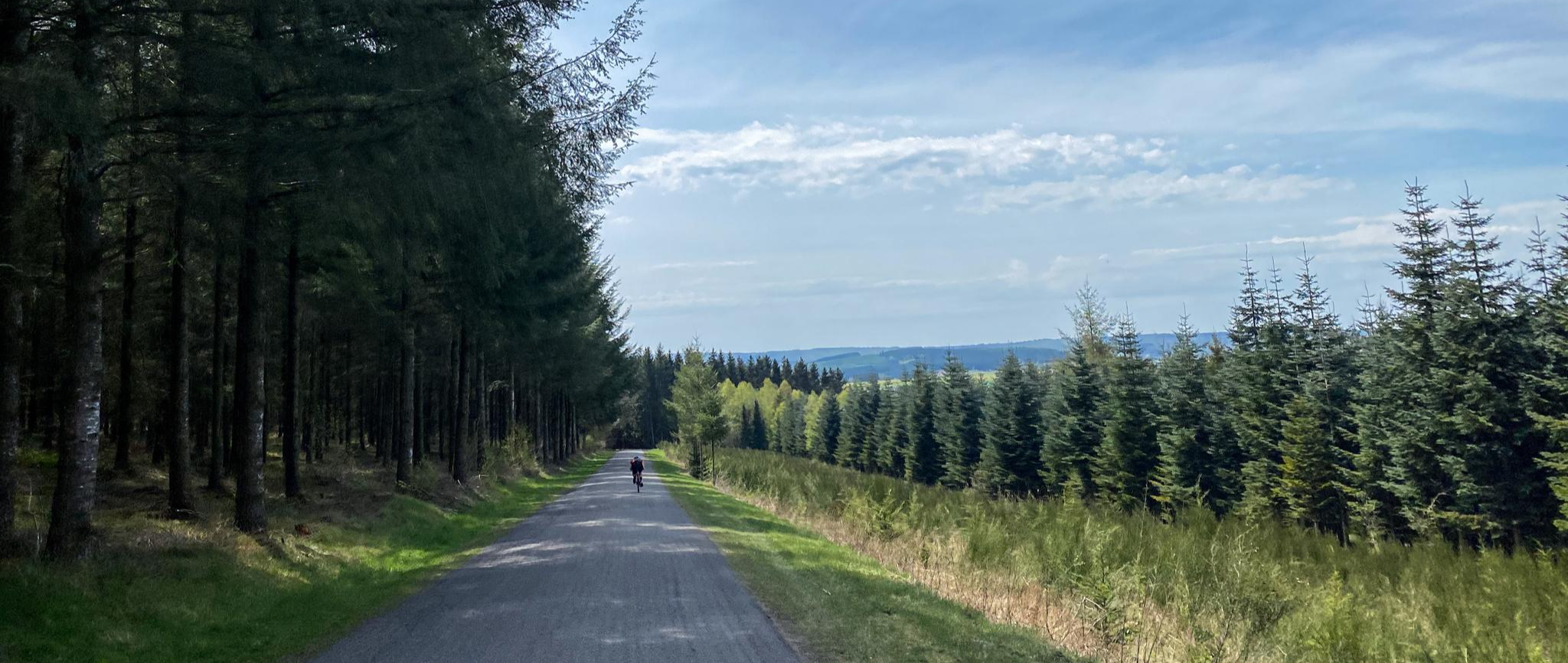
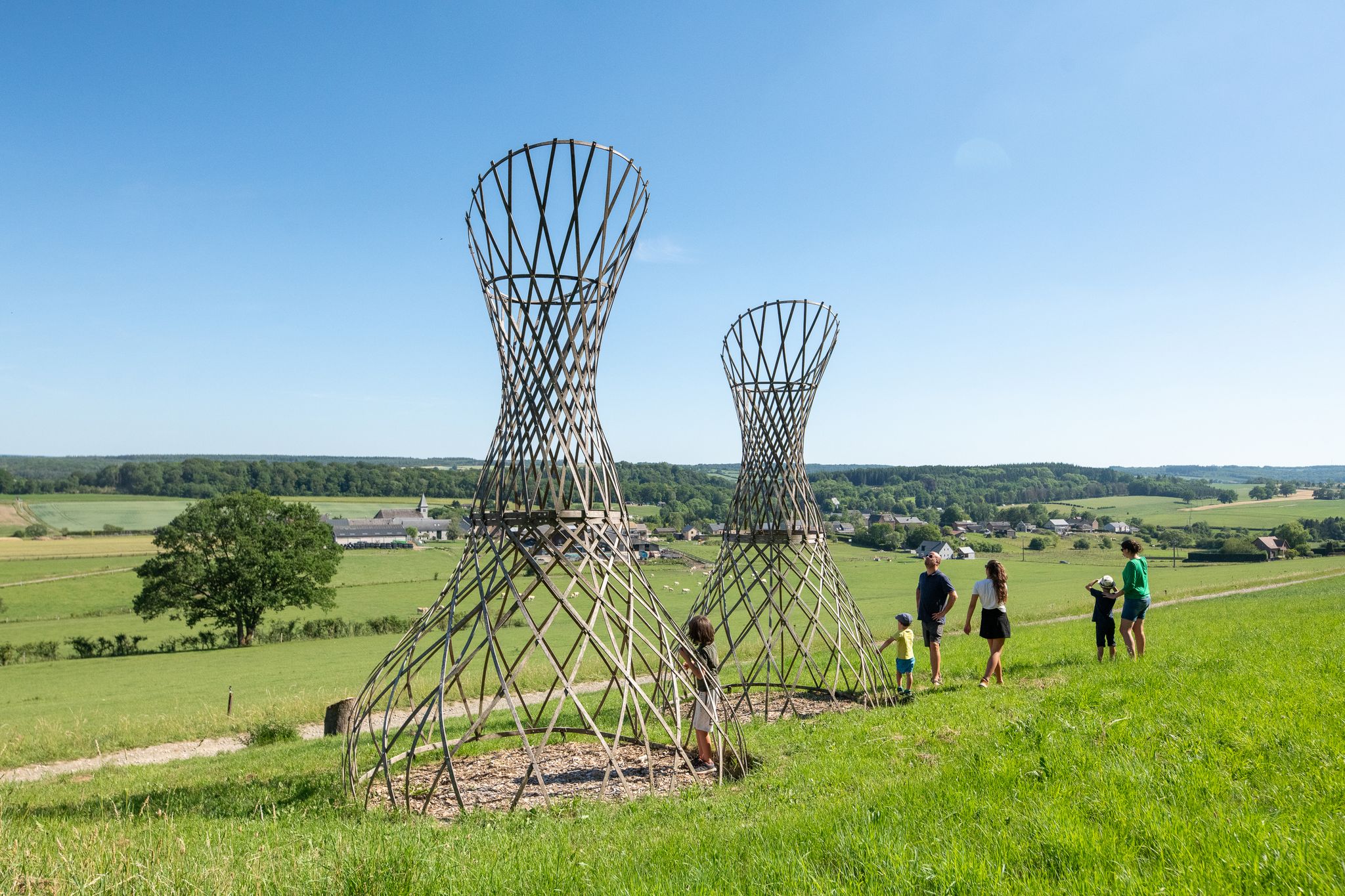
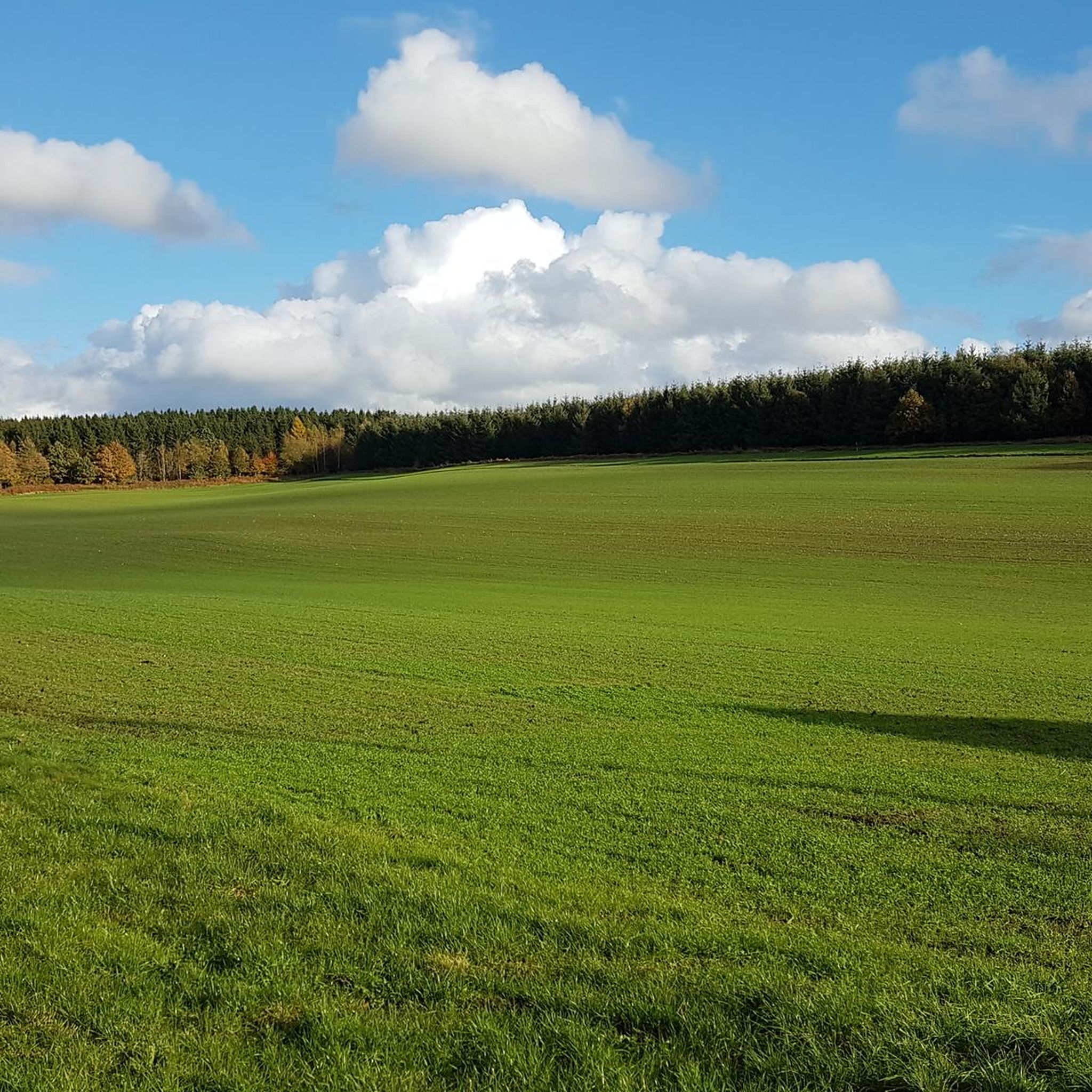
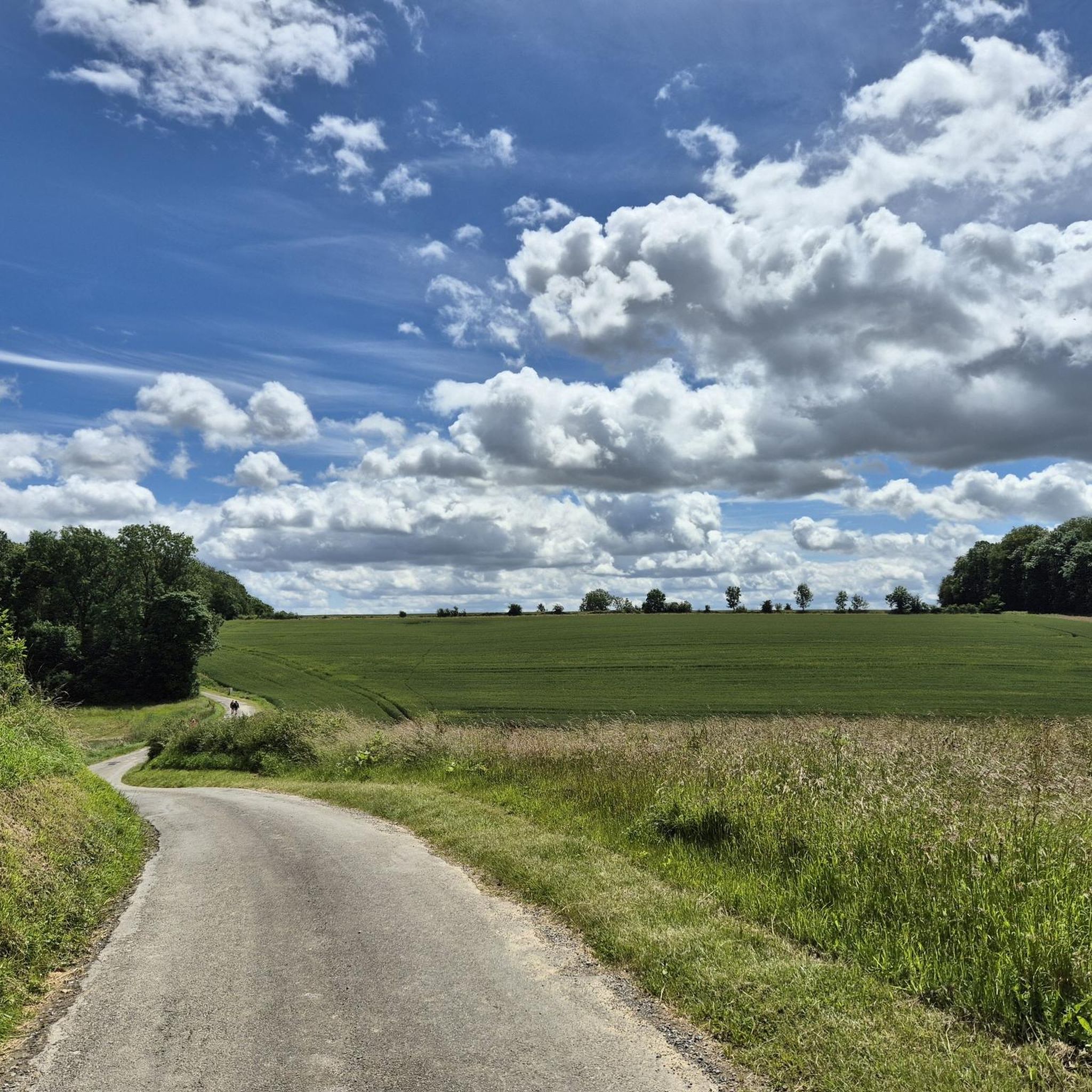
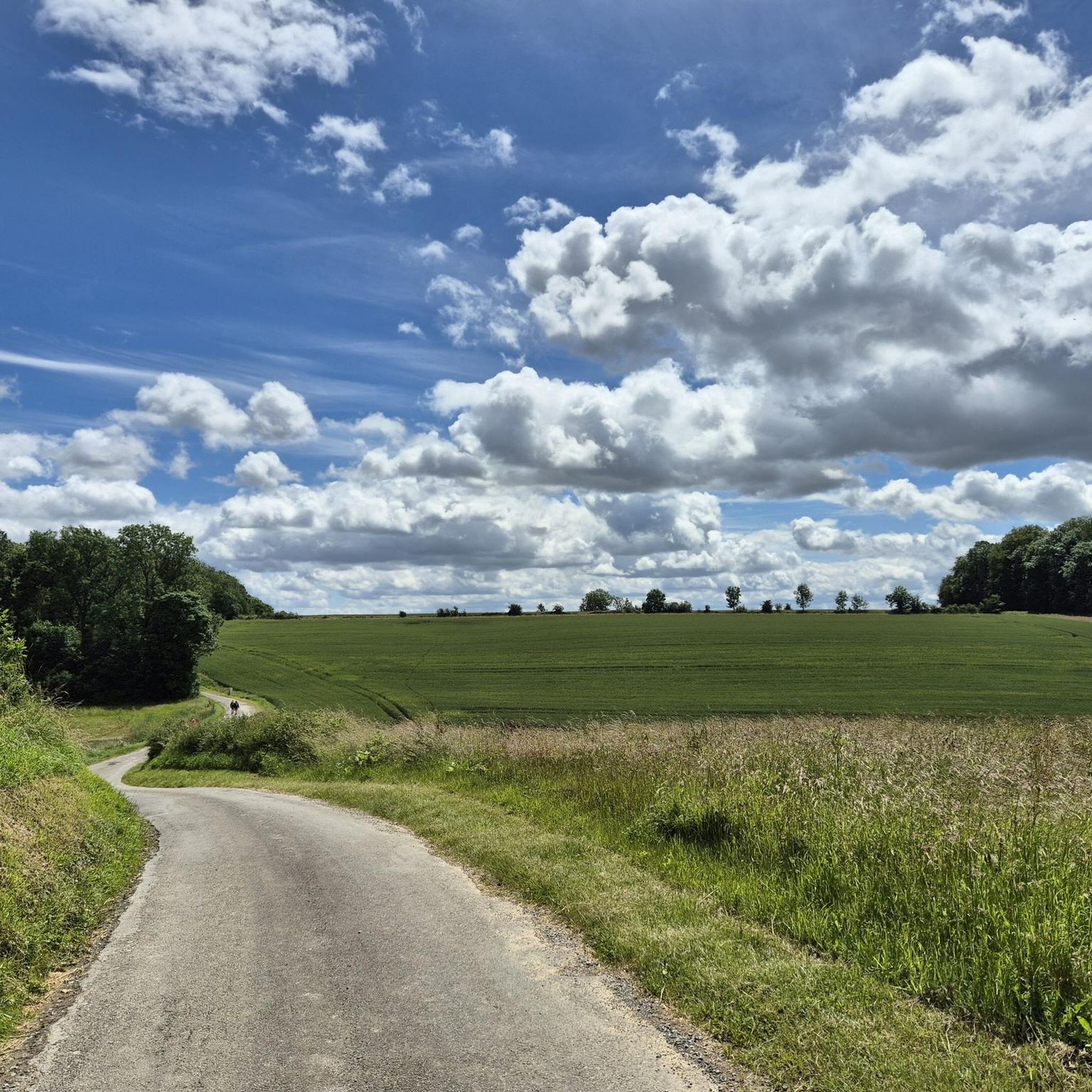
Road cycling routes around Hamois traverse the varied topography of the Condroz-Famenne region in Wallonia, Belgium. The landscape features rolling hills, lush forests, and river valleys such as the Bocq, Hoyoux, and Vyle. Cyclists can expect a mix of gradients, from challenging ascents to more leisurely stretches, often on mostly paved surfaces. The area is characterized by green hills and open countryside dotted with farms, providing a scenic backdrop for rides.
Best road cycling routes around Hamois
- The most popular…
Last updated: October 4, 2026
5.0
(2)
125
riders
82.8km
04:03
1,040m
1,040m
Hard road ride. Very good fitness required. Some segments of this route may be unpaved and difficult to ride.
5.0
(6)
122
riders
66.3km
03:05
510m
510m
Moderate road ride. Good fitness required. Some segments of this route may be unpaved and difficult to ride.

3.8
(6)
104
riders
51.1km
02:25
530m
530m
Moderate road ride. Good fitness required. Some segments of this route may be unpaved and difficult to ride.
5.0
(2)
60
riders
89.5km
04:29
1,160m
1,160m
Hard road ride. Very good fitness required. Mostly well-paved surfaces and easy to ride.
38
riders
123km
05:52
1,410m
1,410m
Hard road ride. Very good fitness required. Some segments of this route may be unpaved and difficult to ride.
Get access to more routes and recommendations from other explorers.
Already have an account?
Our route recommendations are based on thousands of hikes, rides, and runs completed by other people on komoot.
Start today with a free account
Your next adventure awaits.



Tips from the Community

Awesome, definitely worth a visit!🇧🇪
2
0

At the end of 2025, the urban planning permit for the renovation of the castle and its outbuildings was granted. It will be a large-scale restoration project – the complete renovation of the main castle and the improvement of the facades and roofs – aiming to breathe new life into this 17th-century gem, classified as exceptional heritage of Wallonia. The project includes the operation of the castle as a large guest house, combining historical preservation with public access. During my visit in July 2026, it was clearly visible that the works had started: there were construction containers along the driveway, where there was quite a bit of activity. source: haltinne.be
2
1
The domain of the Haltinne castle covers 279.98 ha of agricultural land, forests and meadows. The 'Struviaux' stream and several springs supply water to four ponds and the castle's moat. From an architectural point of view, the Haltinne castle is an exceptional heritage. Its appearance today is the same as when it was built in the mid-1600s. The imposing towers, loopholes and moat are reminiscent of a military function, but this is indeed a castle farm. Not only the facades, roofs and moat, but also the castle's monumental staircase are protected as exceptional heritage of Wallonia. This stone staircase has steps two meters wide, with a wide handrail also in stone. The massive character of this staircase contrasts with the statuettes representing the allegories of the four seasons. The wrought iron gate originally intended for King Leopold II and the 'Ciergnon' castle, the false windows in the east tower and the barn with a straw roof consisting of round limestone pillars are some other points of interest of the castle, which is however not publicly accessible. source: haltinne.be
2
0

Nice start and finish spot for a beautiful hike with many benches and shade.
0
0

a small picnic area possible by the water with the watermill nearby.
0
0


Dinant is a beautiful little town with a rich history and is well worth a stop.
0
0
superb building renovated at the beginning of the 19th century
0
0
Frequently Asked Questions
How many road cycling routes are available around Hamois?
Hamois offers a wide selection of road cycling routes, with over 100 tours available. These routes cater to various skill levels, from leisurely rides to challenging ascents through the region's rolling hills.
What kind of terrain can I expect on road cycling routes in Hamois?
The terrain around Hamois is characterized by rolling hills, lush forests, and picturesque river valleys such as the Bocq, Hoyoux, and Vyle. Cyclists will encounter a mix of gradients, including challenging climbs and more relaxed stretches, predominantly on paved surfaces. The landscape also features green hills and open countryside dotted with farms.
Are there road cycling routes suitable for beginners or families in Hamois?
Yes, Hamois has options for all skill levels. There are 16 easy road cycling routes perfect for beginners or families looking for a more relaxed ride. These routes allow you to enjoy the scenic beauty without overly strenuous climbs.
Where can I find challenging road cycling routes in Hamois?
For experienced cyclists seeking a challenge, Hamois offers 15 difficult road cycling routes. These often feature significant elevation gains and longer distances. For example, the RAVeL Line 150 Houyet – Lavaux-Sainte-Anne Castle loop from Natoye is a difficult route covering nearly 90 km with over 1100 meters of ascent.
Are there any circular road cycling routes around Hamois?
Many of the road cycling routes in Hamois are designed as loops, allowing you to start and finish at the same point. An example is the Crupet Castle – La Croisette Promenade, Dinant loop from Natoye, which offers a moderate 52.7 km ride through varied landscapes.
What are some scenic viewpoints or natural attractions along the road cycling routes?
The region around Hamois is rich in scenic beauty, offering breathtaking viewpoints across green hills and open countryside. While cycling, you might pass by natural monuments like le Chène au Gibet tree or explore areas with caves such as Arville Cave and Trou Mairiat Cave, adding a natural dimension to your ride.
What cultural or historical landmarks can I see while road cycling in Hamois?
Beyond natural beauty, Hamois and its surroundings feature charming villages and historical landmarks. Cyclists can discover medieval structures like the Donjon of Crupet or pass by impressive châteaux such as the Château de Faulx-les-Tombes. The Crupet Castle loop from Natoye is one route that incorporates such historical points of interest.
What do other road cyclists enjoy most about cycling in Hamois?
The road cycling routes in Hamois are highly rated by the komoot community, with an average score of 4.5 stars from over 40 reviews. Cyclists often praise the varied terrain, the scenic beauty of the rolling hills and river valleys, and the well-maintained paved surfaces that make for an enjoyable ride. Over 1700 road cyclists have already explored the area using komoot.
Are there any routes that follow river valleys?
Yes, several routes traverse picturesque river valleys. For instance, the Waterfall on the Hoyoux – Hoyoux Valley loop from Hamois leads you through the beautiful Hoyoux Valley, offering a mix of gradients and scenic views along the water.
What is a good moderate-difficulty route for road cycling in Hamois?
A popular moderate-difficulty route is the Bois-Borsu Farm-Castle – Moulin de Scoville loop from Hamois. This route covers 66.9 km and takes approximately 3 hours 23 minutes, offering a balanced challenge through rural landscapes without being overly strenuous.
Can I find long-distance road cycling routes near Hamois?
Yes, Hamois offers several long-distance options for road cyclists. Many routes extend beyond 60 km, with some even approaching 90 km, providing ample opportunity for extended rides through the Condroz-Famenne region. These longer routes often feature significant elevation changes, making them suitable for endurance training.
Most popular attractions around Hamois

Get inspired with the komoot mobile app


Explore more
Browse the best Road cycling routes in other regions.
