The best road cycling routes around Lo-Reninge
5.0
(5)
567
riders
50
rides
Road cycling around Lo-Reninge offers a network of routes across a generally flat and water-rich landscape. The region is characterized by tranquil, rural roads, expansive views of the Westhoek, and routes often running alongside canals. While predominantly flat, some routes incorporate varied terrain, providing options for different fitness levels.
Best road cycling routes around Lo-Reninge
- The most popular road cycling route is West Gate and Caesar's Yew, Lo – Poperinge Main Square loop from Lo, a 36.0 miles (58.0…
Last updated: August 13, 2026
5.0
(1)
154
riders
58.2km
02:31
190m
190m
Moderate road ride. Good fitness required. Mostly well-paved surfaces and easy to ride.
35
riders
36.7km
01:46
30m
30m
Easy road ride. Great for any fitness level. Mostly well-paved surfaces and easy to ride.

Sign up for free
5.0
(1)
13
riders
64.4km
02:59
390m
390m
Moderate road ride. Good fitness required. Some segments of this route may be unpaved and difficult to ride.
11
riders
Moderate road ride. Good fitness required. Some segments of this route may be unpaved and difficult to ride.
11
riders
103km
04:27
140m
140m
Moderate road ride. Good fitness required. Some segments of this route may be unpaved and difficult to ride.
Get access to more routes and recommendations from other explorers.
Sign up for free
Already have an account?
Our route recommendations are based on thousands of hikes, rides, and runs completed by other people on komoot.
Start today with a free account
Your next adventure awaits.
Login or Signup

Tips from the Community

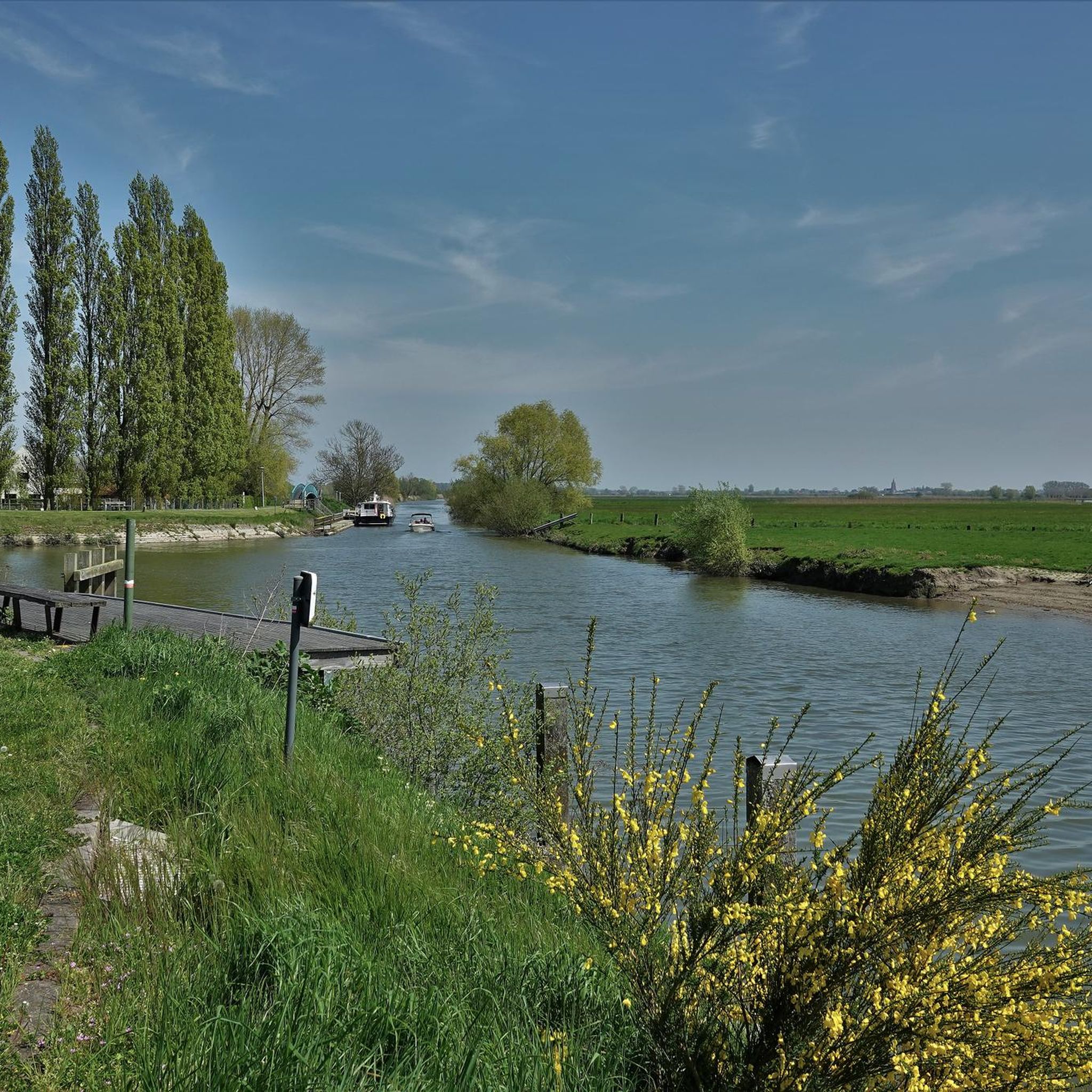
A bascule bridge over the Lokanaal. Along one side of the canal runs a beautiful walking and cycling path. Along the other side there is a busy road.
1
0

Via this bridge you can connect to the landscape artwork Pannendorp.
2
0


very impressive monument and museum. Must see if in the area
0
0

Nice Statue of Eliane Cossey (Poperinge, 9 December 1902 – London, 1942), known by the nickname Ginger, was a striking red-haired precocious child in the Belgian town of Poperinge during the First World War. The café "A la Poupée", an unpronounceable name for English speakers, on the main square grew under the name "Ginger's" into one of the most famous taverns behind "The Ypres Salient". The appeal of the young diva can be read in various diary excerpts and in the Visitors Book with compliments and drawings. Ginger krijgt eigen standbeeld https://www.hln.be/.../ginger-krijgt-eigen-standbeeld.../
0
0
The monastery was founded in 1492, at the initiative of Canon de Vooght of the Saint Walburga Chapter of Veurne, and Sister Maria Poret, the first superior. A house and property were purchased on Zuidstraat in Lo in 1493. Emperor Maximilian I granted permission in 1493 to build a small chapel, refectory, dormitory, and tower with a clock. The monks were initially present in Lo to combat the plague. The tower sparked a conflict between the provost of the provostry (later to become Saint Peter's Abbey) and the Grey Sisters. The provost considered the tower too high. This led to a lawsuit, in which the judges ruled that the sisters could keep their tower unchanged if they presented the provost with two chickens each year at Easter. The tower was renovated in 1560, destroyed in 1579, and rebuilt on a smaller scale. Besides expansions in the 16th and 17th centuries, the convent also suffered damage and destruction during religious unrest in the same period. A low point was the confiscation in 1798 by the French revolutionaries. A confidant of the sisters, former mayor J.B. Ryon, bought up the undeclared goods so that the sisters could repurchase them after the Concordat. The Grey Sisters founded a school in 1763, and in response to the establishment of a municipal school, they started a Catholic boys' school on Zuidstraat in 1836. During the First World War, Lo was shelled by the Germans, and the convent's tower was destroyed. The 17th-century hospital on the east side of the market square was destroyed and never rebuilt. Reconstruction and repairs of the convent followed in 1922-1926, with the tower being raised, modeled on the town hall tower. The west wing has been restored and adapted in a historicist style. https://nl.wikipedia.org/wiki/Klooster_van_de_Grauwzusters_(Lo)
1
0
The old town hall and belfry now serve as a hotel and restaurant. The town hall and belfry have been on the UNESCO World Heritage List since 1999 as part of the joint registration of a group of 56 belfries in Belgium and France. https://nl.wikipedia.org/wiki/Stadhuis_van_Lo
2
0
Frequently Asked Questions
What kind of terrain can I expect on road cycling routes around Lo-Reninge?
Lo-Reninge is characterized by its tranquil, rural roads and generally flat terrain, making it accessible for various fitness levels. Routes often run alongside canals and offer expansive views across the Westhoek. While predominantly flat, some routes incorporate varied terrain, providing options for more moderate rides.
Are there road cycling routes suitable for beginners in Lo-Reninge?
Yes, Lo-Reninge offers several easy road cycling routes. For instance, the Veurne Town Square – Veurne Market Square loop from Reninge is an easy 23.2 miles (37.3 km) path that explores quaint towns and water-rich areas, perfect for those new to road cycling in the region.
What historical landmarks can I see along the road cycling routes?
Many routes pass through or near significant historical sites. You can encounter landmarks like the West Gate, an old city gate, or the Yser Tower and Pax Gate Memorial, Diksmuide. The area also has links to WWI history, with related cycling routes available.
Are there any natural features or viewpoints to enjoy while cycling?
Absolutely. The region is water-rich, with routes often running alongside canals and featuring attractions like the Fintele Lock. You can also find natural monuments such as the Blankaart Observation Tower, Zillebeke Pond, and Viconia Clay Pits, offering scenic views.
How many road cycling routes are available in Lo-Reninge?
There are over 50 road cycling routes available around Lo-Reninge, catering to various skill levels. This includes 9 easy routes, 44 moderate routes, and 1 difficult route, ensuring options for everyone from casual riders to experienced cyclists.
What do other road cyclists say about the routes in Lo-Reninge?
The road cycling routes in Lo-Reninge are highly rated by the komoot community, with an average score of 4.8 stars from over 6 reviews. Cyclists often praise the tranquil rural roads, the water-rich areas with canals, and the expansive views of the Westhoek.
Are there any challenging road cycling routes in the area?
While Lo-Reninge is generally flat, some routes do offer more varied terrain. For a moderate challenge, consider the Godtschalckstraat – Start of Monteberg Climb loop from Reninge, a 40.3 miles (64.8 km) trail that leads through varied terrain and includes some elevation gain.
Can I find loop trails for road cycling in Lo-Reninge?
Yes, many road cycling routes in Lo-Reninge are designed as loops, allowing you to start and end in the same location. Examples include the West Gate and Caesar's Yew, Lo – Poperinge Main Square loop from Lo and the Yser Tower (IJzertoren) – Diksmuide Market Square loop from Lo Rozendale.
Are there towns or villages to explore along the routes?
Yes, the routes offer opportunities to explore charming towns and villages. You can cycle through areas like Veurne, with its historic town square, or Pollinkhove, known for its church and unique 'nine-bar chapels'. The Belfry in the town of Lo is even a UNESCO World Heritage Site.
Where can I find more information about cycling in the wider West Flanders region?
For additional information about cycling routes and experiences in the broader West Flanders region, you can visit the official tourism website: visitwestvlaanderen.be.
What is the best time of year for road cycling in Lo-Reninge?
The tranquil rural roads and flat terrain of Lo-Reninge are enjoyable throughout much of the year. Spring and autumn generally offer pleasant temperatures and less crowded routes, while summer provides longer daylight hours. Always check local weather forecasts before heading out.
Are there places to stop for refreshments or food along the routes?
The region provides practical amenities for cyclists, with routes often passing through quaint towns and villages where you can find cafes, pubs, and picnic areas. These stops offer opportunities to refuel and experience local culture.
Most popular routes around Lo-Reninge
Most popular attractions around Lo-Reninge

Get inspired with the komoot mobile app


Explore more
Browse the best Road cycling routes in other regions.
