The best walks and hikes around Conco
4.4
(962)
4,483
hikers
67
hikes
Hiking around Conco offers a diverse landscape characterized by rolling hills, forested areas, and historical sites, particularly those related to WWI on the Asiago Plateau. The region features varied terrain, from gentle paths through woodlands to more challenging ascents. Hikers can explore a network of trails that traverse both natural environments and areas with historical significance. The elevation changes are generally moderate, providing accessible routes alongside options for more experienced hikers.
Best hiking trails around Conco
- The most popular hiking…
Last updated: August 17, 2026
4.6
(25)
92
hikers
16.8km
05:08
530m
530m
Hike the difficult 10.4-mile Anello dei Tre Confini WWI Trail, exploring historical sites and panoramic views on the Asiago Plateau.
4.5
(10)
60
hikers
11.9km
03:51
500m
500m
Hike the moderate 7.4-mile Ciscati - Biancoia Trail in the Altopiano dei Sette Comuni, offering forest paths and panoramic views.

Sign up for free
4.3
(7)
57
hikers
6.46km
01:55
190m
190m
Art-filled trail through ancient villages with poetry displays, stone houses, and romantic installations.
4.5
(2)
12
hikers
7.34km
02:15
270m
270m
Historic plateau trail through WWI battlefields with karst landscapes and wartime relics.
4.7
(21)
68
hikers
7.18km
02:18
280m
280m
Moderate hike. Good fitness required. Easily-accessible paths. Suitable for all skill levels.
Get access to more routes and recommendations from other explorers.
Sign up for free
Already have an account?
Our route recommendations are based on thousands of hikes, rides, and runs completed by other people on komoot.
Start today with a free account
Your next adventure awaits.
Login or Signup

Tips from the Community

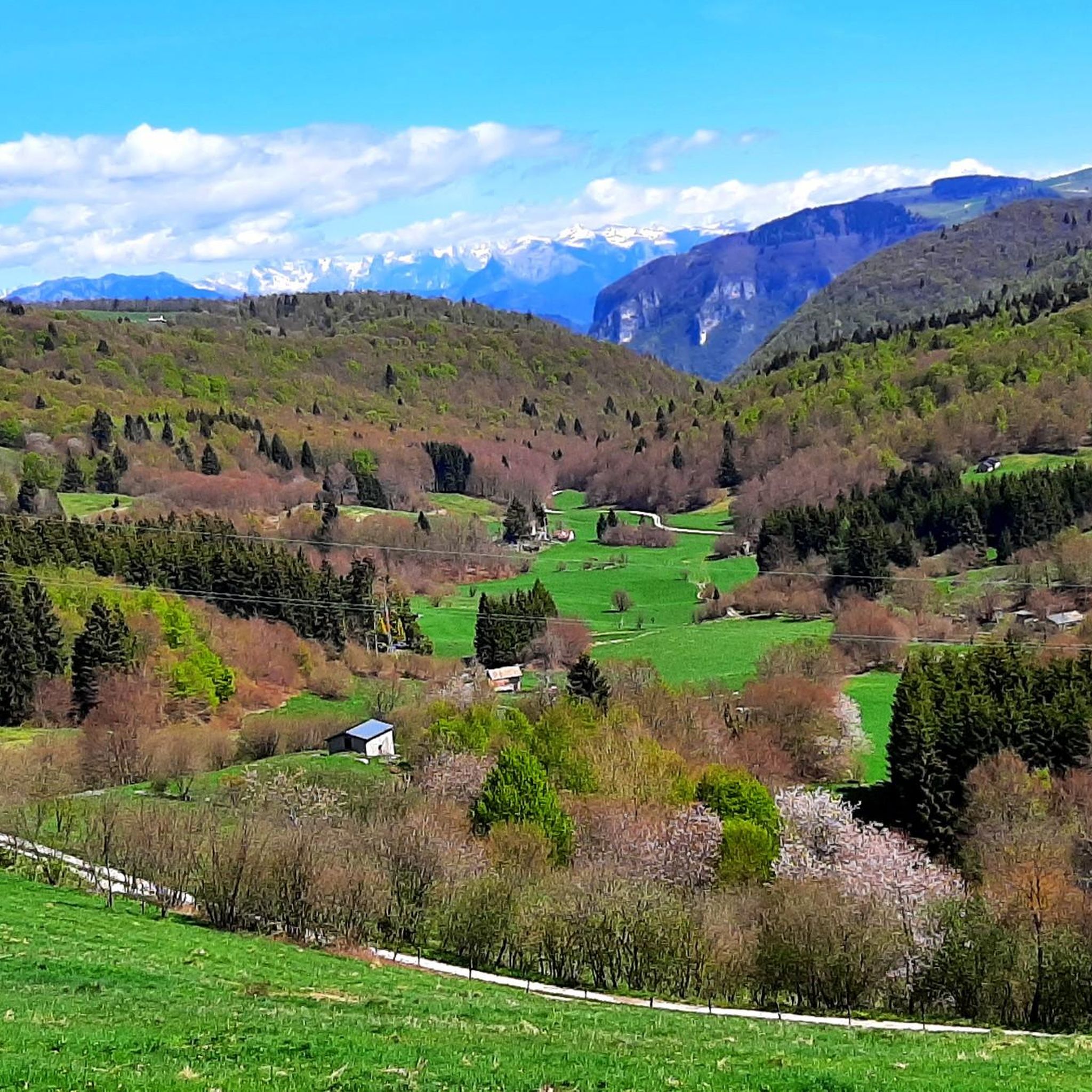
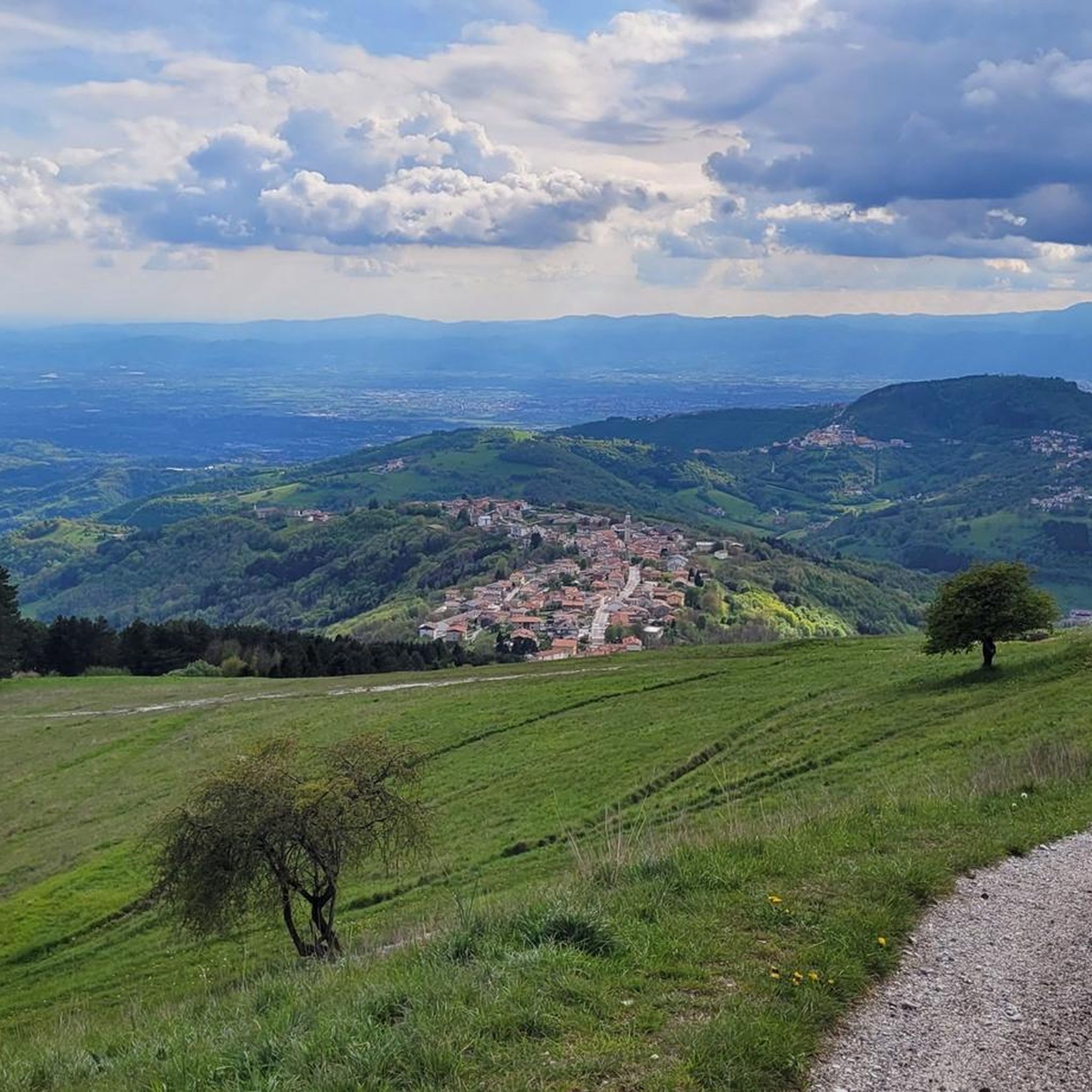
Col d'Asiago offers a beautiful and privileged panoramic point on the underlying Canale del Brenta, or the narrow and deep terminal part of Valsugana. But the view extends over the Asiago Plateau and the entire skyline of mountains that border it to the north, the Grappa Massif to the east and the mouth of Val Brenta. In the distance, the Piccole Dolomiti, the Pale di San Martino and the Vette Feltrine. Precisely because of its strategic position, during the First World War it was a strongly armed Italian defensive bastion and decisive in various phases of the conflict. The peak is also known locally by the ancient and dialect toponym 'Col del S-ciavo', dating back to the time of the Serenissima: on the slopes of the hill in fact the 'schiavoni' (i.e. the non-Latin inhabitants of the dominions of Dalmatia and the Venetian hinterland) cut wood for the naval fleet; the trunks (especially beech trees) were lowered down the valley through the famous and nearby Calà del Sasso; they were then loaded onto rafts that went down the entire Brenta, until they reached the lagoon and the Arsenale of Venice. A large concrete cistern dominates the summit, collecting the water pumped from the Oliero Caves, 1000m further downstream, and distributing it to the Plateau.
0
0
Italian gallery of the First World War, about eighty meters long, which at a certain point branches off to lead to two distinct observation/artillery positions. It develops under Col d'Asiago, which during the conflict was an important defensive stronghold, heavily armed along the entire marginal line of the Altopiano, dominating and controlling the access of the underlying Valsugana (which in the narrow final segment is also called Canale del Brenta).
1
0
The Bosco Littorio was planted in 1927, hence its fascist-inspired name. It was one of 14 "gardens" where spruce saplings (over one hundred thousand!) were grown on a planned basis to repopulate and restore the forest heritage of the Asiago Plateau, which had been severely damaged during the First World War. During the conflict, 35% of the forests were destroyed and 49% damaged, leaving only 15% untouched! The new, young, all-spruce forests, of identical species and age, inevitably changed the plateau's environment, fragile compared to the ancient and diverse, ancient forests. What remains of the original forest is a captivating environment where spruce trees coexist with characteristic karst rock outcrops.
0
0
Concrete basin from the First World War, located on the edge of an important crossroads of military roads, which served to water the mules of the Italian troops heading to the trenches of the Tre Monti and the stronghold of Col d'Astiago. In the karst and permeable territory of the Asiago Plateau, water was a rare and precious commodity: here it was taken and pumped from the springs of Laverda and Oliero. Col del Termine Rotto owes its name to the border disputes that for centuries have pitted the mountain populations (Asiago Plateau) against those of the valley floor (Canale di Brenta). To put an end to these tensions, on 14 November 1681 a delegate of the Serenissima established the appurtenances of the two communities and reinstated the border on the disputed hill: a few dozen metres from the basin there is a stone boundary stone (the 'Termine dei Tre Confini') where the territories of the municipalities of Conco (since 2019 Lusiana Conco), Campolongo and Valstagna converge (since 2019 both united in the scattered municipality of Valbrenta).
1
0

Although marked on several itineraries, this section is essentially impassable. Better to climb from the power station along the fence.
0
0

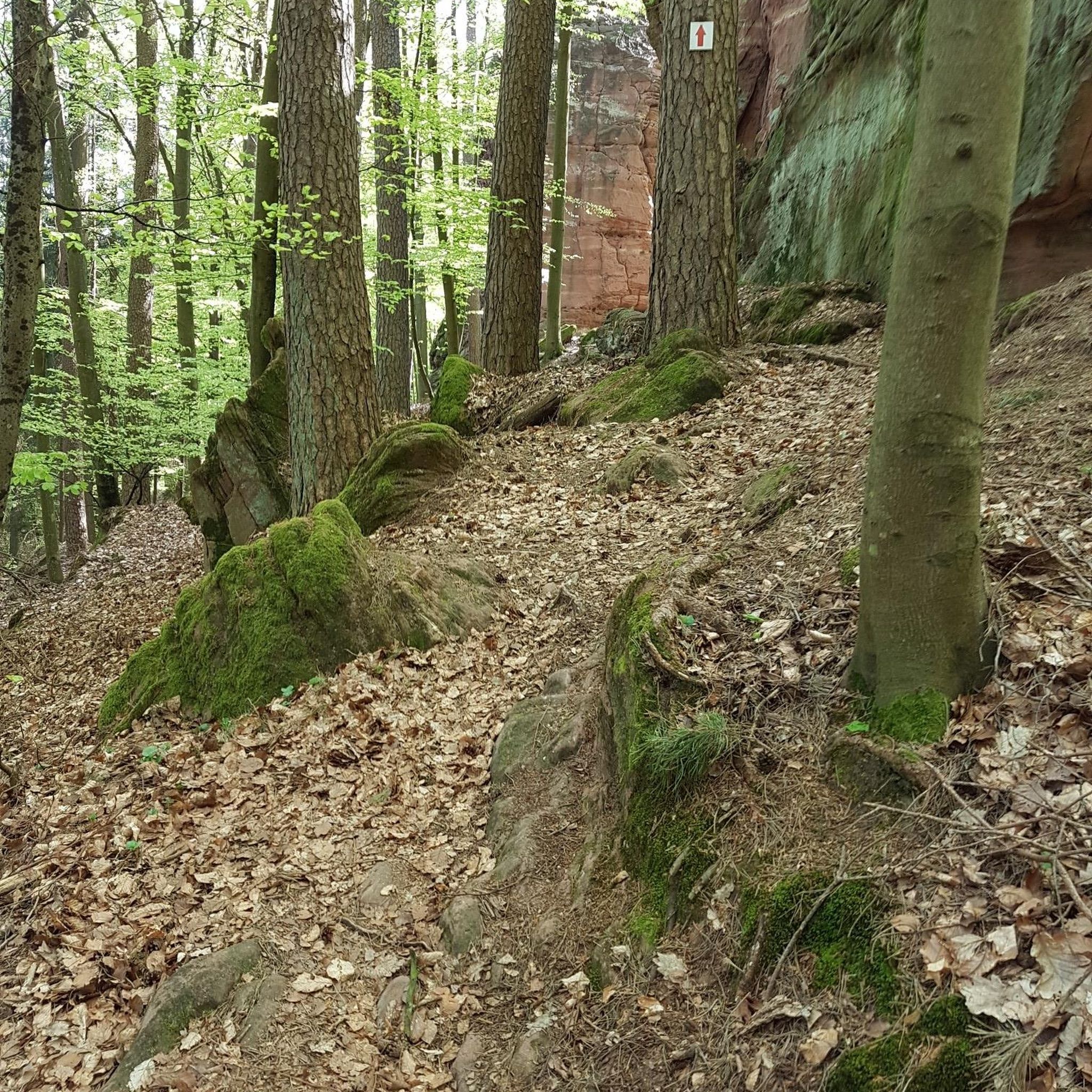
On the "Ring of the Three Borders" route near the Sette Comuni plateau (Vicenza) you will be flooded with intense green colour. They are bright greens of all shades and present everywhere. Enjoy your walk and enjoy your relaxation at the same time.
0
0

Col d'Astiago is located in the south-eastern sector of the Asiago plateau. Wide panorama of the Brenta and towards Monte Grappa. Here is the pumping station of the aqueduct that brings water from the Oliero caves to the plateau.
3
0
Frequently Asked Questions
What kind of terrain can I expect when hiking around Conco?
Hiking around Conco features a diverse landscape of rolling hills, forested areas, and open plateau sections. The terrain varies from gentle paths through woodlands to more challenging ascents, with generally moderate elevation changes. You'll also find historical sites, particularly those related to WWI on the Asiago Plateau.
Are there easy hiking trails suitable for beginners in Conco?
Yes, Conco offers several easy hiking options perfect for beginners. There are 21 easy routes available. For example, the Sentiero dell'Amore (Trail of Love) from Santa Caterina is an easy 4.0-mile (6.5 km) trail that takes about 1 hour 55 minutes to complete, leading through forested areas with scenic views.
What are some notable landmarks or natural features to see along the trails in Conco?
The region is rich in historical and natural points of interest. You can explore WWI sites, such as those along the Asiago Plateau WWI Trail or the Trinceroni of Monte Campolongo – Campolongo Trenches (WW1) loop from Rubbio. Other highlights include the Mount Corno Monument and various huts like Boscon Bivouac and Malga Lora.
What is the best time of year to go hiking in Conco?
The best time to hike in Conco generally depends on your preference. The region's forested hills and plateau sections are enjoyable in spring and autumn for pleasant temperatures and vibrant foliage. Summer offers warmer weather, while winter can provide opportunities for snowshoeing or winter hiking, especially on the Asiago Plateau, though some trails might be less accessible.
Are there any challenging hikes for experienced hikers in Conco?
Yes, for experienced hikers seeking a challenge, Conco offers 4 difficult routes. The Three Borders Ring Trail is a difficult 10.4-mile (16.8 km) route with significant elevation gain, taking approximately 5 hours 8 minutes to complete.
Are there any circular hiking routes in Conco?
Yes, Conco features several circular routes. A notable example is the Trinceroni of Monte Campolongo – Campolongo Trenches (WW1) loop from Rubbio, a moderate 10.6 km (6.6 miles) loop that explores historical WWI sites.
What do other hikers say about the trails in Conco?
The hiking routes in Conco are highly rated by the komoot community, with an average score of 4.4 stars from over 900 reviews. Hikers often praise the diverse terrain, the historical significance of the WWI sites, and the scenic views offered by the forested hills and open plateau sections.
Are there options for food and accommodation near the hiking trails in Conco?
Yes, the region around Conco and the Asiago Plateau offers various amenities. You can find huts like Malga Montagnanova and Pozza del Favero Hut, which often provide refreshments or simple accommodation. The nearby towns also have cafes, pubs, and hotels.
How long do hikes in Conco typically take?
Hike durations in Conco vary widely depending on the trail's length and difficulty. Easy routes like the Sentiero dell'Amore can be completed in under 2 hours, while moderate trails such as the Ciscati - Biancoia Trail take around 3 hours 50 minutes. More difficult routes, like the Three Borders Ring Trail, can take over 5 hours.
How many hiking trails are available in the Conco area?
There are 69 hiking routes available in the Conco area, catering to various skill levels from easy to difficult. This extensive network ensures plenty of options for exploration.
Are there any trails that combine natural beauty with historical significance?
Absolutely. Many trails in Conco traverse both natural environments and areas with historical significance, particularly related to WWI on the Asiago Plateau. The Asiago Plateau WWI Trail is a prime example, offering a moderate 7.3 km (4.5 miles) hike through historically rich landscapes.
Most popular attractions around Conco

Get inspired with the komoot mobile app


Explore more
Browse the best Hikes in other regions.
