Attractions and Places To See around Pianoro - Top 20
Best attractions and places to see around Pianoro, nestled in the Emilian Apennines southeast of Bologna, offer a diverse range of experiences. The region features historical landmarks, unique natural phenomena, and cultural sites. Pianoro boasts a rich history, with evidence of Celtic, Etruscan, and Roman settlements, and played a significant role during World War II. Its landscape includes gypsum outcrops, karst formations, and extensive hiking opportunities.
Best attractions and places to see around Pianoro
- The most popular attractions is Shrine…
Last updated: June 24, 2026
Shrine of Our Lady of St. Luke
Highlight • Religious Site
Translated by Google •
Tip by

Meloncello Arch
Highlight • Monument
Translated by Google •
Tip by

Sign up now to discover places like this
Get recommendations on the best single tracks, peaks, & plenty of other exciting outdoor places.
Sign up for free
Piazza Maggiore
Highlight • Historical Site
The square is framed by buildings …
Translated by Google •
Tip by

Monte Adone summit
Highlight • Summit
Translated by Google •
Tip by

Basilica of San Petronio
Highlight • Religious Site
Translated by Google •
Tip by

Sign up for free to discover even more attractions around Pianoro.
Sign up for free
Already have an account?
Start today with a free account
Your next adventure awaits.
Login or Signup

Tips from the Community

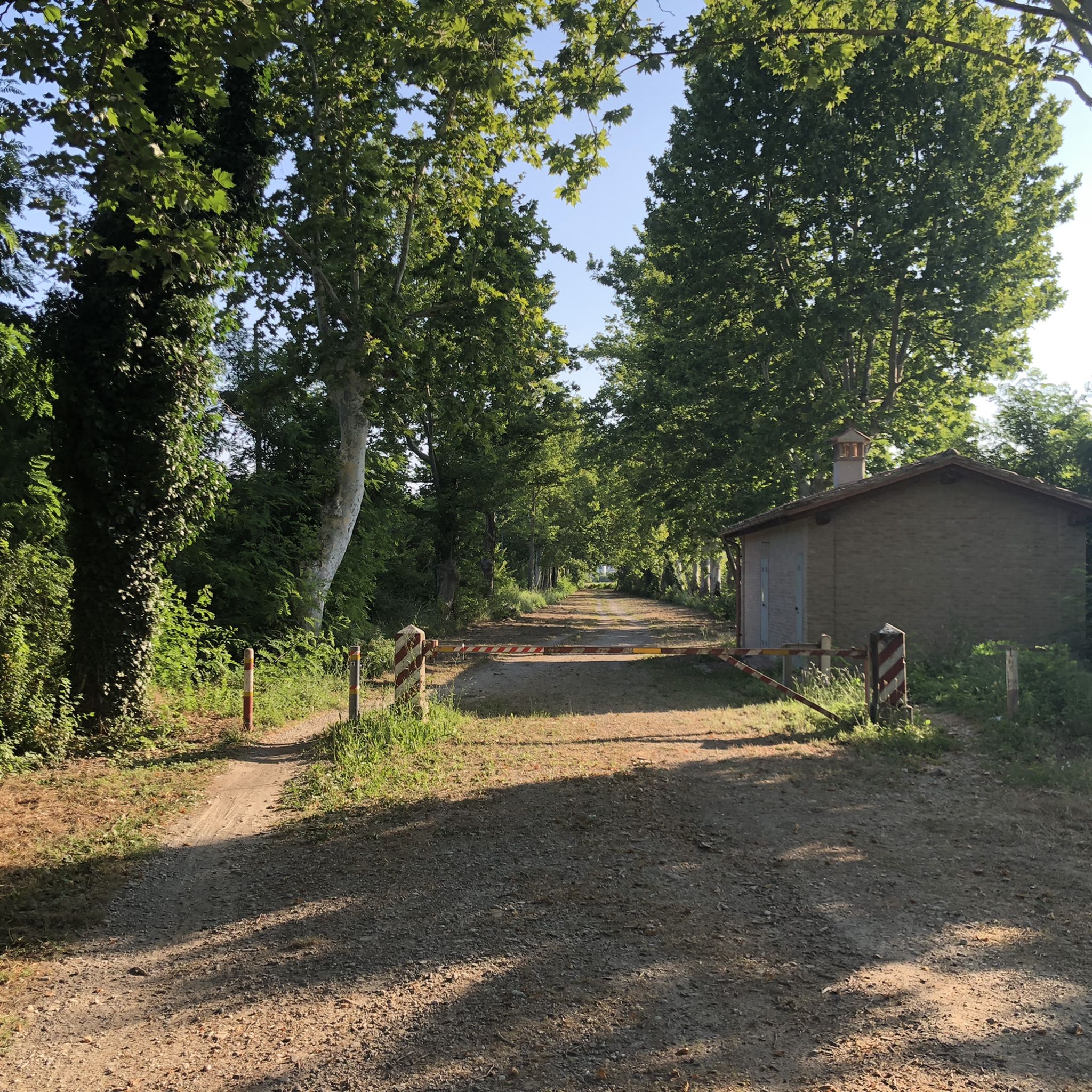
From here, the path continues uphill for about 2 km to the Church of San Luca. On hot days, be sure to bring water.
4
0

Piazza Maggiore, also known as Piazza Grande thanks to the famous song by Lucio Dalla, is the main square of the city of Bologna. The square is framed by buildings (including the imposing Basilica of San Petronio and the Palazzo Re Enzo, seat of the town hall) and the typical porticoes. Various paths start from here including the Via degli Dei and the Piccola Cassia.
4
0

The Basilica of San Petronio is the largest church in Bologna located in front of Piazza Maggiore, and a few meters from the Torre degli Asinelli, undisputed symbols of Bologna
4
0

The Arco del Meloncello is an evocative and historical monument located in Bologna. It is located in the western part of the city, connecting the Villa Spada Park to the Villa delle Rose Park. The arch is an impressive structure, built in 1661.
3
0
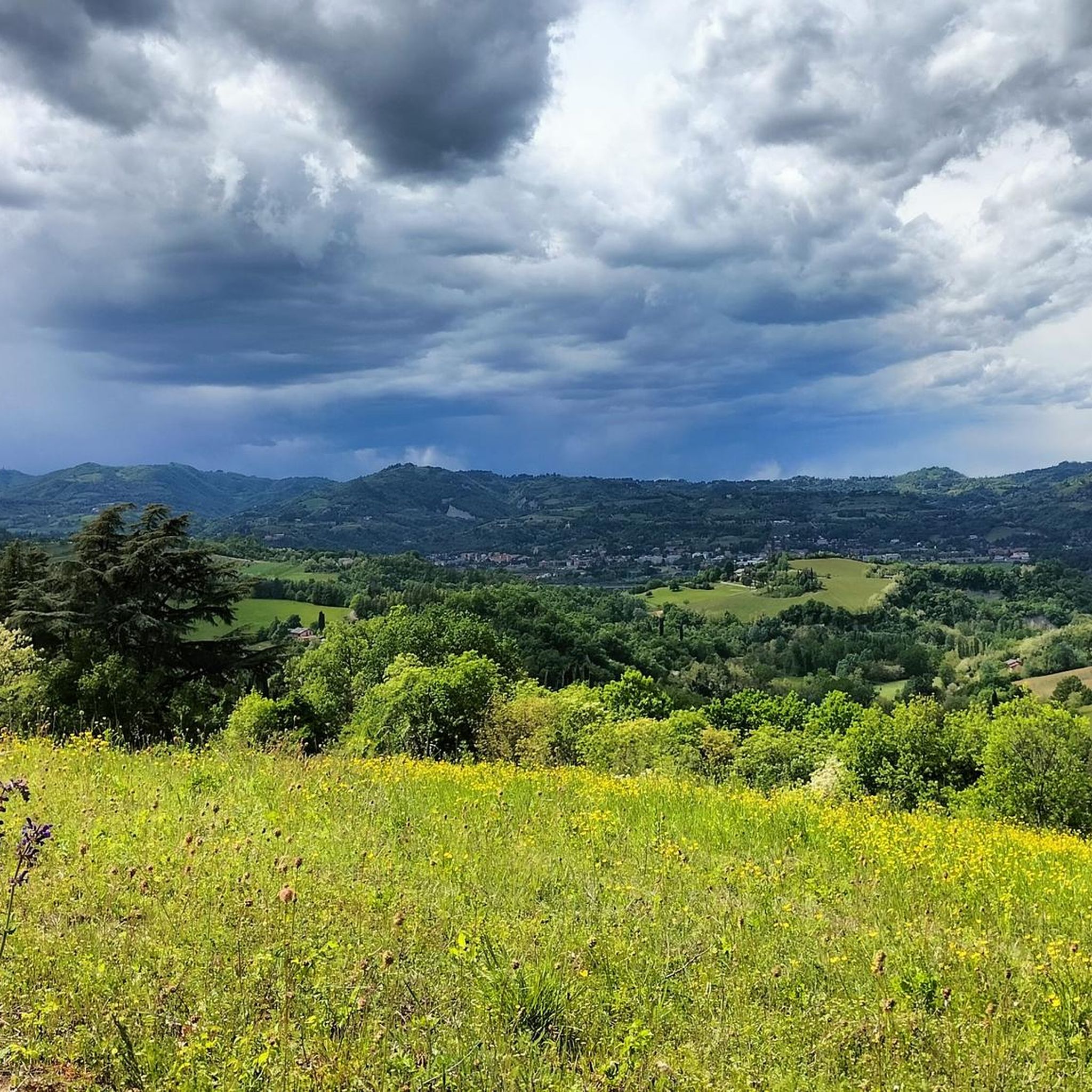
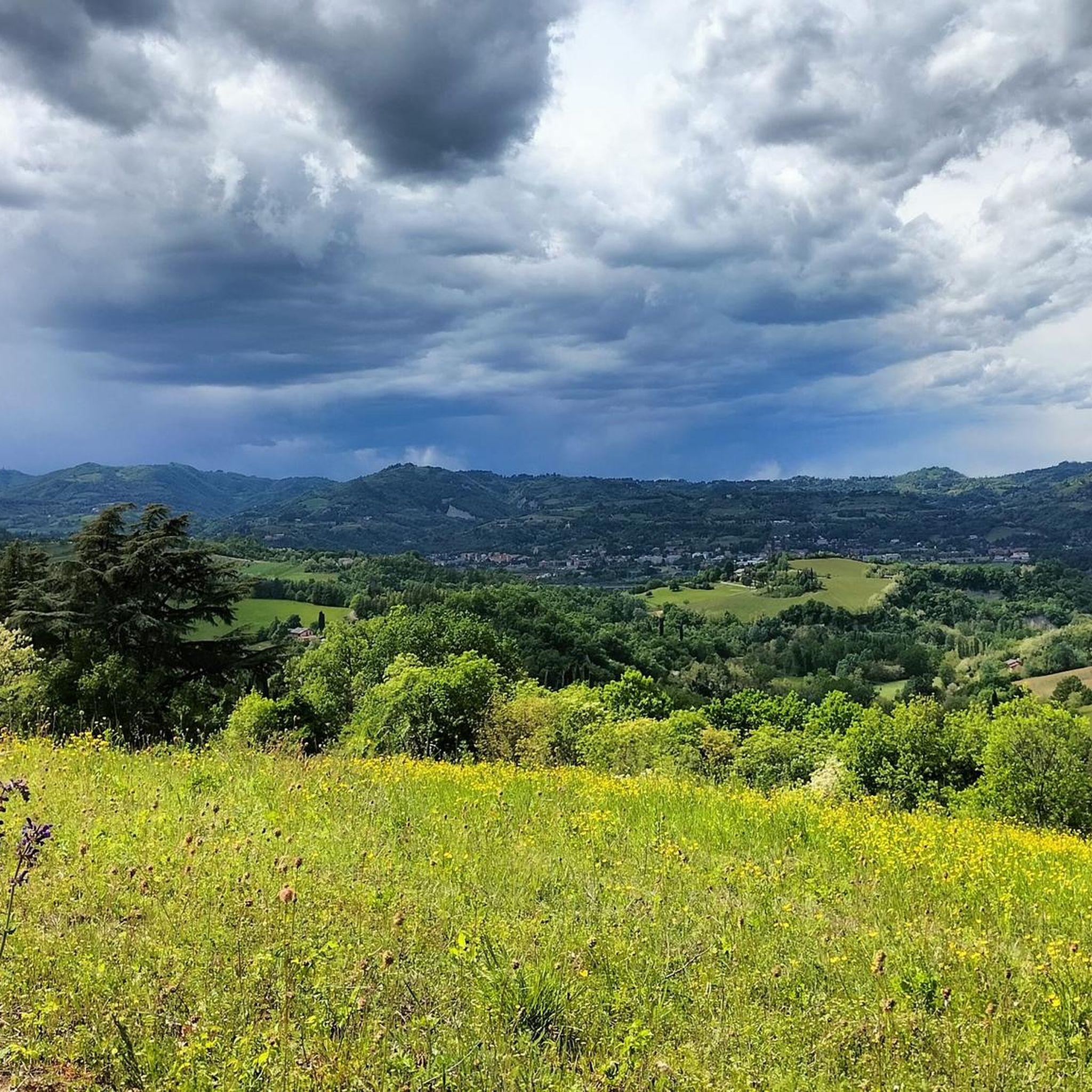
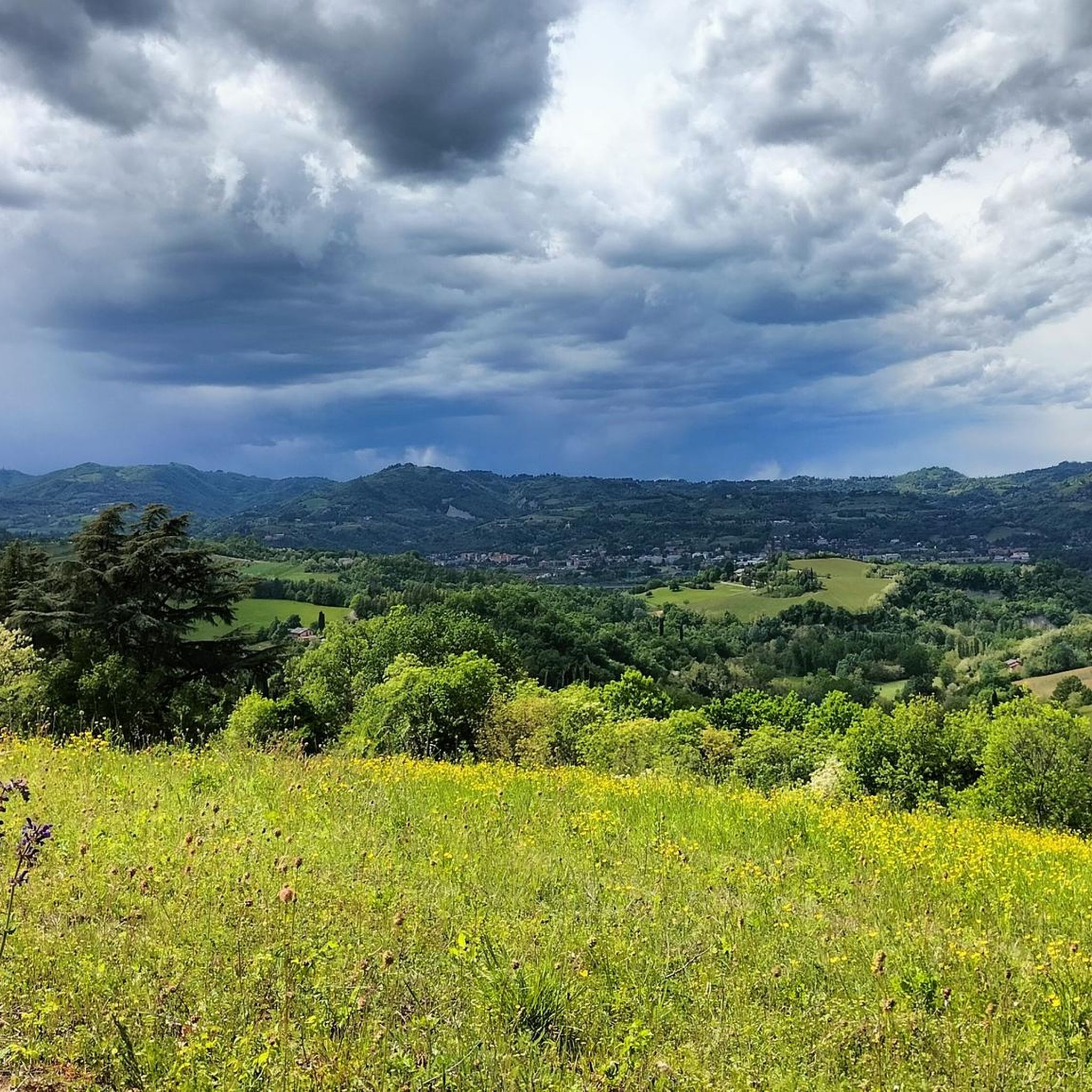
Monte Adone is an iconic stop along the Via degli Dei, a hiking trail that crosses the Apennines between Bologna and Florence. Located between Monzuno and Madonna dei Fornelli, Monte Adone offers spectacular panoramic views of the surrounding mountain range. The climb to the summit is an inspiring experience, taking visitors through nature trails and lush forests. Reaching the summit of Monte Adone is rewarding and offers a sense of achievement, as well as providing breathtaking views of valleys, hills and forests. It is the perfect place for a scenic break, to admire the surrounding landscape and to rest before continuing on the Via degli Dei. Monte Adone is one of the highlights of this famous hiking trail, offering hikers an unforgettable experience immersed in the wild nature of the Apennines.
2
1
Monte Adone is an iconic stop along the Via degli Dei, a hiking route that crosses the Apennines between Bologna and Florence. Located between Monzuno and Madonna dei Fornelli, Monte Adone offers a spectacular panoramic view of the surrounding mountain range.
2
0

the square and one of the symbols of Bologna, beautiful
2
0

Main square of Bologna, a focal point for tourism and city life. Many organized trips depart from here and there is a tourist information center (well stocked with cycling maps). There is a fountain (next to Neptune) useful for refilling water bottles.
3
0
Frequently Asked Questions
What natural attractions can I explore around Pianoro?
Pianoro is rich in natural beauty. You can visit Monte delle Formiche, known for its unique annual ant migration phenomenon. The area also features the Parco dei Gessi Bolognesi e Calanchi dell'Abbadessa, offering spectacular gypsum outcrops, karst formations, and caves. Another notable natural area is the Riserva del Contrafforte Pliocenico, which provides numerous hiking opportunities along the Savena ridges, and the scenic Val di Zena.
Are there historical sites and landmarks to visit in Pianoro?
Yes, Pianoro boasts a rich history. You can explore the remains of the 12th-13th century Abbey of Saint Benedict and the early Romanesque Abbey of San Bartolomeo. Other significant historical landmarks include the Tower of Lupari, a Romanesque fortress, and the medieval Castle of Zena. Don't miss the poignant Pianoro Vecchia World War II Refuge, a place of remembrance dug deep into the rock.
What unique cultural experiences does Pianoro offer?
Pianoro offers several distinctive cultural sites. The Museo dei Botroidi in Tazzola showcases anthropomorphic sandstone stones collected from the Zena River. You can also visit the Pietro Lazzarini Museum of Arts and Crafts for insights into local heritage. Additionally, the Monument to the Whale in Gorgognano commemorates the discovery of a 9-meter-long whale fossil from the Pliocene era.
Where can I find good hiking trails near Pianoro?
The region around Pianoro is excellent for hiking. You can find various trails within the Parco dei Gessi Bolognesi e Calanchi dell'Abbadessa, including sections of the famous Via degli Dei. For more options, check out the Hiking around Pianoro guide, which features routes like the 'Gessi Bolognesi Caves and Calanchi Loop' and trails towards 'Buca delle candele e dei Vinchi'.
Are there cycling routes available around Pianoro?
Absolutely, Pianoro offers diverse cycling opportunities. You can explore routes like the 'Savena River Cycle Path' or loops around the 'Lake of the Beavers'. For detailed information on various cycling and gravel biking trails, including their difficulty and distance, refer to the Cycling around Pianoro and Gravel biking around Pianoro guides.
What are some family-friendly attractions in the Pianoro area?
Many attractions around Pianoro are suitable for families. The Shrine of Our Lady of St. Luke and the Portico di San Luca offer an engaging walk with historical significance. Piazza Maggiore in Bologna is a vibrant central square surrounded by impressive buildings, perfect for a family stroll. The natural parks like Parco dei Gessi Bolognesi also provide opportunities for family-friendly walks and exploration.
Can I find any accessible attractions or trails in Pianoro?
While specific wheelchair-accessible trails in Pianoro's natural areas might be limited due to terrain, Piazza Maggiore in Bologna is noted as wheelchair accessible and offers a central point to experience the city's historical architecture. For natural areas, it's advisable to check specific trail conditions beforehand.
What is the significance of Monte delle Formiche?
Monte delle Formiche (Mount of the Ants) is renowned for a unique natural phenomenon: annually around September, swarms of winged ants migrate to its peak to die. This mountain also hosts the historic Sanctuary of Monte delle Formiche (Santa Maria di Zena), which has medieval origins, making it a site of both natural wonder and historical interest.
Where can I learn about the geological features of the region?
To delve into the region's geology, visit the Parco dei Gessi Bolognesi e Calanchi dell'Abbadessa. This regional park is famous for its spectacular gypsum outcrops, intricate karst formations, and characteristic gullies. You can also see the Buca delle Candele, a sinkhole known for its crown-like formation of selenite 'candles'.
What do visitors particularly enjoy about the attractions near Pianoro?
Visitors frequently praise the stunning panoramic views, especially from the Shrine of Our Lady of St. Luke, which offers a 360-degree vista extending from the Alps to the Adriatic. The historical and architectural grandeur of sites like the Portico di San Luca and Piazza Maggiore are also highly appreciated for their evocative atmosphere and cultural significance.
Are there any World War II remembrance sites in Pianoro?
Yes, Pianoro holds significant World War II remembrance sites. The Pianoro Vecchia World War II Refuge, reopened in 2007, is a poignant 'place of remembrance' dug into the rock. Additionally, the Village of Livergnano played a crucial role as part of the Gothic Line combat front and features distinctive houses built into rock walls, offering a glimpse into wartime history.
What is the best season to visit Pianoro for outdoor activities?
The spring and autumn months are generally ideal for outdoor activities around Pianoro. The weather is milder, making hiking and cycling more comfortable. Spring brings blooming landscapes, while autumn offers beautiful foliage. Summer can be warm, especially for strenuous activities, so early mornings are recommended if visiting then.
Are there any ancient religious buildings to explore?
Pianoro is home to several ancient religious structures. The Church of San Giacomo Maggiore in Pianoro Vecchia, restored in the 18th century, has historical ties to a 12th-century pilgrim hospital. You can also visit the remains of the 12th-13th century Abbey of Saint Benedict and the early Romanesque Abbey of San Bartolomeo, which houses a precious Greek marble vase.
Most popular routes around Pianoro
Most popular attractions around Pianoro

Get inspired with the komoot mobile app


Explore more
Still not found the Highlight you’re looking for? See guides of the top attractions in other regions:
