The best road cycling routes around Bitonto
4.3
(557)
6,855
riders
72
rides
Road cycling routes around Bitonto traverse a diverse landscape in Apulia, Italy. The region features extensive olive groves, earning it the title "The City of Olives," which provide a distinctive backdrop for rides. Cyclists can explore coastal routes, including destinations like Prima Cala Beach, or venture inland to the Parco Nazionale dell'Alta Murgia, known for its winding trails and plateaus. The area offers a mix of paved roads and cycleways, catering to various road cycling preferences.
Best road cycling routes…
Last updated: July 4, 2026
4.3
(19)
187
riders
55.9km
02:17
260m
260m
Moderate road ride. Good fitness required. Mostly well-paved surfaces and easy to ride.
5.0
(2)
50
riders
75.9km
03:17
540m
540m
Moderate road ride. Good fitness required. Mostly well-paved surfaces and easy to ride.

Sign up for free
3.0
(1)
54
riders
54.9km
02:11
260m
260m
Moderate road ride. Good fitness required. Mostly well-paved surfaces and easy to ride.
5.0
(1)
74
riders
61.7km
02:37
350m
350m
Moderate road ride. Good fitness required. Mostly well-paved surfaces and easy to ride.
4.8
(6)
79
riders
55.2km
02:21
240m
240m
Moderate road ride. Good fitness required. Mostly well-paved surfaces and easy to ride.
Get access to more routes and recommendations from other explorers.
Sign up for free
Already have an account?
Our route recommendations are based on thousands of hikes, rides, and runs completed by other people on komoot.
Start today with a free account
Your next adventure awaits.
Login or Signup
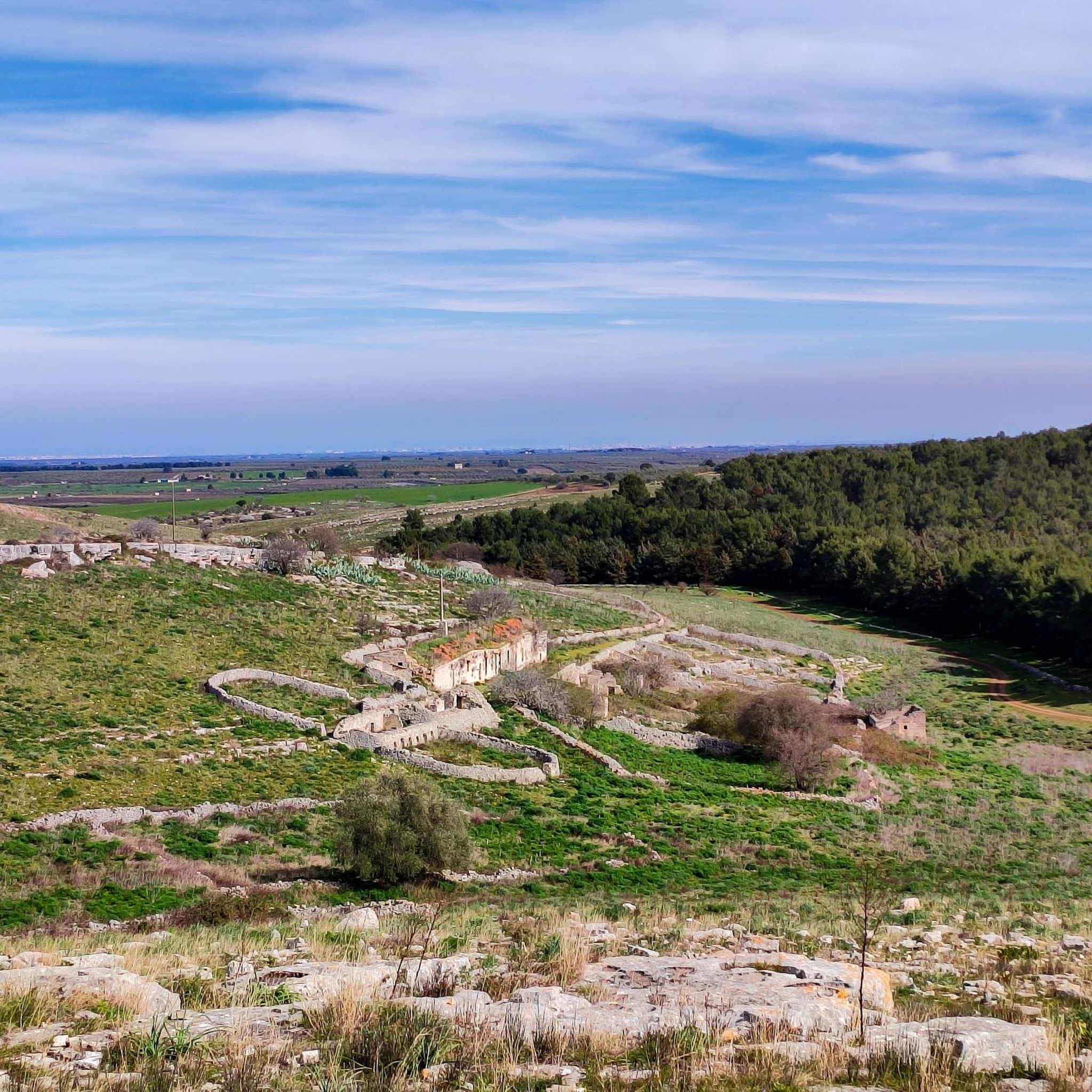
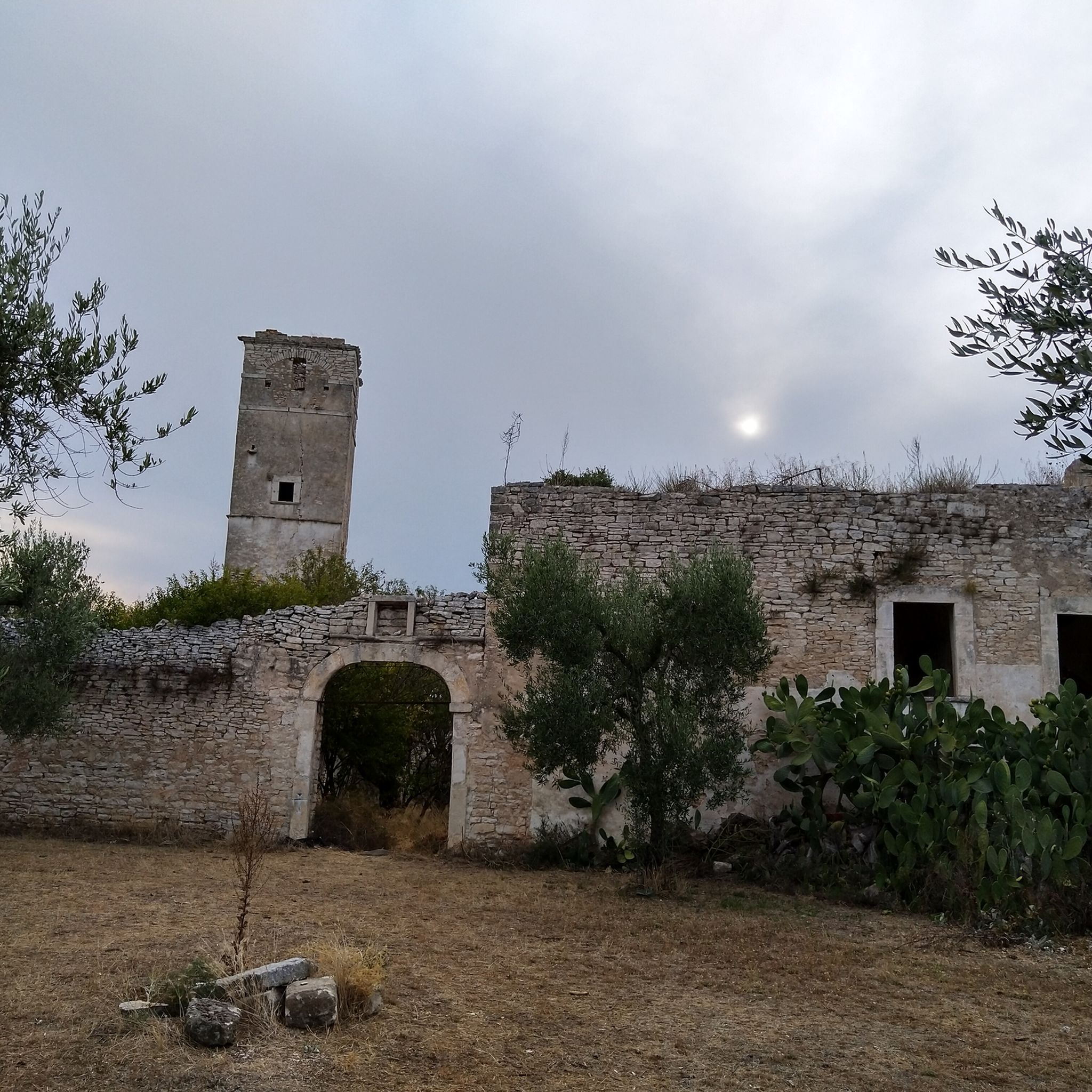
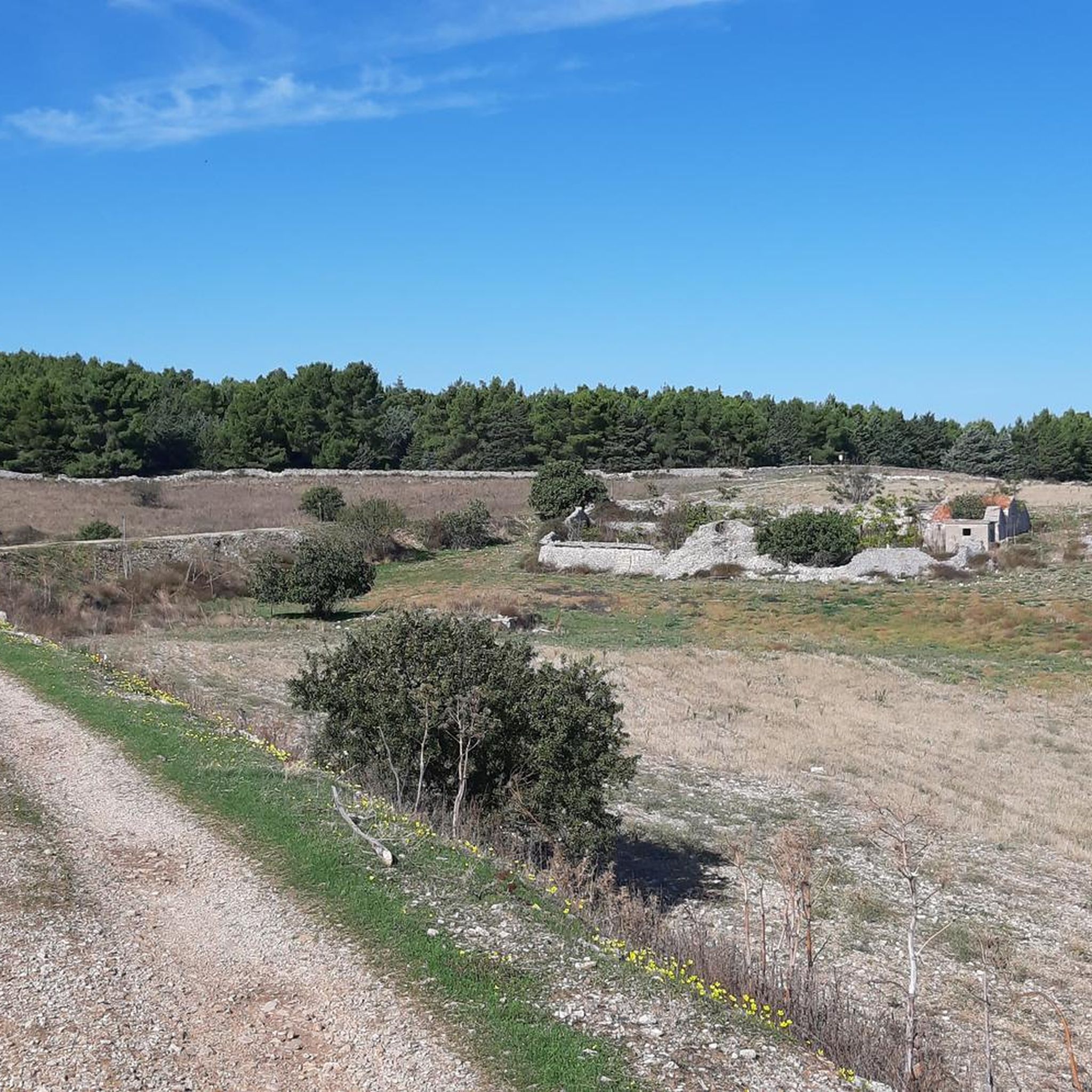
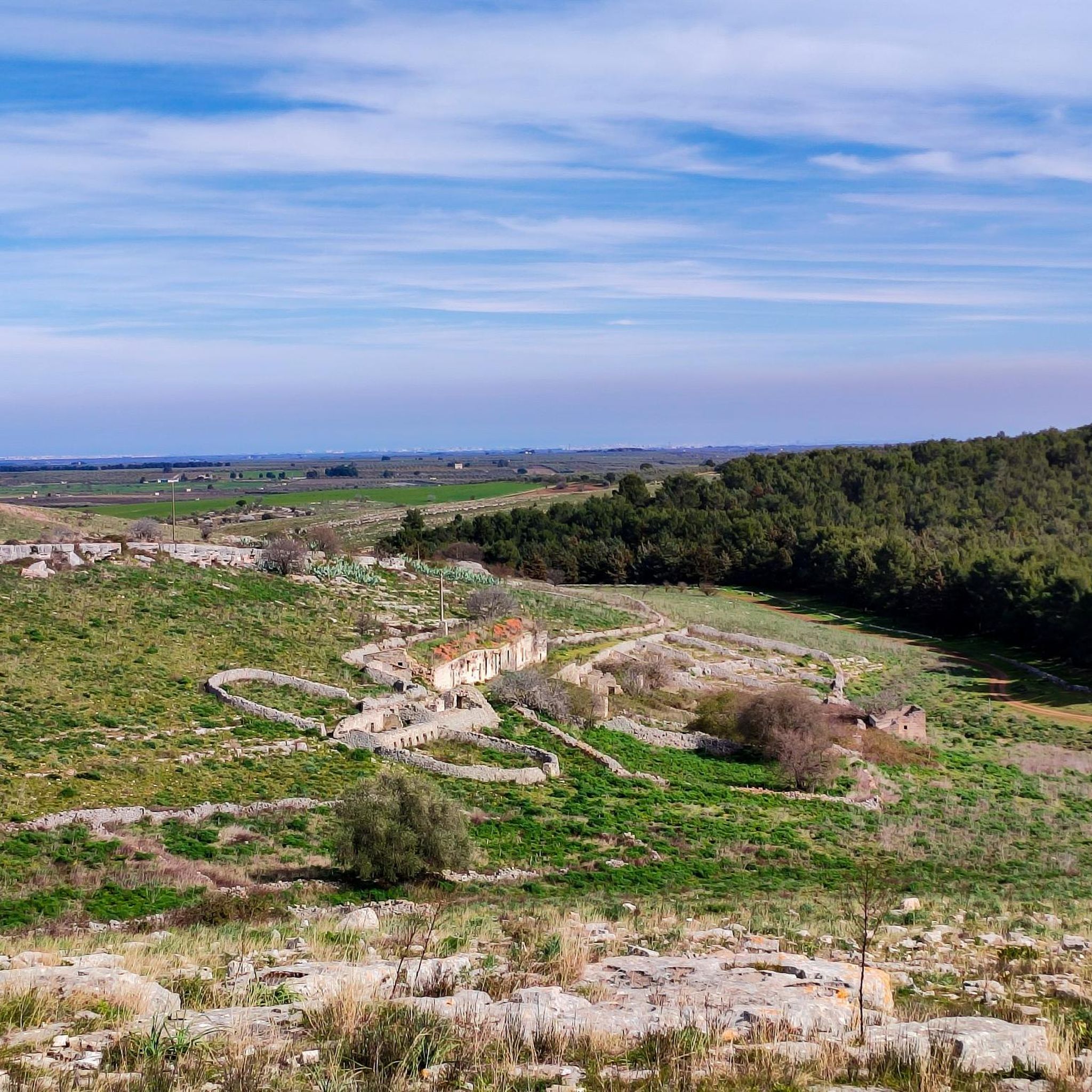

Tips from the Community


I came to hang around while waiting for the boat to Albania
0
0


For those of you, who wonder why St. Nicolas of Myra, a Turkish born Christian Saint, who has never been to Bari and might never have left his corner of Turkey at all, is also known as St. Nicolas of Bari, listen up. A group of merchants from the Italian city of Bari removed the major bones of Nicholas's skeleton from his sarcophagus in the St. Nicolas Church in Myra (today's Demre) without authorization and brought them to their hometown, where they are now enshrined in the Basilica di San Nicola. The remaining bone fragments from the sarcophagus were later removed by Venetian sailors and taken to Venice during the First Crusade.
1
0

The Piazza del Ferrarese forms the gateway to the old town from the old port. The square is partly pedestrianized and surrounded by several important sights.
21
0

Party these days, May 6 to 9! Procession tours with lots of musical accompaniment through the alleys, very impressive sound!! The sacred image: Nicholas is carried to the sea and placed on a boat. The patron saint of Bari, Fireworks with all the trimmings
6
0

The Basilica of San Nicola (Basilica of Saint Nicholas of Myra) is a church in Bari in southern Italy with the title of a papal basilica. The church was built between 1087 and 1106 to house the relics of the saint brought from Myra to Bari, and is still an important pilgrimage destination for Roman Catholics and Orthodox Christians. The basilica was the first church of its kind in Apulia and served as a model for many later religious buildings in the region. The basilica was built between 1087 and 1197 during the Norman rule in Apulia. The foundation of the church dates back to the theft of some of the relics of Saint Nicholas by sailors from Bari from the original shrine in the Church of Saint Nicholas in Demre in modern-day Turkey. This happened against the resistance of the Orthodox monks, ostensibly to protect them from capture by the Seljuks. After disputes with Venice over the relics, Bari prevailed, and the relics were transferred to Bari on May 9, 1087, where a new church was built to house them between 1087 and 1106. The crypt was consecrated in 1089 in the presence of Pope Urban II. Elias, abbot of the nearby Benedictine abbey, where the relics were temporarily kept, was appointed the first bishop. His cathedra is still in the church today. The final consecration took place in 1197 in the presence of the Imperial Chancellor Konrad von Querfurt and a number of bishops and dignitaries. The church is entrusted to the Dominicans; in the crypt there are facilities for services in the Roman and Byzantine rites: the main altar above the relic tomb and the left side altar with an iconostasis. The tomb of Saint Nicholas is highly revered in Orthodoxy and there is a large pilgrimage movement. https://de.wikipedia.org/wiki/Basilika_San_Nicola
8
1
Frequently Asked Questions
What types of road cycling routes can I find around Bitonto?
Bitonto offers a diverse range of road cycling routes. You can explore coastal paths with views of the Adriatic Sea, such as those leading towards Prima Cala Beach, or venture inland through extensive olive groves. The region also features routes traversing the varied terrain of the Parco Nazionale dell'Alta Murgia, known for its limestone karst plateaus and winding trails. Overall, there are over 60 road cycling routes available, catering to different preferences.
Are there routes suitable for beginners or less experienced road cyclists?
Yes, Bitonto has options for all skill levels. While many routes are moderate, there are 14 routes specifically classified as easy. These typically feature gentler gradients and shorter distances, making them ideal for beginners or those looking for a relaxed ride through the scenic Apulian countryside.
What kind of terrain should I expect on road cycling routes near Bitonto?
The terrain around Bitonto is quite varied. You'll find mostly paved surfaces, especially on coastal routes and through the olive groves. Inland, particularly within the Parco Nazionale dell'Alta Murgia, routes can include rolling landscapes with moderate climbs and descents. Some longer or more challenging routes might incorporate unpaved segments, though the focus for road cycling is on paved roads and cycleways.
Can I find challenging road cycling routes with significant elevation gain?
Absolutely. For experienced road cyclists seeking a challenge, Bitonto offers routes with notable elevation gains. For example, the Baresana Gate – Castel del Monte loop from Bitonto Centrale covers 86.7 km with over 650 meters of elevation gain, taking you into the more demanding hilly areas of the Alta Murgia.
What natural features or landmarks can I see along the road cycling routes?
Road cycling routes around Bitonto often pass through stunning natural and historical sites. You can ride through vast olive groves, enjoy coastal views, or explore the unique Mediterranean steppe environment of the Parco Nazionale dell'Alta Murgia. Notable landmarks include the impressive karst sinkhole, Pulo of Altamura, and the 13th-century UNESCO World Heritage site, Castel del Monte, which can be a focal point for longer rides.
Are there any interesting caves or geological formations to explore nearby?
Yes, the region is known for its geological features. Besides the Pulo of Altamura, a significant karst sinkhole, you can find various caves. Some notable examples include San Martino Cave and Cave of the Crucifix, offering glimpses into the area's unique underground landscape.
What do other road cyclists say about the routes in Bitonto?
The road cycling routes in Bitonto are highly regarded by the komoot community, with an average rating of 4.3 stars from over 540 reviews. Cyclists often praise the blend of coastal scenery, the tranquility of the olive groves, and the varied terrain that keeps rides interesting. The well-maintained paved surfaces and the opportunity to explore historical sites like Castel del Monte are also frequently highlighted.
Are there any circular road cycling routes available?
Yes, many of the road cycling routes around Bitonto are designed as loops, allowing you to start and finish in the same location. Popular examples include the Baresana Gate – Sea and Olive Trees loop from Bitonto Centrale and the Clock Tower – Baresana Gate loop from Bitonto SS Medici, offering convenient options for exploring the area.
What is the best time of year for road cycling in Bitonto?
Apulia generally enjoys a mild Mediterranean climate, making road cycling pleasant for much of the year. Spring (April-May) and autumn (September-October) are often considered ideal, with comfortable temperatures and less crowded routes. Summer can be hot, especially inland, so early morning or late afternoon rides are recommended during those months.
Can I find routes that combine coastal views with inland exploration?
Yes, Bitonto's location allows for routes that beautifully combine both coastal and inland scenery. The Sea and Olive Trees – Molo Il Braccio loop from Bitonto Centrale is a great example, leading you through coastal areas and then back into the serene olive groves, offering a diverse riding experience.
Are there any long-distance road cycling options from Bitonto?
For those looking for longer rides, Bitonto serves as an excellent starting point. Routes like the Baresana Gate – Castel del Monte loop from Bitonto Centrale, at over 86 km, provide a substantial distance and elevation, allowing for extended exploration of the Apulian landscape and its historical sites.
Most popular attractions around Bitonto

Get inspired with the komoot mobile app


Explore more
Browse the best Road cycling routes in other regions.
