The best cycling routes around Carmignano
4.5
(893)
11,809
riders
18
rides
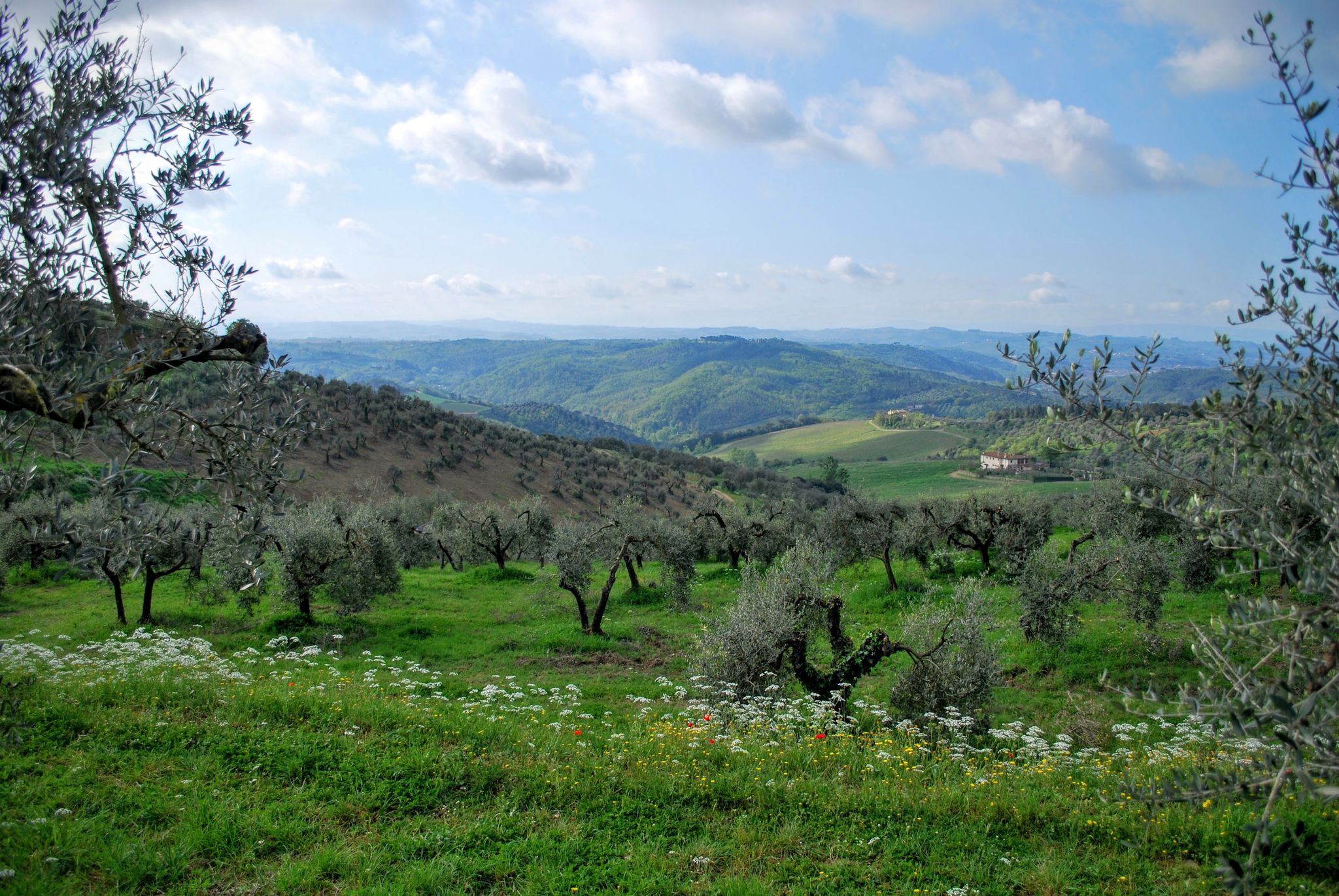
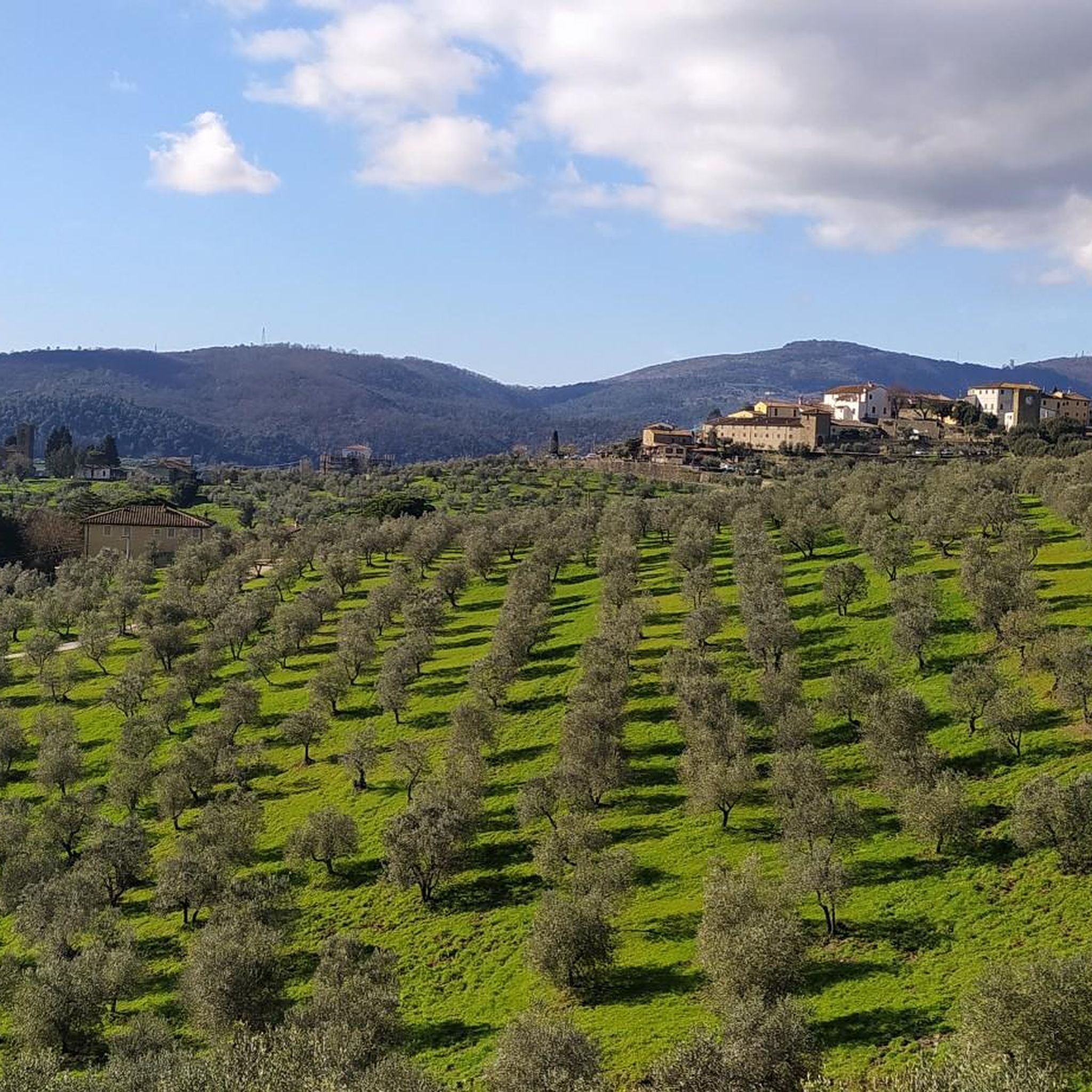
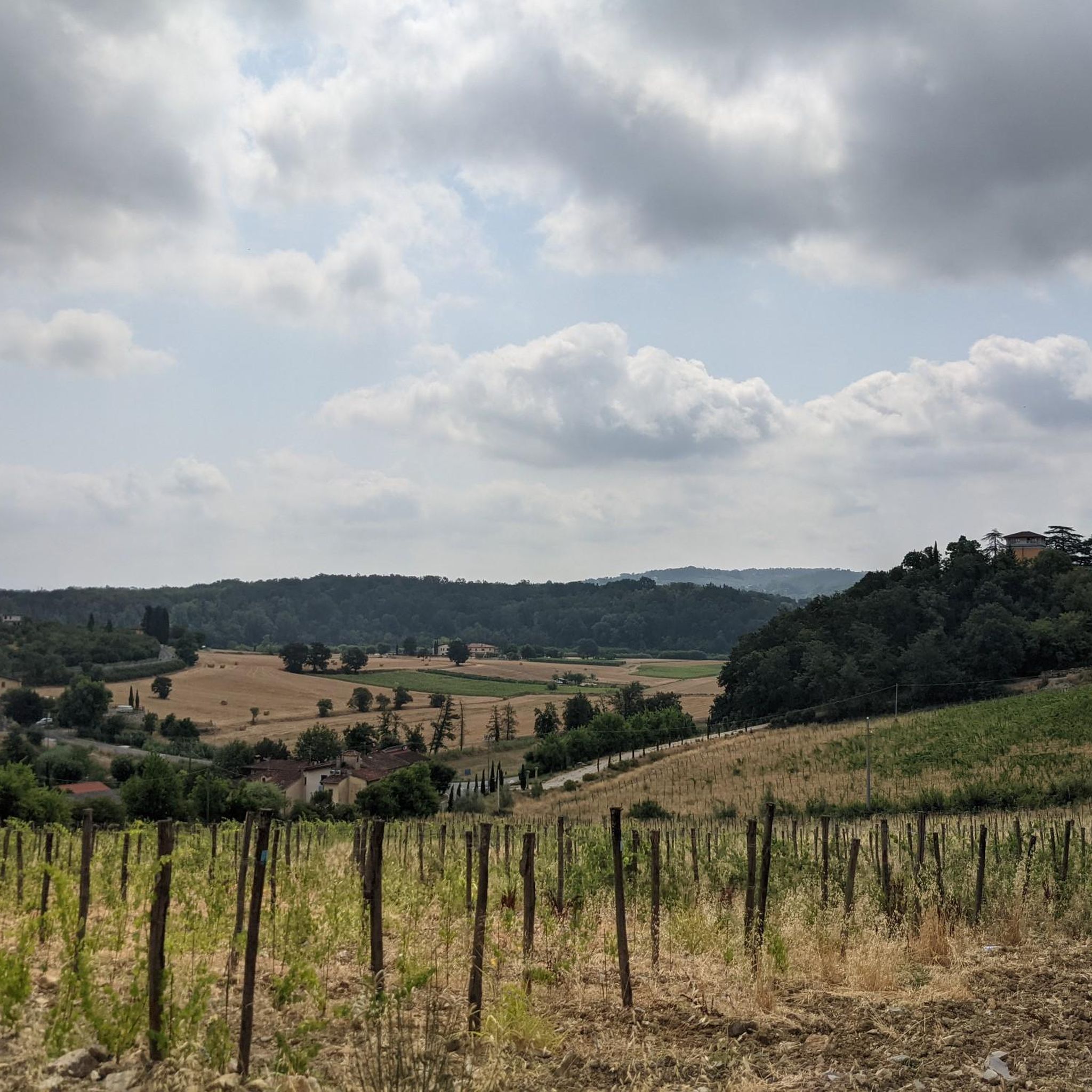
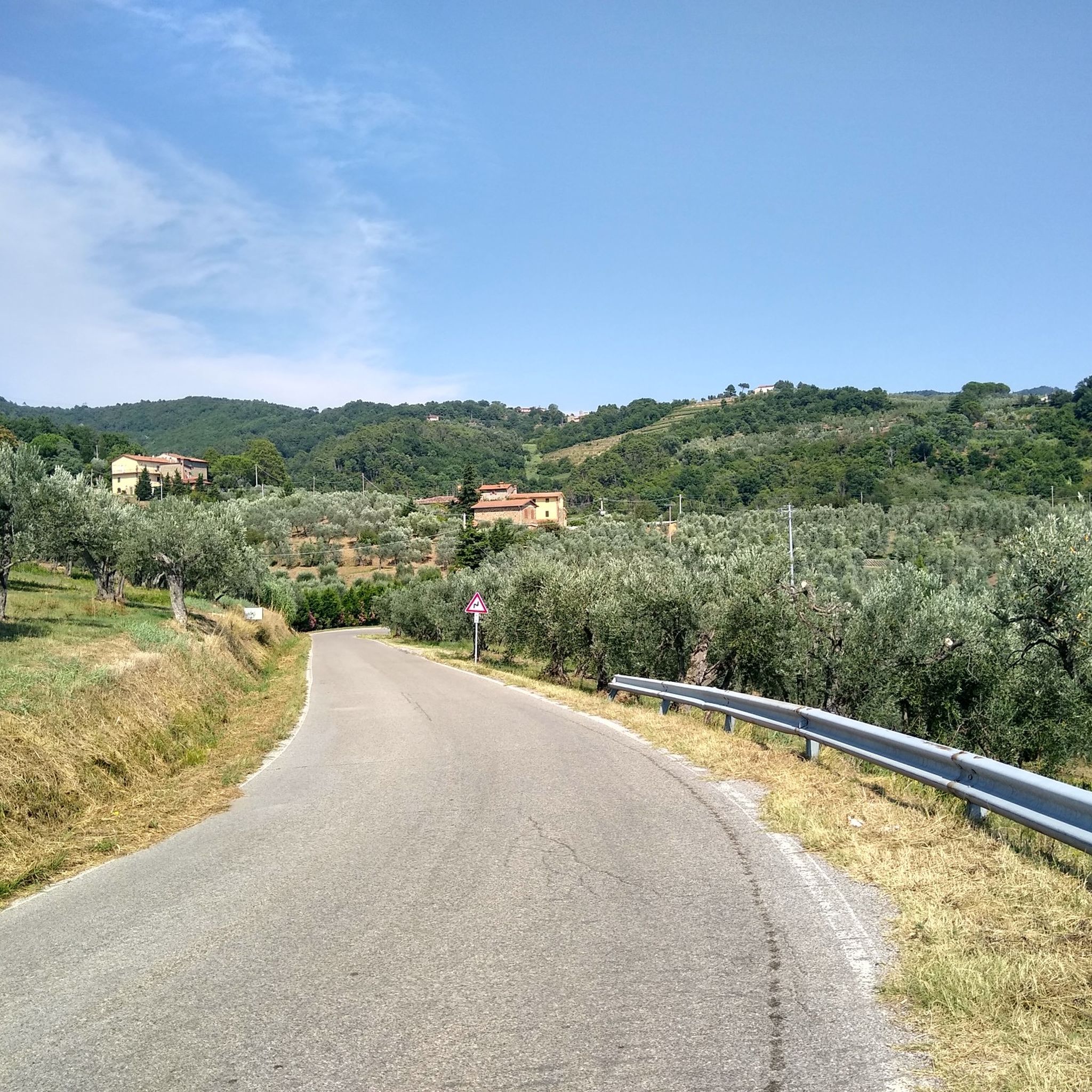
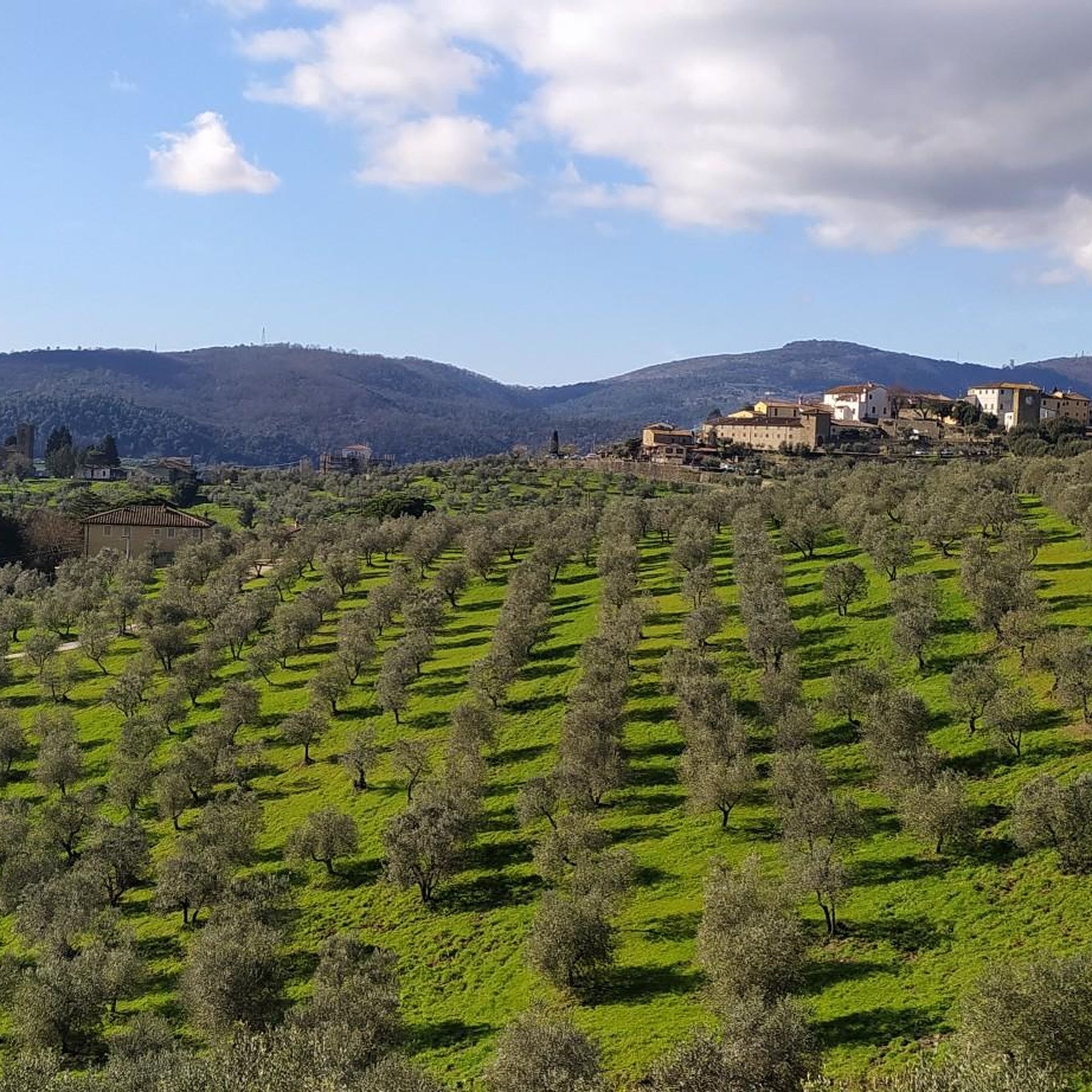
Touring cycling around Carmignano offers routes through the gentle Montalbano hills, which feature varied terrain and rarely exceed 600 meters above sea level. The landscape is characterized by extensive vineyards, olive groves, and cypress trees, providing a classic Tuscan backdrop. Cyclists can also traverse chestnut and oak forests and flower-filled meadows, with elevated positions offering panoramic views of the surrounding valleys.
Best touring cycling routes around Carmignano
- The most popular touring cycling route is Madonna del Papa Shrine – Etruscan Source loop from Carmignano, a 16.4 miles (26.4 km) trail that takes 2 hours 31 minutes to complete. This difficult route includes significant elevation gain through the Montalbano hills.
- Another top favourite among local touring cyclists is Manetti Bridge – Madonna del Papa Shrine loop from Bacchereto, a difficult 20.7 miles (33.4 km) path. This route winds through agricultural lands, offering views of vineyards and olive groves.
- Local touring cyclists also love the Pieve di Santa Maria – Viale delle Cascine di Tavola loop from Carmignano, a 42.8 miles (68.9 km) trail leading through diverse Tuscan landscapes, often completed in about 4 hours 46 minutes.
- Touring cycling around Carmignano is defined by rolling hills, picturesque vineyards, and ancient forests. The network offers options for different ability levels, from moderate rides to more challenging routes with significant climbs.
- The routes in Carmignano are highly rated by the komoot community with an average score of 5.0 stars from more than 10 reviews. More than 200 touring cyclists have used komoot to explore Carmignano's varied terrain.
Last updated: June 28, 2026
5.0
(9)
53
riders
Hard bike ride. Very good fitness required. Mostly paved surfaces. Suitable for all skill levels.
4.0
(1)
36
riders
29.6km
01:50
220m
220m
Moderate bike ride. Good fitness required. Mostly paved surfaces. Suitable for all skill levels.

Sign up for free
23
riders
68.9km
04:47
970m
970m
Hard bike ride. Very good fitness required. Mostly paved surfaces. Suitable for all skill levels.
5.0
(1)
43
riders
37.7km
02:55
900m
900m
Hard bike ride. Very good fitness required. Mostly paved surfaces. Suitable for all skill levels.
21
riders
Easy bike ride. Great for any fitness level. Mostly paved surfaces. Suitable for all skill levels.
Get access to more routes and recommendations from other explorers.
Sign up for free
Already have an account?
Our route recommendations are based on thousands of hikes, rides, and runs completed by other people on komoot.
Start today with a free account
Your next adventure awaits.
Login or Signup

Other adventures around Carmignano

Tips from the Community

The Pinone Pass (425 m a.s.l.) is a famous pass located in the heart of Montalbano (Tuscany), which connects the area of Prato and Pistoia with Empolese-Valdelsa. Much loved by cyclists and motorcyclists, it is nestled among woods, olive trees, and evocative landscapes.
0
0
Parco delle Cascine di Tavola is a protected natural area and a public park of about 300 hectares located in the southern part of the municipality of Prato. Born in the 15th century by the will of Lorenzo the Magnificent, it represents the main green lung of the city and combines a great historical, landscape, and agricultural value. History and Medici Origins Conceived in the 15th century together with the nearby Villa Medicea di Poggio a Caiano. It was born as a model farm equipped with a dense network of canals for land reclamation from swamps. The Medici Farm: A square-plan building with a water moat, built by Giuliano da Sangallo between 1477 and 1479 for livestock breeding and the production of cheeses destined for Florence.
1
0
Parco delle Cascine di Tavola is a protected natural area and a public park of about 300 hectares located in the southern part of the municipality of Prato. Founded in the 15th century at the behest of Lorenzo the Magnificent, it represents the city's main green lung and combines great historical, landscape, and agricultural value. Project by Lorenzo the Magnificent: Conceived in the 15th century along with the nearby Villa Medicea di Poggio a Caiano. Cutting-edge agricultural estate: It was born as a model farm equipped with a dense network of canals for land reclamation from swamps. The Medici Farm: A square building with a water moat, built by Giuliano da Sangallo between 1477 and 1479 for livestock breeding and the production of cheeses for Florence.
0
0
The Parco delle Cascine di Tavola is a protected natural area and a public park of about 300 hectares located in the southern part of the municipality of Prato. Born in the 15th century at the behest of Lorenzo the Magnificent, it represents the city's main green lung and combines great historical, landscape, and agricultural value. History and Medici Origins Project by Lorenzo the Magnificent: Conceived in the 15th century together with the nearby Villa Medicea of Poggio a Caiano. Avant-garde agricultural estate: It was born as a model farm with a dense network of canals for land reclamation from swamps. The Medici Farm: A square-shaped building with a water moat, built by Giuliano da Sangallo between 1477 and 1479 for livestock breeding and the production of cheeses for Florence.
0
0
Piazza del Comune is the topographic and political heart of Prato. Born at the end of the 13th century, it houses the two most important historical buildings in the city and welcomes tourists and residents in an elegant space surrounded by Renaissance arcades. The main points of interest include: Palazzo Comunale: Seat of the Town Hall. Inside, there is a valuable painting collection, and the atrium houses the original fountain of the "Bacchino" (a work by Ferdinando Tacca). Palazzo Pretorio: Majestic medieval building that dominates the square and houses the Museum of Palazzo Pretorio.
0
0
The Emperor's Castle (also known as the Fortress of Santa Barbara or Swabian Castle) is located in the historic center of Prato, in Piazza Santa Maria delle Carceri. It is the only example of Swabian (Frederickian) architecture in central-northern Italy, built between 1237 and 1248 by the architect Riccardo da Lentini at the behest of Emperor Frederick II of Swabia. The fortress served to guard the communication routes between Germany and southern Italy. Structure and Architecture: Square plan: the sides measure approximately 40 meters, with walls two and a half meters thick made of alberese stone. Eight towers: four main towers at the corners corresponding to the cardinal points and four central towers. Guelph battlements: the walls are decorated with classic swallowtail battlements. [1] Bichrome portal: the main entrance combines Gothic style with Romanesque-Tuscan elements, characterized by alternating bands of white and green marble and protected by two lions
0
0

An excellent detour to go to Spicchio Soviliana. Descending from Vitolini and turning left at the church of Sant'Ansano, you take Via dei Molin dei Frati and then Via di Collegonzi. A small road in the middle of greenery with little traffic and some slight ups and downs.
0
0

Cycling through the hills of Montalbano, a region that is part of the Chianti DOCG denomination, you come across a timeless place: the Abbey of San Giusto al Pinone. This Romanesque church dates back to the 12th century, and it is said that its bell, the "Sperduta," was rung to guide travelers lost in the dense surrounding woods. Today, the imposing stone apse and its solitary naves tell the story of a glorious past, retaining a unique, timeless charm.
1
0
Frequently Asked Questions
What kind of terrain can I expect when touring cycling in Carmignano?
Carmignano's touring cycling routes primarily traverse the rolling Montalbano hills, which rarely exceed 600 meters above sea level. You'll encounter a mix of terrain, from challenging climbs through vineyards and olive groves to more moderate sections winding through chestnut and oak forests. The landscape is quintessential Tuscany, offering a blend of cultivated lands and natural woodlands.
Are there touring cycling routes suitable for beginners or those looking for an easier ride?
Yes, Carmignano offers routes for various skill levels. While many routes involve significant elevation, there are 4 easy and 4 moderate touring cycling routes available. For a moderate option, consider the Madonna del Papa Shrine – View of the Cycle Path loop from Tizzana, which covers 16.1 km with a manageable elevation gain.
What historical sites or natural landmarks can I see along the touring cycling routes in Carmignano?
Carmignano is rich in history and natural beauty. As you cycle, you can explore sites like the medieval Carmignano Town Center and the ancient Carmignano Fortress, which offers panoramic views. Other notable attractions include Etruscan archaeological sites such as the Tumulo di Montefortini, and the 12th-century Abbey of San Giusto al Pinone. You might also pass by the impressive Villa Medicea "La Ferdinanda".
Are there any circular touring cycling routes in Carmignano?
Yes, many of the touring cycling routes in Carmignano are designed as loops, allowing you to start and finish in the same location. For example, the Madonna del Papa Shrine – Passo del Pinone loop from Carmignano is a challenging 27.1 km circular route, and the Pieve di Santa Maria – Viale delle Cascine di Tavola loop from Carmignano offers a longer 68.9 km circular experience.
What is the best time of year to go touring cycling in Carmignano?
The gentle hills and Mediterranean climate of Carmignano make it suitable for cycling for much of the year. Spring and autumn generally offer the most pleasant temperatures for touring, with blooming wildflowers or vibrant fall foliage. Summers can be warm, so early morning or late afternoon rides are recommended. Winters are milder but can be damp.
What do other touring cyclists say about their experience in Carmignano?
The touring cycling routes in Carmignano are highly rated by the komoot community, with an average score of 5.0 stars from over 10 reviews. Cyclists often praise the stunning panoramic views of the Tuscan landscape, the immersive experience of riding through vineyards and olive groves, and the variety of routes catering to different fitness levels.
Are there any family-friendly touring cycling options in Carmignano?
While many routes in Carmignano feature significant climbs, there are 4 easy and 4 moderate routes that might be more suitable for families, depending on their experience and the children's ages. These routes often stick to paved surfaces or less strenuous paths through the picturesque countryside. Always check the route's difficulty and elevation profile before setting out with family.
Can I bring my dog on the touring cycling routes in Carmignano?
Many outdoor areas in Carmignano, including some trails and rural roads, are generally dog-friendly, especially if your dog is accustomed to cycling alongside you or in a trailer. However, it's always best to check specific local regulations for nature reserves or private estates you might pass through. Ensure your dog is well-behaved, on a leash where required, and that you carry water for them.
What are the options for parking or public transport access to the touring cycling routes?
Carmignano is accessible by car, and you can typically find parking in or near the main town center and smaller villages, which serve as good starting points for many routes. For public transport, local bus services connect Carmignano to larger towns like Prato, which has a train station. It's advisable to check bus schedules and whether bikes are permitted on board in advance.
Are there places to stop for refreshments or amenities along the touring cycling routes?
Yes, as you cycle through Carmignano and its surrounding villages, you'll find opportunities to stop for refreshments. The region is known for its wine and olive oil, so many routes pass by local wineries and farms where you might find tasting rooms or small shops. Villages often have cafes, trattorias, and small grocery stores. It's always a good idea to carry sufficient water and snacks, especially on longer routes.
How many touring cycling routes are available in Carmignano?
There are 16 touring cycling routes available around Carmignano on komoot. These routes offer a diverse range of experiences, from easier rides through the Tuscan countryside to more challenging ascents in the Montalbano hills.
What is the longest touring cycling route in Carmignano?
One of the longer and more challenging touring cycling routes is the Pieve di Santa Maria – Viale delle Cascine di Tavola loop from Carmignano. This route spans 68.9 km and takes approximately 4 hours and 46 minutes to complete, offering an extensive exploration of the diverse Tuscan landscapes.
Most popular routes around Carmignano
Most popular attractions around Carmignano

Get inspired with the komoot mobile app


Explore more
Browse the best Cycling routes in other regions.
