Top 20 Castles around Bruneck - Brunico
Castles around Bruneck - Brunico are situated in the Puster Valley, a region characterized by its Alpine landscape and historical significance. The town of Bruneck - Brunico itself is overlooked by its prominent castle, which has evolved from a defensive fortress to a cultural institution. The area combines natural beauty with centuries of history, offering insights into past eras and mountain cultures. This region provides a blend of historical landmarks and scenic surroundings for exploration.
Best castles around Bruneck -…
Last updated: August 31, 2026
Castel Tures / Taufers Castle
Highlight • Castle
Admission only with a guide, German-speaking. This costs 8 euros per person. P. and takes …
Translated by Google •
Tip by

Brunico Castle – Messner Mountain Museum Ripa
Highlight • Castle
Translated by Google •
Tip by

Sign up now to discover places like this
Get recommendations on the best single tracks, peaks, & plenty of other exciting outdoor places.
Sign up for free
Welsperg Castle
Highlight • Castle
Translated by Google •
Tip by

Soldiers' Cemetery, Bruneck
Highlight • Historical Site

Campo Tures – Sand in Taufers
Highlight • Settlement
Tip by

Sign up for free to discover even more castles around Bruneck - Brunico.
Sign up for free
Already have an account?
Start today with a free account
Your next adventure awaits.
Login or Signup
Popular around Bruneck - Brunico
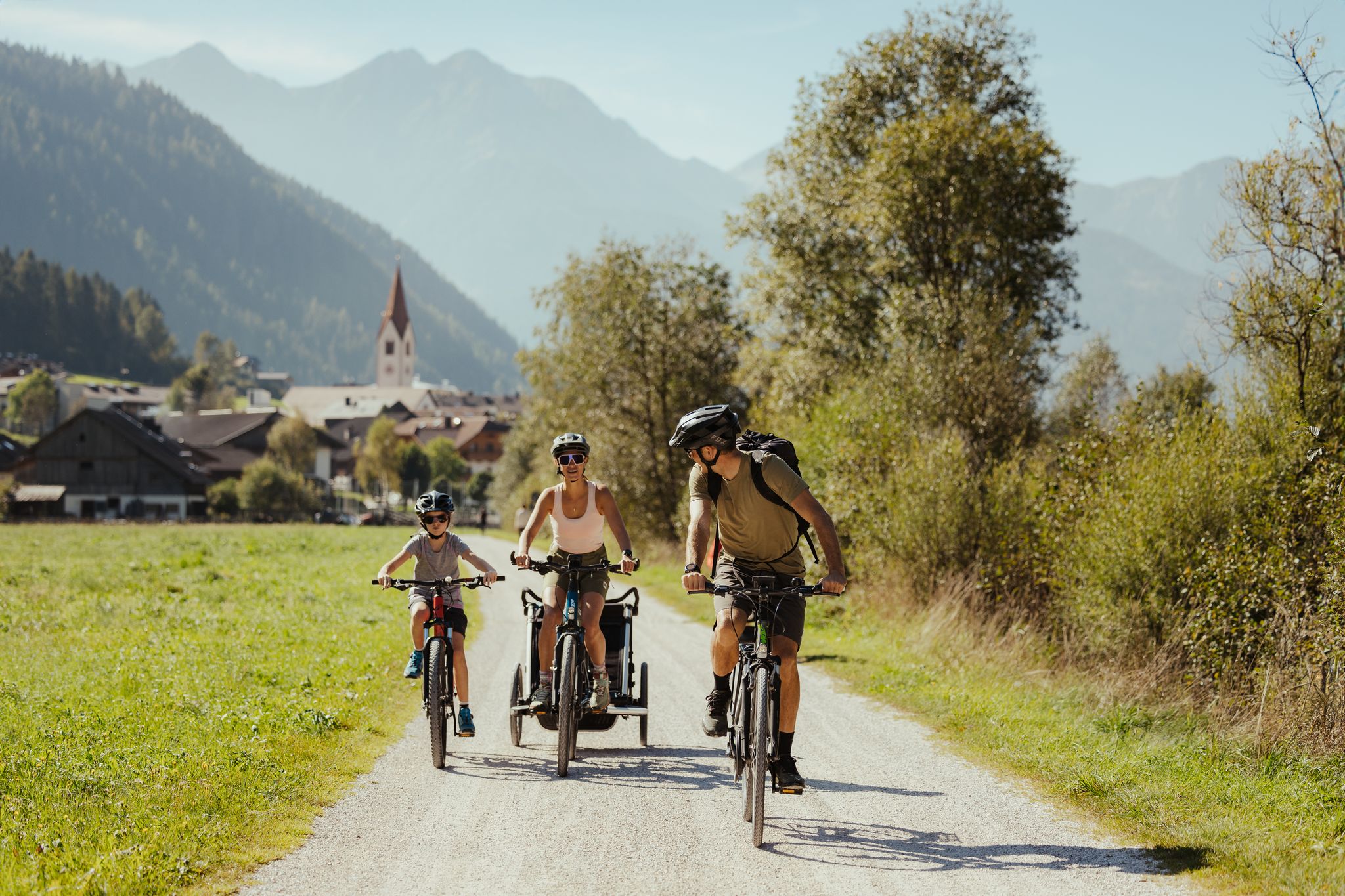
Great food, great fun and action – varied family cycling in South Tyrol
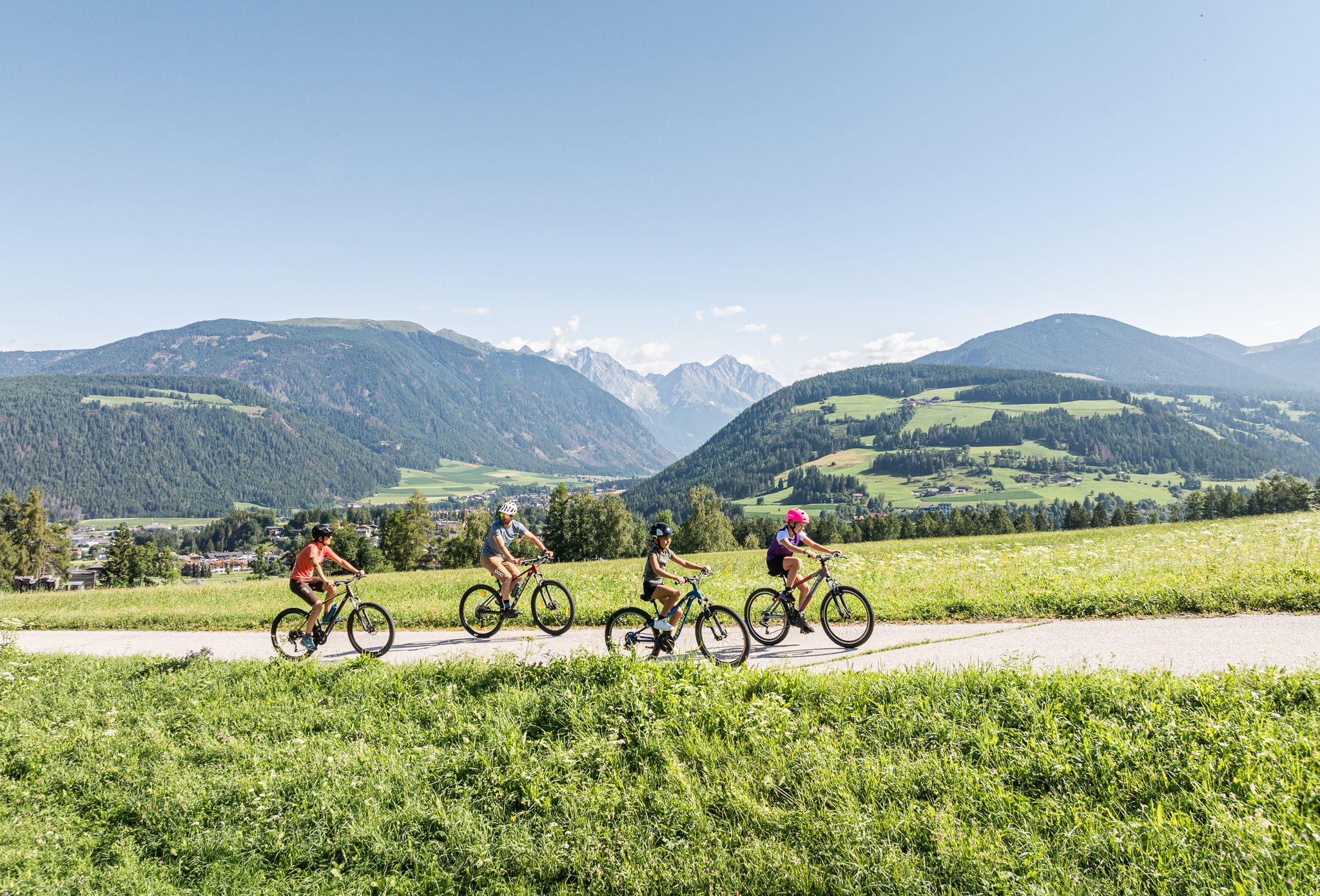
Dolomites gold on the Kronplatz – the most beautiful Tours!
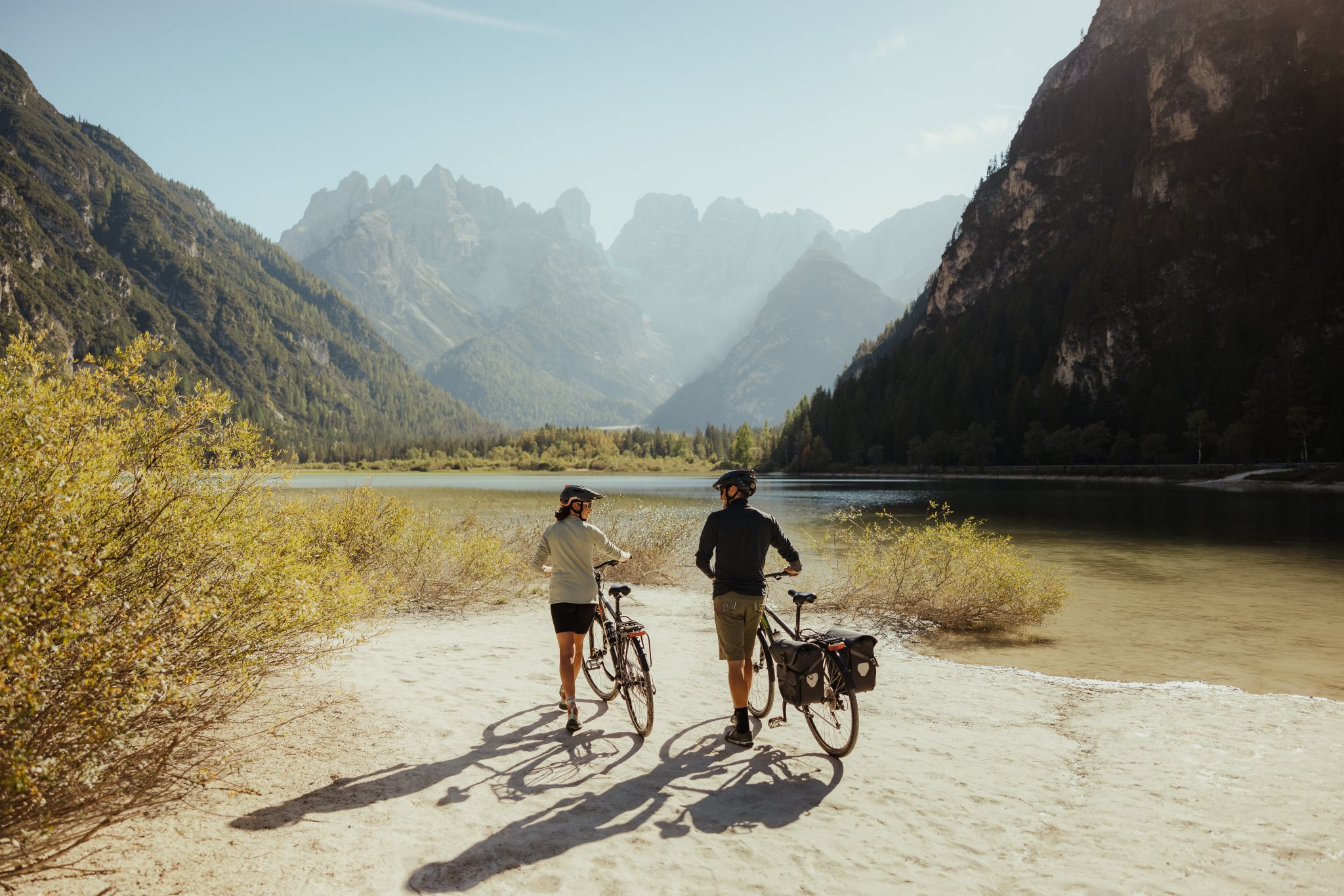
Wonderful bike Tours with views of the South Tyrolean Dolomites
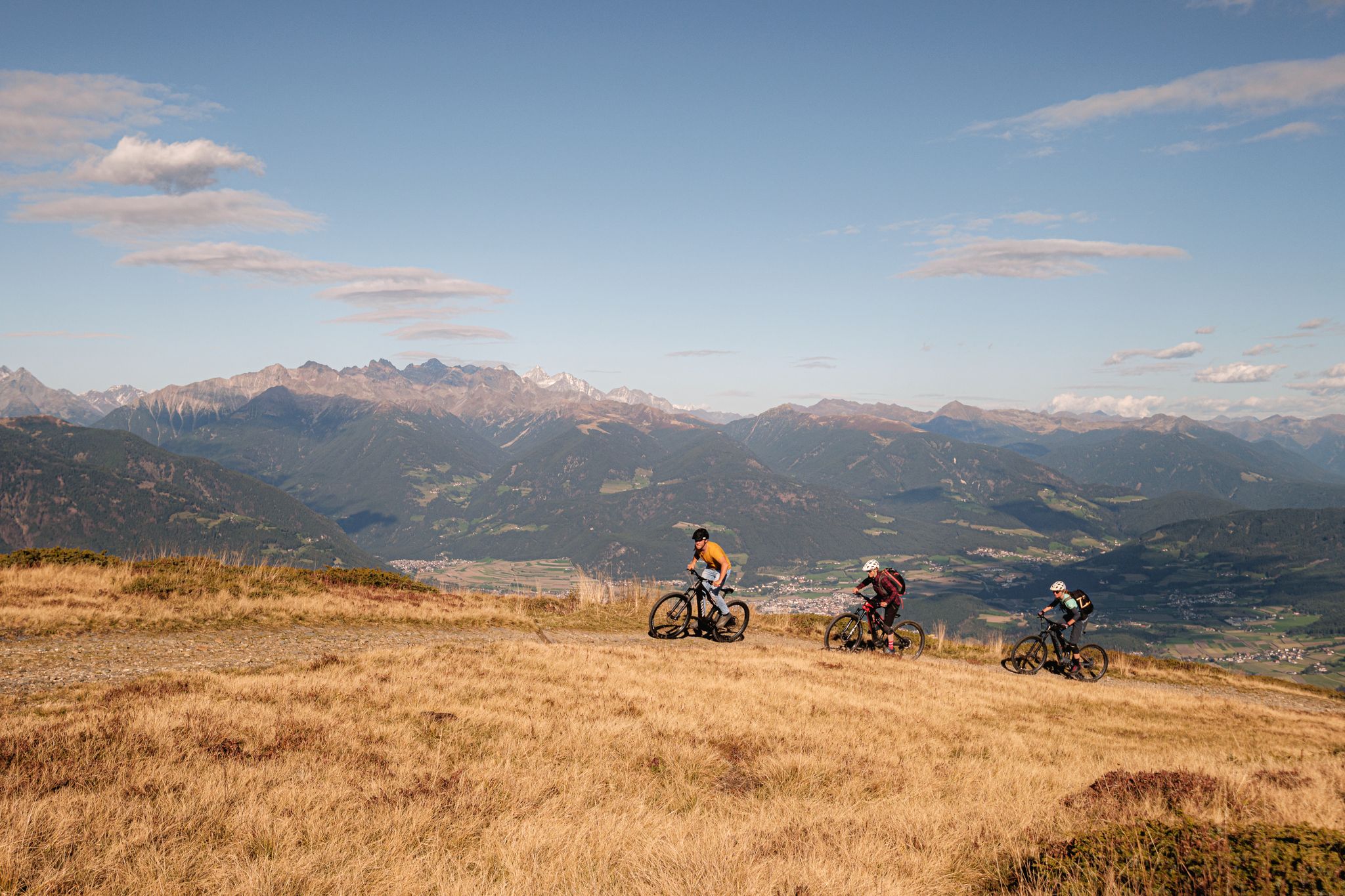
Glorious autumn – the coolest MTB Tours in South Tyrol
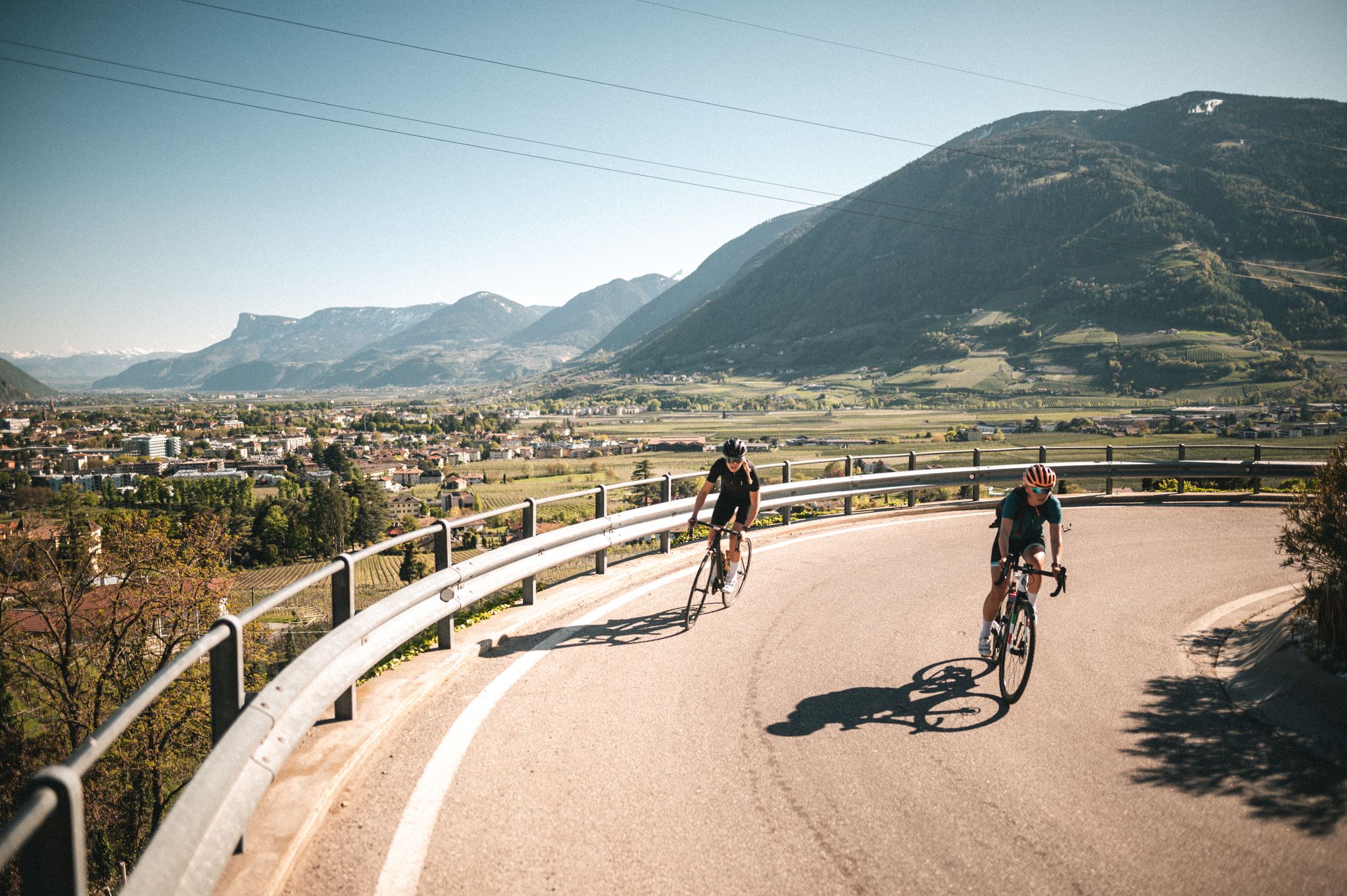
So much variety, so much South Tyrol
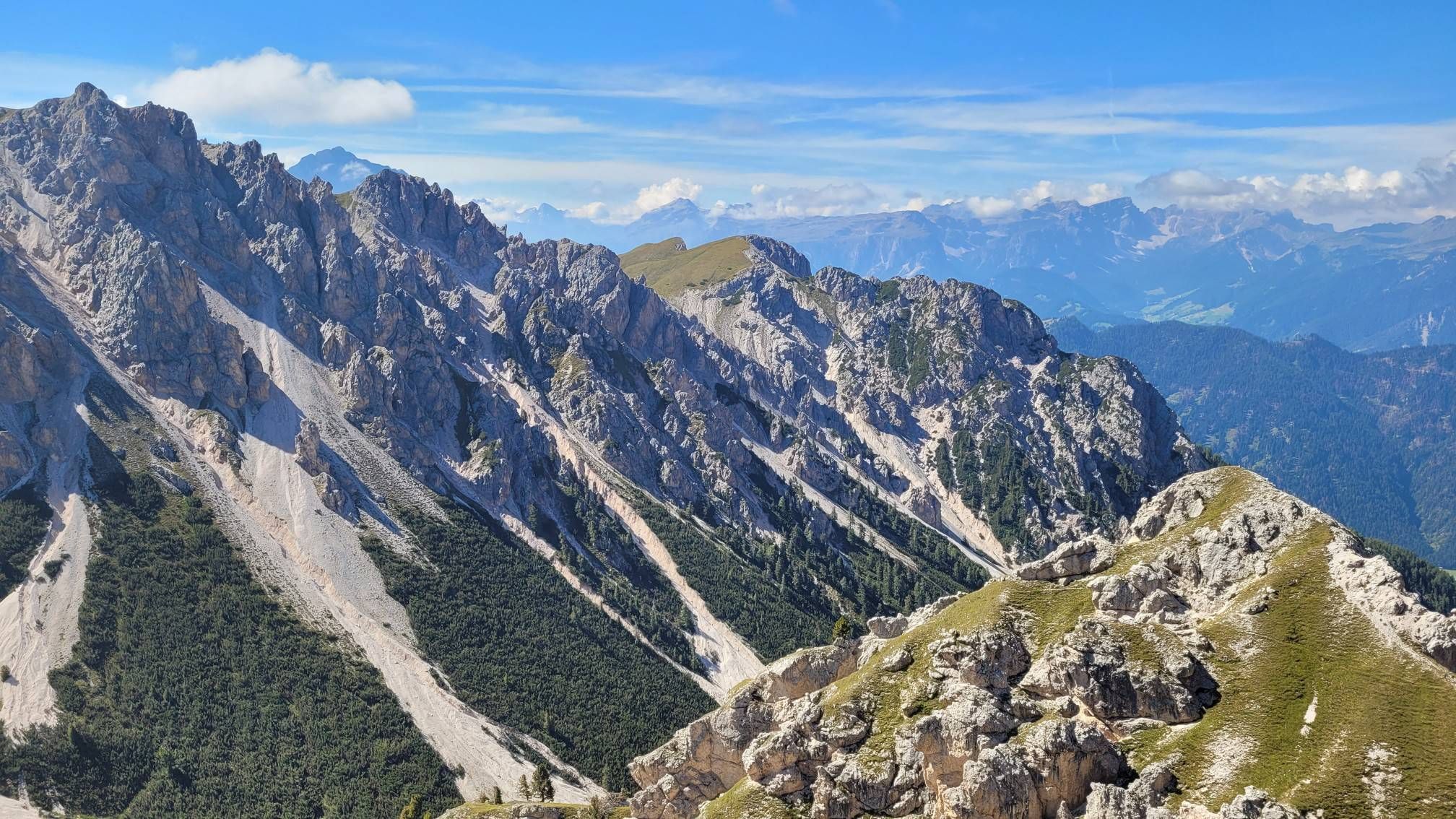
Impressive hikes in the mountains around South Tyrol’s Bruneck
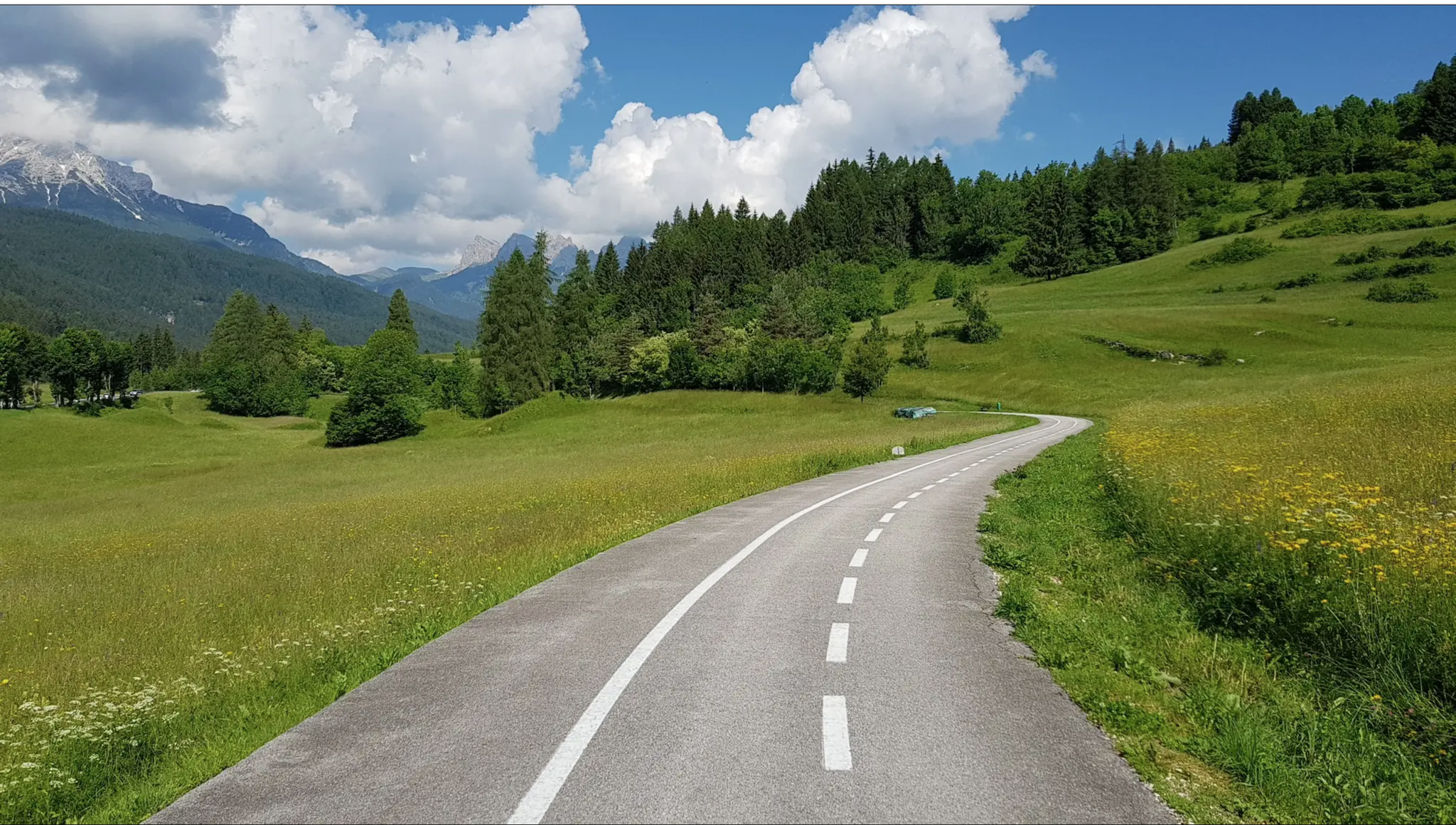
Unmissable Northern Dolomites – Bolzano to Calalzo di Cadore by bike
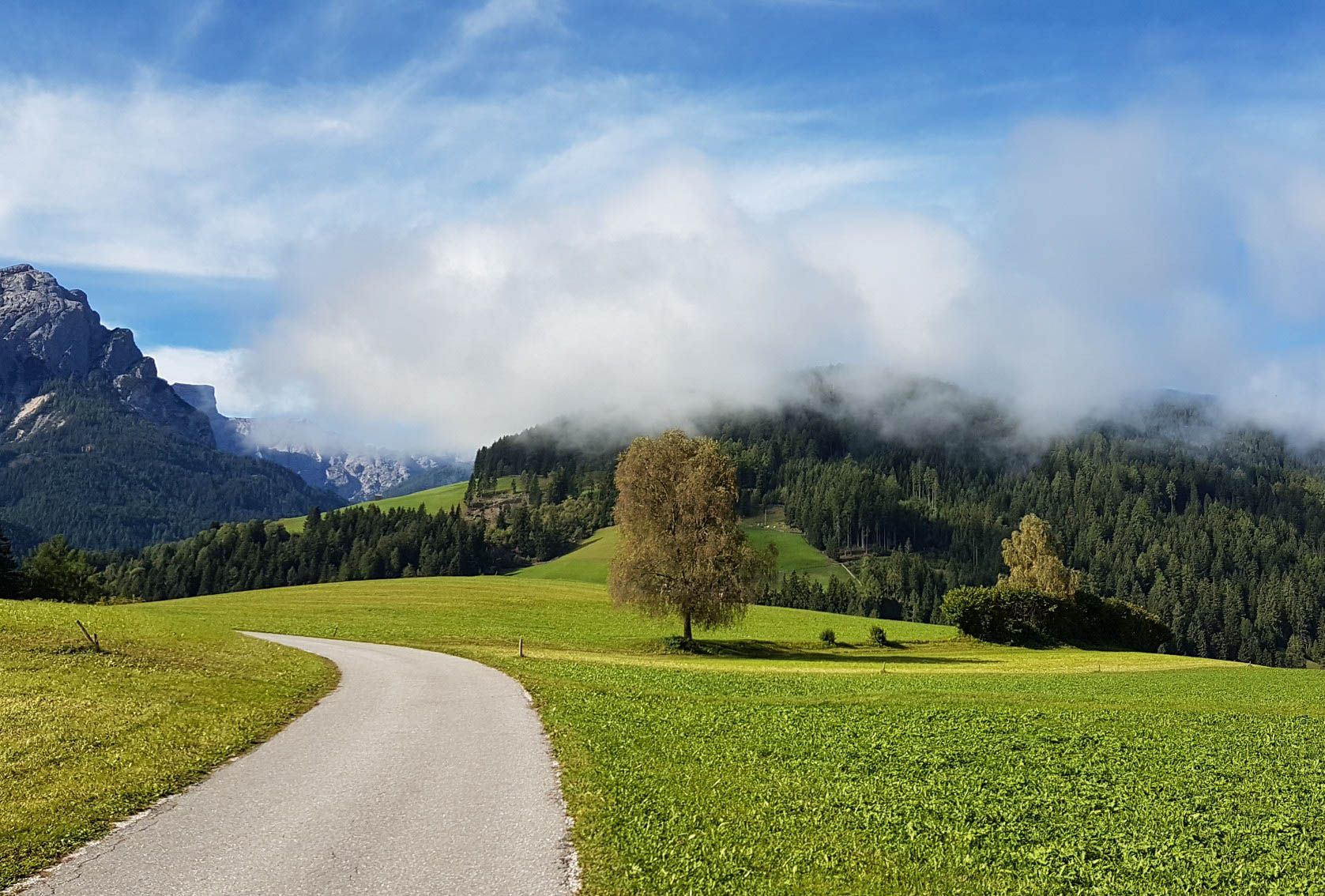
Between rivers, castles and mountains – Val Pusteria cycle path
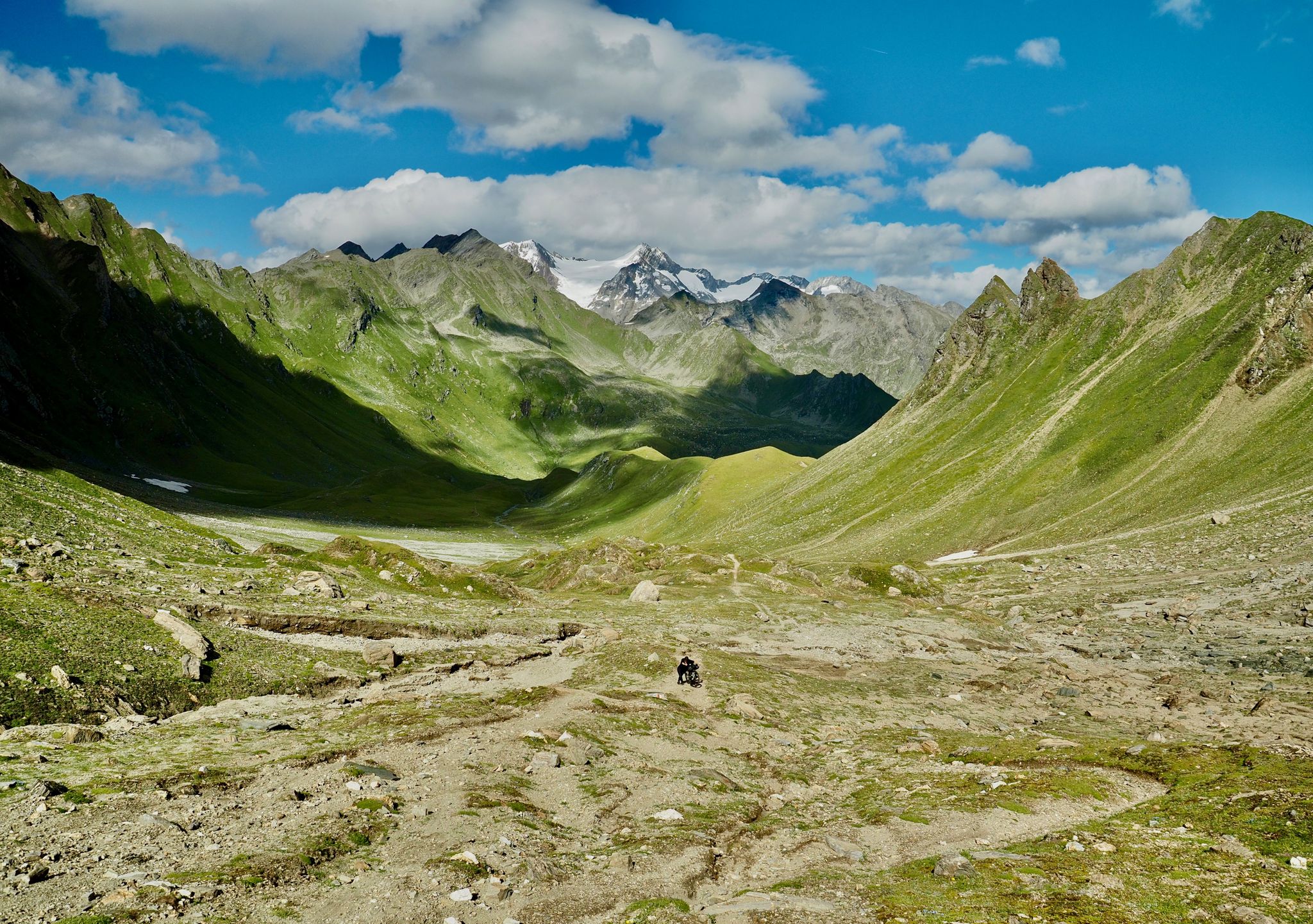
The Zillertal Trail – three passes and a howling dog
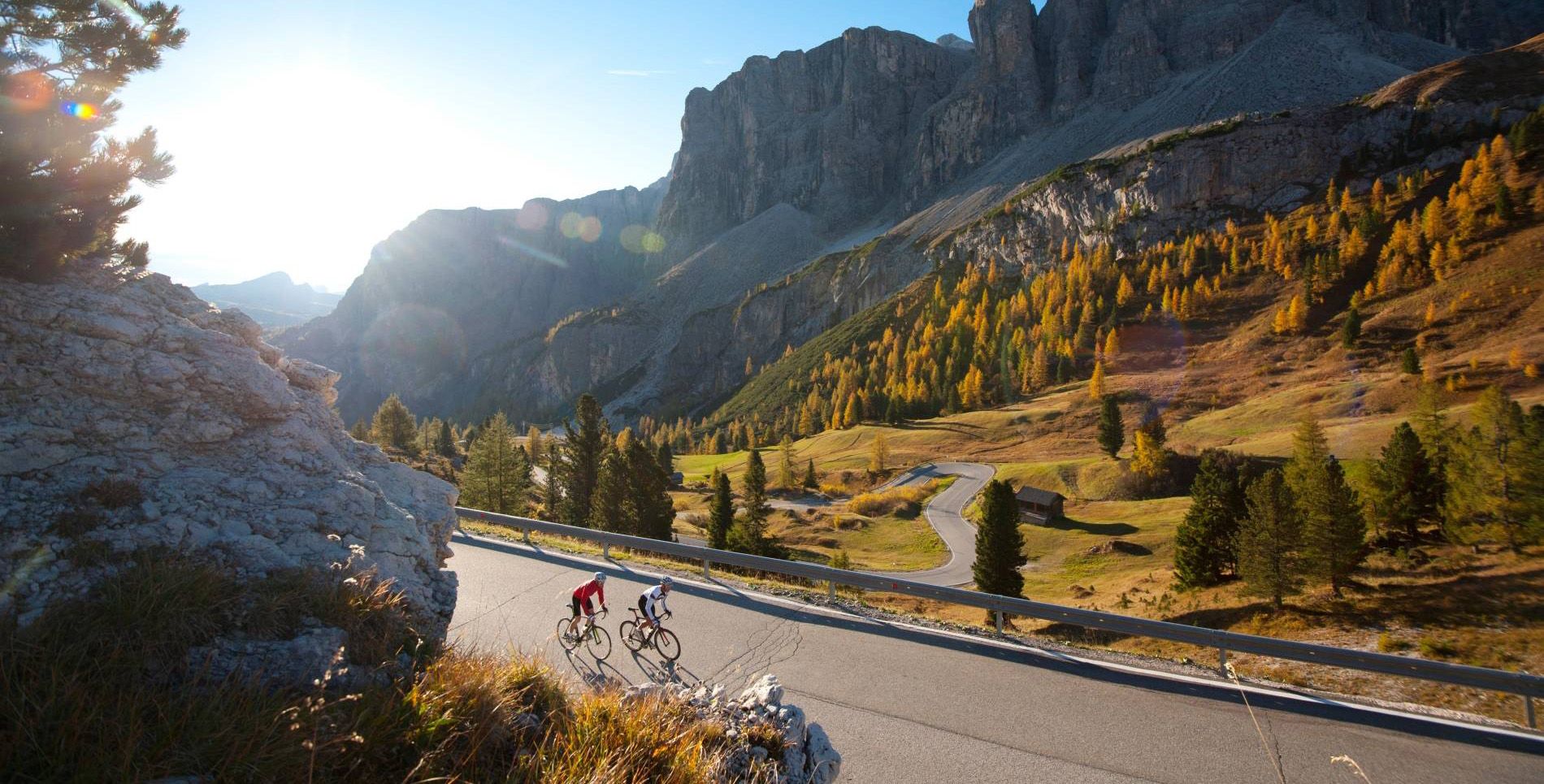
South Tyrol — the best tours for road cyclists
Other adventures around Bruneck - Brunico


Tips from the Community

We've seen many military cemeteries, but this one is truly poignant. It serves as the final resting place for fallen soldiers of various nationalities and denominations from the First and Second World Wars. The complex was designed by the pioneer officer and architect Ing. A. Bechtold from Bregenz to blend harmoniously into the forest setting. Typical of the cemetery is that most of the graves are made of wood and individually designed, giving it its character as a "forest cemetery." The only stone structures are the cemetery chapel and the fountain of tears. There are fenced-off sections for Muslim and Jewish graves, highlighting the diversity of those buried here.
1
0
We've seen many military cemeteries, but this one is truly moving. It serves as the final resting place for those who fell in the First and Second World Wars, representing various nations and denominations. The grounds were designed by the pioneer officer and architect A. Bechtold from Bregenz, so that they blend harmoniously into the surrounding forest. A typical feature of the cemetery is that most of the graves are made of wood and individually designed, giving it its character as a "forest cemetery." The only stone structures are the cemetery chapel and the Fountain of Tears. There are fenced sections for Muslim and Jewish graves, highlighting the diversity of those buried here. The cemetery was established during the First World War because Bruneck was home to several military hospitals, and the many deceased soldiers and prisoners of war could not be buried in the town cemetery.
2
0

Very well-kept beautiful cemetery
1
0

The Bruneck Military Cemetery (officially: Cimitero Militare di Brunico) is a war cemetery from the First World War, in which mainly Austro-Hungarian and Italian soldiers who died in the mountain fighting on the Dolomites Front are buried.
1
0

In the middle of the 13th century, a fortress was built on the rock that juts out into the valley to protect the administrative seat of the Prince-Bishop of Brixen. Today it is the Messner Mountain Museum.
4
0

In Tibetan, "ri" means mountain and "pa" means man. The Messner Mountain Museum Ripa in Brunico introduces visitors to the culture and way of life of the mountain peoples. Whether Africa or Asia, South America or Europe - life in mountainous regions poses special challenges to people all over the world. During his expeditions, Reinhold Messner had many encounters with people who were shaped by life in the mountains. The permanent exhibition Heritage of the Mountains sheds light on the everyday life of various mountain peoples, but also tells about their religion and the effects of tourism.
5
0

Very pretty little castle with informative signs. You can easily spend 1-2 hours here. Make sure to check the opening times beforehand!
0
0

The tower is so high that the castle almost looks a bit like a church. Welsperg Castle is a rather rare inner castle and the high keep is the oldest part of it. The unusual proportions were created by a fire after the burnt-out top floor of the outbuilding was demolished and the roof structure was simply rebuilt one floor below. The history of the complex is also exciting and you can find out more about it on a tour. Information on admission prices and opening times can be found here: https://www.gsieser-tal.com/de/entdecken/sehenswuerdigkeiten/schloss-welsperg.
4
0
Frequently Asked Questions
Which castles around Bruneck - Brunico offer guided tours?
For an immersive historical experience, Castel Tures / Taufers Castle is highly recommended. It is well-preserved and offers guided tours, typically in German, which are the only way to access the interior. These tours showcase Gothic frescoes and wood-paneled rooms, bringing its medieval history to life.
Are there any castles in the area that are particularly family-friendly?
Yes, both Castel Tures / Taufers Castle and Welsperg Castle are considered family-friendly. Castel Tures offers engaging guided tours that can captivate younger visitors, while Welsperg Castle's unique structure and historical context provide an interesting exploration for families.
What historical insights can I gain from visiting castles near Bruneck - Brunico?
The castles in the region offer a deep dive into history. Castel Tures / Taufers Castle, for instance, dates back to the early 13th century and features well-preserved Gothic frescoes. Altrasen Castle Ruins, built around 1200, provides a glimpse into the region's ancient past and the lives of the Lords of Rasen. Bruneck Castle, built around 1250, evolved from a defensive fortress to a prince-bishop's residence, showcasing centuries of architectural changes.
What is unique about Bruneck Castle and what can I see there?
Bruneck Castle, prominently situated on a hill overlooking the town, is unique for housing the Messner Mountain Museum RIPA. This museum, founded by Reinhold Messner, is dedicated to the mountain peoples of the world, displaying their art, reconstructed homes, and stories. Beyond the museum, visitors can explore the castle's historical architecture, including royal chambers, the steward's flat, and the mighty keep, which is the oldest part of the castle. Its location also provides stunning panoramic views of Bruneck and the Puster Valley.
Are there any castles near Bruneck - Brunico that are not open to the public but are still historically significant?
Yes, while not open for public visits, Castel Lamberto (Lamprechtsburg) in Riscone and Castel San Michele (Michelsburg) near San Lorenzo di Sebato are historically significant. Castel Lamberto, first mentioned around 1075, is a private residence but offers a captivating sight from the outside with its elegant silhouette. Castel San Michele, a fortress erected around 1000, is also privately owned, but its 25-meter-high keep remains a well-preserved architectural element.
What outdoor activities can I combine with a visit to the castles?
The region around Bruneck - Brunico offers numerous outdoor activities. You can find various cycling routes, such as the 'Between culture and breathtaking nature – cycle route from Bruneck to Innichen,' or explore gravel biking trails like the 'Along the Aurino River – View of Tures Castle loop.' For mountain biking enthusiasts, there are trails like the 'Puster Valley - Reischach Loop Trail.' You can find more details on these activities in the Cycling around Bruneck - Brunico, Gravel biking around Bruneck - Brunico, and MTB Trails around Bruneck - Brunico guides.
What is the best time of year to visit the castles around Bruneck - Brunico?
The castles are generally accessible throughout the year, with specific closing periods for some in spring and autumn. The summer months offer pleasant weather for exploring both the castles and the surrounding natural beauty. Visiting in winter can also be magical, especially for Bruneck Castle, which remains open and provides a different perspective of the snow-covered landscape.
How accessible is Bruneck Castle for visitors?
Bruneck Castle is easily reachable by a pleasant walk up the hill from the town center. Its central location and proximity to Bruneck make it a convenient historical site to visit. While the castle itself has historical architecture, visitors should be prepared for stairs and uneven surfaces typical of ancient structures.
Are there good viewpoints near the castles to appreciate the landscape?
Absolutely. Bruneck Castle's hilltop location provides stunning panoramic views of Bruneck and the surrounding Puster Valley. Castel Tures / Taufers Castle and Welsperg Castle also offer excellent viewpoints, allowing visitors to appreciate the mighty mountains and the picturesque valley basin. Even the Altrasen Castle Ruins, situated on a wooded mountain slope, provides a unique perspective of the landscape.
What do visitors enjoy most about the castles in this region?
Visitors frequently praise the excellent condition and historical depth of castles like Castel Tures / Taufers Castle, especially its well-preserved interiors and engaging guided tours. The unique architectural features of Welsperg Castle and the historical significance of sites like Altrasen Castle Ruins are also highly appreciated. The blend of historical exploration with the stunning Alpine scenery is a major draw, as evidenced by over 900 upvotes and 600 photos shared by the komoot community.
How long does it typically take to visit Bruneck Castle?
A visit to Bruneck Castle, including time to explore the Messner Mountain Museum RIPA and the historical sections, can typically take between 1.5 to 3 hours, depending on your interest level in the exhibits and the castle's architecture. This allows for a thorough exploration and enjoyment of the panoramic views.
Are there any castle ruins worth exploring near Bruneck - Brunico?
Yes, the Altrasen Castle Ruins are a significant site. Built around 1200 by the Lords of Rasen, these ruins are located on a wooded mountain slope southeast of Niederrasen. They offer a tangible connection to the region's medieval past and provide a scenic spot for exploration and photography.
Most popular routes around Bruneck - Brunico
Most popular attractions around Bruneck - Brunico

Get inspired with the komoot mobile app


Explore more
Looking for the best castles somewhere else? Discover other guides around Bruneck - Brunico:
