Top 9 Castles around Codogno
Best castles around Codogno offer a journey through the rich history of the Lombardy region, despite the original medieval castle in Codogno no longer standing. The area features a variety of historical buildings and fortifications, many strategically located near the Adda River. These sites provide insights into medieval defense, aristocratic life, and regional power dynamics. The landscape around Codogno is characterized by its historical significance and the presence of well-preserved architectural heritage.
Best castles around Codogno
- The most popular castles…
Last updated: October 4, 2026
Borromeo Castle of Camairago
Highlight • Castle
Translated by Google •
Tip by

Torre del Guado
Highlight • Monument
A square tower crowned by battlements, in the spring of 1525, …
Translated by Google •
Tip by

Sign up now to discover places like this
Get recommendations on the best single tracks, peaks, & plenty of other exciting outdoor places.
Pizzighettone Walls
Highlight • Historical Site
Translated by Google •
Tip by

Pizzighettone City Walls and Towers
Highlight • Monument
Translated by Google •
Tip by
Maccastorna and its castle
Highlight • Castle
Translated by Google •
Tip by

Sign up for free to discover even more castles around Codogno.
Already have an account?
Start today with a free account
Your next adventure awaits.

Tips from the Community

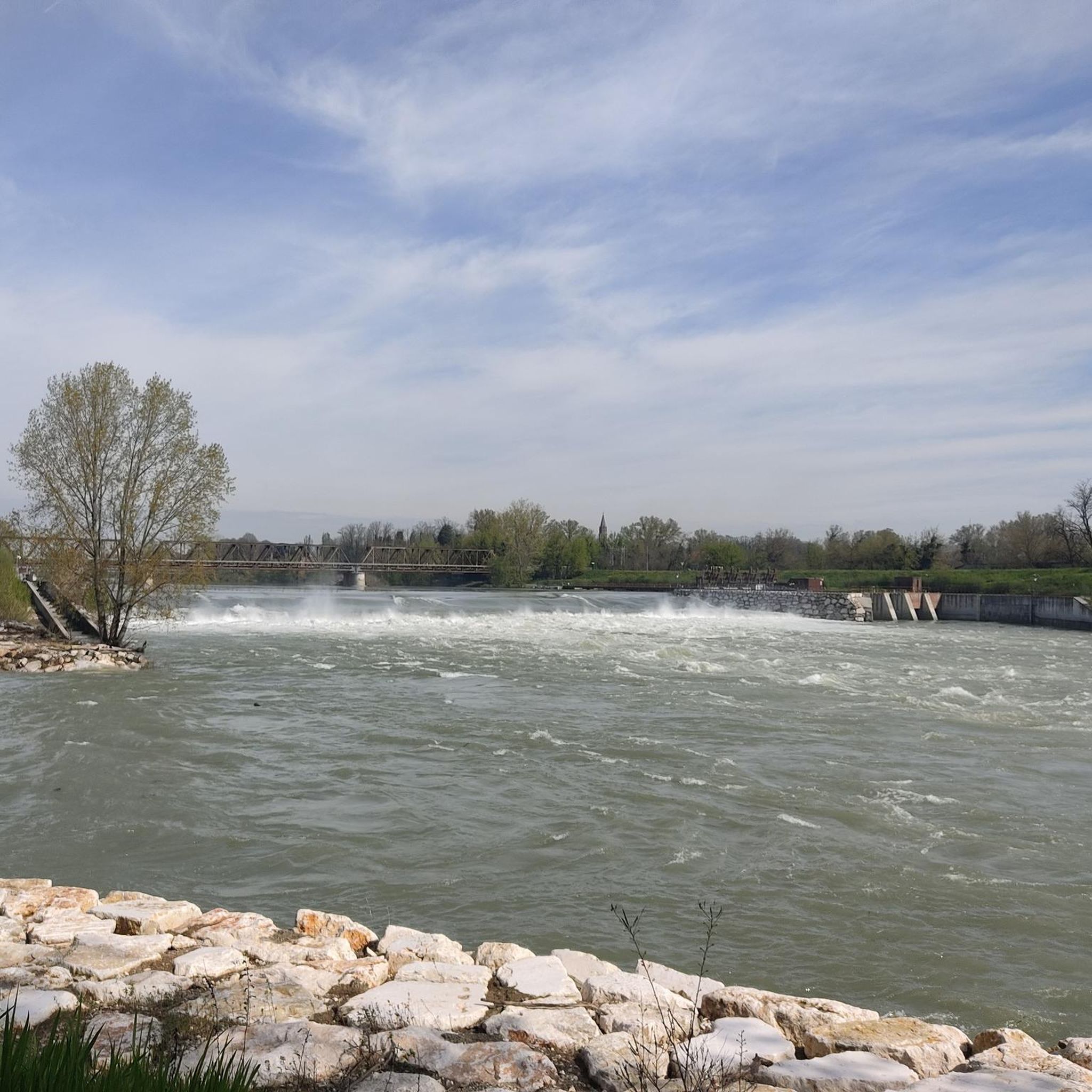
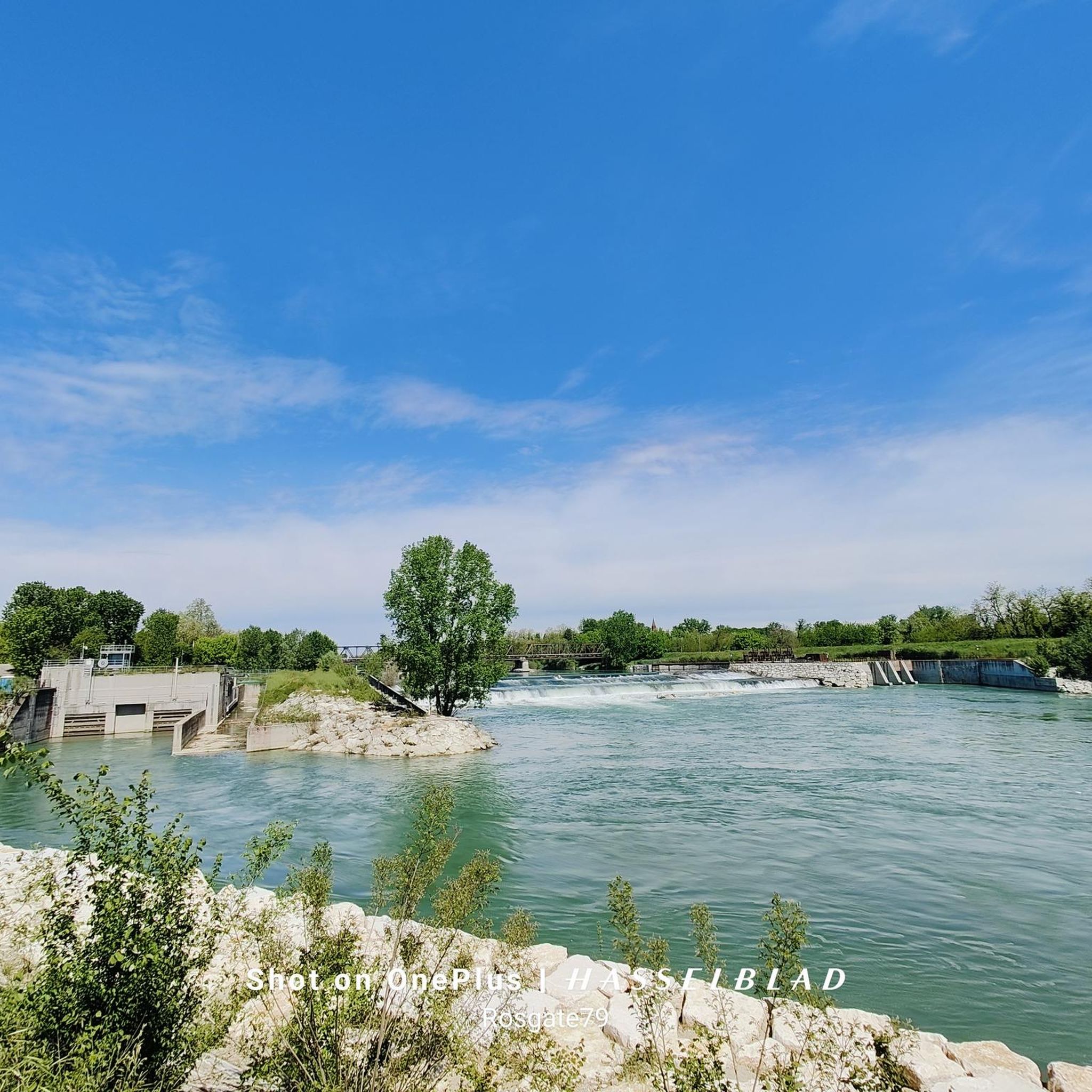
The walls and towers of Pizzighettone (Cremona) constitute one of the best-preserved and most significant walled circuits in Northern Italy. This imposing military fortress, lapped by the Adda river, rises to a height of about 12 meters and has a thickness that reaches 4 meters in some places. Its uniqueness lies in the presence of "casemates", a continuous series of internal rooms that are entirely covered and communicate with each other.
0
0

Worth seeing with a guided tour offered by the tourist office
0
0

Pizzighettone boasts one of the best-preserved city walls in Lombardy. Built in the Middle Ages and then reinforced during the Spanish era, they still surround a large portion of the historic center along the banks of the Adda River. The casemates and internal walkways allow you to imagine military life in the past, when the village was a strategic garrison between Milan and Cremona. Strolling around the walls, you can admire towers, bastions, and perfectly restored sections.
1
0

Pizzighettone is an ideal starting point for exploring both the banks of the Adda and for heading to Cremona along the cycle path of the Milan-Cremona canal
0
0

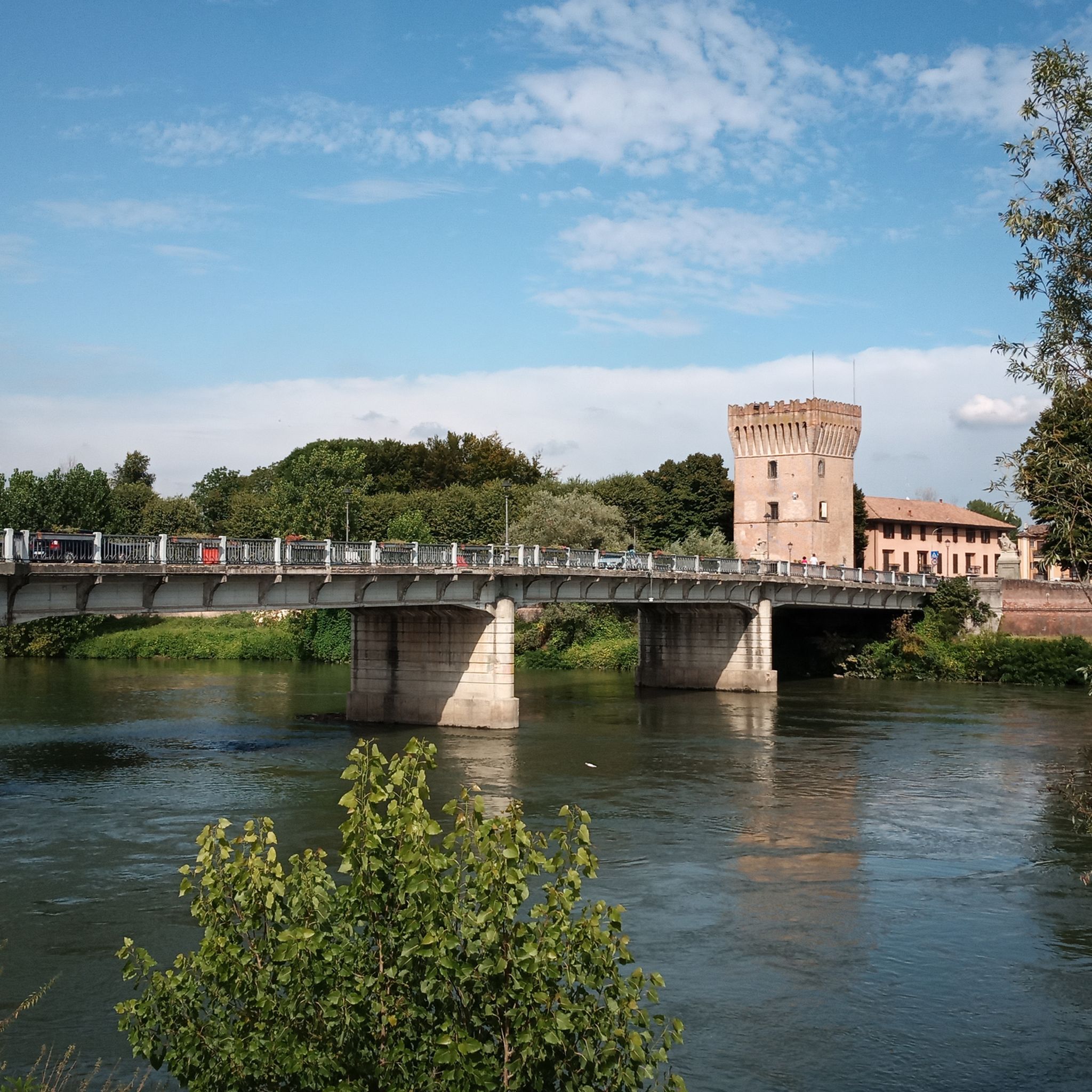
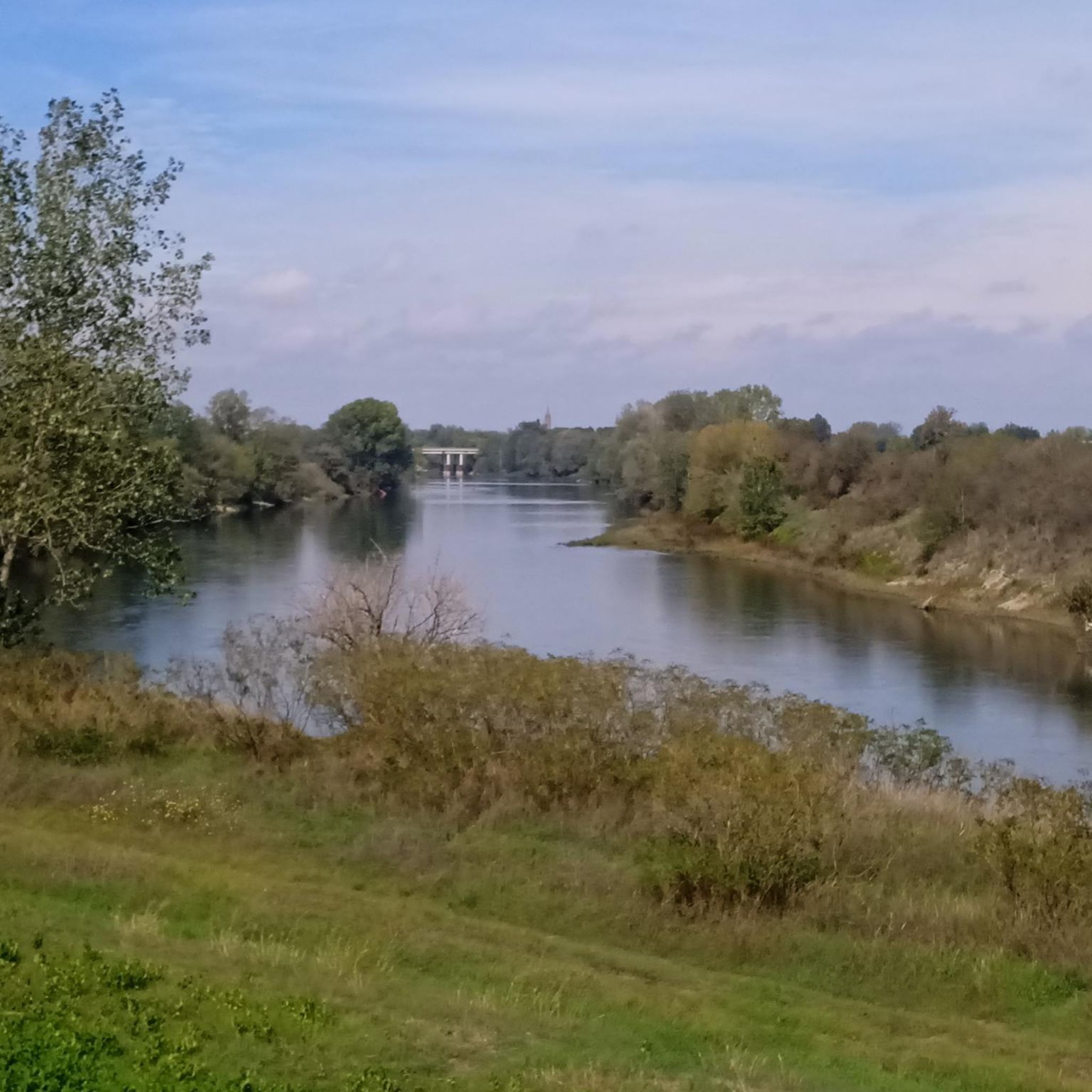
The tower is located near the Trento and Trieste bridge on the Adda river
1
0


Very beautiful and old castle!
4
0
Very beautiful, old castle!
3
0
Frequently Asked Questions
What historical castles can I visit near Codogno?
While Codogno's original medieval castle no longer stands, the surrounding area offers several notable historical sites. You can explore the well-preserved Borromeo Castle of Camairago, known for its defensive features and strategic location. Other significant sites include the Pizzighettone Walls, one of Lombardy's best-preserved city walls, and the historic Torre del Guado, a tower with a rich past as a border defense and royal prison. Additionally, the Maccastorna Castle offers a glimpse into 13th-14th century architecture.
Are there family-friendly castles to visit around Codogno?
Yes, several castles and historical sites in the area are considered family-friendly. The Borromeo Castle of Camairago, Torre del Guado, Pizzighettone Walls, and Maccastorna Castle are all categorized as family-friendly, offering engaging historical experiences for all ages.
Can I combine a visit to a castle with nature exploration?
Absolutely. The Borromeo Castle of Camairago offers a breathtaking panorama of the Adda valley. Furthermore, Castello Cavazzi Somaglia, though its original interior is lost, now houses the Amphibian Center and teaching classrooms used for guided tours of the Monticchie Nature Reserve, providing a unique blend of history and nature.
What outdoor activities are available near these castles?
The region around Codogno offers various outdoor activities, particularly cycling. You can find numerous routes for touring bicycles, mountain bikes, and road cycling. For example, there are routes like the 'Borromeo Castle of Camairago – Torre del Guado loop' for touring bicycles, or the 'Torre del Guado – Adda River Embankment loop' for mountain biking. You can explore more options in the Cycling around Codogno, MTB Trails around Codogno, and Road Cycling Routes around Codogno guides.
What is unique about the Borromeo Castle of Camairago?
The Borromeo Castle of Camairago is a large 15th-century country castle built on an escarpment to defend the Adda River. It retains intact walls, towers, and a ravelin with a double entrance. Its well-preserved defensive features and strategic location make it a fascinating example of medieval military architecture, offering a captivating view of the river and the Adda valley.
What is the historical significance of Torre del Guado?
The Torre del Guado is the tower of an ancient castle built by the Cremonese to defend the border towards Lodi. It gained historical fame in 1525 when it served as the prison for King Francis I of France for about fifty days after his capture in the Battle of Pavia. The tower still houses relics, including a copy of the king's armor.
Where can I see well-preserved city walls near Codogno?
The Pizzighettone Walls boast one of the best-preserved city walls in Lombardy. Originally built in the Middle Ages and reinforced during the Spanish era, they still encircle a significant portion of the historic center along the Adda River. Visitors can stroll along the casemates and internal walkways, imagining military life from centuries past.
Are there any lesser-known historical sites or castles worth exploring?
Beyond the more prominent sites, you might consider Castello di Fombio, a communally owned 14th-century fortress that underwent 18th-century extensions, offering a look at evolving defensive architecture. Castello Trecchi, built in the 15th century, showcases a unique architectural style and transitioned from a castle to a country residence. The Maccastorna Castle is also a beautiful and intact 13th-14th century castle in a small village.
What role did Palazzo Trivulzio play in Codogno's history?
While not a traditional castle, the Palazzo Trivulzio in Codogno is an aristocratic construction from the 15th century. After the original medieval castle of Codogno was demolished, Palazzo Trivulzio became the seat of power, representing the town's expanding influence under the Trivulzio family. It showcases significant 15th-century aristocratic architecture, though it is now privately owned.
What is the best season to visit the castles around Codogno?
The spring and autumn months generally offer the most pleasant weather for exploring the castles and their surroundings, with mild temperatures and beautiful landscapes. Summer can be warm, but also provides longer daylight hours. Winter visits are possible, but some sites might have reduced opening hours, so it's advisable to check in advance.
Are there guided tours available for these historical sites?
Information on guided tours varies by site. For Castello Cavazzi Somaglia, guided tours are offered in connection with the Monticchie Nature Reserve. For other sites like the Pizzighettone Walls, local associations often provide tours. It's recommended to check the official websites or local tourism offices for specific tour availability and booking details for each castle.
How can I reach castles near Codogno using public transport?
Public transport options to individual castles can be limited. While Codogno is accessible by train, reaching specific castles like Castello di Fombio (3.9 km from Codogno), Castello Cavazzi Somaglia (6.7 km from Codogno), or Borromeo Castle of Camairago (6 km from Codogno) often requires a combination of local buses or a short taxi ride from the nearest town with public transport connections. Planning your route in advance using local transport schedules is advisable.
Most popular routes around Codogno
Most popular attractions around Codogno

Get inspired with the komoot mobile app


Explore more
Looking for the best castles somewhere else? Discover other guides around Codogno:
