Attractions and Places To See around Abbasanta - Top 20
Best attractions and places to see around Abbasanta, a town situated on a basaltic plateau in central Sardinia, offer a rich blend of ancient history, cultural sites, and natural beauty. This region, historically significant, provides diverse landmarks and viewpoints for exploration. The landscape is characterized by pastures and traditional shepherds' shelters, showcasing the unique natural features around Abbasanta. Its central location has made it a notable point of interest for millennia.
Best attractions and places to see around Abbasanta
- The…
Last updated: May 11, 2026
Nuraghe Santa Cristina Archaeological Site
Highlight • Historical Site
Translated by Google •
Tip by

Santuario Nuragico
Highlight • Historical Site
Source: de.wikipedia.org/wiki/Santa_Cristina_(Brunnenheiligtum)
Translated by Google •
Tip by

Sign up now to discover places like this
Get recommendations on the best single tracks, peaks, & plenty of other exciting outdoor places.
Sign up for free
Sos Molinos Waterfall
Highlight • Waterfall
Source: sardegnatoujours.com/cascata-sos-molinos-come-ragvenirerla
Translated by Google •
Tip by

Santa Cristina Country Church
Highlight • Religious Site
Translated by Google •
Tip by

Church of Saint Leonard of Siete Fuentes
Highlight • Religious Site
Translated by Google •
Tip by

Sign up for free to discover even more attractions around Abbasanta.
Sign up for free
Already have an account?
Start today with a free account
Your next adventure awaits.
Login or Signup
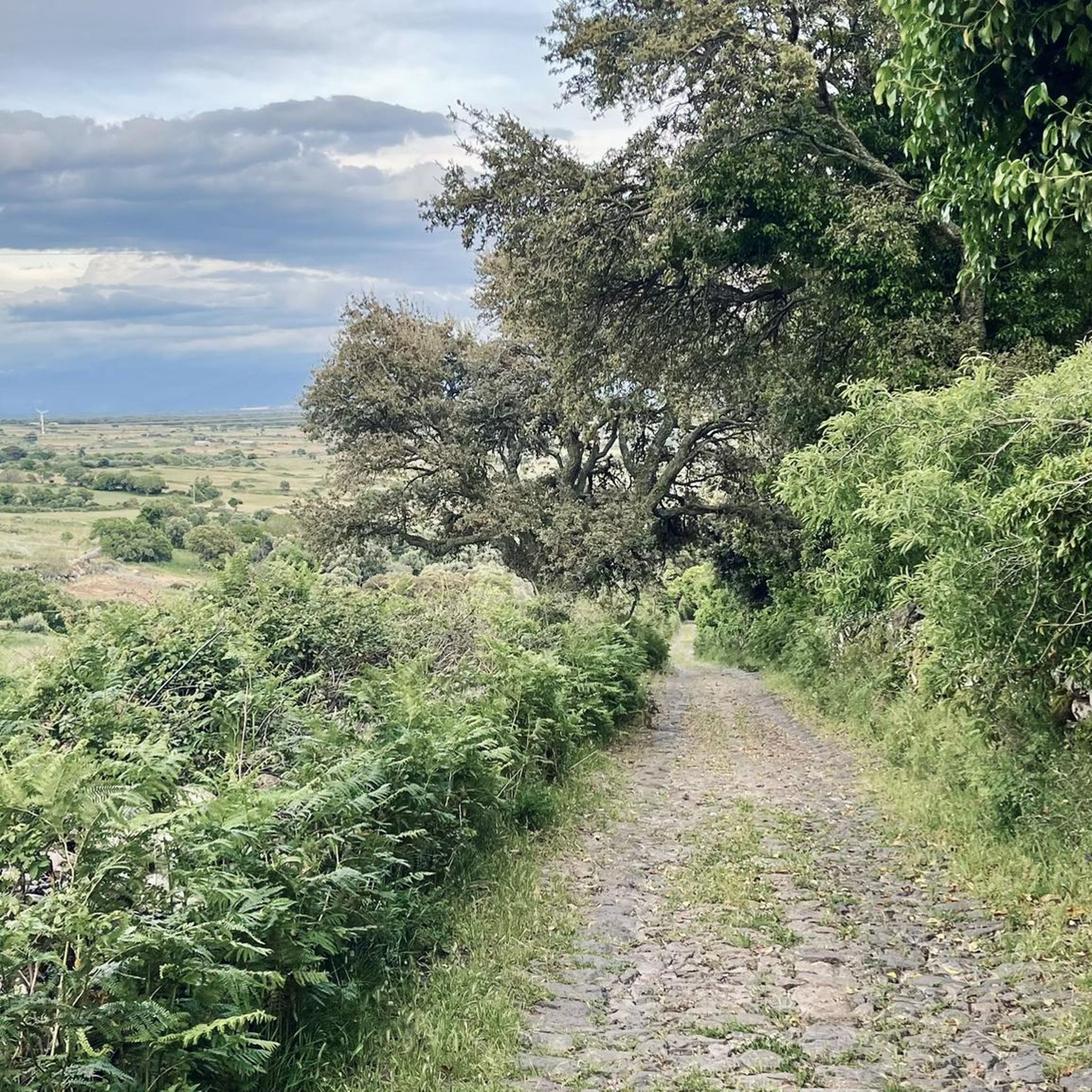
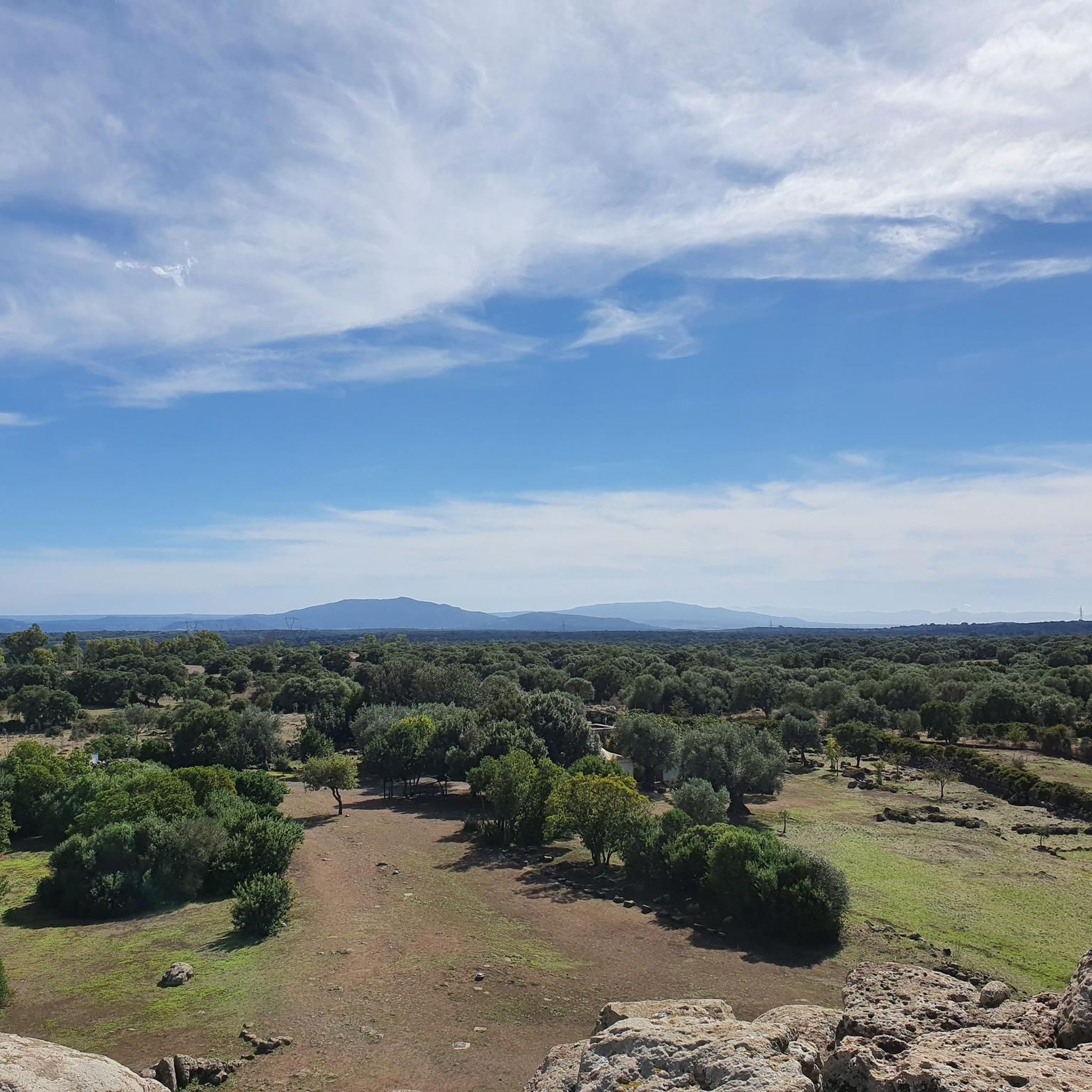
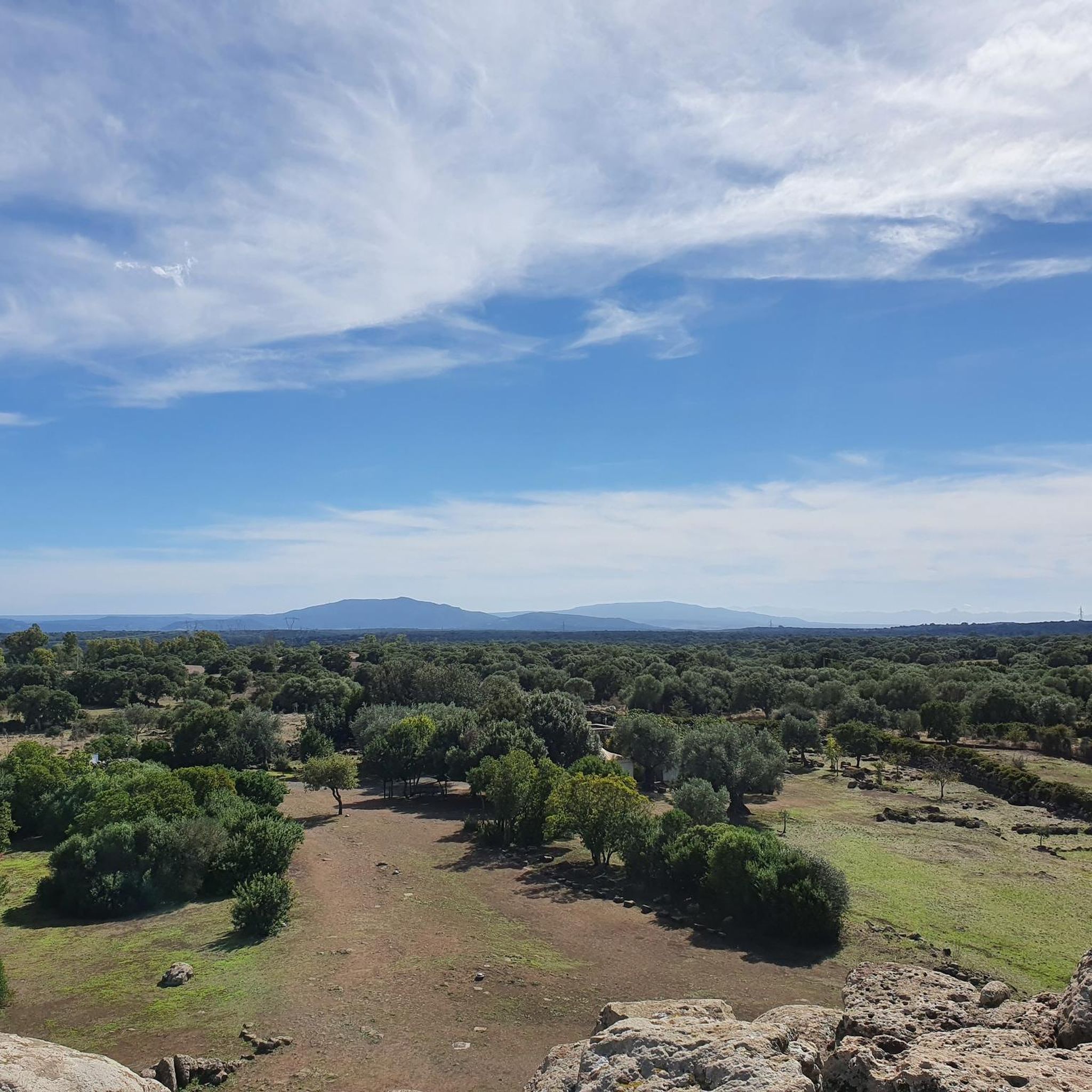
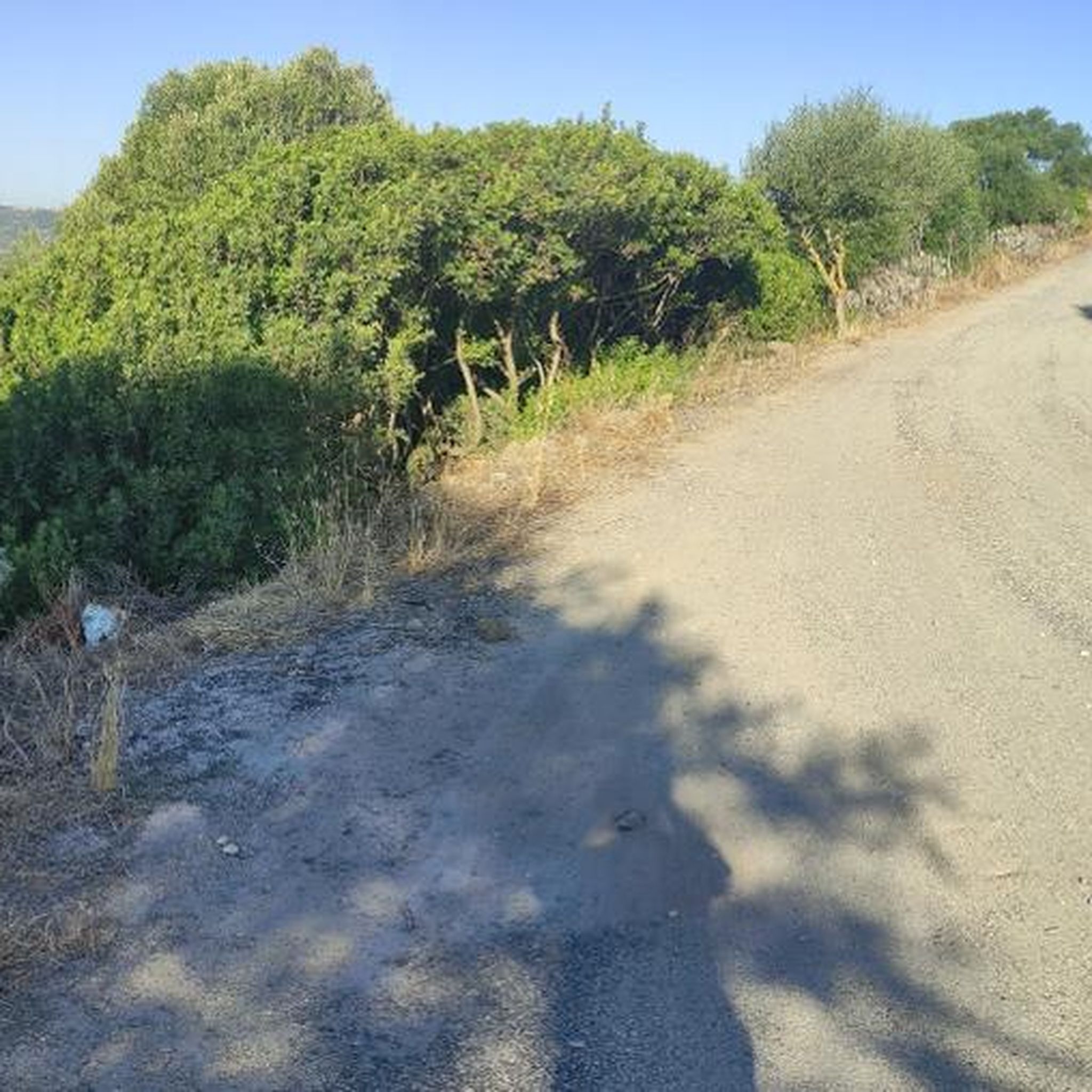
Tips from the Community

The path to the waterfall has been closed and inaccessible for three years.
0
0

In 1857, Giovanni Spano published an article that included a graphic overview of the monument. The Canon describes and interprets the sacred well in a rather convoluted way: he classifies it as a nuragic structure but is unable to discern its true function, mistaking it for a prison due to its similarity to other finds. In 1860, La Marmora, in his Itinéraire, praised the monument and compared it "to the Treasury of Atreus in Mycenae, Greece, described and illustrated by James Stuart." In the early years of the 20th century, other sacred wells in Sardinia were investigated: Antonio Taramelli, an archaeologist of the first half of the 20th century, finally surmised their function. His work is complemented by Raffaele Pettazzoni, who, in his book on the beliefs of the ancient Proto-Sardinians, describes the cult of water, also drawing on comparisons from outside the island.
1
1
In 1857, Giovanni Spano published an article that included a graphic overview of the monument. The canon describes and interprets the sacred well in a rather convoluted manner: it classifies it as a nuragic structure, but is unable to identify its true function, considering it a prison due to its similarity to other findings. In 1860, La Marmora, in his Itinéraire, praised the monument and compared it "to the Treasury of Atreus at Mycenae, Greece, described and illustrated by James Stuart." In the early years of the 20th century, other sacred wells in Sardinia were investigated: Antonio Taramelli, an archaeologist of the first half of the 20th century, finally divined their function. His work is rounded out by Raffaele Pettazzoni, who, in his book on the beliefs of the ancient Proto-Sardinians, describes the cult of water, also drawing comparisons outside the island.
2
0
«The country church of St. Christina, located in the territory of Paùli-Latìno, a quarter (4 km) from this town, also belongs to this priory (of Bonarcado), while it is two hours from Bonarcado. Nearby there are some casipole for the novenanti who compete there on the first of May. The main festival falls with great frequency on the 10th of the same and a pious procession to the fountain named after the saint, which has a peculiar shape and structure. On July 24th there is a memorial day on which the glorious death of the same is commemorated.»
2
0
«The country church of St. Christina, located in the territory of Paùli-Latìno, a quarter (4 km) from this town, also belongs to this priory (of Bonarcado), while it is two hours from Bonarcado. Nearby there are some casipole for the novenanti who compete there on the first of May. The main festival falls with great frequency on the 10th of the same and a pious procession to the fountain named after the saint, which has a peculiar shape and structure. On July 24th there is a memorial day on which the glorious death of the same is commemorated.»
1
1
In 1860, La Marmora, in his Itinéraire, praised the monument, comparing it "to the Treasury of Atreus at Mycenae, Greece, described and illustrated by James Stuart". In the early years of the 20th century, other sacred wells were investigated in Sardinia: Antonio Taramelli, an archaeologist of the first half of the 20th century, finally guessed their function. His work is completed by Raffaele Pettazzoni, who, in his book on the beliefs of the ancient proto-Sardinians, describes the cult of water, also referring to comparisons outside the island. Despite the importance of the monument and its excellent state of preservation, it was necessary to wait until 1953 for the first excavations and restorations, which then continued with the Athnitzi campaigns of 1967-73 and 1977-83. [9] The last excavation campaigns were carried out by Bernardini in 1989-90 and by Arnold Lebeuf between 2005 and 2010. Further research is planned, focusing mainly on the area of the Nuragic village (which, however, had not yet been carried out as of 2012).
1
1
In 1860, La Marmora, in his Itinéraire, praised the monument, comparing it "to the Treasury of Atreus at Mycenae, Greece, described and illustrated by James Stuart". [4] In the early years of the 20th century, other sacred wells were investigated in Sardinia: Antonio Taramelli, an archaeologist of the first half of the 20th century, finally guessed their function. [5][6][7] His work is completed by Raffaele Pettazzoni, who, in his book on the beliefs of the ancient proto-Sardinians[8], describes the cult of water, also referring to comparisons outside the island. Despite the importance of the monument and its excellent state of preservation, it was necessary to wait until 1953 for the first excavations and restorations, which then continued with the Athnitzi campaigns of 1967-73 and 1977-83. [9] The last excavation campaigns were carried out by Bernardini in 1989-90 and by Arnold Lebeuf[10] between 2005 and 2010. Further research is planned, focusing mainly on the area of the Nuragic village[1] (which, however, had not yet been carried out as of 2012).
1
0
In 1841, Angius published a first summary description of the monumental complex in the Angius-Casalis dictionary:[2] «The country church of St. Christina, located in the territory of Paùli-Latìno, a quarter (4 km) from this town, also belongs to this priory (of Bonarcado), while it is two hours from Bonarcado. Nearby there are some casipole for the novenanti who compete there on the first of May. The main festival falls with great frequency on the 10th of the same and a pious procession to the fountain named after the saint, which has a peculiar shape and structure. On July 24th there is a memorial day on which the glorious death of the same is commemorated."
1
0
Frequently Asked Questions
What are the most significant historical and archaeological sites to visit near Abbasanta?
The region around Abbasanta is rich in ancient history. A must-see is the Nuraghe Santa Cristina Archaeological Site, renowned for its well temple, a significant example of Nuragic water worship. Another prominent site is Nuraghe Losa, a UNESCO World Heritage site and one of Sardinia's largest and best-preserved Nuragic complexes. You can also explore other Nuragic sites like Nuraghe Zuras and Nuraghe Aiga, or pre-Nuragic funerary areas such as the Dolmen of S'Angrone.
Are there any notable religious buildings or churches in the Abbasanta area?
Yes, the area features several historically significant churches. The Church of Saint Leonard of Siete Fuentes is a 12th-century Romanesque church surrounded by old trees and a park with seven springs. The Santa Cristina Country Church is located near the Nuragic Sanctuary and is associated with traditional accommodations for worshippers during festivals. In Abbasanta village, you'll find the 19th-century Church of Santa Caterina, along with the Churches of Sant'Antonio, Sant'Amada, and Santa Maria.
What natural features or landscapes can I explore around Abbasanta?
Abbasanta is situated on a high basaltic plateau, offering unique landscapes characterized by pastures and traditional shepherds' shelters. You can visit the Sos Molinos Waterfall, a beautiful natural monument where water plunges 12 meters into a pool. The Tanca Regia area is known for its centuries-old cork and downy oak forests, and the Bonorchis spring is also nearby, providing scenic value.
What outdoor activities, like cycling or hiking, are available near Abbasanta's attractions?
The region offers various outdoor activities. For mountain biking, you can find routes like the 'Paulilatino loop – through the sacred wells and Montiferru' or the 'Chiesa di Santa Cristina – Su Caminu 'e sa Serra loop'. Road cyclists can enjoy the 'Lake Omodeo Loop' or a 'Loop tour on the Abbasanta plateau'. For general cycling, consider the 'Ghilarza Novenari and Lake Omodeo Loop'. You can find more details and routes on the dedicated guides for MTB Trails around Abbasanta, Road Cycling Routes around Abbasanta, and Cycling around Abbasanta.
Are there any family-friendly attractions or activities in Abbasanta?
Many of the historical sites are suitable for families interested in culture and history. The Church of Saint Leonard of Siete Fuentes, with its surrounding park and springs, offers a tranquil setting for a family outing. Exploring the ancient Nuragic complexes like Nuraghe Losa or the Nuraghe Santa Cristina Archaeological Site can be an educational and engaging experience for older children.
What is the best time of year to visit Abbasanta for outdoor activities and sightseeing?
The best time to visit Abbasanta for outdoor activities and sightseeing is generally during the spring (April to June) and autumn (September to October). During these periods, the weather is milder and more pleasant for exploring archaeological sites, hiking, or cycling. Summers can be quite hot, while winters are cooler and can be damp, though still suitable for cultural visits.
What local cultural experiences or traditional aspects can I discover in Abbasanta?
Abbasanta's historical center is known for its traditional low, dark basalt stone houses, often featuring back courtyards. The town also has strong pastoral traditions and is a Slow Food presidium for casizolu, a typical cow's milk cheese, offering a taste of local culinary heritage. Visiting the country churches, like the Country Church of Sant'Agostino with its muristenes, provides insight into local religious customs and community life.
Is there parking available at the main attractions like Nuraghe Santa Cristina?
While specific parking details for every site are not always provided, major archaeological sites like the Nuraghe Santa Cristina Archaeological Site typically have designated parking areas for visitors. It's advisable to check local signage upon arrival or consult the site's official information for the most up-to-date parking guidance.
What do visitors enjoy most about the attractions around Abbasanta?
Visitors particularly appreciate the rich historical significance and the well-preserved nature of the archaeological sites. The Nuraghe Santa Cristina Archaeological Site is often highlighted as 'unbelievably interesting' and 'well worth seeing' for its complex with the nuraghe, church, village, and fountain sanctuary. The tranquil settings of places like the Church of Saint Leonard of Siete Fuentes are also highly valued.
Are there any ancient Roman structures or monuments in the area?
Yes, an ancient Roman Bridge is located in the Abbasanta area. Its exact construction date is uncertain, with hypotheses ranging from the 7th to 10th century AD, or even suggesting it was part of a lost Byzantine church. Despite its age, it remains in good condition and is a point of local historical intrigue, showcasing the region's long history beyond the Nuragic period.
Can I find any hidden gems or lesser-known historical sites near Abbasanta?
Beyond the more prominent sites, the Abbasanta area is dotted with numerous prehistoric remains. You can explore the single-tower Nuraghe Zuras, noted for its precise construction, or the poly-lobed Nuraghe Aiga, which is surrounded by remnants of a village. The Sacred Well of Calegastea and the Tomb of Giants of Sos Ozzastros and Su Pranu est offer further insights into the region's ancient past.
Most popular attractions around Abbasanta

Get inspired with the komoot mobile app


Explore more
Still not found the Highlight you’re looking for? See guides of the top attractions in other regions:
