Attractions and Places To See around Portacomaro - Top 20
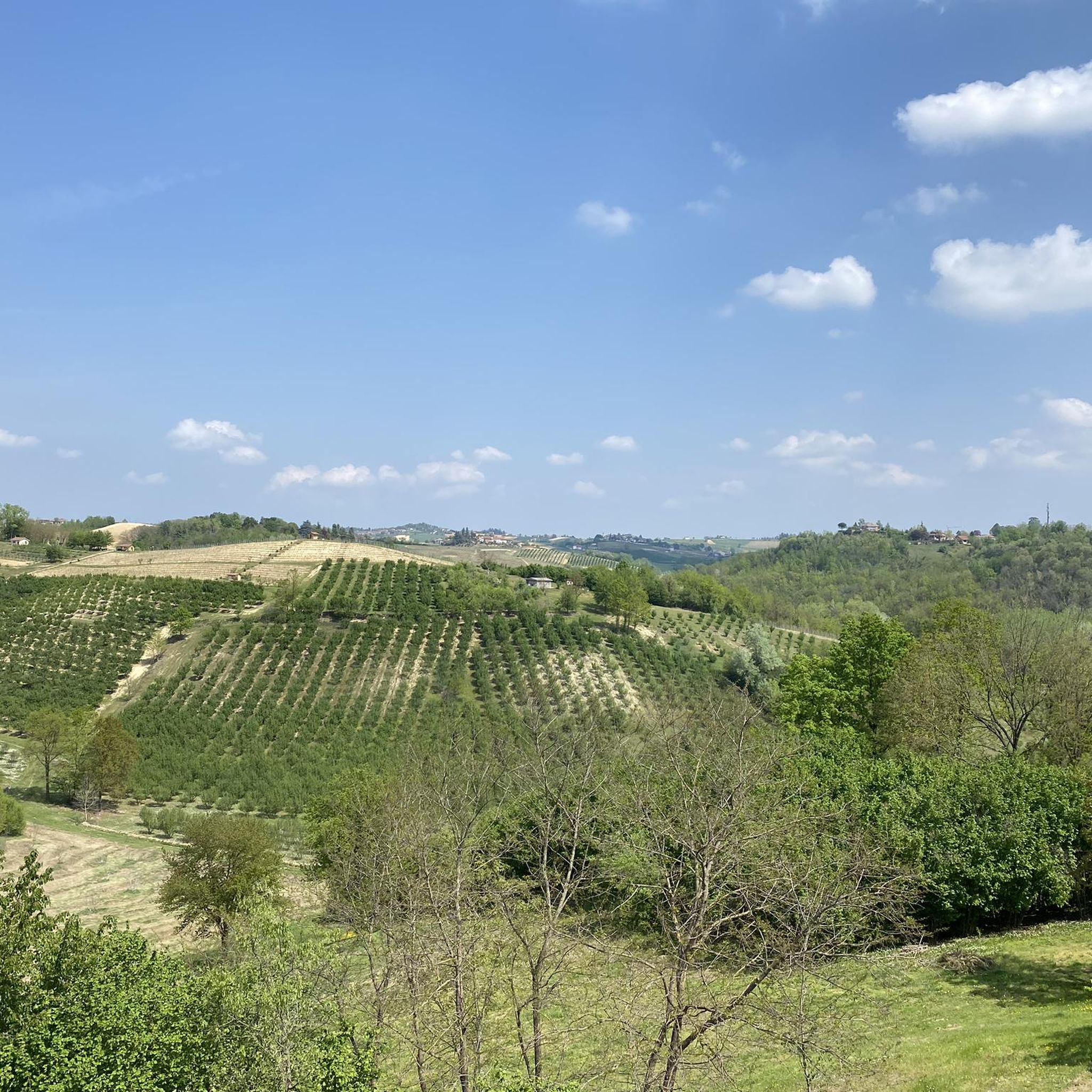
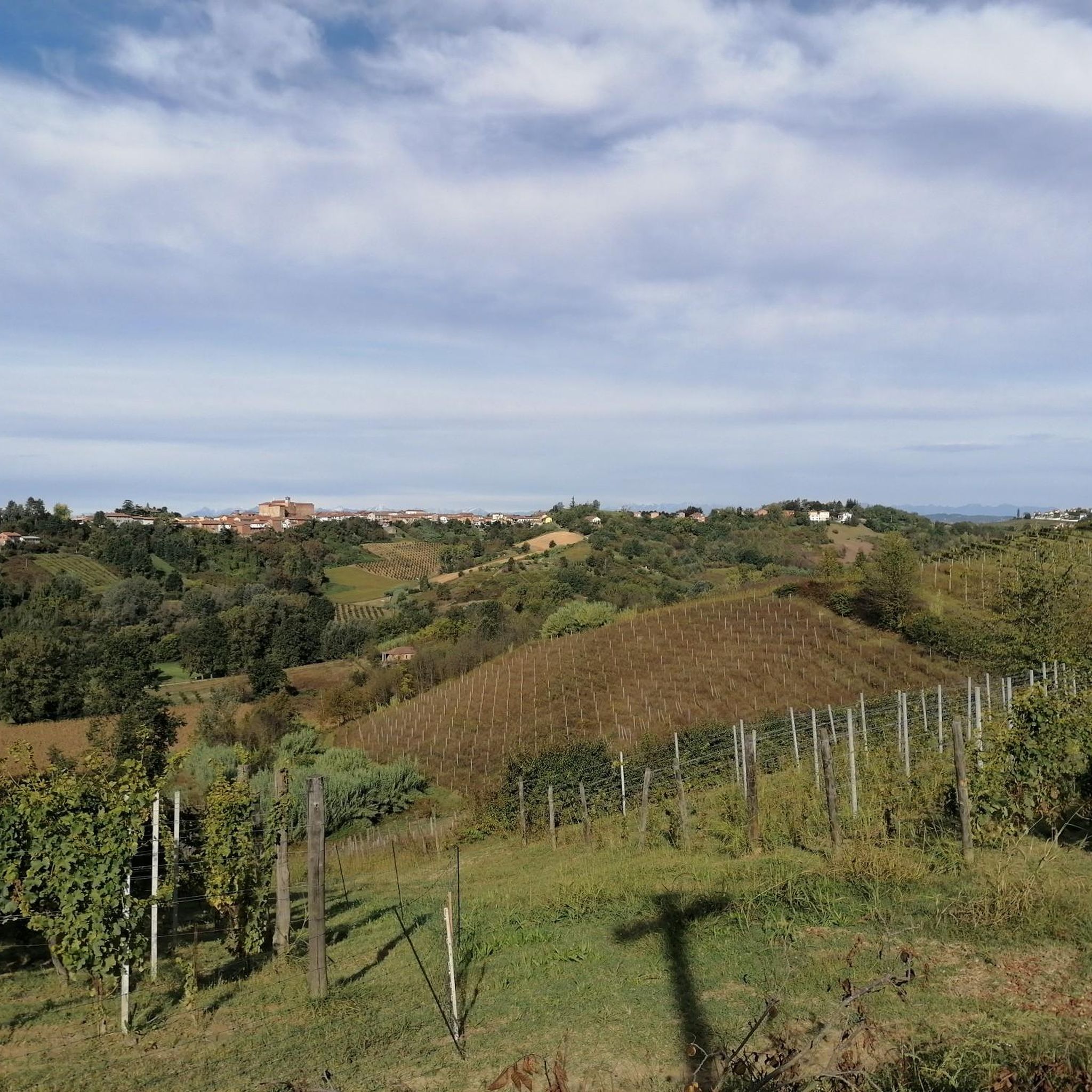
Attractions and places to see around Portacomaro include a blend of historical sites, cultural landmarks, and natural features. Situated in the Monferrato region of the Province of Asti, this agricultural town is known for its vineyards and rolling hills. The area offers insights into its Roman origins and medieval history, alongside picturesque landscapes. Visitors can explore ancient fortifications, historic churches, and unique natural phenomena.
Best attractions and places to see around Portacomaro
- The most popular attractions is Castello di Montemagno…
Last updated: August 17, 2026
Castello di Montemagno
Highlight • Castle
Translated by Google •
Tip by

Viatosto Church and View of the Hills of Asti
Highlight • Religious Site
Translated by Google •
Tip by

Sign up now to discover places like this
Get recommendations on the best single tracks, peaks, & plenty of other exciting outdoor places.
Sign up for free
Grazzano Badoglio Historic Center
Highlight • Historical Site
Translated by Google •
Tip by

Piazza San Secondo
Highlight • Settlement
Translated by Google •
Tip by

Bialbero di Casorzo
Highlight • Natural Monument
Showing Translation
Tip by
Sign up for free to discover even more attractions around Portacomaro.
Sign up for free
Already have an account?
Start today with a free account
Your next adventure awaits.
Login or Signup
Tips from the Community

The Bialbero di Casorzo is one of the most famous natural curiosities of Piedmont, in Italy.
15
0

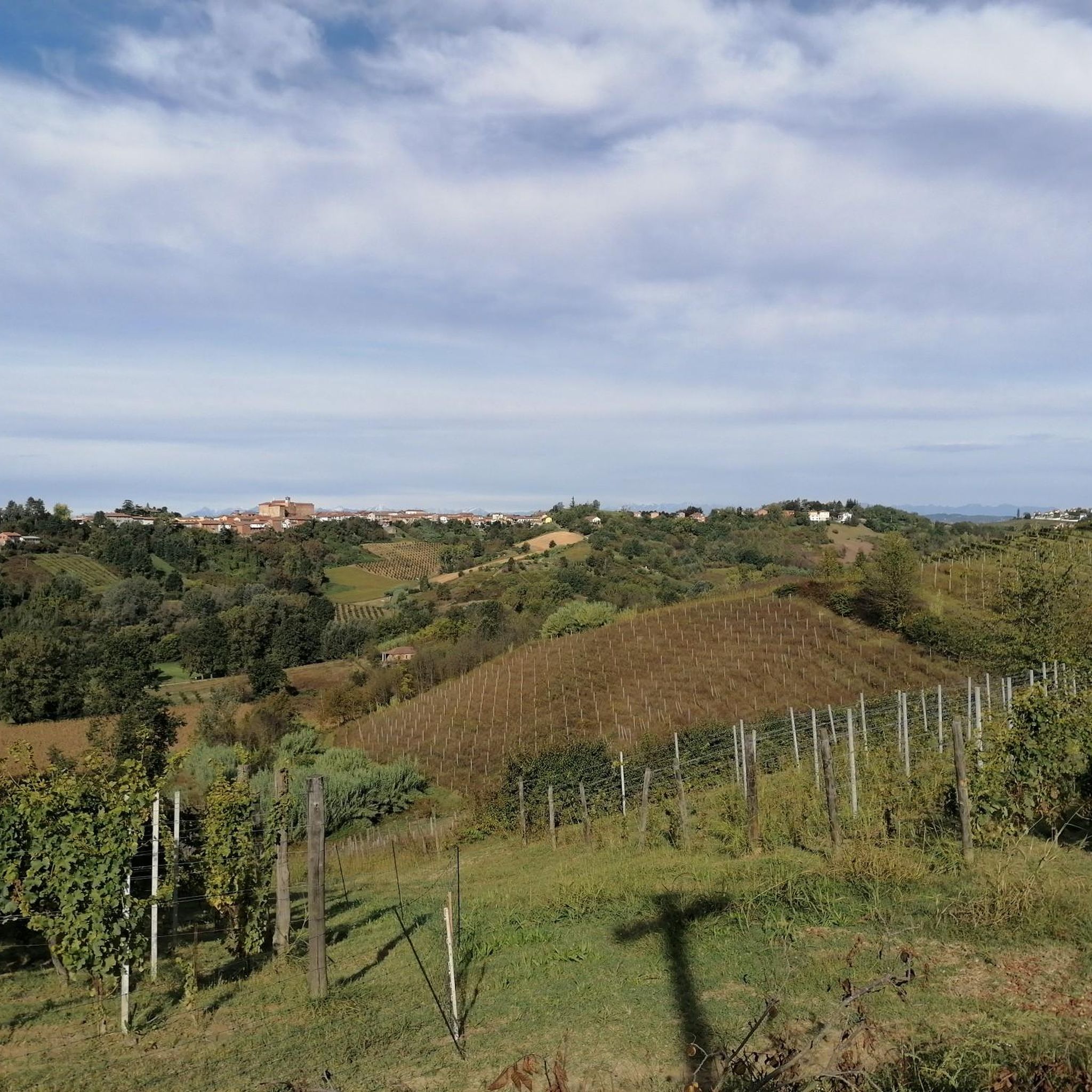
I know the town, I usually pass through it when I go to Moncalvo on my bike tour. Wonderful routes from a landscape perspective and not very busy.
0
0
Grazzano Badoglio, a small town in the Monferrato area of Asti, has Roman origins linked to the legionary Gratius. The village developed around the Benedictine Abbey of San Salvatore, founded in 961 by the Marquis Aleramo, who is buried here. In 1939, the name was changed from Grazzano Monferrato to Grazzano Badoglio to honor the general and politician Pietro Badoglio, born here in 1871.
13
0

Building kept in perfect condition.
25
0


Place of historical, architectural, cultural and tourist interest SP29, 19, 14030 Montemagno AT https://www.comune.montemagno.at.it/it/point-of-interest/castello-di-montemagno-o-dei-conti-calvi-di-bergolo 014163583
5
0

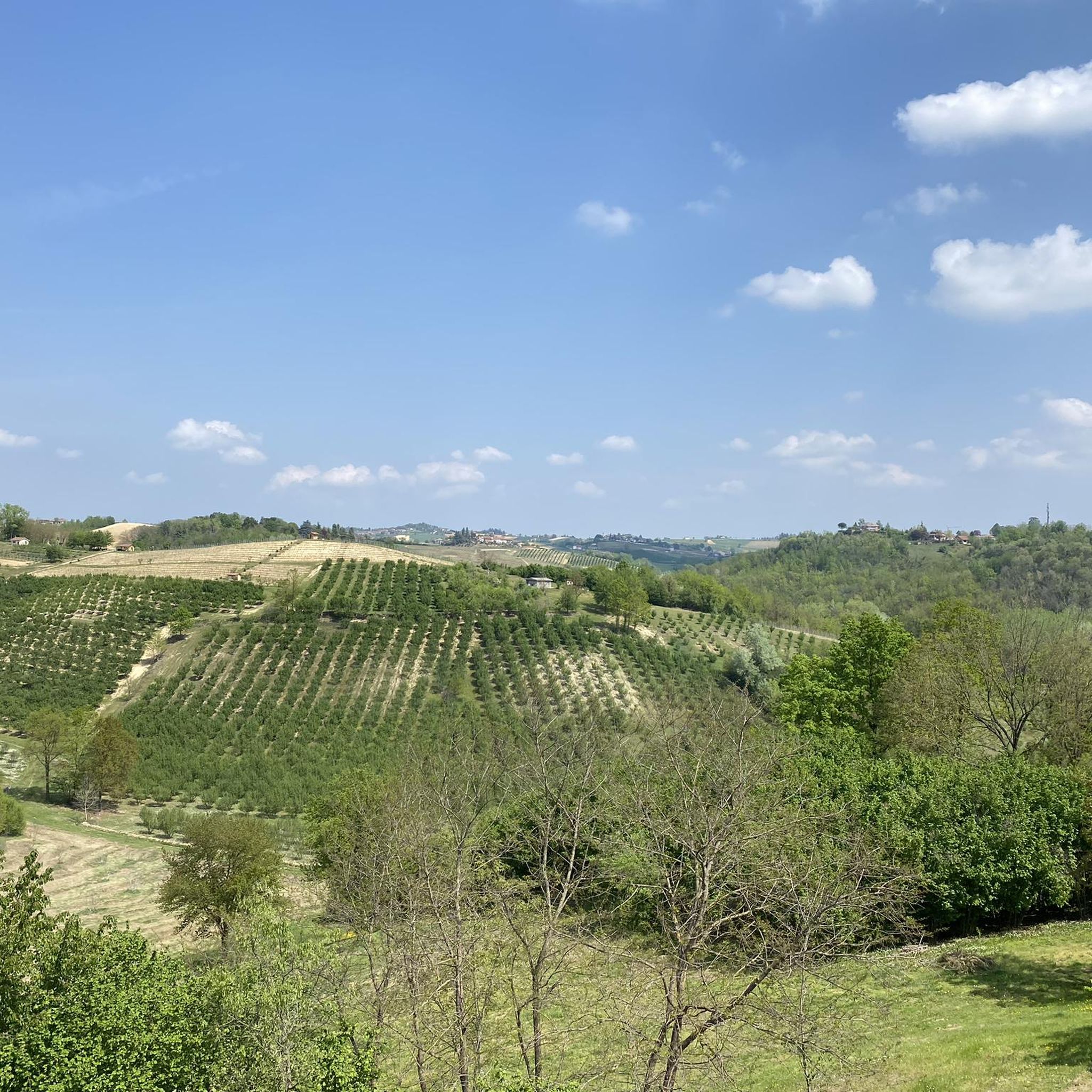
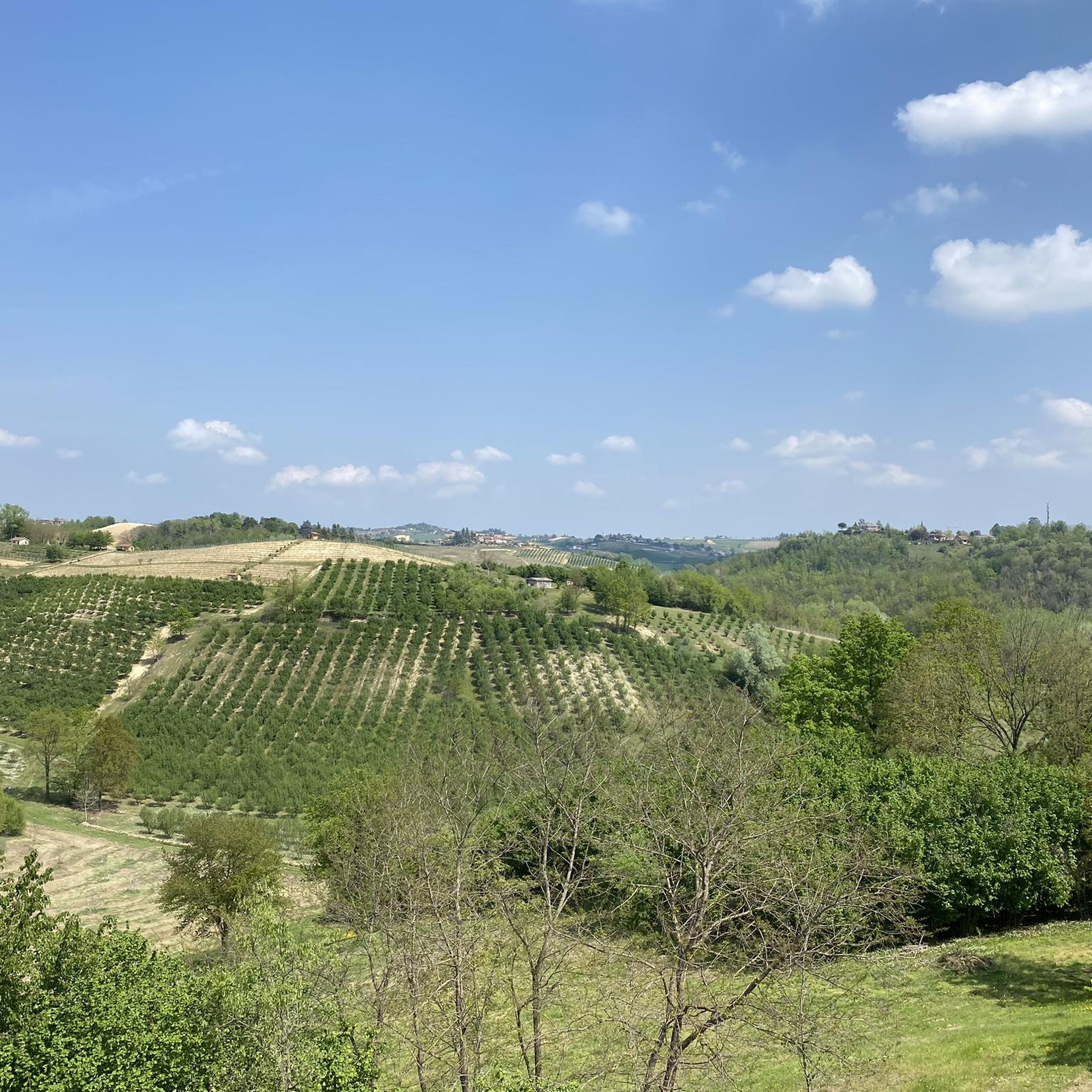
Montemagno Monferrato is a municipality in the province of Asti. The center of the town is characterized by the Montemagno castle and the remains of the church of Saints Vittore and Corona, built in Romanesque style.
4
0
Frequently Asked Questions
What historical and cultural sites can I explore in Portacomaro itself?
In Portacomaro, you can delve into its rich past by visiting the ancient Ricetto and Defensive Tower, a fortified area that once protected residents. The Church of San Pietro, a Romanesque church from 1130 AD, features well-preserved apsidal frescoes. Also, consider visiting the Santuario Beata Vergine del Portone, dating back to the 14th century, and the Parish Church of San Bartolomeo Apostolo.
Are there any notable castles or historic centers near Portacomaro?
Yes, nearby you can visit Castello di Montemagno, a well-preserved castle that defines the center of Montemagno Monferrato. Another significant site is the Grazzano Badoglio Historic Center, which has Roman origins and developed around the Benedictine Abbey of San Salvatore.
What natural attractions or unique sights are there in the Portacomaro area?
The region is characterized by picturesque agricultural landscapes and extensive vineyards. A truly unique natural phenomenon is the Bialbero di Casorzo, a 'double tree' where a cherry tree grows on a mulberry tree. It's best admired in late spring when in bloom.
Where can I find scenic viewpoints around Portacomaro?
For stunning views, head to the Viatosto Church and View of the Hills of Asti. Located about 3 km from Asti's center, its churchyard offers a wonderful panorama of the city and the surrounding hills, and on clear days, you might even see the Alps.
What are the best hiking routes near Portacomaro?
The area offers several hiking opportunities. You can explore the Sentiero di Papa Francesco (Pope Francis's Path), an 8.5 km route that visits places connected to Pope Francis's grandparents. For a longer adventure, the Cammino di Sant'Evasio is a two-day, 51 km itinerary between Asti and Casale Monferrato. You can find more hiking options on the Hiking around Portacomaro guide.
Are there cycling routes available around Portacomaro?
Yes, the Monferrato region is excellent for cycling. You'll find various routes, including road cycling and mountain biking trails, that wind through vineyards and hilly landscapes. For detailed routes and difficulty levels, check out the MTB Trails around Portacomaro and Road Cycling Routes around Portacomaro guides.
What is the best time of year to visit Portacomaro and its attractions?
The Monferrato region, including Portacomaro, is particularly beautiful in spring (April-May) when the cherry blossoms are out, and the vineyards are lush, and in autumn (September-October) during the grape harvest and when the foliage turns vibrant colors. The Bialbero di Casorzo is especially striking in late spring.
Are there any family-friendly attractions or activities in the area?
Many of the natural and historical sites are suitable for families. The Bialbero di Casorzo is a curious natural wonder that children often enjoy. Exploring the ancient ricetto in Portacomaro or taking an easy walk on one of the local paths can also be fun family activities.
What religious buildings can I visit in the Asti Province near Portacomaro?
Beyond Portacomaro's own churches, you can visit the Collegiate Church of Saint Secondo in Asti, a medieval church known for its artistic value and crypt. The Asti Cathedral, Cattedrale di Santa Maria Assunta e San Gottardo, is also a significant Romanesque-Lombard structure.
What kind of terrain can I expect on the trails around Portacomaro?
The trails around Portacomaro, such as the Sentiero di Papa Francesco and Cammino di Sant'Evasio, traverse the rolling hills of the Monferrato region. You can expect a mix of cultivated fields, vineyards, and some wooded sections, offering varied and scenic landscapes. The terrain is generally moderate with some ascents and descents characteristic of hilly wine regions.
Are there any museums or cultural experiences in Asti that complement a visit to Portacomaro?
Yes, Asti offers several cultural experiences. You can visit the Palazzo Gazelli di Rossana, a 13th-century palace with original furnishings and frescoes. The Cripta e Museo di Sant'Anastasio showcases ecclesiastical heritage, and the Museo Ebraico, located in Asti's 18th-century Synagogue, preserves Jewish history and culture in the region.
Most popular routes around Portacomaro
Most popular attractions around Portacomaro

Get inspired with the komoot mobile app


Explore more
Still not found the Highlight you’re looking for? See guides of the top attractions in other regions:
