Attractions and Places To See around Vernio - Top 20
Best attractions and places to see around Vernio, a municipality nestled in the mountainous landscape of Tuscany, offer a blend of historical significance, natural beauty, and cultural insights. Situated near the Bisenzio river, the area is rich in streams and lush vegetation. It provides a variety of sites for those interested in history, nature, and local culture.
Best attractions and places to see around Vernio
- The most popular attractions is Remains of the Military Flaminia, a historical_site that features…
Last updated: July 6, 2026
Remains of the Military Flaminia
Highlight • Historical Site
Translated by Google •
Tip by

Emilia-Romagna–Tuscany Border Marker
Highlight • Monument
Translated by Google •
Tip by

Sign up now to discover places like this
Get recommendations on the best single tracks, peaks, & plenty of other exciting outdoor places.
Sign up for free
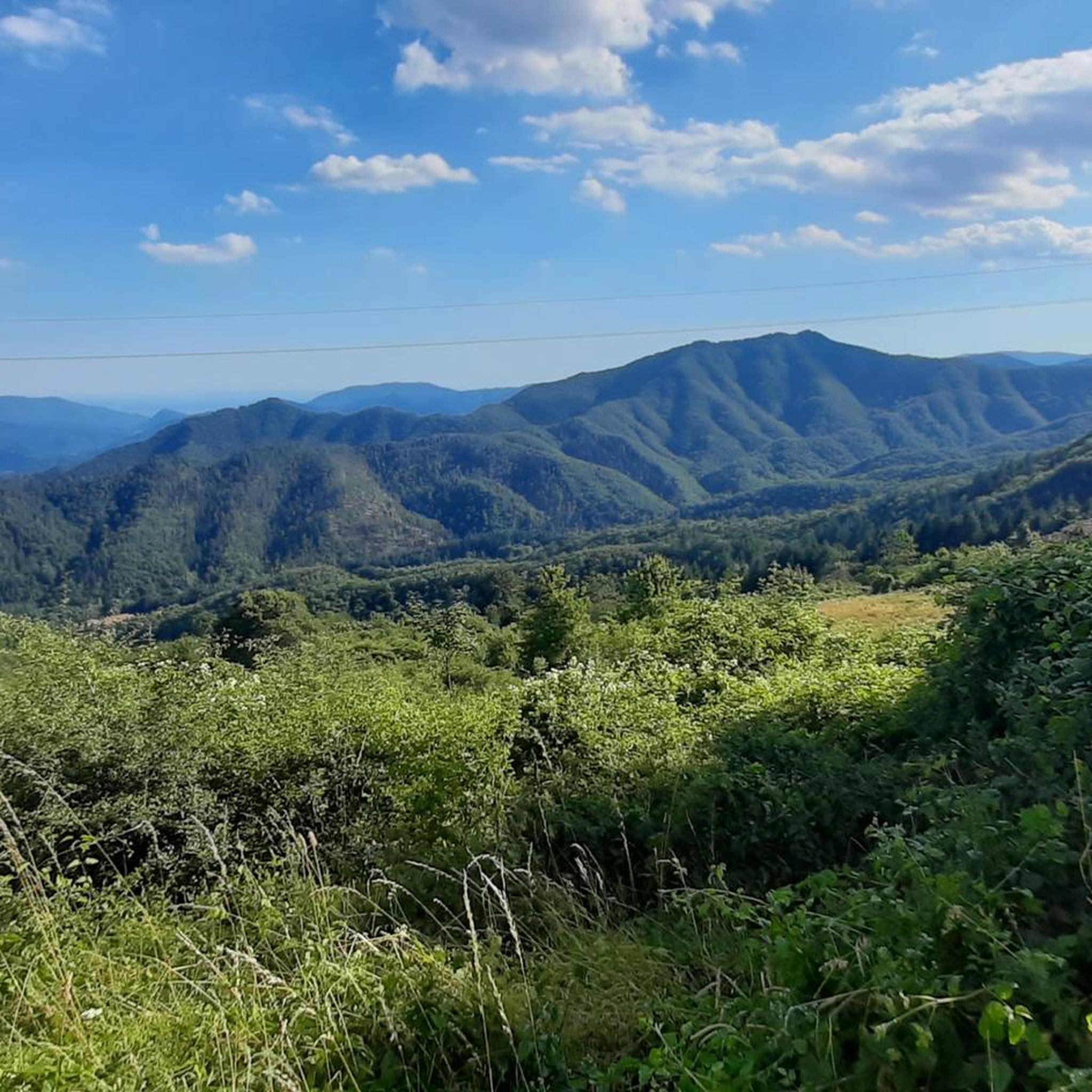
Monte Maggiore Summit (917 m)
Highlight • Summit
Translated by Google •
Tip by

Burnt Inn Pass
Highlight • Mountain Pass
Translated by Google •
Tip by
Lake Brasimone
Highlight • Lake
Also, on the lakeshore, …
Tip by

Sign up for free to discover even more attractions around Vernio.
Sign up for free
Already have an account?
Start today with a free account
Your next adventure awaits.
Login or Signup
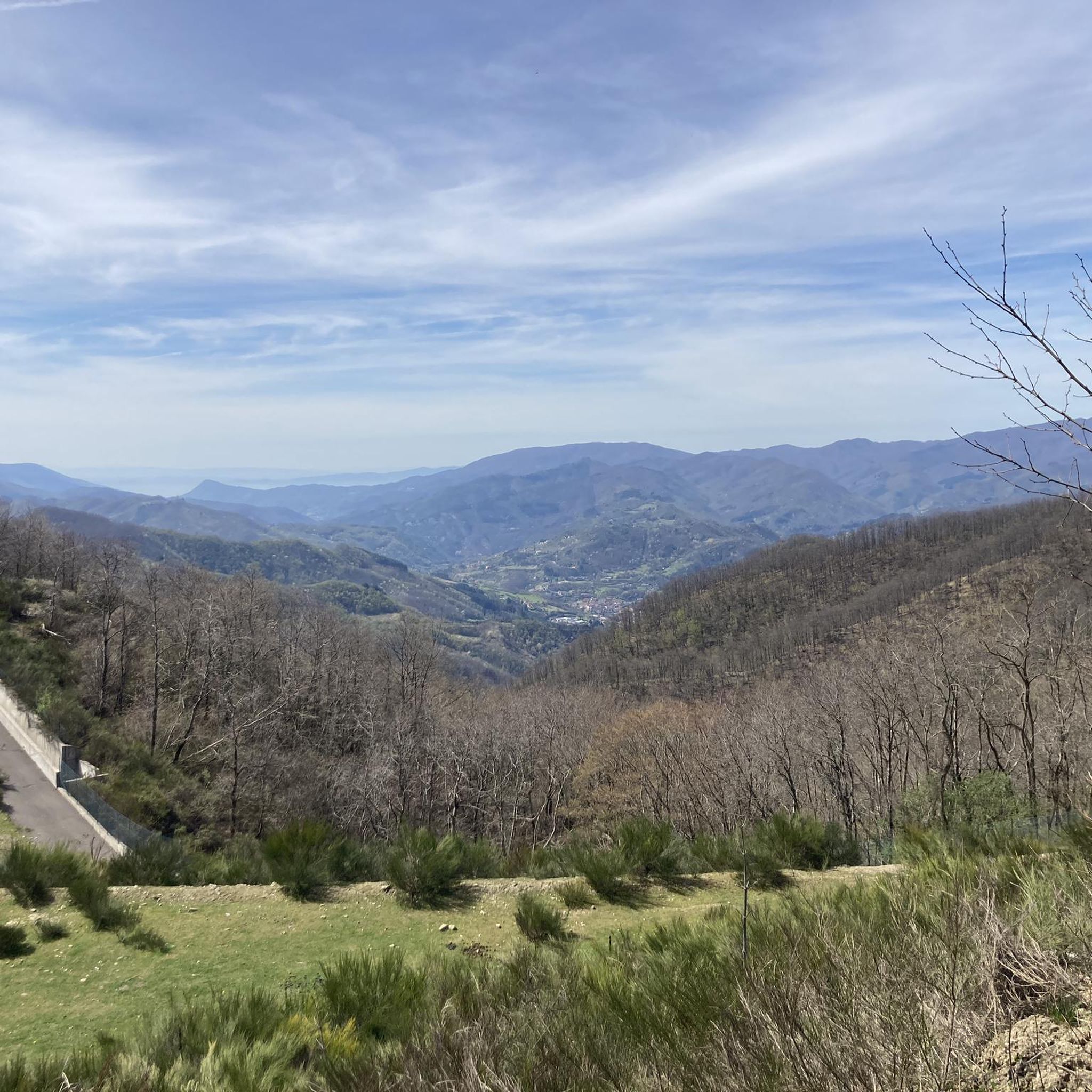
Tips from the Community

The Lago del Brasimone (also known as the Scalere basin) is a splendid artificial lake located in the Bolognese Apennines, within the municipal territory of Camugnano. It is situated at about 800 meters above sea level and is entirely included in the Regional Park of the Suviana and Brasimone Lakes.
0
0

a walk not to be missed!
0
0


already done twice and always beautiful
0
0

In the Middle Ages it was the highway that connected northern Italy with the south (in particular trade with Milan and the Church with Rome)
1
0

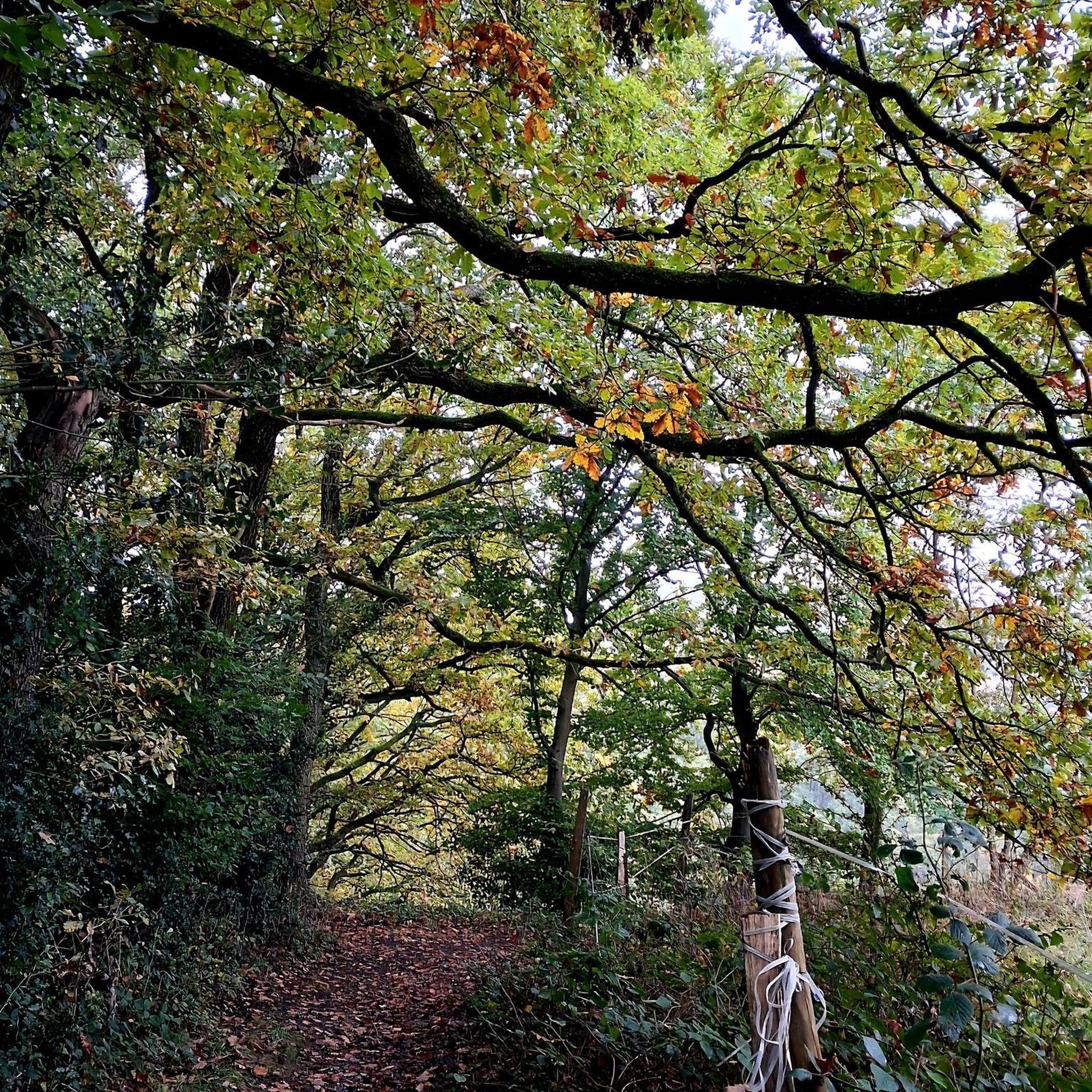
Along the Via degli Dei (Way of the Gods), you'll find the remains of the Flaminia Militare, an ancient Roman road built in 187 BC to connect Bologna to Arezzo. Hidden for centuries, it was rediscovered in the 1970s by two passionate hikers. Today, well-preserved sections of the original pavement can still be seen, nestled in the Apennine woods. Walking along it means traversing a true piece of history, on a journey that combines nature, archaeology, and memory.
1
0
recommended for the wonder of the woods and the super marked path
0
0

Borders as they should be. Nothing more than a stone by the wayside.
0
0
Frequently Asked Questions
What historical sites can I explore in Vernio?
Vernio is rich in history. You can visit the impressive Fortress of Vernio, a medieval fortification in San Quirico, or the historic Casone dei Bardi, which now serves as the town hall. Other notable sites include the Abbey of Santa Maria in Montepiano and the Romanesque Parish Church of Santi Ippolito and Cassiano.
Where can I see ancient Roman history near Vernio?
You can explore the Remains of the Military Flaminia, an ancient Roman road built in 187 BC. Well-preserved sections of its original pavement can still be admired, offering a unique blend of nature, archaeology, and history, especially for hikers on the Via degli Dei.
Are there any museums or cultural attractions in Vernio?
Yes, Vernio offers cultural insights. The MUMAT Museum (Textile Machinery Museum), housed in the former Meucci mill, provides an immersive experience into the region's textile industry. Additionally, the Museum-Laboratory Terrigoli showcases traditional work in the Bisenzio Valley.
What natural attractions are there for outdoor enthusiasts?
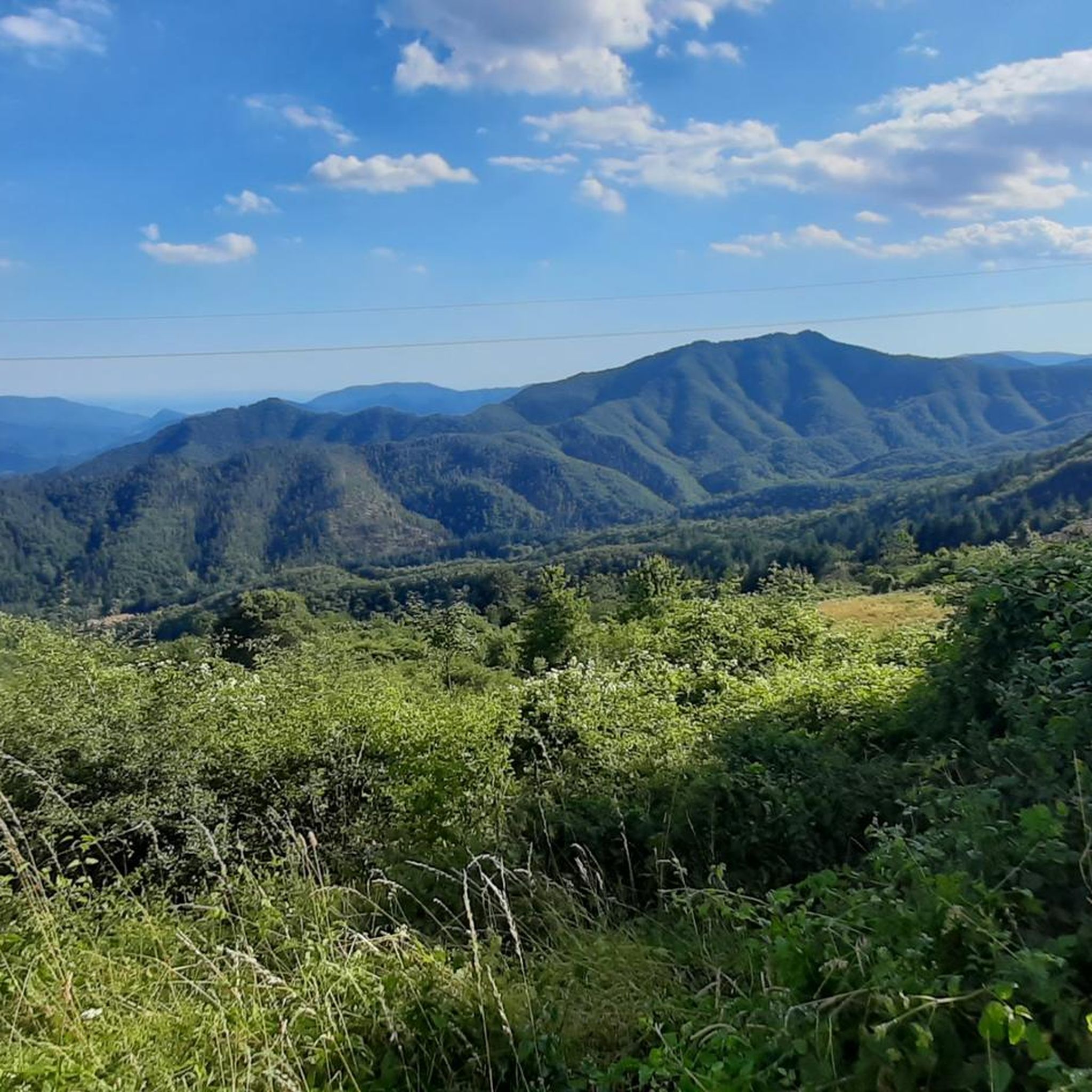
Nature lovers can explore the Alto Carigiola and Monte delle Scalette Protected Natural Area, ideal for hiking. The Monte Maggiore Summit (917 m) offers spectacular 180-degree panoramas, and Lake Brasimone is a beautiful artificial lake within a regional park, popular for various outdoor activities.
Can I find any scenic viewpoints in the Vernio area?
Absolutely. The Monte Maggiore Summit (917 m) provides spectacular 180-degree views of the Marina and Bisenzio valleys. Another unique spot is the Emilia-Romagna–Tuscany Border Marker, which offers a photo opportunity at the regional boundary.
Are there opportunities for hiking or trekking around Vernio?
Vernio is an excellent base for hiking. The Remains of the Military Flaminia are part of the famous Via degli Dei, offering a trekking route across the Apennines. The Alto Carigiola and Monte delle Scalette Protected Natural Area is also highly recommended for hiking enthusiasts. For more routes, you can explore the running trails around Vernio.
What kind of outdoor sports can I do at Lake Brasimone?
Lake Brasimone is a very popular destination for outdoor sports, particularly triathlon. Several triathlon events and competitions, including some of international importance, take place here annually. You can also find various cycling routes around the lake.
Are there any family-friendly attractions in Vernio?
Lake Brasimone is considered family-friendly and is a popular destination for holidays and outdoor activities. Its beautiful scenery and recreational opportunities make it suitable for visitors of all ages.
What is the Emilia-Romagna–Tuscany Border Marker?
The Emilia-Romagna–Tuscany Border Marker is a monument that clearly delimits the border between the Emilia-Romagna and Tuscany regions, specifically between Bologna and Florence. It's a popular spot for a photo when passing through.
What is the best time of year to visit Vernio for outdoor activities?
The mountainous landscape of Vernio, with its lush vegetation and numerous streams, is ideal for outdoor activities during the warmer months, typically from spring through early autumn. This period offers pleasant weather for hiking, cycling, and exploring natural and historical sites.
What cycling opportunities are available near Vernio?
Vernio and its surroundings offer diverse cycling opportunities. You can find various routes for different skill levels, including those around Lake Brasimone. For detailed routes and guides, explore cycling around Vernio or gravel biking around Vernio.
Are there any hidden gems or lesser-known spots to discover?
Beyond the main attractions, Vernio holds some charming spots. The Oratory of San Niccolò, next to the Casone dei Bardi, is a splendid historical point of interest. In Montepiano, you can find the Prato del Sole and Mill House, as well as the unique Bruno Saetti's Sun Sculpture.
Most popular attractions around Vernio

Get inspired with the komoot mobile app


Explore more
Still not found the Highlight you’re looking for? See guides of the top attractions in other regions:
