Top 20 Castles around La Morra
Castles around La Morra are situated in the heart of the Langhe region, an area known for its panoramic views and Barolo wine. This region features historic properties and viewpoints, with several impressive castles located a short distance from La Morra. These structures offer insights into Piedmont's aristocratic past and architectural heritage. The area provides a blend of historical interest and natural landscape.
Best castles around La Morra
- The most popular castles is Barolo Village and Vineyards, a castle that originated around 1000 as a defensive fortress. Today, it houses the WiMu (Wine Museum) and the Enoteca Regionale del Barolo, making it a key destination for wine enthusiasts.
- Another must-see spot is Grinzane Cavour Castle, a UNESCO World Heritage site and medieval castle. Visitors can explore its well-preserved interiors, an ethnographic museum, and learn about its historical significance, including its connection to Count Camillo Benso di Cavour.
- Visitors also love Castello di Roddi, an imposing castle with an internal courtyard. This structure is a place of historical, touristic, and architectural interest, located in a village on a hill 10 km from Alba.
- La Morra is known for medieval castles, defensive fortresses, and castles housing museums. The area offers a variety of castles to see and explore, from those with well-preserved interiors to those with significant historical connections.
- The castles around La Morra are appreciated by the komoot community, with 163 photos and 334 upvotes highlighting their appeal.
Last updated: May 20, 2026
Historic Center of Barolo
Highlight • Settlement
In the center of Barolo you can find bars, wineries and restaurants offering typical products combined with the best local wines.
Translated by Google •
Tip by

Barolo Castle
Highlight • Castle
Translated by Google •
Tip by

Sign up now to discover places like this
Get recommendations on the best single tracks, peaks, & plenty of other exciting outdoor places.
Sign up for free
Barolo Village and Vineyards
Highlight • Settlement
We park our steel car on the edge of the plateau. We get to know the lively center at a walking pace. In almost every street you will find one or more wine bars that invite you to taste before purchasing. The temptation is great, cups are filled and ask to be sipped or slurped. We wisely let the third chalice pass, for we have yet to march further.
Sober, but slaloming, we wander through the streets and visit the Castello Falletti for tea. The castle, which was once built as a defensive fortress, is a landmark for many kilometers in the Langhe landscape.
The foundations from the 10th century keep our feet firmly on the ground. The strategic location of the converted 13th century castle still offers beautiful views over the surrounding hills and vineyards. The castle is now one of the 'best wine museums' in Italy. The museum is located over about five floors and focuses on the history and current techniques of viticulture in the area.
Our visit to Barolo ultimately ends where it began, with one difference: fill up that third chalice. Another crate richer and a few euros poorer, we leave the cute village with its cobbled pebbles and medieval houses, on to the next discovery.
Translated by Google •
Tip by

Grinzane Cavour Castle
Highlight • Castle
Translated by Google •
Tip by

Serralunga d'Alba Castle
Highlight • Castle
Translated by Google •
Tip by

Sign up for free to discover even more castles around La Morra.
Sign up for free
Already have an account?
Start today with a free account
Your next adventure awaits.
Login or Signup
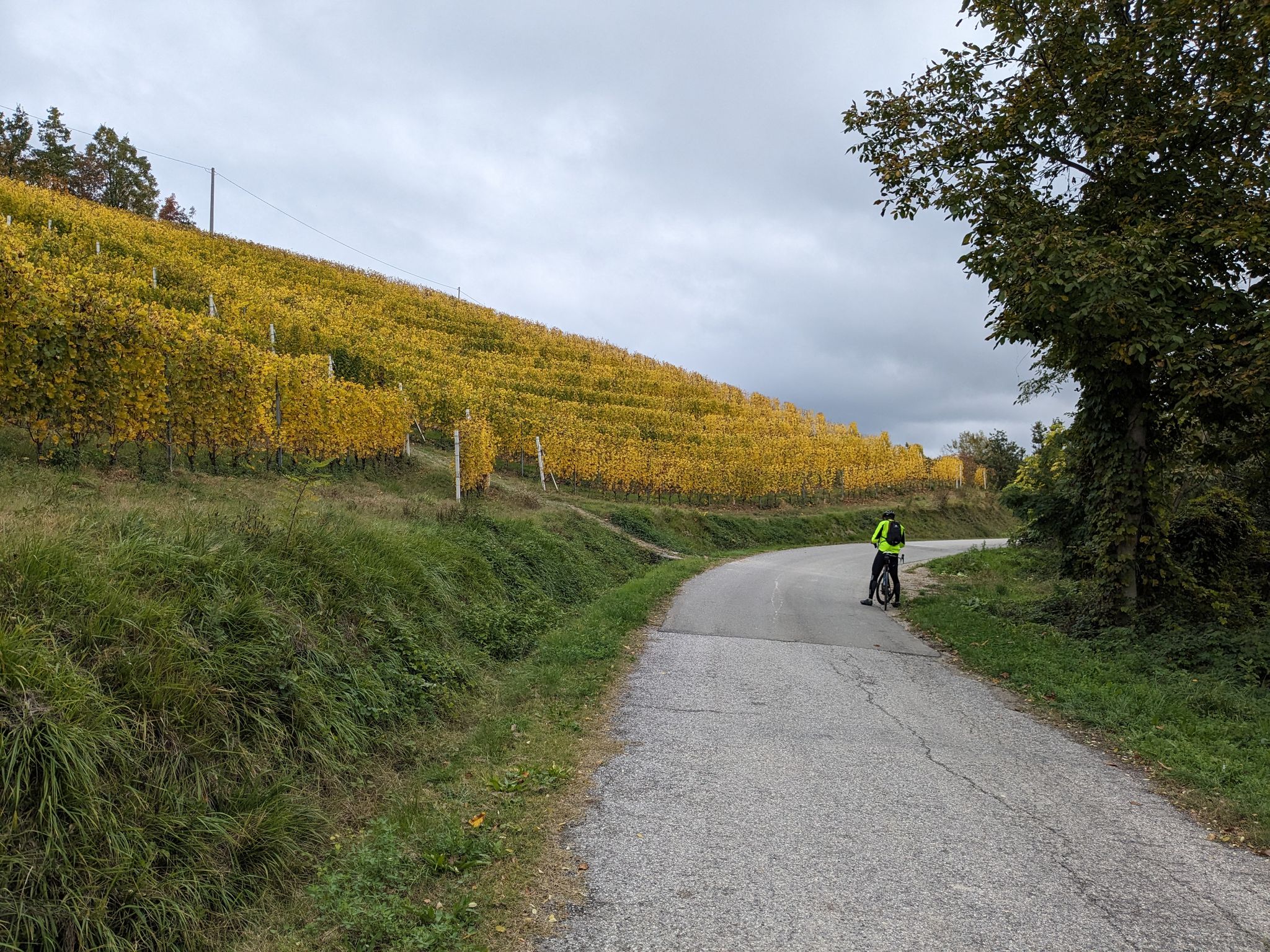
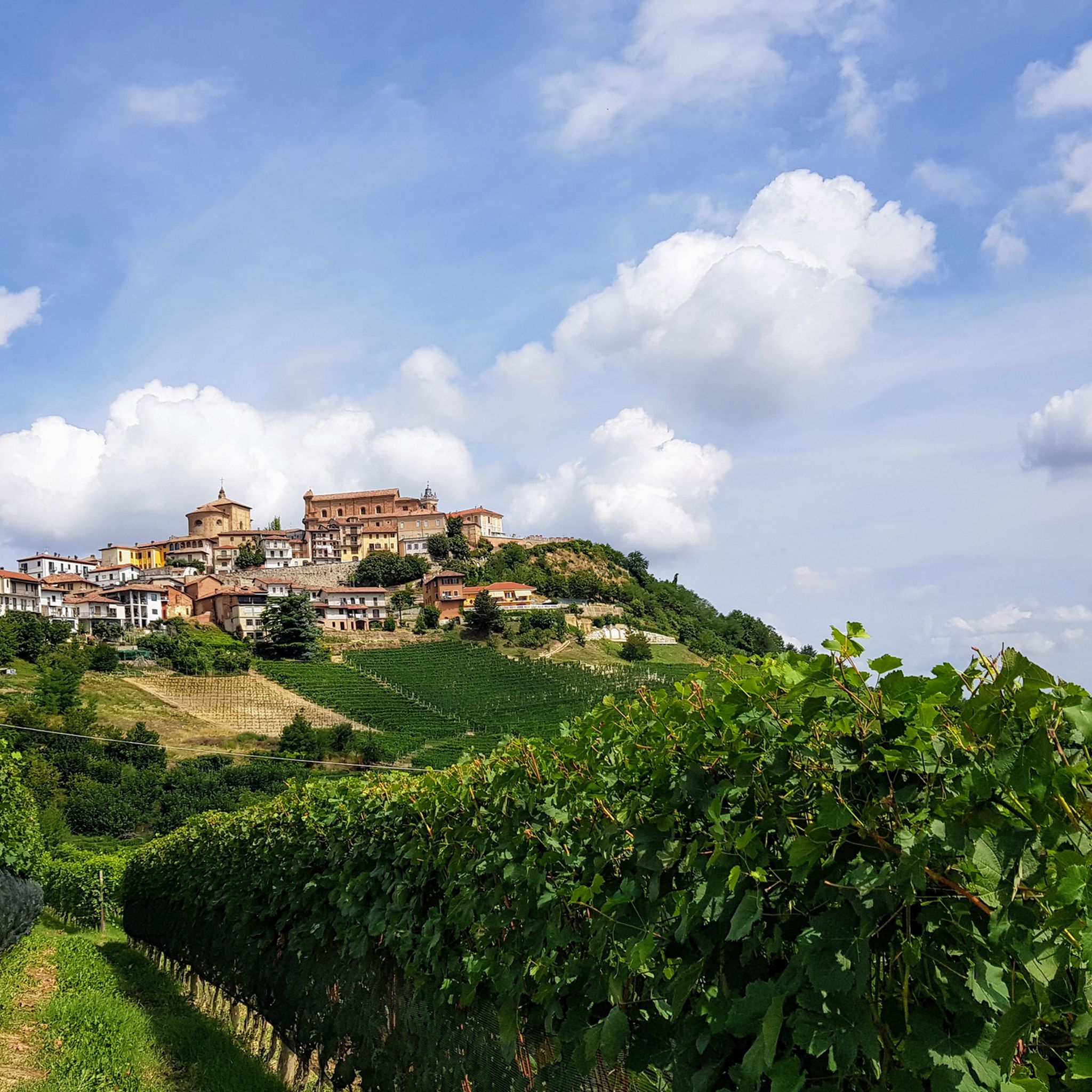
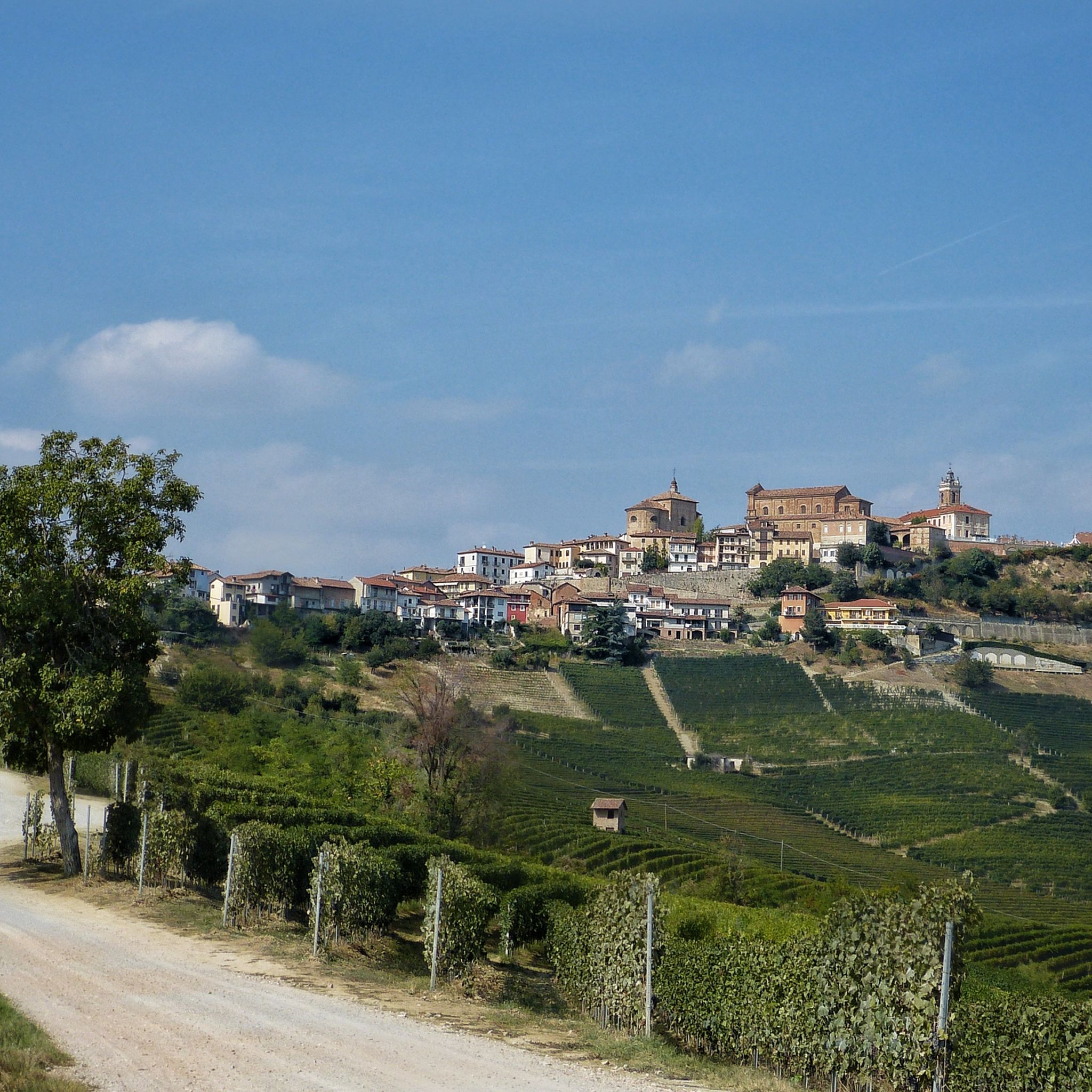
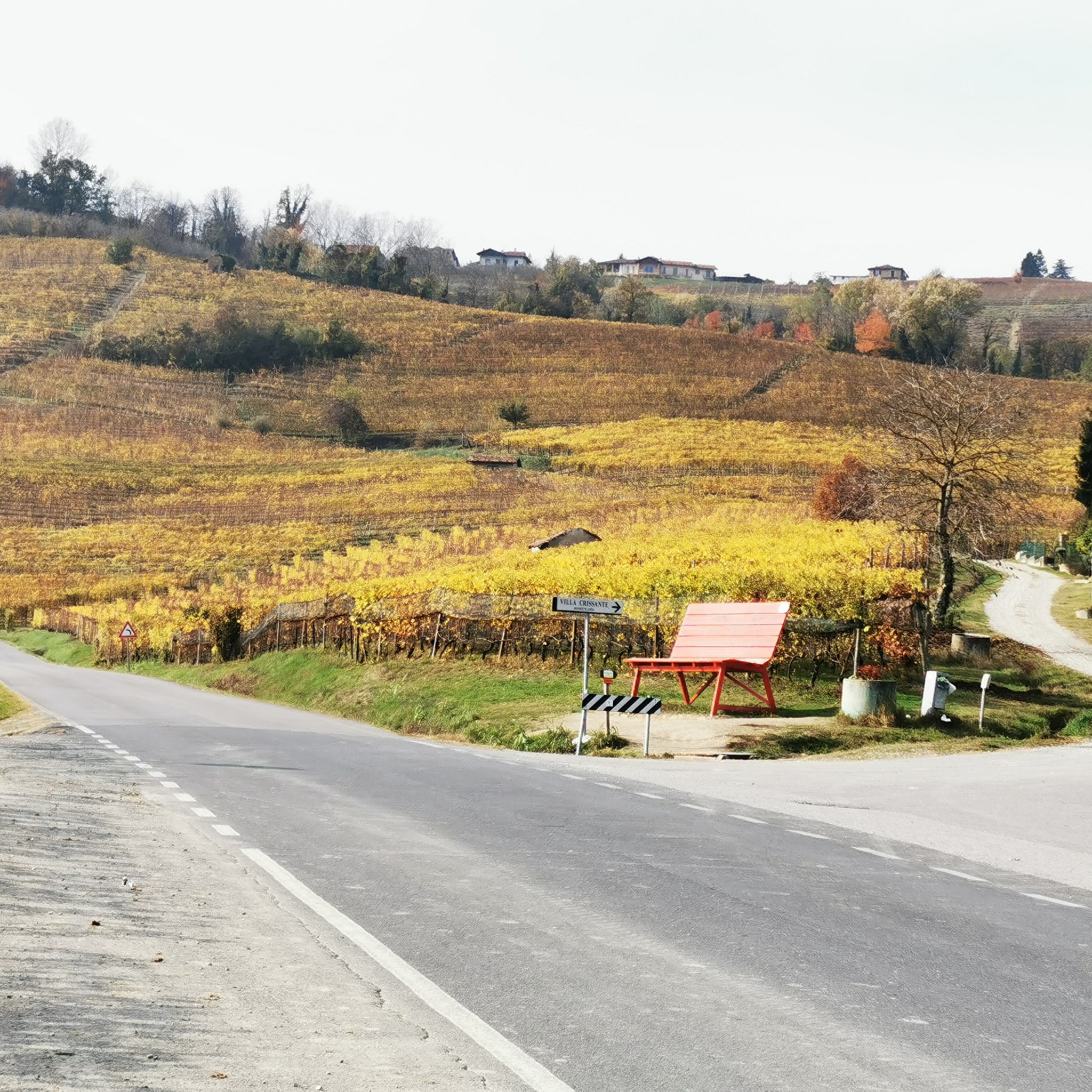

Other adventures around La Morra

Tips from the Community

Barolo, famous for its wine, is a magnificent medieval village
0
0

One of the many magnificent places in the Langhe. There is even a corkscrew museum with over 600 items!! Avoid on summer weekends, too many people in too little space.
2
1

Barolo, city of wine par excellence. There are numerous restaurants, bars and wineries.
3
0

Grinzane Cavour is a municipality in the Langhe area, in Piedmont. The name pays homage to Camillo Benso, Count of Cavour, who was mayor of Grinzane for 17 years. In Grinzane Cavour it is possible to visit the splendid medieval castle of Grinzane, still perfectly preserved.
3
0
Serralunga d'Alba is a municipality of only 500 inhabitants but, at the same time, it is one of the most appreciated places by those who visit the Langhe. In fact, Serralunga boasts a castle, whose origins date back to the 14th century, and a panoramic point that allows you to appreciate the beauty of the Langhe hills.
1
0

Overlooking the undulating landscape cultivated with Nebbiolo grapes, the castle of Barolo originated around 1000. The name of the town has roots in the Celtic term "bas reul", adopted for its position at a modest altitude compared to the neighboring towns. In 1250, the domain passed into the hands of the Fallettis, who held possession until 1864, a period in which Giulia introduced winemaking at the base of Barolo, according to the technique still used today. Currently, the castle houses the Enoteca Regionale del Barolo, a temple of taste where the cream of local wines is carefully selected, the renowned Barolo DOCG stands out among all.
5
0

Castello di Serralunga d'Alba is a strategic medieval defensive fortress that stands out due to its stateliness in the meadow surroundings. This castle with its high tower was used for observation purposes. Fortunately, the fort never suffered war damage and has always been protected from plunder. The only sieges the castle faces today are those from day trippers. Fortunately, these leave no traces and still carry the Castello di Serralunga d'Alba in their hearts as a status symbol. The castle is literally beautiful to look up at. Unfortunately we were not able to visit the castle from the inside, but the outside is impressive and makes many visitors dizzy with its awe-inspiring appearance. On the terrace, near the upper entrance gate, you have a beautiful panoramic view. You see one large patchwork of vineyards, forests and villages.
3
0

Very nice area both to ride and to drink!
3
1
Frequently Asked Questions
Which castles around La Morra offer unique historical insights?
For deep historical insights, visit Barolo Castle, originally a 10th-century defensive fortress and later home to the influential Falletti family. Today, it houses the WiMu (Wine Museum), offering a journey through the history of Barolo wine. Another significant site is Grinzane Cavour Castle, a UNESCO World Heritage site with an ethnographic museum, deeply connected to Count Camillo Benso di Cavour, a key figure in Italian unification.
Are there any castles near La Morra that are particularly good for wine enthusiasts?
Absolutely. Barolo Castle is a must-visit for wine enthusiasts. It houses the WiMu (Wine Museum) and the Enoteca Regionale del Barolo, where you can explore the history and culture of the region's famous Barolo wine. The castle is situated in the heart of the Barolo wine region, making it a perfect starting point for wine tasting.
What castles offer the best views of the Langhe landscape?
Many castles in the region offer stunning panoramic views. Barolo Castle, perched above the undulating Nebbiolo vineyards, provides beautiful vistas. Similarly, Grinzane Cavour Castle is located on a hill amidst vineyards and hazelnut groves, offering expansive views. Castello di Serralunga d'Alba, with its unique slender structure, also dominates the landscape and is visible from miles around.
Are there family-friendly castles to visit near La Morra?
Yes, several castles are suitable for families. Barolo Castle, with its interactive WiMu (Wine Museum), can be engaging for older children. Grinzane Cavour Castle, a UNESCO site with an ethnographic museum, also offers educational opportunities for families. The Historic Center of Barolo, surrounding the castle, is also considered family-friendly with its charming streets and eateries.
What is the best time of year to visit the castles around La Morra?
The Langhe region, including the area around La Morra, is beautiful throughout much of the year. Spring and autumn are particularly popular. Spring offers lush greenery and blooming vineyards, while autumn is famous for the grape harvest and the White Truffle Fair, which includes the prestigious annual White Truffle Auction held at Grinzane Cavour Castle. Visiting during these seasons allows for pleasant weather for exploring both castles and the surrounding countryside.
Are there any castles with unique architectural styles near La Morra?
Castello di Serralunga d'Alba stands out with its distinctive 14th-century castellated architecture. Built by the Falletti family, its unique, slender structure perched atop a hill offers a glimpse into medieval military architecture. It's a striking contrast to some of the more robust defensive castles in the region.
Can I combine a castle visit with outdoor activities like cycling or hiking?
Absolutely. The castles are nestled within the scenic Langhe hills, which are perfect for outdoor activities. You can find numerous cycling routes, including gravel biking and road cycling, that pass by or connect several castles. For example, there are routes like the 'Barolo Castle – Serralunga d'Alba Castle loop' for gravel biking or 'The castles of Barolo' for touring bicycles. You can explore these routes in the Gravel biking around La Morra or Cycling around La Morra guides.
What is the Castello della Volta known for?
Castello della Volta, situated between Novello and La Morra, is known for its dramatic location and captivating legends, despite its current crumbling condition. Its medieval construction, including an original cylindrical tower and polygonal perimeter wall, is still recognizable. Tales of lavish banquets and mysterious disappearances add to its eerie charm, making it a fascinating, albeit less preserved, historical site.
Is there a castle near La Morra that is particularly well-preserved?
Castello di Monticello d'Alba, located near Alba in the Roero hills, is considered one of the best-preserved medieval buildings in the area. Its architectural integrity and historical significance make it a notable example of the region's medieval heritage, offering a clear view into the past.
What do visitors enjoy most about the castles around La Morra?
Visitors frequently highlight the blend of history, culture, and stunning natural beauty. The opportunity to explore medieval architecture, delve into the history of Barolo wine at Barolo Castle, or learn about Italian unification at Grinzane Cavour Castle is highly appreciated. The panoramic views from these elevated structures, overlooking the vineyards and rolling hills, are also a major draw, as evidenced by the 163 photos and 332 upvotes from the komoot community.
Are there any unique attractions near Castello di Roddi?
Castello di Roddi is located in a splendid village known for being the seat of the only 'university for truffle dogs.' This unique institution trains dogs to hunt for the prized white truffles of the region, adding a distinctive local flavor to your visit.
How can I learn more about the medieval history of the Langhe region?
To delve deeper into the medieval history of the Langhe, visiting castles like Barolo Castle, Grinzane Cavour Castle, and Castello di Serralunga d'Alba provides direct insight into the region's past. For additional context on medieval monuments, you can also consult resources like the 'Medieval Monuments Langhe' section on visitmudi.it.
Most popular routes around La Morra
Most popular attractions around La Morra

Get inspired with the komoot mobile app


Explore more
Looking for the best castles somewhere else? Discover other guides around La Morra:
