Top 16 Castles around Feldthurns - Velturno
Best castles around Feldthurns - Velturno are situated in the Eisack Valley, a region characterized by its historical significance and varied terrain. This area features a blend of medieval fortresses and Renaissance residences, reflecting centuries of architectural development. The castles often stand on strategic locations, offering insights into the region's past.
Best castles around Feldthurns - Velturno
- The most popular castles is Novacella Abbey (Neustift Monastery), a religious building that dates back to the 12th century. It features a…
Last updated: September 27, 2026
Novacella Abbey (Neustift Monastery)
Highlight • Religious Site
Source: de.wikipedia.org/wiki/Kloster_Neustift
Translated by Google •
Tip by

Fortezza Fortress (Franzensfeste)
Highlight • Historical Site
Translated by Google •
Tip by

Sign up now to discover places like this
Get recommendations on the best single tracks, peaks, & plenty of other exciting outdoor places.
View of Forte di Fortezza
Highlight • Viewpoint
Translated by Google •
Tip by

Engelsburg - Castel Sant'Angelo
Highlight • Castle
Translated by Google •
Tip by

Hofburg Brixen and Diocesan Museum
Highlight • Historical Site
Translated by Google •
Tip by

Sign up for free to discover even more castles around Feldthurns - Velturno.
Already have an account?
Start today with a free account
Your next adventure awaits.
Popular around Feldthurns - Velturno
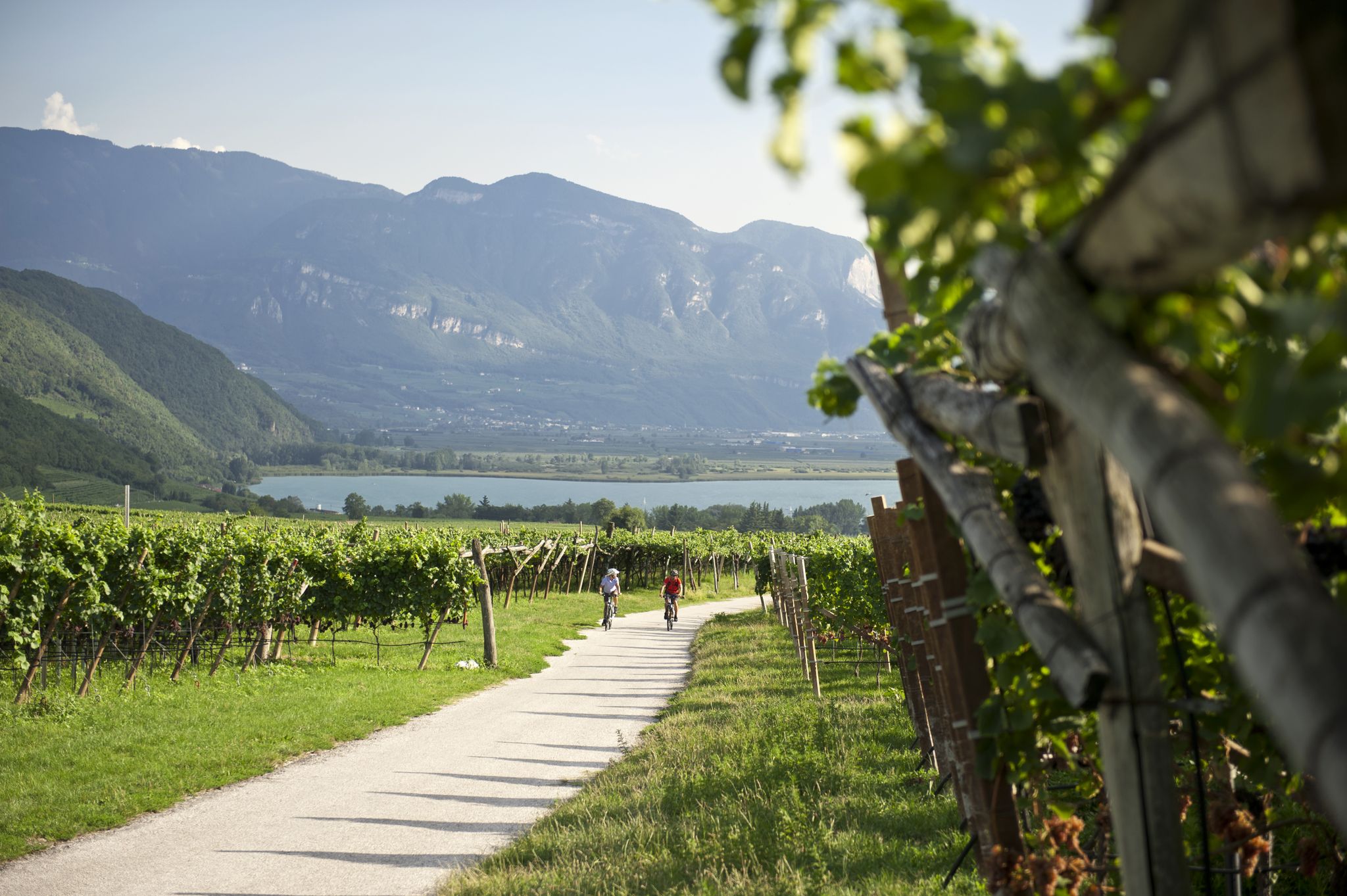
Road cycling through the vineyards of Alto Adige
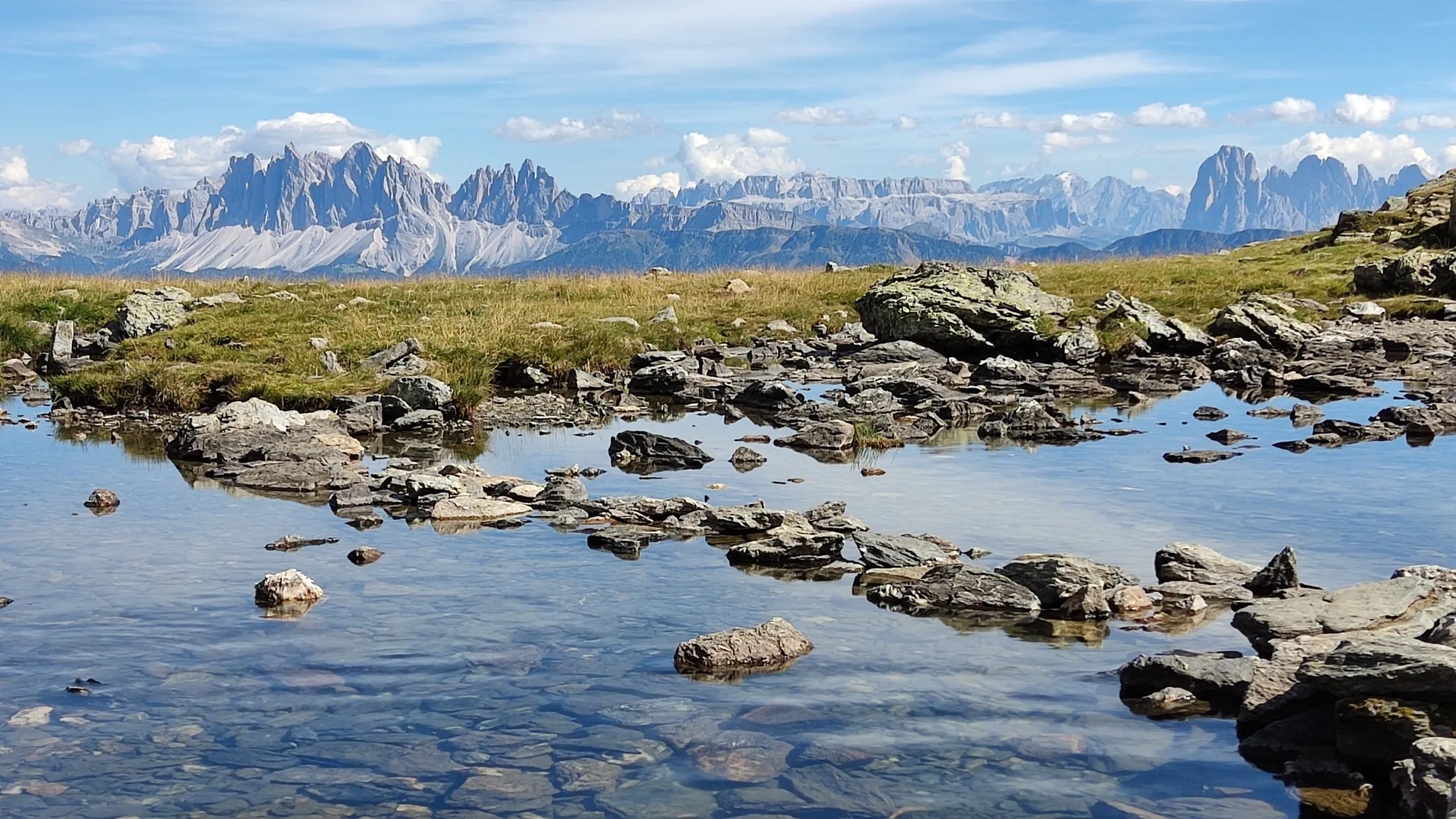
An mountainous adventure around Bressanone in Italy
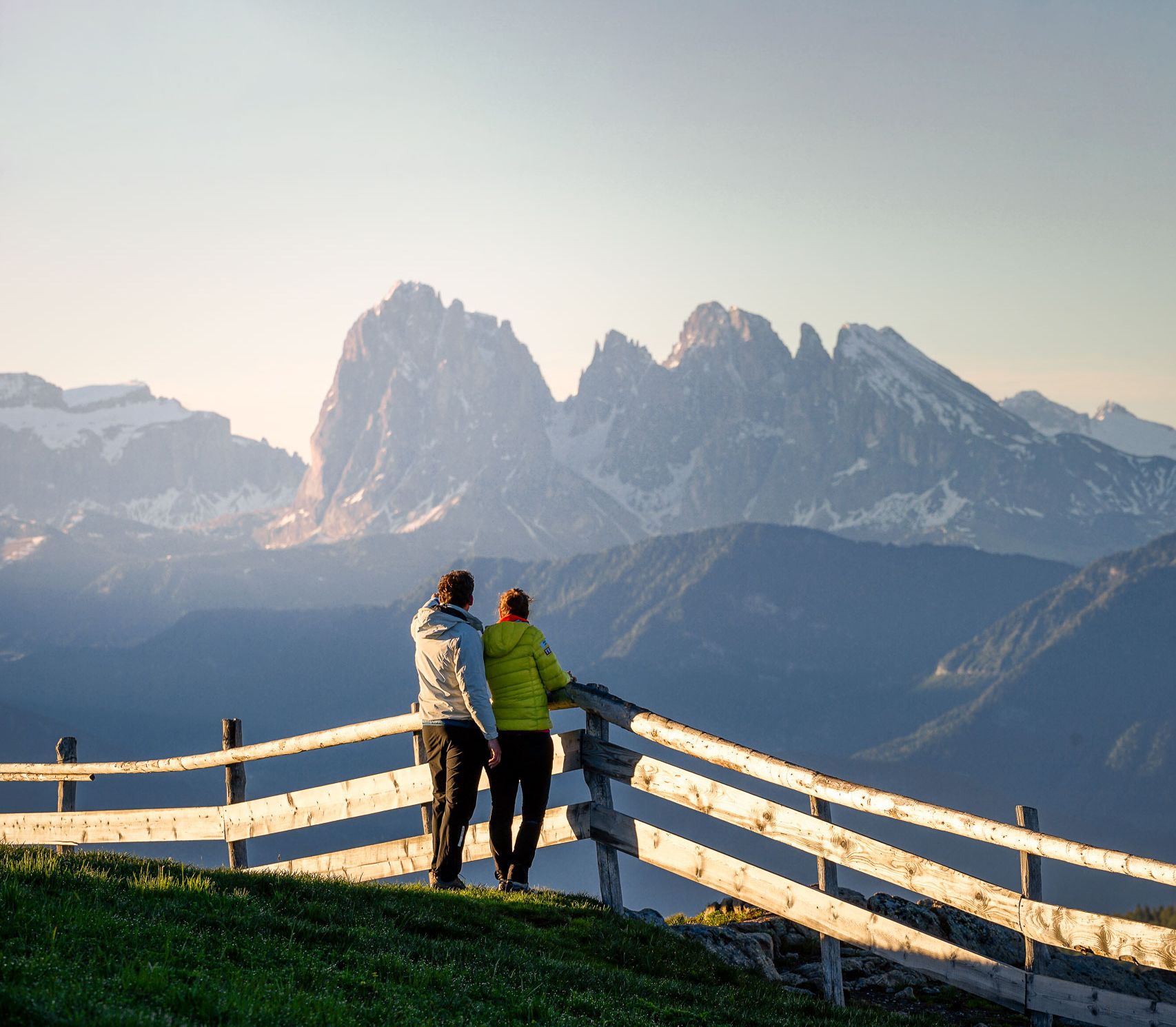
Pure hiking paradise – the most beautiful hikes around Italy’s Klausen
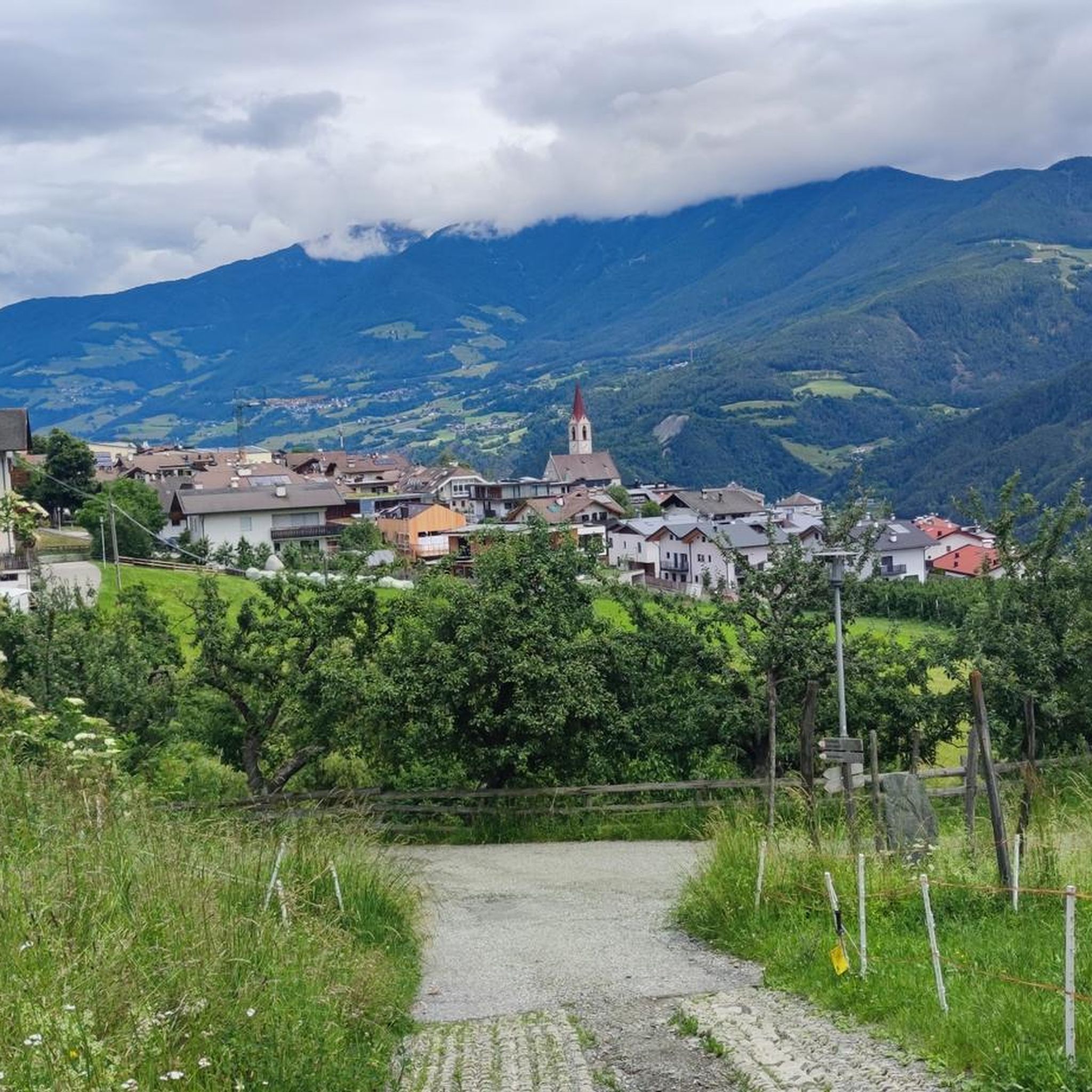
Hiking around Feldthurns - Velturno
MTB Trails around Feldthurns - Velturno
Cycling around Feldthurns - Velturno
Running Trails around Feldthurns - Velturno
Road Cycling Routes around Feldthurns - Velturno
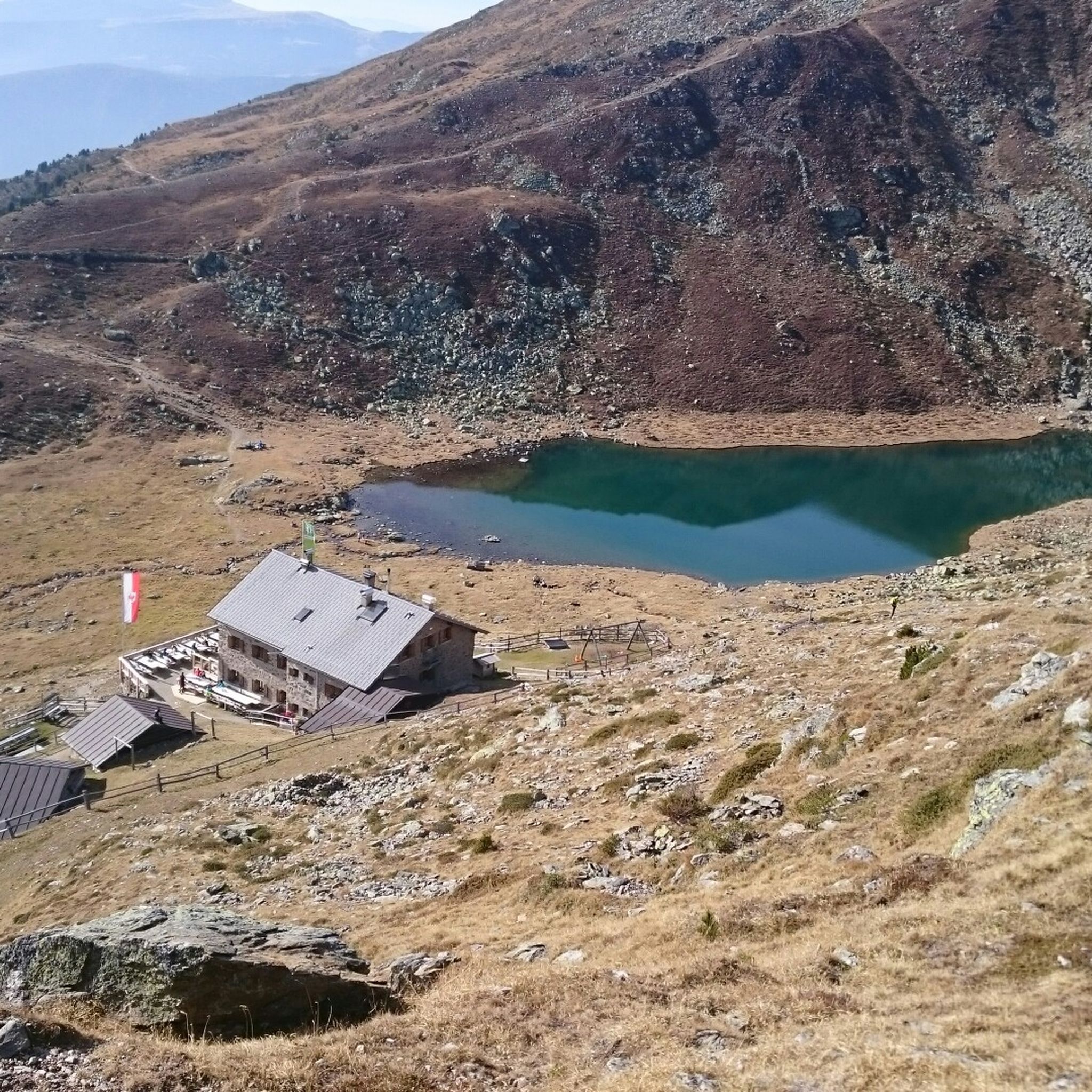
Mountain Hikes around Feldthurns - Velturno
Gravel biking around Feldthurns - Velturno
Other adventures around Feldthurns - Velturno


Tips from the Community

For more than 800 years, the two-story circular chapel has guarded the entrance to the abbey. It is considered one of the most important Romanesque buildings in Tyrol and owes its name to its similarity to its – albeit much larger – counterpart in Rome. The chapel was built around 1200 as a loose replica of the Church of the Holy Sepulchre in Jerusalem. In the second half of the 15th century, it was provided with battlements and loopholes for fear of an Ottoman invasion. A Baroque sculpture of the chapel's patron saint, Archangel Michael with the scales of souls, oversees the entrance. https://www.kloster-neustift.it/de/museum/dauerausstellung/raumkunstwerke/
1
0

Great view of the reservoir and fortress from the cycle path.
4
0

Neustift is worth a visit
0
2
Brixen is worth a visit
0
0

The museum and the Hofburg Palace can be visited with a guided tour.
2
0

Built between 1833 and 1838 under Emperor Franz I of Austria, it was one of the safest fortresses in the Alpine region of its time - built for the purpose of securing the axis between southern Germany and northern Italy in the Habsburg Empire. 65,000 square meters of area make the Franzenfeste the largest historical complex in South Tyrol. In addition to an estimated 20 million bricks and 250,000 cubic meters of granite, many tons of wood, sand and lime were used. The adaptation to the terrain, the fire fronts, bomb-proof gun positions, a labyrinth of tunnels and passageways, speak for the planning masterpiece. The fortress had already lost its strategic importance by the time it was completed. There was never any confrontation with the enemy; now and again companies were quartered there, but they were only waiting for a deployment in the south. Ultimately, the fortress served mainly as a weapons and ammunition depot for the Italian military until 2003.
5
0
Beautiful building at the Neustift Monastery. It is said to be modeled on the Castel Sant'Angelo in Rome. This building is said to have been started in the 13th century.
3
0

Guided tours are available.
2
0
Frequently Asked Questions
What makes the castles around Feldthurns - Velturno historically significant?
The castles in this region offer a deep dive into centuries of history, from medieval fortresses to Renaissance residences. For example, Castel Velthurns served as a summer retreat for prince-bishops and is renowned for its exceptionally preserved Renaissance interiors. Trostburg Castle, a medieval fortress, was the family seat of the Counts of Wolkenstein-Trostburg for 600 years and is now home to the South Tyrolean Castles Museum, showcasing models of 86 regional castles.
Are there family-friendly castles to visit near Feldthurns - Velturno?
Yes, several castles and historical sites in the area are suitable for families. Novacella Abbey (Neustift Monastery), Fortezza Fortress (Franzensfeste), and Brixen Bishop's Palace are all categorized as family-friendly, offering engaging experiences for all ages.
What natural features or viewpoints can I find near the castles?
Beyond the castles themselves, the region offers scenic natural features. You can visit View of Forte di Fortezza, which provides stunning vistas over the Franzensfeste reservoir to the fortress. The castles are often set amidst picturesque landscapes, including vineyards and the Eisack Valley, offering beautiful views.
What outdoor activities can I do near these castles?
The area around Feldthurns - Velturno is excellent for outdoor activities. You can find numerous hiking, running, and cycling routes. For instance, there are easy to difficult hiking trails like the 'Feldthurns Panorama Trail through Apple Orchards' or the 'Feldthurns to Klausner Hütte Trail'. Cyclists can enjoy routes such as the 'Cycle path – Art on the Chestnut Trail loop'. You can explore more options on the hiking guide, running guide, or cycling guide for the region.
What is the best time of year to visit the castles in Feldthurns - Velturno?
The region's castles are generally enjoyable throughout the warmer months, from spring to autumn, when the weather is pleasant for exploring both interiors and surrounding grounds. Spring offers blooming apple orchards, while autumn provides vibrant fall foliage. Some castles, like Trostburg, may have specific opening seasons, so checking their individual schedules is advisable.
How long does it typically take to visit a castle in this area?
The duration of a visit can vary. For a detailed exploration of a major site like Castel Velthurns with its intricate interiors or Trostburg Castle with its museum, you might want to allocate 2-3 hours. Smaller sites or viewpoints might only require 30 minutes to an hour. Consider additional time if you plan to combine a castle visit with nearby walks or a meal.
Is public transport available to reach the castles near Feldthurns - Velturno?
While specific public transport routes directly to every castle entrance might vary, the region generally has bus services connecting towns. Trostburg Castle, for example, is accessible on foot via a medieval paved path from Ponte Gardena, which is reachable by public transport. For other castles, it's recommended to check local bus schedules from Feldthurns or nearby larger towns like Brixen.
Are there any unique architectural features to look out for in the castles?
Absolutely. Castel Velthurns is notable for its remarkably preserved Renaissance interiors, including intricate wood paneling, vibrant wall paintings, and a gilded coffered ceiling in the Prince's Chamber. Trostburg Castle showcases a blend of Romanesque, Gothic, and Renaissance styles, featuring a Gothic Stube, an important library, and the largest medieval wine press in South Tyrol.
What do visitors enjoy most about the castles around Feldthurns - Velturno?
Visitors frequently appreciate the rich historical context and the well-preserved architecture. The intricate details of Renaissance interiors at Castel Velthurns and the extensive South Tyrolean Castles Museum at Trostburg are often highlighted. The scenic locations and the opportunity to combine cultural visits with outdoor activities also receive positive feedback from the komoot community.
Can I find cafes or restaurants near the castles?
Yes, you can often find cafes or restaurants in the vicinity of the castles or in the nearby towns. Many historical sites, especially larger ones, may have their own facilities or be located within walking distance of local eateries. For example, Novacella Abbey offers opportunities to taste typical South Tyrolean products nearby.
Are there any specific tips for visiting Castel Velthurns?
When visiting Castel Velthurns, focus on its interior. The castle is celebrated for its ten rooms adorned with intricate wood paneling and vibrant wall paintings, making it one of the best-preserved Renaissance interiors in the Alps. Don't miss the St. Catherine's Chapel and the archaeological museum on the ground floor.
What should I know before visiting Trostburg Castle?
Trostburg Castle is home to the South Tyrolean Castles Museum, featuring a permanent exhibition of 86 scale models of South Tyrolean castles. It's accessible on foot via a medieval paved path from Ponte Gardena. Look for the blend of architectural styles, the Gothic Stube, and the impressive medieval wine press in the cellar.
Most popular routes around Feldthurns - Velturno
Most popular attractions around Feldthurns - Velturno

Get inspired with the komoot mobile app


Explore more
Looking for the best castles somewhere else? Discover other guides around Feldthurns - Velturno:
