Attractions and Places To See around Vicchio - Top 20
Best attractions and places to see around Vicchio include a blend of historical sites and natural landscapes within the Mugello valley of Tuscany. This region is known as the birthplace of Renaissance artists Giotto and Fra Angelico. Visitors can explore cultural landmarks and enjoy the surrounding hills and rivers. The area offers diverse opportunities for outdoor activities and historical discovery.
Best attractions and places to see around Vicchio
- The most popular attractions is Monte Senario Sanctuary, a religious building…
Last updated: August 30, 2026
View of Acquacheta Waterfall
Highlight • Waterfall
The evocative beauty of the …
Translated by Google •
Tip by

Monte Senario Sanctuary
Highlight • Religious Site
Translated by Google •
Tip by

Sign up now to discover places like this
Get recommendations on the best single tracks, peaks, & plenty of other exciting outdoor places.
Sign up for free
Scenic Road from Fiesole to Torre di Buiano
Highlight (Segment) • Cycleway
Translated by Google •
Tip by

Sanctuary of Our Lady of the Rock
Highlight • Religious Site
It was later expanded in subsequent centuries, reaching its current 19th-century structure.
Beautiful view of the valley below.
Translated by Google •
Tip by

Embrace Waterfall
Highlight • Waterfall
Translated by Google •
Tip by

Sign up for free to discover even more attractions around Vicchio.
Sign up for free
Already have an account?
Start today with a free account
Your next adventure awaits.
Login or Signup

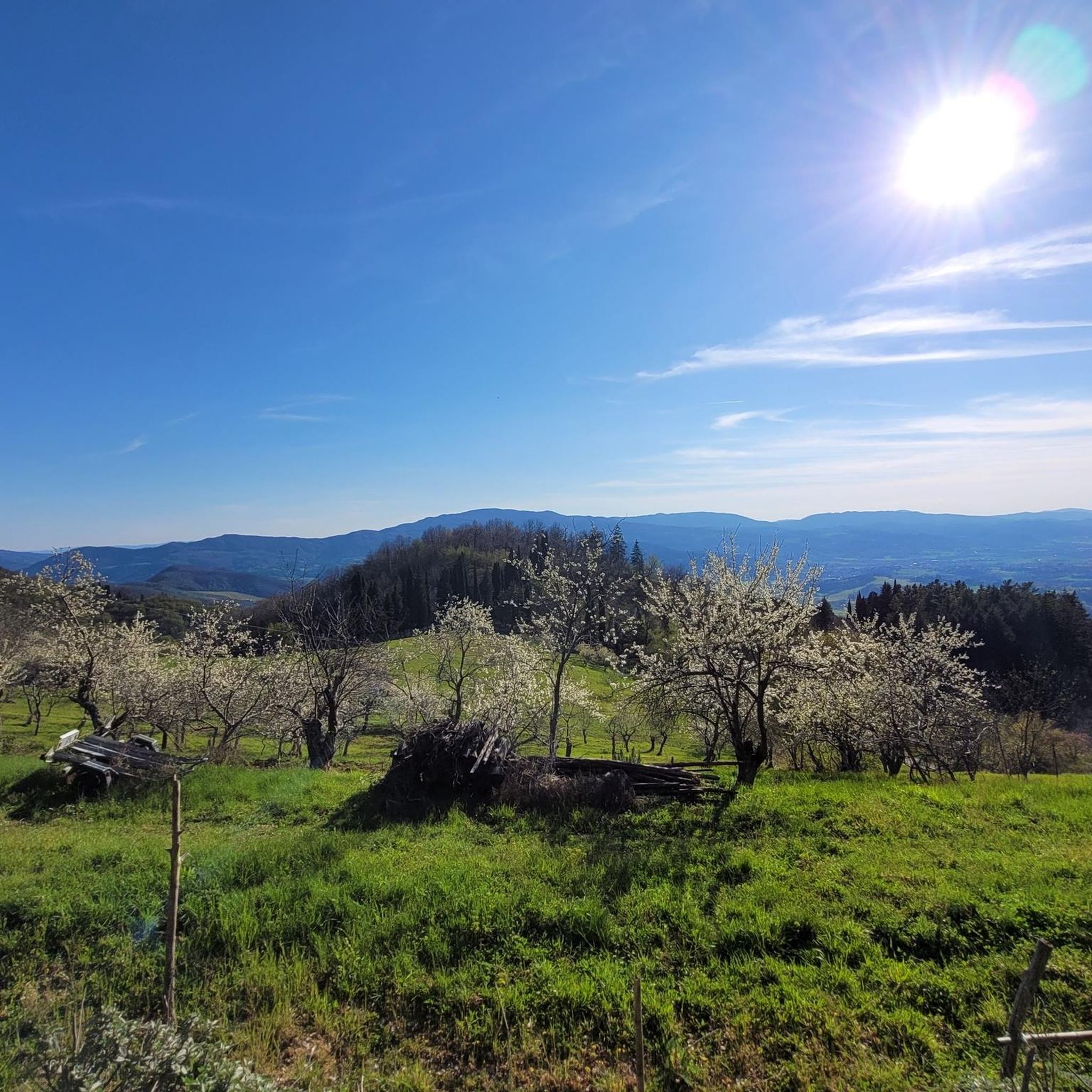
Tips from the Community

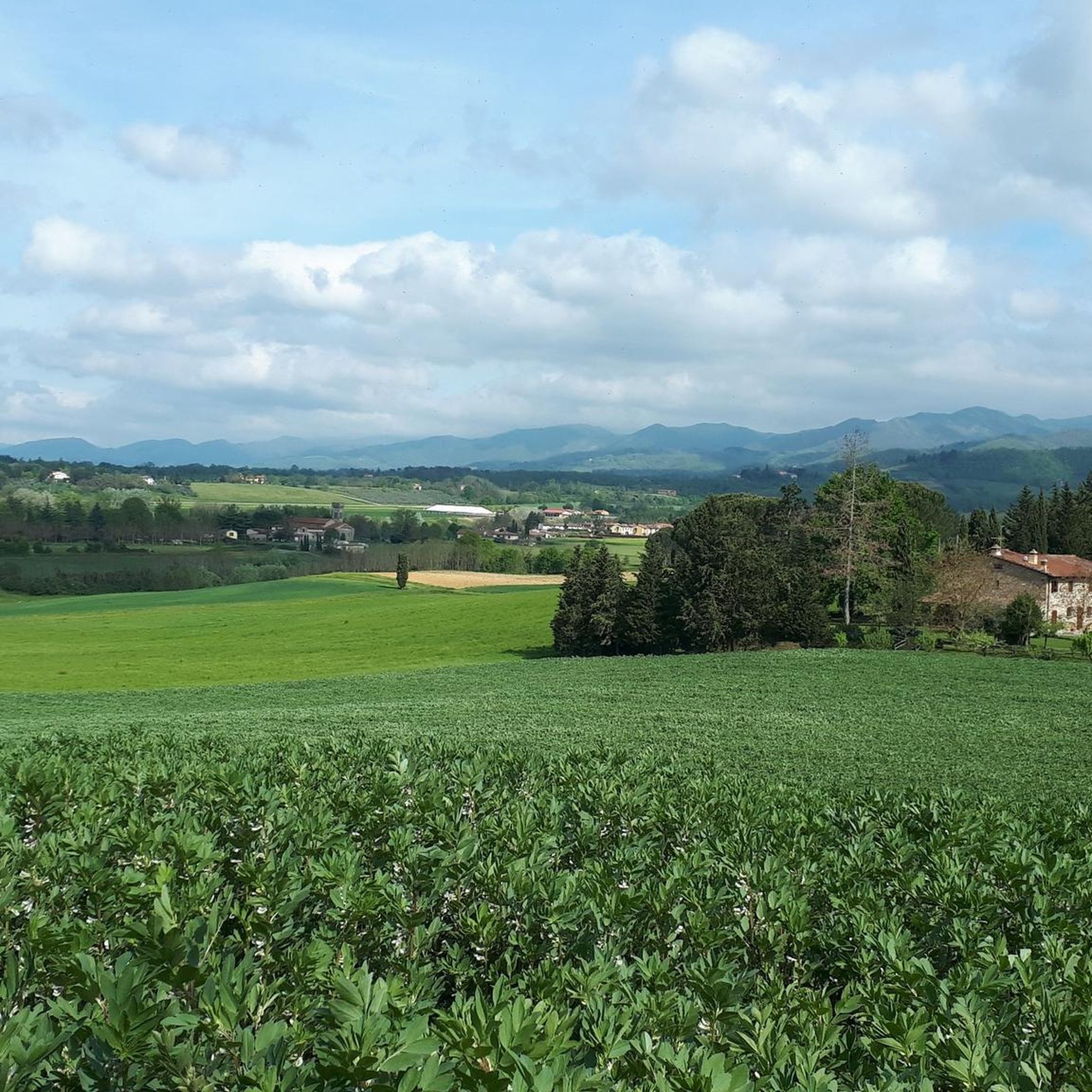
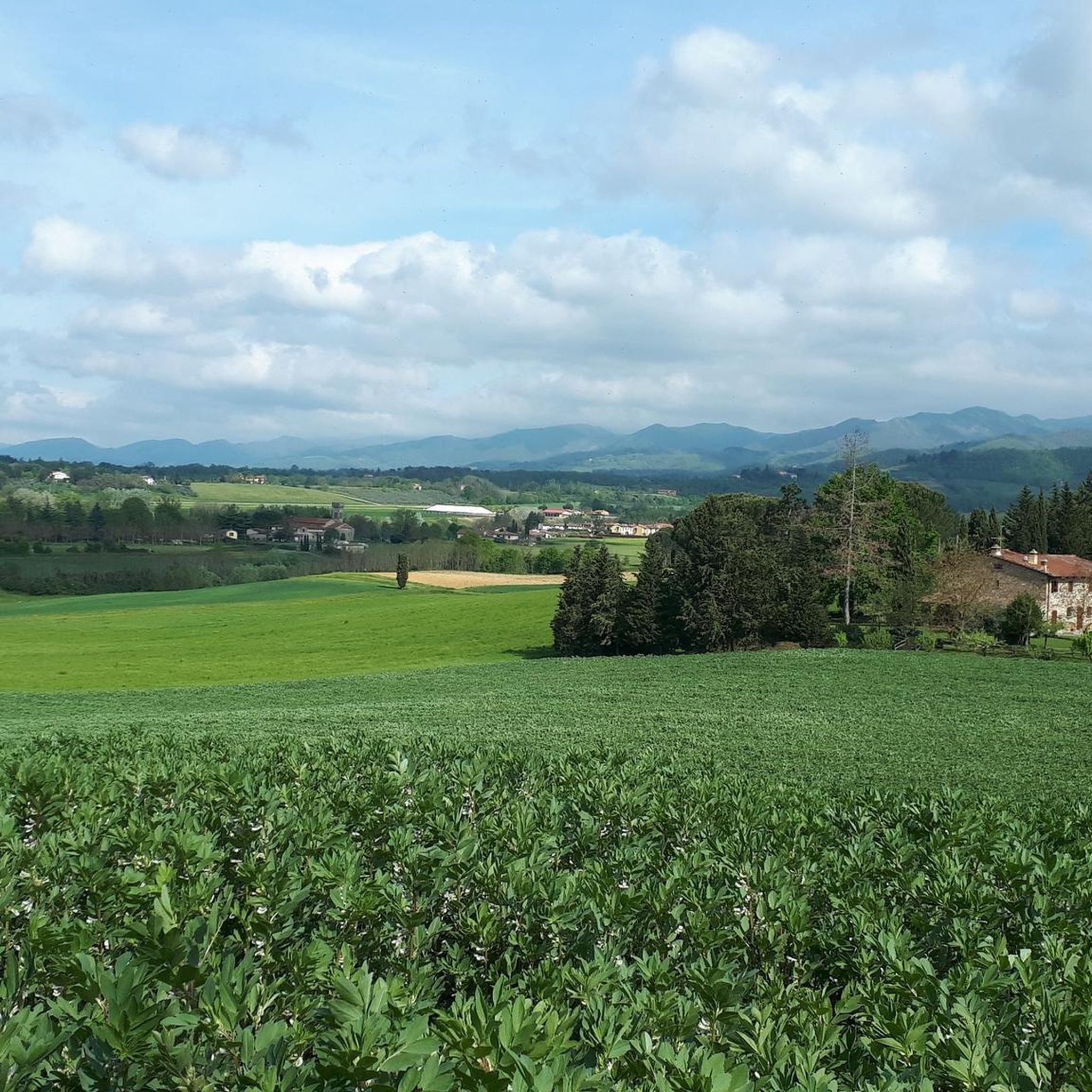
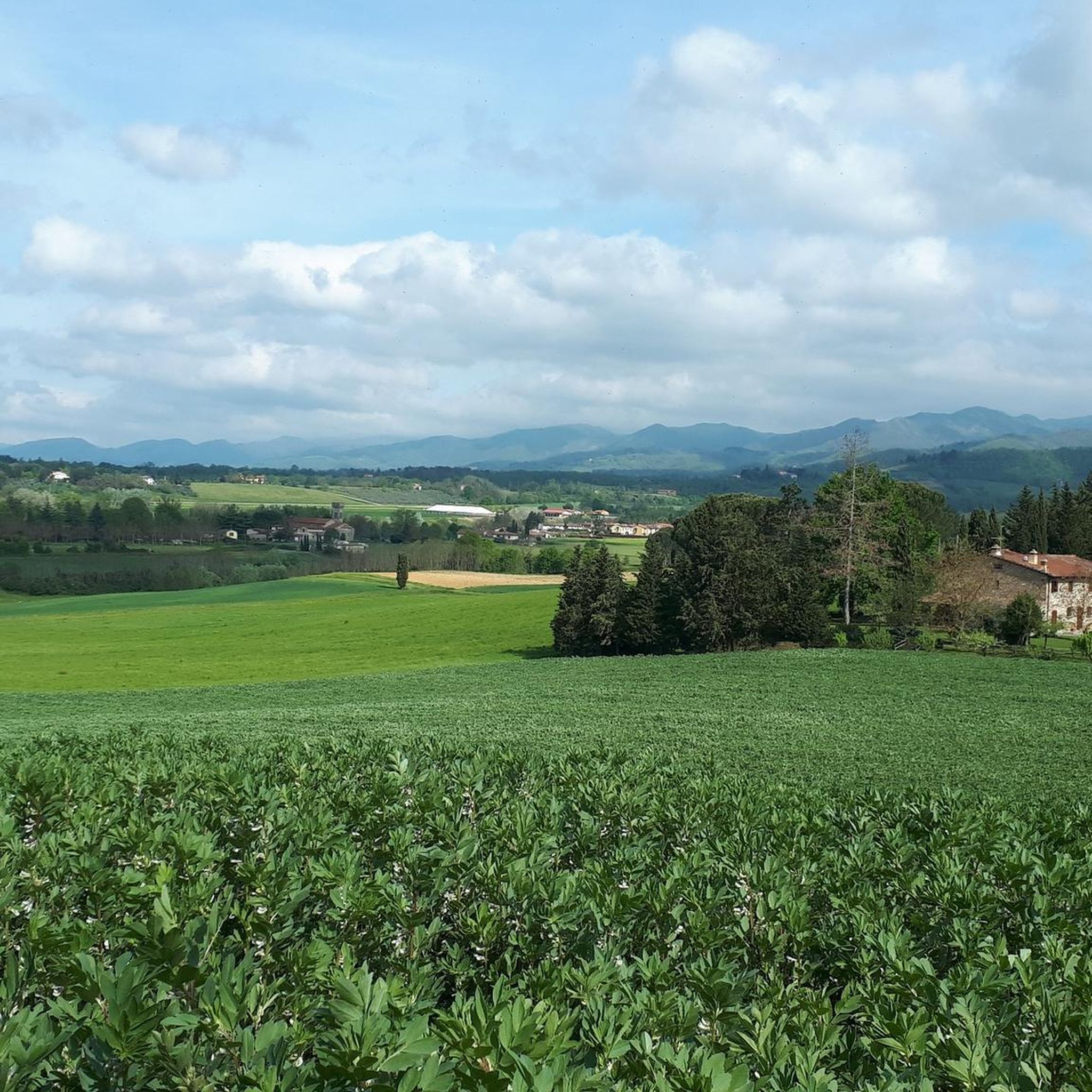
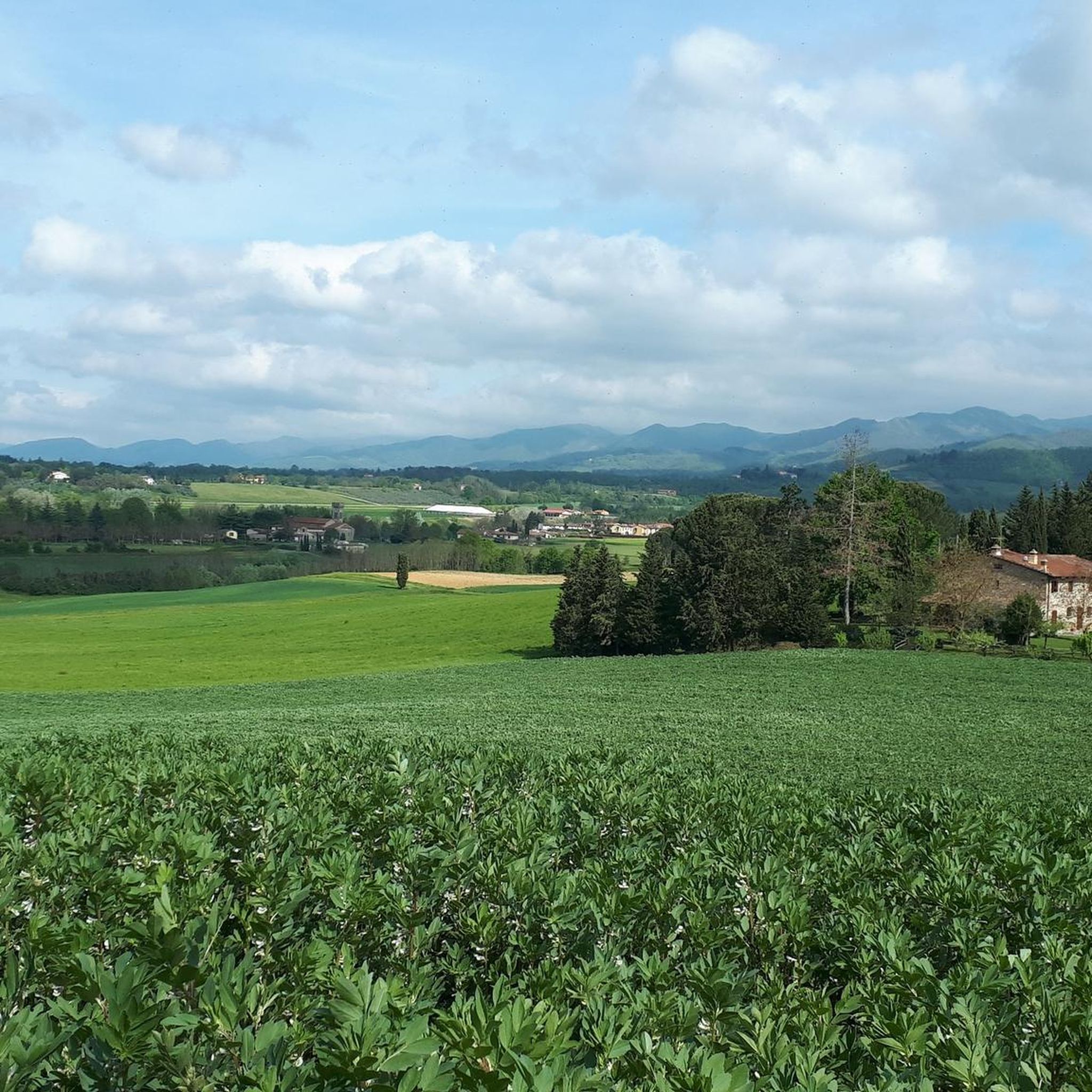
Marian shrine dating back to the 15th century, built on the site of a pre-existing medieval monastic oratory from the 10th/11th centuries. It was later expanded in subsequent centuries, reaching its current 19th-century structure. Beautiful view of the valley below.
11
0

Starting from Florence, the climb presents few difficulties and is pleasant. The climb to Fiesole is the toughest part, but it's less than four kilometers with an average gradient of 5% and a peak of 8%. After passing the Fiesole square, there are about 10 kilometers of road, mostly uphill but with a fairly easy gradient, and the view that opens up over the valley makes the effort worthwhile. At the intersection of roads that we Florentines call the "four roads," you can turn right, take the final ramp and descend into the beautiful Mugello valley, but in this case I continued straight to the village of Bivigliano. The road isn't long but includes a short 11% climb, fortunately very brief. In Bivigliano, there are refreshments and a public fountain in the square.
0
0

With a steep climb you quickly reach this beautiful sanctuary located in a panoramic position over the Sieve valley. The Sanctuary of Santa Maria delle Grazie al Sasso is part of the Parish of Lubaco - Diocese of Fiesole - and is located above the town of S. Brigida, Municipality of Pontassieve. On 2 July 1484 the Madonna appeared with Baby Jesus in the arms of two little sisters named Ricovera, on the rock adjacent to a tabernacle near a hermit settlement (later incorporated into the Sanctuary), which was the refuge and oratory of Saint Andrew of Scotland (actually of Ireland, also called Andrea Scoto), brother of Saint Brigid of Ireland, the Saint who chose as a place of hermitage a cave not far away, about 2 km, where the town that will take the name of Santa Brigida will later arise. Between 1484 and 1485, the Madonna appeared several times to the Ricovera shepherdesses, asking that a church be built in that same place because, she told the two Ricovera shepherdesses: "Here I like to be venerated and from here to pour out graces on those who ask me for them". But it was the great apparition of the Madonna with the Baby Jesus in her arms in front of all the people, several hundred people who were gathered there to pray on 22 August 1485, that definitively resolved the doubts about the previous apparitions and gave the final push to the construction of the Sanctuary, which was completed in 1504. Between 1615 and 1675, the large portico facing the facades was also built, so that the numerous pilgrims could find refuge there in case of bad weather.
2
0

nice climb with perfect new tarmac
0
0

Worth seeing when the water flow is high, the trail passes directly behind the water
0
0
The formation of the rock is very particular, the possibility of walking behind the waterfall is truly unique. To be seen when the water flow is more intense
0
0

The monumental architectural complex of Monte Senario belongs to the Order of the Servants of Mary, and is located on the top of the mountain of the same name at around 800 m. above sea level. In 1233 seven Florentine nobles retreated to this place to live a hermit life, taking the name of Servi di Maria. For some years they lived in meditation in small cells dug into the rock, until, in 1241, having received the ruins of the castle as a gift from the bishop, they built the first convent. Convent of Montesenario Thus was born the Order of the Servants of Mary, which since then had its headquarters in the Sanctuary of Monte Senario and from here spread throughout the world. The architectural structure of the primitive nucleus was modified several times, in particular in 1400, and since then other profound modifications and expansions followed which led to the current architectural complex. It is made up of several buildings: the Church of S. Maria, recently restored to its eighteenth-century splendor, the Chapel of the Blessed Sacrament, a notable work by G. Battista Foggini, the Chapel of the Seven Saints, which houses the remains of the Seven Founding Fathers, the Choir , with eighteenth-century carved walnut stalls; the convent, with the fifteenth-century cloister and the Medici cistern dominated by a large panoramic terrace. The numerous works of art date back mainly to the seventeenth century, such as the large fresco of The Last Supper by Matteo Rosselli in the refectory and the polychrome stucco Crucifix by Ferdinando Tacca, above the main altar. The main buildings are flanked by the caves and cells once inhabited by the Servants of Mary and the ice house, a nineteenth-century building of singular architecture, considered the largest of its kind in Italy.
2
0
Beautiful sanctuary with a long and fascinating history. A very beautiful and intimate place of meditation, I really enjoyed visiting it, hearing and seeing the friars praying and singing. It is also a stop on the Via degli Dei so it is equipped with a fountain, services and sandwich service on the weekend. The forest that surrounds it and the avenue that cuts through it to lead to the Sanctuary are also very beautiful. Nearby there are also springs, the largest ice house in Europe and the old "caves" which were the residences of the 7 founders.
1
0
Frequently Asked Questions
What natural attractions can I explore around Vicchio?
Vicchio offers a variety of natural beauty. You can visit the impressive View of Acquacheta Waterfall, known for its over 70-meter drop and unique tiered formation. Another captivating spot is the Embrace Waterfall, which allows you to walk behind the falling water. For relaxation and outdoor sports, Lake Montelleri just outside the historic center is ideal for walking, cycling, and canoeing. The surrounding Mugello Countryside and the nearby Parco Nazionale delle Foreste Casentinesi also provide stunning landscapes for exploration.
Are there historical and cultural sites related to famous artists in Vicchio?
Yes, Vicchio is renowned as the birthplace of Renaissance masters. You can visit Giotto's House (Casa di Giotto) on the Vespignano hill, which now serves as a cultural space. The Fra Angelico Museum of Sacred Art and Popular Religion houses a collection of religious artworks and local artifacts. Additionally, the restored house of the famous sculptor Benvenuto Cellini is located in Corso del Popolo.
What kind of outdoor activities are available in the Vicchio area?
The Mugello valley around Vicchio is perfect for outdoor enthusiasts. You can enjoy hiking, cycling, and mountain biking. There are numerous routes, such as the 'Path of the Painters' connecting artistic and natural sites. For specific routes, explore the Hiking around Vicchio, Cycling around Vicchio, and MTB Trails around Vicchio guides.
Can I find family-friendly activities or places to visit in Vicchio?
Absolutely. Lake Montelleri is a great spot for families, offering space for picnics, walking, and cycling. The 'Eco-track to Borgo San Lorenzo' is an easy walking or cycling route starting at Ponte a Vecchio, suitable even for children. Many of the natural trails and parks in the Mugello countryside are also enjoyable for families.
Where can I experience the local history and religious heritage in Vicchio?
Vicchio has a rich religious and historical heritage. The Monte Senario Sanctuary, built in 1234, offers a panoramic position and a convent distillery. The Sanctuary of Our Lady of the Rock is another significant Marian shrine with a beautiful view. You can also visit the Pieve di San Giovanni Battista, a 14th-century parish church, and the Church of Sant'Andrea in Barbiana, known for its fresco from Giotto's school and its connection to Don Lorenzo Milani.
Are there any archaeological sites to visit near Vicchio?
Yes, the Poggio Colla Archaeological Site provides evidence of an Etruscan presence in the area. Ongoing excavations continue to reveal important testimonies from this ancient period, offering a glimpse into the region's distant past.
What are some scenic routes for cycling around Vicchio?
Cyclists will appreciate the beautiful Tuscan countryside. The Scenic Road from Fiesole to Torre di Buiano is a popular cycle way with low traffic and stunning hilly views. You can find more cycling routes, including those with varying difficulty levels, in the Cycling around Vicchio guide.
What are some unique architectural landmarks in Vicchio?
Beyond its churches, Vicchio features several interesting architectural landmarks. The Palazzo Pretorio in the town center boasts an arcade facade, a tall clock tower, and is adorned with frescoes and Della Robbia-type ceramics. The Ponte di Cimabue, an ancient bridge over the Ensa stream, is historically significant. The Tower of Cerchiai in Piazza della Vittoria is a rare example of a pentagonal base tower with battlements, dating back to medieval times.
What do visitors particularly enjoy about the attractions around Vicchio?
Visitors frequently praise the blend of historical richness and natural beauty. The panoramic views from sites like Monte Senario Sanctuary and Sanctuary of Our Lady of the Rock are highly appreciated. The unique experience of walking behind the Embrace Waterfall and the tranquility of the Mugello countryside are also highlights. The komoot community has shared over 196 photos and given more than 245 upvotes to the attractions, indicating a strong positive reception.
When is the best time to visit Vicchio for outdoor activities?
The spring and autumn months generally offer the most pleasant weather for outdoor activities in Vicchio, with mild temperatures ideal for hiking and cycling. Summer can be warm, but activities around Lake Montelleri or in the shaded forests are still enjoyable. Waterfalls like Acquacheta are particularly impressive after heavy rains, making spring or late autumn good times to see them at their fullest.
Are there any less crowded natural spots to enjoy around Vicchio?
While popular spots are wonderful, the broader Mugello Countryside offers many tranquil areas for those seeking solitude. Exploring the numerous trails within the Parco Nazionale delle Foreste Casentinesi, a short drive from Vicchio, can lead you to untouched beauty and less crowded paths. Even the smaller, less-trafficked sections of the 'Path of the Painters' or the 'Eco-track to Borgo San Lorenzo' can provide a peaceful experience.
Where can I find local markets or events in Vicchio?
Vicchio hosts various events throughout the year that offer a taste of local culture. The 'Fiera Calda,' a crafts market exhibition, takes place in late August. The Giotto Jazz Festival is another notable event. Additionally, local markets are a great way to experience the vibrant community, find fresh produce, handmade crafts, and regional delicacies.
Are there any specific viewpoints offering panoramic scenery?
Yes, Vicchio and its surroundings boast several excellent viewpoints. The Monte Senario Sanctuary is situated in an extremely panoramic position, offering breathtaking vistas. The Sanctuary of Our Lady of the Rock also provides a beautiful view of the valley below. For a picturesque photo opportunity capturing the essence of Tuscany's rural beauty, Ponte a Vicchio is considered one of the loveliest spots.
Most popular routes around Vicchio
Most popular attractions around Vicchio

Get inspired with the komoot mobile app


Explore more
Still not found the Highlight you’re looking for? See guides of the top attractions in other regions:
