The best cycling routes around Pregnana Milanese
4.4
(865)
5,535
riders
19
rides
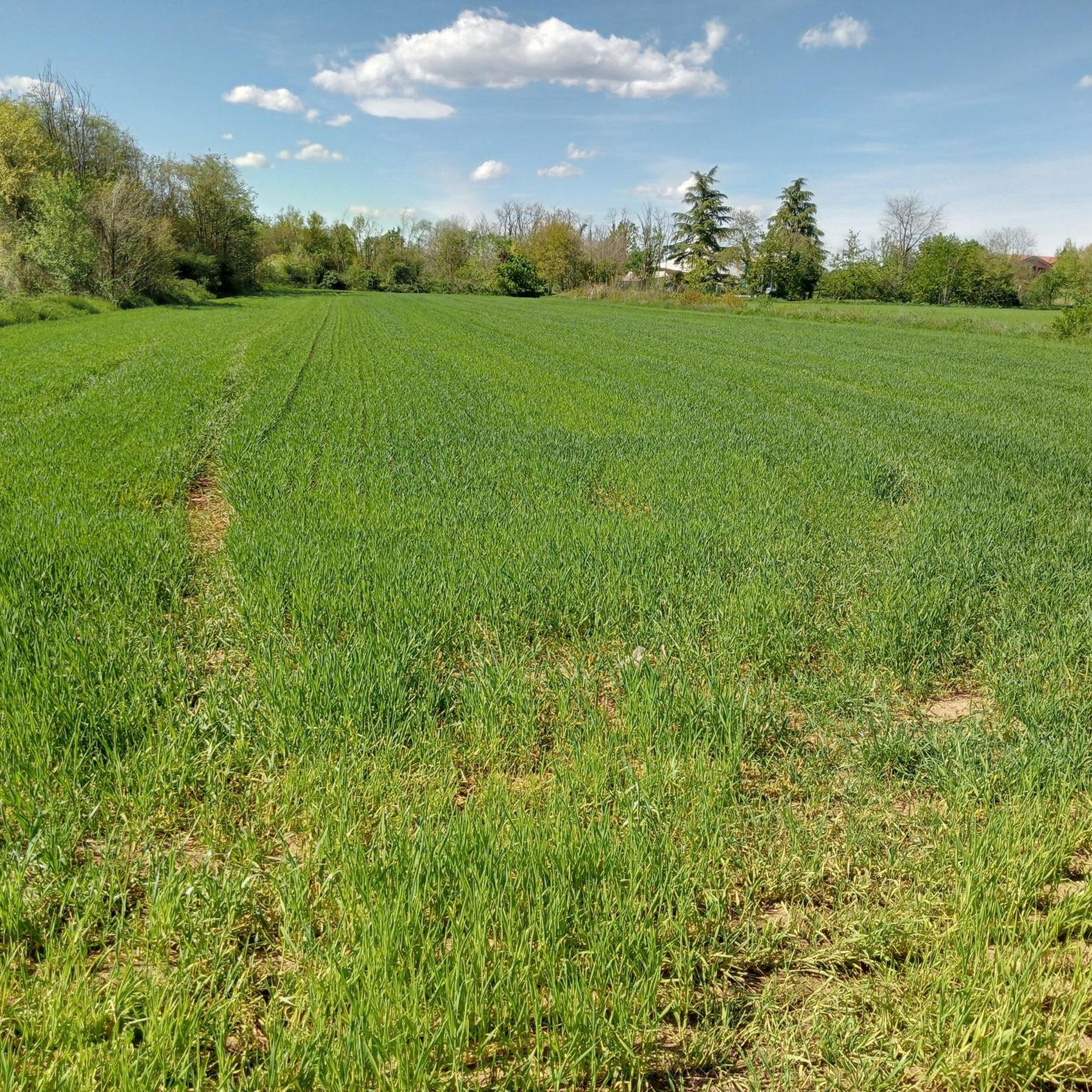
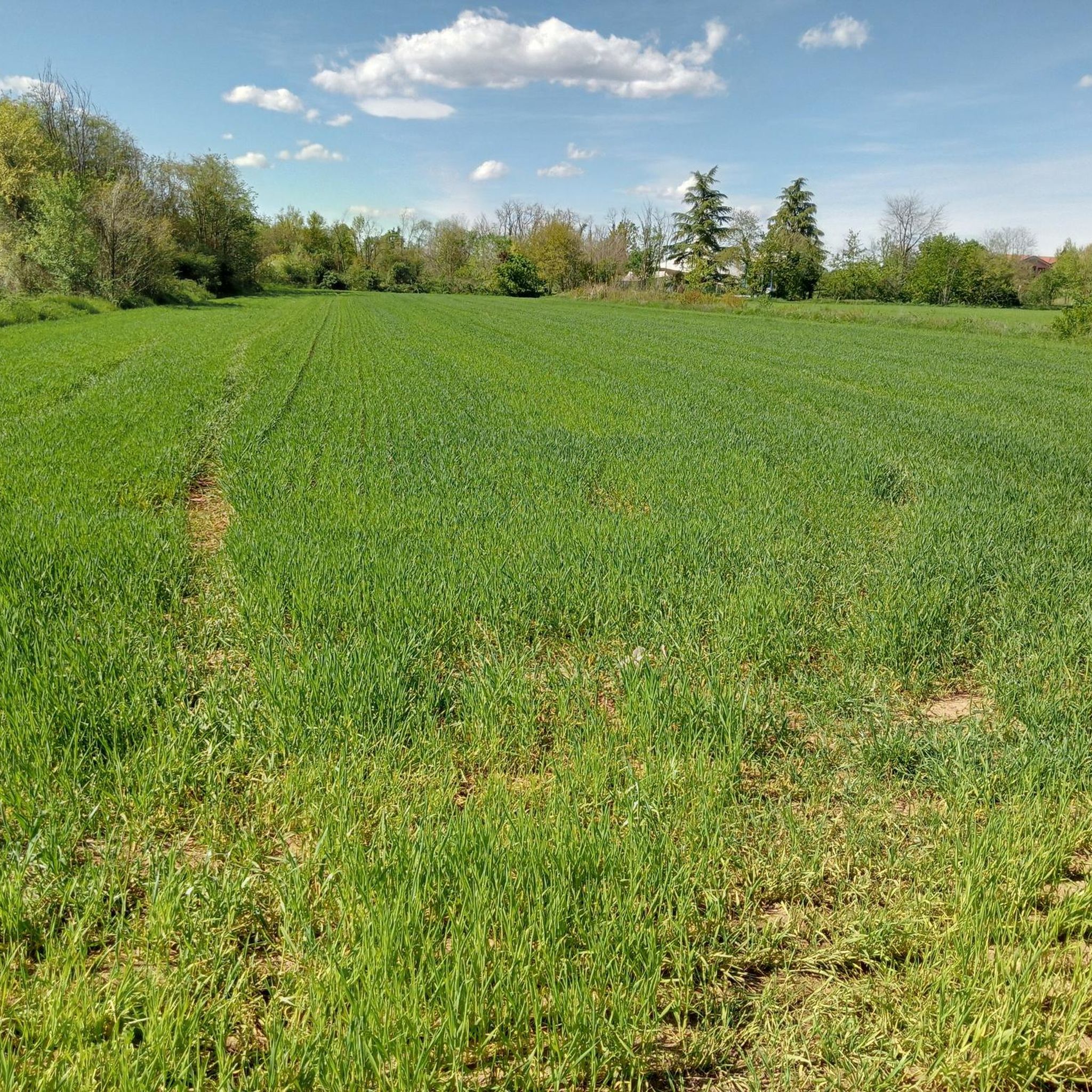
Touring cycling routes around Pregnana Milanese are characterized by a predominantly flat landscape, making them suitable for various cycling abilities. The region features a network of canals, including the historic Canale Villoresi, which offers dedicated cycle paths with varied surfaces like gravel and calcareous sand. Green spaces such as the Parco del Basso Olona and numerous local parks provide naturalistic components and recreational areas. The presence of historical farmsteads also contributes to the area's landscape.
Best touring cycling routes around…
Last updated: October 7, 2026
4.7
(23)
204
riders
Moderate bike ride. Good fitness required. Mostly paved surfaces. Suitable for all skill levels.
4.4
(8)
68
riders
38.6km
02:33
40m
40m
Moderate bike ride. Good fitness required. Mostly paved surfaces. Suitable for all skill levels.

4.6
(5)
56
riders
Moderate bike ride. Good fitness required. Mostly paved surfaces. Suitable for all skill levels.
4.0
(1)
59
riders
Moderate bike ride. Good fitness required. Mostly paved surfaces. Suitable for all skill levels.
4.9
(14)
58
riders
Hard bike ride. Good fitness required. You may need to push your bike for some segments of this route.
Get access to more routes and recommendations from other explorers.
Already have an account?
Our route recommendations are based on thousands of hikes, rides, and runs completed by other people on komoot.
Start today with a free account
Your next adventure awaits.


Tips from the Community

The Villoresi canal takes water from the river Ticino, in the locality of Panperduto, in the municipality of Somma Lombardo. After travelling 86 kilometers, through the provinces of Milan and Monza Brianza, it flows into the river Adda in the municipality of Cassano d’Adda. Construction work began in 1881 and was completed in 1891 based on the project by Eugenio Villoresi. Originally intended exclusively for irrigation, following the crisis in crops related to silk production, the canal now allows water distribution in a plain area of approximately 85,000 hectares, through a network that totals about 3,000 kilometers. The routes, which are free of difficulties, accessible to everyone and certainly of interest, are part of the investments made to enhance the towpaths of the waterways, and are also considered a fast connection route between the various Municipalities touched by the canal.
3
0
The main historic bridge over the Villoresi Canal in Garbagnate Milanese is located on Via Peloritana. Dating back to 1877, it is a fundamental infrastructure for city traffic and is situated near the local station, the starting point of the famous Villoresi Canal Cycle Path.
0
0
The Bridge of Cassinetta di Lugagnano is one of the most characteristic and historically significant monuments located along the Naviglio Grande, in the metropolitan city of Milan. Originally built of granite, the structure dates back to the 17th century, erected during the Spanish rule of the Duchy of Milan to connect the two historic centers divided by the canal. The bridge historically unites Lugagnano (on the right bank, of Roman origin) and Cassinetta (on the left bank, of medieval design). The bridge was completely rebuilt in a donkey-back shape in May 1862. This intervention became necessary both to repair the damage from the wars of independence (such as the nearby Battle of Magenta in 1859) and to facilitate the transit of commercial barges on the Naviglio.
0
0
Villa Arconati, located in Castellazzo di Bollate and nicknamed the "little Lombard Versailles", is one of the most majestic examples of a Baroque villa di delizia in Italy. The residence is entirely nestled in the green heart of the Parco delle Groane and the Brughiera Briantea, perfectly integrating art, monumental architecture, and nature.
0
0
The Villoresi Canal cycle path runs through the Lombardy countryside, along the entire length of the Villoresi Canal, the historic waterway built for irrigation in the late 19th century by engineer Eugenio Villoresi. The canal draws water from the Ticino River near Somma Lombardo and, after an 86 km journey, returns it to the Adda River near Groppello.
1
0
The Villoresi Canal cycle path runs through the Lombardy countryside, along the entire length of the Villoresi Canal, the historic waterway built for irrigation in the late 19th century by engineer Eugenio Villoresi. The canal draws water from the Ticino River near Somma Lombardo and, after an 86 km journey, returns it to the Adda River near Groppello.
3
0

Perfect for a relaxing outing or a pleasant stroll. If you're passing through Monza's city center, stopping in the square for coffee and a pastry is practically a must: it recharges your batteries better than any energy bar! A smooth cycle path suitable for all levels.
3
0
The Villoresi Canal and the western Milanese canal system (Grande, Bereguardo, and Pavese) draw their water from the Panperduto Dams (Somma Lombardo, Varese), built to regulate the use of the Verbano and Ticino rivers, as did the Miorina dam, built later. The Martesana Canal originates from the Concesa sull'Adda dam; the Olginate dam, which regulates the flow of Lake Como, is managed by the Adda Consortium, of which ETVilloresi is a user.
3
0
Frequently Asked Questions
How many touring cycling routes are available around Pregnana Milanese?
There are 17 touring cycling routes around Pregnana Milanese, offering a variety of options for different skill levels and preferences.
What kind of terrain can I expect on touring cycling routes in Pregnana Milanese?
The routes around Pregnana Milanese are predominantly flat, making them suitable for various cycling abilities. You'll find dedicated cycle paths along historic canals like the Canale Villoresi, with surfaces that can include gravel and calcareous sand, providing a varied experience. The landscape also features green spaces and historical farmsteads.
Are there any easy touring cycling routes suitable for beginners or families?
Yes, Pregnana Milanese offers 3 easy touring cycling routes. These routes are generally flat and follow canal paths or pass through local parks, making them ideal for a relaxed ride. For example, the routes often traverse areas like the Parco del Basso Olona, which offers pleasant naturalistic components.
What are some scenic highlights or attractions I can see along the cycling routes?
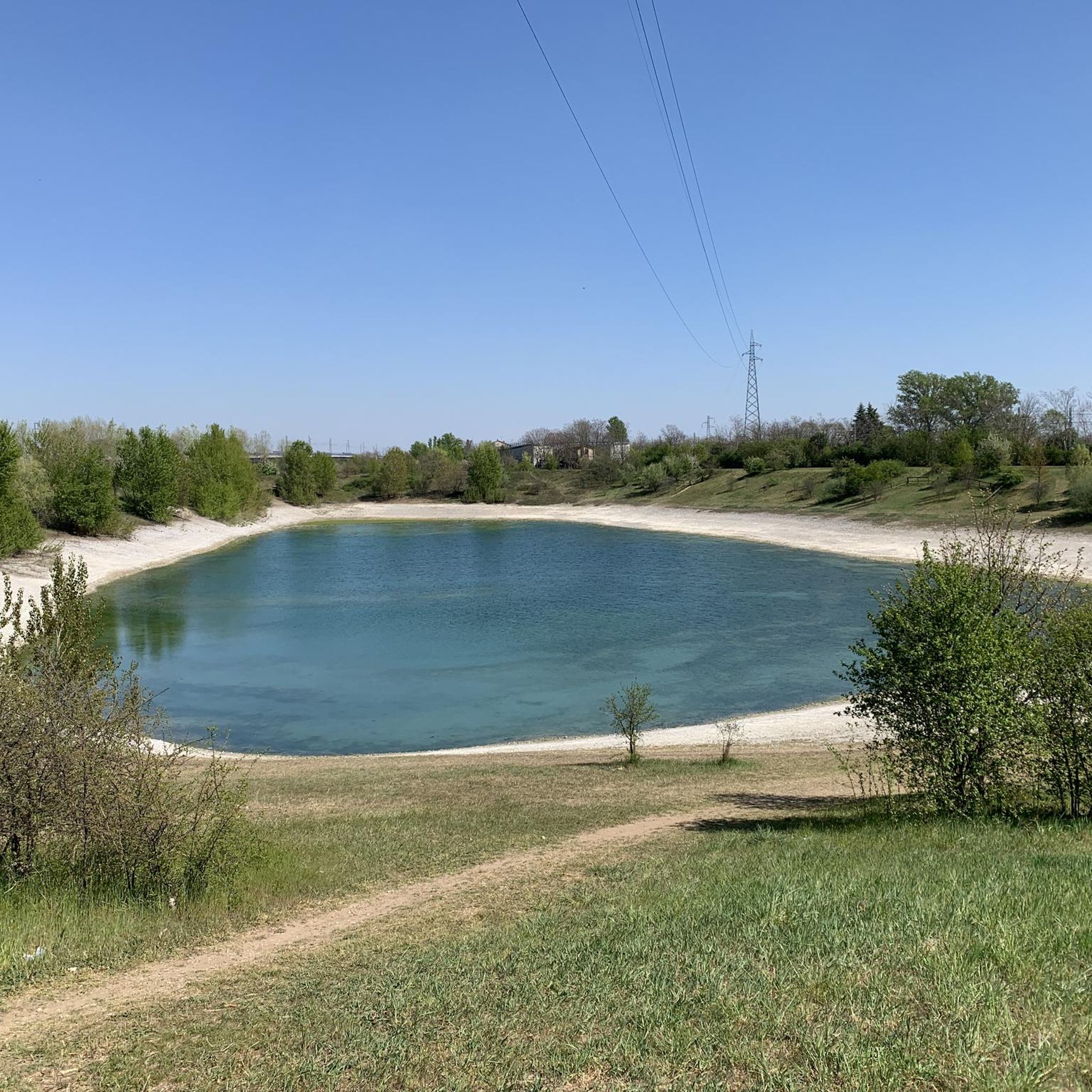
Many routes follow the historic Villoresi Canal, offering scenic views. You can also explore natural features like the Lake of Parco delle Cave, which is a significant attraction for outdoor enthusiasts. Additionally, some routes pass by cultural landmarks such as Villa Arconati, blending nature with cultural elements.
Are there any circular touring cycling routes in the area?
Yes, many of the touring cycling routes around Pregnana Milanese are designed as loops. For instance, you can enjoy the Gaggiano Bridge – Water Cycle Path loop from Pregnana Milanese, which covers a distance of 58.6 km, or the longer Naviglio Grande Cycle Path – Naviglio di Bereguardo loop from Pregnana Milanese, spanning 78.3 km.
What is the best time of year for touring cycling in Pregnana Milanese?
May and June are particularly popular months for cycling in the Pregnana Milanese region, offering pleasant weather conditions. The generally flat terrain makes it enjoyable for touring cyclists throughout much of the spring and autumn as well.
Can I find routes that offer stops for food or refreshments?
While specific cafes or pubs are not detailed for every route, the presence of historical farmsteads and local towns along the canal paths suggests opportunities for stops. Many routes pass through or near populated areas where you can find refreshments.
How accessible are the cycling routes by public transport or car parking?
Pregnana Milanese is well-connected, and its proximity to Milan means public transport options are available to reach the starting points of many routes. For those arriving by car, local parks like Parco di via dei Rovedi and Parco di via Genova offer green spaces, and parking is generally available in and around the town, especially near popular trailheads or canal access points.
What do other touring cyclists enjoy the most about touring cycling in Pregnana Milanese?
The touring cycling routes in Pregnana Milanese are highly rated by the komoot community, with an average score of 4.6 stars from over 48 reviews. Cyclists often praise the flat terrain, the scenic canal paths, and the ability to explore local parks and historical farmsteads, making for a varied and enjoyable ride.
Are there any challenging touring cycling routes for experienced riders?
While the region is predominantly flat, there are 3 difficult touring cycling routes available for those seeking a greater challenge, often due to longer distances. These routes might explore more extensive canal networks or connect to areas with slightly more varied terrain, offering a good workout for experienced cyclists.
Are the cycling routes in Pregnana Milanese suitable for dogs?
Many of the cycling routes follow canal paths and pass through local parks like the Parco del Basso Olona and Fontanile Costa Azzurra. These green spaces are generally suitable for walking dogs, provided they are kept on a leash and local regulations are followed. The flat terrain makes it comfortable for dogs to accompany cyclists.
Can I combine cycling with other outdoor activities in Pregnana Milanese?
Absolutely. The area's numerous public parks, such as Parco di via dei Rovedi and Parco di via Genova, provide excellent opportunities for relaxation, picnics, or even children's games. The Lake of Parco delle Cave is also a popular spot for outdoor experiences, making it easy to combine cycling with walking or enjoying nature.
Most popular routes around Pregnana Milanese
Most popular attractions around Pregnana Milanese

Get inspired with the komoot mobile app


Explore more
Browse the best Cycling routes in other regions.
