Top 20 Castles around Kuens - Caines
Best castles around Kuens - Caines are found in a picturesque village in South Tyrol, Italy, surrounded by a region rich in history. The area offers several magnificent castles worth exploring, many of which provide commanding views of the valley. These historical sites are often accessible via scenic hikes, connecting visitors with both natural landscapes and cultural heritage. The region's castles showcase diverse architectural styles and historical significance, reflecting centuries of Tyrolean history.
Best castles around Kuens - Caines
- The…
Last updated: October 10, 2026
View of Schloss Tirol, Brunnenburg and vineyards from Dorf Tirol
Highlight • Viewpoint
to the Brunnenburg.
Welcome to Tirol Castle, the residential castle of the Counts of Tyrol. The castle gave the state of …
Translated by Google •
Tip by

View of Tirolo Castle
Highlight • Viewpoint
Translated by Google •
Tip by

Sign up now to discover places like this
Get recommendations on the best single tracks, peaks, & plenty of other exciting outdoor places.
Brunnenburg Castle
Highlight • Castle
Translated by Google •
Tip by
The Passer in the Passeier Valley
Highlight • River
Showing Translation
Tip by

Schenna Village
Highlight • Settlement
Showing Translation
Tip by

Sign up for free to discover even more castles around Kuens - Caines.
Already have an account?
Start today with a free account
Your next adventure awaits.
Tips from the Community

From this vantage point on the paths around Castel Tirolo, the castle from which the Counts of Tyrol originated, you have a splendid view of the castle itself, the town of Merano and the valley of the Passirio river.
1
0

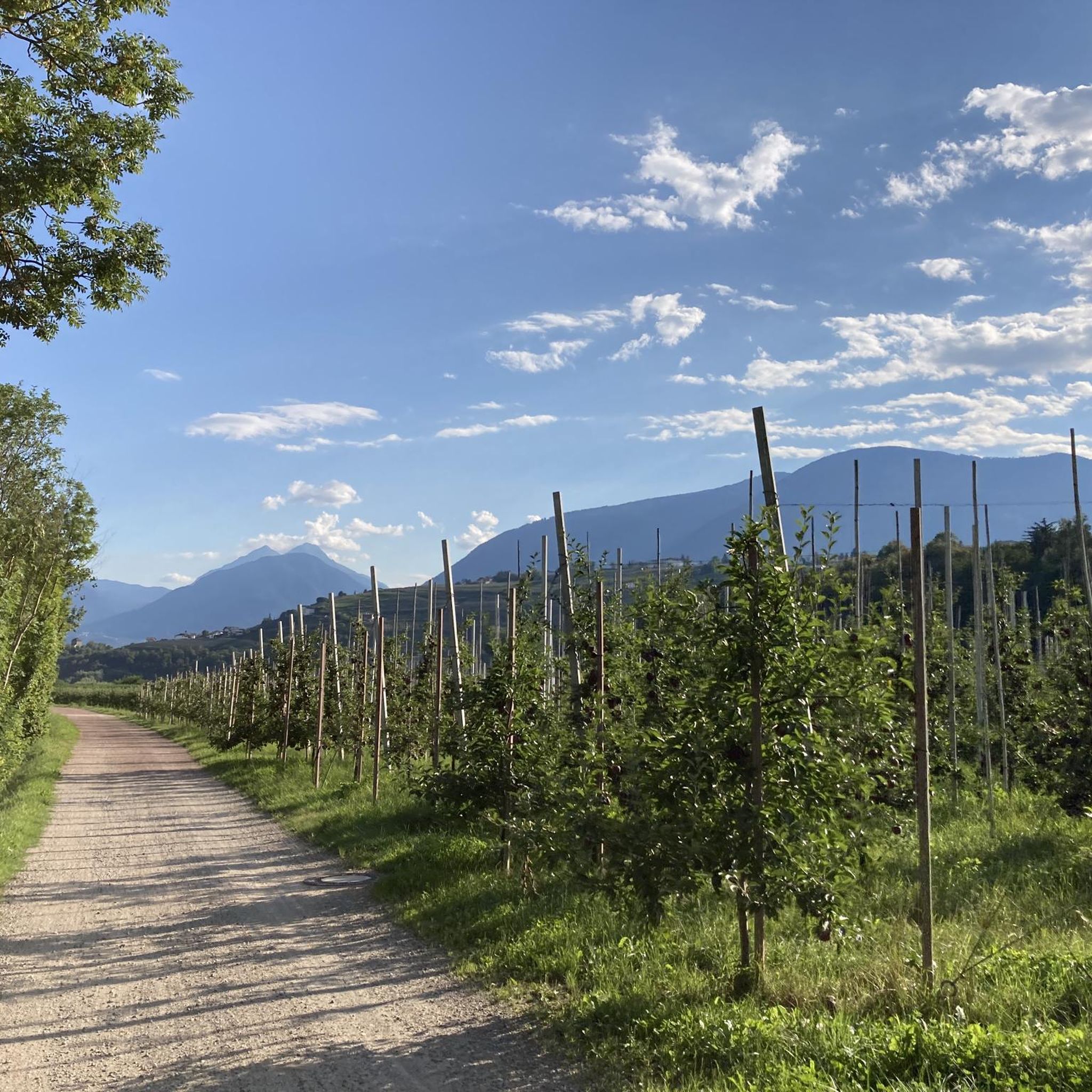
great bike path, sometimes forgiving cyclists in oncoming traffic
5
1

In 1903 he sold the castle to the entrepreneur Karl Schwickert from Pforzheim, who had it rebuilt. After his death in 1927, the castle fell into disrepair again until the de Rachewiltz family took up residence there and over time turned the castle into a center for cultural encounters. The American poet Ezra Pound completed his life's work, the Cantos, here from 1958 to 1962. Source: https://www.brunnenburg.net/de/willkommen-auf-der-brunnenburg/sagengeschichte/
16
0
The Brunneburg was built in 1250 by Wilhelm Tarant on a glacial rubble cone below Tyrol Castle. In 1356 the princely administrator of the Bishopric of Trent, Heinrich von Bopfingen, acquired it; he was pastor of Tyrol, envoy of Ludwig of Brandenburg and until 1359 also governor of Tyrol. In 1421 it was acquired by Ulrich Putsch, chaplain of Duke Frederick with his empty pockets, who later became a patron of art and science as Bishop of Brixen. In 1457 the castle came into the possession of Hans Kripp. It belonged to this Hall family for three and a half centuries. In 1705, Gregor Hofer built a house with a barn and gate at the foot of the castle rock using the “high wall tips” that still existed from the ruins. In 1884 the Brunnenburggut came into the hands of the mayor of Dorf Tirol, Michael Sonnenburger. Source:https://www.brunnenburg.net/de/willkommen-auf-der-brunnenburg/sagengeschichte/
17
0
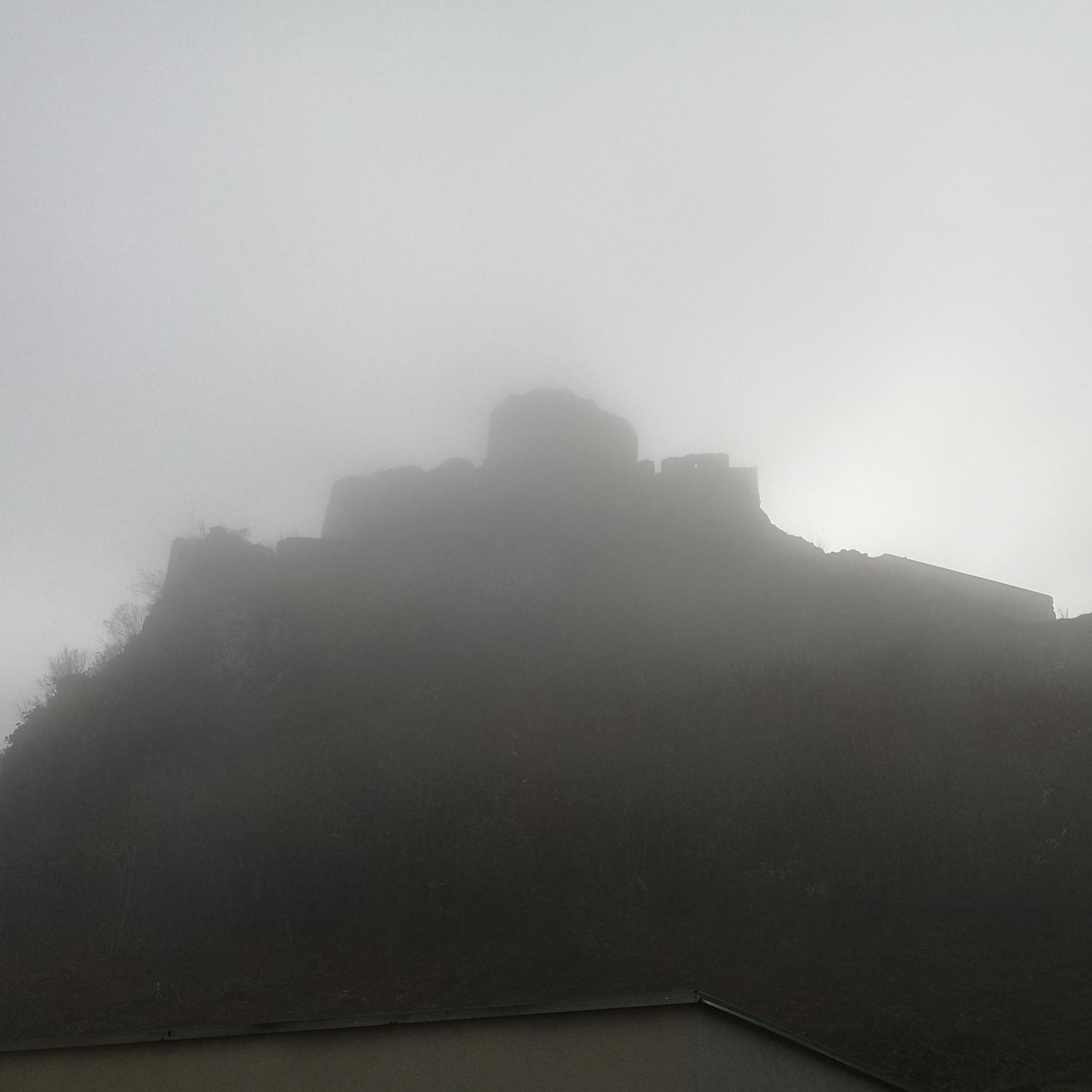
Here you can see the Tyrol Castle as well to the Brunnenburg. Welcome to Tirol Castle, the residential castle of the Counts of Tyrol. The castle gave the state of Tyrol its name. Aspects of the country's history and rulership are combined here in a clear way. From the outer bailey of Tyrol Castle you have an impressive view of the Etsch Valley and the Vinschgau. Here you will feel like you have been transported back to a distant time when the Counts of Tyrol were the masters of this area. Source: https://www.schlosstirol.it/
20
0
In 1903 he sold the castle to the entrepreneur Karl Schwickert from Pforzheim, who had it rebuilt. After his death in 1927, the castle fell into disrepair again until the de Rachewiltz family took up residence there and over time turned the castle into a center for cultural encounters. The American poet Ezra Pound completed his life's work, the Cantos, here from 1958 to 1962. Source: https://www.brunnenburg.net/de/willkommen-auf-der-brunnenburg/sagengeschichte/
8
0
The Brunneburg was built in 1250 by Wilhelm Tarant on a glacial rubble cone below Tyrol Castle. In 1356 the princely administrator of the Bishopric of Trent, Heinrich von Bopfingen, acquired it; he was pastor of Tyrol, envoy of Ludwig of Brandenburg and until 1359 also governor of Tyrol. In 1421 it was acquired by Ulrich Putsch, chaplain of Duke Frederick with his empty pockets, who later became a patron of art and science as Bishop of Brixen. In 1457 the castle came into the possession of Hans Kripp. It belonged to this Hall family for three and a half centuries. In 1705, Gregor Hofer built a house with a barn and gate at the foot of the castle rock using the “high wall tips” that still existed from the ruins. In 1884 the Brunnenburggut came into the hands of the mayor of Dorf Tirol, Michael Sonnenburger. Source: https://www.brunnenburg.net/de/willkommen-auf-der-brunnenburg/sagengeschichte/
11
0

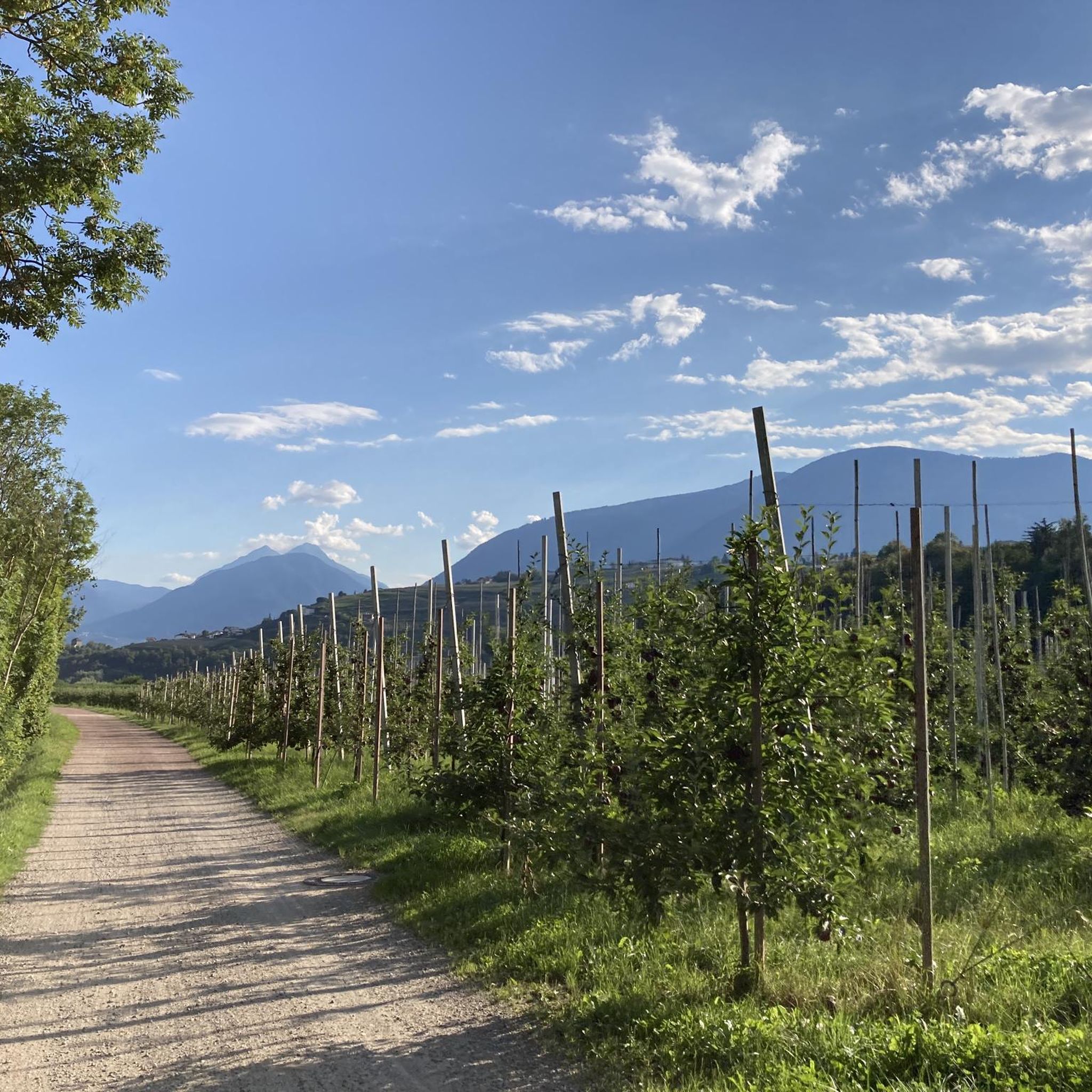
Passeier Cycle Path - spa town of Merano to St. Leonhard in Passeier The 19 km long Passeier Valley cycle path leads from the spa town of Merano to St. Leonhard in Passeier The Passeier Valley cycle path is mostly flat and along a slight incline through the wonderful landscapes of the Passeier Valley. The refreshing Passer accompanies the cyclist along the entire cycle path. The starting point is the spa town of Merano: from the thermal spa square, we head east through the Elisabeth Park into the Passeier Valley. Always continuing on the right bank of the river, we soon leave the city area. The path is still asphalted here, later it becomes a gravel path. Above us on the right we see Schenna with the castle, the church and the mausoleum of Archduke Johann. On the left are the villages of Tirol, Kuens and Riffian. We have already covered half of the route past Saltaus. We cross the river several times as the cycle path changes sides of the bank. At Quellenhof we drive past the golf course and continue to St. Martin. When we arrive in St. Leonhard in Passeier, we have reached the end of the cycle path. On the way there we pass the Sandwirt, the birthplace of the legendary freedom fighter Andreas Hofer. Here the MuseumPasseier awaits us with all its special features and valuable contemporary witnesses to the history of Tyrol. Worth seeing! Author: AT Text / Source: https://www.meranerland.org/de/freizeit-aktiv/rad-mountainbike/passeirer-radweg/
18
3
Frequently Asked Questions
Which castles around Kuens - Caines offer the best historical insights?
For deep historical insights, Tyrol Castle (Schloss Tirol) is paramount. It was the ancestral seat of the Counts of Tyrol and gave the entire region its name. You can explore its well-preserved portals, a double chapel with early Gothic frescoes, and the oldest surviving depiction of the Tyrolean Eagle. Another significant site is Caines Castle, a 13th-century structure that offers a glimpse into the village's medieval past.
Are there any castles with unique cultural or literary connections?
Yes, Brunnenburg Castle stands out. Built in 1250, it now houses an agricultural museum and functions as a cultural center. It gained literary fame as the place where American poet Ezra Pound completed his epic "The Cantos" between 1958 and 1962.
Which castles are particularly family-friendly to visit?
Many castles in the region are suitable for families. Brunnenburg Castle, with its agricultural museum, offers an engaging experience for all ages. Tyrol Castle (Schloss Tirol) also provides a fascinating historical journey that can captivate younger visitors. Additionally, the village of Schenna, with its castle, offers a pleasant environment for family exploration.
What kind of views can I expect from the castles in the area?
The castles around Kuens - Caines are renowned for their spectacular panoramic views. From Tyrol Castle (Schloss Tirol), you can enjoy impressive vistas of the Etschtal valley and Vinschgau. Caines Castle, though less documented, is known for its commanding views of the valley. You can also find excellent viewpoints like the View of Schloss Tirol, Brunnenburg and vineyards from Dorf Tirol, which offer combined perspectives of multiple castles and the surrounding landscape.
Are there opportunities for hiking or outdoor activities near these castles?
Absolutely. Many castles are accessible via scenic hikes, connecting natural landscapes with historical sites. For instance, Tyrol Castle and Brunnenburg Castle can be reached via trails from Dorf Tirol. You can find various outdoor activities, including mountain biking and cycling, in the broader region. Explore more options on the MTB Trails around Kuens - Caines, Mountain Hikes around Kuens - Caines, and Cycling around Kuens - Caines guides.
What is the best time of year to visit the castles around Kuens - Caines?
The spring and autumn months generally offer the most pleasant weather for exploring the castles and their surrounding areas. During these seasons, temperatures are mild, and the landscapes are particularly beautiful, whether with blooming flowers or vibrant fall foliage. Summer is also popular, but can be warmer, while winter visits might offer a unique, quieter experience, though some facilities or access routes might be limited.
Is there a castle known for its unique architectural features?
Castel Katzenzungen in Prissiano, a short distance from Kuens - Caines, is notable for its Renaissance-style expansion from the 16th century. It features a distinctive 32-meter long stone bridge that leads into its mighty walls, offering a unique architectural element not commonly seen in other local castles.
Are there any castles that also feature natural attractions?
Yes, Castel Katzenzungen is famous for housing the "Versoaln" vine. This vine is possibly the oldest and largest grapevine in Europe, with a canopy covering an impressive 300 square meters. It's a remarkable natural attraction within the castle grounds, combining history with viticultural heritage.
What are some less crowded castle options or hidden gems?
While Tyrol Castle and Brunnenburg Castle are popular, exploring Caines Castle, though less documented, offers a local and potentially quieter experience with commanding views. Castel Katzenzungen, located slightly further afield in Prissiano, might also offer a less crowded visit, especially if you book a guided tour in advance.
Can I find cafes or restaurants near the castles?
Yes, several castles and nearby villages offer dining options. Tyrol Castle (Schloss Tirol) has a cafe and restaurant on-site. The village of Schenna, with its castle, also boasts many restaurants. Additionally, the areas around the castles, especially in Dorf Tirol and Kuens - Caines, have various cafes and restaurants to enjoy after your visit.
How long should I plan for a castle visit?
The duration of a castle visit can vary. For major sites like Tyrol Castle (Schloss Tirol), which includes a museum and extensive grounds, you might want to allocate 2-3 hours. Smaller castles or those primarily offering exterior views, like Caines Castle, might take 1-1.5 hours. If you combine a visit with a hike, plan for a half-day or full-day excursion.
Are the castles around Kuens - Caines accessible by public transport?
While specific direct public transport routes to every castle entrance might vary, the region has a good public transport network connecting villages. From Kuens - Caines, you can often reach nearby towns like Dorf Tirol or Merano by bus, from where some castles, such as Tyrol Castle and Brunnenburg Castle, are accessible via a walk or a shorter local connection. It's advisable to check local bus schedules for the most up-to-date information.
Most popular routes around Kuens - Caines
Most popular attractions around Kuens - Caines

Get inspired with the komoot mobile app


Explore more
Looking for the best castles somewhere else? Discover other guides around Kuens - Caines:
