The best walks and hikes around Agnana Calabra
4.3
(51)
206
hikers
16
hikes
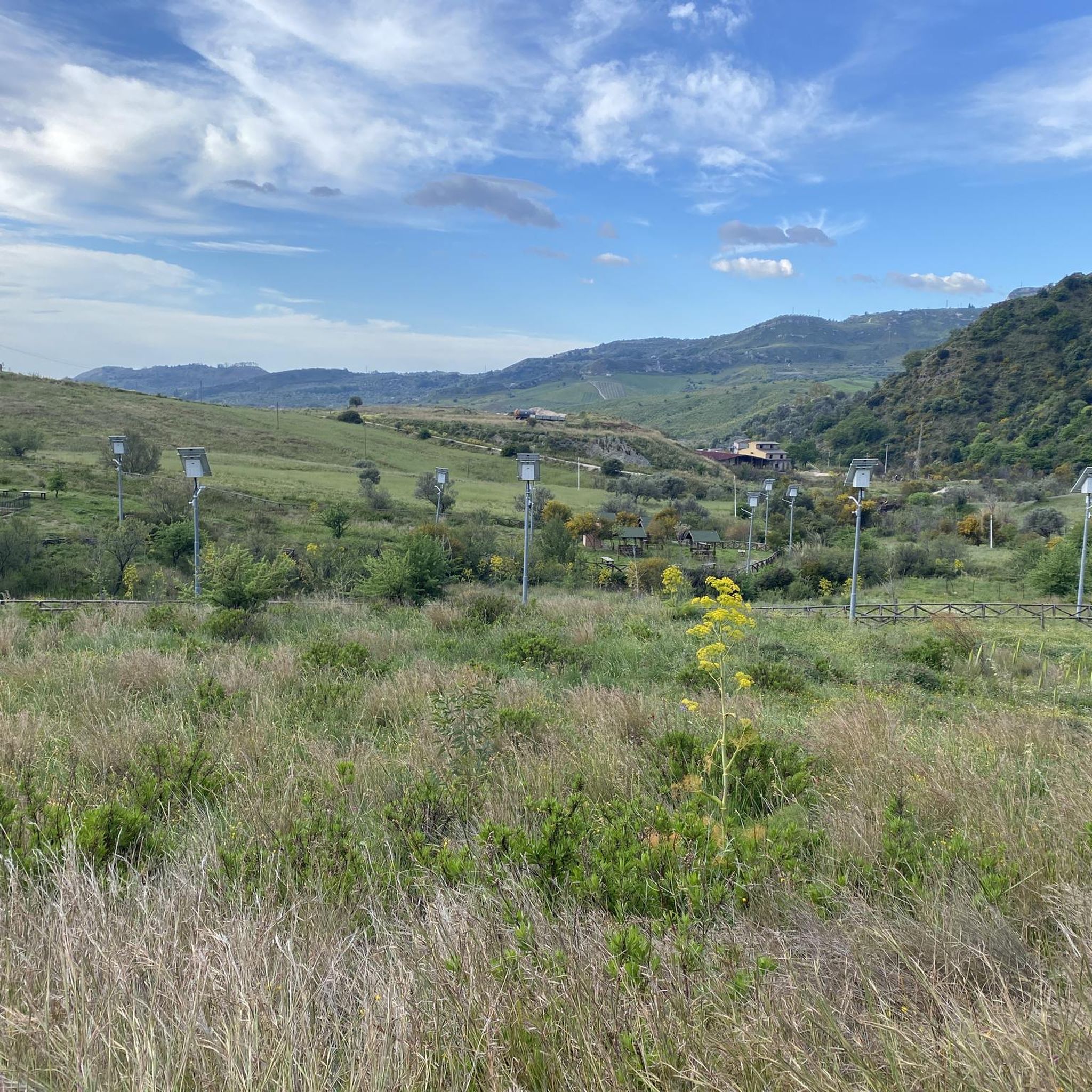
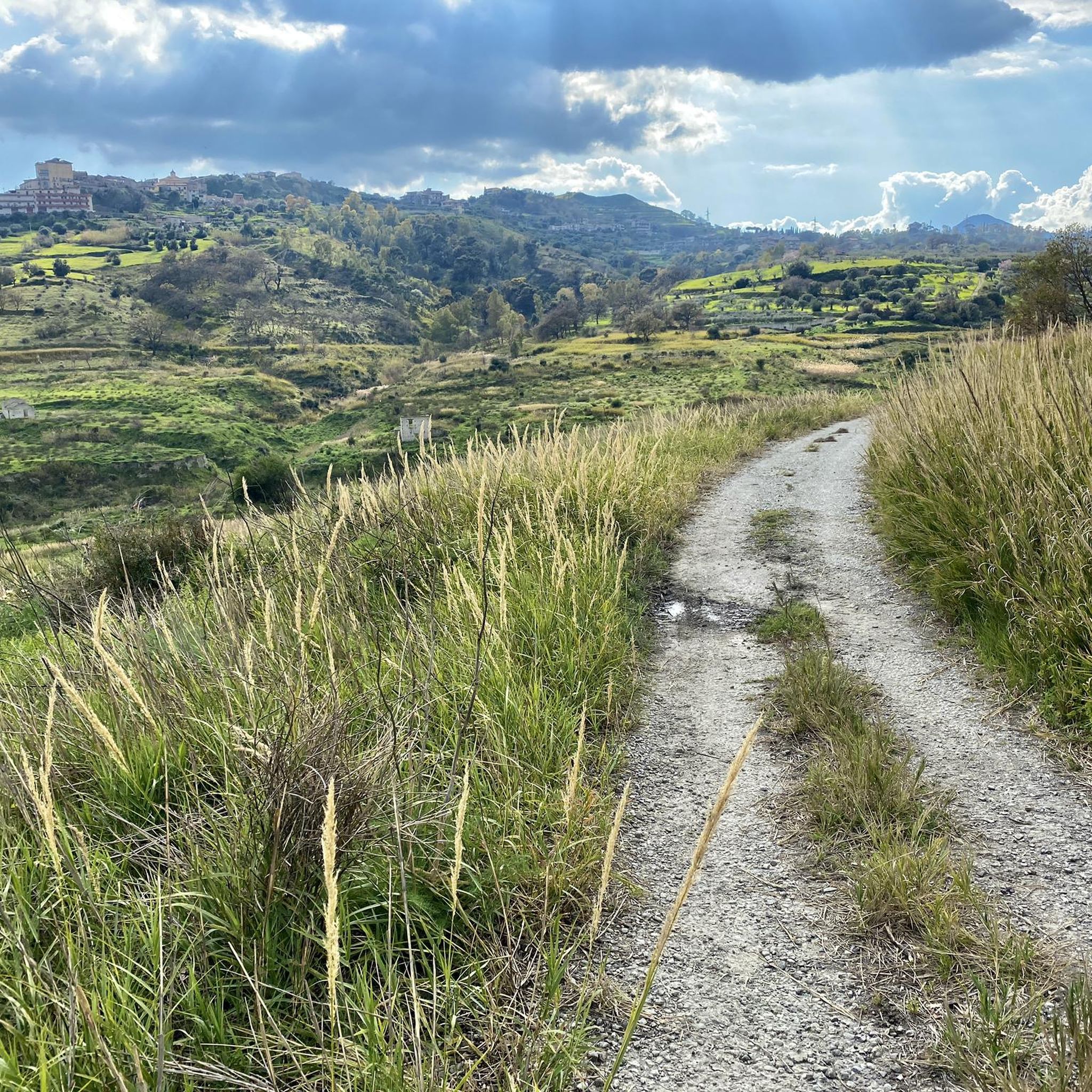
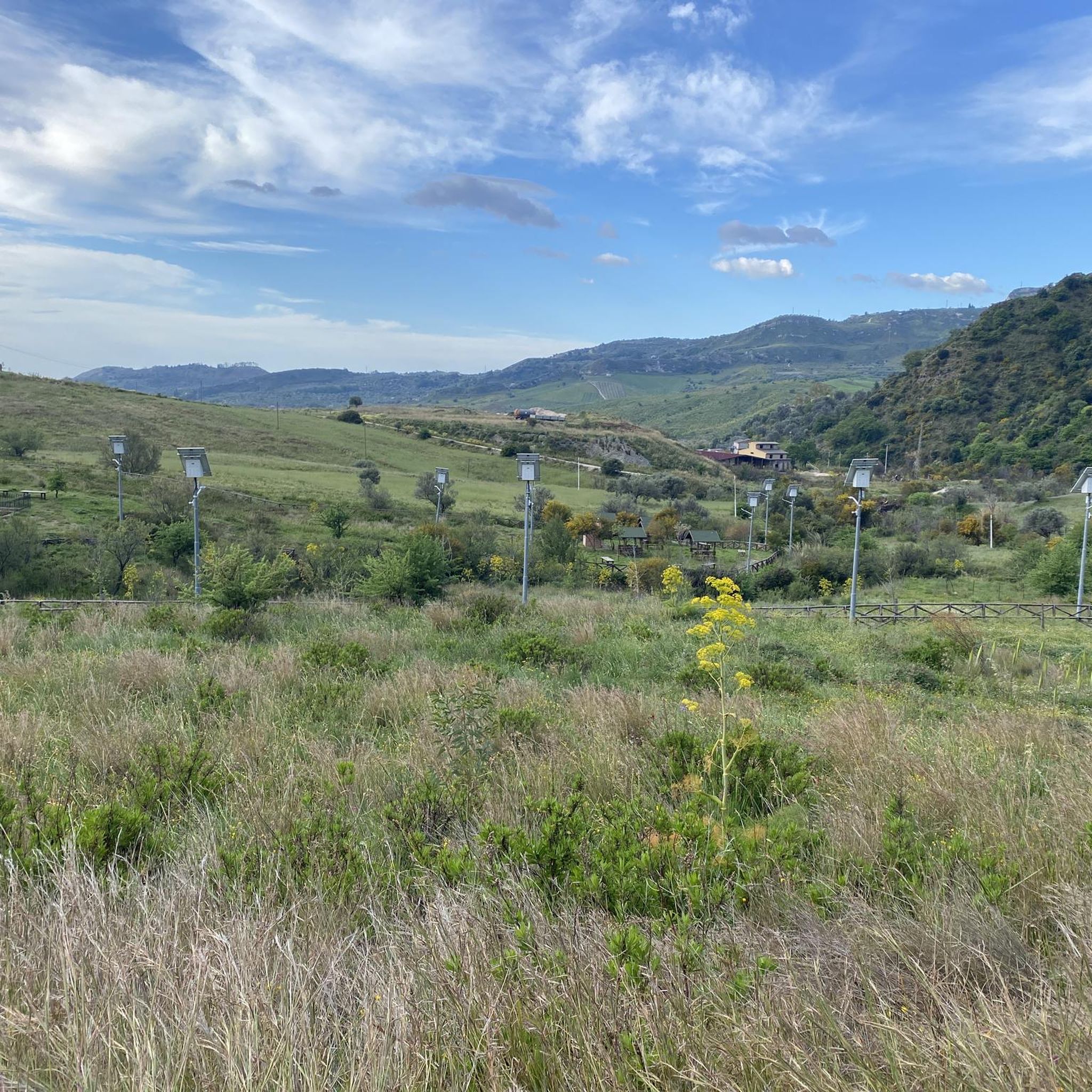
Hiking around Agnana Calabra offers diverse landscapes within the Aspromonte National Park. The region features the Novito River, characterized by limestone and granite formations, alongside numerous mineral springs. The terrain includes varied geological formations such as calcarenites, sandstones, and clays, providing a range of natural environments for exploration. This area is known for its natural and cultural heritage, with trails often passing through ancient forests and near historical sites.
Best hiking trails around Agnana Calabra
- The most popular hiking route…
Last updated: July 5, 2026
4.0
(2)
6
hikers
2.96km
00:57
120m
130m
Easy hike. Great for any fitness level. Easily-accessible paths. Suitable for all skill levels.
4.0
(2)
40
hikers
3.14km
01:00
140m
140m
Easy hike. Great for any fitness level. Easily-accessible paths. Suitable for all skill levels.

Sign up for free
4.3
(7)
25
hikers
6.76km
01:42
10m
10m
Easy hike. Great for any fitness level. Easily-accessible paths. Suitable for all skill levels.
4.0
(3)
19
hikers
8.23km
02:05
10m
10m
Moderate hike. Good fitness required. Easily-accessible paths. Suitable for all skill levels.
4.5
(2)
9
hikers
11.3km
03:30
420m
420m
Moderate hike. Good fitness required. Easily-accessible paths. Suitable for all skill levels.
Get access to more routes and recommendations from other explorers.
Sign up for free
Already have an account?
Our route recommendations are based on thousands of hikes, rides, and runs completed by other people on komoot.
Start today with a free account
Your next adventure awaits.
Login or Signup

Tips from the Community

A beautiful old town with many charming alleyways. Very nicely situated, great views, and near the church there's a very good pastry shop and also very good gelato.
1
0

You shouldn't miss this great view, and there are no fees at all.
1
0
Here you can breathe medieval air. Remarkable evidence of this period, in addition to the cathedral and the church of St. Francis, is the entire village.
3
0

The Church of Santa Maria del Mastro, founded in 1083-1084 in the Norman era, is rich in history and art. Excavations have revealed 12th-century ossuaries and artefacts. Damaged in 1908 by an earthquake, it features 20th century polychrome plaster and a square tower bell tower. It was once a proto-papal seat and reflects the architectural and liturgical transformations over the centuries.
2
0
The Cathedral of Gerace, Basilica Co-Cathedral of Santa Maria Assunta, is a Norman symbol of great importance in Calabria and one of the largest religious buildings in the region, declared a national architectural asset. Built in the 11th century, it boasts a rich history and extraordinary architectural and artistic elements, such as the Baroque high altar and the Norman crypt with artistic and sacred treasures. Its imposing structure and precious internal works of art reflect the mixture of Byzantine, Norman and Romanesque influences.
2
0
The Church of San Francesco is a significant structure of the mendicant orders in Southern Italy, dating back to the late 13th and early 14th centuries. It consists of a rectangular hall and a quadrangular presbytery, which houses the sarcophagus of Nicola Ruffo of Calabria from 1374. The baroque altar in inlaid marble, from the 1660s, is also notable. The structure overlooks the Three Churches Square, formed in the 1980s after the destruction of a vegetable garden of the ancient monastery of San Giovanni Chrysostom.
1
0
The Church of San Giovanni Crisostomo (also known as 'San Giovannello'), internally presents the Pròthesis and the Diaconicon and an ancient cistern, and has two doors, one for the faithful and one for the nearby monastery. Elevated to a Byzantine parish in the 1990s, it respects the Byzantine tradition with the apse facing east.
3
0
The Castle of Gerace, dating back to the 7th century AD, was devastated by the Byzantines in the 10th century. Rebuilt and fortified by the Normans in 1050, it suffered damage from earthquakes over the centuries. What remains is a tower, some walls, and traces of ancient structures such as a Byzantine oratory, drawbridge and armory.
1
0
Frequently Asked Questions
How many hiking trails are available around Agnana Calabra?
There are over 8 hiking trails around Agnana Calabra, offering a range of experiences from easy urban walks to more challenging routes within the Aspromonte National Park.
What kind of terrain can I expect when hiking in Agnana Calabra?
The terrain around Agnana Calabra is incredibly diverse, ranging from majestic mountains and ancient forests within the Aspromonte National Park to the unique geological formations along the Novito River, which features limestones and granites. You'll also encounter areas with calcarenites, sandstones, and clays, providing varied natural environments for exploration.
Are there any waterfalls or rivers to see along the hiking trails?
Yes, the region is rich in water features. The Novito River borders the area, and its course is notable for picturesque scenery. You can also explore the Scialata Nature Trail, which follows a section of the Levadìo river and allows hikers to admire various waterfalls within a dense forest.
Can I combine hiking with exploring historical sites in Agnana Calabra?
Absolutely. Many routes offer a blend of natural exploration and cultural discovery. For instance, you can take an Urban hike in the town of Gerace to explore its historic streets and architecture, or follow the Gerace Historic Town Center – Gerace Castle loop from Gerace for views of the historic town center and its castle.
Are there family-friendly hiking options in the area?
Yes, Agnana Calabra offers several easy routes suitable for families. The urban walks, such as those in Gerace, are generally less strenuous and allow for exploration of charming towns without significant elevation changes. These routes are perfect for a leisurely outing with children.
Are there any circular hiking routes available?
Yes, there are several circular routes. A popular option is the Gerace Historic Town Center – Gerace Castle loop from Gerace. For a longer, more challenging experience, consider the Calvary Shrine in Mammola – Villaggio Limina loop from Mammola.
What unique natural or historical attractions can I discover along the trails?
Beyond the natural beauty, you can explore the region's historical connection to mining at the old mining park, where some accessible tunnels still bear marks of pickaxes. The area is also known for its mineral water springs, with some medieval-era baths still visible. Additionally, you can visit significant mountain passes like Passo del Mercante or The Limina Pass and the village of the same name, which serve as gateways to the Aspromonte Park.
When is the best time of year to hike in Agnana Calabra?
Agnana Calabra offers hiking opportunities throughout much of the year. Spring and autumn generally provide the most pleasant temperatures for exploring the diverse landscapes. Summer can be warm, especially at lower elevations, but higher trails within the Aspromonte National Park offer cooler conditions. Winter hiking is possible, particularly on lower-elevation routes, but some higher mountain trails may be inaccessible due to snow.
What do other hikers say about the trails in Agnana Calabra?
The hiking routes in Agnana Calabra are highly rated by the komoot community, with an average score of 4.5 stars from over 40 reviews. Hikers often praise the varied terrain, the integration of natural beauty with historical sites, and the options available for different ability levels.
Are there options for more challenging or longer hikes?
Yes, for those seeking a greater challenge, routes like the Calvary Shrine in Mammola – Villaggio Limina loop from Mammola offer a difficult 13.9-mile (22.3 km) journey through varied terrain, typically taking nearly 7 hours to complete. These routes provide significant elevation changes and a more strenuous experience.
Are dogs allowed on the hiking trails in Agnana Calabra?
While specific regulations can vary within the Aspromonte National Park, generally, dogs are welcome on many trails, especially if kept on a leash. It's always advisable to check local signage or park guidelines for any specific restrictions, particularly in protected wildlife areas, to ensure a pleasant experience for everyone.
Are there any viewpoints or panoramic spots along the trails?
Given Agnana Calabra's location within the Aspromonte National Park and its historical association with Mount St. Agnana, which suggests elevated terrain, many trails lead to panoramic viewpoints. The diverse geological formations and mountainous backdrop naturally offer numerous opportunities for scenic vistas across the landscape.
Most popular attractions around Agnana Calabra

Get inspired with the komoot mobile app


Explore more
Browse the best Hikes in other regions.
