Attractions and Places To See around Stilo - Top 20
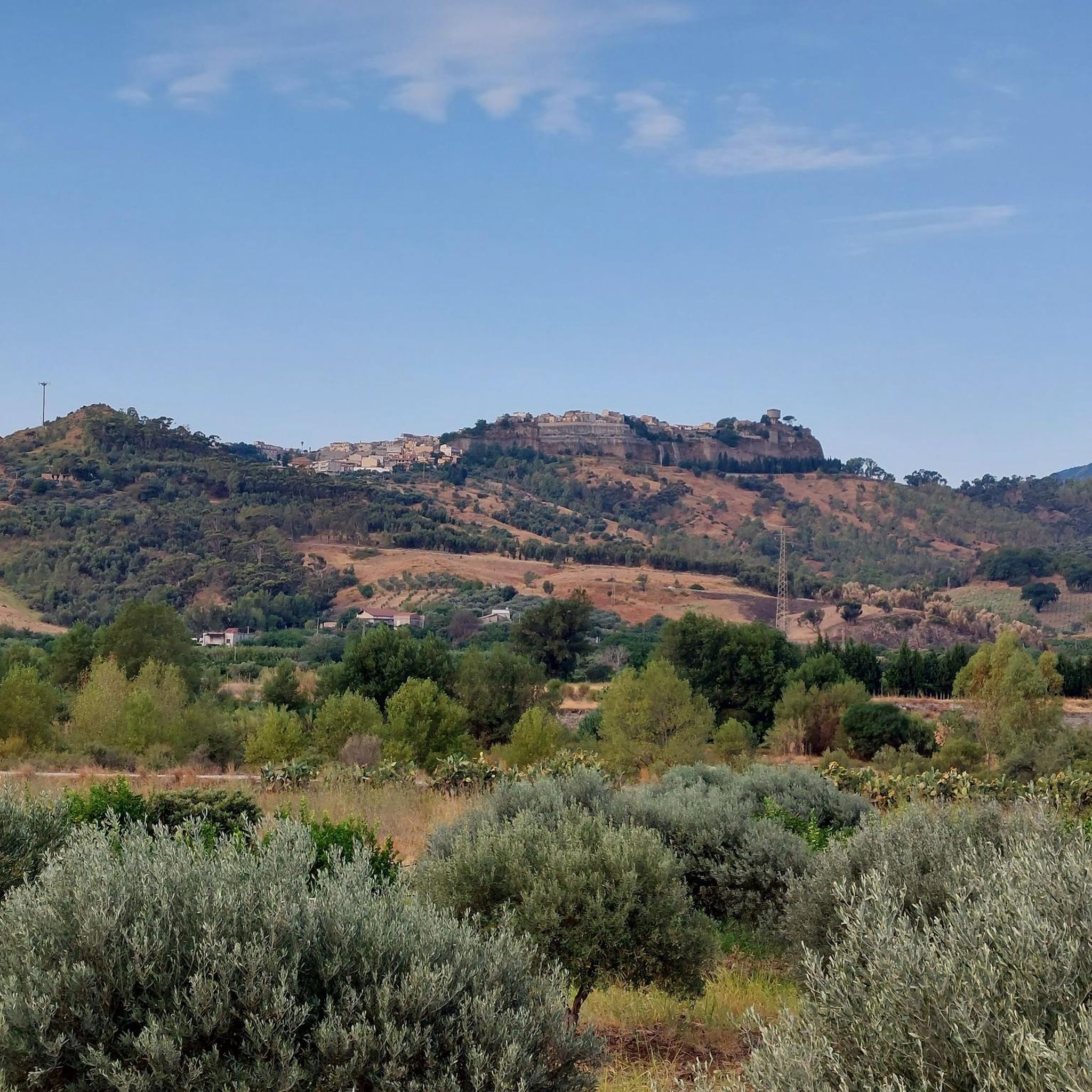
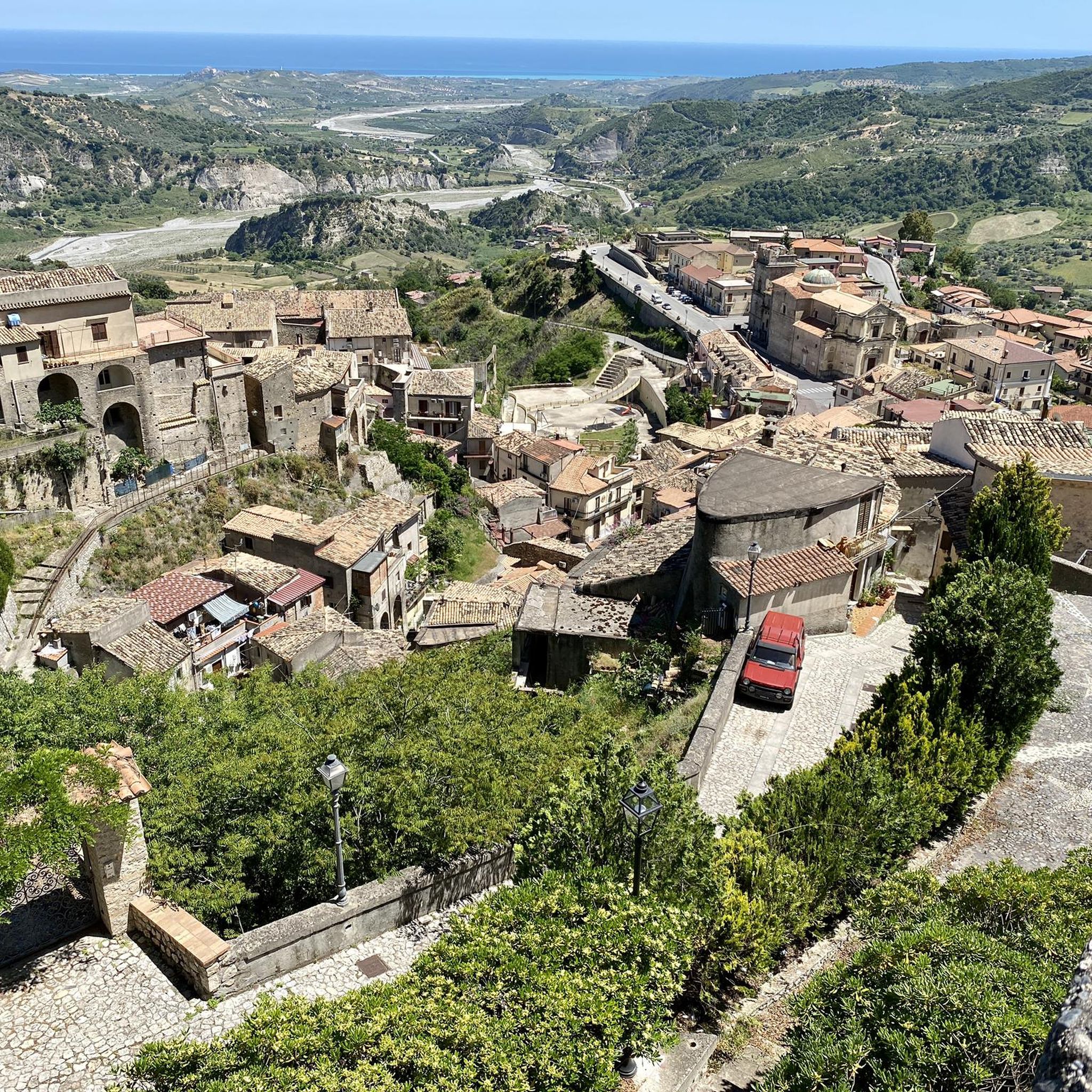
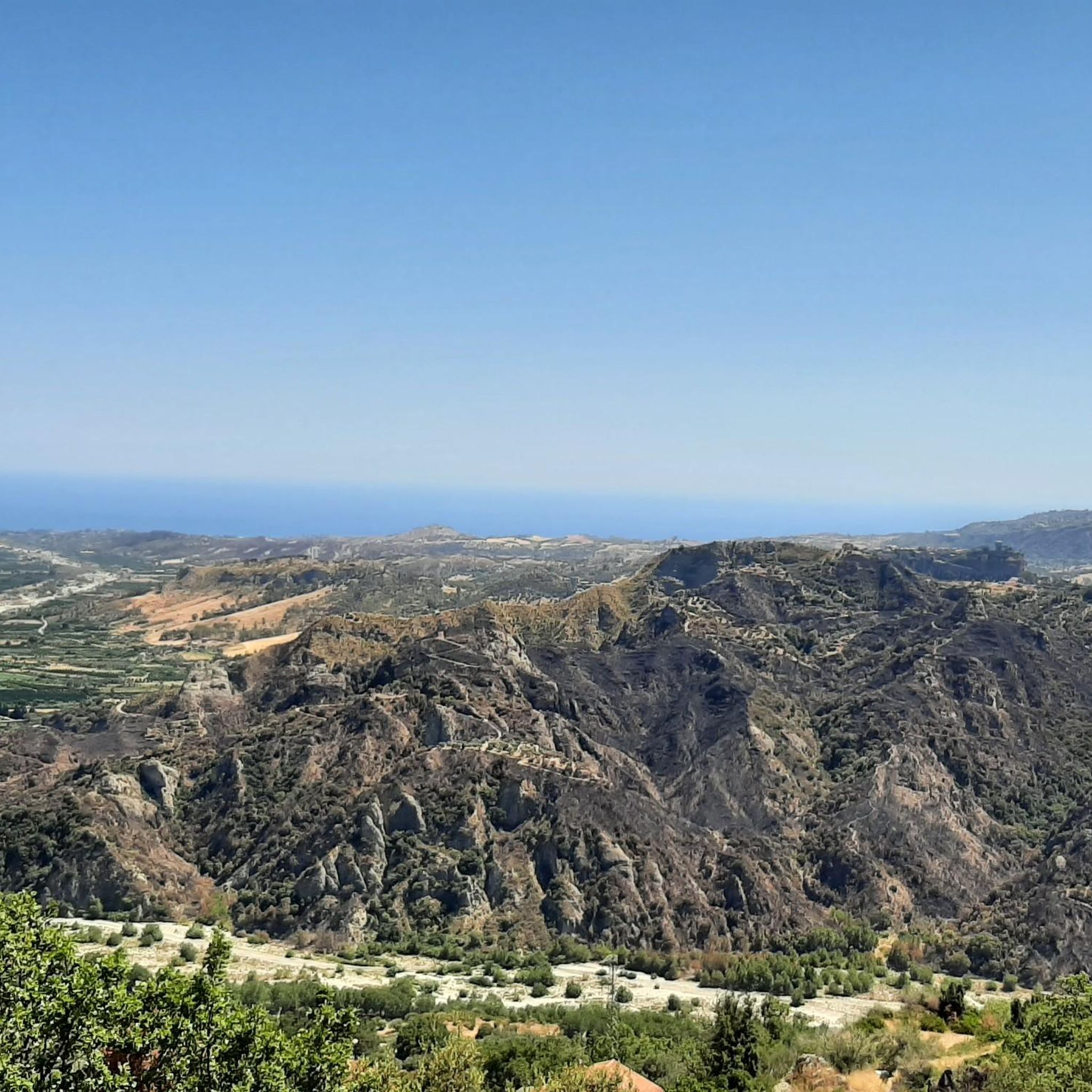
Best attractions and places to see around Stilo is a village located in the Ionian part of Reggio Calabria, Italy, known for its history and Byzantine heritage. Situated on the slopes of Mount Consolino, it overlooks the Stilaro Valley and offers views of the Costa dei Gelsomini. The area features a blend of historical landmarks and natural landscapes.
Best attractions and places to see around Stilo
- The most popular attractions is Chapel of the Charterhouse of Serra San Bruno, a religious building that stands on the site of the first Carthusian monastery. It is a stone building that once housed the cells of the first Carthusians.
- Another must-see spot is San Bruno Pond, a lake. This pond is associated with the legend of Saint Bruno, who is said to have prayed kneeling in its waters.
- Visitors also love Marmarico Waterfall, a natural monument. This waterfall is the highest in the southern Apennines, with an overall height of 114 meters.
- Stilo is known for its religious buildings, historical sites, and natural monuments. The region offers a variety of attractions to see and explore, from ancient churches to impressive waterfalls.
- The attractions around Stilo are appreciated by the komoot community, with 19 photos and 43 upvotes.
Last updated: July 2, 2026
Chapel of the Charterhouse of Serra San Bruno
Highlight • Religious Site
The Charterhouse of Santo Stefano
The first monastery was in the Dauphiné, a region on the western slope of the Alps, southwest of Savoy, near the present city of Grenoble, in the summer of 1084, for the feast of John the Baptist, in a mountainous and wooded area, at 1175 m .above sea level, in the heart of the massif called "Cartusia" in Bruno's time, hence the Italian name "Certosa" and the French name "Chartreuse".
The construction work started immediately and progressed quickly. In fact, the main part had to be completed before the start of winter. The cells for the hermits were built around a spring and had to resemble the huts of shepherds and woodcutters: primitive and rustic construction, but fairly solid. In fact, they had to withstand the weight of snow from year to year. At first, each house (or cell) housed two monks, probably to save time and funds; Only later did each loner have his own cell.
The church was the only stone building: a sine qua non for its consecration, which took place on September 2, 1085 for the service of Bishop Ugo and under the patronage of Our Lady and the Baptist. Today, on the site where the cells of the first Carthusians once stood, there is a chapel called "Chapel of San Bruno" and another dedicated to the Madonna called "Madonna di Casalibus". The life of those first fathers of the Gran Certosa is known to us through the testimonies of the writer Guigo in the life of Saint Hugh and the traveler Guiberto di Nogent, from which, adding some information contained in the "Customs" of Guigo and some important ones phrases of the letters of Saint Bruno, Venerable and Saint Bernard create a picturesque image of fervor, rigor and the authentic monastic spirit. Bishop Hugo gave them every security, protecting them in any dispute with neighbors and allowing Bruno and his family full ownership of the Chartreuse desert. The new loners could then live there completely separated from the world in a legally untouchable retreat that only formed the outer framework of an existence in which the essentials were elsewhere. Saint Bruno displayed paternal care for his brothers and a sense of balance and measure that made him say to his own, perhaps too fervently, as is customary for beginners: "If the bow is constantly stretched, it loosens and becomes for less suitable for his task". Instead, when he stayed too long with the monks for solitude's sake, his friend Hugh reminded the Bishop of Grenoble of the duties of his ministry: "Go to your sheep". Seeing the beautiful cliffs covered with snow and glowing in the sun, he let his deep and contemplative heart expand his habitual prayer of admiration and adoration of the Creator: "O goodness of God!".
Text / Source: Serra San Bruno
visitserrasanbruno.it/visitare-serra-san-bruno/la-certosa-di-santo-stefano
Translated by Google •
Tip by

Sanctuary of Santa Maria nel Bosco
Highlight • Religious Site
Surrounded by centuries-old silver firs and young beech trees, the complex of the Sanctuary of Santa Maria del Bosco is the site of the largest tourist and religious attraction in the Serra San Bruno.
In the summer, tens of thousands of visitors relax in the places where he spent the last ten years of his life and where Saint Bruno of Cologne died.
The church of Santa Maria della Torre, consecrated by the Archbishop of Palermo in 1094, gave way to the small sanctuary of Santa Maria del Bosco after the earthquake. The spirit of Bruno, who lived and died in this place, still lives and provokes and moves us among these centuries-old trees and near this stream that bathes his feet.
visitserrasanbruno.it/visitare-serra-san-bruno/le-chiese/santuario-di-santa-maria-nel-bosco/il-santuario
Translated by Google •
Tip by
Sign up now to discover places like this
Get recommendations on the best single tracks, peaks, & plenty of other exciting outdoor places.
Sign up for free
Church of Our Lady of Sorrows Maria SS. of the Seven Sorrows, Serra San Bruno
Highlight • Religious Site
Church of Our Lady of Sorrows
The Church of Our Lady of Sorrows was built in 1721 according to a project by the Serrese architect Biagio Scaramuzzino.
It has a semi-elliptical facade made of local granite blocks that provide the backdrop for the beautiful bronze door, made in 1961 by Serrese artist Giuseppe Maria Pisani, which contains panels depicting the Seven Passions of the Madonna.
This church, a tangible example of Calabrian late Baroque architecture, has an interior enriched by the presence of stuccoes and decorations, and houses the seventeenth-century marble kiborium with a beautiful temple-shaped tabernacle in marble, semiprecious stones and silver, made by the Bergamo Architects Cosimo Fanzago for the Carthusian Convent Church. After the 1783 earthquake, the ciborium was salvaged and adapted to the church where it still stands today.
Also very particular is the seventeenth-century Christ of ancient Certosa, carried in procession on Holy Saturday on the so-called "Naca", a burial bed that changes every year according to a new aesthetic style in shape and colors depending on the inspiration of its creators is set up.
On the sides of the main altar there are two altars from ancient Certosa, above which there are two altarpieces depicting on one side the passage of Sant'Anna of the Roman school of 1642 and on the other the Apparition of the Virgin Mary to San Bruno depicting 1721 by Paolo De Matteis.
Of considerable artistic value is the seventeenth-century perforated marble balustrade, made by Neapolitan marble masters.
Also worth admiring are the four marble medallions attached to the stalls, representing San Bruno, San Gennaro, San Pietro and San Paolo.
Text / Source: Serra San Bruno
visitserrasanbruno.it/visitare-serra-san-bruno/le-chiese/maria-ss-dei-sette-dolori
Translated by Google •
Tip by
San Bruno Pond
Highlight • Lake
The lake recalls the legend according to which San Bruno did penance and prayed kneeling in the water 1645,
Translated by Google •
Tip by
Marmarico Waterfall
Highlight • Waterfall
Translated by Google •
Tip by

Sign up for free to discover even more attractions around Stilo.
Sign up for free
Already have an account?
Start today with a free account
Your next adventure awaits.
Login or Signup

Tips from the Community

Waterfalls where you can swim in the warmer months, reachable from Ferdinandea via a panoramic trek or from a rest point in 30 minutes
0
0

Serra San Bruno is worth a visit. Its historic center, full of characteristic churches, the tree-lined avenue leading to the Certosa, and last but not least, the Hermitage of San Bruno, where you can enjoy the cool, tranquil atmosphere, especially during the week. There's also a stream, a cool path, and tables where you can rest under the trees, perhaps enjoying a bite to eat.
0
0

Beautiful church, right in the middle of town. Like most churches in Italy, it's always open.
7
0
Magnificent Charterhouse. A must-visit. Info: https://www.certosini.info/
6
0
Beautiful pond, built from granite stone
7
1
Beautiful pilgrimage site where Saint Bruno lived.
6
0

Waterfalls of impressive height, especially when observed from the highest pool. It is possible to bathe in both pools in summer.
1
0

Magical and religiously intense place. For those who pass through these parts, a moment of reflection for our thoughts.
2
0
Frequently Asked Questions
What historical and cultural sites can I explore in Stilo?
Stilo is rich in history and Byzantine heritage. You can visit the iconic Cattolica di Stilo, a 9th-century Byzantine church, or the ruins of the 11th-century Norman Castle on Mount Consolino for panoramic views. Other notable sites include the Duomo di Stilo, the Church of San Francesco, and the Church of San Giovanni Theristi. Don't miss the Convent of San Domenico, where you can see the personal cell of philosopher Tommaso Campanella.
Are there any natural attractions or scenic viewpoints around Stilo?
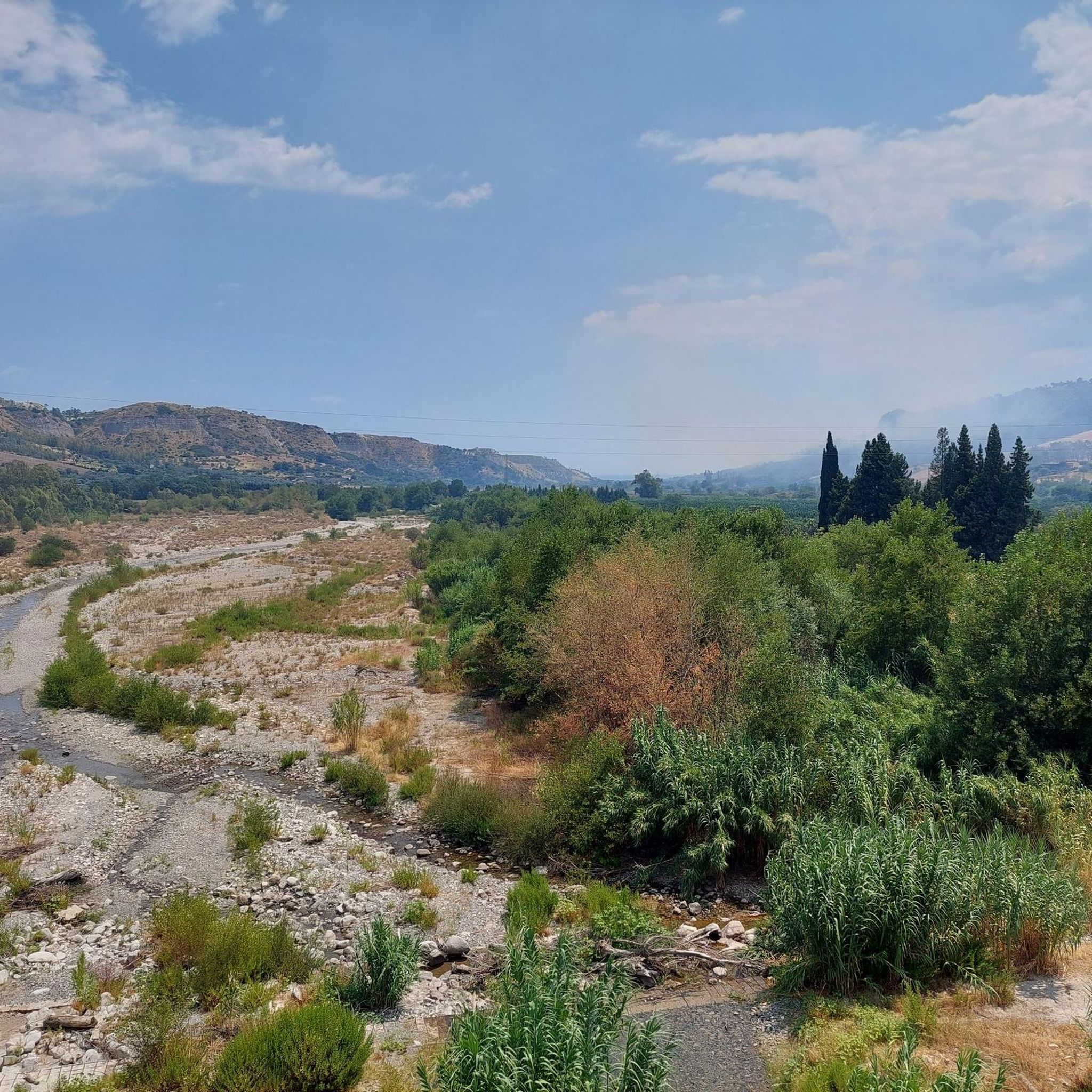
Absolutely. Stilo is nestled on the slopes of Mount Consolino, offering dramatic landscapes and opportunities for climbing. The village overlooks the enchanting Stilaro Valley, through which the Stilaro river flows. For a breathtaking natural spectacle, visit the Marmarico Waterfall, the highest waterfall in the southern Apennines. You can also enjoy views of the Costa dei Gelsomini (Jasmine Coast) from various points in the village and from the Norman Castle.
What are some family-friendly attractions near Stilo?
Several attractions are suitable for families. The Chapel of the Charterhouse of Serra San Bruno and the Sanctuary of Santa Maria nel Bosco are both listed as family-friendly historical and religious sites. The San Bruno Pond is also a pleasant spot for families, offering a tranquil setting with historical significance.
What outdoor activities and routes are available near Stilo?
The region around Stilo offers diverse outdoor activities. For cycling enthusiasts, there are routes like the 'Stilaro Valley and Ionian Coast Loop' or sections of the 'Calabria Parks Cycle Route'. Runners can explore trails such as the 'San Bruno Pond – Certosa di Serra San Bruno loop'. Mountain biking options include the 'Pietra Lu Moru Loop' and 'Sentiero Italia CAI Cycle Route - Stage U09'. You can find more details on these activities in the Cycling around Stilo, Running Trails around Stilo, and MTB Trails around Stilo guides.
Are there any hiking trails around Stilo, and what are their difficulty levels?
Yes, there are several hiking opportunities. While specific hiking trails directly from Stilo are not detailed, the area around the Marmarico Waterfall offers routes, with the hike from Ferdinandea being more challenging than from Bivongi. The mountainous terrain of Mount Consolino also provides opportunities for more adventurous climbs. For general outdoor activities, you can refer to the cycling, running, and MTB guides for routes of varying difficulty.
What is the best time of year to visit Stilo attractions?
Stilo, located in Southern Italy, generally enjoys a Mediterranean climate. Spring (April-May) and early autumn (September-October) are often ideal, offering pleasant temperatures for exploring historical sites and enjoying outdoor activities without the intense heat of summer. These periods also tend to be less crowded.
What do visitors enjoy most about the attractions around Stilo?
Visitors frequently praise the historical depth and natural beauty of the region. The Chapel of the Charterhouse of Serra San Bruno is described as a 'magnificent' and 'must-visit' site, while the Sanctuary of Santa Maria nel Bosco is noted as a 'magical and religiously intense place'. The Church of Our Lady of Sorrows is considered a 'masterpiece of Calabrian late Baroque'. The panoramic views from the Norman Castle and the impressive Marmarico Waterfall are also highly appreciated.
Can I find any unique or less-known cultural sites in Stilo?
Beyond the main landmarks, Stilo holds several unique cultural sites. The Chiesa di San Nicola da Tolentino, an Augustinian church with Byzantine influence and a distinctive Trullo-shaped dome, offers beautiful views. The Rock Church of the Divine Shepherdess, located within ancient caves, provides insight into the lives of Basilian monks. Exploring the Old Village (Centro Storico) itself, with its winding alleys and traditional stone houses, is an experience in discovering hidden gems.
Are there any dog-friendly walking routes or attractions in the Stilo area?
While specific dog-friendly designations for attractions are not provided, many natural areas and outdoor routes are generally suitable for walks with dogs, provided they are kept on a leash. The trails mentioned for running and cycling, such as those around the Stilaro Valley or near the San Bruno Pond, could be good options for dog walks. Always ensure to respect local regulations and clean up after your pet.
What is the significance of the Cattolica di Stilo?
The Cattolica di Stilo is considered the most significant attraction in Stilo and a jewel of Byzantine architecture in Italy. Dating back to the 9th or 10th century, this small church is built entirely of brick with a square design, three apses, and five small cylindrical domes. Its name, 'Cattolica,' comes from the Greek 'Katholikì,' referring to churches with a baptistery during the Byzantine era. Inside, you can admire fragments of ancient frescoes, some from the 11th century.
Where can I find the best panoramic views in Stilo?
For some of the best panoramic views, head to the ruins of the Norman Castle, perched high on Mount Consolino. From here, you can enjoy magnificent vistas of Stilo, the surrounding valley, and the Ionian coast, especially at sunset. The area around the Cattolica di Stilo also offers excellent viewpoints of the village and its picturesque surroundings.
Most popular attractions around Stilo

Get inspired with the komoot mobile app


Explore more
Still not found the Highlight you’re looking for? See guides of the top attractions in other regions:
