The best walks and hikes around Trabitz
4.7
(584)
2,557
hikers
34
hikes
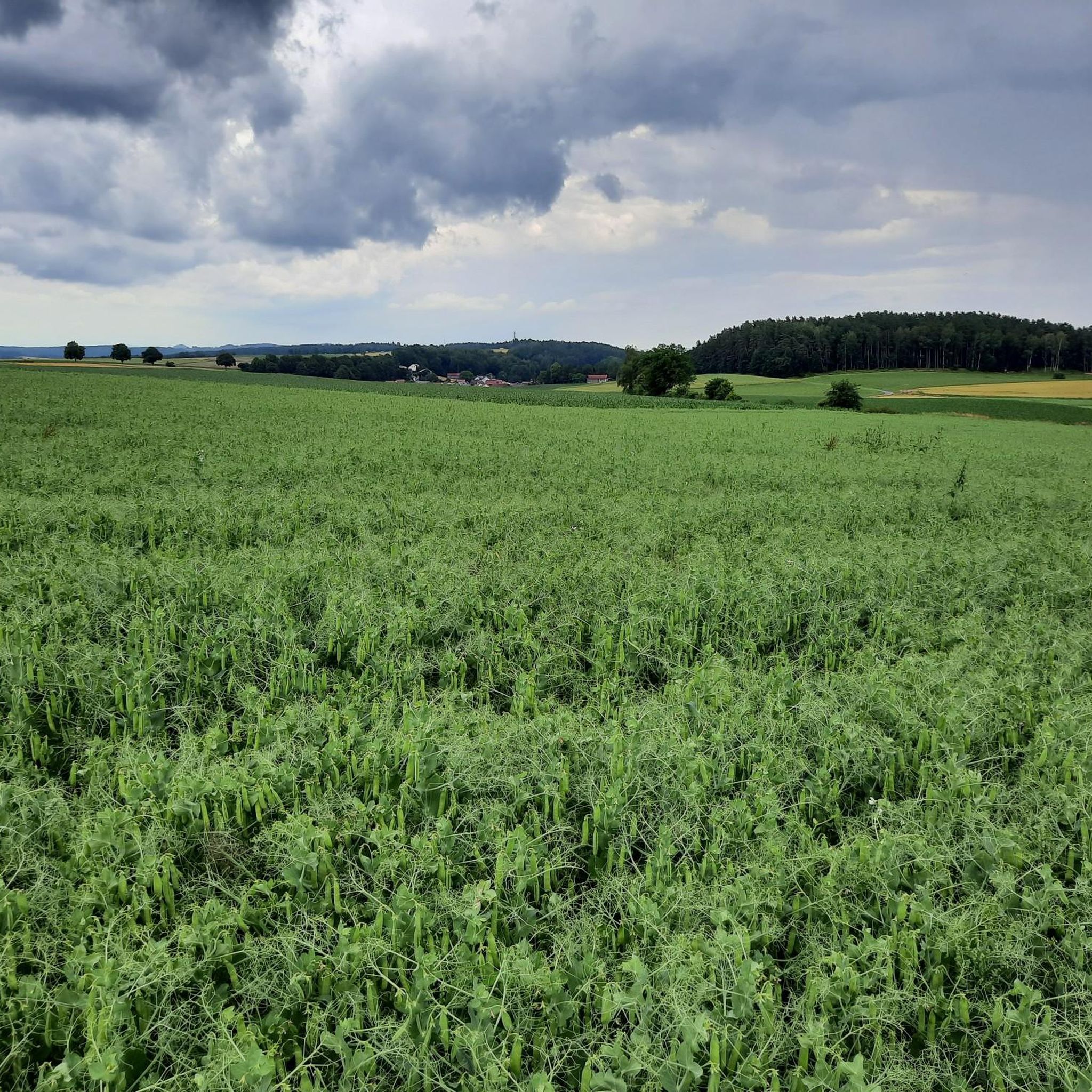
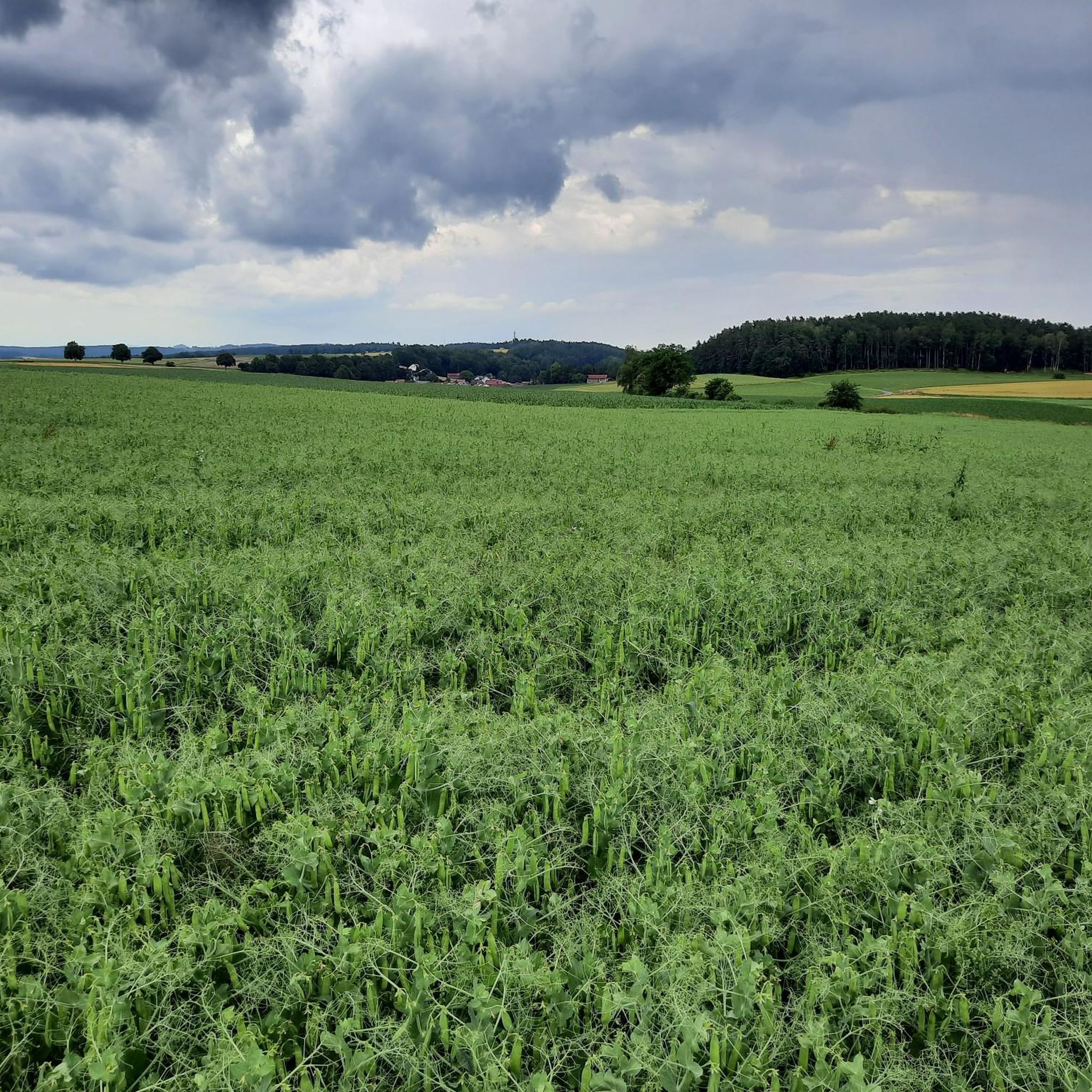
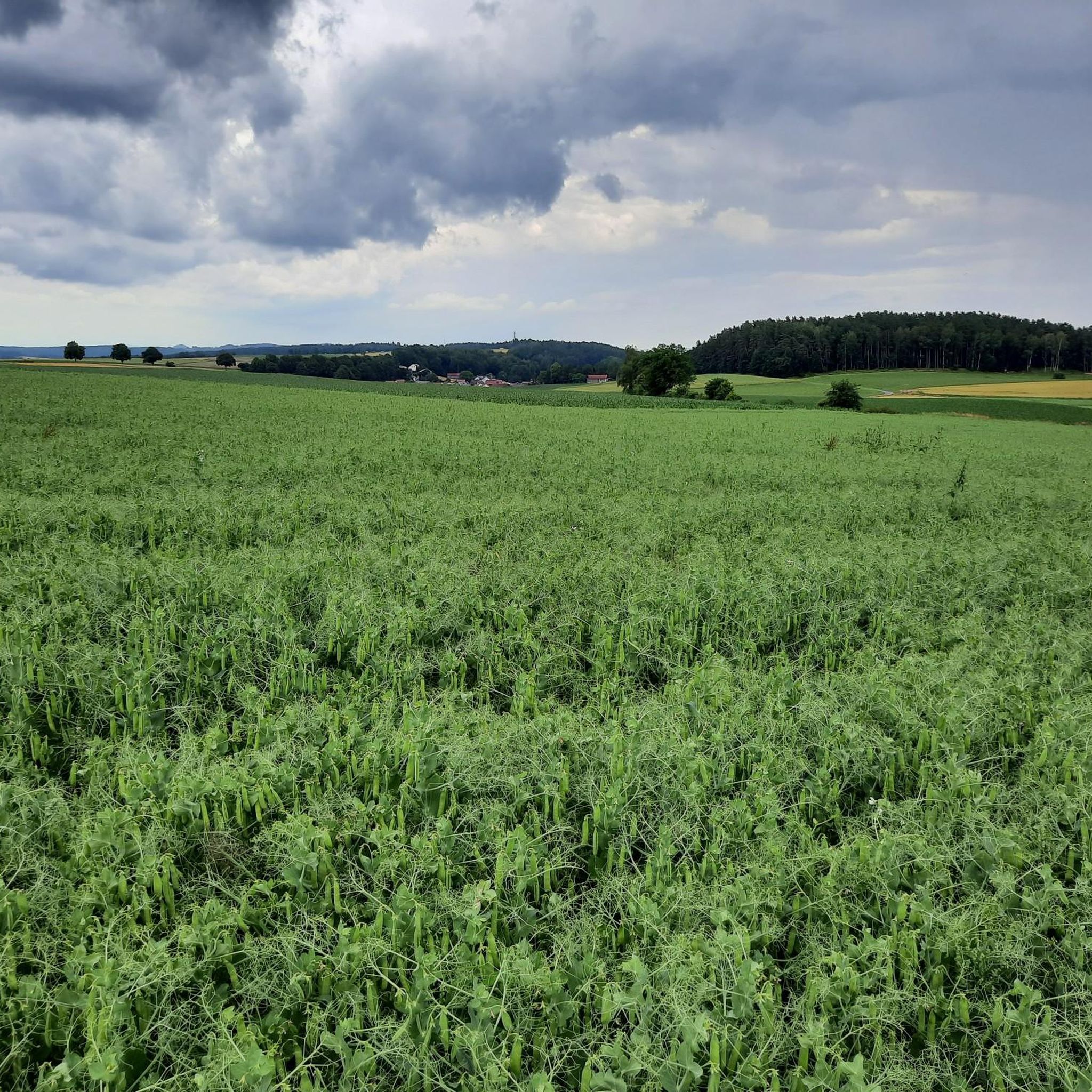
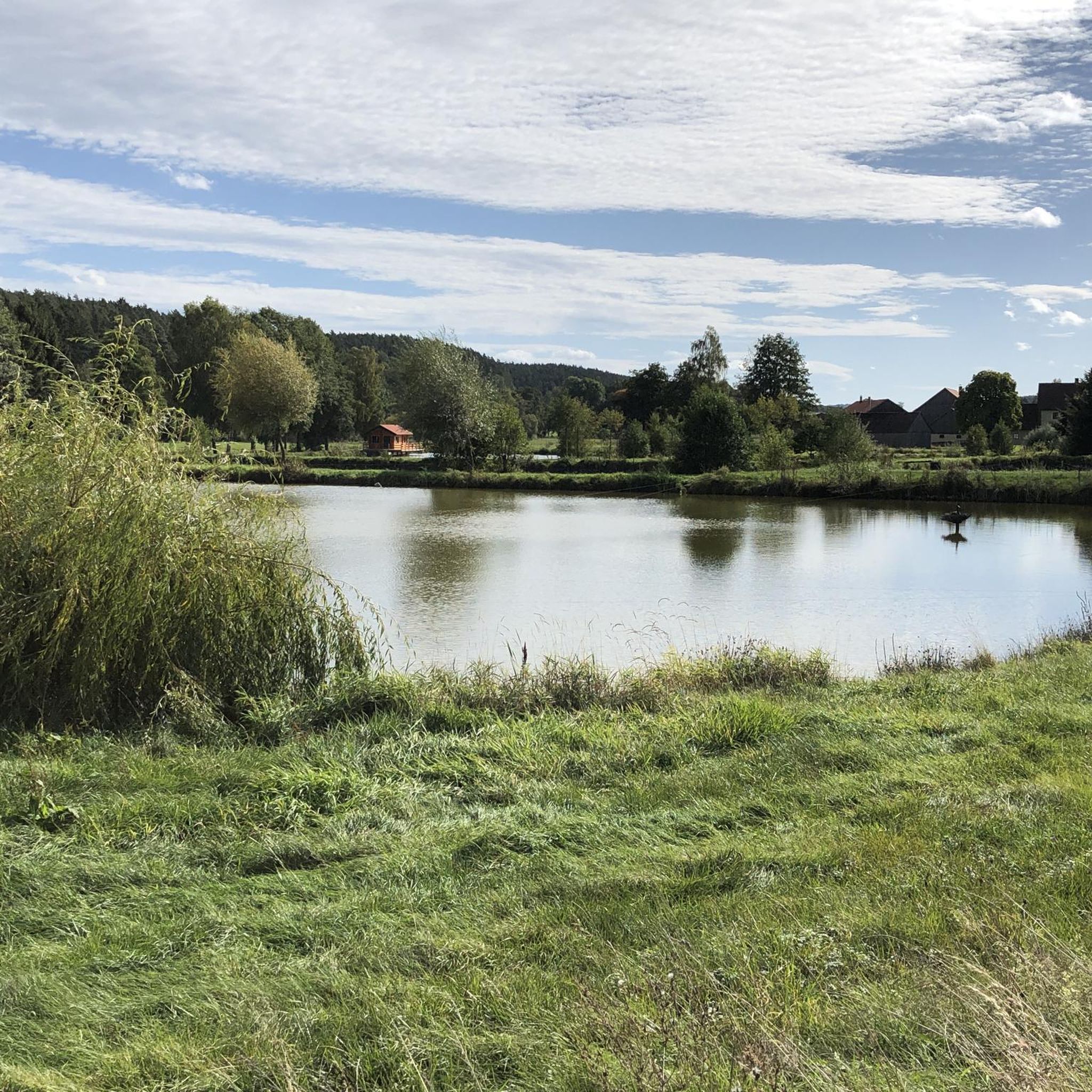
Hiking around Trabitz offers diverse landscapes within Bavaria's Upper Palatinate region, characterized by a mix of hills, forests, and riverine scenery. The terrain provides varied experiences, from gentle paths along waterways to more challenging ascents through woodlands. The region also features unique geological formations and historical sites, adding to the exploration opportunities.
Best hiking trails around Trabitz
- The most popular hiking route is Ascent of Rauher Kulm – Rauher Kulm Lookout Tower loop from Langweiher Moor, a 10.1 miles…
Last updated: September 30, 2026
4.7
(35)
79
hikers
16.3km
04:38
360m
360m
Moderate hike. Good fitness required. Easily-accessible paths. Suitable for all skill levels.
4
hikers
7.11km
01:54
80m
80m
Easy hike. Great for any fitness level. Easily-accessible paths. Suitable for all skill levels.

4
hikers
Easy hike. Great for any fitness level. Easily-accessible paths. Suitable for all skill levels.
4.3
(3)
4
hikers
Easy hike. Great for any fitness level. Easily-accessible paths. Suitable for all skill levels.
4
hikers
13.3km
03:34
160m
160m
Moderate hike. Good fitness required. Easily-accessible paths. Suitable for all skill levels.
Get access to more routes and recommendations from other explorers.
Already have an account?
Our route recommendations are based on thousands of hikes, rides, and runs completed by other people on komoot.
Start today with a free account
Your next adventure awaits.

Tips from the Community

Burgstall Rauhenkulm There are no reliable sources regarding the origin of the high medieval castle. Although the deed of foundation of the Benedictine monastery Michelfeld from 1119 states that Bucco de Culmen of Leuchtenberg had a residence on one of the two Kulms. He would thus be the first scientifically documented lord of the castle. However, it is unclear whether Rauhe Kulm or Kleine Kulm is meant. It is conceivable, but unlikely, that it was a building in the village of Kulmain. Excavations have brought shards, arrowheads, crosses, and coins from this period to light. According to Losert, the construction of the Rauher Kulm rampart was part of Emperor Otto I the Great's strategy to contain the impending danger from the Hungarians. Sandstone, timber framing, and bricks were used in the construction of the castle around 950. In addition to military use, the castle was also inhabited by women and children, as evidenced by various finds, including several spindle whorls, a weaving sword, and a large iron knife. Burgrave Friedrich III of Nuremberg acquired the castle, including the associated places, from the Landgraves of Leuchtenberg in 1281. The former tower was part of the margravial signaling system. During the Second Margravial War under Margrave Albrecht Alcibiades, the castle, as well as the Schlechtenkulm castle on Kleine Kulm, was destroyed in 1554. Before the destruction, both castles were besieged for about a year by troops from the imperial cities of Nuremberg, Bamberg, Würzburg, and Bavaria under the command of the electoral district administrator Hans Umseher von Waldeck, and the inhabitants were starved. The fortress commander von Heydenab surrendered the fortress on Rauhen Kulm on June 28, 1554. Afterwards, it was blown up with screws, the triple walls were razed and destroyed. Stones from the medieval ramparts of both castle sites were later used in part to reinforce the city walls of Neustadt. Today, only traces of the terrain are visible of the Burgstall Rauhenkulm. Remains of the surrounding rampart and the location of the tower in close proximity to the current observation tower are recognizable. The cartographer Johann Christoph Stierlein created the first very accurate topographical map of the mountain with the ruin. Source: www.wikipedia.de
4
0
There are no reliable sources on the origin of the high medieval castle. Although the foundation charter of the Benedictine monastery of Michelfeld from 1119 states that Bucco de Culmen of Leuchtenberg had a residence on one of the two Kulms. He would thus be the first scientifically documented castle lord. However, it is unclear whether the Rauhe Kulm or the Kleine Kulm is meant. It is conceivable, but unlikely, that it was a building in the village of Kulmain. Excavations have brought to light shards, arrowheads, crosses, and coins from this period. According to Losert, the construction of the Rauher Kulm fortification was part of the strategy of Emperor Otto I the Great, who wanted to contain the approaching danger from the Hungarians. Sandstone, half-timbering, and bricks were used in the construction of the castle around 950. In addition to military use, the castle was also inhabited by women and children, as evidenced by various finds, including several spindle whorls, a small weaving sword, and a large iron knife. Burgrave Frederick III of Nuremberg acquired the castle, including the associated places, from the Landgraves of Leuchtenberg in 1281. The former tower was part of the margravial signaling system. During the Second Margraves' War under Margrave Albrecht Alcibiades, the castle, as well as the Schlechtenkulm castle on the Kleine Kulm, was destroyed in 1554. Before the destruction, both castles were besieged for about a year by troops from the imperial cities of Nuremberg, Bamberg, Würzburg, and Bavaria, under the leadership of the electoral landrichter Hans Umseher von Waldeck, and the inhabitants were starved. The fortress commander Heydenab surrendered the fortress on the Rauhen Kulm on June 28, 1554. Subsequently, it was blown up with screws, the triple walls were razed and destroyed. For the reinforcement of the city walls of Neustadt, stones from the medieval ramparts of both castle sites were later used in part. Today, only traces of the terrain are visible from the Rauhenkulm castle site. Remains of the surrounding wall and the location of the tower are recognizable in the immediate vicinity of the current observation tower. The cartographer Johann Christoph Stierlein created the first very accurate topographical map of the mountain with the ruin. Source: www.wikipedia.de
4
0
Pilgrimage Church of St. Barbara Traces of prehistoric settlements can be found on the Barbaraberg. In pre-Christian times, a Slavic cemetery with 161 documented graves, discovered in 1972 during excavations, was located here. Archaeologically secured is a Romanesque hall church from around the year 1000. It is reported that pilgrimages to the "Church of St. Barbara" and to the wooden carved image of St. Barbara took place as early as the end of the 14th century. During the Reformation, these pilgrimages were forbidden, which led to decay. In 1661, at the instigation of the Kemnath parish priest Balthasar Grosch, the chapel was rebuilt and adorned with the miraculous image that had been found buried in a stable. Under Abbot Dominikus I. von Lieblein, a church in the Rococo style was built here between 1741 and 1756 in honor of St. Barbara. The church building was cruciform and had five altars. The vaults of the nave were decorated with images from the life of St. Barbara. Pilgrimages to the Barbaraberg were resumed. In the course of secularization, the Barbara Church was also closed and sold in 1803. The miraculous image and the relics of St. Barbara remained on site, while the rest of the furnishings were sold to other parishes. The church space was converted into a barn. Due to damage to the roof, the crossing dome and the interior were demolished in 1888. In 1914, the church was partially incinerated by a lightning strike. The Barbara statue in the gable of the facade, which has been headless ever since, still commemorates this. In 1919, the Munich cathedral chapter canon Michael Hartig acquired the remains and had a small chapel built, which was consecrated in 1921. Originally, he wanted to establish a recreational home for the diocesan priests of Munich here. However, the association founded for this purpose was dissolved in 1929. He then donated the buildings to the Speinshart Monastery, in whose possession they remain to this day. In 1976/77, an external renovation took place, followed by interior restoration from 1992 to 1994. What remains of the church is the still magnificent facade, flanked by buildings that formerly served for the accommodation of monastery members and later for agricultural purposes. Sparse remains of the walls of the former church are still preserved. Source: Excerpts from www.wikipedia.de
4
0

It's always wonderful to be here again
0
0
Magnificent landscape with many beautiful impressions
0
0
Magnificent landscape with many beautiful impressions
0
0

From here you can enjoy a view with a wide vista.
0
0

Bridge Saint John of Nepomuk - he stands here at the remains of a bridge on the way from Speinshart Monastery towards Tremmersdorf
2
0
Frequently Asked Questions
What types of landscapes can I expect to see while hiking around Trabitz?
Trabitz, located in Bavaria's Upper Palatinate, offers a diverse hiking experience. You'll find a mix of rolling hills, dense forests, and scenic paths along rivers like the Vils and Naab. The region also features unique geological formations, such as those near Parkstein, which is built on a long-dormant volcano, providing distinctive natural backdrops.
Are there hiking trails suitable for families with children in Trabitz?
Yes, Trabitz offers several easy trails perfect for families. For instance, the Prälatenbrunnen loop from Wanderparkplatz Prälatenbrunnen is an easy 4.4-mile (7.1 km) path that leads through tranquil forest areas, ideal for a shorter outing with children.
What kind of historical sites or landmarks can I explore while hiking in the area?
The region around Trabitz is rich in history. You can discover various castle ruins, such as the impressive Waldeck Castle Ruins or the Old Cellar Vault at Waldeck Castle Ruins. These historical sites often provide rewarding views and add a cultural dimension to your hike.
Are there any circular hiking routes available in Trabitz?
Yes, many routes around Trabitz are designed as loops. A popular option is the Ringelbrunnen Spring – Weihersberg Cultural Landscape loop from Pressath, a 3.9-mile (6.3 km) trail that takes you through the scenic Weihersberg Cultural Landscape.
What is the general difficulty level of hiking trails in Trabitz?
Hiking trails in Trabitz cater to various ability levels. You'll find a good mix of easy and moderate routes. Approximately 16 of the 31 available tours are considered easy, while 15 are moderate, offering options for both casual walkers and those seeking a bit more challenge.
What do other hikers enjoy most about the trails around Trabitz?
The trails in Trabitz are highly regarded by the komoot community, with an average rating of 4.7 stars from over 500 reviews. Hikers often praise the diverse landscapes, from rolling hills and dense forests to scenic river paths, and the well-maintained network of trails that cater to different fitness levels.
Are there any viewpoints or lookout towers along the hiking routes?
Absolutely. One notable route, the Ascent of Rauher Kulm – Rauher Kulm Lookout Tower loop from Langweiher Moor, specifically highlights views from the Rauher Kulm Lookout Tower, offering panoramic vistas of the surrounding area.
Can I find trails that are suitable for dog walking in Trabitz?
While specific dog-friendly designations aren't always listed, the natural and forested trails around Trabitz are generally suitable for walking dogs, provided they are kept on a leash and local regulations are followed. The tranquil forest paths, like the Prälatenbrunnen loop, offer pleasant environments for you and your canine companion.
How long do hikes around Trabitz typically take?
Hike durations vary depending on the route and your pace. Easy trails, such as the Ringelbrunnen Spring – Weihersberg Cultural Landscape loop, can be completed in about 1 hour 41 minutes. Longer, moderate routes like the Ascent of Rauher Kulm – Rauher Kulm Lookout Tower loop might take around 4 hours 38 minutes.
Are there any other attractions or activities near Trabitz besides hiking?
Beyond hiking, the region offers other outdoor activities and cultural experiences. You can explore charming German towns like Kallmünz, known for its artistic ambiance, or visit other historical sites such as the Hammerschloss Dießfurt and Gate Tower. There are also bike parks in the vicinity for cycling enthusiasts.
What is the best time of year to go hiking in Trabitz?
The Upper Palatinate region, where Trabitz is located, offers beautiful hiking conditions throughout much of the year. Spring and autumn provide pleasant temperatures and vibrant scenery, while summer offers shaded forest trails. Even winter can be appealing for those who enjoy crisp air and quiet landscapes, though some paths might be more challenging.
Are there options for shorter, easy walks around Trabitz?
Yes, there are plenty of options for shorter, easy walks. For example, the Weihersberg Cultural Landscape – Ringelbrunnen Spring loop from Pressath is an easy 2.7-mile (4.3 km) trail, perfect for a quick stroll or a relaxed afternoon walk.
Most popular attractions around Trabitz

Get inspired with the komoot mobile app


Explore more
Browse the best Hikes in other regions.
