The best MTB trails around Piubega
4.4
(75)
378
riders
84
rides
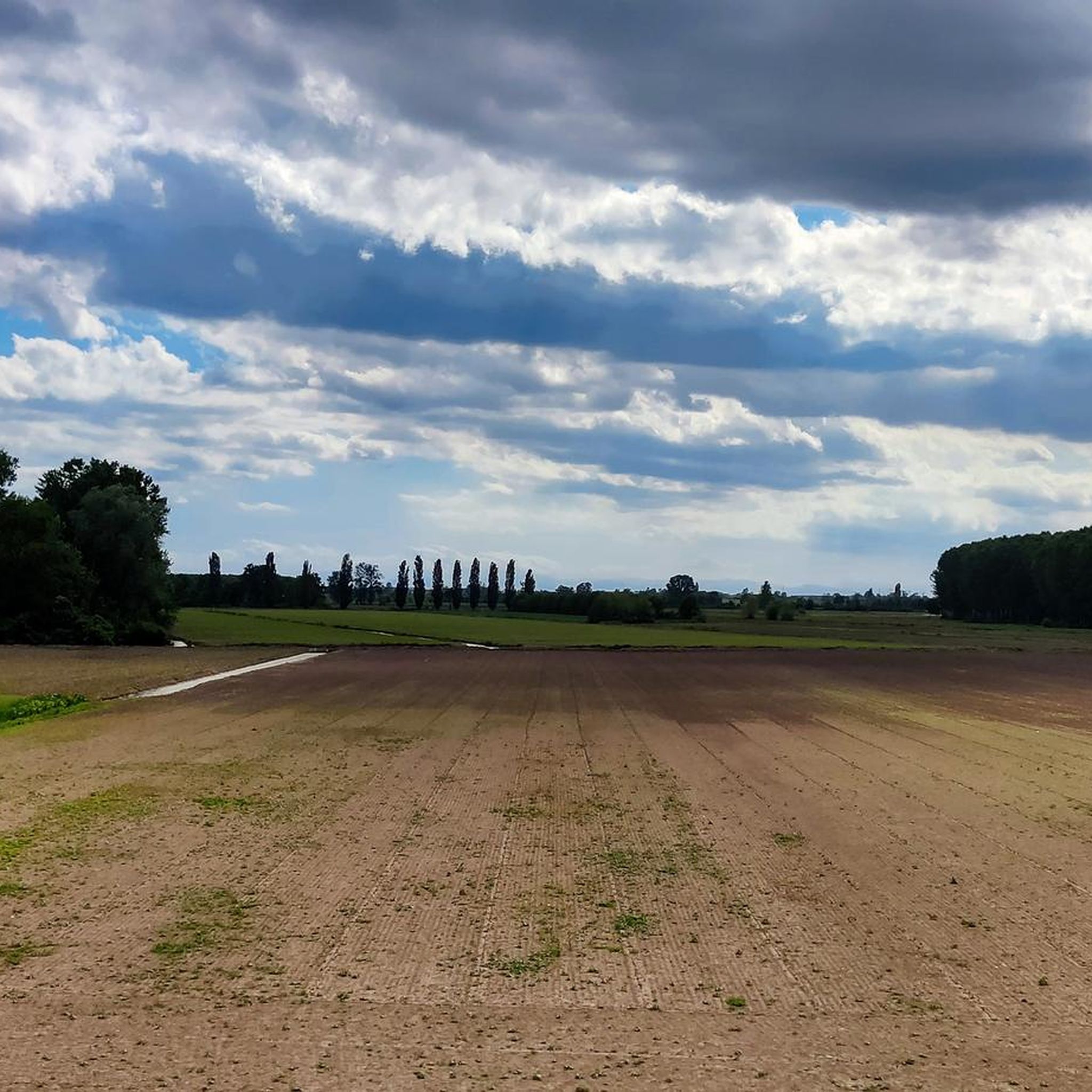
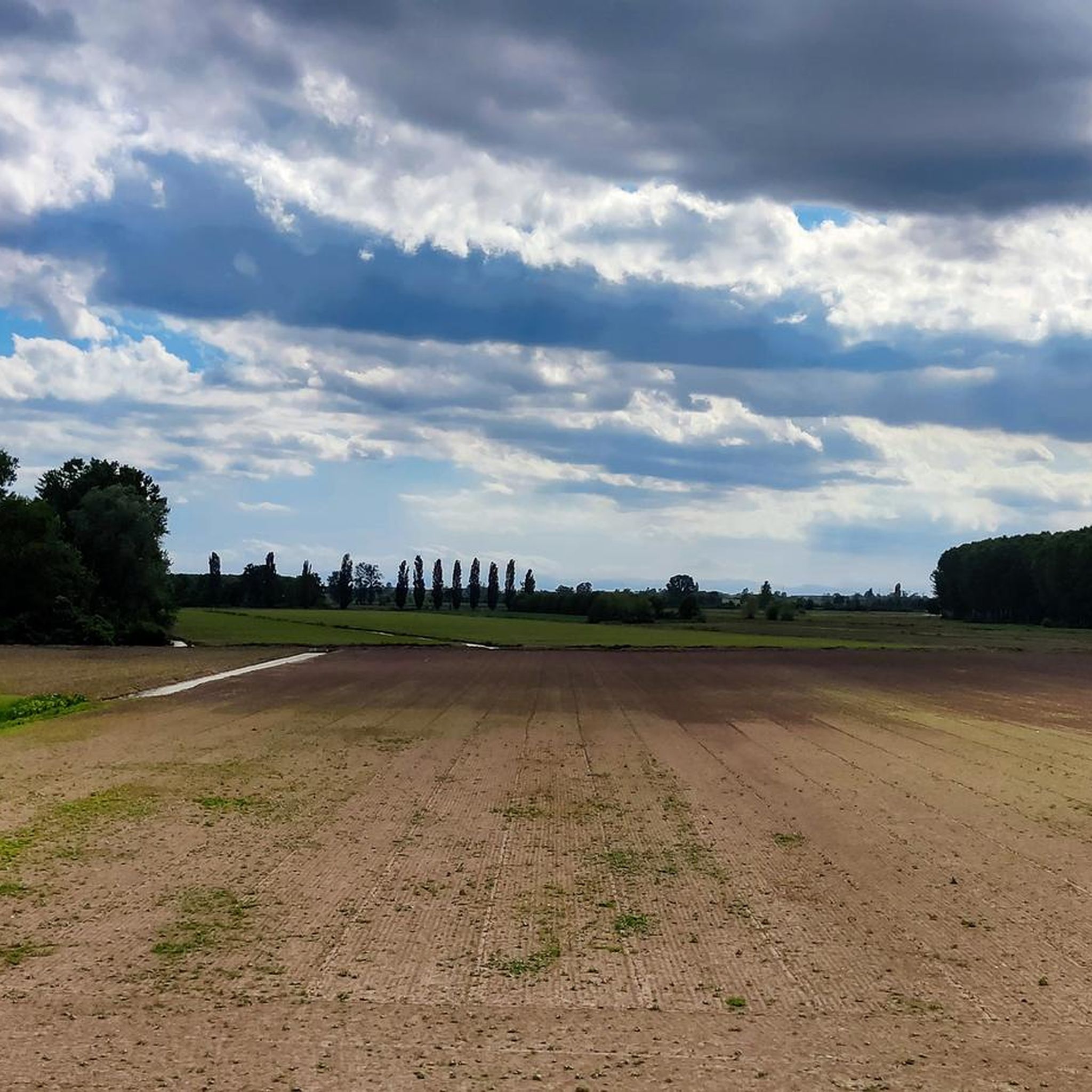
Mountain bike trails around Piubega are primarily found within the flat expanse of the Po River Plain, offering a network of cycling routes. The terrain features extensive cycling paths, including segments that follow the Po River, traversing floodplains, riverbanks, and rural country roads. While generally flat, many routes incorporate unpaved sections and dirt roads, providing varied surfaces for mountain biking.
Best mountain bike trails around Piubega
- The most popular mountain bike trail is Chiese to Oglio Rivers Loop, a…
Last updated: November 1, 2026
4.0
(1)
12
riders
61.1km
03:48
100m
100m
Hard mountain bike ride. Good fitness required. Advanced riding skills necessary. Some portions of the route may require you to push your bike.
10
riders
93.8km
06:05
630m
630m
Hard mountain bike ride. Very good fitness required. Advanced riding skills necessary.

5.0
(3)
5
riders
17.9km
00:55
20m
20m
Easy mountain bike ride.
5.0
(2)
5
riders
19.7km
01:07
30m
30m
Easy mountain bike ride.
3
riders
59.0km
03:45
410m
410m
Moderate mountain bike ride. Good fitness required. Advanced riding skills necessary.
Get access to more routes and recommendations from other explorers.
Already have an account?
Our route recommendations are based on thousands of hikes, rides, and runs completed by other people on komoot.
Start today with a free account
Your next adventure awaits.



Tips from the Community


Rest area with table, benches and fountain. All under a wonderful and pleasant shade. We stopped to eat a sandwich on the way from Parma to Desenzano by MTB. Very pleasant stop!
0
0

beautiful dirt road to explore at full speed, enjoying the view!
0
0

On the southwestern shore of Lake Garda, a few kilometers north of Desenzano del Garda, lies the small town of Padenghe sul Garda in the fertile Valtenesi region. Over several centuries, numerous castles and fortifications were built in this area, reflecting the fierce power struggle already underway for the wines and olive oils produced in the Valtenesi. The castle ruins, perched on a hill above Padenghe, represent the remains of a fortress built of rubble and fieldstones as early as the 10th century. Originally lacking corner towers, the approximately 70 by 38 meter structure, situated on the gently sloping side of a moraine hill facing Lake Garda, was protected by a ditch. It was probably only in the first half of the 14th century that two square wall towers and two corner towers were added to the curtain wall. The wall on the steeper southeastern side, reaching a height of about 9 meters, remained without towers. After 1330, under the rule of the Scaliger family of Verona, a separate noble castle was built on the northeastern flank, reinforced in the northern section by a round tower 17 meters high and approximately 9 meters in diameter. https://www.gardasee-domizil.de/burg-padenghe-sul-garda.php
2
0
Piazza Martiri della Libertà is the city's main square, where you can see the monument to the dead of the First World War (a work by Luigi Contratti) and the Venetian column topped with the Lion of St. Mark. The Republic of Venice ruled Lonato from the mid-15th century until the end of the 18th century, for approximately 350 years without interruption. The council chamber houses an 18th-century map of the Lonato area, and the ceiling features 18th-century carvings dedicated to the Lonato agronomist Camillo Tarello (1517–1573). This large hall is called the "Celesti Hall" because it contains an unusual work of art created for this space in 1693 by the Venetian painter Andrea Celesti (1637–1712). The council chamber houses an 18th-century map of the Lonato area, and the ceiling features 18th-century carvings dedicated to the Lonato agronomist Camillo Tarello (1517–1573). The large canvas (measuring 262 x 735 cm) was commissioned by the city administration in 1692 (to commemorate the end of the plague epidemic). In the center, Christ is depicted with the Virgin Mary on the left and Saint John the Baptist—patron saint of Lonato—on the right. On the left is an allegory of Lonato alongside the Doge of Venice and the three theological virtues, while on the right, the painter depicted the consequences of the plague: a lazaretto and the flying devil.
1
0
The Civic Tower, also known as the Torre Maestra, is located in the historic center of Lonato. Construction of this imposing building dates back to 1555. This tower was built to house the bells that would announce the events of the town's civic life, thus distinguishing it from the church bell tower, which served a similar function but was connected to the community's religious life. The tower therefore represented the civic institution while also addressing the general need for surveillance. Opening Hours: Year-round: Sunday 10:00 AM - 5:00 PM July and August: Thursday 10:00 AM - 6:00 PM Sunday 10:00 AM - 6:00 PM Admission: €3
1
0

Unfortunately, there isn't much to see of the impressive castle. You can catch a glimpse from one spot. Otherwise, everything is cordoned off and protected from prying eyes by a high wall.
1
0

Frequently Asked Questions
How many mountain bike trails are available around Piubega?
There are over 60 mountain bike trails around Piubega, offering a wide range of options for different skill levels. The komoot community has mapped 69 routes in total.
What kind of terrain can I expect on mountain bike trails near Piubega?
The terrain around Piubega, situated in the Po River Plain, is generally flat but offers varied surfaces. You'll find extensive cycling paths, including segments along the Po River, traversing floodplains, riverbanks, and rural country roads. Many routes incorporate unpaved sections and dirt roads, providing a diverse experience for mountain biking.
Are there mountain bike trails suitable for beginners in Piubega?
Yes, Piubega offers a good selection of trails for beginners. There are 22 easy mountain bike routes available, perfect for those new to the sport or looking for a relaxed ride.
Are there challenging mountain bike routes for experienced riders?
While the region is predominantly flat, there are 12 difficult mountain bike routes around Piubega that offer a more challenging experience for experienced riders, often involving longer distances or more technical unpaved sections.
What do other mountain bikers say about the trails in Piubega?
The mountain bike trails in Piubega are highly rated by the komoot community, with an average score of 4.4 stars from over 70 reviews. Riders often praise the tranquil riverine environments, the blend of natural landscapes with historical points of interest, and the well-maintained paths that allow for enjoyable exploration.
Are there circular mountain bike routes in Piubega?
Yes, many of the mountain bike routes around Piubega are circular, allowing you to start and end your ride in the same location. Examples include the Chiese to Oglio Rivers Loop and the Parish Church of Acquafredda loop from Asola.
Can I find mountain bike trails that are family-friendly in Piubega?
Absolutely. The generally flat terrain and numerous easy routes make Piubega a great destination for family-friendly mountain biking. Look for the 22 easy-rated trails, which often follow quiet rural roads or dedicated cycling paths, providing a safe and enjoyable experience for all ages.
What natural features or wildlife can I see along the mountain bike trails?
The trails often run along the Po River, offering views of its tranquil flow amidst birches, willows, and poplars. The floodplains are rich in biodiversity, with areas like the Isola degli Internati and Isola del Peccato serving as natural oases. You might spot various birds, amphibians, and small predators like foxes. Consider visiting the Le Bine Nature Reserve for wildlife observation.
Are there any interesting landmarks or places to explore near the mountain bike routes?
Yes, many routes lead through or near charming historic villages and towns, blending outdoor activity with cultural exploration. For example, the Castello Square – Solferino Ossuary loop from Castel Goffredo offers a mix of natural landscapes and historical points of interest. You can also find highlights like the Gravel Path Between Marcaria and Bozzolo, which is a popular cycle way.
What is the best time of year for mountain biking in Piubega?
Spring and autumn are generally the best times for mountain biking in Piubega. The weather is typically mild and pleasant, making for comfortable rides. Summer can be quite warm in the Po River Plain, while winter might bring colder, wetter conditions.
Are there places to stop for refreshments or food along the trails?
Yes, some routes pass by or near places where you can stop for refreshments. For instance, you might find options like Corte Zanella Osteria and B&B, Two Plane Trees Inn, or Kiosko Coffee & Cocktail Bar, which are popular spots in the area.
Most popular attractions around Piubega

Get inspired with the komoot mobile app


Explore more
Browse the best MTB trails in other regions.
