The best walks and hikes around Zeme
4.6
(312)
617
hikers
82
hikes
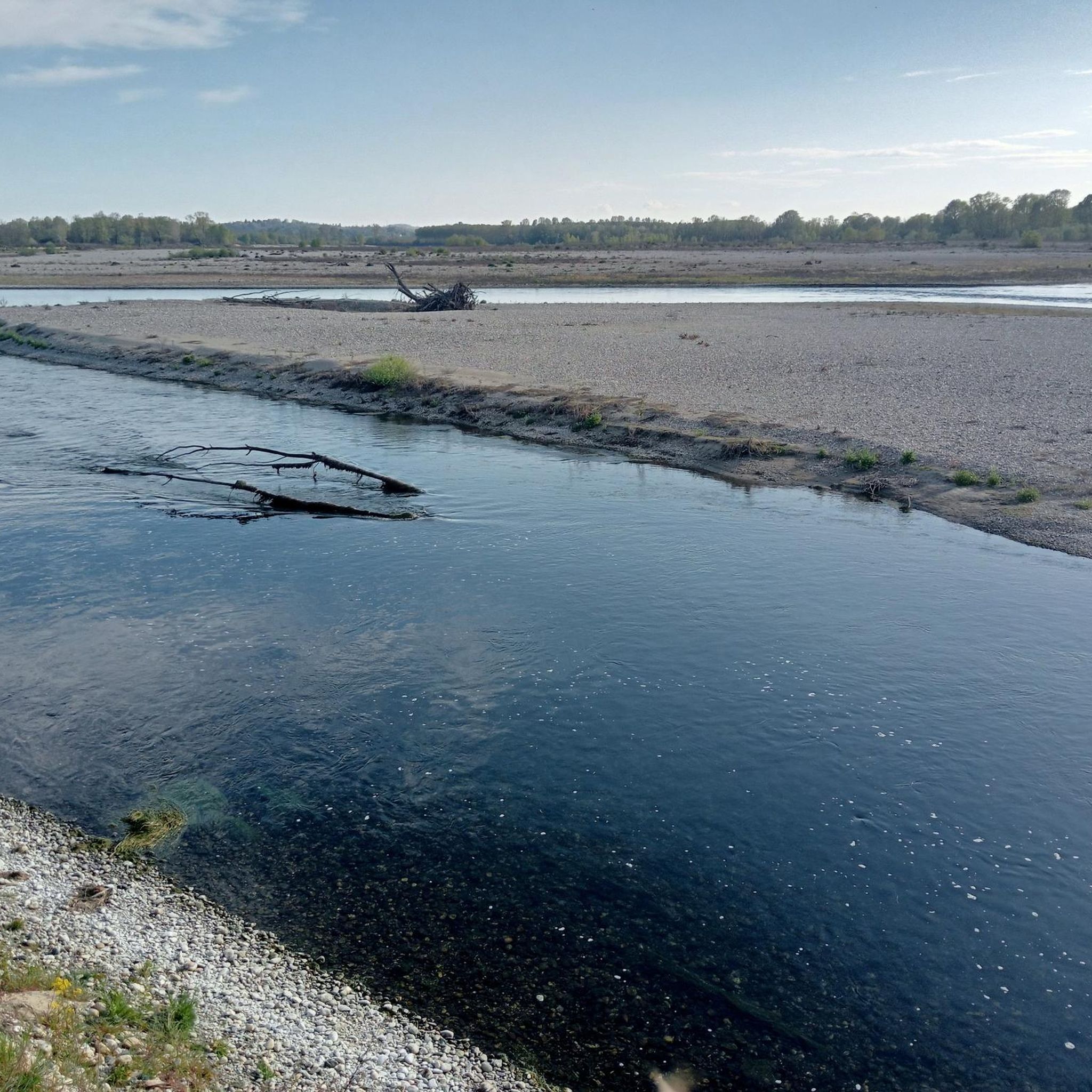
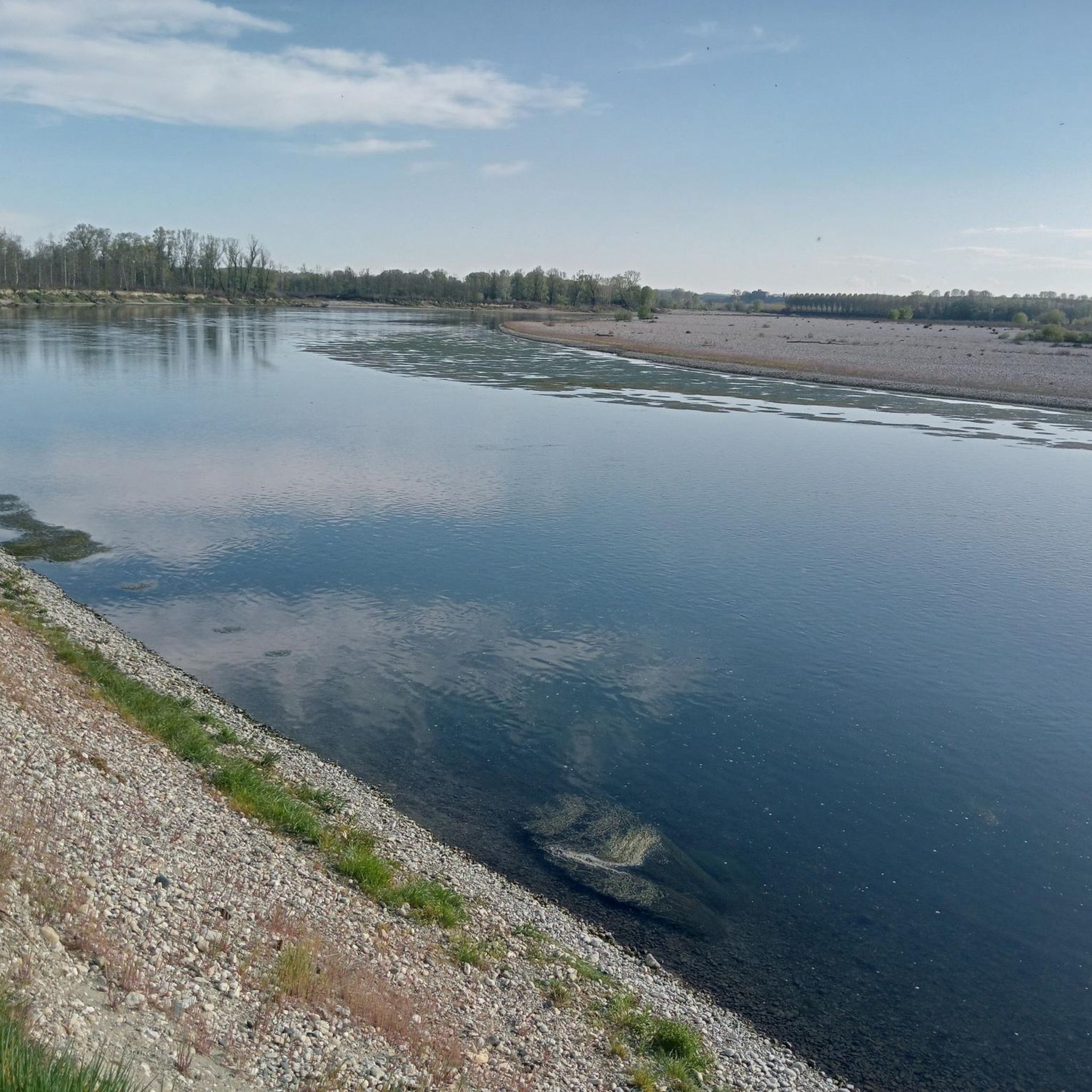
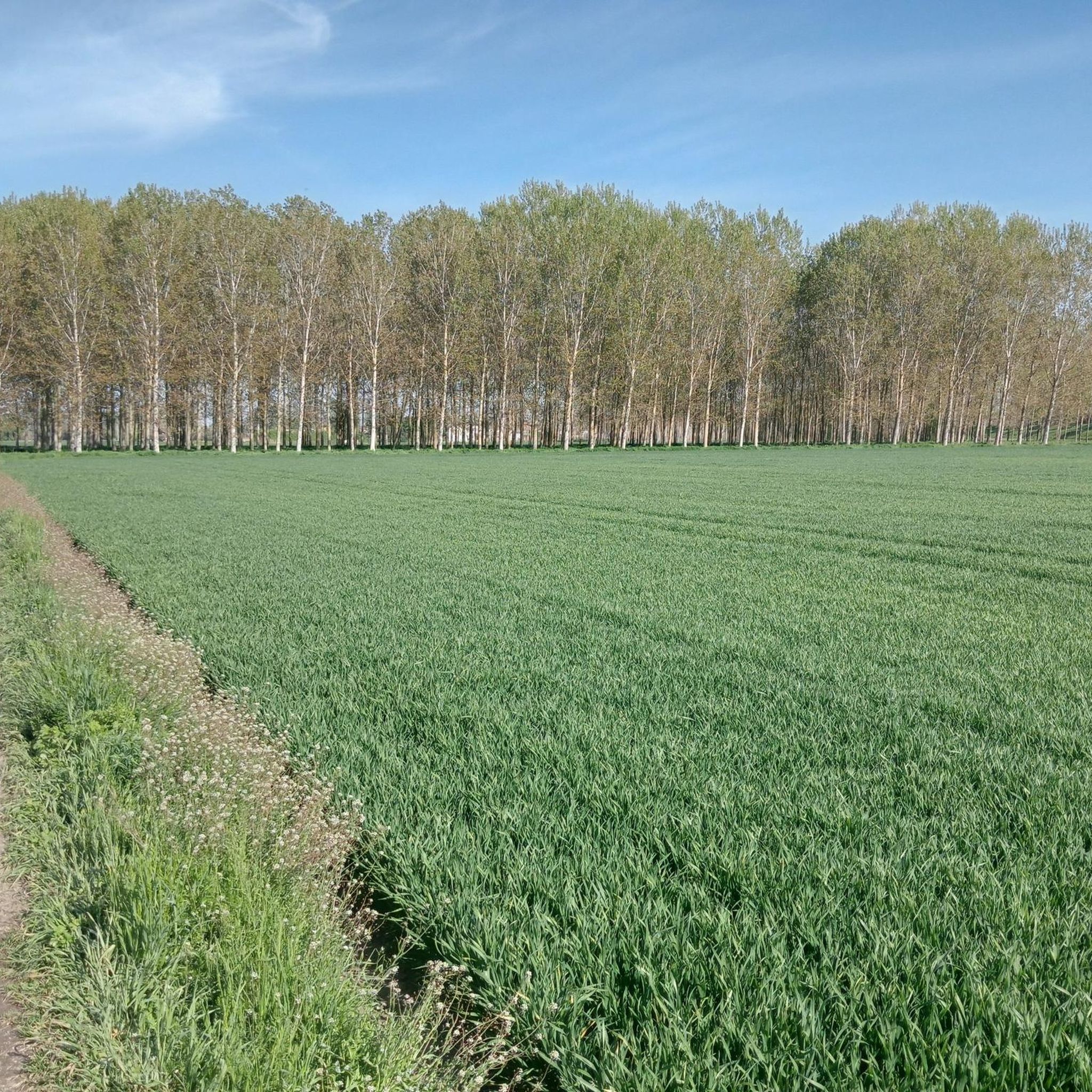
Hiking around Zeme reveals a landscape characterized by extensive agricultural plains, particularly rice paddies, interspersed with waterways and small woodlands. The terrain is predominantly flat, offering gentle paths suitable for relaxed walks. Elevation changes are minimal, making the region accessible for hikers seeking easygoing routes through the Lombardy countryside.
Best hiking trails around Zeme
- The most popular hiking route is Loop tour in Lomellina, a 7.0 miles (11.2 km) moderate trail that takes 2 hours 50 minutes to complete.…
Last updated: November 1, 2026
4.4
(30)
145
hikers
20.9km
05:19
20m
40m
Hard hike. Very good fitness required. Easily walkable paths.
5.0
(4)
2
hikers
11.2km
02:50
20m
20m
Moderate hike. Good fitness required. Mostly walkable paths. Sure-footedness required.

3.8
(6)
30
hikers
27.4km
06:54
40m
40m
Hard hike. Very good fitness required. Easily walkable paths.
4.4
(9)
18
hikers
9.26km
02:20
10m
10m
Moderate hike. Good fitness required. Easily walkable paths.
5.0
(2)
10
hikers
10.1km
02:32
20m
20m
Moderate hike. Good fitness required. Easily walkable paths.
Get access to more routes and recommendations from other explorers.
Already have an account?
Our route recommendations are based on thousands of hikes, rides, and runs completed by other people on komoot.
Start today with a free account
Your next adventure awaits.

Tips from the Community

Beautiful, well-kept watermill with double paddle wheel, set in the middle of the town's gardens.
0
0

According to legend, the foundation of the Monastery of Sant'Albino 🔔 dates back to Charlemagne 🫅🏻, but in reality the Abbey could even be older, dating back to around the 4th or 5th century.
1
0

The Abbey of Sant'Albino is a church-monastery complex, founded in the 5th century in Mortara, Pavia province, Lombardy region, Italy. The church was originally called Sant'Eusebio, but later it was named after its bishop Albino Secondo. The abbey served as a resting place for pilgrims traveling to Rome. The architecture is eclectic, with a mix of Romanesque and Renaissance styles. Inside there are frescoes, including those of St. Anthony Abbot and the Baptism of Jesus. Today pilgrims can still stay there
7
0
The Basilica di San Lorenzo is Mortara's most prominent historical monument, a Gothic building from the 14th century. Located in the city center, near the Palazzo del Comune, it attracts attention with its terracotta facade. Architecture: Built in Gothic Lombard style between 1375 and 1380 by Bernardino da Novara. Martino Bassi made some structural changes in 1573. Exterior: The cotto facade has frescoes in the lunettes of the portals, made by Nando Bialetti. The tondi on the facade are by Boniforte da Mortara. The colorful stained glass windows are the work of Francesco Mossmeyer. Interior: Rich in works of art, including paintings by Paolo da Brescia and a remarkable wooden nativity scene by Lorenzo da Mortara. In the 20th century the interior was renovated by Giuseppe Piatti.
7
0
Vertaling: Ring of the Bellardona farmhouse VIA FRANCIGENA
2
0

The collegiate basilica of San Lorenzo is dedicated to Lawrence of Rome and has the title of a minor basilica. The Gothic church dates from the 14th century and is the seat of the canon chapter. The church was designed between 1375 and 1380 by Bartolino da Novara in the Lombard Gothic style and was built of brick. A renovation was carried out in 1573 by Martino Bassi, restorations took place in 1840 and again in 1916. In this case, Giuseppe Piatti made the church simpler by removing chapels and replacing the altar. Pope Pius XII raised the church to the rank of a minor basilica in 1939. Source: Wikipedia
3
0


Frequently Asked Questions
What is the typical terrain like for hiking in Zeme?
Hiking around Zeme primarily features extensive agricultural plains, particularly rice paddies, interspersed with waterways and small woodlands. The terrain is predominantly flat, offering gentle paths with minimal elevation changes, making it accessible for relaxed walks through the Lombardy countryside.
How many hiking trails are available around Zeme?
There are over 60 hiking routes available around Zeme, catering to various skill levels. This includes 21 easy trails, 42 moderate routes, and 3 more difficult paths for those seeking a longer challenge.
What do other hikers say about the trails in Zeme?
The routes in Zeme are highly rated by the komoot community, with an average score of 4.6 stars from over 200 reviews. Hikers often praise the peaceful agricultural landscapes and the accessibility of the paths for easygoing exploration.
Are there easy hiking options suitable for beginners in Zeme?
Yes, Zeme offers 21 easy hiking routes perfect for beginners or those looking for a relaxed stroll. An example is the Hiking loop from Madonna del Campo, which is 3.3 miles (5.3 km) long.
Can I find challenging hikes around Zeme?
While the region is generally flat, there are a few longer, more challenging routes. For instance, the Nicorvo – The Ancient Cedar of Lebanon loop from Nicorvo is a difficult 16.9 miles (27.1 km) path that traverses flat terrain, offering a longer endurance test.
Are there circular hiking routes in Zeme?
Yes, many of the trails in Zeme are circular, allowing you to start and end at the same point. Popular options include the Loop tour in Lomellina and the Hiking loop from Mortara.
What natural features or landmarks can I see while hiking in Zeme?
While hiking around Zeme, you can discover several natural monuments and points of interest. Notable features include the Dosso of Lomellina, the Loja Marsh, and the Sesia–Po Confluence. You might also encounter the Sant'Alessandro Heronry.
Are there any waterfalls to discover on hikes near Zeme?
Yes, you can find the Agogna Waterfalls near Zeme, offering a pleasant natural sight along some of the routes.
Is Zeme a good destination for family-friendly walks?
Absolutely. Given the predominantly flat terrain and numerous easy routes, Zeme is well-suited for family-friendly walks. The gentle paths through agricultural landscapes provide a safe and enjoyable environment for all ages.
Are dogs allowed on the hiking trails in Zeme?
Generally, dogs are welcome on hiking trails in rural areas like Zeme, especially on public paths through fields and woodlands. However, it's always advisable to keep them on a leash, especially near agricultural areas or if passing through private land, and to respect local regulations.
How long do hikes in Zeme typically take?
Hikes in Zeme vary in duration depending on the route and your pace. Easy walks like the Hiking loop from Madonna del Campo can take less than 2 hours, while moderate routes such as the Loop tour in Lomellina typically take around 2 hours 50 minutes. Longer, more challenging routes can extend to over 6 hours.
What is the best time of year to go hiking in Zeme?
The best time for hiking in Zeme is generally during spring and autumn when temperatures are mild and the landscape is vibrant. Summer can be warm, especially in the open agricultural areas, while winter might bring colder, potentially damp conditions.
Are there options for food or refreshments near the hiking trails?
While the immediate trails often pass through rural areas, you'll find cafes, restaurants, and shops in nearby towns like Mortara or Nicorvo. It's recommended to plan your route to pass through these settlements or carry your own refreshments for longer hikes.
Most popular attractions around Zeme

Get inspired with the komoot mobile app


Explore more
Browse the best Hikes in other regions.
