The best road cycling routes around Segusino
4.6
(411)
19,052
riders
114
rides
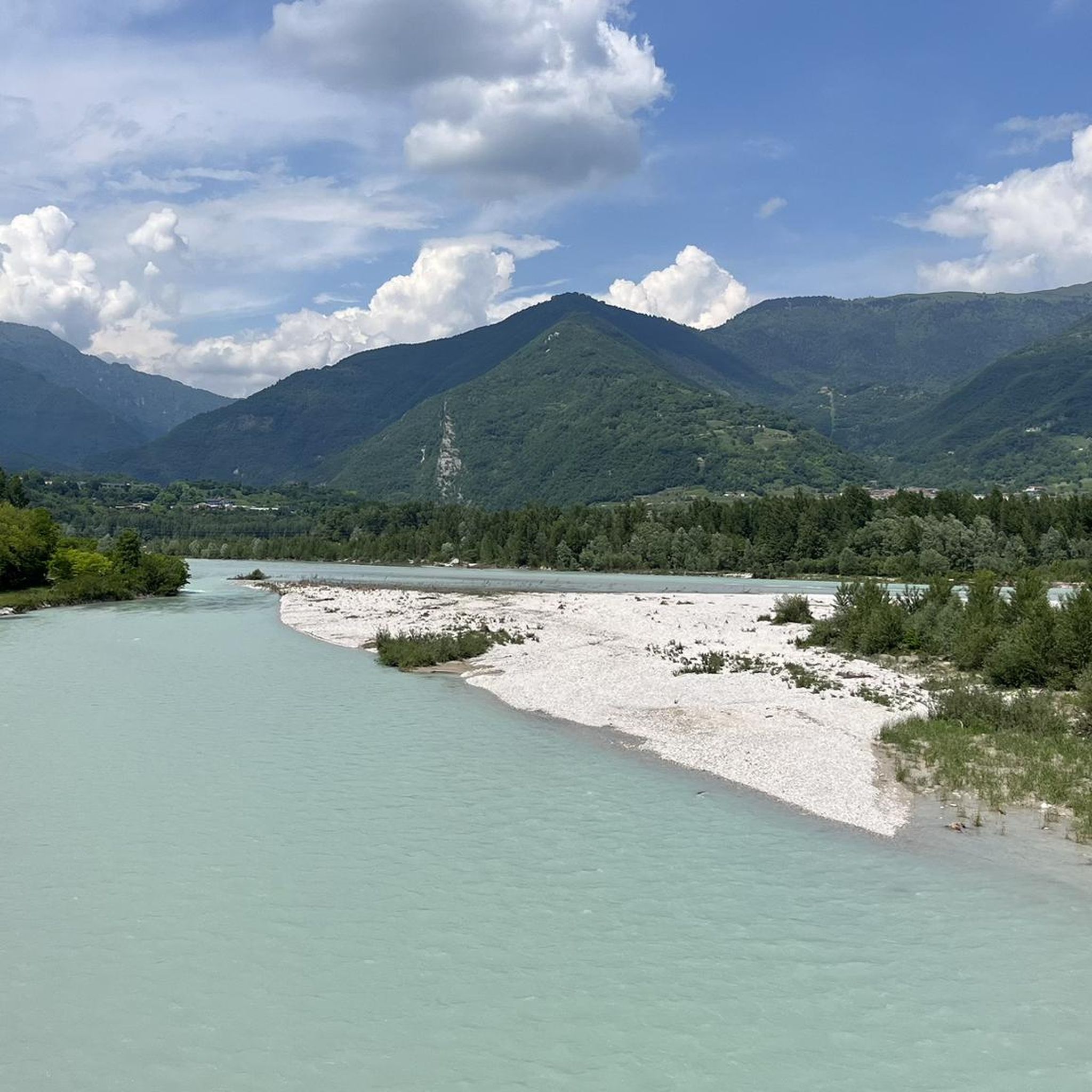
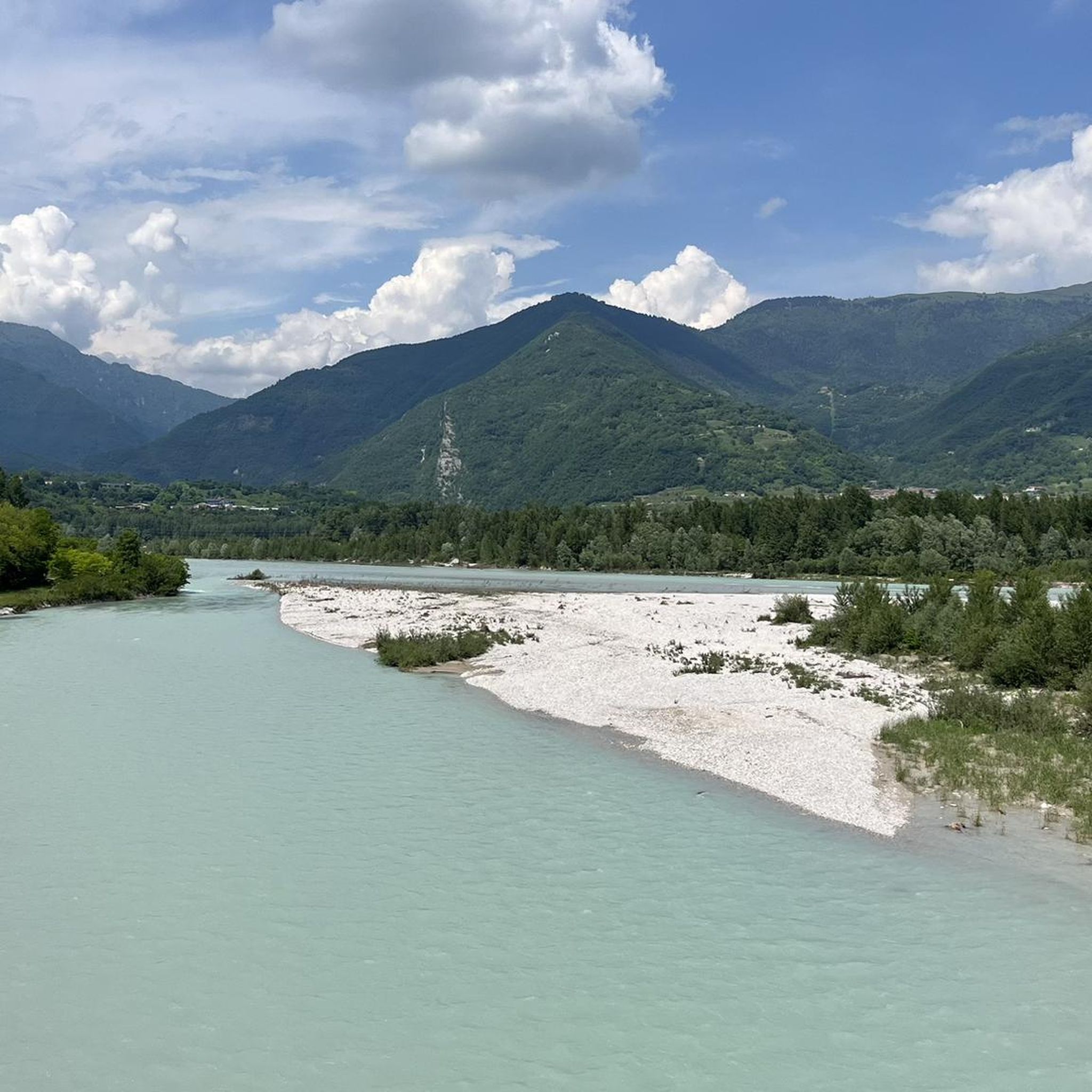
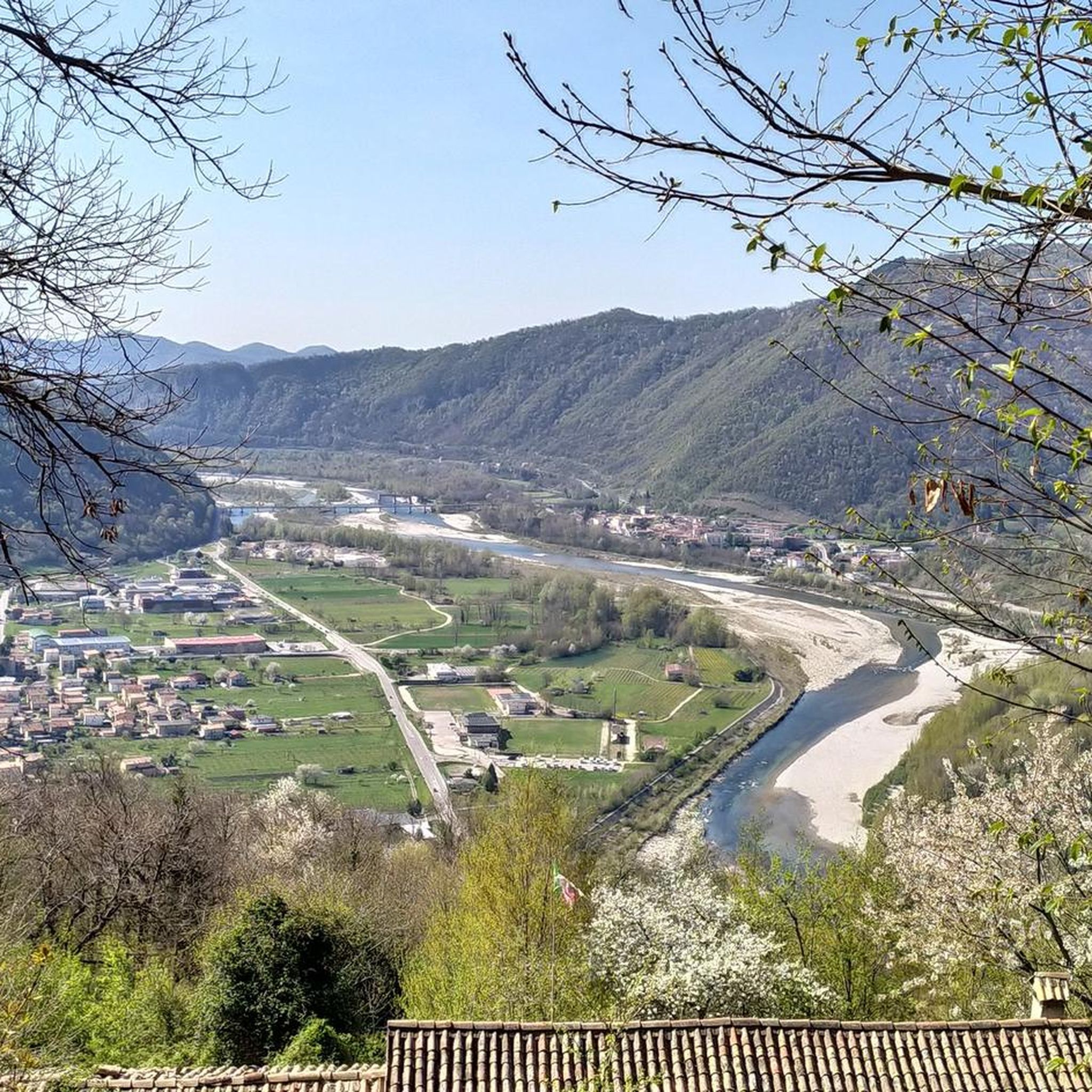
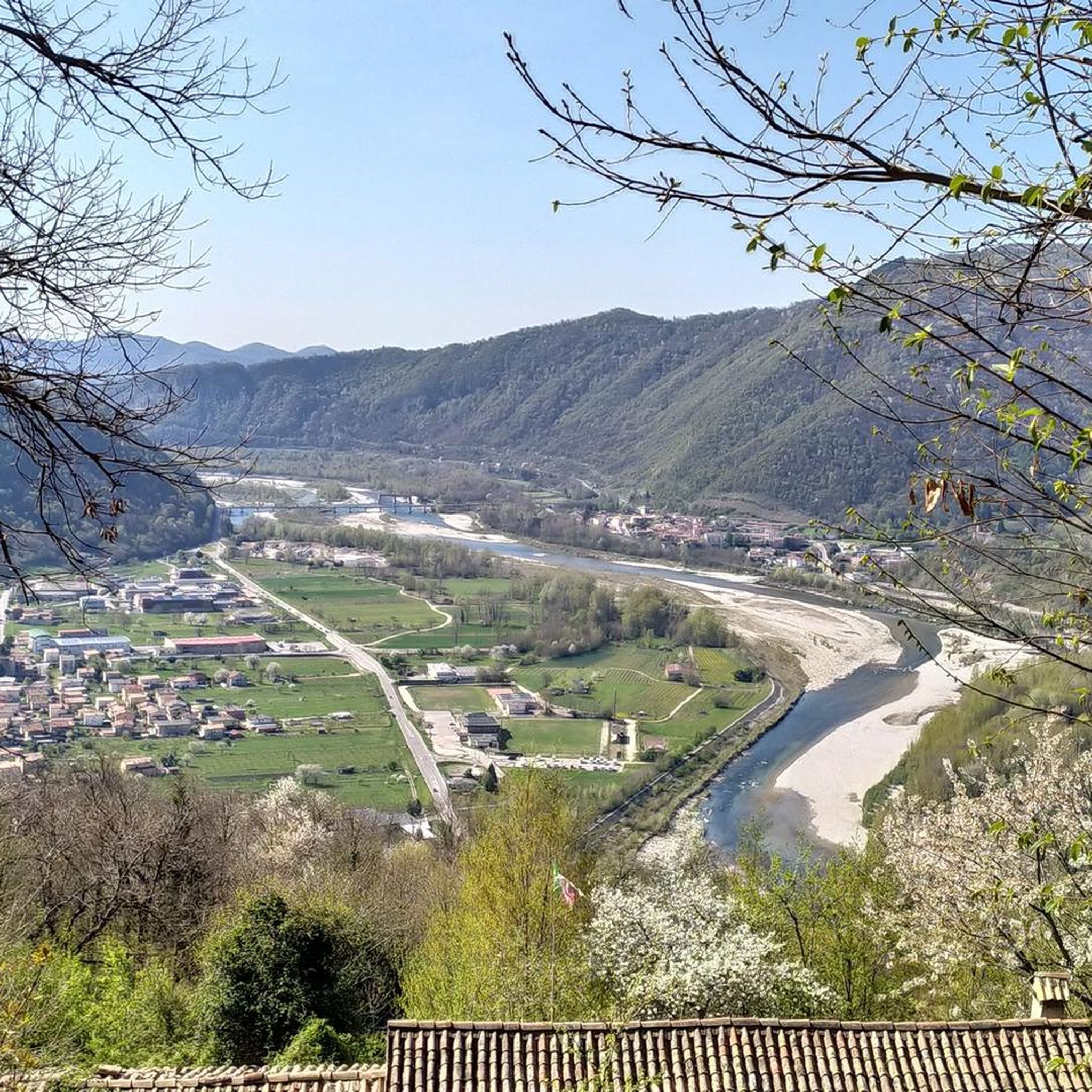
Road cycling routes around Segusino traverse a diverse landscape in the Treviso province, situated between the Piave River and the Venetian Prealps. The terrain varies from riverbanks at lower elevations to the heights of Mount Zogo, offering significant elevation changes. This region is characterized by lush pastures, woods, and meadows, providing varied backdrops for road cyclists. Challenging climbs to Monte Grappa are a prominent feature, alongside scenic routes through picturesque villages.
Best road cycling routes around Segusino
- The most popular…
Last updated: May 14, 2026
4.6
(7)
1,648
riders
113km
05:25
1,500m
1,500m
Hard road ride. Very good fitness required. Mostly well-paved surfaces and easy to ride.
4.8
(4)
15
riders
26.7km
02:54
1,730m
250m
Hard road ride. Very good fitness required. You may need to push your bike for some segments of this route.

Sign up for free
4.9
(7)
11
riders
25.3km
02:51
1,780m
280m
Hard road ride. Very good fitness required. Mostly well-paved surfaces and easy to ride.
4.8
(12)
367
riders
64.6km
04:17
1,990m
1,990m
Hard road ride. Very good fitness required. Mostly well-paved surfaces and easy to ride.
5.0
(3)
265
riders
47.3km
03:12
1,550m
1,550m
Hard road ride. Very good fitness required. Mostly well-paved surfaces and easy to ride.
Get access to more routes and recommendations from other explorers.
Sign up for free
Already have an account?
Our route recommendations are based on thousands of hikes, rides, and runs completed by other people on komoot.
Start today with a free account
Your next adventure awaits.
Login or Signup
Tips from the Community

The Mire road winds through the territory of Corbanese, a hamlet of Tarzo, representing one of the most spectacular stretches of the Prosecco hills. This ridge itinerary ideally connects the area of Tarzo with that of Vittorio Veneto, offering a privileged perspective on the famous "feuds" of the area. The route is characterized by a succession of ups and downs that cut through high-altitude vineyards, where the slopes become extreme and cultivation becomes art. Along the Mire, the horizon opens to the south onto the Trevigiano plain and to the north onto the Belluno Prealps, creating a unique visual contrast between the geometric rigor of the rows and the wild nature of the peaks. It is an iconic place for those seeking silence and the raw beauty of the territory, far from the more trafficked valley routes.
0
0
Located at the foot of the Treviso Prealps, the Abbey of Santa Maria di Follina is one of the greatest masterpieces of late Romanesque and Cistercian Gothic style in Italy. Originally founded by Benedictine monks and brought to its greatest splendor by the Cistercians in the 13th century, the abbey amazes with the harmony of its proportions and the spirituality it emanates. The true jewel of the complex is the cloister, completed in 1268: an architectural masterpiece where paired, single, or spiral-decorated columns support elegant arches, creating a unique play of light and shadow. Inside the church, the majestic altarpiece and the statue of the Madonna of the Sacred Chalice make the site a vibrant pilgrimage destination even today. A place where the art, silence, and history of the wool-making monks are inextricably intertwined.
0
0
In the heart of the Prosecco Superiore DOCG hills, declared a UNESCO World Heritage site, Santo Stefano di Valdobbiadene represents the purest essence of heroic viticulture. This village is surrounded by a natural amphitheatre of very steep vineyards, where human labour has blended for centuries with a landscape shaped by the characteristic "ciglioni", the grassy terraces that follow the curves of the land. The hamlet is famous for being an integral part of the prestigious Cartizze area, a small patch of land of only 107 hectares where the sun exposure and soil composition gift the most prized bubbles of the denomination. Strolling among historic cellars and belvedere points, you breathe in an authentic hospitality linked to the wine culture. Among the most curious and beloved places stands out the Osteria senz’Oste, a rustic farmhouse where visitors can refresh themselves in complete autonomy, celebrating an indissoluble bond between territory, trust, and peasant conviviality.
0
0
Rolle, a hamlet of Cison di Valmarino near Refrontolo, is the first village in Italy to have received FAI protection as an "FAI Viewpoint". Described by the poet Andrea Zanzotto as "a bundle of houses in the green", the village is nestled among hills embroidered with Prosecco Superiore vineyards. With its panoramic church and timeless atmosphere, it represents the most authentic soul of the UNESCO Prosecco Hills, offering breathtaking views that seem hand-painted.
1
0

Section of the General Serret trench, rebuilt and restored near the summit of Mount Tomba.
0
0
Summit of Mount Tomba. A strategic location along the Grappa defense line. The terrain is dotted with trenches, some reconstructed to their original state.
0
0

beautiful climb, quite rideable
0
0

Frequently Asked Questions
How many road cycling routes are available around Segusino?
There are over 100 road cycling routes around Segusino, offering a wide variety of experiences. The komoot community has explored 117 routes in the area, with options ranging from easy to difficult.
What types of road cycling routes can I find in Segusino?
Segusino offers a diverse range of road cycling routes. You'll find challenging mountain climbs, scenic river valley paths along the Piave, and routes that wind through traditional villages. The area features 16 easy routes, 60 moderate routes, and 41 difficult routes, catering to various fitness levels.
Are there challenging road bike climbs in Segusino?
Yes, Segusino is well-known for its challenging road bike climbs, particularly those leading to Monte Grappa. Routes like the Climb to Monte Grappa from Monfenera and the Climb to Monte Grappa from Alano di Piave offer substantial elevation gains and are popular among serious road cyclists.
Are there options for beginner road cyclists in Segusino?
While Segusino is known for its challenging climbs, there are also 16 easy road cycling routes available. These routes often follow flatter sections along the Piave River or through less hilly terrain, providing a gentler introduction to road cycling in the region.
What kind of views can I expect on road cycling routes in Segusino?
Road cycling routes in Segusino offer stunning panoramic views. From higher points like Mount Zogo and Colle San Giorgio, you can see across the Segusino valley, the Asolo hills, Monte Grappa, and even the Venetian plain to the Dolomite peaks of Cimonega on clear days. Lower routes provide picturesque vistas of the Piave River and lush green landscapes.
Are there any interesting historical sites or villages to see while road cycling?
Absolutely. Many routes pass through charming villages like Stramare and Milies, known for their traditional architecture. You can also spot suggestive churches and oratories, such as the ancient hermitage of Saints Gervasio and Protasio overlooking the Piave River, or the unique Oratory of San Barnaba. The region also has historical significance, with memories from the Great War.
What is the best season for road biking in Segusino?
The best season for road biking in Segusino is typically from spring to summer, particularly mid-April through June. During this time, the meadows come alive with flowering daffodils, creating beautiful white blankets across pastures, especially on Mount Zogo. The weather is generally pleasant for cycling, though challenging climbs are accessible throughout much of the warmer months.
What do other road cyclists enjoy most about road cycling in Segusino?
The komoot community highly rates road cycling in Segusino, with an average score of 4.6 stars from over 400 reviews. Cyclists often praise the diverse terrain, from challenging mountain ascents to scenic river paths, and the breathtaking panoramic views. The variety of routes catering to different skill levels is also a frequently mentioned positive aspect.
Are there any long-distance road cycling routes in the Segusino area?
Yes, Segusino offers several long-distance road cycling routes. A notable example is the Rolle – Molinetto della Croda loop from Pederobba Cavaso Possagno, which is a difficult 70.0 miles (112.7 km) trail featuring substantial elevation gain through the Prealps.
Can I find any huts or caves near the road cycling routes for exploration?
Yes, the area around Segusino features several natural and man-made attractions that can be explored. You might find huts like Posa Puner Hut or Agriturismo Malga Mariech. For those interested in caves, options include the Blue Grotto or the Landrel Cave, offering unique points of interest off the bike.
Are there any circular road cycling routes available?
Yes, circular routes are a popular option in Segusino. For instance, the Cima Grappa – Monte Grappa loop from Pederobba Cavaso Possagno is a challenging 64.3 km (40 miles) circular route that offers a comprehensive experience of the region's mountainous terrain.
What is the terrain like for road cycling in Segusino?
The terrain for road cycling in Segusino is highly diverse. It ranges from relatively flat sections along the banks of the Piave River to significant elevation gains as you climb towards the Venetian Prealps and Mount Zogo. You'll encounter a mix of rolling hills, steep ascents, and descents, all set against a backdrop of lush pastures, woods, and meadows.
Most popular attractions around Segusino

Get inspired with the komoot mobile app


Explore more
Browse the best Road cycling routes in other regions.
