The best cycling routes around Corte De' Cortesi Con Cignone
4.1
(224)
1,796
riders
185
rides
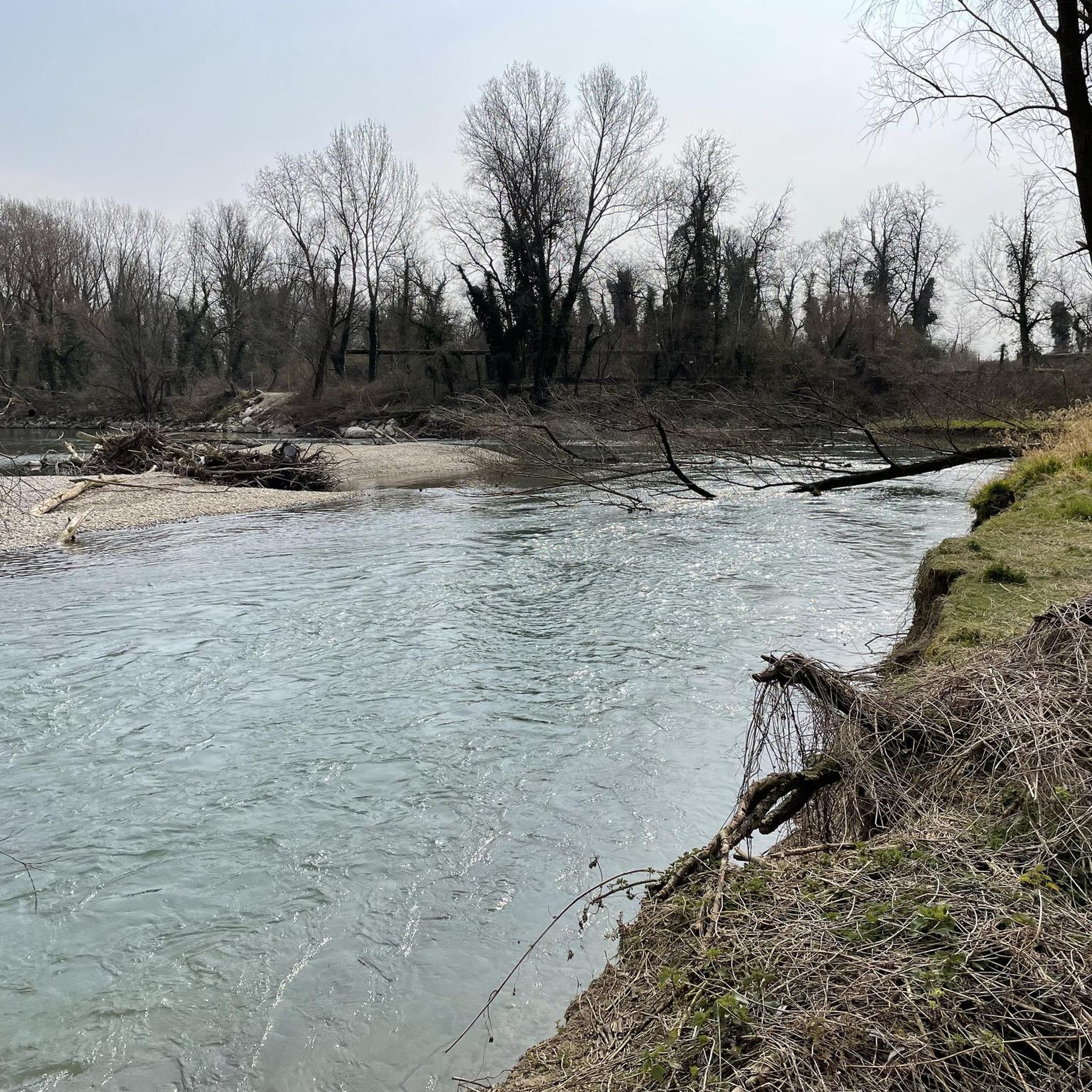
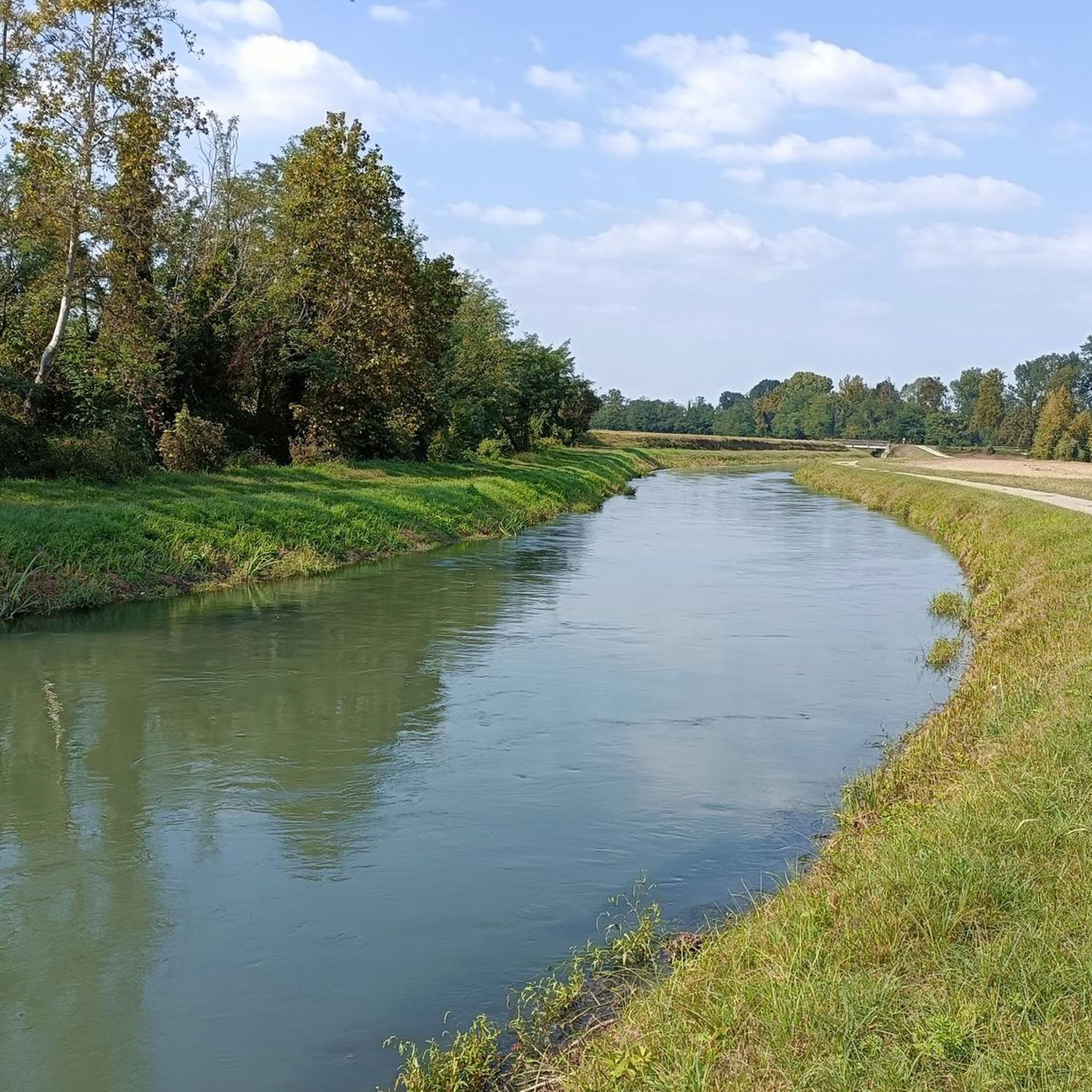
Touring cycling routes around Corte De' Cortesi Con Cignone traverse the flat plains and fertile agricultural lands of the Po Valley in Lombardy, Italy. The region is characterized by expansive rural landscapes, with significant presence of the Po and Oglio rivers. These riverine environments and agricultural panoramas provide a serene backdrop for cycling, often featuring well-maintained paths through green corridors and regional parks.
Best touring cycling routes around Corte De' Cortesi Con Cignone
- The most popular touring cycling route is…
Last updated: July 1, 2026
6
riders
27.5km
01:46
90m
90m
Easy bike ride. Great for any fitness level. Mostly paved surfaces. Suitable for all skill levels.
17
riders
121km
07:53
220m
220m
Hard bike ride. Very good fitness required. You may need to push your bike for some segments of this route.

Sign up for free
5.0
(1)
15
riders
Hard bike ride. Very good fitness required. Mostly paved surfaces. Suitable for all skill levels.
3.0
(1)
6
riders
36.1km
02:07
100m
100m
Moderate bike ride. Good fitness required. Mostly paved surfaces. Suitable for all skill levels.
4.2
(5)
4
riders
16.2km
00:56
20m
20m
Easy bike ride. Great for any fitness level. Mostly paved surfaces. Suitable for all skill levels.
Get access to more routes and recommendations from other explorers.
Sign up for free
Already have an account?
Our route recommendations are based on thousands of hikes, rides, and runs completed by other people on komoot.
Start today with a free account
Your next adventure awaits.
Login or Signup

Tips from the Community

Pure Gravel ride. With mixed stretches on asphalt to relax a bit. Alternating shade and sun, but I think mid-season is preferable. The stretch of Verolavecchia and Verolanuova is beautiful, with its architectural features. There are fun climbs and descents, for which, however, it's better to have good brakes (as always).
0
0

Worth seeing with a guided tour offered by the tourist office
0
0

A visit to this unusual museum is definitely worthwhile. Current prices, opening hours, and restrictions can be found here: https://museoverticale.it/
1
0
The historic city of Cremona in Lombardy is dominated by a monumental bell tower, the Torrazzo. At 112 meters tall, it is the tallest brick bell tower in Europe and one of the most impressive medieval structures in Italy. The Torrazzo was built gradually between the 13th and 14th centuries as part of the cathedral complex. Its brick construction testifies to both the technical ingenuity of medieval builders and the city's ambition to express its power and importance. In 1583, a unique astronomical clock was added to the tower, which still fascinates with its accuracy. Climbing the Torrazzo is a spiritual journey from earth to heaven, and it is not difficult to ascend the 502 steps that lead to the final terrace to enjoy a breathtaking 360° panorama. The visit includes a stop in the rooms dedicated to the study of time and astronomy in the new Vertical Museum, which was inaugurated in November 2018. https://www.cattedraledicremona.it/torrazzo-interno/?lang=de
2
0

Pizzighettone boasts one of the best-preserved city walls in Lombardy. Built in the Middle Ages and then reinforced during the Spanish era, they still surround a large portion of the historic center along the banks of the Adda River. The casemates and internal walkways allow you to imagine military life in the past, when the village was a strategic garrison between Milan and Cremona. Strolling around the walls, you can admire towers, bastions, and perfectly restored sections.
1
0

A splendid Renaissance square dominated by the three figures of the Cathedral, the Baptistery, and the Torrazzo, which offers a panoramic view of the entire Po Valley.
1
0

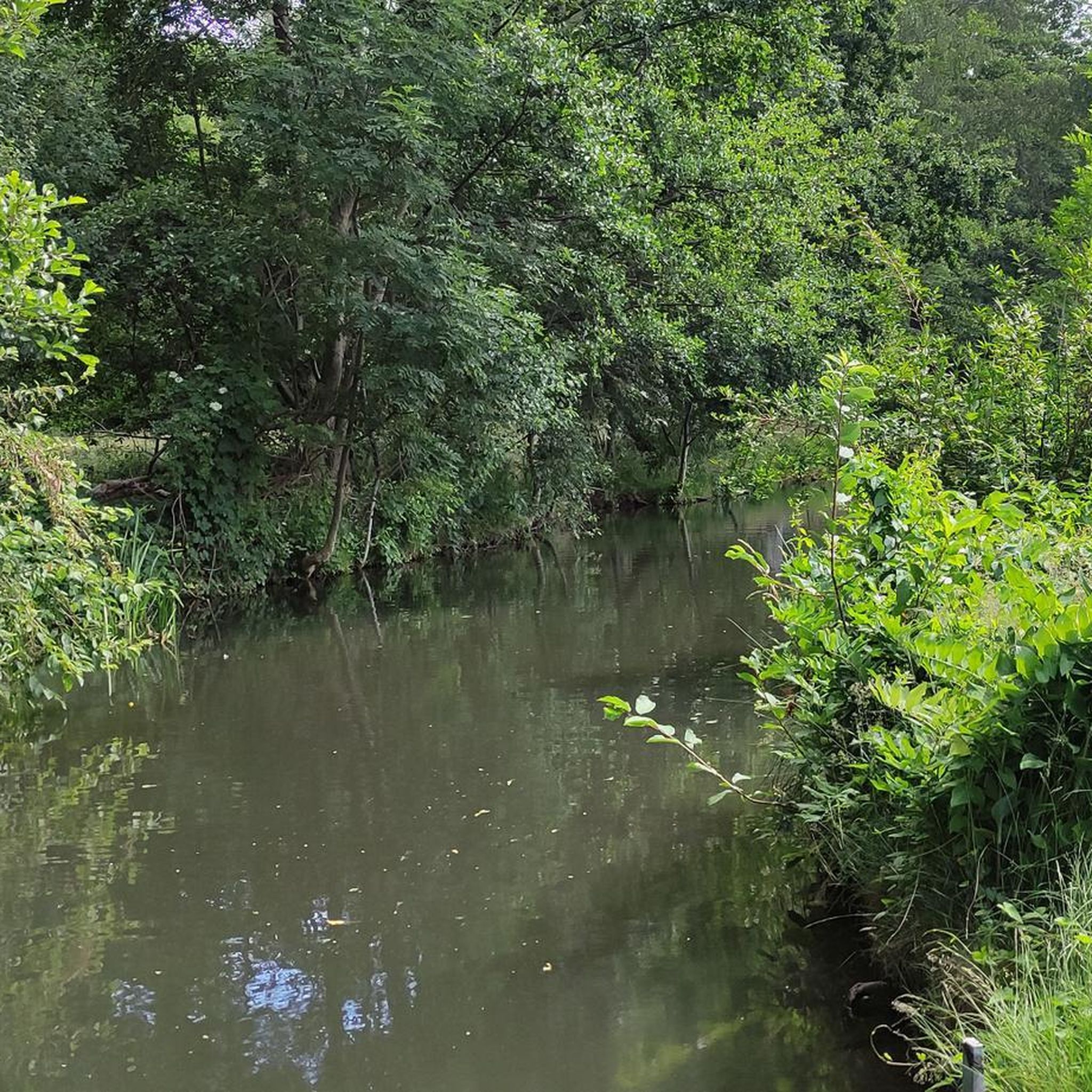
Very beautiful, almost entirely shaded and cool. In some places, the vegetation is very lush, but there are alternative routes. As always, there are the inevitable fallen tree trunks along the way. One in particular is 15 cm in diameter, but you can climb over it. Have a good trip!
0
0

The hydraulic junction of the Tombe Morte-Tredici Ponti constitutes the most important concentration of artificial waterways in the province of Cremona, irrigating approximately 85,000 hectares of countryside. Here the Naviglio Civico di Cremona, the Naviglio Grande Pallavicino and the Canale Vacchelli intersect, the latter pouring almost all of its flow into the Naviglio Pallavicino, the Naviglio Civico and a dozen irrigation ditches through an impressive system of locks. Finally, a spillway, built between 1968 and 1981, detaches from the junction, which discharges any excess flow from the Naviglio Civico, the Naviglio Pallavicino and the Vacchelli into the Oglio river. Two different hypotheses have been made regarding the origin of the name, the first would originate from the term tomba which is synonymous with siphon, a hydraulic element that connects two conduits. Probably some of these artifacts would have fallen into disuse, hence the adjective death. Another hypothesis is linked to the discovery of several dozen burials dating back to the late Roman era.
23
0
Frequently Asked Questions
What kind of terrain can I expect on touring cycling routes around Corte De' Cortesi Con Cignone?
The region is characterized by flat plains and fertile agricultural lands of the Po Valley, making for generally easy and scenic cycling. Routes frequently trace the tranquil banks of the Po and Oglio rivers, and you'll find a mix of well-maintained cycle paths, gravel, and paved roads suitable for various fitness levels.
Are there family-friendly touring cycling routes in the area?
Yes, the flat terrain and well-maintained paths make many routes suitable for families. There are over 100 easy routes available. A good option for a leisurely ride is the In the Oglio Park, from Olmeneta to Quinzano d'Oglio – loop tour, which offers a gentle journey through the Oglio Park.
What are some interesting landmarks or attractions I can see along the cycling routes?
You can combine your cycling with cultural exploration. Notable attractions include the historic Padernello Castle, the unique San Vigilio Bridge of Padernello made of intertwined logs, and religious sites like the Sanctuary of the Blessed Virgin of Ariadello. Many routes also offer views of the Po and Oglio rivers and vast agricultural landscapes.
Are there any circular touring cycling routes available?
Yes, many routes in the region are designed as loops, allowing you to start and end at the same point. An example is the Cyclopedestrian Bridge over the Oglio – Strone River Park loop from Bordolano, which takes you through river park landscapes.
What is the best time of year for touring cycling around Corte De' Cortesi Con Cignone?
The region is generally pleasant for cycling from spring through autumn. The river paths, especially along the Oglio, offer shaded sections and lush vegetation, providing a cooler experience even during warmer months. Spring and early autumn offer mild temperatures and beautiful scenery.
What do other touring cyclists enjoy most about cycling in this region?
The area is highly rated by the komoot community, with an average score of 4.1 stars from over 200 reviews. Cyclists often praise the tranquil riverbanks, the expansive agricultural plains, and the accessibility of regional parks, which provide a serene backdrop for rides of varying difficulty.
Are there options for longer, more challenging touring cycling routes?
While many routes are easy, there are also more challenging options for experienced touring cyclists. For instance, the Tombe Morte (and 13 bridges) – Torrazzo of Cremona loop from Olmeneta is a difficult 75.2-mile (121.1 km) path featuring extensive riding across the plains and connecting various points of interest.
Can I find routes that explore the agricultural landscapes of the Po Valley?
Absolutely. The Cremonese plain is a vast agricultural expanse, and many routes, such as the Mirabello Ciria – Naviglio Pallavicino loop from Casalbuttano, traverse cultivated fields and offer serene pastoral views, providing a deep connection with the rural Italian lifestyle.
Are there any routes that follow the Oglio River cycle path?
Yes, the Oglio River is a significant feature of the region, and many routes utilize its banks. The Oglio River cycle route, recognized with the 2019 Italian Green Road Award, offers extensive stretches through wooded reserves and wetlands, providing an immersive natural experience. You can find various segments and loops that incorporate this scenic path.
Is it possible to reach Cremona by bike from this area?
Yes, the region's proximity to Cremona allows cyclists to extend their tours to explore the city. Routes like the 'Musica nel Vento' itinerary connect the area with Cremona, known for its musical heritage, Cathedral, and Torrazzo. This provides an excellent opportunity to combine nature with urban exploration.
Where can I find information about parking for cycling routes?
While specific parking details for every trailhead are not always listed, many routes start from villages or towns where public parking is available. For routes originating from Olmeneta or Bordolano, you can typically find parking within the respective localities. It's advisable to check local municipal websites for detailed parking information if you plan to drive to a starting point.
Are there options for longer touring routes that connect multiple towns?
Yes, the network of paths, including parts of the longer VenTo cycling lane along the Po River, allows for multi-town journeys. Routes like the Naviglio Pallavicino – Mirabello Ciria loop from Casalbuttano offer a moderate distance, connecting different points of interest and providing a broader exploration of the region.
Most popular routes around Corte De' Cortesi Con Cignone
Most popular attractions around Corte De' Cortesi Con Cignone

Get inspired with the komoot mobile app


Explore more
Browse the best Cycling routes in other regions.
